A myth has been passed down for generations among the Black community. You might have heard it before, maybe even believed it yourself. It’s the idea that Black people “don’t get” lice. But here’s the thing, it’s not the whole truth. As it turns out, this is one of those commonly-held beliefs that is only partially accurate. So, in this blog post, we’ll dive into the nitty-gritty details of lice infestations among Black individuals. We’ll explore the misconceptions, the facts, and everything in between while answering the question: can black people get lice?
Can Black People Get Lice?
First off, it’s true that Black folks can still get head lice. However, it’s also true that African-American people get head lice much less frequently than other people, according to the Centers for Disease Control and Prevention (CDC). The reason for this might surprise you; most head lice in the United States have claws that more easily grip onto uncoiled hair.
And as it turns out, the hair shaft in coiled hair has an oval cross-section, making it harder for head lice to grip. So, unfortunately, the answer is yes, Black people can get lice.
Science on Lice & Black Hair
While it is true that black people don’t get head lice as often, have you ever wondered why? Well, there are plenty of theories out there. Some people think it’s because of the tighter curl patterns, which are tougher for lice to navigate. Another research suggested using hair oils, like petroleum jelly, makes African-American hair smoother and harder for lice to grip.
In addition, the shape of black people’s hair shafts also plays a role. It turns out that Black people tend to have an oval cross-section shape to their hair, while white people tend to have a round cross-section shape. This makes it harder for lice to grip onto our hair, which could explain why they’re less common among African-American people in the U.S.
However, this doesn’t mean Black people in Africa are immune to head lice. Research has shown that some head lice have adapted to living in coily hair, and they can be found in countries like Senegal, Burundi, Rwanda, and Ethiopia. So, the bottom line is that while it’s true that Black people in the U.S. might be less likely to get head lice, it’s not impossible.
Signs of Head Lice in Coily Hair
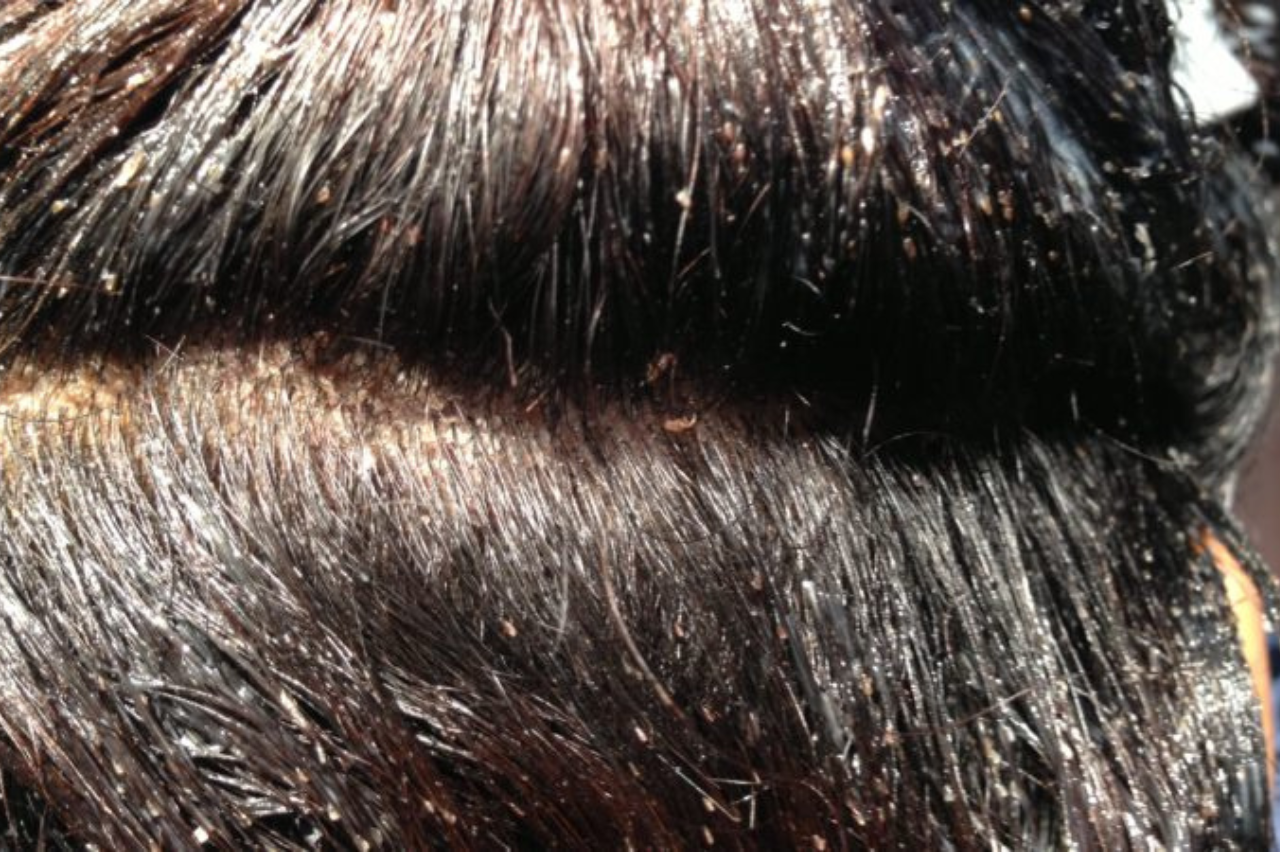
Dealing with head lice can be a challenging and uncomfortable experience, but it’s crucial to recognize the signs and symptoms. Here are some things to look out for:
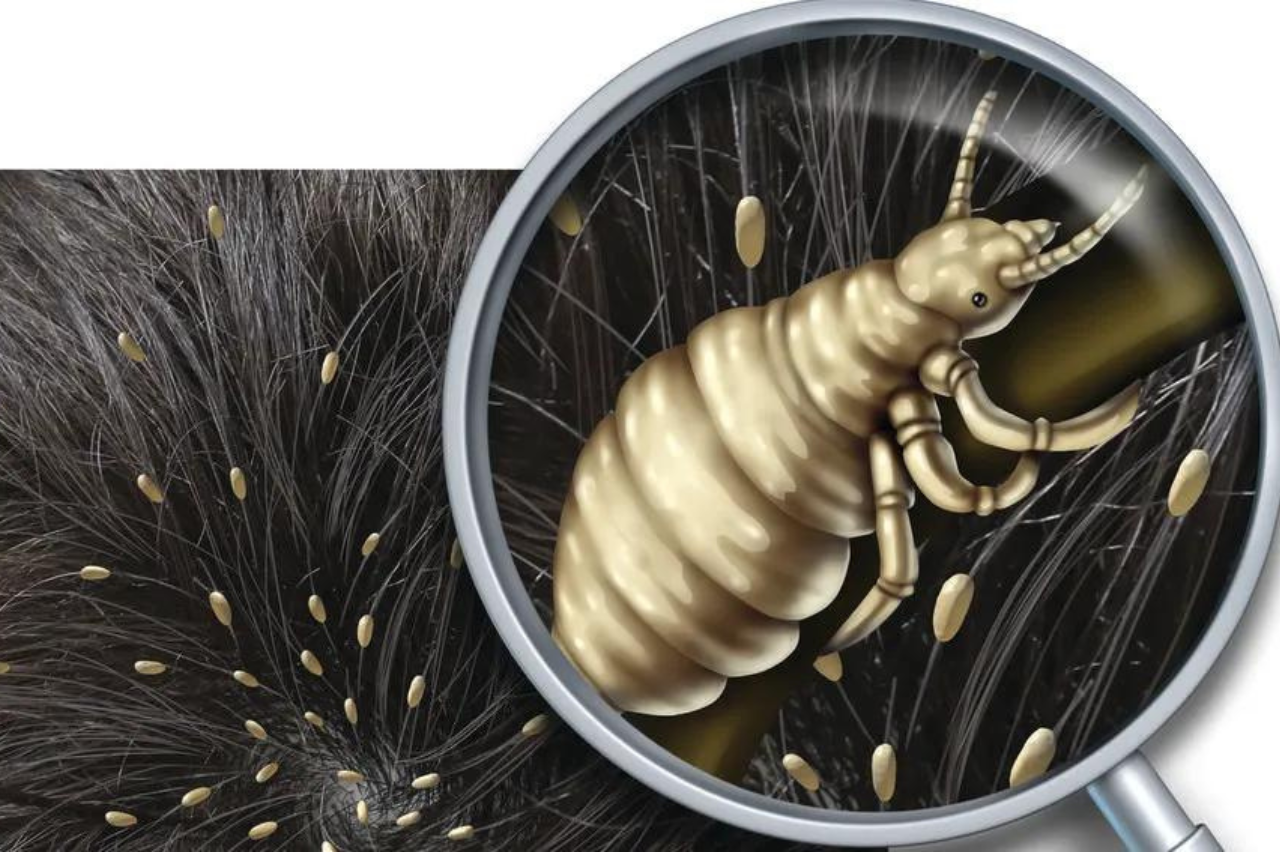
- Presence of insects that are black or gray and about 2-3 millimeters (mm) long with six clawed legs;
- An itching or tickling sensation in the hair;
- Feeling or seeing movement in the hair, including crawling but not hopping or flying;
- Trouble sleeping, as head lice are most active when it is dark;
- Sores on the head from scratching, which may lead to infection;
- Look for empty egg casings, which may be easier to see on dark hair than the lice since they usually appear white.
How to check for lice
If you suspect you have head lice, you can check a few places to see if any unwanted guests are hiding out in your hair. Here are the areas to focus on:
- Start by checking the scalp and crown of the head. This is where lice are most commonly found and where they lay their eggs.
- Remember to check around and behind the ears. Lice love to hide in these warm, cozy areas.
- Lastly, check the neckline at the back of the head. Lice can also be found here, so taking advantage of this area is essential.
Remember, lice can be difficult to spot, so check thoroughly and use a fine-toothed comb to help detect bugs or eggs. If you find lice, don’t worry; plenty of treatment options are available.
Ways to Treat lice infestation on Curly hair
Dealing with a lice infestation can be a hassle, but many treatment options are available. However, it’s essential to understand your options to choose the best course of action for you. To help you out, below are some of the most popular treatments available:
Over-the-counter treatments
Various lice treatments are available at your local drug store or online. These products usually contain chemicals like permethrin or pyrethrin, killing lice and their eggs. Be sure to follow the instructions carefully and repeat the treatment as recommended to ensure that all lice and eggs are eliminated.