Nnedi Okorafor: A Reader's Guide to the Nigerian-American Author's Most Essential Books
Arianne Cole··12 min read
Ad SpaceArticle Top - 728x90
Advertisement
The word Nnedi Okorafor wants applied to her work is not the one her publishers reached for first. Afrofuturism, she will patiently explain, was coined by the critic Mark Dery in 1993 to describe Black American writers, musicians and artists imagining futures shaped by the diasporic experience of the United States. Her books, set in Lagos, on Nigerian rivers, on ships carrying Himba travellers and in the wreckage of a future Sudan, are not that thing. They are, she insists, Africanfuturism: speculative work rooted on the African continent, in African languages and cosmologies, rather than refracted through the diaspora. She coined Africanjujuism alongside it for the fantasy side of the same argument. To read her without that distinction in mind is to read her against the grain.
This guide is for the reader who has been told, accurately, that she is one of the most important living African speculative writers, and who would like to know which of her books to read first and in what order. The output is large, the series overlap, and the reading order is genuinely easy to get wrong.
Chicago, Igboland, and the injury that turned her into a writer
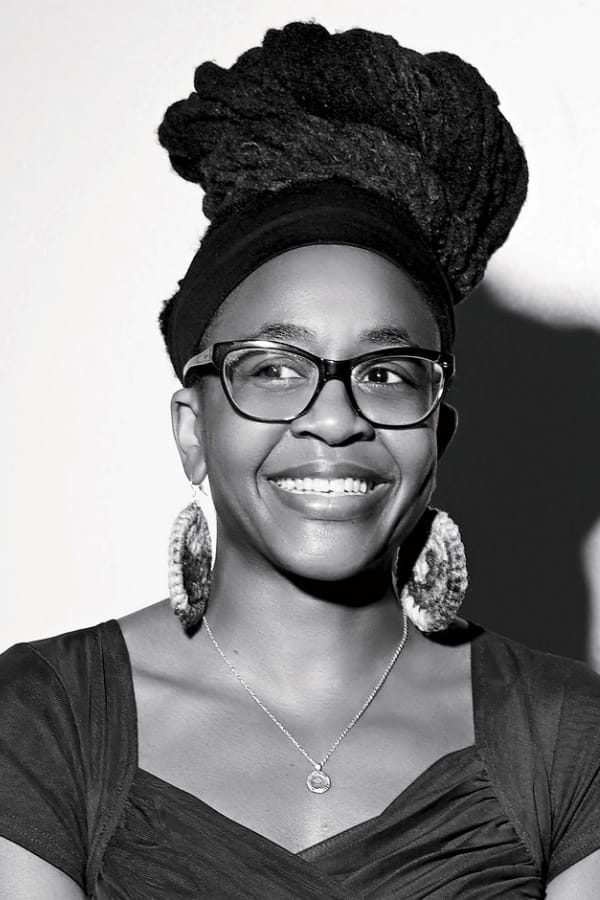
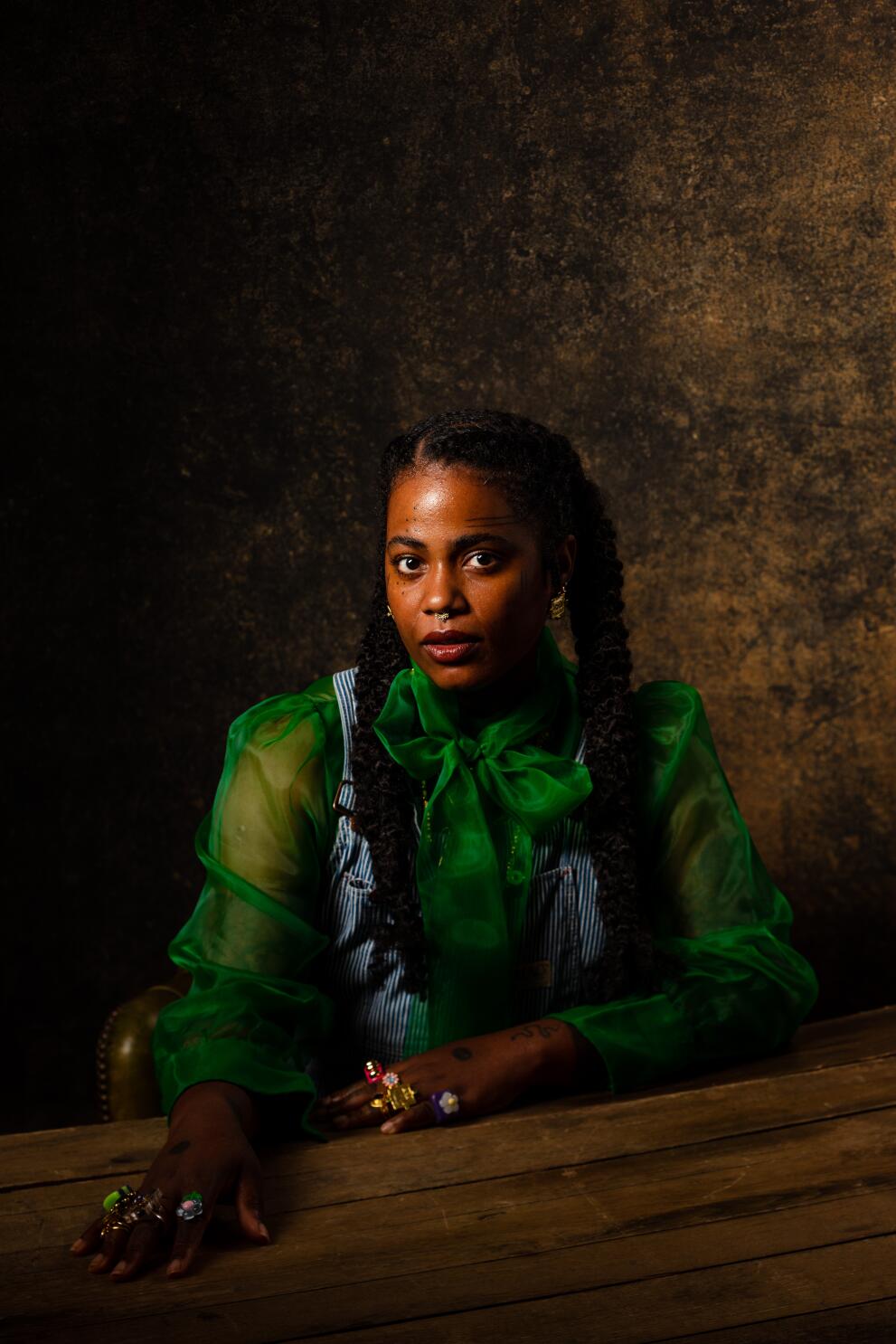
Image: Chicago Tribune
Nnedimma Nkemdili Okorafor was born in Cincinnati, Ohio, on 8 April 1974, the third of four children of Igbo parents who had travelled to the United States in 1969 to study and could not return because of the Nigerian Civil War. She holds both American and Nigerian citizenship. She grew up in the Chicago area, travelling regularly to Nigeria to spend holidays with extended family, which gave her a childhood lived between two cosmologies more thoroughly than most American-born Nigerian children of the period. At Homewood-Flossmoor High School in Illinois she was a nationally ranked tennis and track athlete who excelled in the sciences and expected to become an entomologist.
Spinal surgery for scoliosis in the 1990s, while she was a student at the University of Illinois, left her temporarily paralysed from the waist down. She has written about that period at length in Broken Places & Outer Spaces (2019), her first work of nonfiction, which treats the injury as the hinge on which her creative life turned. She took a creative writing class at a friend’s suggestion and was working on a first novel by the end of the semester. She completed a BA at the University of Illinois at Urbana-Champaign, a master’s in journalism at Michigan State University, and a master’s and PhD in English at the University of Illinois at Chicago, and she is a 2001 graduate of the Clarion Writers Workshop. She taught at Chicago State University and at the State University of New York at Buffalo, and has been a professor of practice at Arizona State University since 2021, where she is part of the Interplanetary Initiative. She lives in Phoenix.
The point about the injury is not a redemption arc. The point is that her novels are full of girls whose bodies are altered, augmented, possessed or remade against their will, and who must decide what to do with a body they did not choose. That preoccupation is not allegory. It is biography metabolised.
Zahrah, Shadow Speaker, Akata, and the young-adult shelf
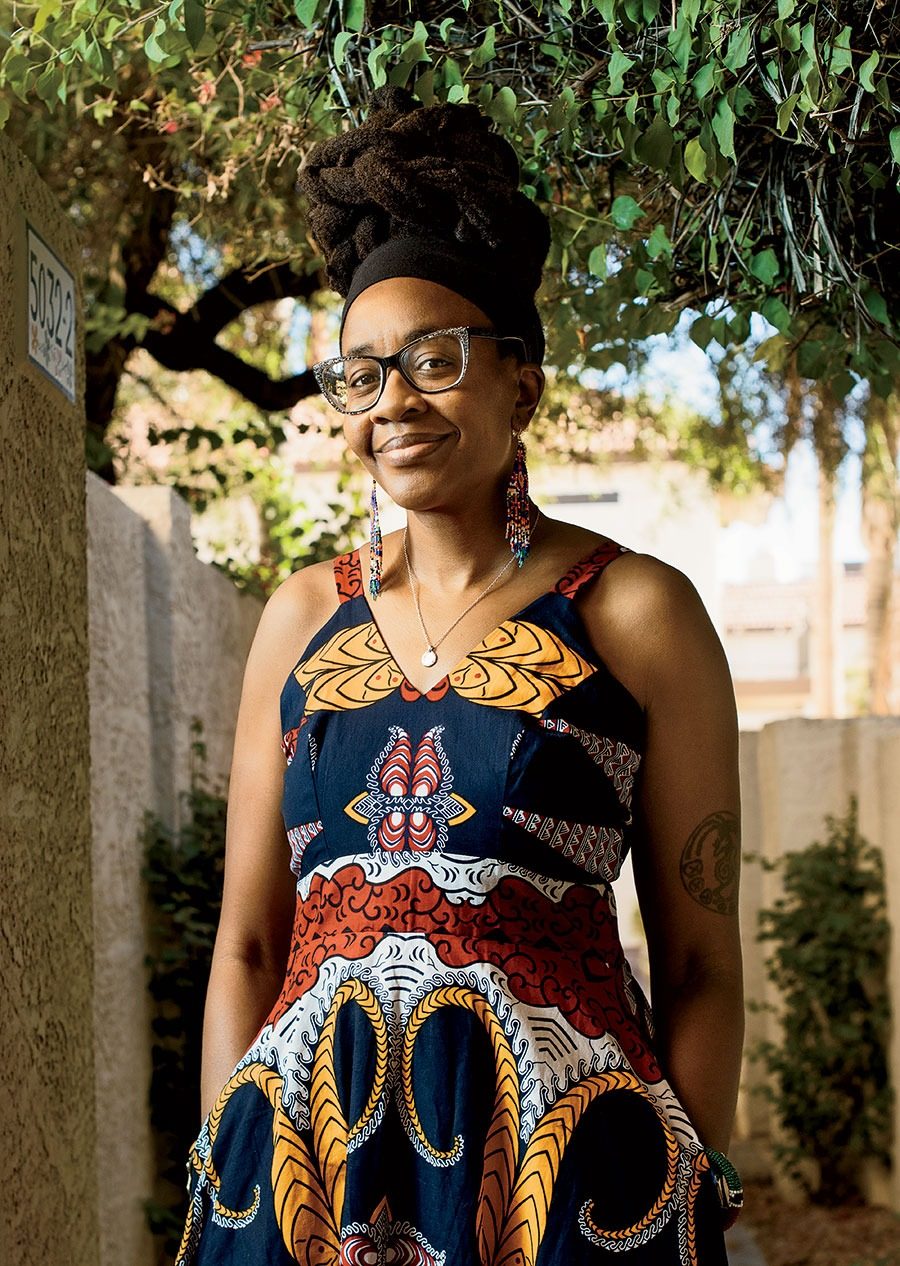
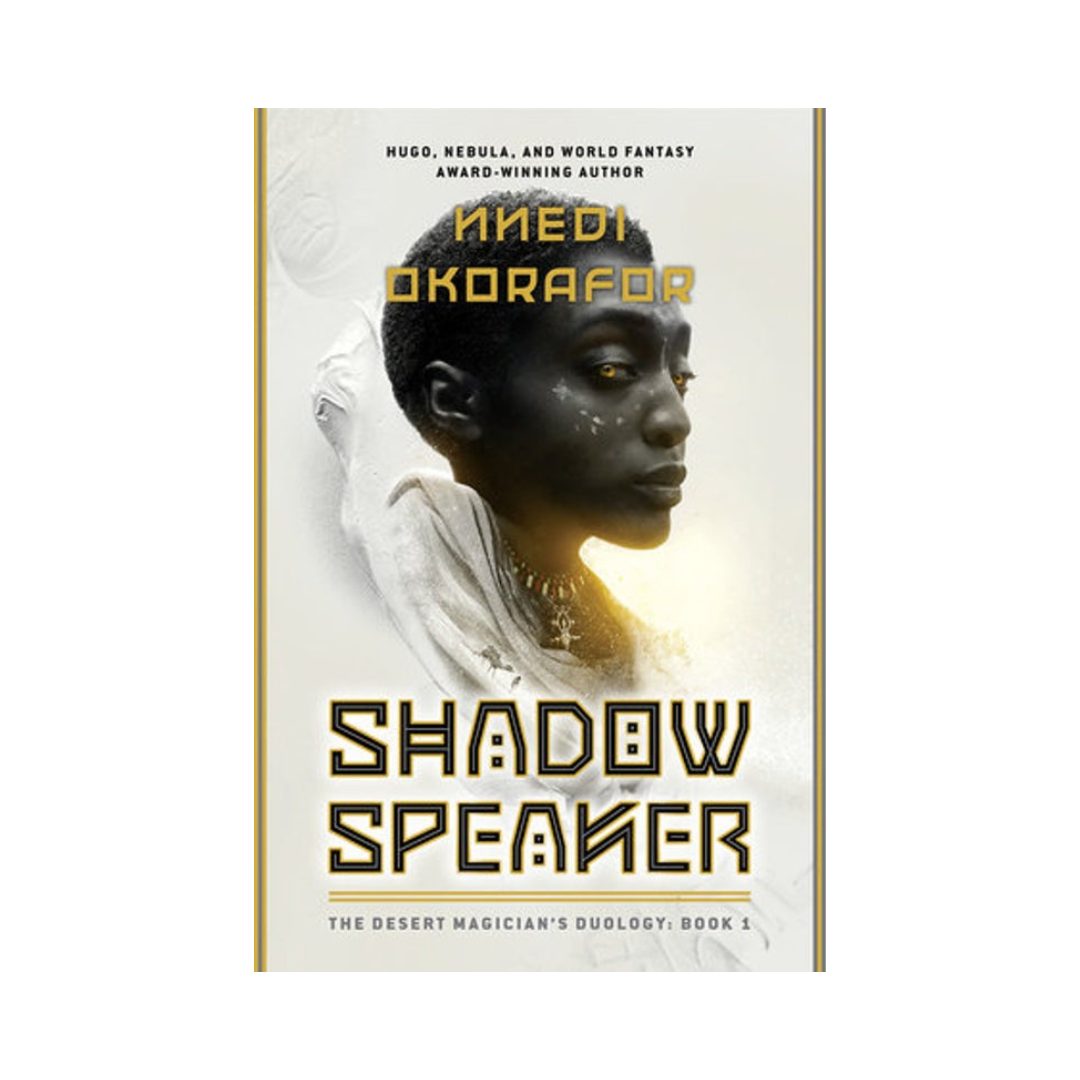
Image: Beastly Books
Zahrah the Windseeker (2005) was her first published novel, written for young readers and set in the Ooni Kingdom, a richly imagined West African secondary world. Zahrah is born dada, with vines growing naturally through her hair, a mark of a child set apart, and discovers she can fly. The book won the Wole Soyinka Prize for Literature in Africa, the major continental fiction award, and announced her as a writer to watch. It remains the gentlest entry point in her catalogue. The Shadow Speaker followed in 2007, won the Carl Brandon Parallax Award and was an Andre Norton Award finalist; long out of print, it was reissued in revised form in 2023 as Shadow Speaker and completed with a sequel, Like Thunder, the same year. Long Juju Man, a children’s book, won the Macmillan Writer’s Prize for Africa, and Ikenga (2020), a middle-grade novel, was an Edgar Award nominee.
The Nsibidi Scripts series, often called the Akata books, is what built her core young-adult readership: Akata Witch (2011), Akata Warrior (2017) and Akata Woman (2022). Sunny Nwazue, a twelve-year-old Nigerian-American albino girl whose family has moved back to south-eastern Nigeria, discovers she belongs to a secret society of magical practitioners called Leopard People. The books are sometimes called the Nigerian Harry Potter, a comparison that flatters Rowling and undersells Okorafor, because Akata Witch is in genuine conversation with Igbo folkloric tradition in a way the Hogwarts books never attempt with their borrowed mythologies. Sunny is bullied for her albinism, dismissed for being a girl and mocked for being American, and across more than a decade of publishing the series watches her grow into the kind of practitioner the older Leopard People feared she would become. Akata Warrior won the 2018 Locus Award for best young adult book and the inaugural Lodestar Award. The third volume is where Okorafor’s adult ambitions for the series become visible, and younger readers may find it the hardest.
Who Fears Death, and the adult novel that changed her status
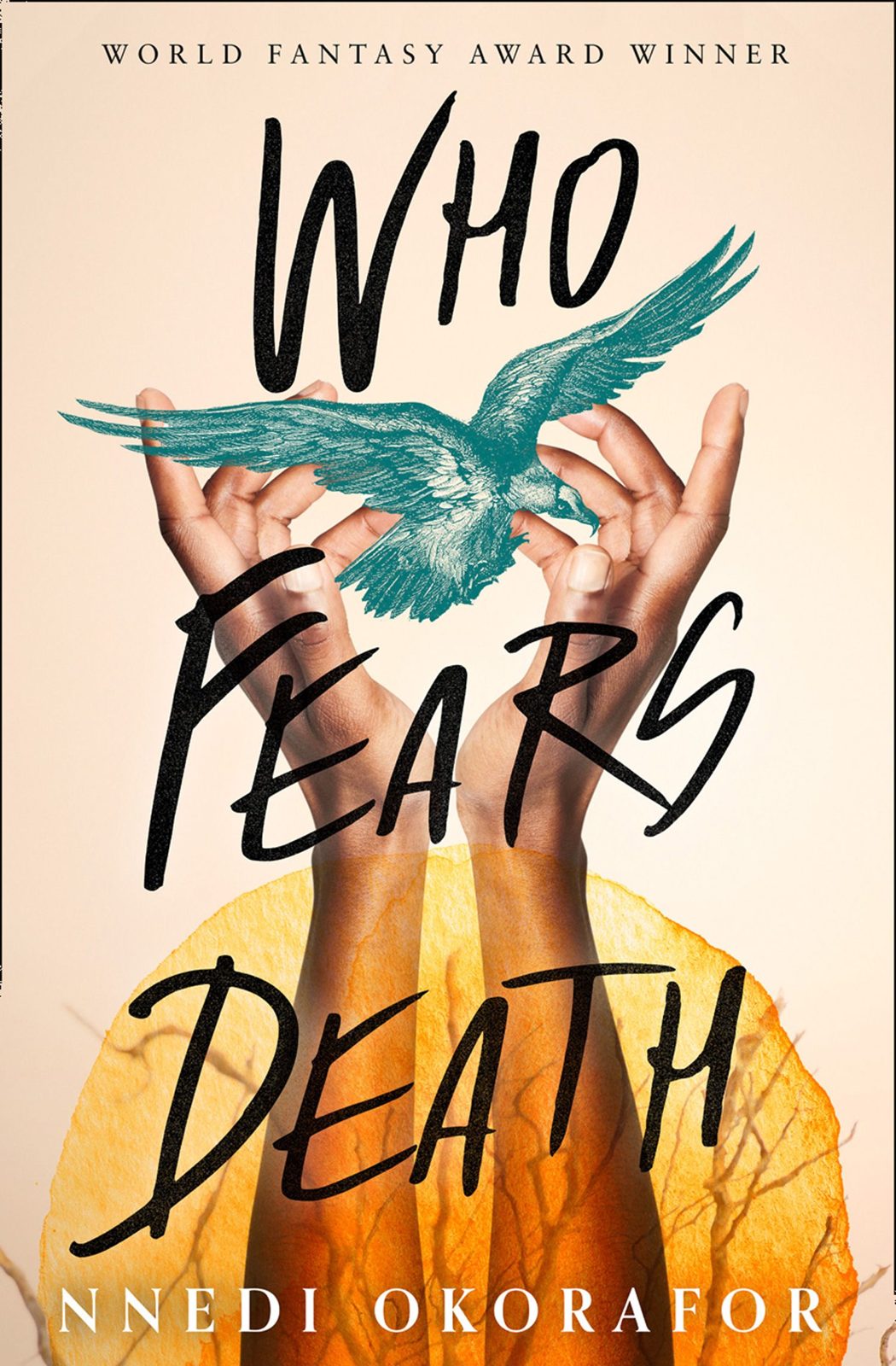
Image: HarperReach
Who Fears Death (2010) moved her from respected young-adult writer to major adult speculative novelist. Set in a post-apocalyptic future Sudan in which the Nuru have been waging genocidal war on the Okeke, it follows Onyesonwu, an Ewu, a child conceived through wartime rape, born to an Okeke mother. Onyesonwu is a sorceress and a prophesied destroyer whose body carries the literal mark of the war, and the novel is structured as her journey to confront her father and end the genocide. The book is harrowing. It abstracts the Darfur conflict into a far-future frame and refuses to look away from female genital cutting, rape as a weapon of war, or the inheritance of trauma. It won the World Fantasy Award for best novel in 2011 and was nominated for the Nebula.
The sequence around it matters for reading order. The Book of Phoenix (2015) is a prequel, an Arthur C. Clarke Award finalist that explains how the world of Who Fears Death came to be. From 2024 Okorafor extended the sequence again with the She Who Knows novellas, She Who Knows (2024), One Way Witch (2025) and The Daughter Who Remains (2026), which centre on Najeeba, Onyesonwu’s mother.
Who Fears Death was picked up by HBO as a television series in 2017, with George R. R. Martin attached as an executive producer and Okorafor involved as a consultant; Tessa Thompson’s production company Viva Maude joined in 2021. The series has not gone into production and its status is not publicly clear. The option, the announcement and the long stall are themselves a useful lesson in how the American screen-rights ecosystem handles African source material.
Lagoon, Binti, and the genre-shifting middle years
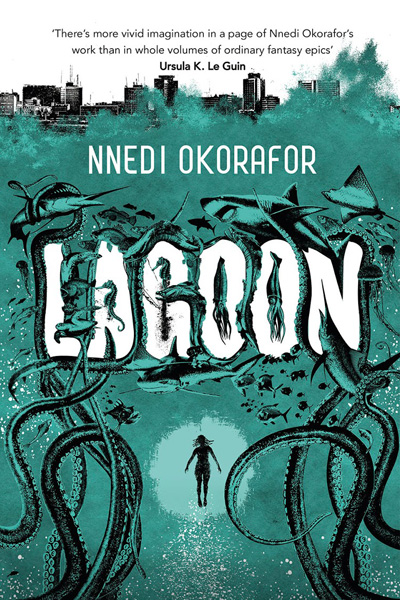
Lagoon (2014) is the novel in which she became formally daring. Aliens arrive in the waters off Lagos. The book follows three central human characters, a marine biologist, a Ghanaian rapper and a Nigerian soldier, alongside a substantial nonhuman cast that includes the sea itself, with chapters narrated from unexpected vantage points. It is short, fragmented and divisive: some readers find it her most experimental work, others her most thrilling. It was a British Science Fiction Association Award finalist and is the novel to start with if you read literary fiction and want to see her at her most ambitious in purely formal terms.
Ad SpaceIn-Article - 300x250
Advertisement
The Binti books are novellas, not novels, and the distinction matters both for the awards and for the reading experience. Binti (2015), Binti: Home (2017) and Binti: The Night Masquerade (2018) were later gathered, with the novelette “Binti: Sacred Fire,” as Binti: The Complete Trilogy. Binti, a young Himba woman, is the first of her people accepted to Oomza University, an interplanetary institution. On the journey her ship is attacked by the Meduse, a jellyfish-like species at war with humanity, and Binti alone is left to broker a peace. The first novella won the 2015 Nebula Award and the 2016 Hugo Award for best novella, and later took a Nommo Award; Binti: Home and Binti: The Night Masquerade were both Hugo finalists in their turn. The whole sequence can be read in a weekend, and it is the work most likely to turn a general science-fiction reader into an Okorafor reader for life.
Remote Control, Noor, and the comics work
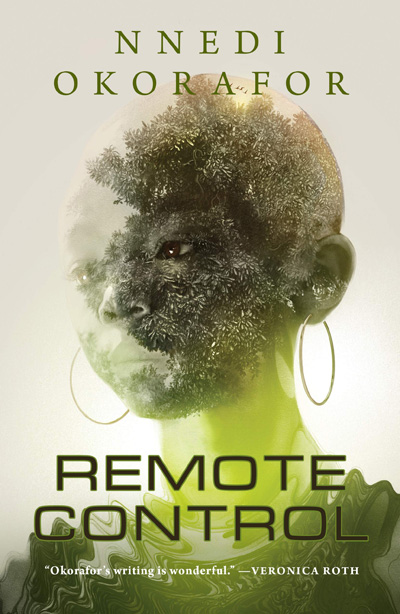
Remote Control (2021) is a standalone novella that returned her, after Binti, to a West African setting and to the slow, devastating mode of Who Fears Death. Sankofa, a girl in a near-future Ghana whose touch can kill, walks the countryside accompanied by a fox. It is short, lyrical and quieter than her novel-length work, and it is the book to read on an afternoon when you want her prose at its most concentrated. Noor (2021), published the same year and set in a futurist northern Nigeria, is the fuller novel of that period: a woman rebuilt with prosthetics and augmentations goes on the run across the Sahel, and the book was a Locus Award finalist for best science fiction novel.
Okorafor is also one of very few African writers to do extended work in mainstream American comics, and the comics are books in their own right rather than a sideline. Black Panther: Long Live the King (2017) for Marvel was followed by Wakanda Forever, in which the Dora Milaje team up with other Marvel heroes, and by Shuri (2018), a solo title for Black Panther’s sister that took Wakanda’s internal politics more seriously than the films did. LaGuardia (2018), for Berger Books at Dark Horse, is an immigration parable set at the New York airport and built around the arrival of plant-people; the collected edition won both an Eisner Award and the Hugo Award for best graphic story in 2020. Work for hire in superhero franchises is uneven by nature, and some of hers is, but the record is also that of an African writer trusted with one of the most-watched corners of American popular culture at a time when that trust was rarely extended.
Africanfuturism, the essay, and Death of the Author
In an October 2019 post that has since been widely cited, Okorafor set out the distinction between Afrofuturism and Africanfuturism. Afrofuturism, she wrote, is a Black diasporic American category; Africanfuturism is rooted on the African continent. The two overlap and are not the same thing. The taxonomy has been taken up by African speculative writers including Tade Thompson, Wole Talabi, Tlotlo Tsamaase and Suyi Davies Okungbowa, and is now the working term in serious African genre criticism. In 2024 she was inducted into the Science Fiction Hall of Fame by the Museum of Pop Culture.
Death of the Author (2025) is a turn into a more directly literary and metafictional register. It follows Zelu, a paraplegic Nigerian-American writer whose science-fiction novel about a post-human Africa becomes a global phenomenon, and alternates her story with chapters from the book she has written. It is the most autobiographical thing Okorafor has published and the one in which she argues most openly with an industry that has sometimes praised her work without quite understanding it. The novel was a finalist for the Nebula Award, the Hugo Award and the Los Angeles Times Book Prize in science fiction, fantasy and speculative fiction, and won the Locus Award for best science fiction novel.
What she does, what she leaves alone
Across the body of work Okorafor returns to a small set of preoccupations: girls and women whose bodies are altered against their will, the violence of borders, the spiritual ecology of African landscapes, and the question of what kind of stories African children should be told about their own futures. She is the most read and most translated living practitioner in the African speculative tradition, and by her own design less interested than some peers in the literary prestige economy. The Hugo and the Nebula matter to her in a way the Booker does not.
The weaknesses are real. The Akata series grows denser and less tightly plotted as it proceeds, and some readers find Akata Woman an exhausting conclusion. The Marvel work is sometimes constrained by editorial mandate in ways that flatten her best instincts. Her sentences, particularly in the early young-adult novels, can run thin against the world-building. She works fast, and not every book is necessary.
Where she sits, and where to start
In the African speculative tradition Okorafor is the writer most responsible for opening a continental space for a genre that previously had to apologise for itself inside African literary criticism. She is the most-cited model for the generation of African speculative writers now in their thirties and forties, and her career has made the careers of writers such as Suyi Davies Okungbowa, Tochi Onyebuchi and Oghenechovwe Donald Ekpeki more thinkable than they would otherwise have been.
For the fantasy reader, start with Akata Witch, continue through Akata Warrior and Akata Woman in that order, then try Zahrah the Windseeker and the Desert Magician duology. For the science-fiction reader, start with the Binti novella; it is short, it won the Hugo and the Nebula, and it will tell you within a hundred pages whether you are an Okorafor reader, after which the remaining two novellas, then Lagoon, Remote Control and Noor follow naturally, with Who Fears Death as the heavier book for later. For the literary-fiction reader, start with Death of the Author, then Remote Control and Lagoon, then the Binti novellas and Who Fears Death. Within the Who Fears Death sequence, read the 2010 novel first, then the prequel The Book of Phoenix, then the She Who Knows novellas.
Title
Year
Form
Zahrah the Windseeker
2005
Young adult novel
The Shadow Speaker (revised 2023 as Shadow Speaker)
2007
Young adult novel, Desert Magician book one
Long Juju Man
2009
Children’s book
Who Fears Death
2010
Novel, read first in its sequence
Akata Witch
2011
Young adult novel, Nsibidi Scripts book one
Kabu Kabu
2013
Short story collection
Lagoon
2014
Novel
Binti
2015
Novella, Binti book one
The Book of Phoenix
2015
Novel, prequel to Who Fears Death
Akata Warrior
2017
Young adult novel, Nsibidi Scripts book two
Binti: Home
2017
Novella, Binti book two
Black Panther: Long Live the King
2017
Comics
Binti: The Night Masquerade
2018
Novella, Binti book three
LaGuardia
2018
Comics
Shuri
2018
Comics
Broken Places & Outer Spaces
2019
Nonfiction
Ikenga
2020
Middle-grade novel
Remote Control
2021
Novella
Noor
2021
Novel
Akata Woman
2022
Young adult novel, Nsibidi Scripts book three
Like Thunder
2023
Young adult novel, Desert Magician book two
She Who Knows
2024
Novella, Who Fears Death sequence
Death of the Author
2025
Novel
One Way Witch
2025
Novella, Who Fears Death sequence
The Daughter Who Remains
2026
Novella, Who Fears Death sequence
A shelf still being built
The screen record is a mixed one and worth stating precisely. The short story “Hello, Moto” was adapted by the Nigerian filmmaker C. J. Obasi as the short film Hello, Rain, which premiered at the International Short Film Festival Oberhausen in 2018 and is the adaptation that actually exists. A Binti screenplay for Hulu, co-written with Stacy Osei-Kuffour, was announced in 2020. A Lagoon adaptation entered early development at Amblin Entertainment in 2024. The HBO Who Fears Death series remains unmade. Okorafor has also co-written a screen adaptation of Octavia Butler’s Wild Seed with the filmmaker Wanuri Kahiu, and edited The Best American Science Fiction and Fantasy 2025.
What she has built, across more than two dozen books, is a body of work that gave African speculative fiction its own vocabulary and then handed that vocabulary to everyone who came after. A reader starting today has the rare advantage of a shelf deep enough to live inside and a conversation around it still active enough to argue with.
Ad SpaceIn-Article - 300x250
Advertisement
Share
Get the recap
Loved this story? Get more like it.
Join readers who get our weekly entertainment recap - the stories worth your time, delivered every Friday.
No spam. Unsubscribe anytime. By signing up you agree to our Privacy Policy.