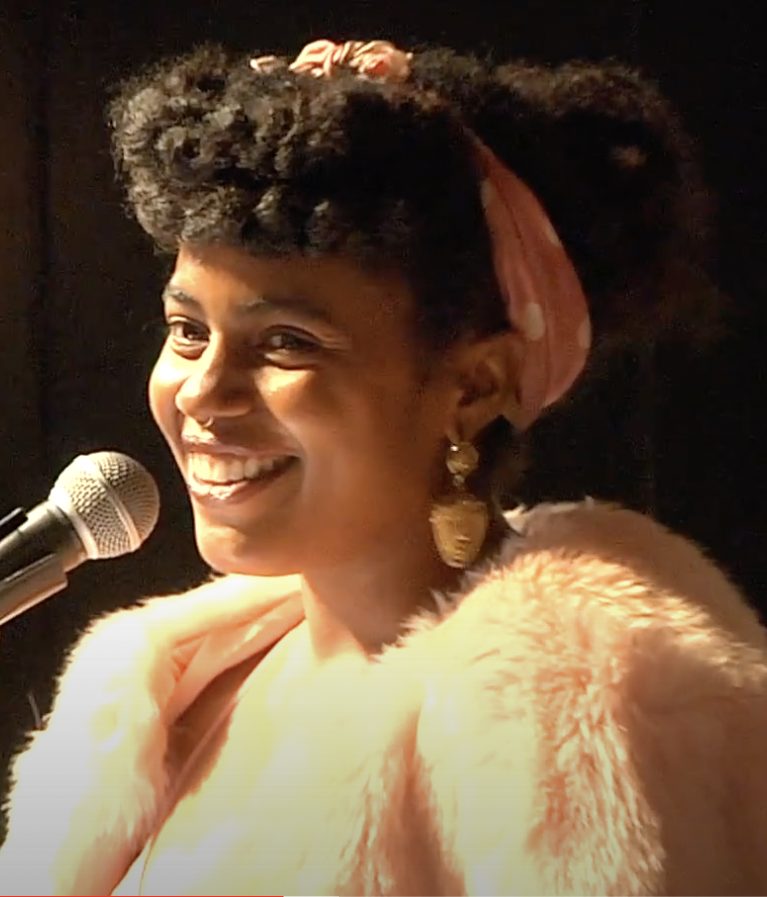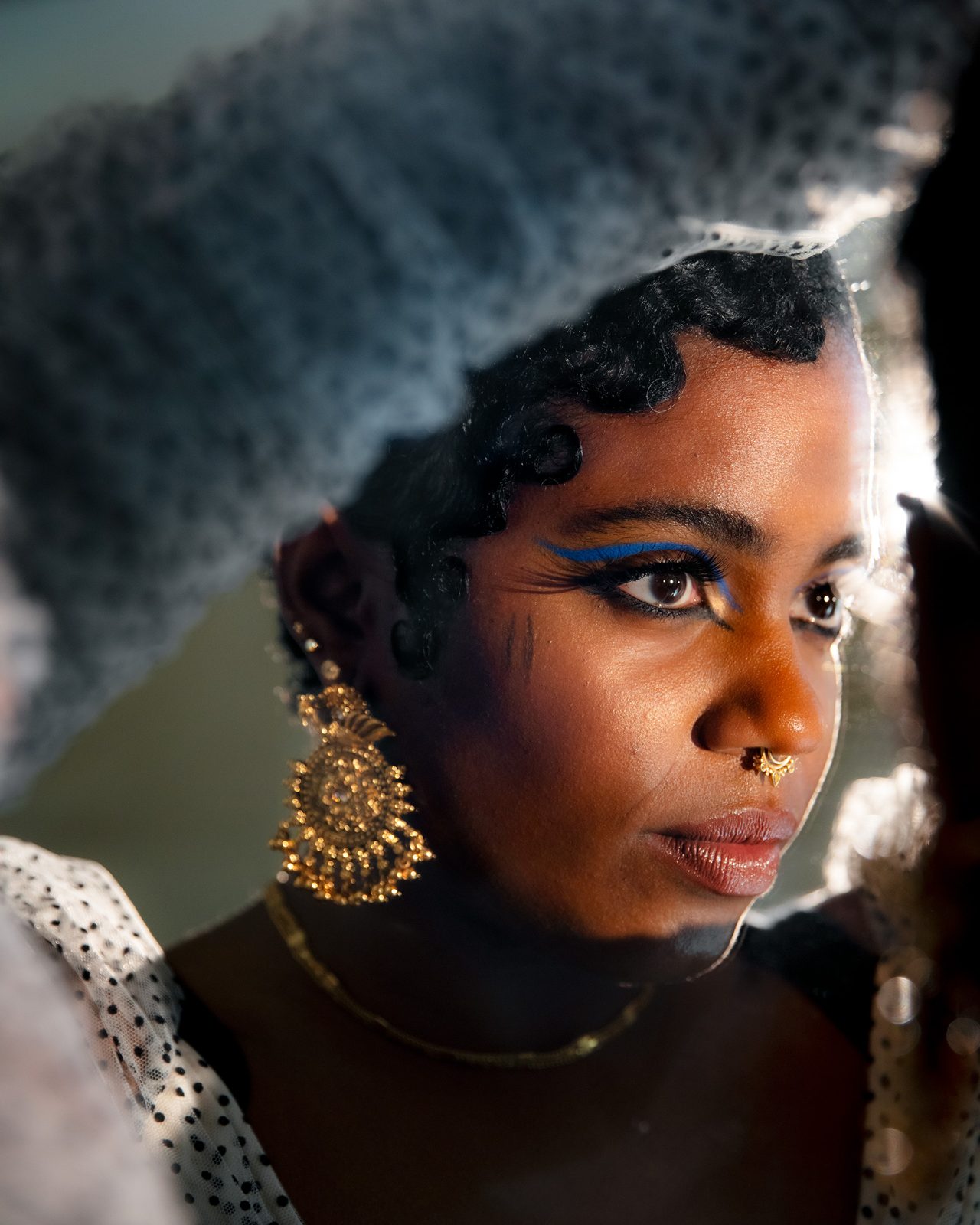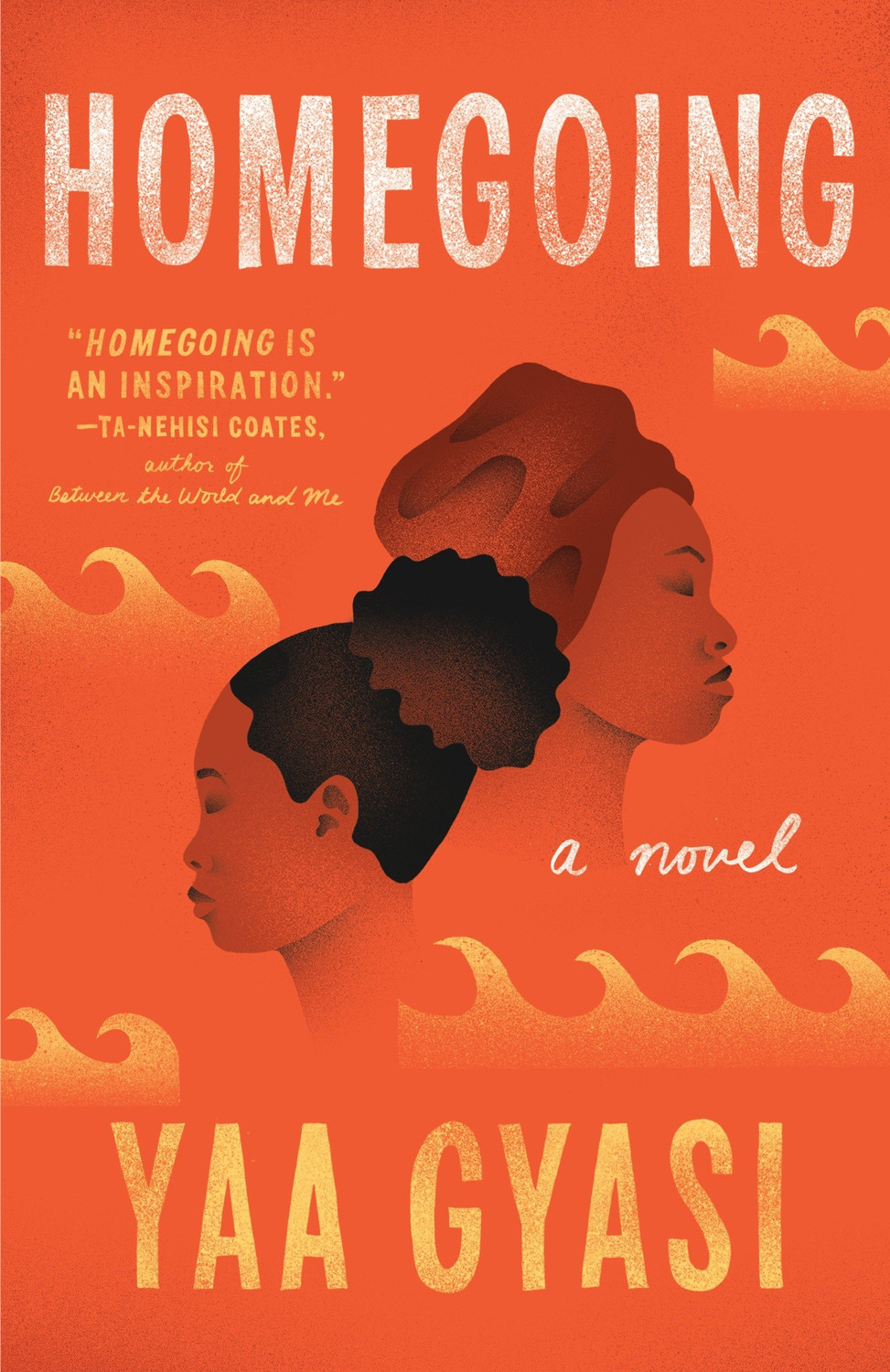
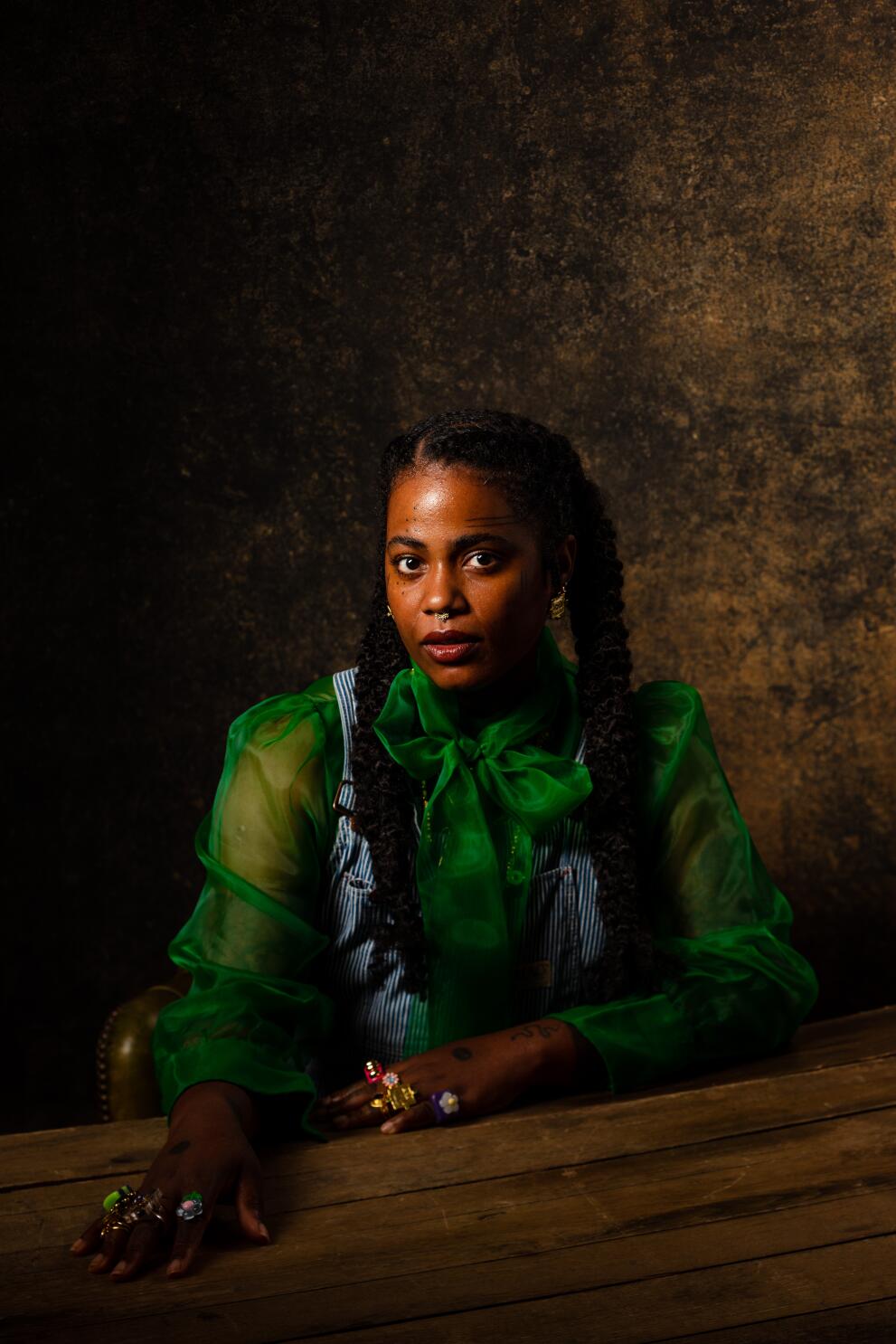

Akwaeke Emezi is non-binary and transgender, uses they and them, and has described themselves throughout their public life as an ogbanje, a spirit in Igbo ontology that is born and dies repeatedly into the same human family, refusing both stable embodiment and the ordinary human lifespan. They have written and spoken about understanding that identification as ontology rather than metaphor, and about the surgical procedures they underwent in 2018, around the time their debut novel was published, as the spirit self enforcing on the body what the human protocols of gender had refused to allow. Readers who treat this as biographical colour will misread the books. It is the argument the books are making.
It has also produced a career that fits no standard shape. Since 2018 Emezi has published literary novels, young adult fiction, a memoir, a poetry collection and a romance, eleven books across at least four categories, with one metaphysical and aesthetic argument running underneath all of them. Reading them is less a matter of finding the canonical order than of choosing the entry point that matches the reader, because the work is still being built and the criticism has not caught up with it.
Background
Emezi was born in 1987 in Umuahia, Abia State, to an Igbo father and a Tamil mother from Malaysia, and grew up in Aba in the Igbo south-east in a household that crossed Hindu, Christian and Igbo cosmologies. They were, by their own account, a voracious reader who began writing stories at five, and who used storytelling with their sister, the photographer Yagazie Emezi, as a way through the riots and dictatorship of their childhood. They moved to the United States at sixteen to attend college in Appalachia, and later studied at New York University and Syracuse University. The Tamil heritage is not filler. Emezi has been clear that the cosmological framework they write from is not Igbo alone but a multiply rooted set of beliefs about embodiment, spirit and the porousness between the living and the dead.
The ogbanje identification is the central interpretive key to almost everything they have made. In Igbo religious belief an ogbanje is a restless spirit that cycles in and out of human birth, troubling the family it is born into until ritual intervention either binds it to the human world or releases it. Emezi’s claim to that identity has been contested inside Igbo religious communities, where the question of who can authoritatively self-identify in this way is unsettled. It has also reframed how critics approach not only the debut but the whole body of work. The body in pain, the body modified, the body inhabited by selves other than a singular “I,” is the through line.
The Literary Novels
Freshwater (2018) is the book that announced everything. Narrated in shifting first-person voices, it follows Ada from her birth in south-eastern Nigeria to her young adulthood in the American South. The voices include the ogbanje selves that inhabit her, the Igbo god Ala, a Christ figure called Yshwa, and Ada’s own human consciousness. The novel moves through sexual violence, mental illness, gender dysphoria and survival without treating any of them as its central subject. The central subject is the metaphysics, and Emezi has been firm that the book is not a metaphor. It won the Otherwise Award and the Nommo Award for best novel, was a PEN/Hemingway finalist, and was longlisted for the Women’s Prize for Fiction, the Andrew Carnegie Medal and the Aspen Words Literary Prize. Emezi was a National Book Foundation 5 Under 35 honouree in 2018.
The Women’s Prize longlisting in 2019 was the first for a non-binary transgender author and became a public argument in its own right. When the prize later asked Emezi for their “sex as defined by law” in order to consider The Death of Vivek Oji, Emezi withdrew the book and called the requirement transphobic and specifically exclusionary to trans women.
The Death of Vivek Oji (2020) is the most accessible of the literary novels and the one that found the broadest readership. A young Nigerian of mixed parentage is dead before the novel begins, and the structure works backward and around that death through a chorus of family, lovers and friends. Vivek’s gender and sexuality sit at the centre of the book without being the puzzle it exists to solve. It is also a study of a Nigerian Indian community that almost no other Nigerian novelist has rendered. The prose is more controlled than in Freshwater, the metaphysics more submerged. It was a New York Times bestseller, a finalist for the Los Angeles Times Book Prize for fiction, shortlisted for the Dylan Thomas Prize, the PEN/Jean Stein Book Award and the International Dublin Literary Award, and a Nommo Award winner.
Dear Senthuran (2021) is a memoir in letters, addressed to friends, lovers, mentors and the dead. The letters cover the publication of Freshwater, the body modifications, the loss of friends, and the development of a writing practice that proceeds from spirit rather than from craft instruction. In its quieter chapters it is also a portrait of how a contemporary writer makes a living, and as a craft memoir disguised as a metaphysical one it has few peers. It won the Stonewall Book Award’s Israel Fishman Non-Fiction Award and was shortlisted for a Lambda Literary Award. Two later adult novels, Little Rot (2024) and Son of the Morning (2025), extend the same concerns into darker and more contemporary Nigerian territory.
The YA, the Romance, the Poetry

Pet (2019) is a young adult novel that was a National Book Award finalist for Young People’s Literature and won the Walter Dean Myers Award in the teen category. Set in a future city called Lucille where the monsters have supposedly been defeated, it follows Jam, a Black trans girl, and Pet, a creature that emerges from a painting to hunt a monster the city insists is not there. It is the most allegorically direct of the books and the most political in its address: an argument that utopias are most dangerous once they have stopped looking for what they failed to root out. Bitter (2022), the young adult prequel, is set during the uprising that produced Lucille’s revolution and is darker and angrier. A third young adult novel, Somadina, followed in 2025.
You Made a Fool of Death with Your Beauty (2022) is a contemporary romance, published by Atria and structurally faithful to the genre’s beats: a young widow in Brooklyn, an older architect, the inevitable obstacles. Some literary critics treated it as a departure or a commercial concession. Emezi treated it as another form they wanted to write inside. The book is more interested in grief than the genre demands and more committed to its erotic register than the literary novel usually allows, and it was shortlisted for an NAACP Image Award for fiction. Film rights were acquired by Amazon Studios in 2021, with Michael B. Jordan’s Outlier Society developing and Emezi attached as an executive producer; no film has been released.