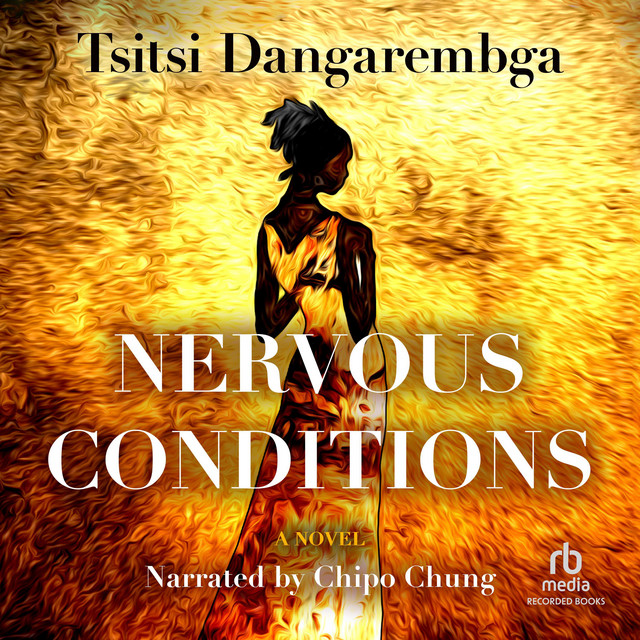
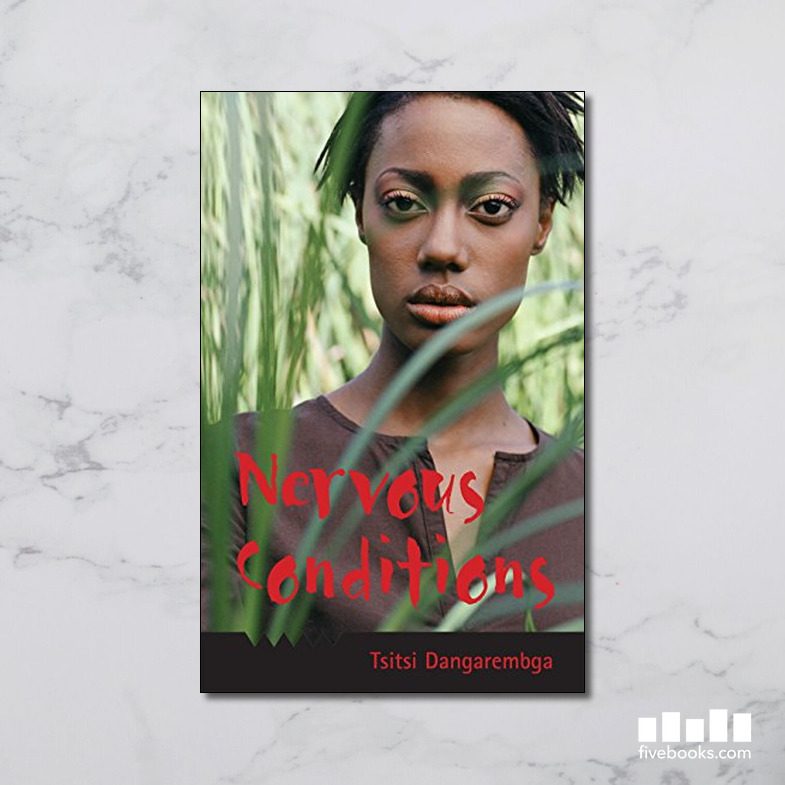
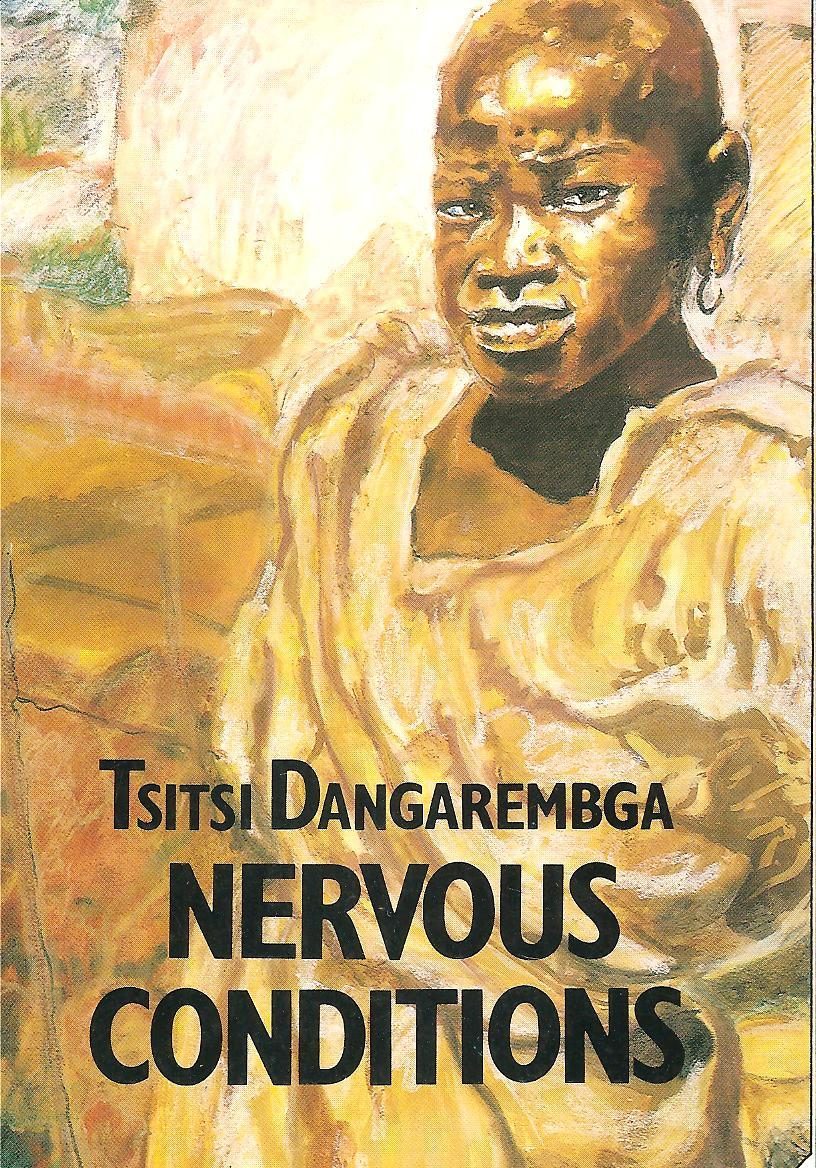
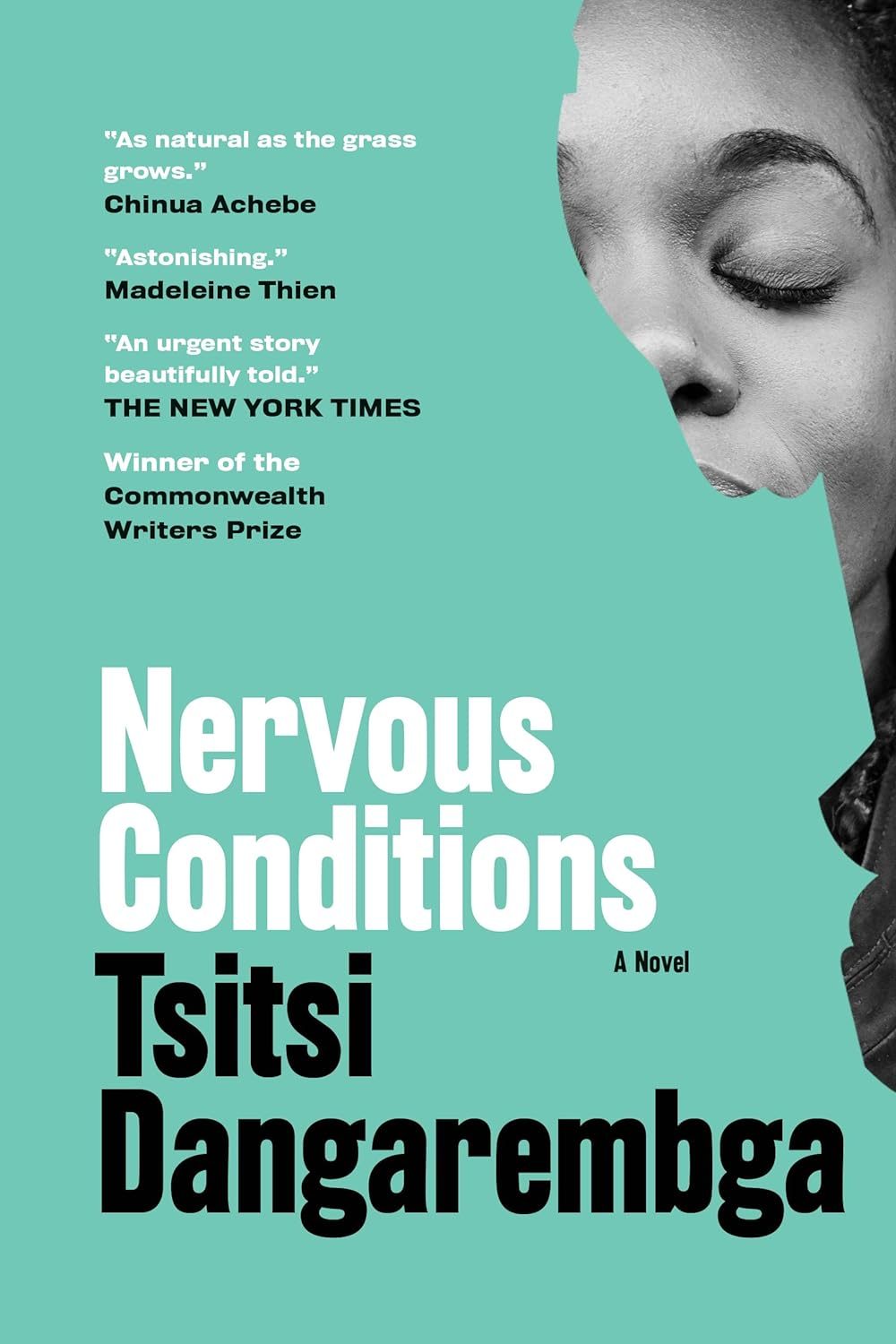
Nervous Conditions by Tsitsi Dangarembga: A Full Review of the Modern African Classic
Arianne Cole··9 min read
Ad SpaceArticle Top - 728x90
Advertisement
“I was not sorry when my brother died.” Few opening sentences in twentieth century African fiction have done more work in fewer words. The narrator is Tambudzai, called Tambu, a Shona girl growing up on a family homestead in late 1960s Rhodesia. The brother is Nhamo, the one child in the family whose schooling the household can afford. He has been dying through the first chapter, and his death is the door through which Tambu walks into the rest of her life, because the place at the mission school is now hers. She accepts it without grief. The novel that follows is a long reckoning with what that acceptance cost her and with what it bought.
Nervous Conditions was published in 1988 by The Women’s Press in London, after Dangarembga had been turned away by Zimbabwean publishers. It was the first novel in English published by a Black Zimbabwean woman, and it won the Commonwealth Writers’ Prize for the Africa region in 1989. In 2018 the BBC named it among one hundred books that shaped the world. It has been translated into many languages, set on syllabi from Harare to Hanover, and become the load bearing first volume of a trilogy that took three decades to finish.
The Title and Its Source
The epigraph comes from Jean-Paul Sartre’s introduction to Frantz Fanon’s The Wretched of the Earth: “The condition of native is a nervous condition.” The title is lifted straight out of it, and so is the diagnostic frame of the whole novel. Tambu is not telling a coming of age story in the European sense. She is describing a colonial machinery that produces a specific kind of psychic damage in the people it processes, and she describes it in the calm, exact voice of someone who has lived inside that damage long enough to name its furniture.
Something formally unusual is happening here. Most colonial novels of formation, Things Fall Apart included, give us a protagonist whose tragedy arrives in one catastrophic arc. Tambu’s story is not catastrophic. It is incremental. She wants what the mission school can give her, and she gets it, and the cost of wanting it accumulates page by page in a voice that never rises above the conversational. The horror of the novel is not what happens to Tambu. The horror is the slow conversion of her desire, presented to her as her own, into the desire the system needs her to have.
Five Women
Image: Five Books
The novel is organised around five women, and it is the relationships among them, rather than any direct confrontation with the colonial state, that carry the argument. Tambu narrates, a homestead girl who arrives at the mission school under the patronage of her uncle Babamukuru, its headmaster. Her cousin Nyasha is the second centre of gravity, Babamukuru’s daughter, back from five years in England with her parents and now a stranger inside her own family. Maiguru, Nyasha’s mother, holds a master’s degree from a British university and hands her teaching salary to her husband. Lucia, Tambu’s maternal aunt, pregnant and entangled with the relative Takesure, is the one woman in the book who refuses every form of containment offered to her and who pays a particular price for refusing. Mainini, Tambu’s mother, stays on the homestead, bears child after child, and watches her daughter become someone she can no longer recognise.
Around these five the novel arranges Shona patriarchy, mission education and the racial economy of Rhodesia in its last decade. The men, Babamukuru, Jeremiah, Takesure and Nhamo, move through the book as forces rather than as fully imagined consciousnesses. That is not a weakness but a choice. Dangarembga is writing about what colonial patriarchy does to the women who survive it, and the men do not get to be the protagonists of that story.
Nyasha
Nyasha is the novel’s other engine. Her family went to England when she was small and came back after five years. She has lost her fluency in Shona. She wears miniskirts. She reads Lady Chatterley’s Lover, which her father confiscates. She argues with him about everything from his authority to the colonial project to the food on her plate. She is the cousin Tambu does not want to become and cannot stop watching.
By the closing chapters Nyasha has developed an eating disorder the family will not name and the mission doctor cannot treat. She binges and purges. In the novel’s most frightening scene she destroys her history book in the middle of the night, enraged by the version of African history it hands her. She accuses her father of collaborating with the people who made that history, then begs his forgiveness, then accuses him again. Dangarembga writes the breakdown not as a plot event but as the logical consequence of being a girl raised between two systems, neither of which has room for her body or her mind.
This is the strand that made the book a touchstone for postcolonial feminist criticism. In 1988, eating disorders were still framed in Western clinical literature largely as a phenomenon of white middle class girls. Dangarembga’s framing, in which the disorder becomes a Black Zimbabwean girl’s attempt to consume and expel a colonial inheritance, was original then and remains so. Nyasha does not get better inside this novel, and the book does not promise that she will.
Craft
Dangarembga writes in a register that is conversational without being colloquial. Tambu, narrating from an unspecified later vantage, sounds like a woman who has thought about every sentence for a long time before saying it. The prose is not lyrical in the Achebean manner and it is not dense with proverb and song. It is plain, slightly formal, occasionally laconic, and the plainness is part of its diagnostic power. When the voice does leave its baseline, into anger or something close to elegy, the departure lands harder for being rare.
Ad SpaceIn-Article - 300x250
Advertisement
There is also a structural elegance that gets less attention than the politics. The novel opens with a death and closes with what Tambu describes as the beginning of her own expansion, and it is organised around a series of arrivals and departures: Tambu’s arrival at the mission, Nyasha’s deteriorations, Lucia’s arrival at the homestead, Maiguru’s brief walkout on her marriage. Each one shifts the configuration of the household and hands Tambu new information about the kind of woman she might or might not become. The plot is in the configurations rather than in the incidents.
The Trilogy and How to Read It
Nervous Conditions is the first volume of a trilogy. The Book of Not arrived in 2006, eighteen years later, and follows Tambu through Sacred Heart, a multiracial convent school, in the late stages of the war of independence. This Mournable Body, published in 2018, was longlisted for the Booker Prize in July 2020 and shortlisted that September; it finds Tambu decades on in post independence Zimbabwe, out of the advertising job that was supposed to be her reward and unravelling in a Harare hostel. The trilogy ages with its narrator. The voice darkens. The optimism that survives the first book does not survive the second, and what is left in the third is something closer to a long controlled scream rendered in the second person.
Image: Stuck in a Book
Title
Year
Form
Nervous Conditions
1988
Novel, first volume
The Book of Not
2006
Novel, second volume
This Mournable Body
2018
Novel, third volume
A common piece of syllabus advice is to read Nervous Conditions alone and take the other two only if you want the full picture. I think that is wrong. The first novel is beautiful and complete on its own terms, but reading it in isolation lets a reader off the hook, because the first book has a hopeful spine: Tambu still believes the mission school is a route to a fuller self. The next two are the demonstration that the belief was a misreading, and that the systems being diagnosed do not pay out for the women who play by their rules. Stopping after one volume is like reading the first half of a controlled experiment and leaving before the results.
Reception, Then and Now
In 1988 the novel was received as an important debut, but the reviewing apparatus did not quite know where to file it. It was not African writing in the Heinemann African Writers Series mode. It was not Commonwealth fiction in the mode then current. It was not feminist fiction in any of the shapes available at the time. It was all of these and none of them, and it took roughly a decade for teaching and criticism to catch up and begin assigning it widely.
Image: Reparations Club
Since then it has become one of the most frequently assigned African novels in English, alongside Things Fall Apart and Half of a Yellow Sun. Its influence on later Zimbabwean women writers, among them Petina Gappah and NoViolet Bulawayo, is hard to overstate, and Yvonne Vera, writing in the same period rather than after it, forms the other half of the conversation about Zimbabwean women’s fiction. Dangarembga herself became a far more public figure after 2020, when she was arrested in Harare while holding a placard calling for institutional reform, and when she received the PEN Pinter Prize, the PEN International Award for Freedom of Expression and the Peace Prize of the German book trade in the following year.
Honest Critique
The novel’s main weakness, if it is one, is the same as its main strength: the tightness of the focus. The white Rhodesian state appears mostly off camera. The armed struggle, which would escalate sharply in the 1970s, is barely present in a book set in the late 1960s. The mission apparatus that Tambu has accepted as her route forward is criticised by implication rather than directly. A reader who wants a panoramic novel of late colonial Zimbabwe will need to look elsewhere, to Charles Mungoshi or Yvonne Vera. Dangarembga’s project is psychological and household scaled, and she stays inside that scale with a discipline that costs her some historical sweep.
The other thing worth saying is that the men, Babamukuru in particular, can read as flat to readers who want a fuller portrait of African patriarchs caught in their own colonial squeeze. Ngugi wa Thiong’o, working in the same decades, gives more interior room to the figure of the colonial collaborator. Dangarembga does not. Her reasons are good ones, but the reader should know a choice was made.
Who Should Read It
Read this if you want to understand why a generation of African women writers cite Dangarembga as the writer who made their own work imaginable. Read it if you want a novel about colonial education that refuses to treat education as straightforwardly emancipatory. Read it if you want to see what an eating disorder looks like when it is written from inside a different cultural grammar than the one most Western readers have been trained on. Read it before the more recent African novels of school and self making, because it is the book their authors had to read first.
Skip it if you want propulsion. The book moves at the speed of a girl thinking, which is to say at the speed of a life. Skip it too if you are after a definitive feminist statement, because Dangarembga is more interested in the texture of half emancipations than in any final verdict.
Why Tambu’s Voice Still Carries
What is most striking about Nervous Conditions, more than thirty years on, is how little it has dated. The diagnosis it offered in 1988, that the colonial subject’s interior life is where the deepest damage is done and that women are inside that laboratory, has been confirmed by every decade since. Tambu still sounds like a voice from the next room rather than from a closed archive. That kind of survival is rare in any literature, and in African literature in English it is the marker of a foundational book. The trilogy that grew out of it is the long argument Dangarembga has been conducting with herself, and with her readers, ever since.
Ad SpaceIn-Article - 300x250
Advertisement
Share
Get the recap
Loved this story? Get more like it.
Join readers who get our weekly entertainment recap - the stories worth your time, delivered every Friday.
No spam. Unsubscribe anytime. By signing up you agree to our Privacy Policy.