10 Writers Who Won the Caine Prize and Why You Should Read Them
Arianne Cole··8 min read
Ad SpaceArticle Top - 728x90
Advertisement
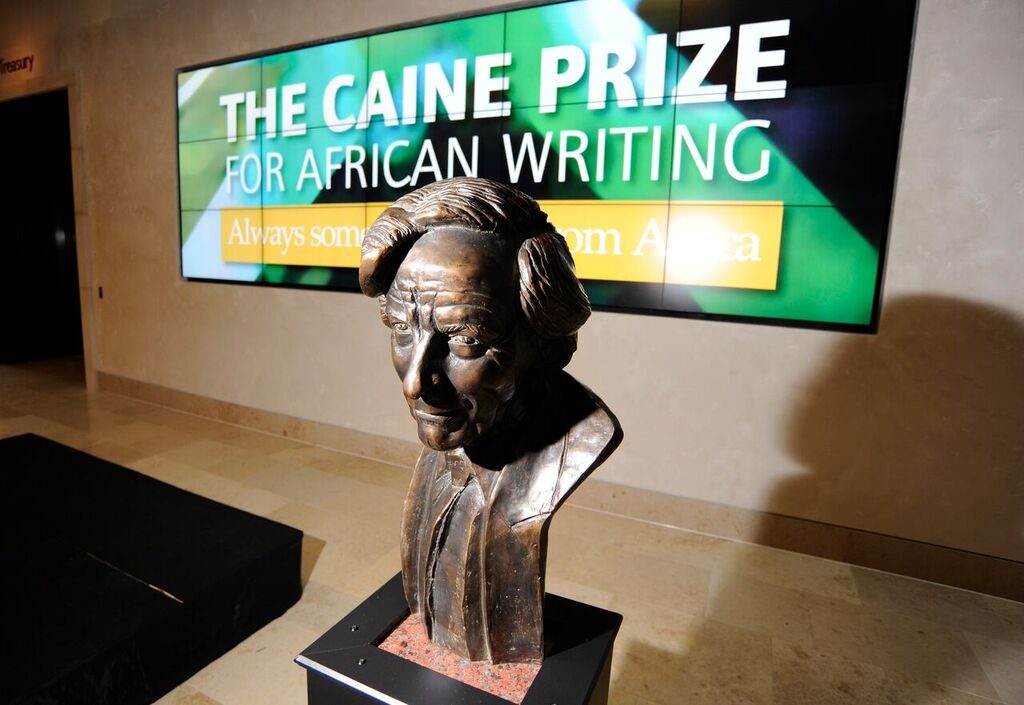
The Caine Prize for African Writing, now the AKO Caine Prize, was founded in memory of Sir Michael Caine, the chairman of Booker plc who chaired the Booker Prize management committee for much of its early history. The first award was made in 2000, and the prize has been among the most consequential literary awards associated with the continent in the quarter century since. One structural point matters before anything else: the Caine is awarded to a single short story, not to a book. The rules call for a piece of short fiction by an African writer, published in English in the preceding year. No book has ever won it. What the prize has done instead is work as a talent surface, and a Caine shortlisting, sometimes even more than a win, has opened novels, publishing deals, festival invitations and academic appointments on three continents.
The prize has never sat entirely comfortably with that role. Writers and critics on the continent have argued that the early years leaned toward a particular Anglophone register and toward a particular kind of hardship narrative that read well to London juries. The prize has spent much of the last decade visibly adjusting, accepting work translated into English, partnering with African publishers and literary magazines, and producing an annual anthology that collects the shortlist alongside new commissioned work. Read as a sequence, the Caine archive is also a record of African literature working out how to fund, publish and judge itself rather than waiting to be selected.
What follows is not every Caine winner. It is ten winners whose prize-winning stories opened directly into careers worth following, and the suggestion in each case is to read in pairs. Start with the winning story, most of which are available free online or in the annual anthology, then read the books the writer went on to publish. Taken in that order, the ten writers below give you an efficient map of the past twenty-five years of African literary fiction.
The Ten Winners at a Glance
Year
Writer
Country
Winning story
2000
Leila Aboulela
Sudan
“The Museum”
2001
Helon Habila
Nigeria
“Love Poems”
2003
Yvonne Adhiambo Owuor
Kenya
“Weight of Whispers”
2004
Brian Chikwava
Zimbabwe
“Seventh Street Alchemy”
2006
Mary Watson
South Africa
“Jungfrau”
2011
NoViolet Bulawayo
Zimbabwe
“Hitting Budapest”
2013
Tope Folarin
Nigeria and United States
“Miracle”
2019
Lesley Nneka Arimah
Nigeria
“Skinned”
2020
Irenosen Okojie
Nigeria and Britain
“Grace Jones”
2022
Idza Luhumyo
Kenya
“Five Years Next Sunday”
1. Leila Aboulela, 2000: “The Museum”
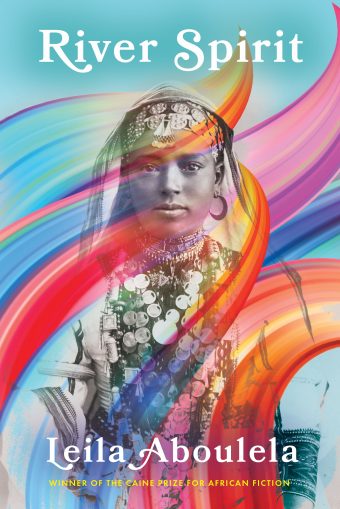
The Sudanese writer Leila Aboulela won the inaugural Caine Prize for “The Museum,” a story about a young Sudanese woman studying in Aberdeen who develops a complicated friendship with a Scottish classmate, and whose visit to a museum of African collections turns the friendship into something more exposed. The story is the cleanest statement of a subject Aboulela has worked at for her whole career, which is the Muslim African woman moving through Western secular spaces and refusing to be absorbed into either the secular feminist narrative or the orientalist one. Read next her debut novel The Translator, published in 1999, and then River Spirit, the 2023 historical novel set during the Mahdist War in 1880s Sudan, which stands among the strongest African historical fiction of recent years.
2. Helon Habila, 2001: “Love Poems”
Image: Wikipedia
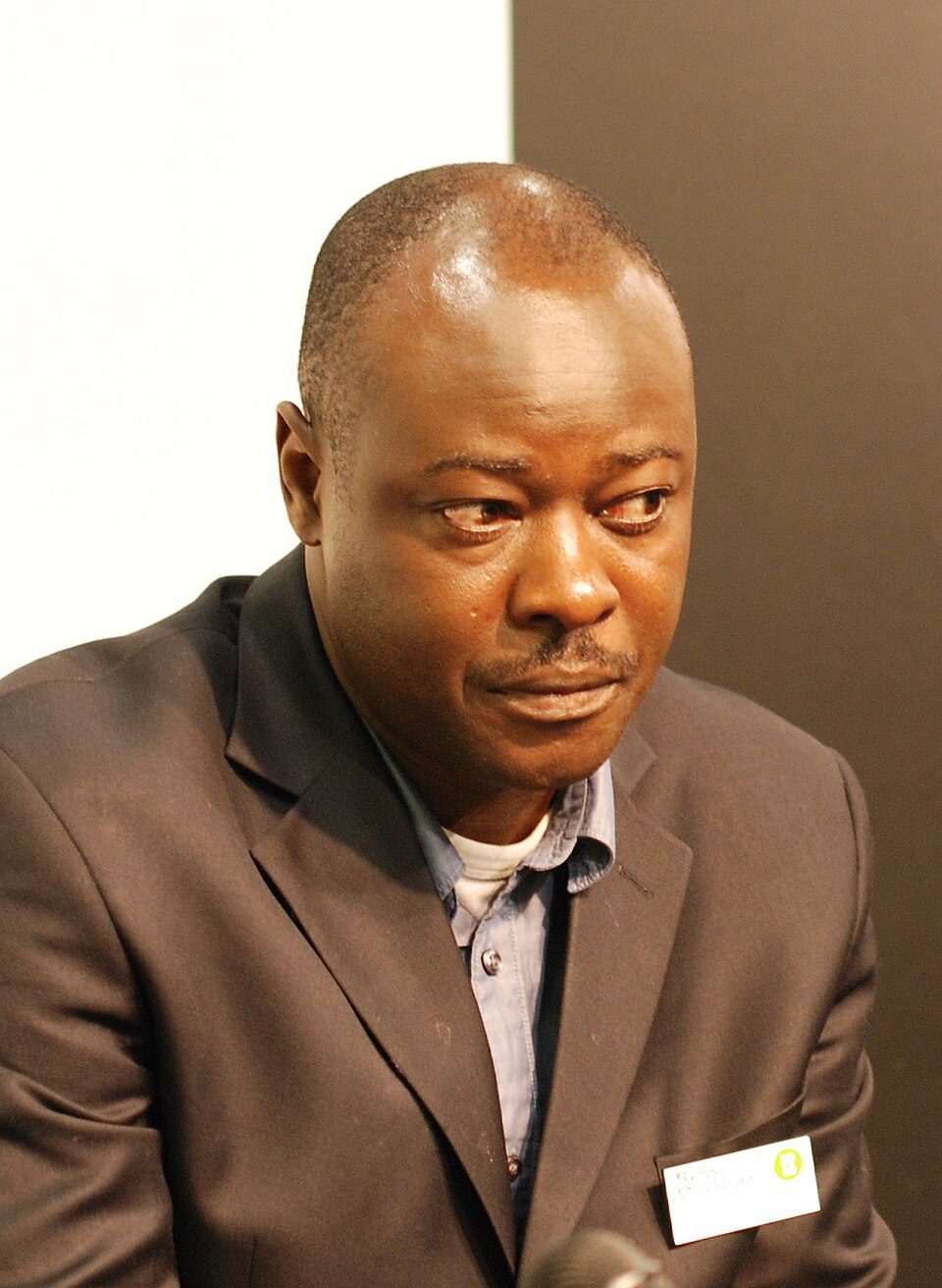
Helon Habila won the 2001 Caine for “Love Poems,” a story from Prison Stories, the collection he had published himself in Lagos the previous year. The prize money and the visibility that came with it opened the door to a British publishing deal, and the prize-winning material became the spine of his debut novel Waiting for an Angel, published in 2002, a fractured portrait of a young journalist coming of age in Lagos under General Sani Abacha’s military government. Read next Waiting for an Angel, then Oil on Water from 2010, which takes on the violence of the Niger Delta oil economy, and then Travelers from 2019, a European migration novel that routes the familiar African migration story through Berlin and German colonial memory.
3. Yvonne Adhiambo Owuor, 2003: “Weight of Whispers”
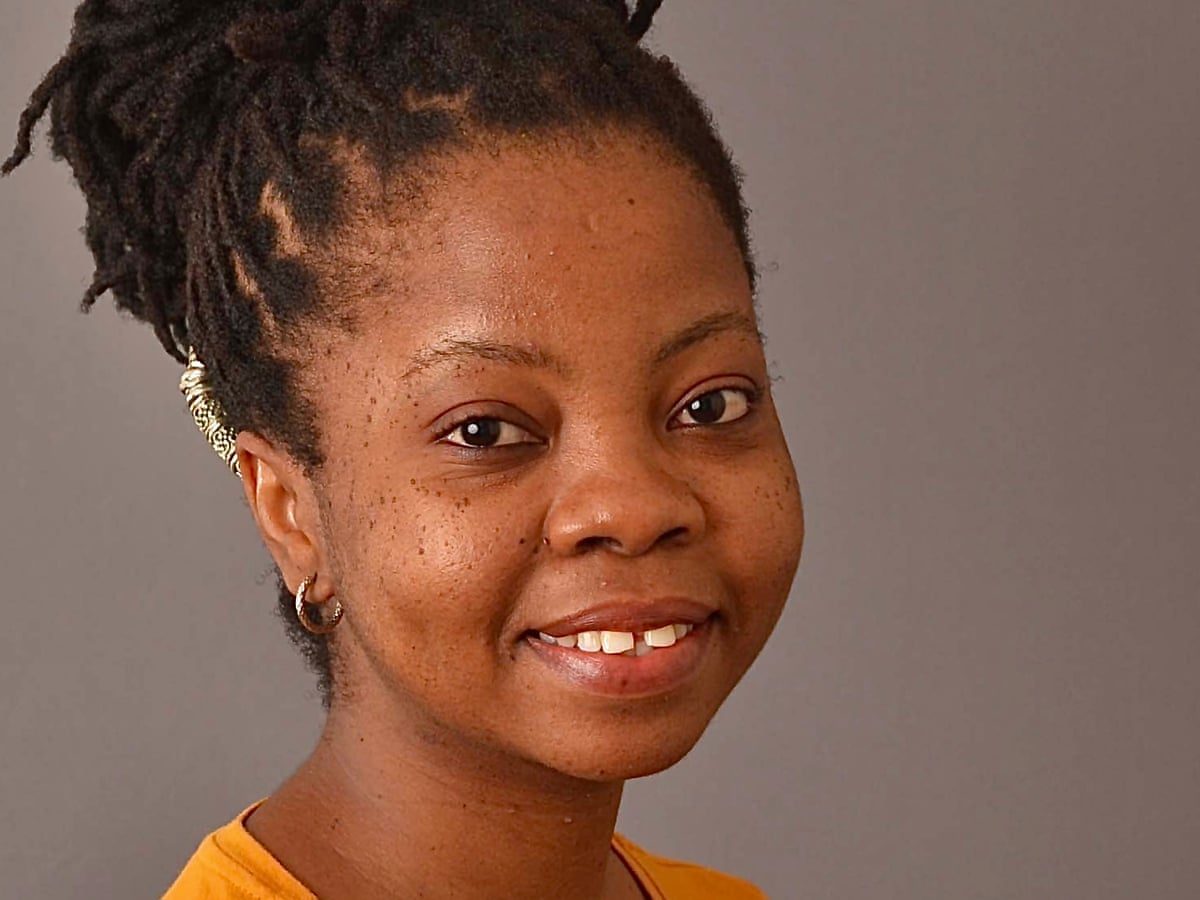
Image: Lannan Foundation
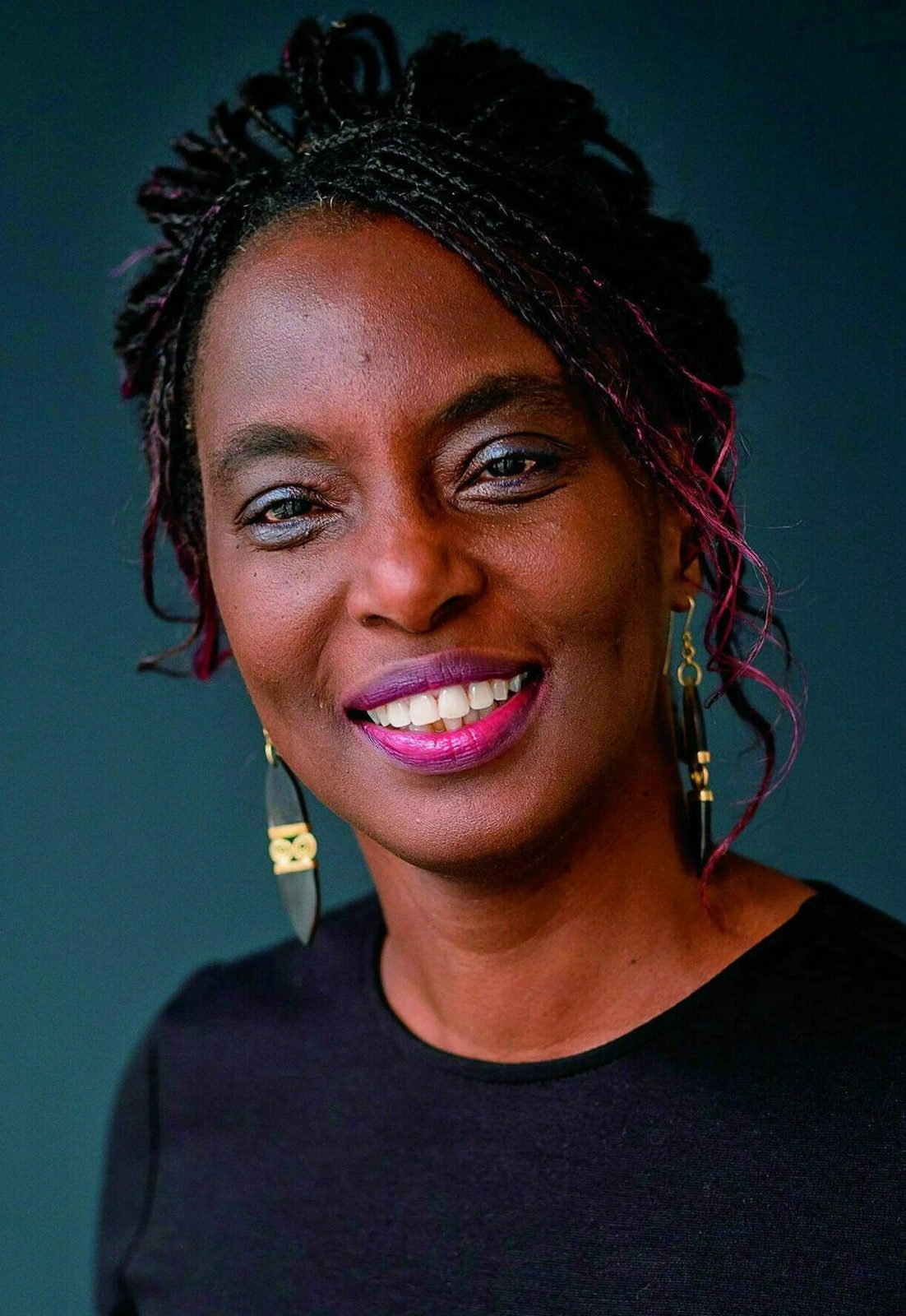
The Kenyan writer Yvonne Adhiambo Owuor won the 2003 Caine for “Weight of Whispers,” a story about a Rwandan aristocratic family living in Nairobi exile after the genocide, told in a register of devastated formal courtesy. It is one of the most stylistically distinct stories in the Caine archive, moving with a slow lyric weight that very little African short fiction of the period attempted. Read next Dust, her 2014 debut novel, which opens in the violence that followed Kenya’s 2007 election and works backward through the long Kenyan twentieth century, and then The Dragonfly Sea from 2019, an Indian Ocean novel that tracks a young woman from Pate Island in the Lamu Archipelago to China and back. Owuor remains underread outside Kenya.
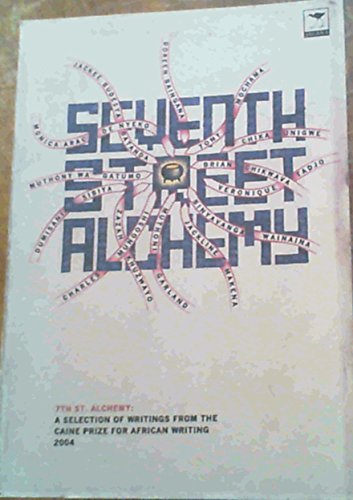
4. Brian Chikwava, 2004: “Seventh Street Alchemy”
The Zimbabwean writer and musician Brian Chikwava won the 2004 Caine for “Seventh Street Alchemy,” a Harare street-life story written with a dry sociological precision that cuts against the sentiment the material invites. The win arrived as Zimbabwe’s economic crisis was pushing a generation of Zimbabweans abroad, and his only novel to date takes that departure as its subject. Read next Harare North, published in 2009, a Brixton-set monologue narrated by a young Zimbabwean former member of the Green Bombers youth militia who has reached London on a false asylum claim. The book is hard, funny and morally uncomfortable, and it is written in an Anglicised Zimbabwean street English that no other contemporary novel has sustained at that length. Chikwava has published little fiction since, and the wait for a second novel has become part of the story people tell about him.
Ad SpaceIn-Article - 300x250
Advertisement
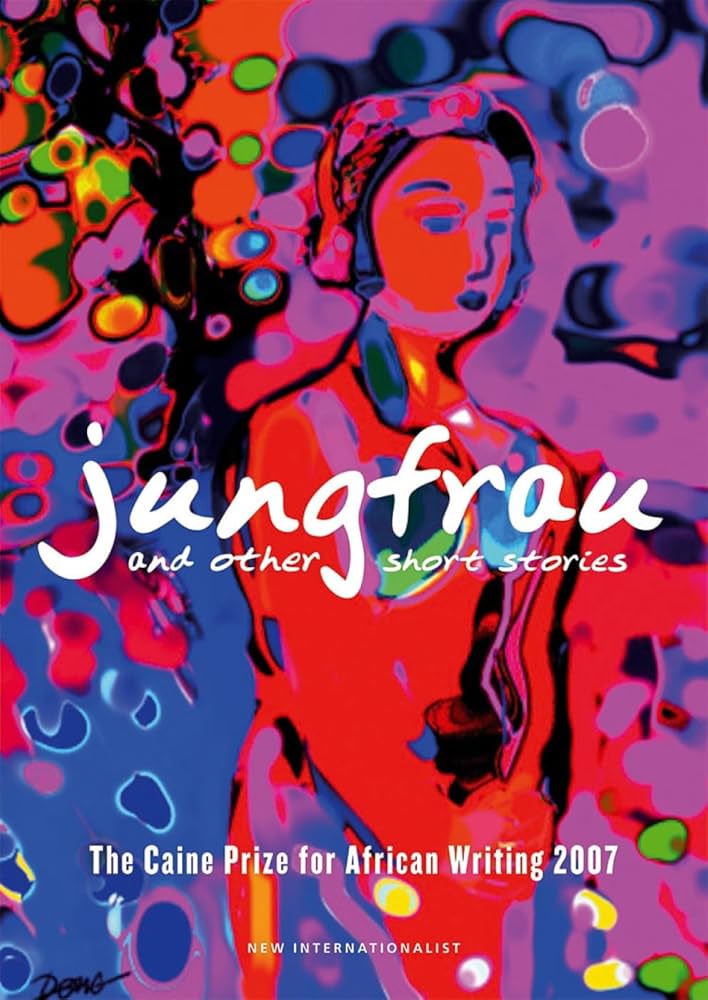
5. Mary Watson, 2006: “Jungfrau”
The South African writer Mary Watson won the 2006 Caine for “Jungfrau,” a story narrated by a Catholic girl in a Cape Town household who is slowly working out what the adults around her are doing and what her aunt in particular represents. The story is short, sharp and structurally efficient in a way that previewed the patient craft of her later work. Read next the linked-story collection Moss, published in 2004 and the book “Jungfrau” first appeared in, and then The Wren Hunt from 2018 and its sequel The Wickerlight from 2019, a young adult fantasy pair rooted in Irish folkloric material. Watson is the rare Caine winner whose career has bent toward commercial fantasy rather than literary realism, and the move is more interesting than it sounds.
6. NoViolet Bulawayo, 2011: “Hitting Budapest”
Image: The Zimbabwean
The Zimbabwean writer NoViolet Bulawayo won the 2011 Caine for “Hitting Budapest,” narrated by a girl named Darling who crosses town with her friends to steal guavas from a wealthy suburb the children call Budapest. It is one of the most influential stories in the Caine archive, and it reset what a Caine-winning story could sound like, before becoming the opening chapter of her first novel. Read next We Need New Names, published in 2013 and shortlisted for the Booker Prize, which expands the Darling material into a full diasporic arc running from Zimbabwe to Detroit, and then Glory from 2022, an animal allegory about the fall of Robert Mugabe and the transition that followed, also shortlisted for the Booker.
7. Tope Folarin, 2013: “Miracle”
The Nigerian American writer Tope Folarin won the 2013 Caine for “Miracle,” set during a Texas Pentecostal church service in which a visiting prophet lays hands on a young Nigerian boy to cure his eyesight. The story is a small masterpiece of religious observation, catching the texture of Nigerian American Pentecostal life with a tenderness and a moral seriousness that very little American fiction had managed. Read next A Particular Kind of Black Man, his 2019 debut novel about a Nigerian boy growing up in Utah and Texas, which expands the prize-winning material into a full coming-of-age book. The novel is structurally unusual, because its second half retells events from the first half with deliberate contradictions, dramatising how unreliable a memory of childhood becomes.
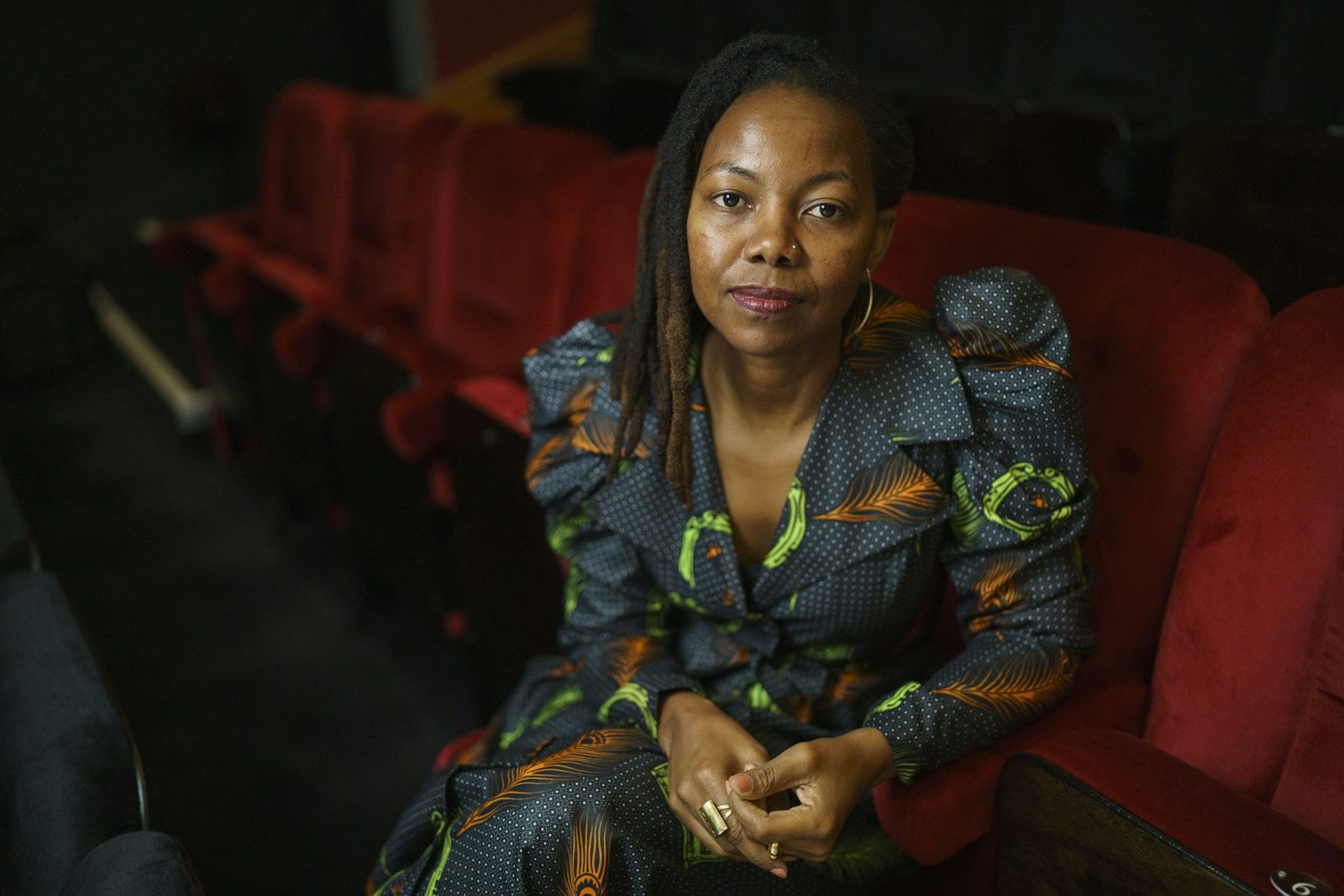
8. Lesley Nneka Arimah, 2019: “Skinned”
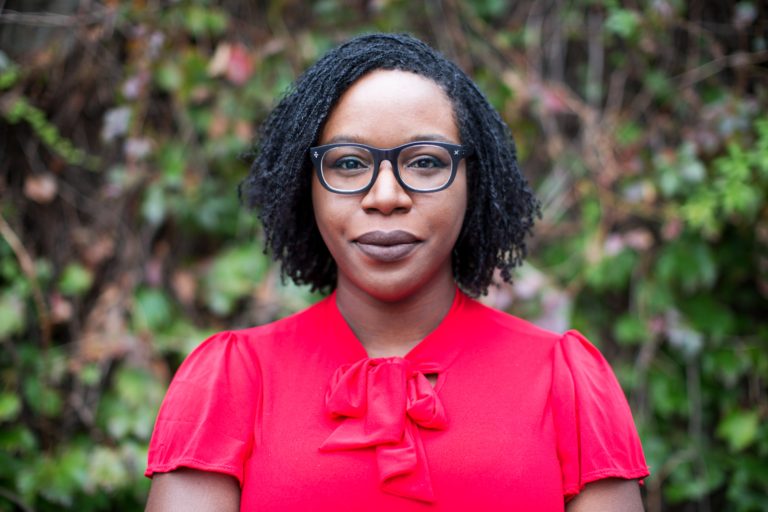
Image: Lesley Nneka Arimah
The Nigerian-born writer Lesley Nneka Arimah won the 2019 Caine for “Skinned,” a speculative story set in a society where unmarried women are required to move through public life unclothed until a husband claims them by buying them clothing. It is among the most rigorously imagined feminist dystopias in recent African short fiction, and it confirmed Arimah as one of the most important African short-fiction writers of her generation. Read next her collection What It Means When a Man Falls from the Sky, published in 2017, which gathers most of her major stories including the title piece about mathematicians who have learned to calculate grief and what happens when the calculation goes wrong.
9. Irenosen Okojie, 2020: “Grace Jones”
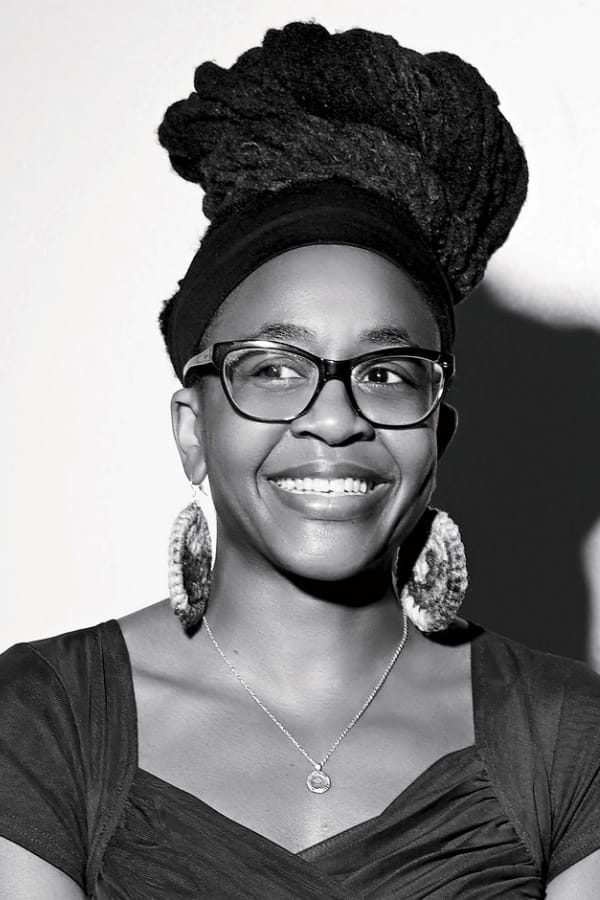
Image: The Guardian
The Nigerian British writer Irenosen Okojie won the 2020 Caine for “Grace Jones,” a hallucinatory story about a woman named Sidra who works the London party circuit performing as Grace Jones, and whose interior life is fractured by a loss the story slowly excavates. The story is structurally fearless, cutting between London nightlife, surreal vision and historical memory with no concessive transitions, and it is the kind of formally restless writing the prize has not always rewarded. Read next her collection Nudibranch, published in 2019, where “Grace Jones” appears alongside other stories of similar structural ambition, and then her debut novel Butterfly Fish from 2015, a London and Lagos novel built around a Benin bronze and the family it haunts.
10. Idza Luhumyo, 2022: “Five Years Next Sunday”
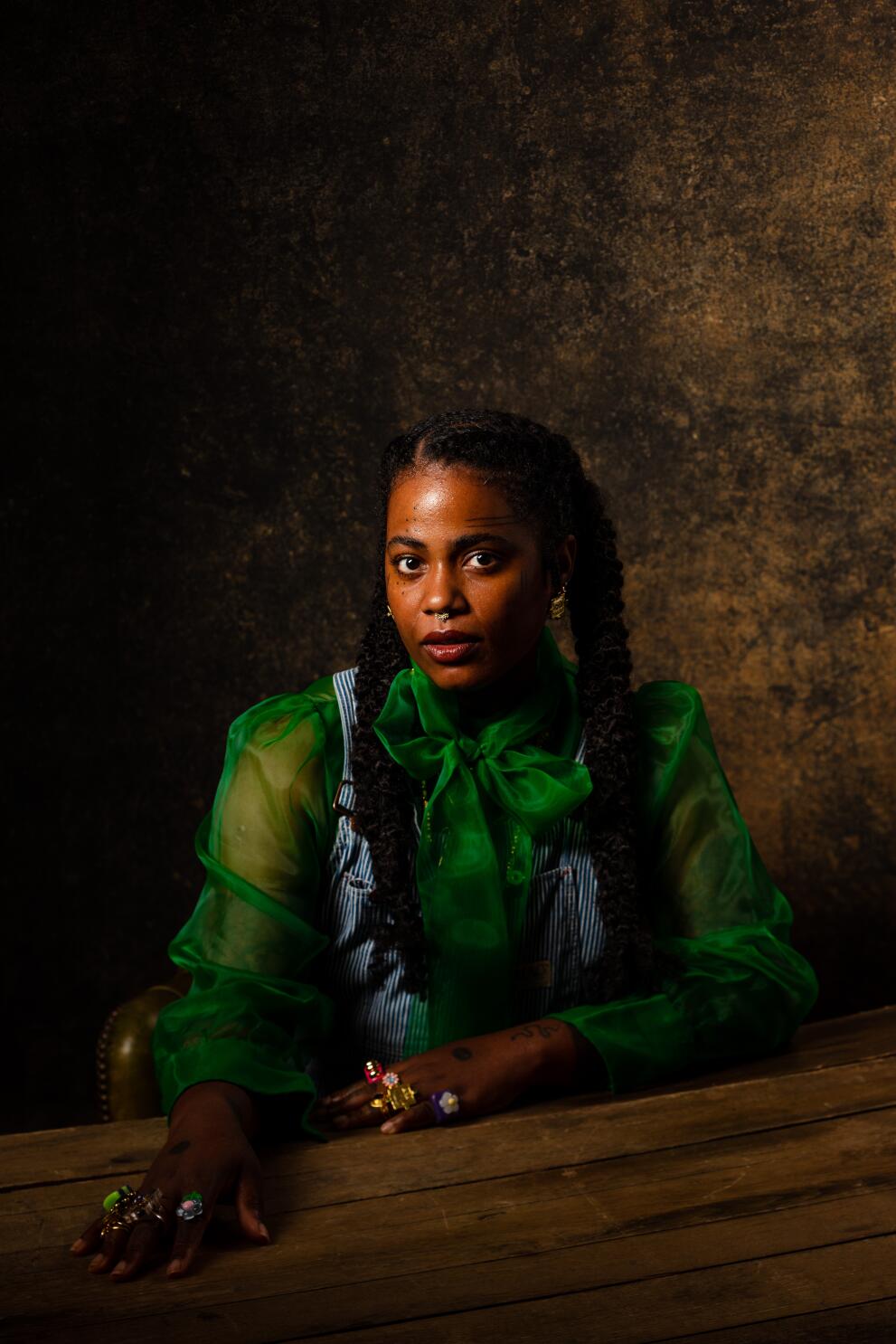
Image: The Guardian
The Kenyan writer Idza Luhumyo won the 2022 Caine for “Five Years Next Sunday,” set on the Kenyan coast, about a young woman whose hair is tied to the rain, so that cutting it brings drought, and the white photographer who arrives to document her. The story works as folkloric narrative and as a sharp parable about who gets to photograph African women’s bodies and for whom. Luhumyo does not yet have a novel out, which is part of why she belongs here. She represents the current wave of Caine winners whose long-form careers are still being built, and the place to follow that work is in the annual Caine anthologies and in Kenyan literary outlets such as Down River Road and Lolwe.
How to Read Your Way Through the Caine Archive
Start with the recent Caine anthologies, which collect each year’s shortlist and are the simplest way to read the prize as a body of work rather than as a series of headlines. Read the ten stories above first, then the longer books each writer went on to publish, then circle back to the anthologies for the writers who were shortlisted alongside the winners. Two names there are essential. Namwali Serpell of Zambia won the 2015 Caine for “The Sack” and then wrote The Old Drift, published in 2019, one of the most ambitious African novels of the last decade. Pemi Aguda, shortlisted rather than a winner, published Ghostroots in 2024, among the strongest short-fiction debuts in recent years. That pattern is the prize’s real contribution, which is that it has consistently surfaced writers before the rest of the publishing world knew their names. Read the prize, then read past it.
Ad SpaceIn-Article - 300x250
Advertisement
Share
Get the recap
Loved this story? Get more like it.
Join readers who get our weekly entertainment recap - the stories worth your time, delivered every Friday.
No spam. Unsubscribe anytime. By signing up you agree to our Privacy Policy.