
How Nigerian Celebrities Are Investing in Tech Startups and Building Beyond Entertainment
Image: BellaNaija
Lifestyle

How Nigerian Celebrities Are Investing in Tech Startups and Building Beyond Entertainment

Miki AndersonMiki Anderson··11 min read
Ad SpaceArticle Top - 728x90
Advertisement

Somewhere between the closing chord of a hit single and the final cut of a Nollywood blockbuster, a quieter business is taking shape across Lagos, Lekki, and the diaspora corridors connecting Nigerian entertainers to global capital. Music charts and box office numbers still matter, but a growing group of celebrities who once measured success in award nominations and brand endorsements have started measuring it in cap tables, term sheets, and valuations. The pivot has been gradual, occasionally messy, and almost always more interesting than the headlines suggest.

This shift did not happen because pop stars suddenly developed an interest in spreadsheets. It happened because the Nigerian creative economy matured fast enough to expose its own infrastructure gaps. Distribution, payments, royalty management, fan monetisation, and education delivery all sat on rickety scaffolding that no traditional label or studio could fix alone. So some of the artists started writing cheques, and in the process began building a parallel identity as operators rather than only performers.

One caution runs through everything below. Private investment positions in Nigeria are rarely disclosed, cap tables are almost never public, and the gap between a publicised association and an actual equity stake is wide. Where a position has not been publicly confirmed, this piece says so rather than guessing at it.

The Don Jazzy Blueprint That Reshaped the Industry

Few figures embody the entertainer-as-operator archetype more cleanly than Michael Collins Ajereh. Don Jazzy’s reputation as the producer behind Mo’Hits and Mavin Records is the part most people know. The part that gets less radio play is how deliberately he treated Mavin as a business with infrastructure, rather than a collection of recording contracts, long before that framing became fashionable in African music.

When Universal Music Group acquired a controlling stake in Mavin Records in early 2024, industry press reported it as a nine-figure transaction, though neither party has published the price and the specific valuations that circulated afterwards should be treated as estimates. Strip away the music-industry framing and the deal looks a great deal like a platform acquisition. Mavin had spent years investing in artist development pipelines, data work around streaming behaviour, and back-office systems that most local labels treated as an afterthought. What UMG bought was not only catalogue ownership but a functioning system for manufacturing and exporting artists.

Don Jazzy has spoken publicly about backing African startups and is a visible presence in Lagos technology circles, where founders approach him directly rather than through intermediaries. The specific companies, stake sizes, and cheque sizes in his personal portfolio have not been publicly disclosed, and this piece makes no claim about them. What is observable is the access: an entertainer with that reach generates deal flow that most early-stage investors in the market would have to pay for.

Davido and the Cautionary Side of Celebrity Crypto
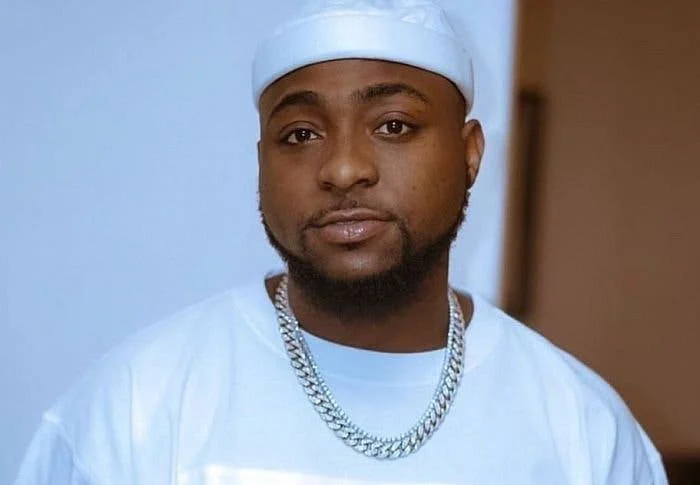
How Nigerian Celebrities Are Investing - Davido and the Cautionary Side of Celebrity Crypto

Not every celebrity technology bet ages well, and David Adeleke’s excursions into digital assets sit firmly in the cautionary column. Davido has lent his name to crypto and token-adjacent initiatives on more than one occasion, most prominently a meme coin carrying his own name that was promoted to his audience and then collapsed in value, leaving buyers who entered near launch with losses. Reporting at the time framed moves like these as innovative artist-fan economics, on the theory that smart contracts would cut out middlemen and let superfans own pieces of culture. The theory did not survive contact with the market.

None of this is unique to Davido. The broader wave of celebrity endorsements during the last crypto cycle taught a generation of artists, athletes, and influencers worldwide that putting a face on a financial product carries real liability when retail buyers lose money, and several of those endorsements ended in litigation outside Nigeria.

The lesson Nigerian celebrity investors drew from that cycle was sharper than any white paper. Pump-and-dump dynamics damage personal brands more than they enrich them, and the artists who came through the crypto winter with their reputations intact were largely the ones who stayed away from token launches and put money into companies with revenue, customers, and accountable founders.

Mr Eazi and the emPawa Africa Bet on Infrastructure
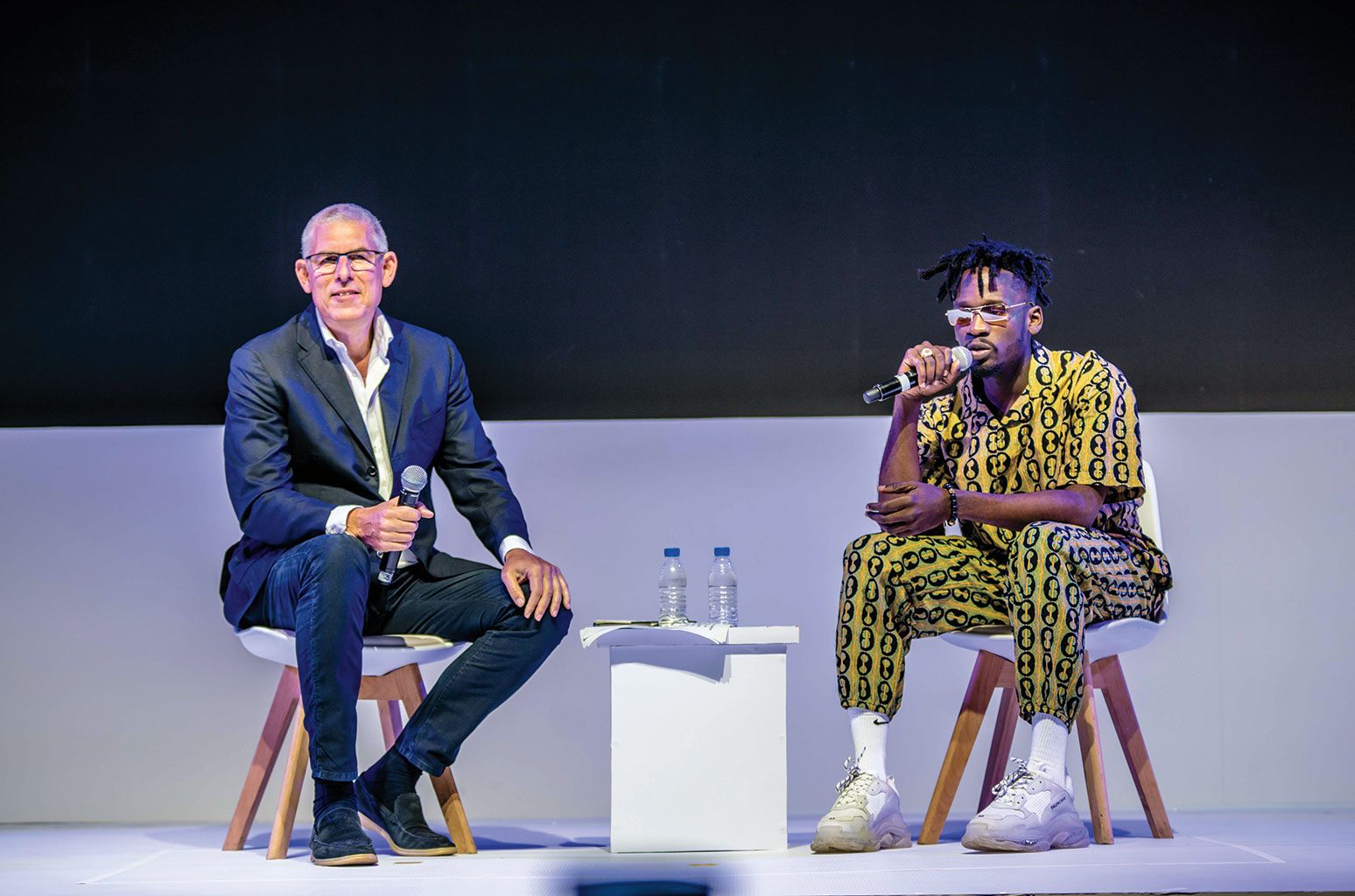
Mr Eazi and the emPawa Africa Bet on Infrastructure
Image: Billboard

Oluwatosin Ajibade, better known as Mr Eazi, took a different route altogether. Rather than chase consumer-facing hype cycles, he built emPawa Africa as a vertically integrated platform for emerging African artists, combining elements of a record label, an artist development programme, and a distribution service. emPawa has backed artists across the continent through grants and structured deals, and the programme’s alumni list is the part that gets written about.

The more interesting work sits inside the platform’s operating discipline. The team has invested in understanding how songs travel across African streaming services, which markets convert short-form viral moments into ticket sales, and which artists justify scaling capital on the basis of engagement signals rather than instinct. Mr Eazi is also an active and openly acknowledged startup investor outside music, a regular at pitch competitions and on judging panels, and his framing in interviews tends to avoid the rockstar-investor cliche. He talks about emPawa the way an operator talks about a portfolio company, with attention to unit economics and retention. That posture matters, because it signals to founders that he is a partner rather than a logo.

Banky W’s Quiet Diversification Strategy

Olubankole Wellington’s transition from chart-topping artist to political candidate to entrepreneur has been documented in pieces, but the connecting tissue is a methodical approach to building businesses outside entertainment. Real estate and hospitality get most of the attention, and his public commentary on Nigerian economic policy reveals someone who has studied capital allocation seriously rather than treating it as a hobby. His specific holdings, including any technology positions, have not been publicly itemised, so the portfolio detail that circulates about him should be treated carefully.

The Empire Mates Entertainment legacy that helped launch Wizkid is still part of his story, but the chapter being written now reads more like a holding company than a record label. He picks sectors where his reputation creates pricing power, then partners with operators who can run the day-to-day. That model has become a template, and several Nigerian artists who watched him navigate the late 2010s have since replicated the shape of it with their own variations.

DJ Cuppy and the Otedola Channel Effect

How Nigerian Celebrities Are Investing - DJ Cuppy and the Otedola Channel Effect

Florence Otedola occupies a particular space in the celebrity investor conversation because her family wealth predates her entertainment career. Her father Femi Otedola’s positions across energy and finance give her a backstage view of African deal-making that most artists never get. Whether DJ Cuppy operates as a direct principal investor or as a connector between founders and family capital is not something public reporting resolves, and both functions carry real value in a market where introductions are scarce.

She has been visible in conversations around music technology, fashion, and creator-economy infrastructure, and her philanthropic work through the Cuppy Foundation has centred on education and youth development. The broader dynamic she represents surfaces repeatedly across the Nigerian elite, where entertainment, business, and political networks overlap inside a circle small enough that capital can move very quickly once a deal has the right sponsor.

Tunde Onakoya and the Institution-Building Crossover

Tunde Onakoya and the Institution-Building Crossover
Image: Business Post Nigeria

Chess does not usually get filed under entertainment, but Tunde Onakoya’s marathon chess attempt in New York and the global media tour that followed pushed him firmly into the cultural conversation. His organisation Chess in Slums Africa started as a philanthropic intervention and has evolved into something closer to an education operation, with a content strategy, sponsor relationships, and partnerships with companies that want a credible foothold in African youth development.

Ad SpaceIn-Article - 300x250
Advertisement

His trajectory illustrates a pattern that goes well beyond music. Athletes, chess players, content creators, and other public figures with strong personal brands have learned that the most durable second act involves owning an institution rather than lending a name to one. Onakoya’s media appearances now routinely cover scaling, fundraising, and impact measurement, language that would have sounded foreign in Nigerian celebrity discourse a decade ago.

Olamide, YBNL, and the Quiet Tech Layer Inside a Record Label

Olamide Adedeji built YBNL Nation into one of the most consistent talent factories in Nigerian music, with Asake, Fireboy DML, and others passing through the label’s orbit on their way to international success. What gets less coverage is the operational layer YBNL has built over the years, from in-house digital marketing to the analytics work that informs which records get pushed into which markets. Olamide has interests outside music, though, like most Nigerian artists at his level, he has not itemised them publicly.

The label-as-incubator pattern YBNL represents echoes Mavin’s playbook, scaled down and concentrated around a specific sonic identity. When a label invests in proprietary tools rather than renting them from third-party vendors, it starts to look less like a record company and more like a vertically integrated media business. That reframing is a large part of why African music valuations began to make sense to outside investors who had never previously looked at the sector.

Iyanya and the Hospitality Pivot

Iyanya Mbuk has spent the years since his Mavin Records affiliation building business interests in hospitality and lifestyle, with restaurants, lounges, and consumer brands making up the visible portfolio. He has spoken in interviews about treating entertainment income as seed capital for businesses that throw off cash flow long after the streaming royalties thin out. Any technology positions behind that visible portfolio have not been publicly disclosed, and this piece does not assume them.

That mental model, of treating fame as a one-time fundraising round to be converted into operating businesses, has become more common across Nigerian celebrity circles. The artists who internalise it tend to outlast the ones who do not, which is less a business insight than an observation about how short most recording careers actually are.

The Edtech and Health Categories That Attract Celebrity Attention

African edtech has pulled in attention from entertainers who see education as both a legitimate impact play and a sector with venture-scale economics. Platforms such as uLesson operate in a category where a recognisable name genuinely accelerates early customer acquisition, because parents are being asked to trust a product with their children’s schooling. Whether celebrity involvement in any given platform amounts to equity, ambassadorship, or informal advocacy is usually not disclosed, and the distinction matters.

The same dynamic appears in health technology, where telemedicine and mental health platforms have courted public figures for exactly the same reason. These categories travel well with celebrity attachment because the social marketing layer accelerates trust-building that healthcare and education businesses otherwise take years to earn. It is also the area where the gap between endorsement and ownership is most often blurred in public coverage.

Technical Literacy as an Investing Edge

A small but genuine subplot in the celebrity-technology crossover involves entertainers who have taken programming and product training seriously, posting about bootcamps, certifications, and online courses. The trend has invited mockery and plenty of cynical commentary about publicity stunts, and some of that cynicism has been earned. The ones who stuck with it past the photo opportunity report something more useful: basic technical literacy changed how they evaluate a pitch.

A celebrity who can read a product roadmap, distinguish recurring from one-time revenue, and ask a sensible question about customer acquisition cost is a sharper investor and a less attractive mark. Founders increasingly describe celebrity conversations that involve real diligence rather than brand-alignment talk, which is a meaningful change from the era when a famous name on a cap table was purely a marketing line item.

The Celebrity Accelerator Model

A more recent development is the celebrity-backed accelerator or pre-seed vehicle, where an entertainer either launches a structured investment programme or anchors one that writes small cheques into a cohort of companies. The economics of these vehicles depend less on producing a single enormous exit than on building a portfolio that compounds reputation, deal flow, and network effects over time, which is also a more honest description of how most early-stage funds actually work.

These programmes tend to focus on creator-economy infrastructure, financial tools for entertainment professionals, and consumer apps aimed at the young audiences the founding celebrity already commands. Cohorts often include sessions on personal branding, distribution, and audience building, which is precisely where celebrity backers hold an advantage traditional venture firms cannot manufacture. A founder getting coaching on how to launch a product from someone who has launched records to millions of people is receiving something a Sand Hill Road partner simply cannot provide.

Fintech’s Strange Relationship With Celebrity Capital

Kuda, Flutterwave, Moniepoint, and the rest of the African fintech leaderboard rarely show celebrity investors on their cap tables. The cheque sizes required to participate in those funding rounds typically exceed what most entertainers write personally, and the rounds are usually oversubscribed by institutional money that does not need the marketing help. Where the celebrity layer does show up is in associative marketing, partnership announcements, and ambassador deals that fintech companies use to build trust with mass-market consumers.

That gap between visible association and actual ownership is one of the most underappreciated features of the Nigerian celebrity investing landscape. Public perception consistently overstates the financial alignment between a celebrity face and a fintech brand, when the underlying arrangement is usually an endorsement contract with payment terms closer to a beverage campaign than to a venture investment. Readers should assume endorsement rather than equity unless a company has specifically confirmed otherwise.

What the Convergence Actually Rewards

What ties all of this together is the convergence of two ecosystems that used to operate on different floors of the building. Pop culture sold attention. Venture capital sold growth. The Nigerian celebrities now operating as investors have worked out that in the right conditions the two are convertible. Attention compounds into customer acquisition. Growth compounds into the kind of valuation events that turn early cheques into generational outcomes.

The ones who have internalised this most deeply tend not to talk about it in venture jargon at all. It shows up instead in their business decisions, the partners they attach themselves to, and the projects they decline. The discipline of saying no to an obvious payday in favour of an equity position in a company nobody has heard of is what separates the durable operators from the celebrity dabblers, and in a market where endorsement money is easy and ownership is hard, that discipline remains rare enough to be a genuine edge.

Ad SpaceIn-Article - 300x250
Advertisement
Share
Get the recap

Loved this story? Get more like it.

Join readers who get our weekly entertainment recap - the stories worth your time, delivered every Friday.

No spam. Unsubscribe anytime. By signing up you agree to our Privacy Policy.

How Nigerian Celebrities Are Inv... | Sidomex Entertainment