Best Nollywood Actresses of All Time: Ranked by Impact and Longevity
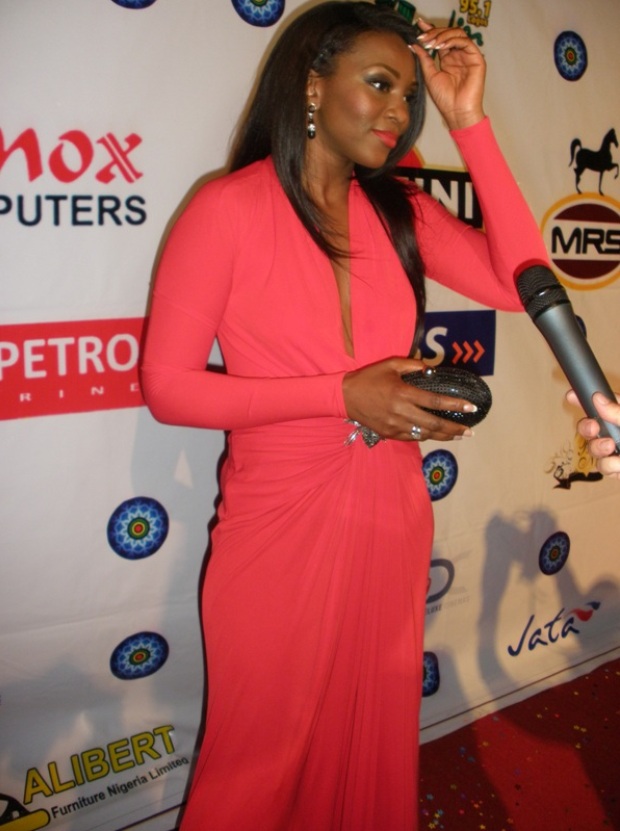
OLYMPUS DIGITAL CAMERA
Movies

Best Nollywood Actresses of All Time: Ranked by Impact and Longevity

Nova PatricksNova Patricks··10 min read
Ad SpaceArticle Top - 728x90
Advertisement

Ranking the women who built Nollywood is messy work. Some carried the industry on their shoulders during the VHS boom when shoots wrapped in three days and tapes sold out of Idumota market stalls. Others arrived during the streaming pivot and pulled global eyes onto Lagos productions for the first time. A few have done both, stretching careers across two or three creative eras without losing audience trust.

What follows is a working list, not a coronation. Impact means cultural footprint, the moments that crossed borders or shifted how the industry sees itself. Longevity means years on screen with relevance intact, not just years on payroll. Critical reception matters, so do box office receipts. And influence on the next generation gets real weight, because every actress on this list has shaped what a younger Nigerian woman believes is possible in front of a camera. Every placement below is an editorial judgement made at this desk rather than a measurable order of merit, and any two Nollywood watchers would reorder it.

1. Genevieve Nnaji
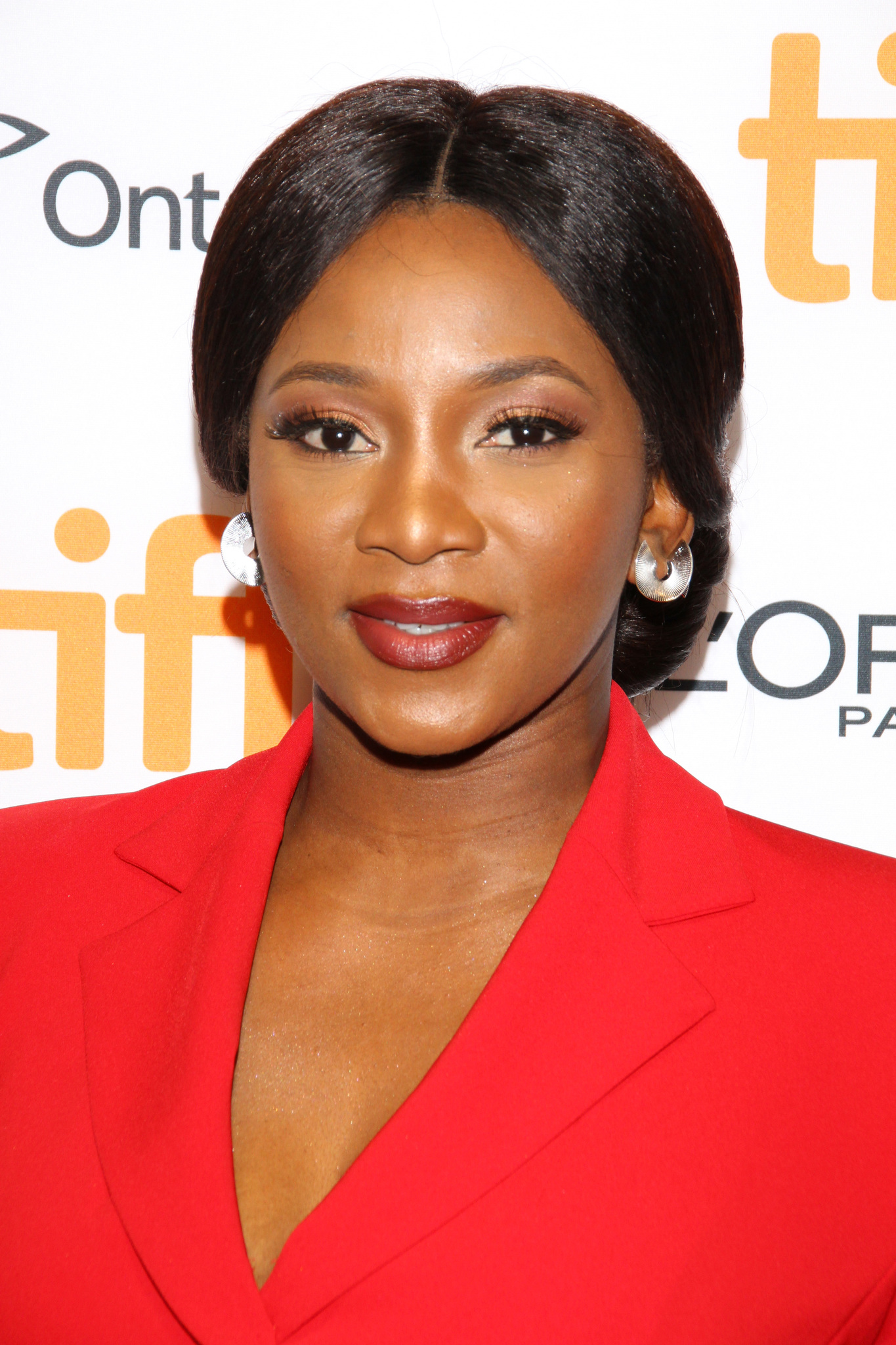
Best Nollywood Actresses of All - 1. Genevieve Nnaji

Few performers reorganize an entire industry around themselves. Genevieve did. Her run from “Sharon Stone” through “Ijé” turned her into the closest thing Nollywood has to a global brand name, and then she went further. “Lionheart,” which she directed, co-produced and starred in, was acquired by Netflix in 2018 as the platform’s first original film out of Nigeria and began streaming the following January. The Academy disqualified it from the international feature race because most of its dialogue is in English, and that controversy alone reframed the conversation about which African films get to be seen. She has kept a notably low public profile since, which only makes the body of work feel more deliberate. Cultural footprint, technical ambition, and quiet authority over her own career put her at the top.

2. Omotola Jalade Ekeinde
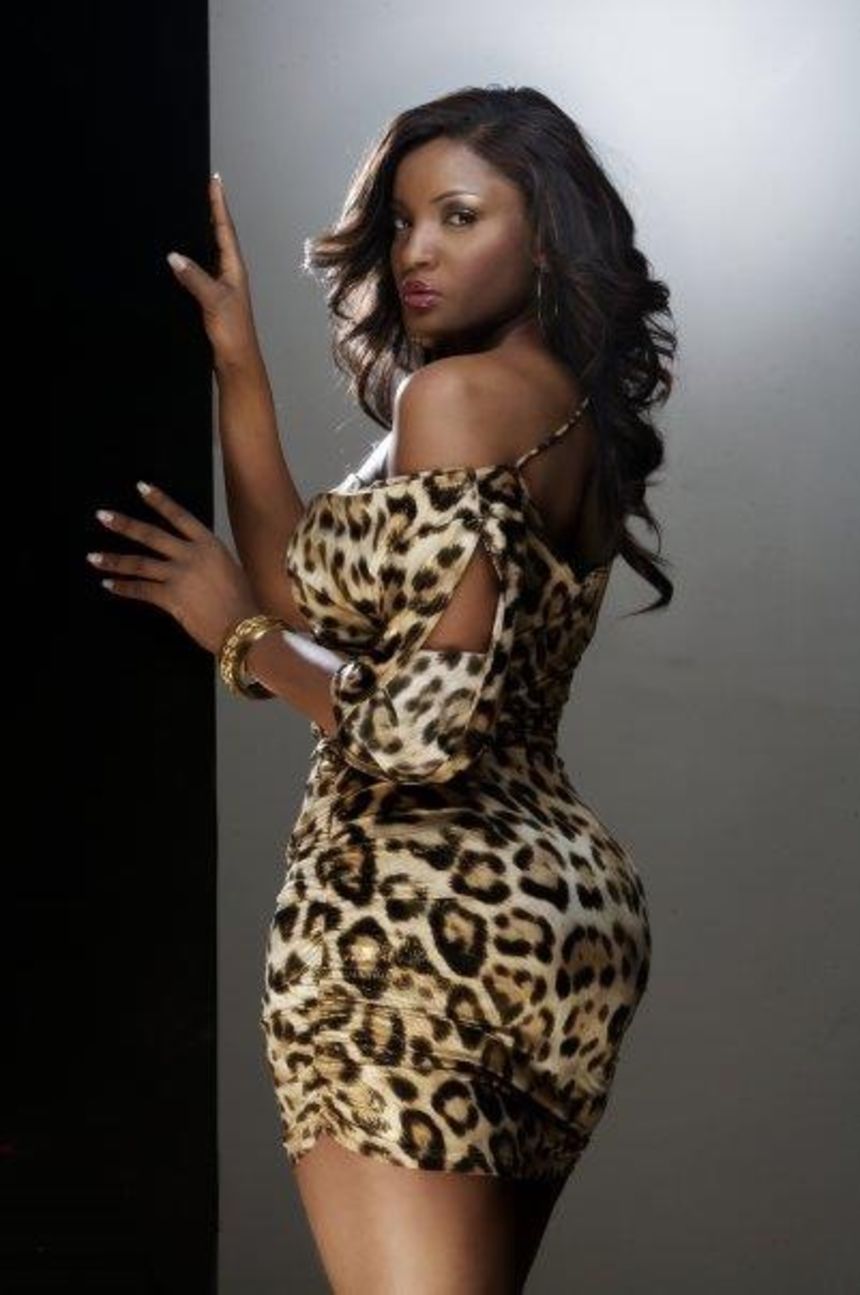
Best Nollywood Actresses of All - 2. Omotola Jalade Ekeinde

Omotola’s career reads like a stress test for staying power. She broke through as a teenager in “Mortal Inheritance” in 1996, then never really left. The TIME 100 nod in 2013 surprised the international press more than it surprised anyone in Lagos who had watched her carry films for nearly two decades by that point. What separates her from peers is range across registers, equally credible in the melodramatic family pictures that defined early Nollywood and the polished features that followed. She also recorded and released music alongside the screen work without the acting ever looking like the side project. Longevity is the easy word. Discipline is the more accurate one.

3. Sola Sobowale
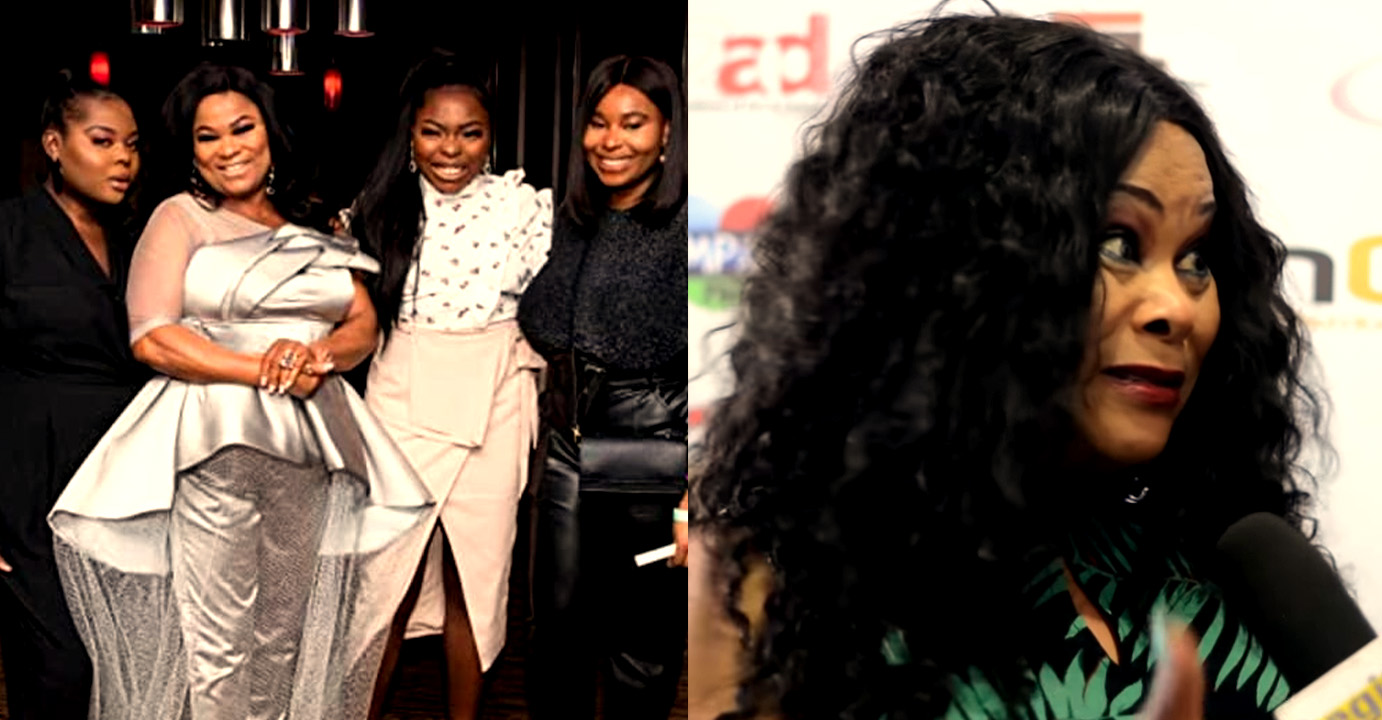
Best Nollywood Actresses of All - 3. Sola Sobowale

Sola Sobowale’s second act might be the most thrilling late-career arc in African cinema. After defining a whole generation’s idea of the larger-than-life Yoruba matriarch through “Super Story” and a long run of home video titles, she stepped away for years. Then “The Wedding Party” reintroduced her to a younger audience, and “King of Boys” turned her into something else entirely. Eniola Salami remains one of the most fully realized female antagonists in Nigerian film history, and Sola plays her without ever asking the audience for sympathy. The sequel and the Netflix series extension proved the role was no fluke. Watching her at this stage is watching an actress who has nothing left to prove and is choosing to prove it anyway.

4. Funke Akindele
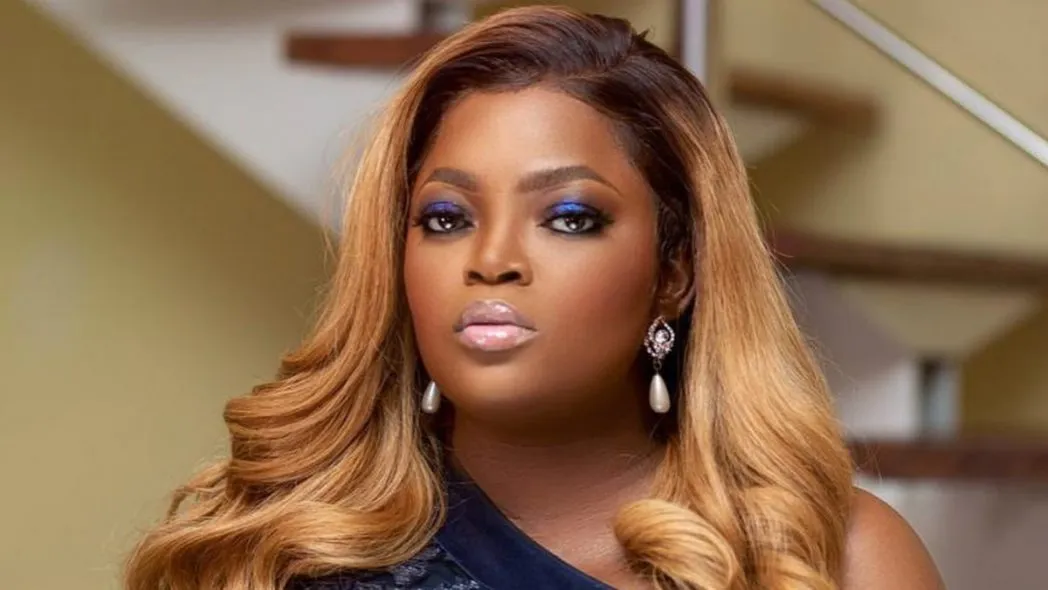
Best Nollywood Actresses of All - 4. Funke Akindele

Box office is its own kind of authority. Funke has two of the three highest-grossing Nigerian films ever released. “A Tribe Called Judah” was the first Nollywood title to cross one billion naira at the domestic box office, and “Everybody Loves Jenifa” went on to gross more still. Before either of them, “Omo Ghetto: The Saga” and “Battle on Buka Street” already had her name on the receipts. “Jenifa’s Diary” was the cultural infrastructure underneath all of it, a comedy series that ran for years and built the most loyal audience any Nigerian actress has ever had. Critics sometimes treat her work as broad, which usually means they have not watched enough of it. The truth is that nobody else in Nollywood combines writing, producing, directing, and starring at this commercial scale.

5. Rita Dominic
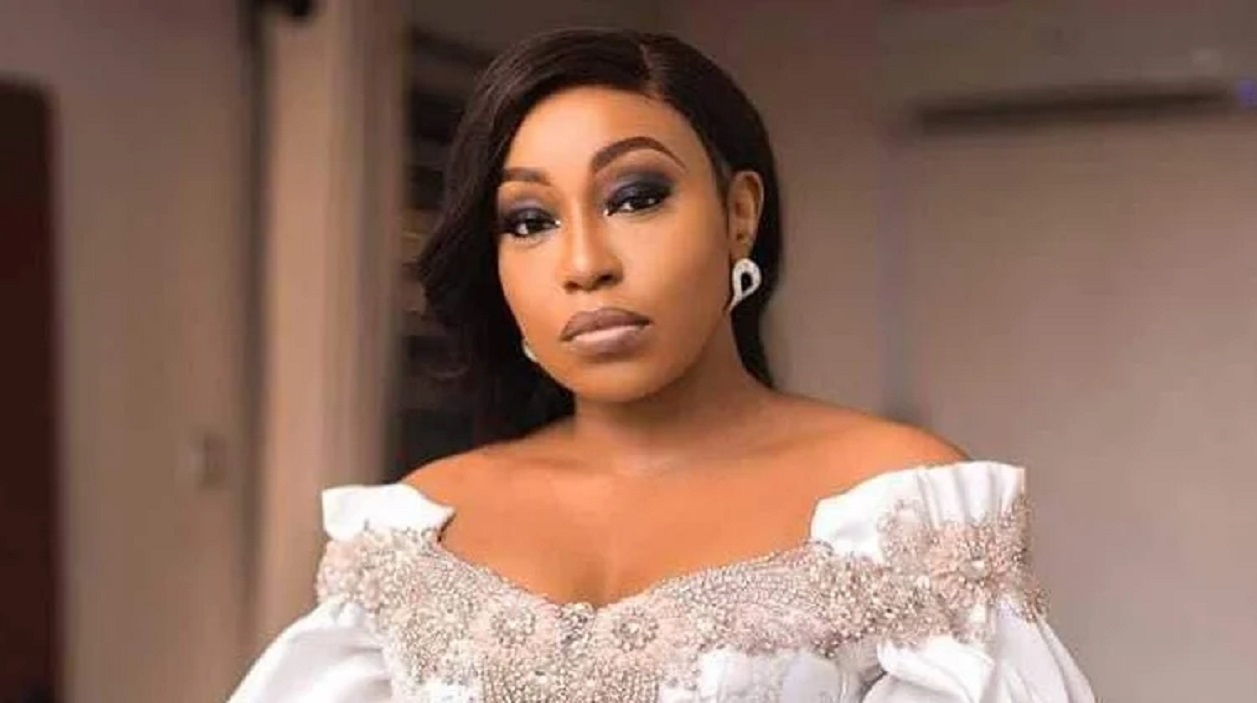
Best Nollywood Actresses of All - 5. Rita Dominic

Rita has been working steadily since the late 1990s, and somehow her best year might still be ahead of her. “The Meeting” in 2012 reset expectations about what a Rita Dominic comedy could be, and “76,” directed by Izu Ojukwu, gave her one of the most controlled dramatic performances of the new Nollywood era. The Audrey Silva Company, the production outfit she co-founded with director Mildred Okwo, has kept her in front of material built to her strengths, and her work in “La Femme Anjola” landed with critics who do not usually pay attention to Nigerian releases. There is a precision to how she chooses material now, and the choices keep paying off.

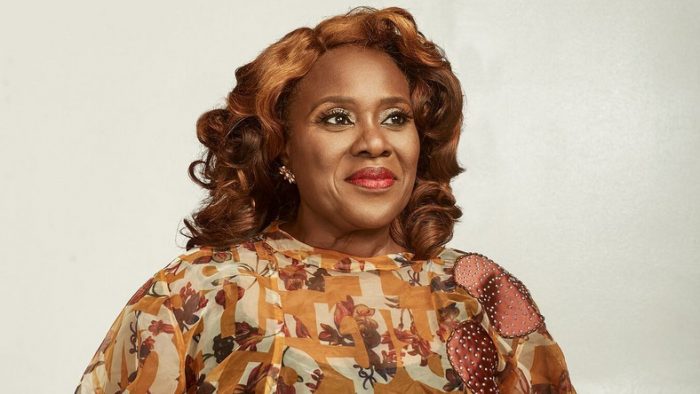
6. Joke Silva
Best Nollywood Actresses of All - 6. Joke Silva

The theatre roots show up in everything Joke Silva does. Trained in the United Kingdom, married to Olu Jacobs, and a co-founder of the Lufodo Academy of Performing Arts, she carries a generational seriousness about craft that pulls every scene she enters into sharper focus. She has not chased blockbuster numbers, and she has not needed to. “Tango with Me,” “Wives on Strike,” and a long catalogue of supporting roles built the resume, but her real influence sits in the dozens of actresses who studied under her or watched her on set and adjusted their own approach. When she shows up in a film, the younger cast tightens up. That is its own kind of legacy.

7. Patience Ozokwor

Mama G is one of those rare performers who became a Nigerian household word without ever sanding down the edges of her work. The wicked stepmother roles that filled the early-2000s home video shelves were villainy with real menace, and audiences responded because Patience never played them as cartoon. She could weep, scheme, and break a scene open in the same five minutes. Later work pulled her into gospel and music ventures, but the screen presence carried over. Comic timing, dramatic ferocity, and the willingness to be hated on screen built a career that nobody has replicated. The “Mama G” shorthand is shorthand because the body of work earned it.

8. Liz Benson

Liz Benson’s 1990s output anchored the early Nollywood explosion. The NTA soap “Fortunes,” then “Glamour Girls” in 1994 and a run of home video titles including “Evil Men” and “Izaga,” made her one of the first true superstars the industry produced. She became a born-again Christian and moved into full-time gospel work, which pulled her largely out of secular film, and the absence was felt. On the occasions she has returned to screen work, the presence is intact. Younger actresses cite her in interviews more often than the awards record alone would predict, which says everything about how foundational her early run actually was.
Ad SpaceIn-Article - 300x250
Advertisement

9. Mercy Johnson Okojie

Crying on demand is a craft that gets dismissed until you watch someone who genuinely cannot do it. Mercy Johnson can, and she can do far more than that. “The Maid” was the breakout, but “Dumebi the Dirty Girl” and the steady output in the years since showed an actress who could carry emotional weight without slipping into melodrama. She works constantly, which has occasionally hurt critical perception, but the highlights stand up to anything in her generation. Audience affection for her is unusually personal, and it has translated into a career that just keeps building.

10. Kate Henshaw

Kate’s range is the quiet kind. “Stronger Than Pain” introduced her in 1993, and the decades since have included award recognition, fitness advocacy and a refusal to settle into one type. She does not telegraph performances. Her work across the new wave of streaming releases shows an actress who has updated her instincts for the era without abandoning what made her early work watchable. There is a discipline to staying current across three decades in an industry that chews through faces, and she has done it.

11. Stella Damasus

Drama is her natural register, and she has never apologized for it. Stella came up in the late 1990s and carried roles that asked for raw emotional exposure, the kind of work that ages either beautifully or badly. Hers ages well. Her run through the late 1990s and 2000s, and the independent projects that followed, show an actress who has kept refining the craft even through long stretches when she was based outside Nigeria. The voice work and singing add another layer, but the acting is the spine of the legacy.

12. Nse Ikpe Etim

Critics’ favourite is a loaded phrase, but if any actress of her generation has earned it, Nse has. “Reloaded,” “Mr. and Mrs.,” and “Journey to Self” established her as the actress directors called when the script needed someone who could play intelligence on screen without making it look like a costume. She brings interior life to roles that lesser performers would flatten, and her work tends to age into looking smarter than it did on release. A genuine acting talent in an industry that has not always rewarded subtlety.

13. Dakore Egbuson-Akande

“Isoken” was the moment Dakore’s career snapped into focus for a younger audience that had grown up watching her older work without quite registering how much range she had. Her performance there, romantic without being saccharine and funny without losing dignity, is one of the most rewatchable in recent Nollywood. “Isoken” also won her the AMAA prize for best actress in a leading role. The earlier catalogue, including “Journey to Self” and her turn as Tola in “Fifty,” set up that moment, and “Chief Daddy” and the series “Castle & Castle” kept her working at scale. She moves between music, advocacy and acting with a balance that very few of her peers manage.

14. Adesua Etomi-Wellington

Adesua arrived inside the Nollywood new wave and helped define what it looked like. “The Wedding Party,” “King of Boys,” and “Sugar Rush” all benefited from a screen presence that translated equally well to red carpets and intimate dramatic moments. She is one of the actresses younger Nigerians point to when they talk about what a modern movie star looks like, and the marriage to Banky W gave her a public profile that has not eclipsed the acting work. A leading actress who has chosen her projects with care and built a body of work that holds together.

15. Mercy Aigbe

Mercy Aigbe has spent the last decade quietly assembling a Yoruba-language career that crosses over into mainstream English Nollywood with increasing regularity. The producer credits matter. So does the dramatic range, which she has shown across a string of recent features she also had a hand in producing. She works inside a tradition that English-language critics have historically underweighted, and her presence on a ranking like this is part of the correction that Nollywood writing has needed for years. Her social media presence keeps a fan base engaged between releases, but the work on screen is what justifies the ranking. Watch her in tense domestic scenes and the craft is unmistakable, the kind of work that survives a translation gap and lands in any language.

The next bench, and why it matters

A list that stops at fifteen leaves out names that belong in the conversation. Toyin Abraham has become a box office regular, and her Yoruba-language films routinely outdraw what English-language critics expect. The “Alakada” entries and her later comedic vehicles pull crowds that prove the dual-language Nollywood market is more durable than streaming numbers alone suggest. Bimbo Akintola defined a particular kind of leading-lady glamour through films like “Out of Bounds,” and her later work has been substantive rather than nostalgic. Linda Ejiofor built her audience through “Tinsel” and “MTV Shuga.” Bisola Aiyeola, Sharon Ooja and Tomi Ojo are all building careers that may reorder a list like this before long, and Bisola’s path from Big Brother Naija to credible dramatic work in projects like “Sugar Rush” is its own argument for taking reality television performers more seriously than the industry old guard initially did.

The shape of Nollywood acting is changing. Streaming budgets have raised production standards, the box office numbers Funke and Toyin are putting up have rewritten what a Nigerian film can earn, and the directing pivots from Genevieve and others suggest that the next wave of authorship will come from women who started in front of the camera. Ranking these actresses is partly an act of taste and partly a record of what they have built. The record speaks louder.

On any given Friday in Surulere, a cinema audience for “Battle on Buka Street” still erupts when Funke turns a line on a co-star. In a Lekki living room, “King of Boys” still gets paused so somebody can rewind Sola Sobowale’s monologue. At a Lufodo workshop, a young actress is being told for the third time that morning to slow down, breathe, and trust the silence. The list is alive in those rooms.

Ad SpaceIn-Article - 300x250
Advertisement
Share
Get the recap

Loved this story? Get more like it.

Join readers who get our weekly entertainment recap - the stories worth your time, delivered every Friday.

No spam. Unsubscribe anytime. By signing up you agree to our Privacy Policy.

Best Nollywood Actresses of All... | Sidomex Entertainment