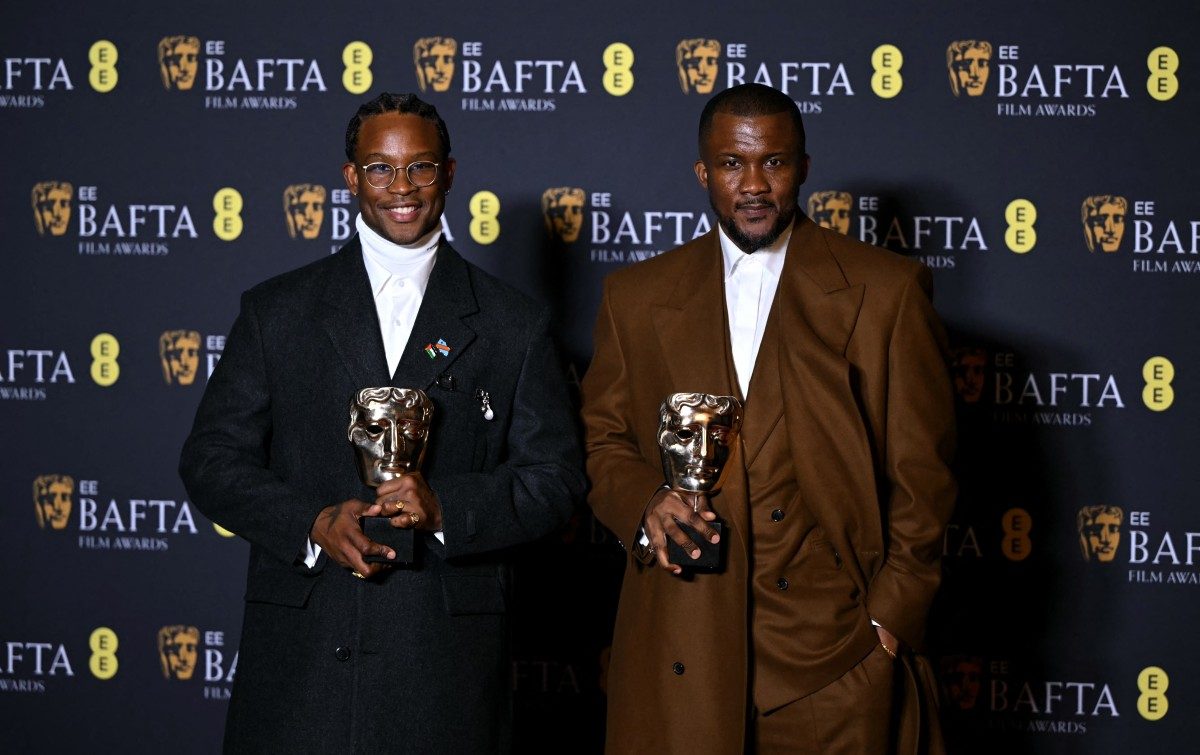
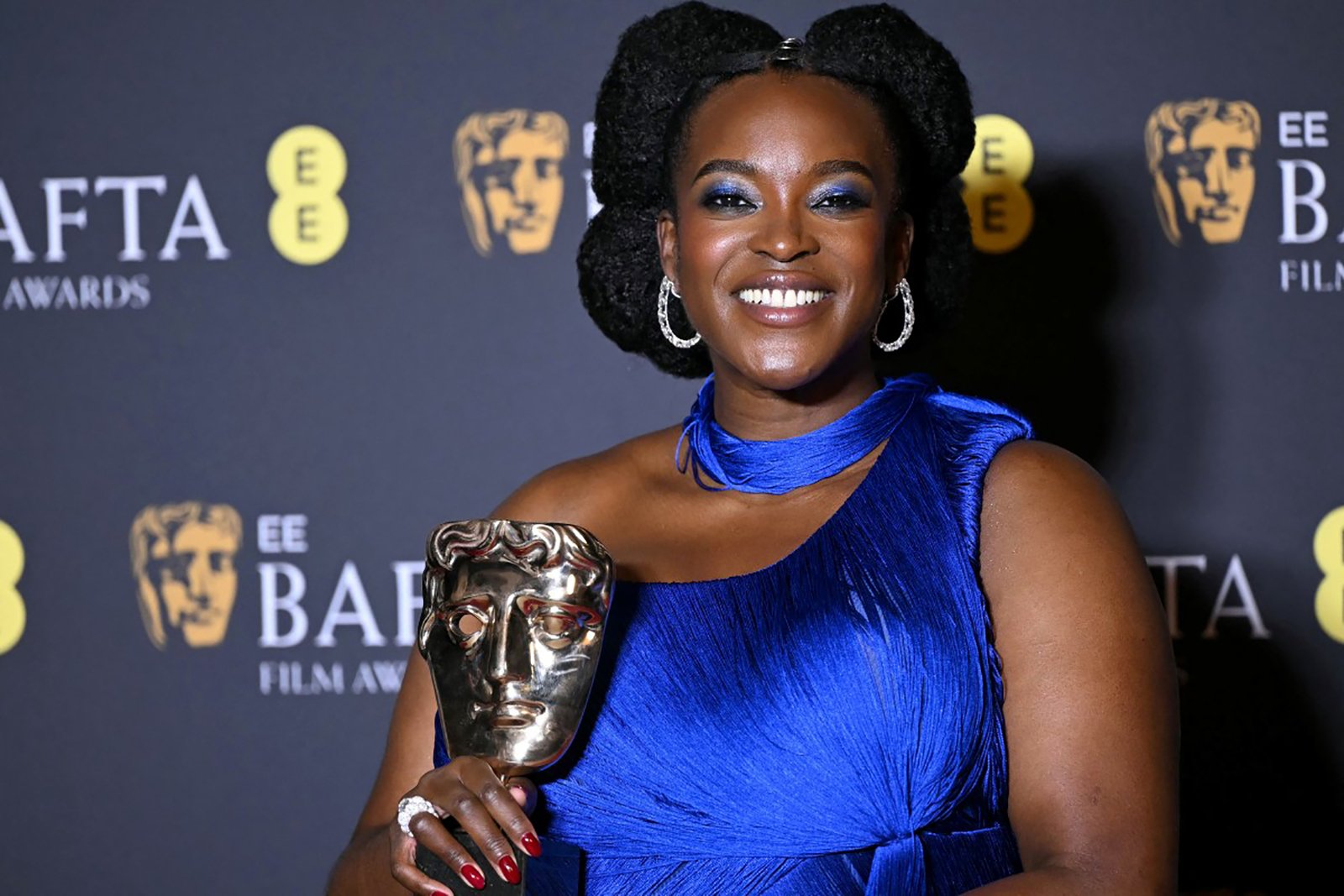

Every awards season, a question circulates through Nigerian film Twitter and group chats from Lagos to London: when will Nollywood get its BAFTA moment? The phrasing assumes something that does not actually exist. There is no BAFTA category for Nollywood. There is no separate ceremony, no carved-out slot for Nigerian cinema, no equivalent of the Africa-focused recognition that some viewers imagine when they hear the acronym. What exists instead is a far more complicated map of international film recognition, one Nollywood is still learning to navigate after three decades of producing more films per year than nearly any other industry on earth.
Understanding that map matters because the assumption behind the question, that prestige flows downward from a single British or American institution, leaves Nigerian filmmakers chasing the wrong targets. Real international recognition for Nollywood is happening, but it looks different from a BAFTA trophy. It looks like a Sundance jury prize, a Netflix top ten finish, an AMPAS membership invitation, a Cannes selection slot. Sorting out what counts, what does not, and why the question of BAFTA keeps coming up requires a closer look at the institution itself.
What BAFTA Actually Is and Why It Matters
The British Academy of Film and Television Arts was founded in 1947 by a group of British filmmakers including David Lean, Carol Reed, and Alexander Korda. It is, in plain terms, the British equivalent of the Oscars, though it covers television and games alongside film. The BAFTA Film Awards ceremony each February in London sits as one of the most important precursors to the Academy Awards in Hollywood, with significant overlap in voters, nominees, and eventual winners.
BAFTA has roughly two dozen film categories covering acting, directing, writing, technical crafts, and a handful of special awards. The closest the organisation comes to international recognition is the Best Film Not in the English Language category, which functions similarly to the Oscars’ Best International Feature Film. That category considers films submitted from around the world, including African countries, but no Nollywood production has ever won it.
The Nollywood-Specific Category That Does Not Exist
Search the BAFTA website and you will find no Nollywood category, no African cinema category, no regional Africa award. The reason is structural rather than personal. BAFTA is a national academy that opened its voting membership to international film professionals over the past decade, but its category structure reflects British and global English-language production. Films from Lagos compete in the same pool as films from Seoul, Buenos Aires, and Tehran when they enter the non-English-language category, and most Nollywood films do not enter at all because English dialogue makes up the majority of their scripts.
That same English-language situation created one of the most discussed disqualification stories in recent African film history.
The Lionheart Disqualification That Changed the Conversation

Genevieve Nnaji’s directorial debut Lionheart became Nigeria’s first official submission to the Academy Awards in 2019, entered in the Best International Feature Film category. The film, a corporate succession drama set in a Nigerian transport company, was acquired by Netflix and received generally warm critical notices.
The Academy disqualified it. The reason was that more than half the dialogue was in English, which violated the category’s requirement that submissions be predominantly in a non-English language. The decision sparked an immediate backlash, with Ava DuVernay tweeting at the Academy to ask whether they were disqualifying the film for being too Nigerian in a country where English is an official language. Nnaji herself pushed back publicly, pointing out that English is the lingua franca of post-colonial Nigeria precisely because of British imperial history.
The Academy did not reverse the decision for that year, but the controversy contributed to a broader conversation about how international film bodies define what counts as foreign. BAFTA’s parallel category operates under similar logic, which is part of why Nigerian filmmakers who want British recognition often have to seek it through routes other than the main competition.
The English-Language Trap for Nigerian Cinema
Most commercial Nollywood productions are shot in English, with Pidgin, Yoruba, Igbo, or Hausa woven in for flavour and authenticity. That linguistic reality, born of colonial history and the practical need to reach a multilingual domestic audience, makes Nigerian films ineligible for the very categories designed to recognise non-Hollywood cinema. Films shot primarily in indigenous languages, such as those from the Yoruba or Hausa-language sectors of Nollywood, theoretically have a clearer path to international category submission, but they often lack the international distribution and festival relationships needed to reach the submission stage in the first place.
The Diaspora Recognition Most People Confuse With Nollywood Recognition
When viewers ask about Nigerian success at BAFTA, they often have specific names in mind. Cynthia Erivo, the British-Nigerian actress and singer, was shortlisted for the EE Rising Star Award at the 2019 BAFTAs, and has since received Oscar nominations for Harriet and for Wicked. Her career runs through London theatre, Hollywood film, and Broadway, with her Nigerian heritage being a celebrated part of her public identity.
Erivo’s BAFTAs are not Nollywood BAFTAs. She is a British actress whose work sits within the British and American film industries. The distinction matters because conflating diaspora success with industry success obscures what is actually happening to films made in Nigeria, by Nigerian crews, for Nigerian and international audiences.
The Breakthrough Brit and EE Rising Star Routes

BAFTA runs two early-career programmes that have welcomed Nigerian-British talent. The Breakthrough programme, supported by Netflix, identifies promising new talent across film, television, and games. The EE Rising Star Award, voted on by the public, has gone to actors including John Boyega, the British-Nigerian star who won in 2016 after his Star Wars debut. Boyega’s career began in the UK theatre and television circuit, with his Nigerian parentage shaping his identity and his speeches but not his industry pathway.
Daniel Kaluuya, whose Ugandan heritage often gets folded into the broader African diaspora conversation, offers the parallel that most clearly shows what an industry-changing diaspora career can do. His BAFTA Rising Star win in 2018, followed by his BAFTA Best Supporting Actor win for Judas and the Black Messiah and his Oscar for the same role, established a template. Letitia Wright, the British-Guyanese actress whose Black Panther fame catapulted her to global recognition, won the BAFTA Rising Star Award in 2019. Neither of these performers came up through Nollywood, but their visibility shifted what British audiences expected to see on screen.
The Awards That Actually Recognise Nigerian Films
If BAFTA is not the prize, what is? The honest answer involves a constellation of bodies, some African and some international, that do meaningful recognition work for Nollywood.