Sefi Atta: A Reader's Guide to the Nigerian Author's Most Essential Books
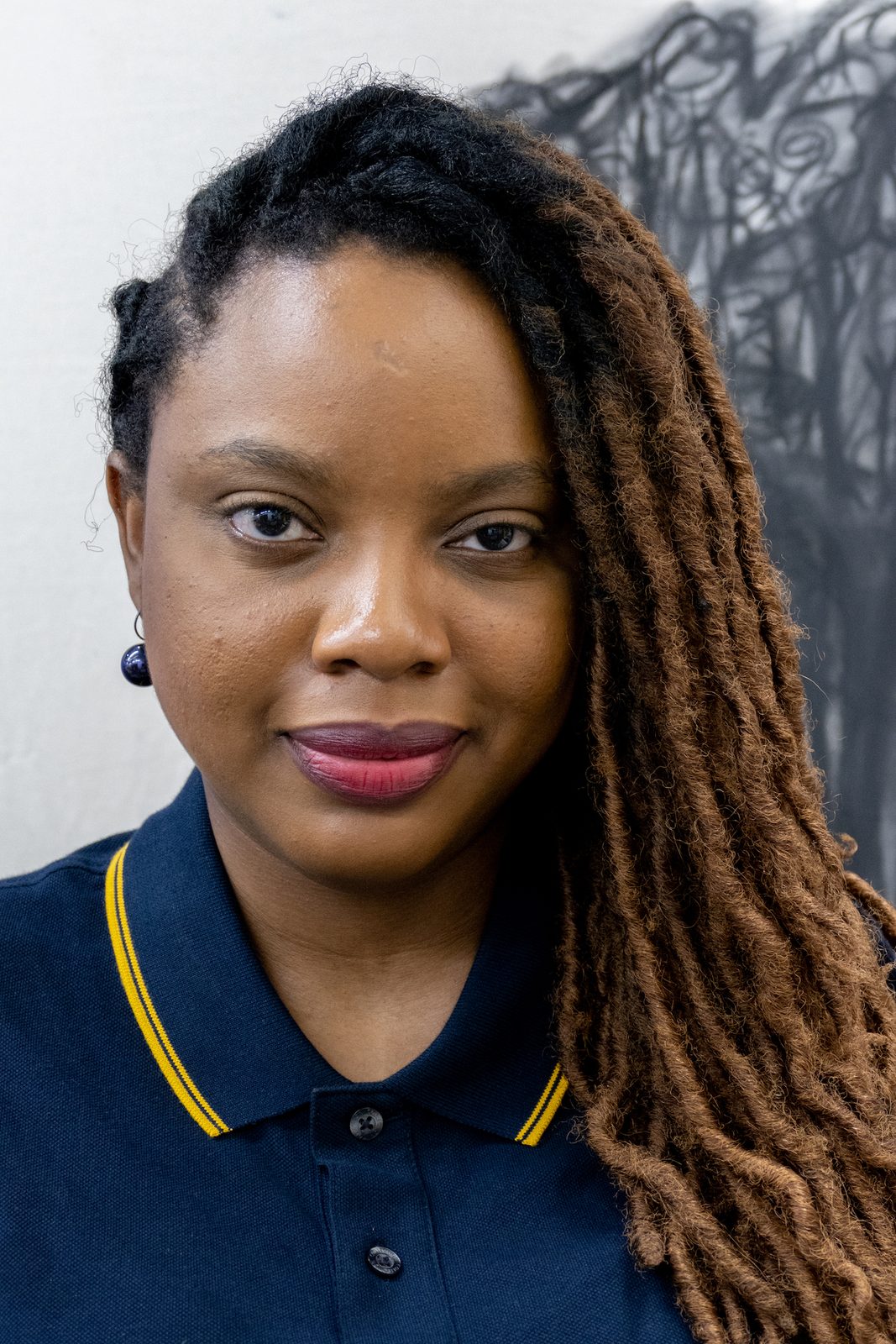
Image: JSU Newsroom
Books

Sefi Atta: A Reader's Guide to the Nigerian Author's Most Essential Books

Arianne ColeArianne Cole··10 min read
Ad SpaceArticle Top - 728x90
Advertisement

Consider the unusual route. Sefi Atta qualified as a chartered accountant in England, worked in finance into her thirties, and took an MFA in creative writing at Antioch University Los Angeles, completing it in 2001. Her first novel, Everything Good Will Come, was published in 2005. In 2006 it won the inaugural Wole Soyinka Prize for Literature in Africa, making Atta the first recipient of what has become one of the continent’s most closely watched English-language literary awards. By any reasonable accounting, this is a late-starting career that arrived at the top of the field inside a decade. By any reasonable accounting, she should be a fixture on the international African literature syllabus. She is not, quite. The gap between the achievement and the recognition is one of the more interesting open questions about how African writing in English gets canonised.

What follows is a guide for readers who have heard the name and not the books, or who read Everything Good Will Come on a syllabus and were never told what came afterward. Atta’s body of work now runs to ten volumes across novels, short stories, plays and a children’s book, and it rewards the patient reader at a level her relatively modest international profile does not predict.

Accountancy First, Then Fiction

Atta was born in Lagos in 1964. Her father, Abdul-Aziz Atta, was a senior federal civil servant. Her childhood Lagos, before and after the civil war, supplies the material that becomes the early chapters of Everything Good Will Come. She was educated in Lagos and then in England, where she completed her secondary schooling at Millfield School in Somerset before training as a chartered accountant. She moved to the United States in the mid-1990s, has been based primarily in Mississippi since, and now divides her time between the United States, England and Nigeria.

The accountancy is not an incidental biographical detail. Atta has spoken about what the discipline taught her about prose: the instinct for what an account must balance against, what a footnote must disclose, what the assumptions inside an aggregate number actually are. Her novels are unusually rigorous about cause and consequence. Money is specified. Class is counted. The professional women at the centre of most of her books navigate their finances with a granularity that contemporary literary fiction rarely bothers with. She also qualified as a certified public accountant in the United States, and the double training shows in how precisely her characters understand the systems they are inside.

The Novels

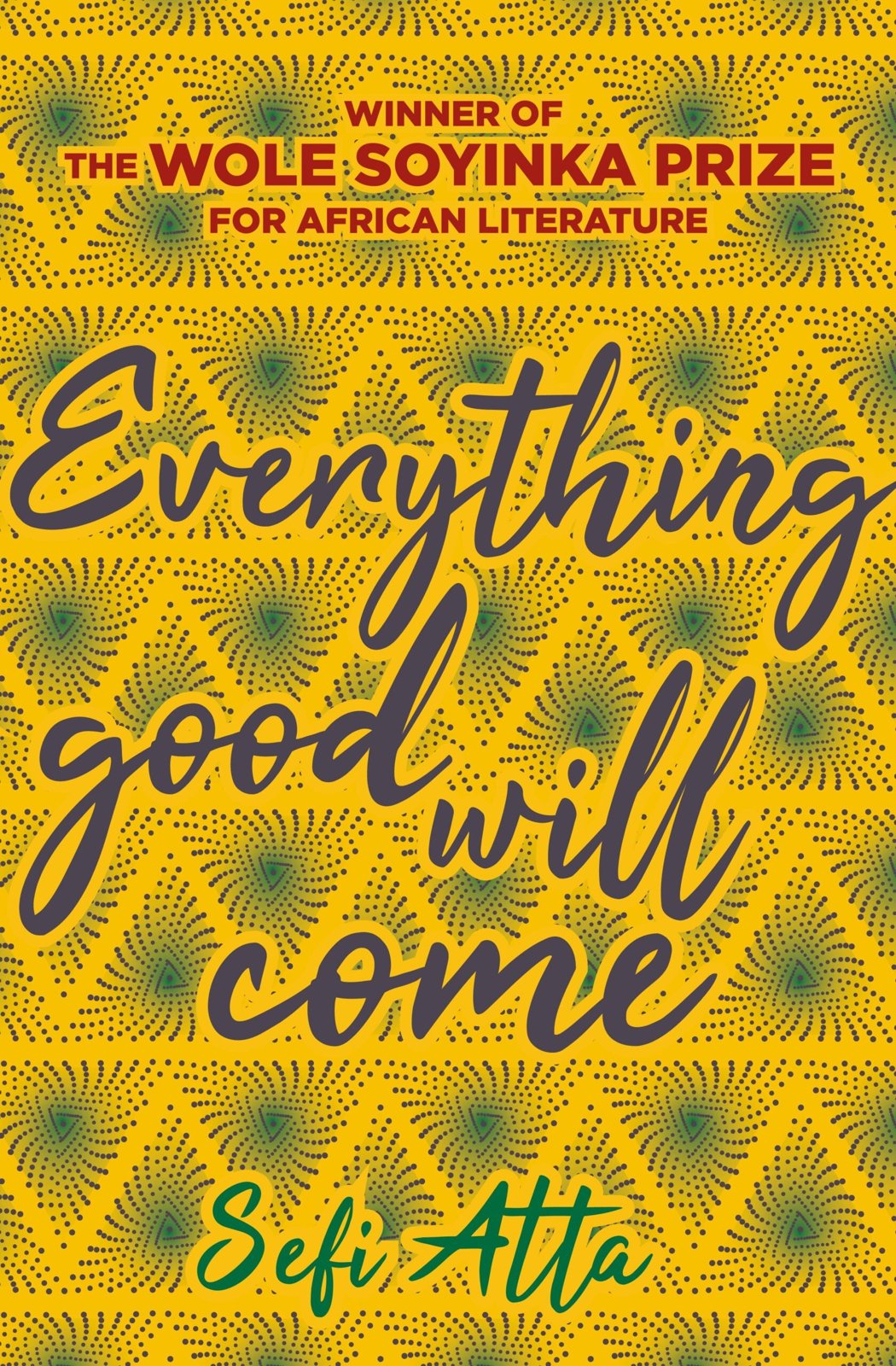
Everything Good Will Come (2005) follows Enitan Taiwo from her Lagos childhood in the late 1960s through the political turbulence of the 1990s to a personal reckoning at the end of the military era. The novel is a coming-of-age story, a friendship novel between Enitan and her neighbour Sheri Bakare, and a portrait of how Nigerian women of a particular class come to feminism through the limits of marriage, law and military rule. The prose is plain in a deceptive way. Atta does not reach for the lyric register that has become the default Nigerian literary tone; she writes the sentences the situation requires and stops. The accumulation, over four hundred pages, is considerable, and the Soyinka Prize jury recognised what some reviewers did not initially see, that the apparent simplicity is the result of severe formal discipline.

Swallow (2010) surprised readers who had pegged Atta as a writer of upper-middle-class Lagos life. Set in early 1980s Lagos, it follows Tolani Ajao, a young bank secretary whose flatmate Rose draws her into the drug-courier economy of those years. Tolani’s narrative alternates with her mother’s earlier story in rural western Nigeria. The novel is sharper than its predecessor, more interested in class anger, and less interested in resolution. It is the Atta novel that most clearly anticipates the harder edge of her later work, and in 2021 she co-wrote a Netflix film adapted from it.

A Bit of Difference (2013) follows Deola Bello, a Nigerian woman working for an international development charity in London, through a visit home and a series of decisions that test the contradictions of the aid industry from inside. The novel was written before the recent reframing of development politics but anticipates many of its critiques. Deola is the most fully developed of Atta’s professional-women protagonists, and the book is the one to read alongside Adichie’s Americanah for the way the two novels handle the question of return.

The Bead Collector (2019) is the most quietly ambitious of the novels. Set in Lagos in the mid-1970s, around the coup that brought Murtala Muhammed to power and the assassination that ended his rule, the book follows Remi Lawal, the wife of a senior public servant, whose friendship with an American woman is complicated by the political intrigues of the era. The novel works at two registers at once: an interior portrait of a particular kind of mid-century Lagos marriage, and a story about the foreign entanglements that shaped Nigeria’s first oil decade. The Bad Immigrant (2021) turns to a Nigerian academic who relocates his family to the American Midwest and finds the bargain of migration less tidy than promised. Good-for-Nothing Girl (2024) is the most recent novel.

The Stories, the Plays and the Children’s Book
Sefi Atta - The Stories and the Plays
Image: Interlink Publishing

News from Home (2010) is the first short-story collection, and it is essential. The stories range across Nigeria and the diaspora, several set in Lagos, several in the American South, and the title story, about a domestic worker in the southern United States, is among the finest single short stories by a Nigerian writer in English. The collection’s earlier Nigerian edition was published as Lawless, and it won the Noma Award for Publishing in Africa in 2009. A second collection, Indigene, followed in 2025. Readers tracking her short fiction should also note that she won PEN International’s David TK Wong Prize in the 2004 to 2005 cycle, a win that is frequently reported as a mere nomination.

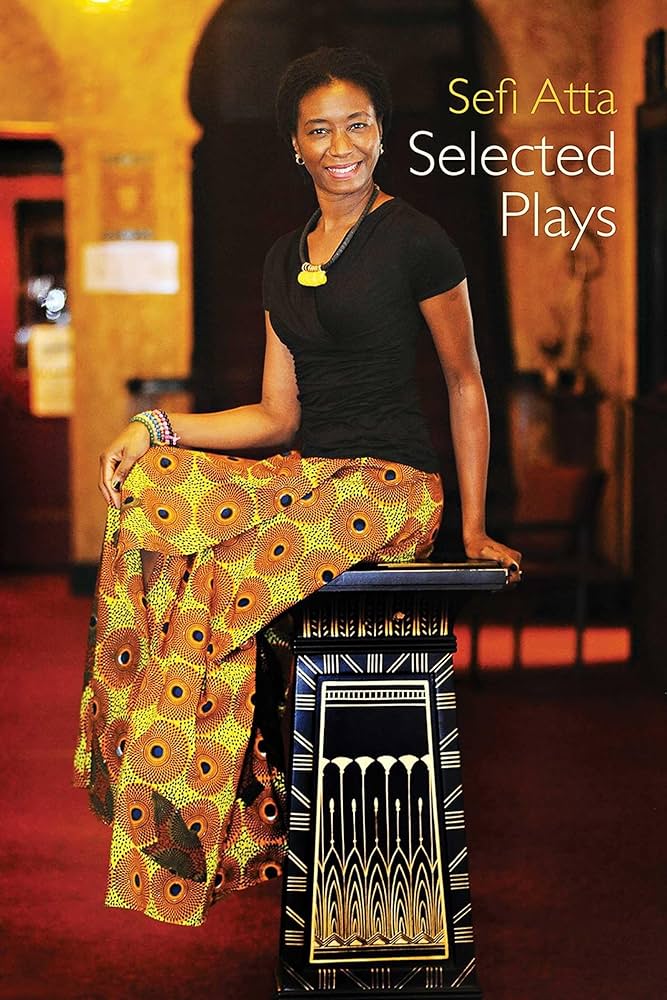
The plays are the part of the shelf most often dropped, and they should not be. Atta has written for the stage and extensively for radio, with radio plays broadcast by the BBC and stage work published and performed internationally. Sefi Atta: Selected Plays (2019) gathers the major ones, including Hagel auf Zamfara, The Engagement, An Ordinary Legacy, The Cost of Living and The Last Stand. The plays sit inside a Nigerian theatre tradition that runs from Soyinka through Femi Osofisan to the contemporary scene, and they expand her range in ways the novels alone do not show. She has also written a children’s book, Drama Queen (2018), which is a separate form and worth naming as one.
Ad SpaceIn-Article - 300x250
Advertisement

Preoccupations Across the Body of Work

A reader moving through the books in sequence will see three things accumulate. The first is women and money. Atta writes the financial life of Nigerian women with an attentiveness few of her peers approach. Salaries are specified, obligations are described, inheritance disputes are mapped through their actual legal mechanics. This is the accountant’s bequest to the novelist, and it is unusual enough in literary fiction to count as a signature.

The second is the middle generation. Most of Atta’s protagonists are professional women in their thirties and forties navigating marriage, motherhood, divorce, the deaths of parents and the political weather of late twentieth-century Nigeria. She is the Nigerian novelist who has done most for women whose lives are neither at the coming-of-age stage nor at the elderly retrospective. The third is power and its everyday delivery. Atta is interested in how military rule, aid politics, civil-service corruption and corporate hierarchies actually work at the level of the office, the marriage and the friendship. She does not write spectacular violence often. She writes the meeting in which violence is decided, and her best scenes are conversations across desks.

Honest Critique

Atta has not chased a public profile. She does not have the social-media presence of the most visible writers of her generation, and she does not give the kind of interview that becomes a viral clip. The literary economy now rewards visibility in ways that disadvantage writers temperamentally allergic to it, and Atta is one of the under-discussed consequences of that shift.

Everything Good Will Come by Sefi Atta
Cover art: Interlink Books

The prose has cost her some readers too. Reviewers expecting a particular literary lushness have sometimes read her plainness as flatness. Her sentences need to be read in the aggregate: the fifty-page stretch, not the single quotable line, is the unit of her achievement. Some of the books are uneven. The middle act of A Bit of Difference loses tension, and the mother-and-daughter alternation in Swallow occasionally feels like two books folded into one. These are real weaknesses. They do not overwhelm the strengths.

Where She Sits in the African Literary Canon

Atta sits inside the third generation of Nigerian writers in English, alongside Adichie, Teju Cole, Helon Habila and the late Binyavanga Wainaina, and she is the cohort’s most underdiscussed major figure. Within Nigerian women’s writing, her closest predecessor is Buchi Emecheta, whose interest in the economic lives of working Nigerian women Atta has carried into a later generation. Within global anglophone fiction the useful comparison is with writers whose attention to ordinary life accumulates into something more formidable than any single passage promises.

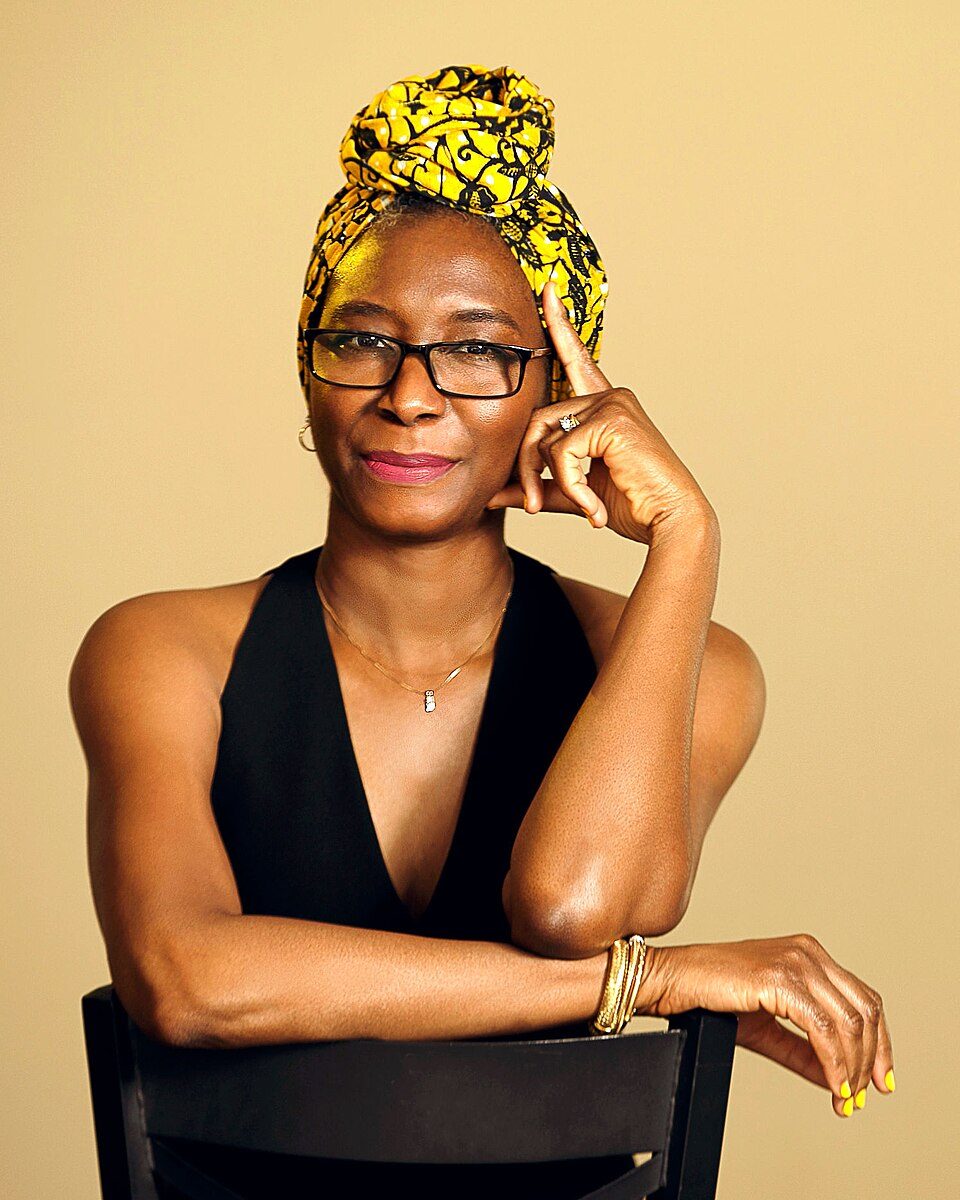
Sefi Atta
Image: Wikipedia

Her standing inside the institutions of the field is easier to document than her sales. She won the inaugural Wole Soyinka Prize for Literature in Africa in 2006 and the Noma Award for Publishing in Africa in 2009, and she won PEN International’s David TK Wong Prize. She served as a juror for the 2010 Neustadt International Prize for Literature and as a judge for the 2019 Caine Prize for African Writing. A critical study of her fiction, Writing Contemporary Nigeria: How Sefi Atta Illuminates African Culture and Tradition, was published by Cambria Press in 2015. She has been writer-in-residence at the University of Southern Mississippi, Northwestern University and Jackson State University. Most readers cannot name half of these. The committees who chose her could.

Recommended Reading Order

Begin with Everything Good Will Come, which establishes her preoccupations and remains her most accessible novel. Move to A Bit of Difference second, the bridge into her diaspora and professional-women material. Take News from Home third, for the short fiction that opens up her range. Swallow fourth, for the harder-edged register. The Bead Collector fifth, as the most quietly ambitious of the novels and the one that rewards a reader already inside her sensibility. The Bad Immigrant and Good-for-Nothing Girl follow for readers who want the recent work. For the theatre, Sefi Atta: Selected Plays is the entry point, with The Engagement the most accessible single play.

For context, read Everything Good Will Come against Adichie’s Purple Hibiscus for a sense of how two Nigerian women writers of overlapping generations handle the late military years differently. Pair A Bit of Difference with Americanah for the diaspora question, and The Bead Collector with Habila’s Measuring Time for two angles on Nigerian historical fiction.

Bibliography at a Glance

Title Year Form
Everything Good Will Come 2005 Novel
Lawless (Nigerian edition of the first collection) 2007 Stories
News from Home 2010 Stories
Swallow 2010 Novel
A Bit of Difference 2013 Novel
Drama Queen 2018 Children’s book
The Bead Collector 2019 Novel
Sefi Atta: Selected Plays 2019 Plays
The Bad Immigrant 2021 Novel
Good-for-Nothing Girl 2024 Novel
Indigene 2025 Stories

The Case for Reading Her in Full

The usual way of meeting Sefi Atta is through one novel on one syllabus, which is also the reason she is underrated. Read whole, the shelf is a forty-year audit of Nigerian middle-class life, conducted by someone who knows how the ledgers work: six novels, two story collections, a volume of plays and a children’s book, with radio drama and a film adaptation alongside. The plays matter as plays and the stories matter as stories, and a guide that silently converts either into novels misses most of what she does. The work is quieter than the market rewards and more exact than the market notices, which is a fair description of the career and an unfair description of the books.

Atta has spent her career on middle-class Lagos and the ledgers that hold it together, and Stray Consequences, from our own imprint, follows a former banker turned security boss whose life on Banana Island comes apart when one phone call drags him into a plot to kidnap and kill a political candidate.

If you like Sefi Atta, tryPublished by Sidomex Publishing, the house behind Sidomex EntertainmentStray Consequences by J. MichaelFour years after If Only, Joe has rebuilt his life on Banana Island. Then the phone rings, and a voice from the past dismantles everything. The explosive conclusion to the Don’t Stray Series.Buy on AmazonLearn more
Ad SpaceIn-Article - 300x250
Advertisement
Share
Get the recap

Loved this story? Get more like it.

Join readers who get our weekly entertainment recap - the stories worth your time, delivered every Friday.

No spam. Unsubscribe anytime. By signing up you agree to our Privacy Policy.

Sefi Atta: A Reader's Guide to t... | Sidomex Entertainment