How Cassava Republic, Ouida Books and Other African Publishers Are Reshaping the Industry
Arianne Cole··11 min read
Ad SpaceArticle Top - 728x90
Advertisement
For most of the last century the question of what counted as African literature was answered in London, Paris and New York. Heinemann’s African Writers Series, published by Heinemann Educational Books with Chinua Achebe as its founding editorial adviser, did more than any other list to decide which Nigerian, Kenyan and Ghanaian voices reached classroom desks across the continent. The series wound down, and the assumption survived it: a novelist who wanted to be taken seriously needed a London agent, a New York imprint and a review in the British press.
That assumption has stopped holding. A generation of publishing houses founded in Abuja, Lagos, Nairobi and Cape Town has built lists deep enough and editorial reputations sharp enough to shift the centre of gravity. Cassava Republic Press sells into the British and North American trade alongside its Nigerian catalogue. Ouida Books has become the Nigerian home for authors who previously appeared only in imported editions. Modjaji Books has spent close to two decades surfacing South African women writers the larger houses overlooked. The infrastructure is patchy, underfunded and grant-dependent in ways the multinational groups never are. It is also, at last, working.
Why African publishers matter now
The diaspora story has been told often enough. Writers who left for degrees abroad and found agents and editors there became the face of African fiction for international readers. What that story misses is that the diaspora reader is not the domestic reader. A novel calibrated for a British literary audience, complete with careful explanations of jollof rice and shared-taxi fares, reads strangely in Yaba or Kilimani. Readers at home tend to want fiction that assumes their world instead of translating it, and that preference is a commercial fact as much as a cultural one.
The school market is the other half of the picture. Set-text decisions move volumes that no trade list can match, which means a publisher able to navigate curriculum approval and to price books for parents earning in naira or shillings has a business that London cannot easily enter. The literary list is the visible part of these houses. Curriculum and educational work frequently pays for it.
The agent routing is changing too. For years a manuscript from Lagos went to a London agent, who sold it to a British publisher, which might license a Nigerian edition later, if at all. That sequence is inverting in places. Agents increasingly allow a domestic house to publish first and then take a book with a sales record into international negotiation with the home territory carved out of the deal.
Cassava Republic Press
Image: The Bookseller
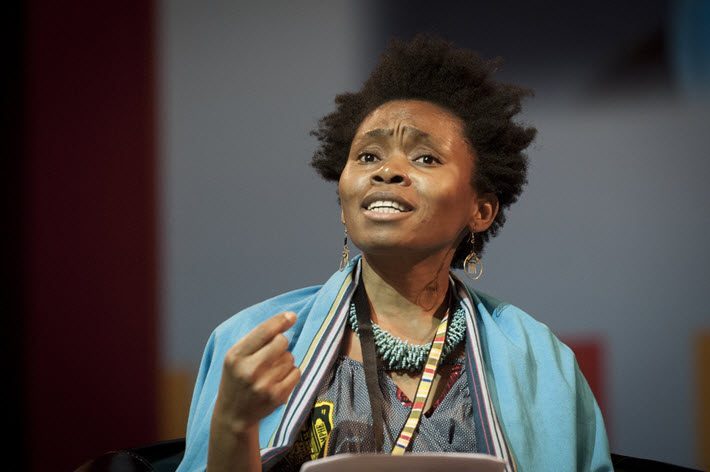
Cassava Republic was founded in Abuja in 2006 by Bibi Bakare-Yusuf and Jeremy Weate. The premise was unsentimental. African writers were being published abroad to acclaim while their books stayed unaffordable or simply unavailable at home, so Cassava would publish them in Nigeria, at Nigerian prices, with production values that could stand next to anything from London.
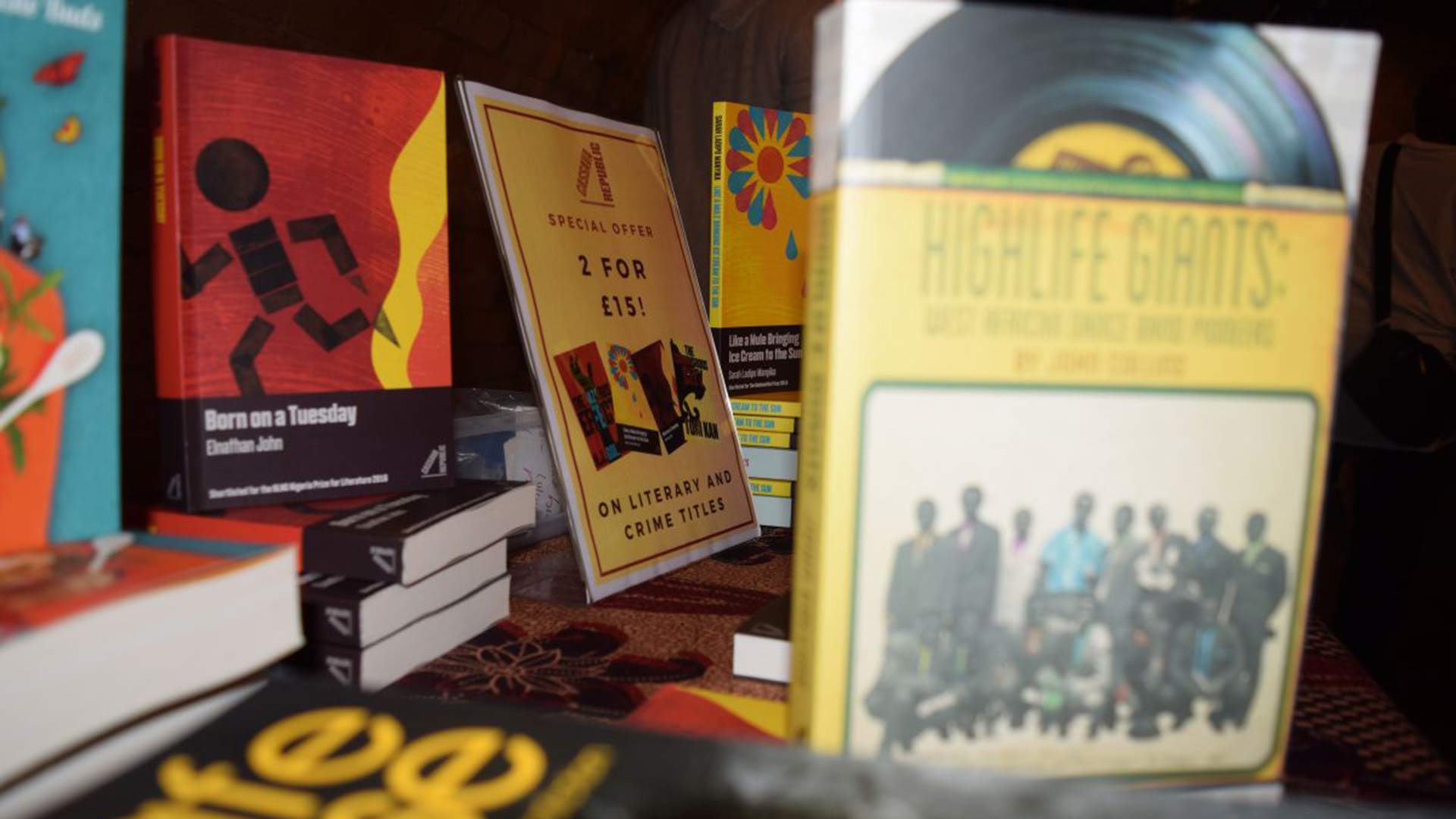
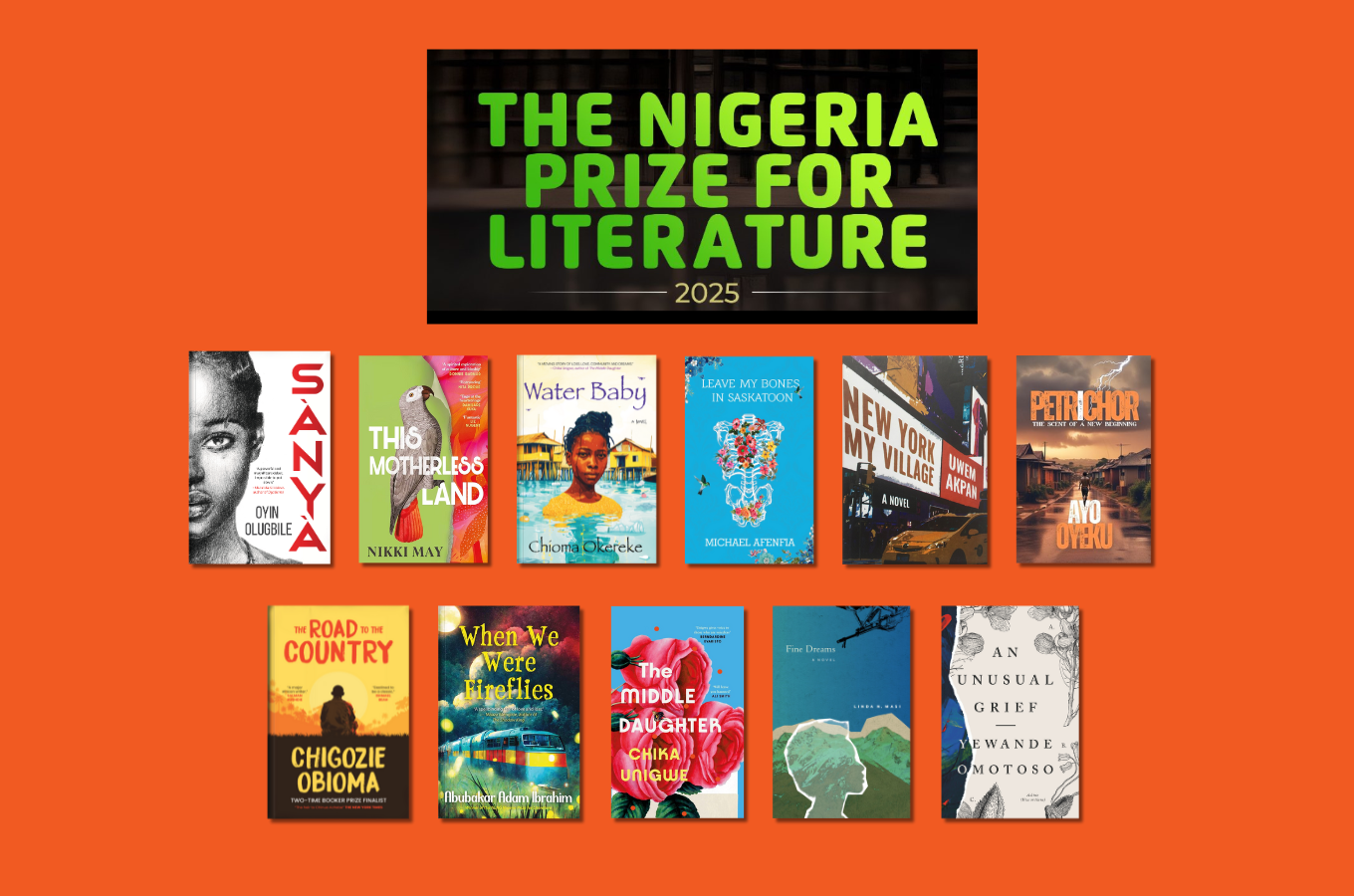
The catalogue has carried the argument. Sarah Ladipo Manyika’s Like a Mule Bringing Ice Cream to the Sun became an early calling card. Elnathan John’s Born on a Tuesday, set among the almajiri students of northern Nigeria, brought critical weight and international co-editions. Abubakar Adam Ibrahim’s Season of Crimson Blossoms, about a widow’s affair with a much younger man, won the Nigeria Prize for Literature in 2016; it was first published in Nigeria by Parrésia in 2015, with Cassava Republic publishing it in the United Kingdom the following year. Lola Shoneyin’s The Secret Lives of Baba Segi’s Wives appeared on the Cassava list while its wider English-language rights ran through Serpent’s Tail.
In 2016 the house opened a London office, which took it from a boutique African press to a publisher operating on two continents, acquiring wider English-language rights for some titles and co-publishing others with Abuja. Its romance imprint, Ankara Press, launched in 2014 with an explicit brief to publish a kind of romance that discarded the genre’s assumptions about male dominance. Cassava Children’s Books covers picture books and young adult fiction, and crime has been part of the trade list from early on, which quietly dismantled the idea that thrillers and procedurals sat outside the African literary register. Bakare-Yusuf has been consistently blunt about what the work costs: margins are tight, distribution inside Nigeria is punishing, and piracy eats into print runs.
Ouida Books
Image: Ouida Books
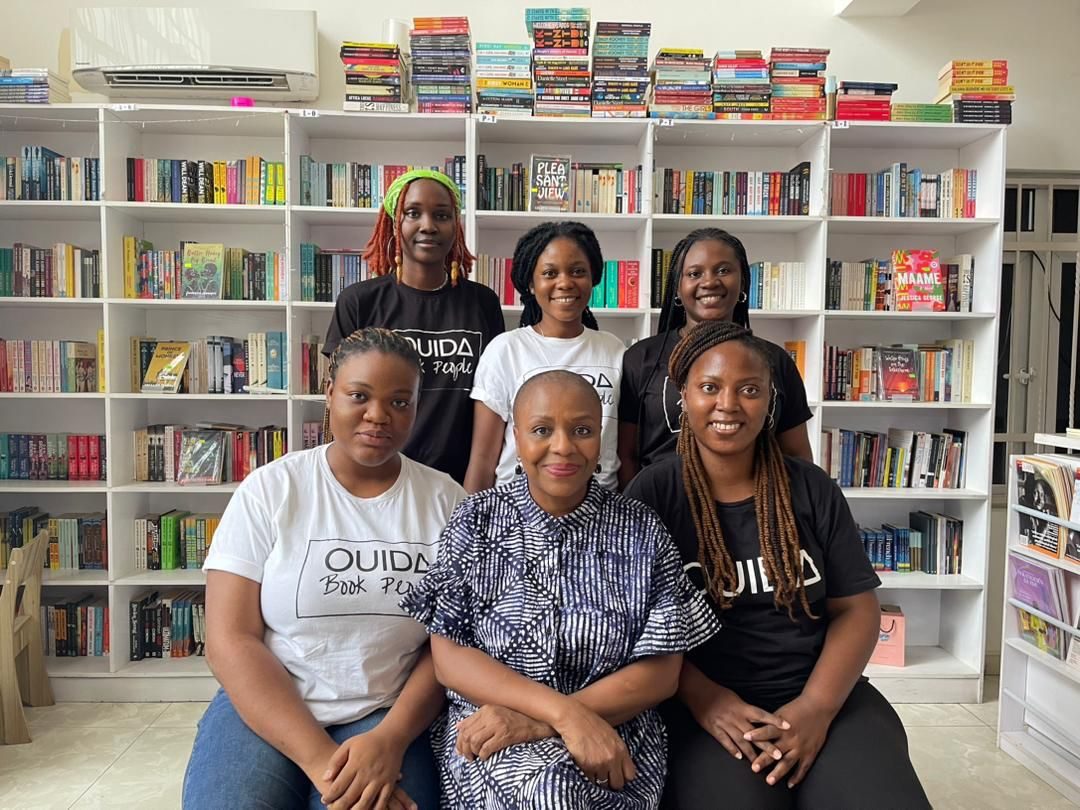
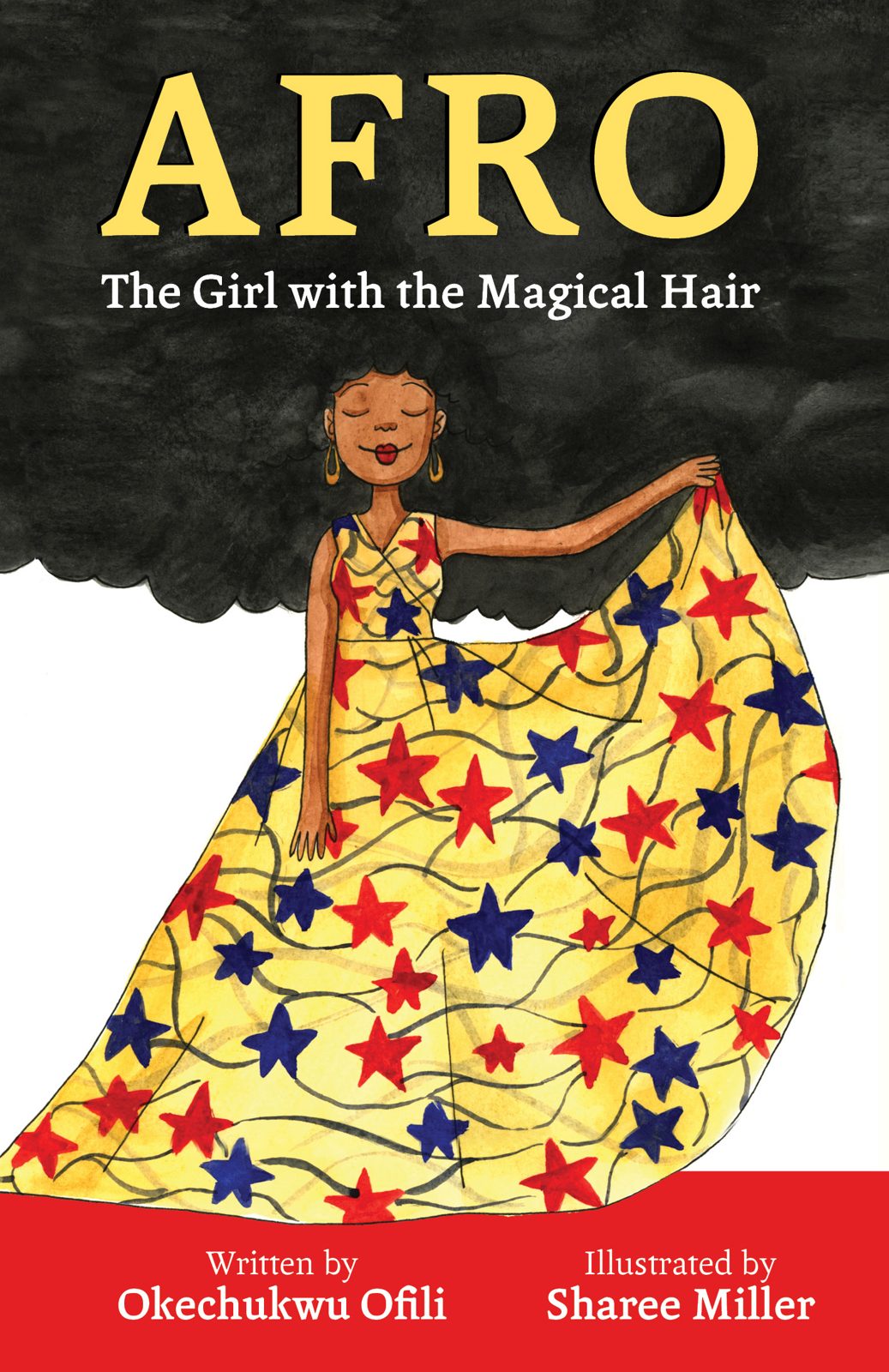
Ouida Books was founded in 2014 by Lola Shoneyin, the novelist behind The Secret Lives of Baba Segi’s Wives and the founder of the Aké Arts and Book Festival. The Lagos house is small by design and has built its profile through carefully chosen licensed editions rather than a sprawling debut list. Nnedi Okorafor’s Akata Witch, first published in the United States, reached Nigerian readers through Ouida and became one of the house’s signature titles in the school and young adult market.
The strategy makes sense given the festival ecosystem Shoneyin sits at the centre of. Aké has brought many of the biggest names in African letters to Abeokuta and later Lagos each year, and Ouida converts that attention into local availability for books that would otherwise remain imported and overpriced. Festival to local edition to school adoption is one of the more reliable funnels African publishing has built for itself, and it depends on a publisher and a festival sharing the same founder.
Parrésia Publishers and the bridge model
Image: www.parresia.com.ng
Parrésia was founded in 2012 by Richard Ali and Azafi Omoluabi-Ogosi as a Lagos house for writers whose work was too literary for the textbook market and too rooted in Nigerian specifics for the international trade. Its Origami imprint became the literary arm. The house published the first Nigerian edition of Season of Crimson Blossoms, the novel that went on to take the country’s largest literary prize, which is the clearest demonstration available that a domestic house can originate a prizewinner rather than license one. Eghosa Imasuen’s Fine Boys, set during the cult violence at the University of Benin in the 1990s, found its audience through the house and has had a long life with Nigerian student readers. The bridge concept its founders describe is simple to state and hard to run: keep the literary list alive while educational and commercial work pays the rent.
Masobe Books
Image: JAY Lit
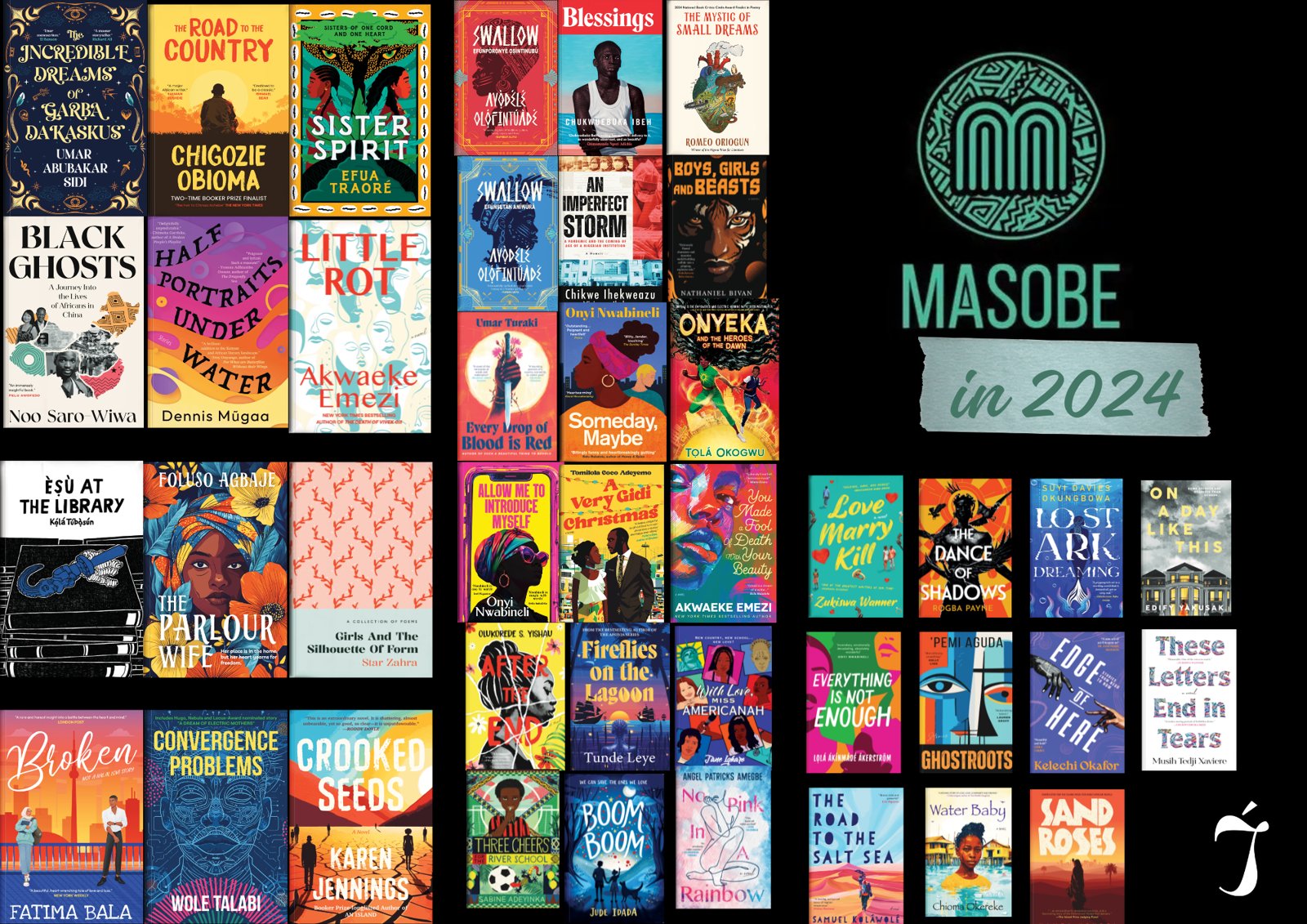
Masobe Books, founded in 2018 by the novelist Othuke Ominiabohs, is the most aggressively debut-oriented house on the Nigerian list. Ominiabohs told The Guardian in 2025 that he started the company with a loan of about $7,000 from his sister, against advice that books do not sell in Nigeria. The press has positioned itself as the first place a Nigerian debut novelist or story writer should send a manuscript, and its editorial interests run shorter, sharper and more interested in domestic class and technology than the generation that preceded it. Whether that bet converts into unit sales at scale is still an open question. In reputation it has already converted.
Sidomex Publishing
Sidomex Publishing is the name on this list closest to home for us: it is the book publishing arm of the group behind Sidomex Entertainment. The Nigerian imprint publishes the novelist J. Michael, whose six books cover ground the older houses rarely mixed on one list: the Lagos-set Don’t Stray Series (If Only and Stray Consequences), the legal thriller As The Can Opens, which opens in Kirikiri Maximum Security Prison, the psychological thriller Black Spell and the time-travel thriller Mission 3-R.
Ad SpaceIn-Article - 300x250
Advertisement
Its newest title, Emperor Hulu’s Daughter, published in April 2026, shows the house’s bet in miniature. The novel is the full-length version of The Emperor’s Daughter, the short story that won the first edition of Yahoo’s STOR14S competition in 2020 and was narrated by David Oyelowo for the STOR14S podcast. Taking a prize-winning story from a digital platform and building it into a full novel in Kindle, paperback and hardcover is the kind of bet a small, author-focused house can make, and it is the same reader-first instinct that runs through the rest of this list.
From our own imprint. All six of J. Michael’s novels are published by Sidomex Publishing, the house behind Sidomex Entertainment, and they are among the titles we are proudest of.
Muhtar Bakare founded Kachifo Limited in 2004, with Farafina as its literary imprint. The house published the Nigerian edition of Chimamanda Ngozi Adichie’s Purple Hibiscus early enough to make her a Farafina author at home before she became a global name. From 2007 the Farafina Trust creative writing workshop, taught by Adichie, functioned as something close to a free graduate programme, and its alumni appear throughout the current generation of Nigerian short fiction.
Narrative Landscape Press is frequently described as a renamed Kachifo, and it is not one. It is a separate company, founded in Lagos in 2016 by Anwuli Ojogwu and Eghosa Imasuen, both of whom had previously worked at Kachifo and Farafina. The two houses share an editorial lineage and a number of professional relationships, which is how the confusion arises, but they are distinct businesses with distinct lists.
Kwani Trust and East African publishing
Image: Prince Claus Fund
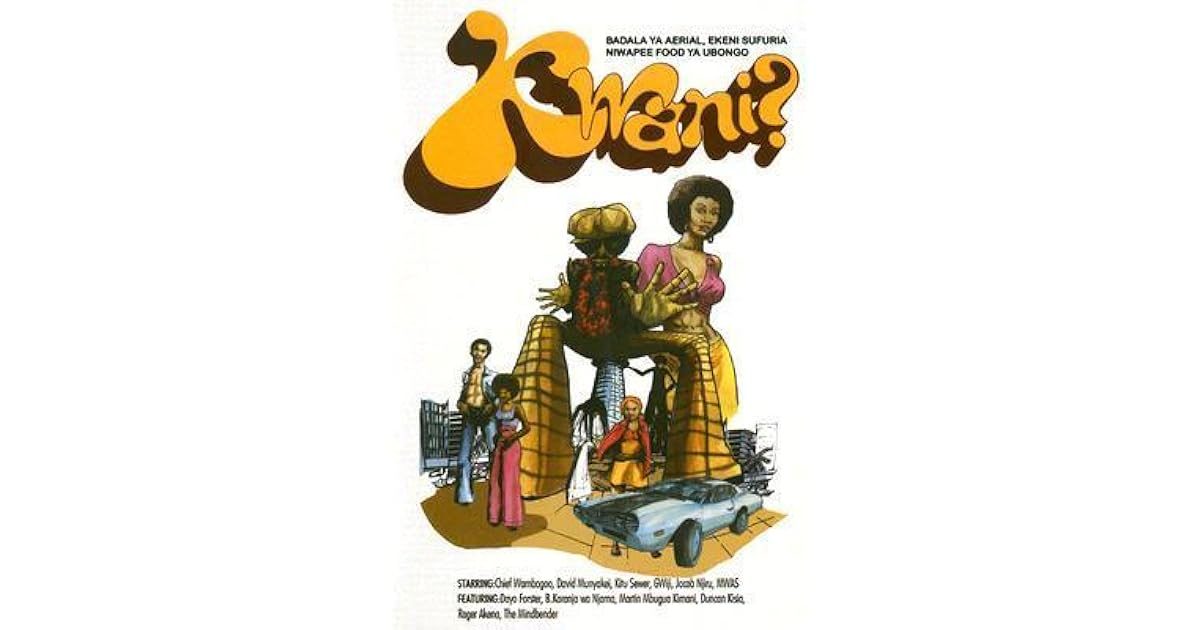
Kwani Trust was founded in Nairobi in 2003 by Binyavanga Wainaina, using the money from his Caine Prize win the previous year. It published Kwani?, the most important platform for East African writing through the 2000s and into the following decade, and Yvonne Adhiambo Owuor, Stanley Gazemba and a long roster of Kenyan, Ugandan and Tanzanian writers came up through its pages. Wainaina’s death in 2019 forced a pivot. The magazine has appeared only intermittently since and the publishing programme has narrowed. What remains is a brand readers across the region still trust and a back catalogue that defined two decades of regional writing.
Modjaji Books
Image: African books collective
Colleen Higgs founded Modjaji Books in Cape Town in 2007 with a deliberately narrow brief: to publish South African women writers. The house has held to that brief while expanding across literary fiction, poetry, memoir and essay. Yewande Omotoso published her debut Bom Boy through Modjaji, and the press has given first books to a long run of poets who would otherwise have had no route into print at home. Higgs has run it on sales, grant funding and persistence, which is the standard financial description of a literary independent anywhere and an especially demanding one in a market this size.
Storymoja and the children’s market
Image: bookshy
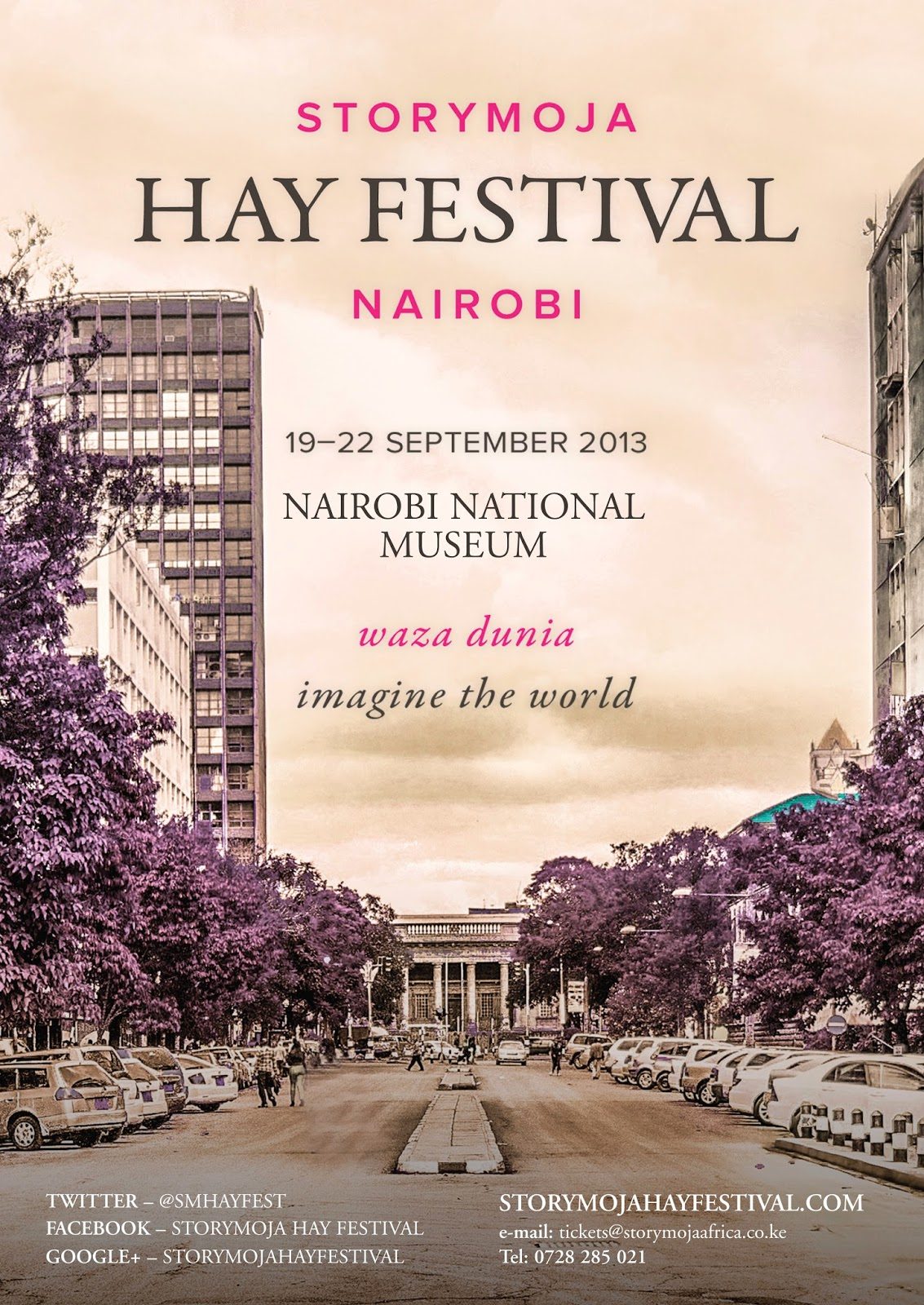
Muthoni Garland co-founded Storymoja in Nairobi around the children’s market and the festival circuit. The Storymoja festival became one of the major literary gatherings in East Africa before funding and logistical problems forced it to contract. The publishing arm produces children’s books in English and Swahili, with print runs designed for school adoption rather than trade bookshops, and that orientation reflects where the volume actually is. The largest unit opportunity in African publishing is not the literary novel. It is the children’s book and the school reader, and Garland recognised that early.
East African Educational Publishers and the Heinemann lineage
Image: LinkedIn
East African Educational Publishers, headquartered in Nairobi, grew out of Heinemann’s East African operation and carried forward a significant part of that lineage as the multinational’s interest in the region receded. Its backlist includes the Kenyan editions of Ngugi wa Thiong’o and much of the postcolonial canon that continues to anchor school syllabuses in Kenya, Uganda and Tanzania. It is largely absent from literary press coverage and central to actual reading lives, which is a reasonable summary of educational publishing everywhere.
Akashic Books and the outside-in model
Image: Community of Literary Magazines and Presses
Akashic Books, based in Brooklyn, sits outside the African ecosystem geographically and has built one of the most consistent African lists in North American independent publishing. The Lagos, Accra and Nairobi volumes of its Noir series have worked as amplifiers for writers whose home publishers lack the distribution to reach United States readers. Akashic licenses, co-publishes and shares rights in ways that give African writers a North American foothold without requiring them to leave their home lists, which is the opposite of the historical pattern.
The Brittle Paper effect
Brittle Paper, founded by Ainehi Edoro, is not a publisher and functions as one anyway. Run from the United States with editorial input from across the continent, it has become the informal canon-maker for contemporary African writing, and a story that appears there reaches precisely the readership that matters for an African literary career. Its annual awards have become a recognised marker for new fiction.
Distribution, the problem that will not solve itself
The hardest single problem in African publishing is distribution. A novel printed in Lagos is difficult to move to Kano, harder to move to Nairobi and close to impossible to move to Cape Town at a price anyone will pay. Cassava Republic’s London presence solved the British end for its own list. Cross-border distribution co-operatives have come and gone since the early 2010s, defeated by customs delays, currency mismatches and the underdevelopment of regional logistics. The collective African presence at the Frankfurt Book Fair has worked better as a rights and reputation exercise than as a logistics solution. The deals get made there. The physical books still struggle to move.
The agency question
Most writers publishing through African houses do not have agents. Manuscripts arrive unsolicited, through workshops, or through introductions. That is shifting slowly. Some international agencies have built African lists, and British agents are more willing than they were to take on a writer whose first publication will be African, with wider rights handled afterwards. The home-first sequence, once treated as a downgrade, increasingly looks like leverage. A book that already exists in a Nigerian edition with a sales record is an easier proposition to sell internationally than a manuscript with no track record at all.
Grant funding and the sustainability problem
The financial reality of African literary publishing is that much of it is grant-dependent. European cultural institutes, among them the Goethe-Institut and the Institut français, fund translation and co-edition work, and private foundations cover infrastructure and programme costs that sales do not. The dependency is real and uncomfortable. A publisher operating on grant cycles plans in two-year windows rather than five, and a funder’s change of strategy can remove a list. Sustainability through commercial sales remains the stated goal across the sector, with the school market and trade exports as the two routes most houses are betting on.
Where the real shift has happened
The assumption of the 1990s, that serious African publishing happened elsewhere and was distributed back home as an afterthought, no longer describes the sector. Houses in Abuja, Lagos, Nairobi and Cape Town now originate prizewinners, license into the British and American trade on their own terms, and hold the school lists that pay for literary risk. What they do not yet have is distribution that works across borders or a funding base independent of grants, and those two gaps, rather than any shortage of writing or editing talent, are what still separate the sector from the scale its catalogues deserve.
Ad SpaceIn-Article - 300x250
Advertisement
Share
Get the recap
Loved this story? Get more like it.
Join readers who get our weekly entertainment recap - the stories worth your time, delivered every Friday.
No spam. Unsubscribe anytime. By signing up you agree to our Privacy Policy.