How Major African Literary Prizes Actually Work: Caine, NLNG and 9mobile Explained
Arianne Cole··11 min read
Ad SpaceArticle Top - 728x90
Advertisement
Literary prizes do more work in African publishing than they do almost anywhere else, and the reason is structural rather than cultural. In most of the continent’s book markets the apparatus that sells literary fiction elsewhere, meaning paid review pages, national advertising budgets and bookshop co-operative promotion, is either thin or absent. Prizes fill that vacuum. A shortlisting generates the kind of attention that a marketing department would otherwise have to buy, which is why prize decisions on the continent are argued over with an intensity that puzzles outsiders. Understanding who funds these awards, who judges them, what they pay and what rules actually govern entry is therefore not trivia. It is how contemporary African fiction reaches readers.
Why prizes carry so much weight
The book review culture that supports Anglo-American publishing, built on weekly literary pages in major newspapers and dedicated review journals, has no full equivalent across most of the continent. Online platforms such as Brittle Paper do serious critical work, but a handful of websites cannot replace an entire ecosystem of paid critical attention. Marketing budgets are correspondingly small, and a literary debut from a domestic publisher is unlikely to come with an advertising campaign behind it.
Into that gap the prizes do the heavy lifting. A Caine Prize shortlisting produces more coverage in a morning than many African literary novels receive over their commercial lives, and a win in the Nigeria Prize for Literature is a national news story. The prize is not only an honour. It is, in practice, the marketing department. That is also why prize controversies escalate so quickly. When the ladder is the only ladder, every rung is contested.
The Caine Prize for African Writing
Image: Kobo
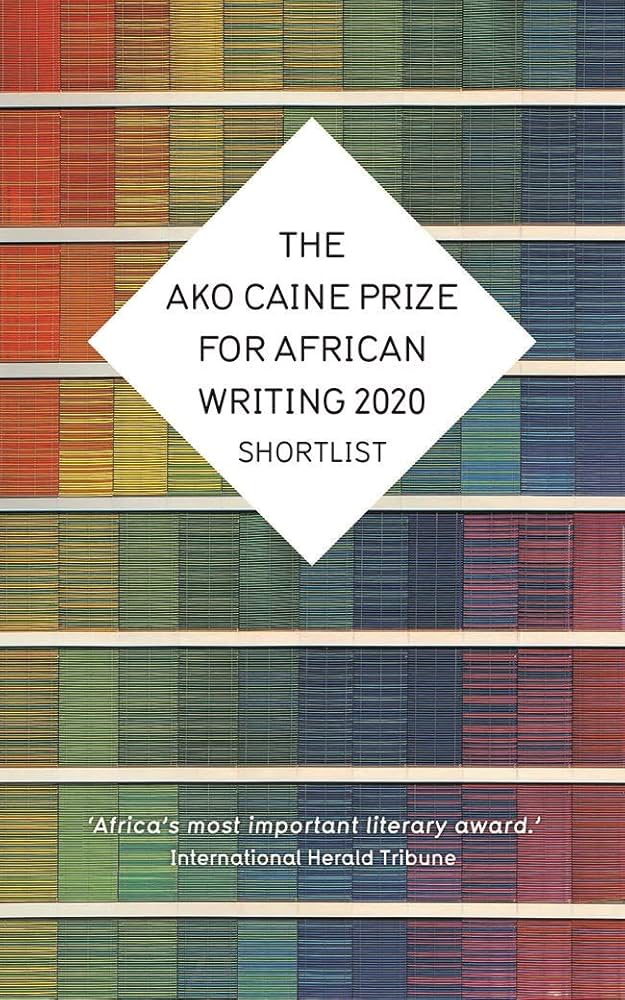
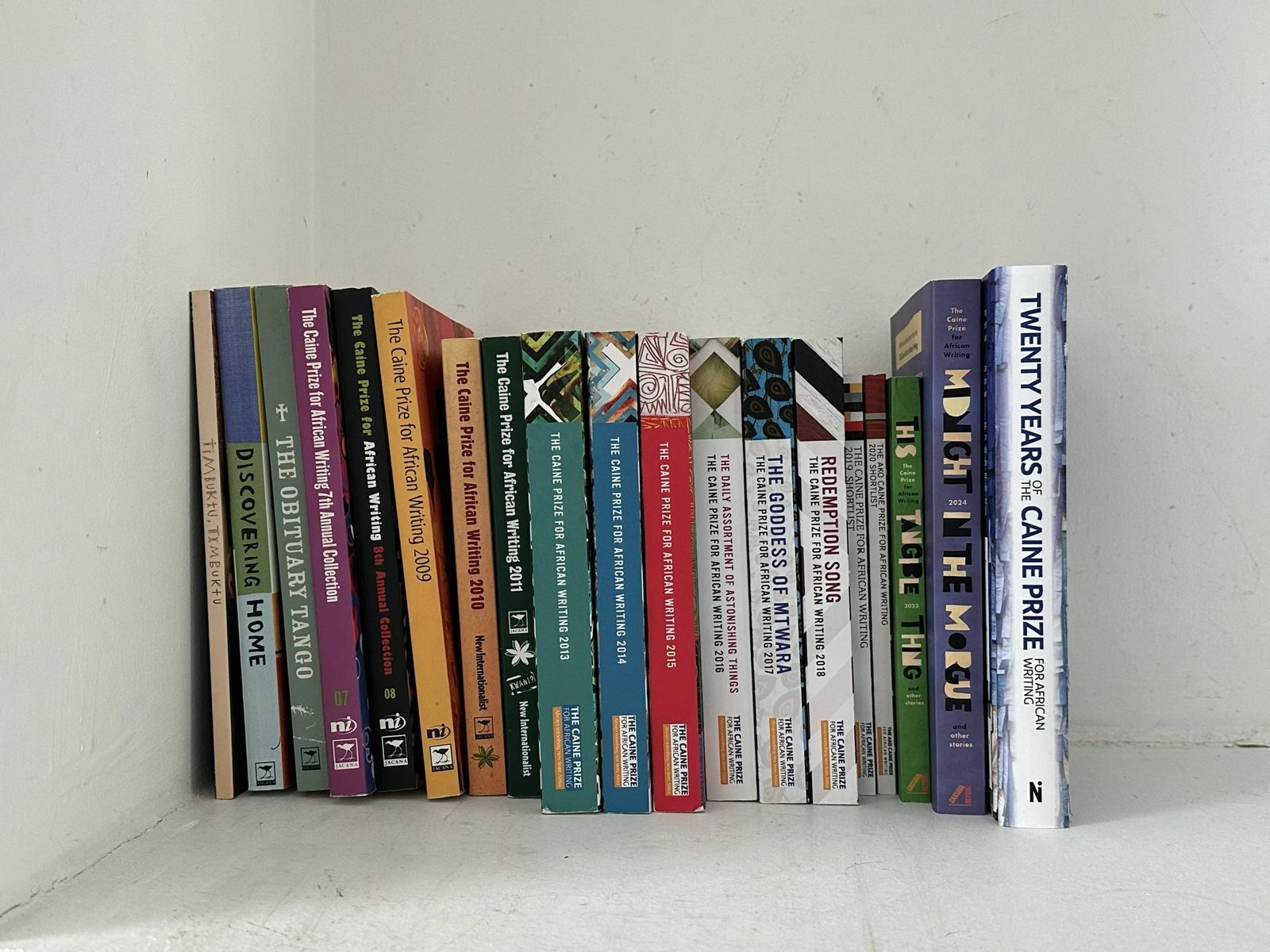
Founded in 2000 and administered from London, the Caine Prize is the best known award for African short fiction and pays £10,000. The single most common error in coverage of it is to describe it as a book prize. It is not. It is awarded for one published short story, and a novel or collection cannot win it. For several years from 2020 the award was styled the AKO Caine Prize following a sponsorship arrangement with the AKO Foundation; its own website now presents it under its original name, the Caine Prize for African Writing, and the mechanics have not changed.
Past winners read as a roll call of writers who shaped two decades of African literature in English. Leila Aboulela took the inaugural prize in 2000 for “The Museum”. Helon Habila won in 2001 for “Love Poems”. Binyavanga Wainaina won in 2002 for “Discovering Home”, and used the prize money to found Kwani Trust in Nairobi. NoViolet Bulawayo won in 2011 for “Hitting Budapest”, later developed into the novel We Need New Names. Lesley Nneka Arimah won in 2017, Irenosen Okojie in 2020 for “Grace Jones”, and Meron Hadero in 2021 for “The Street Sweep”.
The entry rules, which trip people up
The prize publishes its criteria, and they are stricter than most writers assume. Entries must be submitted by a publisher rather than by the author, and the submitting publisher cannot be the author; a third-party institution independent of the writer may submit instead. Journals, magazines and literature-oriented websites, in print or digital, may enter work. The story must be fiction, must run between 3,000 and 10,000 words, and must have been published within a three-year window that closes one month before submissions open. Self-published and unpublished stories are not eligible, writers must be over eighteen at the time of submission, authors must be living, and a story may only be entered once. Publishers may enter several stories but not more than one by the same author in a year.
The practical consequence of the publisher-only rule is the one that catches debut writers. If a story appears in a small journal that does not follow the prize calendar, nobody will submit it on the writer’s behalf and there is no route in. Writers who understand the mechanism raise the question with editors at the point of acceptance rather than afterwards.
The Nigeria Prize for Literature, sponsored by NLNG
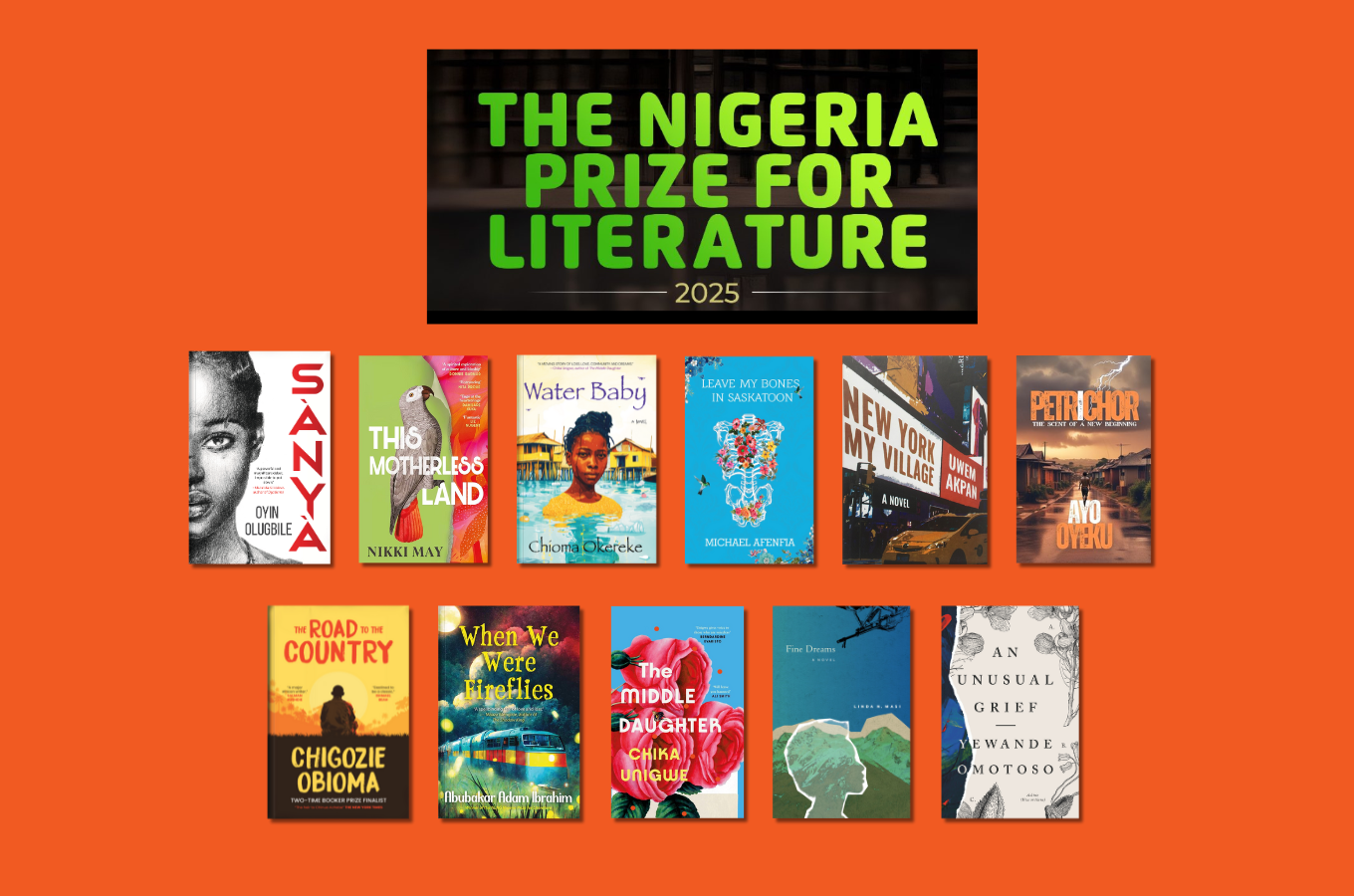
The Nigeria Prize for Literature, sponsored by Nigeria LNG Limited, carries the largest purse of any literary prize awarded on the continent at $100,000. It is restricted to Nigerian authors, which has produced a long-running argument about whether the richest prize in African letters ought to be open more widely. The award rotates on a four-year cycle through prose fiction, poetry, drama and children’s literature, so a poet faces a four-year wait between eligible windows, and that rhythm shapes how some Nigerian writers time their publishing.
Recent winners track the rotation. Tade Ipadeola won the poetry award in 2013 for The Sahara Testaments. Sam Ukala took drama in 2014 for Iredi War. Abubakar Adam Ibrahim won prose fiction in 2016 for Season of Crimson Blossoms. Ikeogu Oke won poetry in 2017 for The Heresiad. Soji Cole won drama in 2018 for Embers. Cheluchi Onyemelukwe-Onuobia took prose fiction in 2021 for The Son of the House, and Obari Gomba won drama in 2023 for Grit. Judges are appointed through the prize’s own advisory board, deliberation is slow by design, and the prize has declined to award in years when the panel judged that no entry met the standard. Those non-awards did more for its reputation than any single winner.
The Etisalat Prize, which became the 9mobile Prize
Established by Etisalat Nigeria in 2013, this was the first pan-African prize for a debut novel or short story collection. It paid £15,000, came with a fellowship at the University of East Anglia, included a book tour across three African cities, and committed to buying a thousand copies of every shortlisted title for donation to schools and libraries. Its winners were NoViolet Bulawayo for We Need New Names in 2013, Songeziwe Mahlangu for Penumbra in 2014, Fiston Mwanza Mujila for Tram 83 in 2015 and Jowhor Ile for And After Many Days in 2016.
When Etisalat Nigeria was rebranded as 9mobile in 2017 the award was renamed accordingly. The 9mobile Prize for Literature was awarded once, in 2018, to Ayobami Adebayo for Stay With Me. It has not been awarded since. In 2019 the founding patrons publicly resigned, citing a lack of communication from the sponsor, and the award is best described as defunct rather than dormant. That matters more than a single prize’s fate, because it was the only major continental award devoted exclusively to first books, and nothing has replaced it.
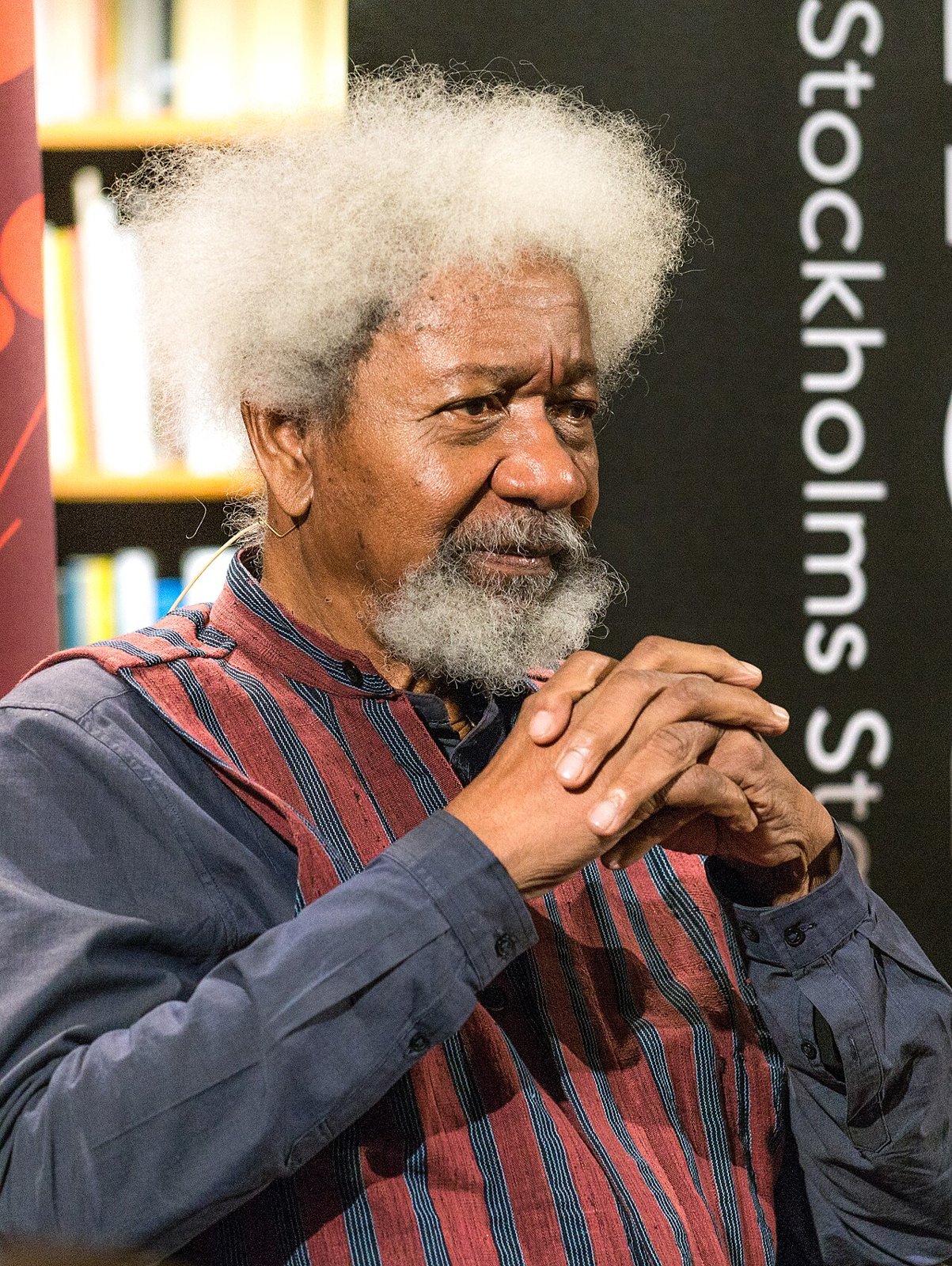
Established by the Lumina Foundation in honour of Nigeria’s Nobel laureate, this prize has paid $20,000 and is awarded every second year, with the winner chosen by an international jury of African literary figures. Sefi Atta won in 2006 for Everything Good Will Come. Nnedi Okorafor won in 2008 for Zahrah the Windseeker. Kopano Matlwa and Wale Okediran shared the award in 2010, and Sifiso Mzobe won in 2012 for Young Blood. Administration has been inconsistent and funding has paused at points, and the award has not maintained a reliable cycle, but the writers on its list are serious ones.
Ad SpaceIn-Article - 300x250
Advertisement
The Sillerman First Book Prize for African Poets
Modest on paper and consequential in practice, this award pays $1,000 and, far more importantly, a publication contract with the University of Nebraska Press under the African Poetry Book Fund, the imprint built by Kwame Dawes and Chris Abani. The cheque is close to beside the point. The book is the prize. Clifton Gachagua won it for Madman at Kilifi and Ladan Osman for The Kitchen-Dweller’s Testimony. For African poets writing in English, it remains one of the few dependable routes into a first collection with United States distribution.
The Brunel prize, now the Evaristo Prize for African Poetry
Bernardine Evaristo founded the Brunel International African Poetry Prize, first awarded in 2013, to address a gap she had identified: African poets were visible in competitions but had little infrastructure behind them. It is open to poets who have not published a full collection, judged on a submission of ten poems, and paid an honorarium of £3,000 for most of its run, with the sum revised in later years. Warsan Shire won the inaugural award in 2013. Safia Elhillo and Nick Makoha shared it in 2015, and Romeo Oriogun won in 2017. The award was renamed the Evaristo Prize for African Poetry in 2023 and has continued, which makes it one of the few poetry awards in this field with a continuous record.
The South African prize architecture
South Africa has the most developed prize structure on the continent, which follows from having the most developed book trade. The Sunday Times literary awards have run for decades, split between the Alan Paton Award for non-fiction and a fiction prize that has carried different names and sponsors over time. Antjie Krog, Jonny Steinberg and Jacob Dlamini are among the Alan Paton winners; Damon Galgut, Marlene van Niekerk and Zakes Mda have taken the fiction award. The University of Johannesburg Prize for South African Writing in English runs a main award alongside a debut award, with Imraan Coovadia, Mary Watson and Karen Jennings among those recognised. The M-Net Literary Awards, while they ran, recognised work in isiZulu, Afrikaans and Sesotho, which was a meaningful inclusion in a prize culture otherwise oriented almost entirely to English.
The Kenyan and Kiswahili awards
The Jomo Kenyatta Prize for Literature, run by the Kenya Publishers Association since 1974, awards across adult and children’s categories in English and Kiswahili, with Yvonne Adhiambo Owuor, Stanley Gazemba and Ken Walibora among its winners. The Burt Award for African Literature, funded through the Canadian organisation CODE, ran in Kenya, Ghana, Ethiopia and Tanzania, paid substantial sums for young-adult fiction and printed titles in quantity for schools before its African programmes wound down.
Image: Caine Prize
The Mabati-Cornell Kiswahili Prize, founded in 2014, pays $5,000 for the best unpublished Kiswahili manuscript and is among the largest awards anywhere for writing in an African language. It was co-founded by Mukoma wa Ngugi and Lizzy Attree with funding from Mabati Rolling Mills and academic support from Cornell University, and its winners include Mohammed Khelef Ghassany, Enock Maregesi and Anna Samwel Manyanza. Its argument is simple and still unusual: African literature does not have to happen in English or French to deserve serious money.
A comparison of the major awards
Prize
What it is for
Value
Who may enter
Status
Caine Prize for African Writing
A single published short story
£10,000
African writers, entered by publishers only
Active
Nigeria Prize for Literature (NLNG)
A book, in a genre that rotates every four years
$100,000
Nigerian authors
Active
9mobile Prize for Literature, formerly Etisalat
A debut novel or story collection
£15,000 when last awarded in 2018
African writers, debut books
Not awarded since 2018
Wole Soyinka Prize for Literature in Africa
A book, genre rotating, awarded biennially
$20,000
African writers
Intermittent
Evaristo Prize for African Poetry, formerly Brunel
Ten submitted poems
£3,000 historically, revised since
African poets without a full collection
Active
Mabati-Cornell Kiswahili Prize
An unpublished Kiswahili manuscript
$5,000
Writers in Kiswahili
Active
How juries behave
Jury deliberation is rarely publicised, but the structural pressures are not secret. Panels usually combine writers, academics and critics, and those constituencies tend to read for different things, which is why the chair’s own taste can shape a shortlist more than any single reader’s vote. Regional balance is the standing subtext. A short-fiction shortlist that goes several years without an East African writer will attract complaint, and a Nigerian shortlist weighted heavily towards Lagos will attract its own. The better-run panels acknowledge that pressure rather than pretending it does not exist.
Why the shortlist matters more than the win
The under-discussed truth of prize economics is that most of the career effect happens at shortlisting rather than at the award. Once a writer’s name appears on a Caine shortlist the approaches begin, from agents, from editors asking to see a novel in progress, and from festival programmers planning the following season. The win adds money and a permanent line in a biography, but the door has usually opened already. Writers who understand this treat the shortlist as the substantive event.
A related pattern follows the win. A prize-winning short story generates a surge of attention, and then the writer often goes quiet for two or three years while the longer book catches up with the expectations the prize created. Editors who signed a deal off a shortlist want delivery. Several winners have talked publicly about how much harder the second book became once the first had been announced as a prizewinner.
The career pattern the prizes created
The sequence has become predictable enough to describe as a template. A shortlisting generates agent interest, the agent sells a debut to a British or American publisher, the book appears two or three years later with the prize line on the cover, and the second book arrives under pressure. Bulawayo moved from “Hitting Budapest” to We Need New Names with Chatto & Windus on that path, and Arimah moved from her Caine win to the collection What It Means When a Man Falls from the Sky. The route is well enough worn that writers and their representatives now plan around it.
The criticisms that keep returning
Several complaints recur and none has been resolved. The Caine Prize has been accused of being anchored too firmly in London, in administration and in taste. The argument that juries reward a particular register of African suffering has been made repeatedly, including by Helon Habila in his 2013 review of We Need New Names, which objected to what he read as an aesthetic of catastrophe. The Nigeria Prize’s restriction to Nigerian authors keeps the continent’s largest purse closed to the rest of Africa. And there is no Francophone award with comparable financial muscle; the Grand prix littéraire d’Afrique noire and the Prix Ahmadou Kourouma exist and carry prestige, but not money on the Anglophone scale.
The platforms that function as prizes
Some of the most useful mechanisms in this field are not prizes at all. Africa39, the Hay Festival’s 2014 selection of thirty-nine African writers under forty, operated as one; its list included Taiye Selasi and Dinaw Mengestu. Africa Writes, the Royal African Society’s annual London festival, has become a dependable circuit for introductions. The Brittle Paper Awards have grown into a recognised marker for new short fiction. None of these carries an NLNG-sized cheque, and all of them generate the conversations that turn into deals.
What a writer should actually do with this information
The operational reading of the prize landscape is narrower than the celebratory one. Know which awards exist and which of them your publisher actually submits to, because in the case of the Caine Prize the publisher is the only party who can. Know the eligibility windows, because a story published outside them is simply ineligible however good it is. Know which awards are live and which, like the 9mobile Prize, are no longer awarding despite still appearing on submission-opportunity lists. The prize cycle is not a lottery. It is a publishing system with published rules, and the writers who read the rules are at an advantage over the ones who read the shortlists.
Ad SpaceIn-Article - 300x250
Advertisement
Share
Get the recap
Loved this story? Get more like it.
Join readers who get our weekly entertainment recap - the stories worth your time, delivered every Friday.
No spam. Unsubscribe anytime. By signing up you agree to our Privacy Policy.