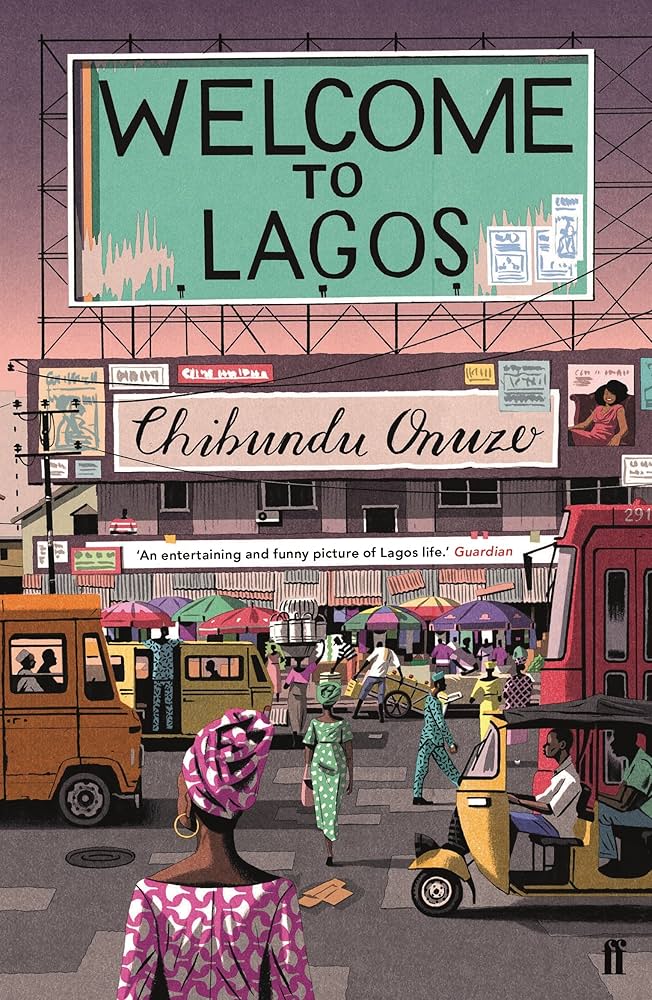
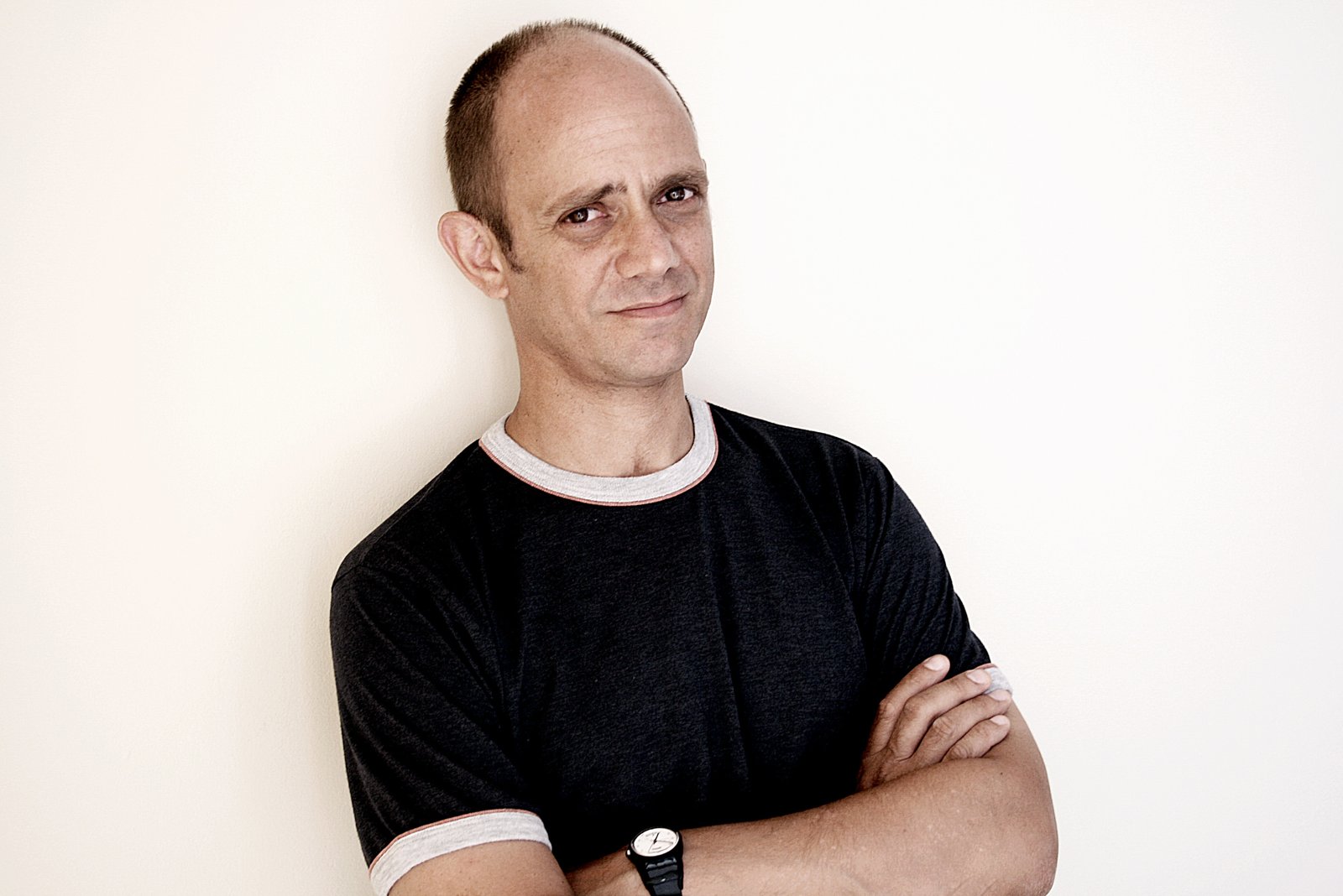

When Ben Okri accepted the Booker Prize in London in October 1991 for The Famished Road, he was thirty-two years old, the youngest winner in the prize’s history at that point, and the third writer from the African continent to take it. The story of African writers and the Booker is older than that moment, and messier than a winners list suggests. It runs through citizenship rules that changed twice, through a publishing geography that has barely changed at all, through writers who declined to perform the prize ritual, and through the awkward fact that some of the most consequential English-language fiction of the past half century has come from people whose passports tell a more complicated story than their book jackets do.
What this article counts as an African Booker winner
The word African does a great deal of work in prize journalism, and it is usually left undefined. This article uses a narrow test and says so openly. A Booker winner is counted as African here if the writer was born on the continent or held the citizenship of an African country when the prize was awarded. On that test the list is short and verifiable. Writers of African descent who were born elsewhere, of whom Bernardine Evaristo is the most prominent, are discussed separately and are not folded into the same column. Writers who later took another citizenship, as J. M. Coetzee did in Australia, are counted by their status at the time of the win. The two Booker awards that are frequently confused with the main prize, the International Booker Prize for translated fiction and the career award once given as the Man Booker International Prize, are treated as separate awards throughout.
The eligibility rules matter to this count. For its first four and a half decades the Booker was open to citizens of the Commonwealth, the Republic of Ireland and South Africa, which is why South African novelists appear in the record from the 1970s onwards even though the country sat outside the Commonwealth for much of that period. Zimbabwe was added to the list of eligible territories in later years. Americans were excluded until 2014, when the prize opened to any novel written in English and published in the United Kingdom. The change drew complaints from parts of the British literary trade, which expected American writers to dominate. What it clarified was something that had been true for decades, namely that the Booker is a global English-language prize that happens to live in London.
The winners, by year
| Year | Writer | Book | Country at time of win | Note |
|---|---|---|---|---|
| 1974 | Nadine Gordimer | The Conservationist | South Africa | Shared with Stanley Middleton’s Holiday |
| 1983 | J. M. Coetzee | Life & Times of Michael K | South Africa | First of two wins |
| 1991 | Ben Okri | The Famished Road | Nigeria | Youngest winner at the time, aged thirty-two |
| 1999 | J. M. Coetzee | Disgrace | South Africa | Only writer to win the Booker twice |
| 2021 | Damon Galgut | The Promise | South Africa | First South African win since 1999 |
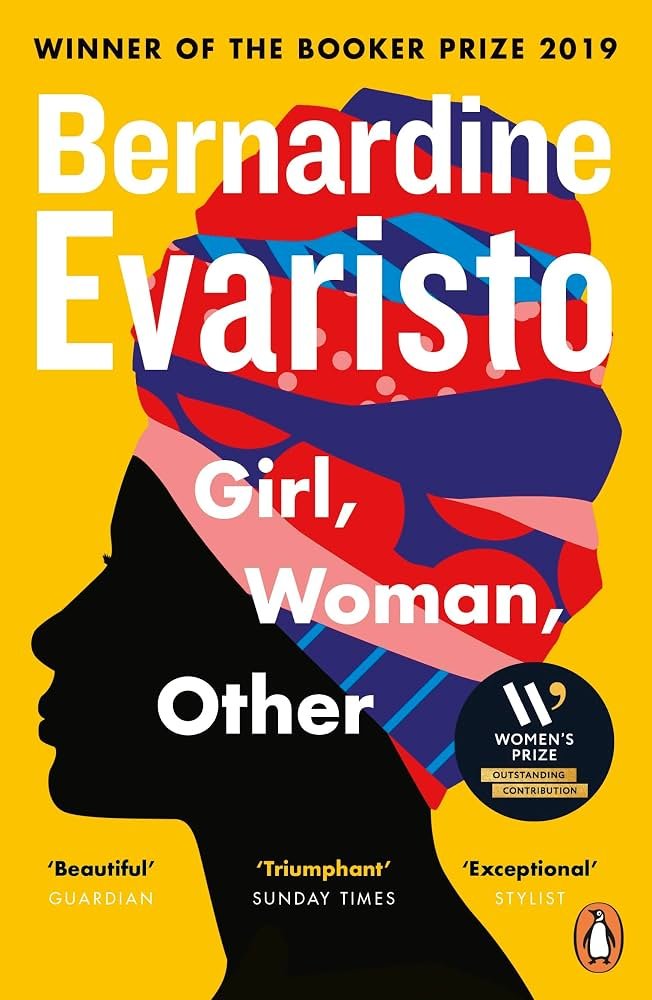
Two further awards belong in the record but not in that table. Chinua Achebe received the Man Booker International Prize in 2007, when it was a career award given every second year rather than a prize for a single book. Bernardine Evaristo won the Booker Prize in 2019 for Girl, Woman, Other, shared with Margaret Atwood; Evaristo is British, with a Nigerian father, and has been consistent in placing her literary identity in Britain.
1974: Nadine Gordimer and The Conservationist
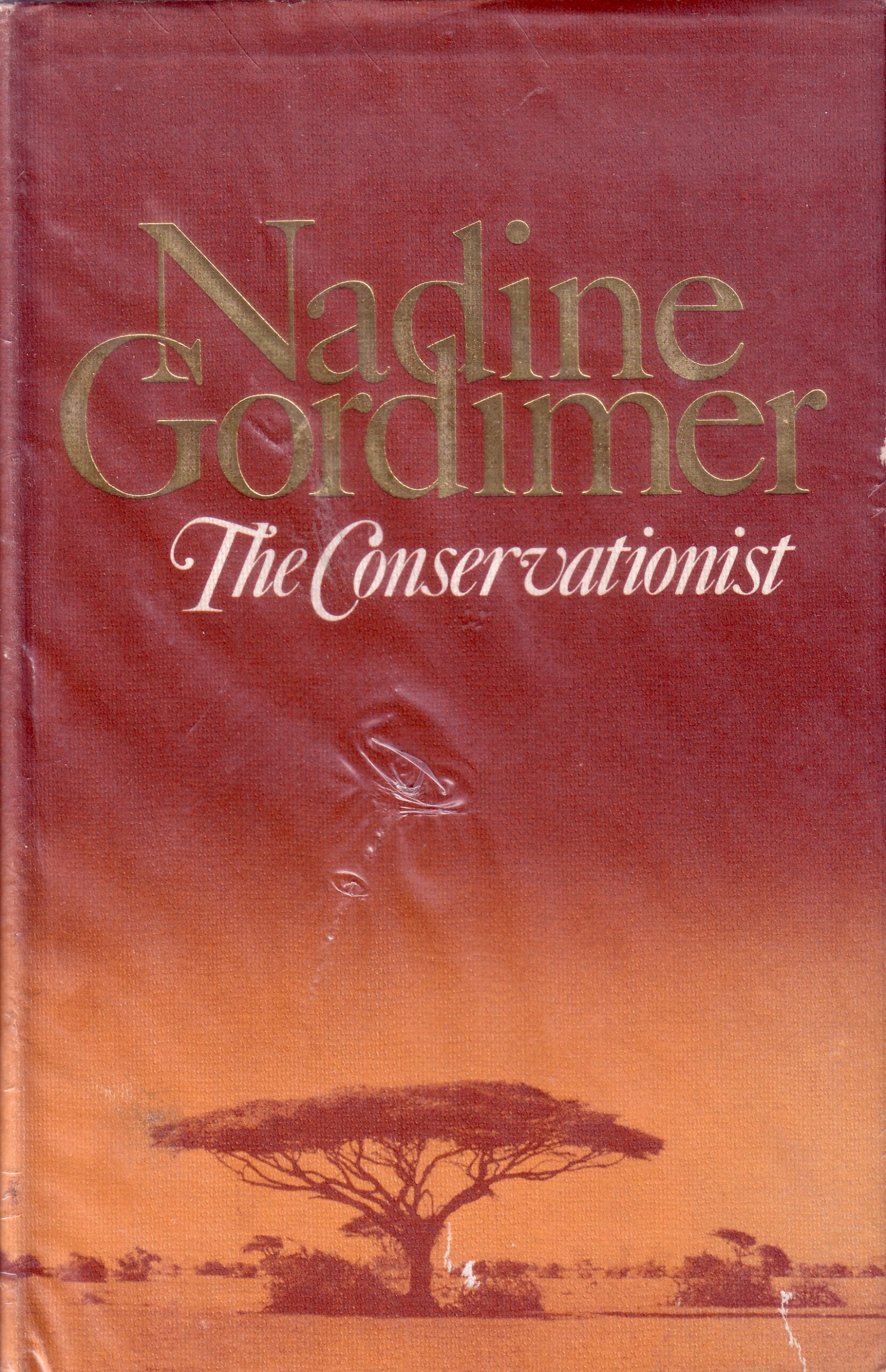
The first winner from the continent arrived seventeen years before Okri. Nadine Gordimer, the South African novelist who spent her career writing against apartheid from inside the country, won in 1974 for The Conservationist, in a split decision that divided the prize with Stanley Middleton’s Holiday. The award was politically uncomfortable for the Booker. Gordimer was a white South African at a moment when the cultural boycott of her country was tightening, and she used the platform to talk about the place she had decided not to leave. The judges honoured the literary achievement and did not appear to know what to do with everything attached to it.
Gordimer went on to win the Nobel Prize in Literature in 1991, the same year Okri took the Booker, which makes that twelve-month stretch one of the stranger episodes in African literary history. Within months, two writers tied to the continent collected the two awards that anchor English-language literary prestige. Nobody planned the coincidence, and it said something about how quickly the wider reading world was catching up with a body of work that had been building since Chinua Achebe published Things Fall Apart in 1958.
Okri, The Famished Road and the youngest-winner record
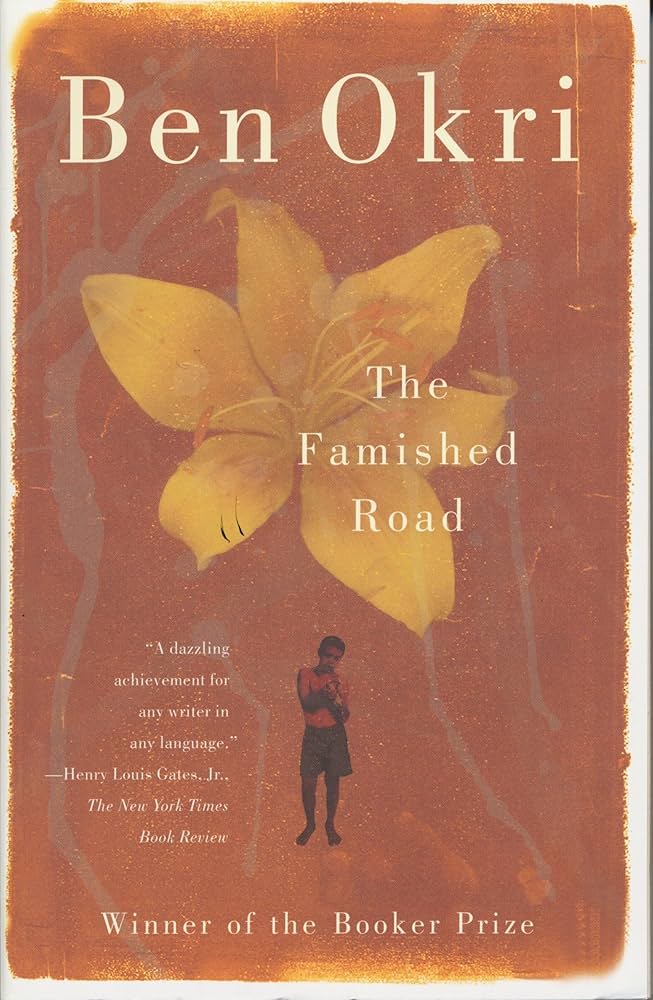
The Famished Road is not an easy book. It runs to roughly five hundred pages and follows Azaro, a Nigerian spirit-child, through an unnamed city and village that may or may not hold still long enough to be mapped. Critics reached for magical, mystical and animist in turn, depending on how comfortable each of them was with the adjective. Jonathan Cape published it in the United Kingdom, where Okri’s earlier fiction had appeared with other houses, and the Booker shortlisting changed the book’s commercial life before the win changed it again.
Okri was thirty-two, and he held the record for the youngest Booker winner until Eleanor Catton won in 2013 at twenty-eight. Salman Rushdie, often cited alongside him, was thirty-four when Midnight’s Children took the prize in 1981. Both of those books fold a continent’s history into a single child’s life, and both treat English as an instrument flexible enough to carry cosmologies the language was not built to express. Okri had settled in Britain as a young man and built his writing life in London, and the win cemented rather than complicated that geography.
The Coetzee era: two wins and two absences
J. M. Coetzee is the only writer to have won the Booker Prize twice. He took it in 1983 for Life & Times of Michael K and again in 1999 for Disgrace. Both novels are set in South Africa. Both are short, hard and stripped to a plainness that some readers find unbearable and others consider the closest thing English prose has produced to moral inquiry without ornament. Coetzee attended neither ceremony, which was consistent with a long refusal to perform the public-author role the trade had come to expect of its prize winners rather than a protest aimed at the Booker.
Coetzee won the Nobel Prize in Literature in 2003. He moved to Australia in 2002 and became an Australian citizen in 2006, which raises a question the Booker has never settled: at what point does a writer stop being African for the purposes of literary geography? Disgrace had arrived in a sharp moment. Post-apartheid South Africa was a few years into its democratic experiment, and the novel’s portrait of a Cape Town academic and his daughter was read by some as a libel on the new nation and by others as the most honest book yet written about it. The official response in South Africa was hostile. Universities kept assigning the novel anyway.
The shortlists that did not convert
Chinua Achebe was shortlisted in 1987 for Anthills of the Savannah, his first novel in twenty-one years. He did not win; Penelope Lively took that year’s prize for Moon Tiger. Achebe never won the Booker Prize, despite being the writer who did most to build the conditions in which African fiction could circulate in English at all. The Man Booker International Prize he received in 2007 was a different award with a different remit, and it is frequently and wrongly reported as a Booker win.
Damon Galgut was shortlisted twice before 2021, for The Good Doctor in 2003 and In a Strange Room in 2010. Tsitsi Dangarembga was shortlisted in 2020 for This Mournable Body, the closing volume of a sequence that began with Nervous Conditions in 1988; Douglas Stuart won that year for Shuggie Bain. Abdulrazak Gurnah, the Zanzibar-born British novelist, was shortlisted in 1994 for Paradise and did not win. His Nobel Prize in Literature in 2021 is sometimes described as a Booker win in loose summaries, and it was not one.