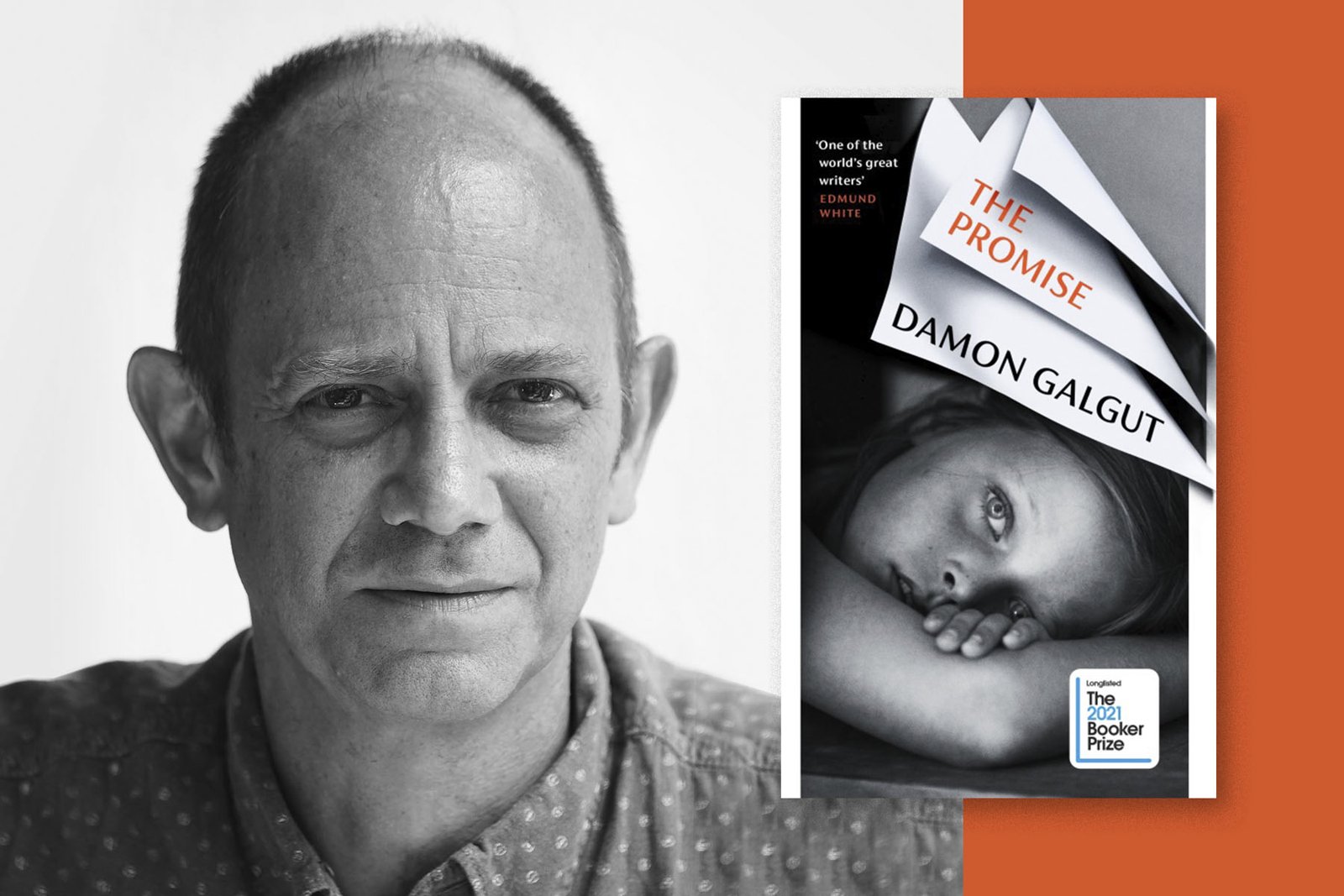

Four funerals, four decades, one family, and a debt that nobody pays. Damon Galgut built The Promise as a structure rather than a plot, a series of deaths spaced roughly a decade apart, and he trusted the gaps between them to do the talking. Each time the Swart family gathers to bury one of its own, the country has changed, the family has shrunk, and the old unkept promise to Salome, the Black woman who has served them for a lifetime, sits there a little more shamefully than before. The novel asks what a nation does with its broken promises. The Swarts, like the country they stand in for, mostly do nothing.
A Booker Winner Built on Funerals
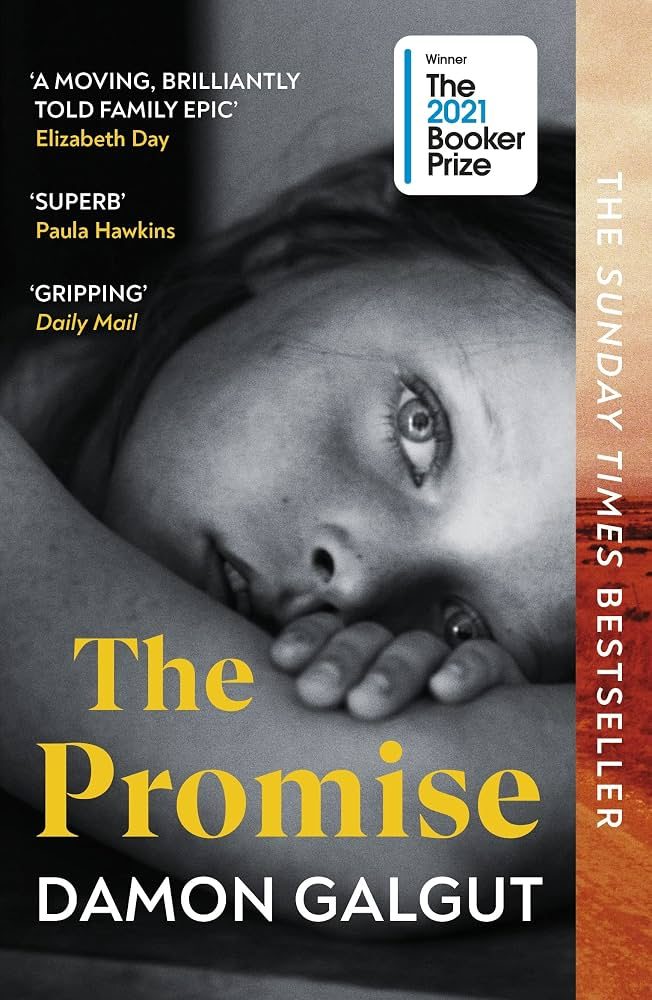
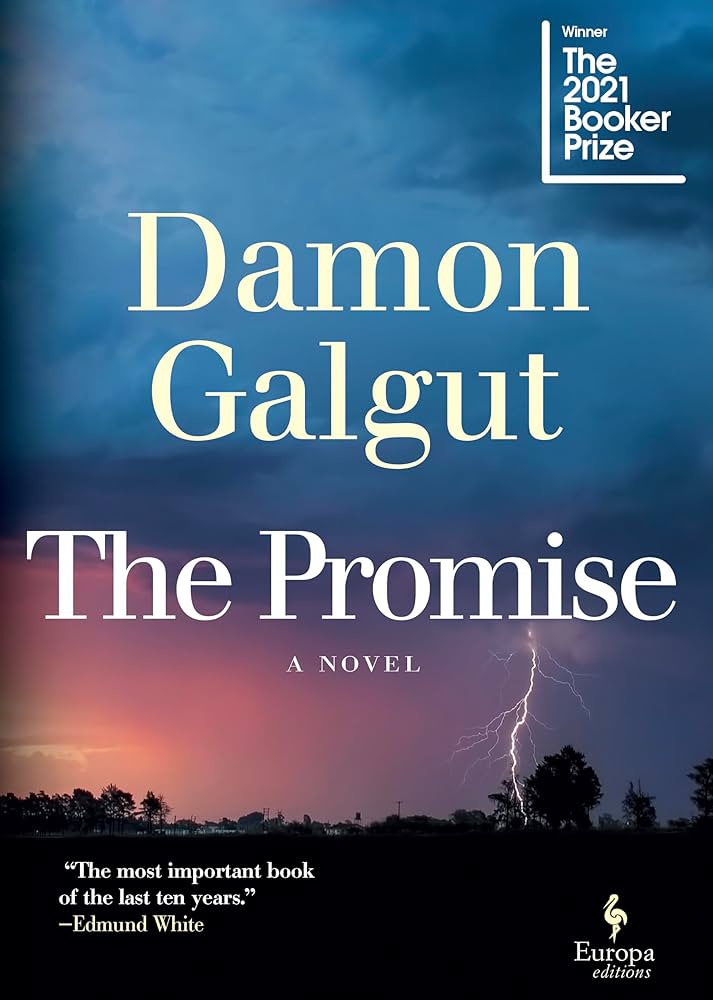
The Promise appeared first in South Africa in 2021, published in Cape Town by Umuzi, an imprint of Penguin Random House South Africa, and then from Chatto & Windus in Britain and Europa Editions in the United States. It won the Booker Prize that year, making Galgut the third South African to take it after Nadine Gordimer and J. M. Coetzee, and the culmination of a career in which he had been shortlisted twice before, in 2003 for The Good Doctor and in 2010 for In a Strange Room, without winning. The win felt, to many observers, like overdue recognition. It is also, by some distance, his most formally daring book, and the prize rewarded the risk.
| Book | Year | Form and status |
|---|---|---|
| The Promise | 2021 | Novel in four parts; won the Booker Prize |
| The Good Doctor | 2003 | Novel; Booker shortlist, Commonwealth Writers Prize Best Book (Africa region) |
| In a Strange Room | 2010 | Three linked parts, first published separately in The Paris Review; Booker shortlist |
| The Promise on stage | 2023 | Adaptation by Galgut and Sylvaine Strike, Cape Town and Johannesburg |
The architecture is the first thing to understand. The novel is divided into four parts, each named for a family member and each organised around that person’s death: Ma, Pa, Astrid, Anton. They are set in 1986, in the dying days of apartheid, then in 1995, 2004 and 2018. Between the funerals, years pass offstage, and the reader pieces together what happened from the wreckage that has accumulated by the next burial.
At the centre of every part sits the promise. Dying of cancer, the mother, Rachel, extracts from her husband Manie a vow to give Salome the small house she has lived in on the family farm, the Lombard place. Manie agrees, perhaps meaning it in the moment. Then Rachel dies, and by the wake he claims not to remember saying it, with the convenient cover that under apartheid law Salome could not legally own the ground anyway. From there the promise begins its long career as a thing the family acknowledges and refuses to honour, generation after generation, excuse after excuse. The youngest child, Amor, is the only one who holds it as a moral obligation rather than an inconvenience, and she becomes the novel’s conscience, such as it has one.
Amor overhears the promise as a child, hidden where the adults do not see her, and the secret lodges in her like a splinter. Her two siblings either forget it or pretend to. Anton absconds from the army in 1986 and drifts for a decade, then comes home after Manie’s death and assures Amor he will see the thing done, which he does not. Astrid marries, remarries, takes a lover and is murdered in a hijacking in 2004. Amor, meanwhile, becomes a nurse on an HIV ward in Durban, choosing a life of service that reads as both penance and rebuke to her family. The three of them function almost as a diagram of white South African responses to a debt they all know is owed: deny it, defer it with a promise you have no intention of keeping, or carry the shame quietly and try to live decently inside it.
The Roving Eye
Galgut’s most discussed technical achievement is the narrative voice, which refuses to stay put. The narrator is omniscient in an old-fashioned sense but restless in a thoroughly modern one, sliding mid-sentence from one character’s head into another’s, then pulling back to address the reader directly, then drifting off to follow a minor character out of the room and down the road. It is cinematic, the camera unmoored from any single point of view, panning and cutting at will.
The effect is destabilising in a productive way. No one in the novel gets to own the story, which is precisely the point in a book about a family that has owned too much, including the labour and the home of the woman they will not pay what they owe. The voice mocks, judges, sympathises and withholds sympathy, often within a single paragraph. It is funny, frequently, in a dry and merciless register, and the comedy keeps the moral weight from curdling into sermon. Writing in The New Yorker, James Wood described Galgut as “at once very close to his troubled characters and somewhat ironically distant,” a distance that “does not alienate our intimacy but emerges as a different form of knowing.”
This is also where the book divides readers. The roving narration is exhilarating to some and exhausting to others. The constant shifts demand attention, and a reader who wants to settle into a character will find the rug pulled out repeatedly. The voice’s editorialising, its little asides and jokes at the characters’ expense, can feel like the author crowding into the frame. Whether you find it virtuosic or mannered is largely a matter of temperament, and both responses are defensible.
White Guilt and the Land Question
The thematic core of The Promise is white South African guilt and its endless deferral, and Galgut, himself a white South African, writes about it from the inside without flattering his own kind. The Swarts, Afrikaners on a farm outside Pretoria, are not monsters. They are ordinary, petty, self-deceiving people who would probably describe themselves as decent, and their failure to give Salome her house is never a single dramatic villainy. It is a thousand small evasions, a habit of putting it off, a conviction that now is not the time, that the law makes it complicated, that Salome does not really need the paperwork.
The land question, the unsettled matter of ground taken and not returned, sits underneath all of this. The promise concerns a single small house, but it stands for a transition that changed the flag and the anthem while leaving the deeds largely where they were. Galgut is too intelligent to spell this out, but the allegory is unmistakable, and Salome’s near-silence throughout the book is its own commentary. She is the person the entire novel is about, and she is given almost no voice, because that is exactly how the family has treated her.
What finally happens with the promise is worth being precise about, because it is the novel’s hardest move. It is kept, and kept properly, by the sibling who never let go of it, at a point when almost everyone who refused it is dead and the farm itself has gone derelict. Galgut then withholds the catharsis anyway. The transfer arrives decades after it would have meant what it was meant to mean, and a restitution claim from a family forcibly removed under apartheid now hangs over the very same plot, so that the belated act of justice may yet be undone by an older and better claim. Nothing balances. Readers who want the moral universe to settle will find this infuriating, and they are meant to.
Religion threads through the deferral as well. The funerals are conducted in different faiths as the surviving Swarts drift between Rachel’s return to Judaism, Manie’s hardline Dutch Reformed inheritance and the pastor who flatters it, Astrid’s late turn to Catholic confession, and a final secular blankness. Galgut uses this to skewer the ways self-interest wraps itself in piety. The family can always find a form of worship that tells them the promise can wait. The novel’s comedy is at its sharpest in these set pieces, where grief and hypocrisy and bad theology collide over open graves, and where the gap between what the Swarts profess and what they do is widest.