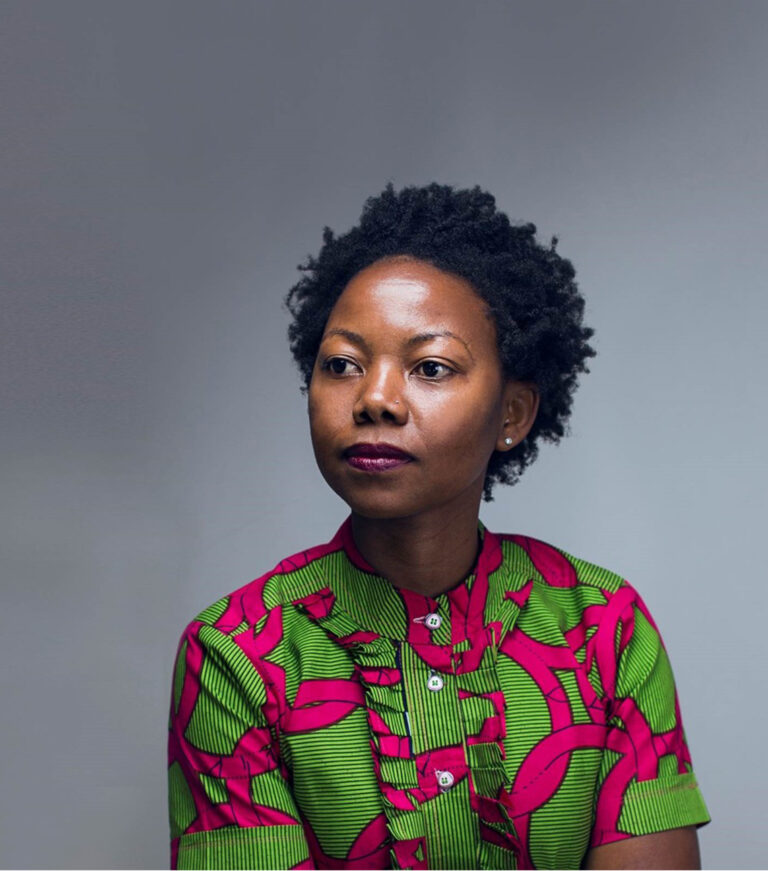

Consider the chauffeur. He sits in the front seat, separated from his employer by a partition of glass and class, and he hears everything. He learns which phone calls make the rich man’s voice drop to a whisper, which appointments the rich man hides from his wife, how a fortune sounds when it begins, very quietly, to come apart. Imbolo Mbue understood that this is one of the great listening posts in American life, and she built her debut novel on it. Jende Jonga, a Cameroonian immigrant driving for a senior Lehman Brothers executive, is positioned to watch the American economy detonate from the best seat in the house, the one in front.
A Debut That Arrived With Force
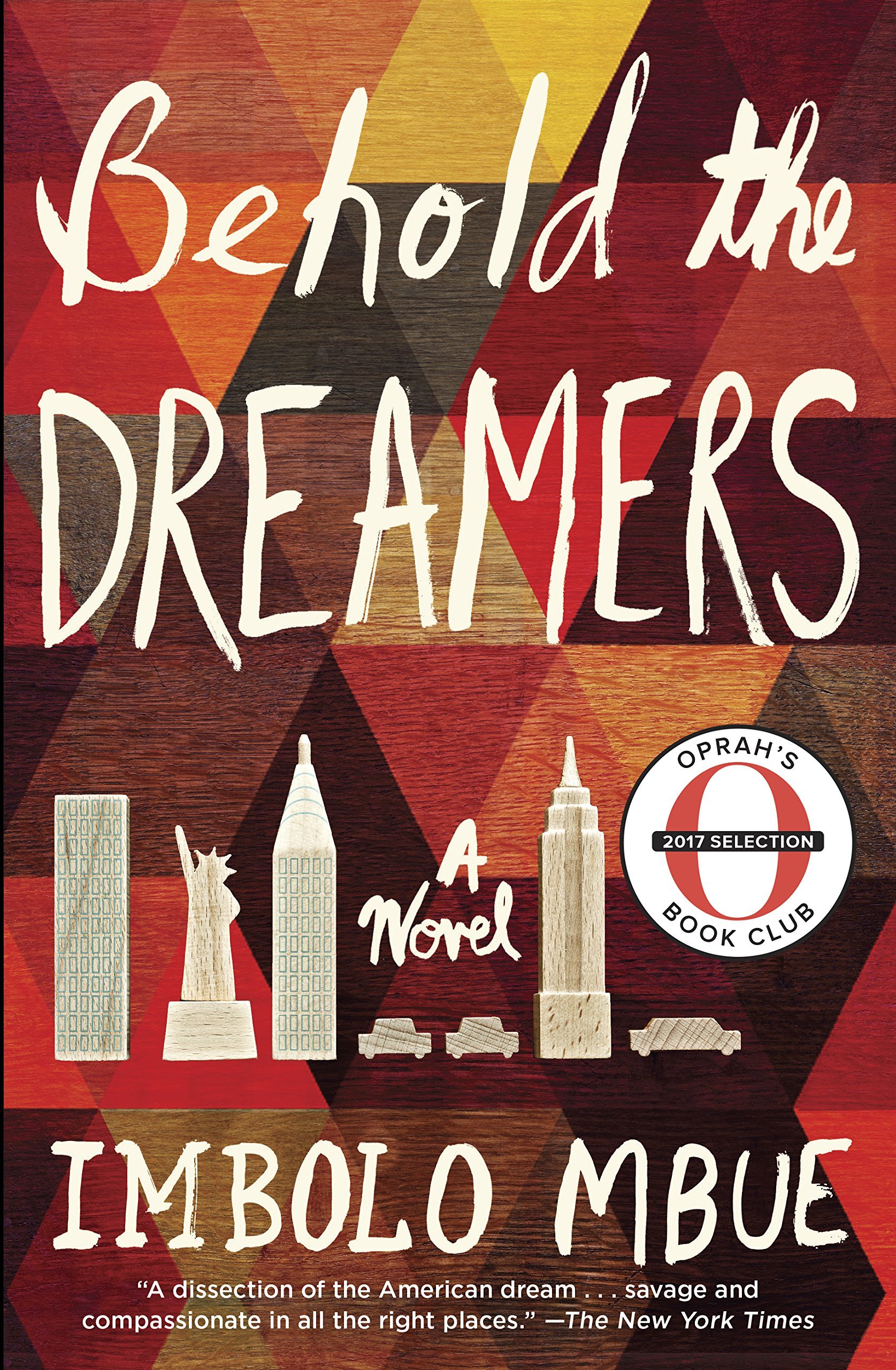
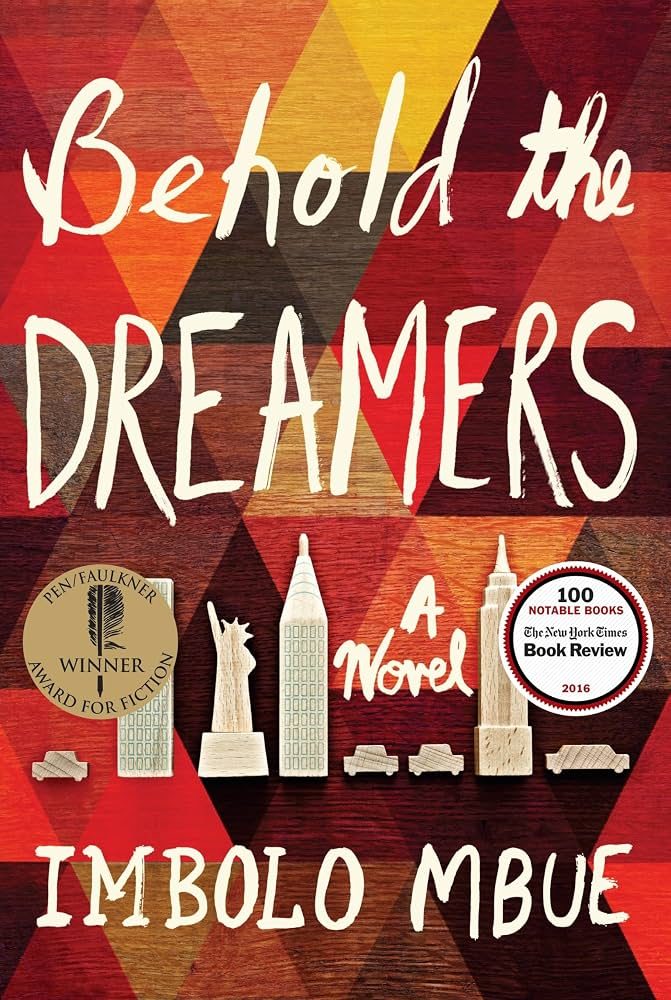
Behold the Dreamers was published in 2016 by Random House, the first novel by a writer who had herself been laid off during the recession the book describes. It went on to win the 2017 PEN/Faulkner Award for Fiction and was chosen as an Oprah’s Book Club selection in 2017, two pieces of validation that pushed it from literary debut to genuine bestseller. The acquisition story became part of the book’s mythology, a real-life version of the American striving the novel both honors and dissects.
The structure is built on a symmetry. Jende drives for Clark Edwards, an executive at Lehman Brothers, the investment bank whose September 2008 collapse became the detonator of the global financial crisis. Jende’s wife Neni, studying toward a career in pharmacy, takes summer work for Clark’s wife Cindy at the family’s Hamptons home. Two marriages, two households, two versions of striving, set side by side so the reader cannot avoid the comparison. The Jongas chase a green card and a foothold; the Edwardses chase the maintenance of a life already won and are quietly terrified of losing it.
Mbue’s great structural insight is that proximity is not intimacy. Jende and Neni see the Edwardses at their most vulnerable, Cindy’s pill habit, Clark’s professional panic, the marriage curdling, while remaining, to their employers, essentially furniture. The novel lives in that asymmetry, and it mines it for both comedy and grief. The setting does quiet work too. Mbue plants the Jongas in Harlem, in a small apartment that is both a foothold and a reminder of how far the foothold has to stretch, while the Edwardses move between a Manhattan apartment and the Hamptons house. Their son Liomi and the baby born during the novel raise the stakes on every decision, because a green card is not an abstraction when there are children whose futures depend on it.
The American Dream, Cross-Examined
What separates Behold the Dreamers from the standard immigrant-makes-good narrative is its willingness to put the dream itself on trial rather than the immigrant. Jende believes in America with a fervor that is touching and, the novel gradually suggests, dangerously unexamined. He believes that hard work and rule-following will be rewarded, that the country operates on a fair exchange. The book does not mock this belief, but it does not protect it either.
The 2008 crash is the mechanism that strips the illusion away. When Lehman falls and Clark loses his footing, Jende loses his job, and his immigration case, already precarious, collapses with it. Mbue is sharp on the way American precarity flows downhill: the executive who helped engineer the crisis lands softly, while the chauffeur who merely drove him to meetings is ruined. The fairness Jende believed in turns out to be a story the powerful tell to keep the powerless driving.
Neni’s arc is, if anything, the more bracing. She wants the dream more hungrily than Jende, and she is willing to do harder, colder things to keep it. A late sequence in which she tries to use her knowledge of Cindy’s addiction as leverage is one of the novel’s most morally complicated passages, and Mbue refuses to soften it. Neni is not a saint, and her desperation makes her capable of cruelty. The book is better for granting her that ugliness.
Crucially, Mbue locates the crisis not in some flaw of character but in the machinery of status. Jende’s immigration case rests on an asylum claim of dubious strength, and the lawyer Bubakar who guides him through it is one of the novel’s sharpest minor figures, a man who has learned to monetise the gap between what the system promises immigrants and what it delivers. Through Bubakar, Mbue shows that the dream has an entire industry built around its impossibility, professionals who profit precisely because the path is so narrow and so cruel. The crash does not create Jende’s precarity. It merely exposes how thin the ground beneath him always was.
Two Marriages, Mirrored
The doubling of the Jonga and Edwards marriages is the novel’s central craft achievement, and it mostly works beautifully. Clark and Cindy’s union is a study in the loneliness of arrival, two people who got everything they wanted and discovered the wanting was the only thing holding them together. Cindy in particular is drawn with surprising sympathy for a character who could easily have been a wealthy-woman caricature. Her insecurity about her own poor beginnings, her dependence on pills, her hunger to be seen by a husband who looks past her, all of it gives the Edwards household a sad interior life.
The Jonga marriage is warmer but no less strained. Jende and Neni love each other, but the pressure of money and immigration status grinds against that love, and Jende’s increasingly authoritarian response to crisis introduces a tension the novel handles with care. As his American options narrow he begins to assert a traditional patriarchal control at home. The man who is humiliated in the wider world reaches for power in the only place he can find it, and Neni bears the cost.
Where the mirroring occasionally falters is in its neatness. The parallels can feel a touch schematic, the two families arranged a bit too tidily as thesis and antithesis. Mbue is a generous and observant writer, but the architecture of the comparison sometimes shows its seams, and a reader alert to structure may feel the novel nudging them toward its conclusions.
Still, the best scenes transcend the scheme. Mbue is excellent on flickers of false closeness, the way wealth occasionally invites the help into its confidence and then snaps the door shut again. When Cindy unravels in front of Neni, the encounter is electric precisely because both women know it cannot last, and the reader understands, with a small chill, that what Neni has seen will eventually be used. The novel knows that a shared secret between unequal people is not friendship. It is leverage waiting to be named.