

Consider the chauffeur and the banker. In Imbolo Mbue’s debut, a Cameroonian immigrant named Jende Jonga lands a job driving a Lehman Brothers executive through the streets of New York in the months before the firm collapses and takes the global economy down with it. From the front seat, Jende watches a world of money he can never enter, and the executive, from the back seat, slowly comes apart. Two families, one striving to get into America and one already crumbling at its summit, are bound together by a car and a calendar that is counting down to September 2008. That setup, the immigrant and the banker trapped in the same vehicle as the floor gives way beneath both, tells you almost everything about the moral imagination of one of the most assured debut novelists of her generation.
From Limbe to New York
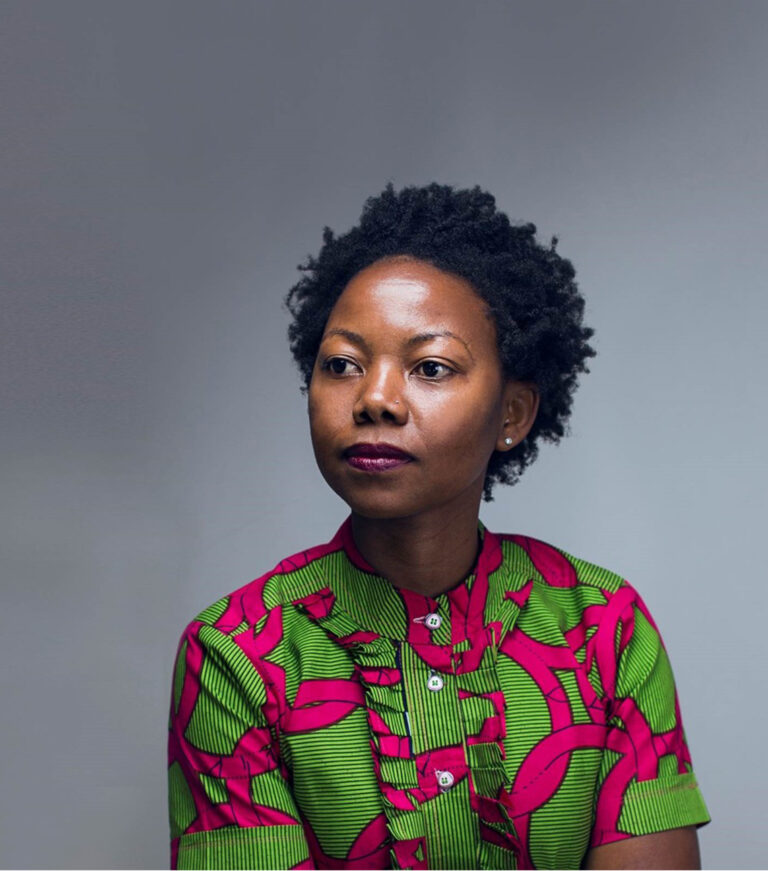
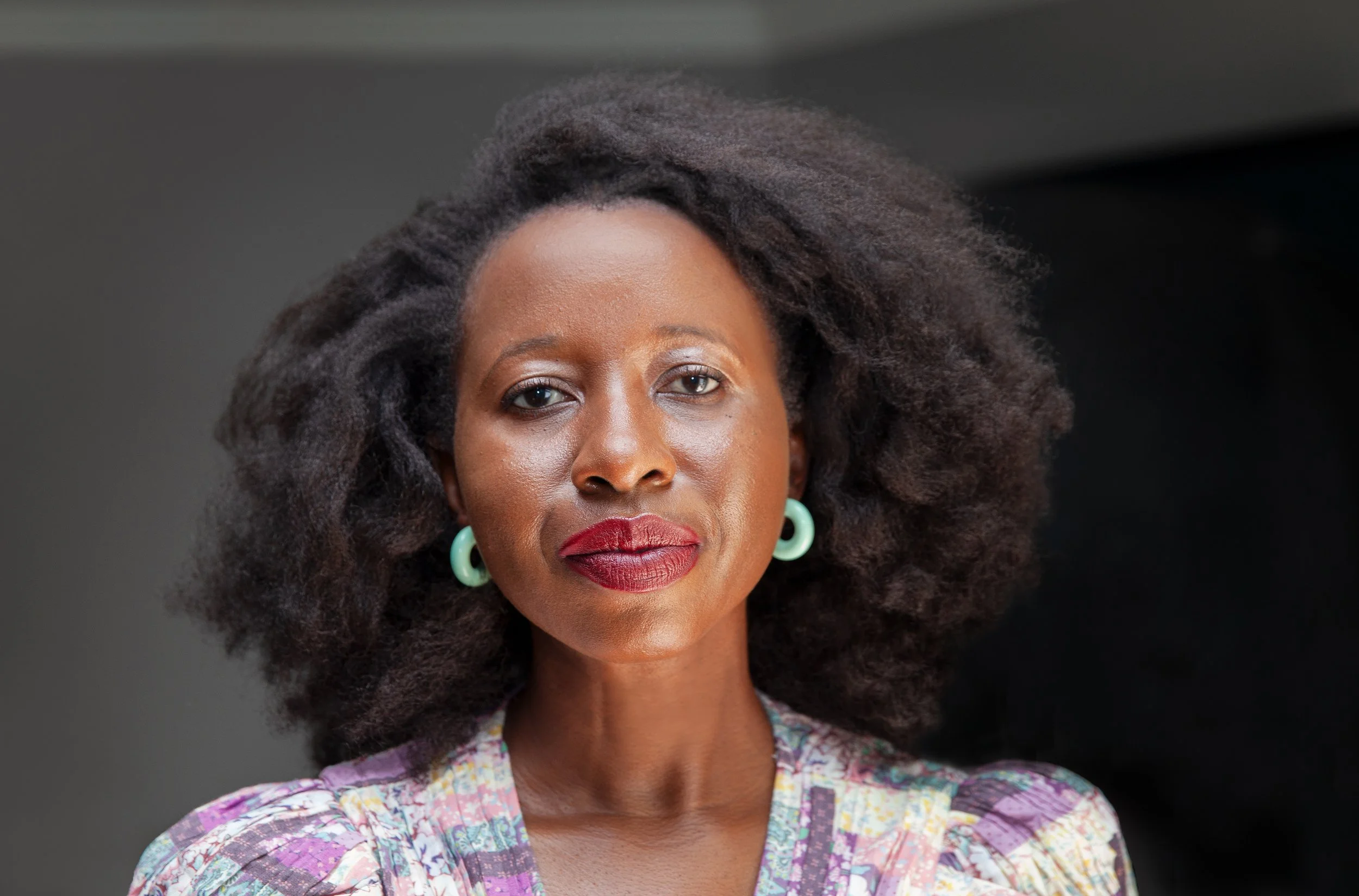
Imbolo Mbue was born and raised in Limbe, a seaside town in the English-speaking region of Cameroon. She grew up in a country shaped by the legacy of colonial division, where the Anglophone minority has long chafed against a Francophone-dominated state, and where for many young people the path to a serious future led outward. She emigrated to the United States to study, earning degrees that include a graduate degree from Columbia University, and settled in New York.
What followed was not an immediate literary career. Mbue worked, struggled through the recession, and at one point lost a job in the very downturn that would become the backdrop of her first novel. The experience of economic precarity, of watching the American promise prove conditional, was not a thesis she read about. She had lived inside the gap between the dream as advertised and the dream as delivered, and that lived knowledge would give her fiction its credibility. She came to the novel relatively late, reading widely and working at the manuscript over a long stretch of years before Random House acquired it.
The seed of the novel, by her own account, was a small observed scene rather than a grand thesis. She has described noticing the chauffeurs waiting outside the buildings of the wealthy in Manhattan, men who spent their days in proximity to fortunes they would never share, and wondering about the lives behind the uniforms. That instinct, to find the epic in the overlooked, to locate the financial crisis in the relationship between a driver and his employer, is the engine of her imagination. She did not set out to write a state-of-the-nation novel. She set out to write about specific people, and the nation came into focus through them.
Behold the Dreamers
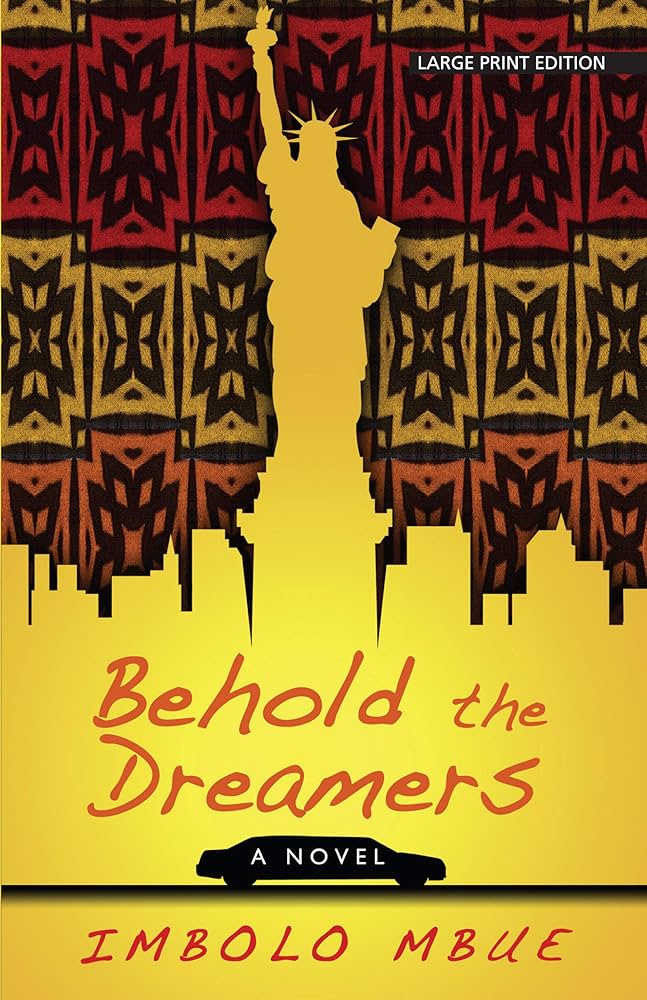
Published in 2016, the debut became a phenomenon. It won the 2017 PEN/Faulkner Award for Fiction and was chosen as an Oprah’s Book Club selection in 2017, a combination of critical and popular endorsement that few first novels achieve. The story follows Jende Jonga, his wife Neni, and their young son Liomi as they pursue legal status and prosperity in New York, with Jende driving for Clark Edwards and his wife Cindy while Neni takes summer work at the family’s Hamptons house.
The genius of the structure is the doubling. As the Jongas claw toward the American Dream, the Edwardses, a Lehman Brothers executive and his pill-dependent wife, are watching their gilded life disintegrate in the 2008 crash. Mbue refuses to make the wealthy family cartoonish or the immigrant family saintly. The Edwardses are lonely and self-deceiving, but they are human. The Jongas are sympathetic, but Mbue lets them make choices that are venal, desperate, and morally compromised under the pressure of their precarity.
The novel’s clear-eyed close has divided readers. Rather than the triumphant arrival story that American immigrant fiction so often promises, Mbue has Jende decide to take his family back to Cameroon, a reverse migration that reads as survival rather than defeat and that Neni resists. Mbue interrogates the dream rather than celebrating it, and she allows her characters a dignity that does not depend on their winning. The book is propulsive, accessible, and emotionally generous, which is precisely why it found a mass audience without sacrificing its critique.
Neni may be the novel’s most quietly radical creation. She arrives with her own fierce ambition, determined to study and to build a future for her children, and Mbue refuses to subordinate her to her husband’s story. When the family’s situation grows desperate, Neni attempts to use what she knows about Cindy Edwards’s addiction as leverage, a choice that is shocking and entirely logical given the pressures bearing down on her. Mbue does not flinch from showing how precarity warps character. The marriage itself becomes a site of conflict over what America is worth and what one will surrender to remain in it, and the disagreement between husband and wife on that question gives the final stretch of the book its painful force.
How Beautiful We Were
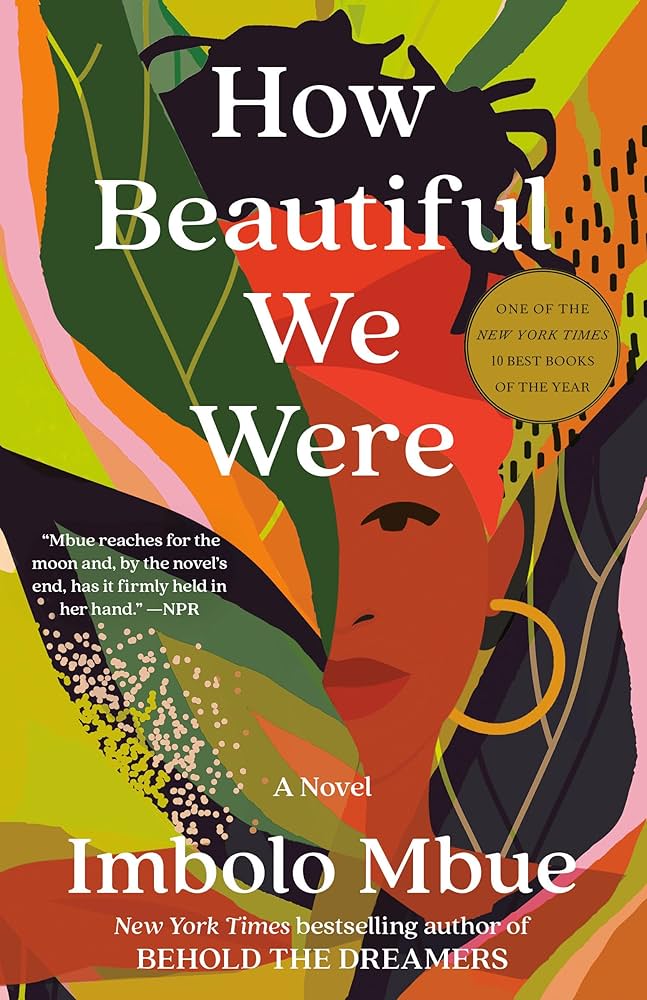
Her second novel, published in 2021, is a different and more ambitious animal. It abandons the intimate New York frame for an epic, multigenerational story set in a fictional African village called Kosawa, where an American oil company has been poisoning the land and killing the children for decades. The villagers, after years of broken promises and bribed officials, begin to fight back. The novel spans generations and shifts among multiple narrators, including a collective voice that speaks for the village children, and a central figure named Thula who grows from a girl into a revolutionary. Mbue widens her lens from the personal economics of the first book to the structural violence of multinational extraction.
It is a slower, more sprawling book than the debut, and the trade-offs are real. The choral structure and the long timeline sacrifice some of the propulsive intimacy that made Behold the Dreamers so gripping. But the ambition is admirable, and the novel’s anger is righteous and controlled. Mbue is writing about the resource curse, about the cost of the oil and minerals that fuel the comfortable world, and she does it without reducing her villagers to symbols. Thula in particular is a memorable study of how idealism hardens, and sometimes corrodes, into the long work of resistance.
The novel resists the temptation of a clean victory. The villagers of Kosawa try every avenue, petition and protest and litigation and finally violence, and Mbue traces with unsparing honesty how each path is absorbed, deflected, or crushed by a corporation with infinitely deeper resources and a government that profits from the arrangement. There is no cathartic triumph of the small against the mighty. What there is instead is endurance, the stubborn persistence of a people who refuse to disappear quietly even when the odds are hopeless. In choosing this harder truth over a satisfying fable, Mbue stays faithful to the actual record of communities that have fought extractive industries, and the novel earns its sorrow rather than manufacturing it.
Every Story Is a Love Story
Her third novel arrived from Random House in 2026, and it marks the sharpest turn of her career so far. Every Story Is a Love Story leaves behind both the crisis-era New York of the debut and the oil village of the second book for something far more contained. It follows Wolo, whose pregnant wife is killed in a car accident, and who has spent three years assembling a workable version of a life, a job, a small circle of friends, a grief filed down just enough to carry. Then a letter arrives from Victoria, the woman who was driving the other car.