We Need New Names by NoViolet Bulawayo: A Full Review of the Modern African Classic
Arianne Cole··8 min read
Ad SpaceArticle Top - 728x90
Advertisement
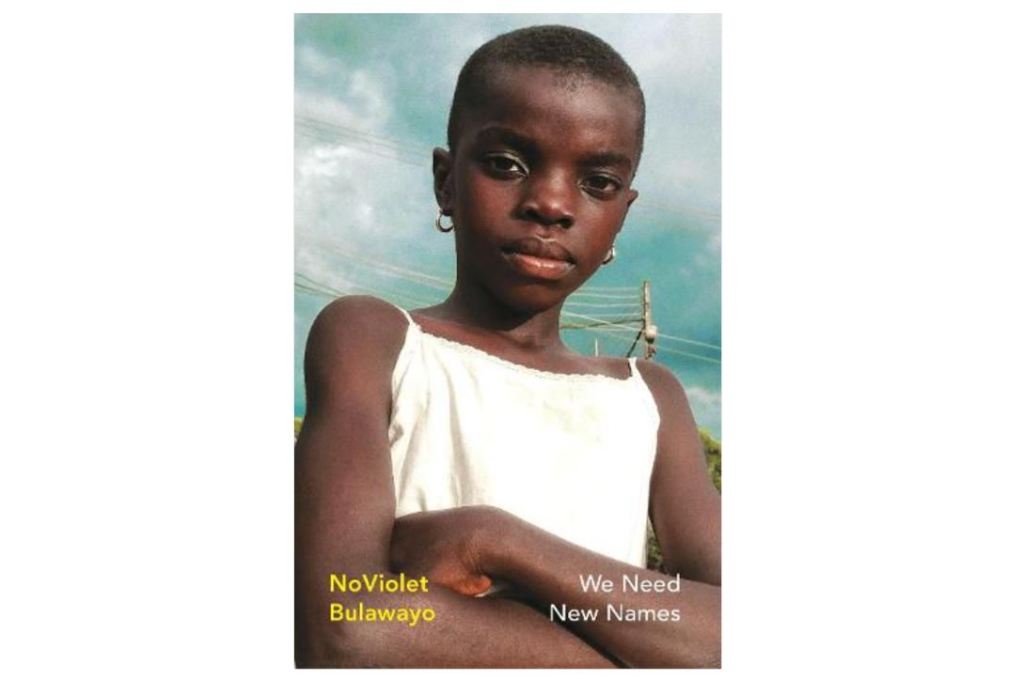
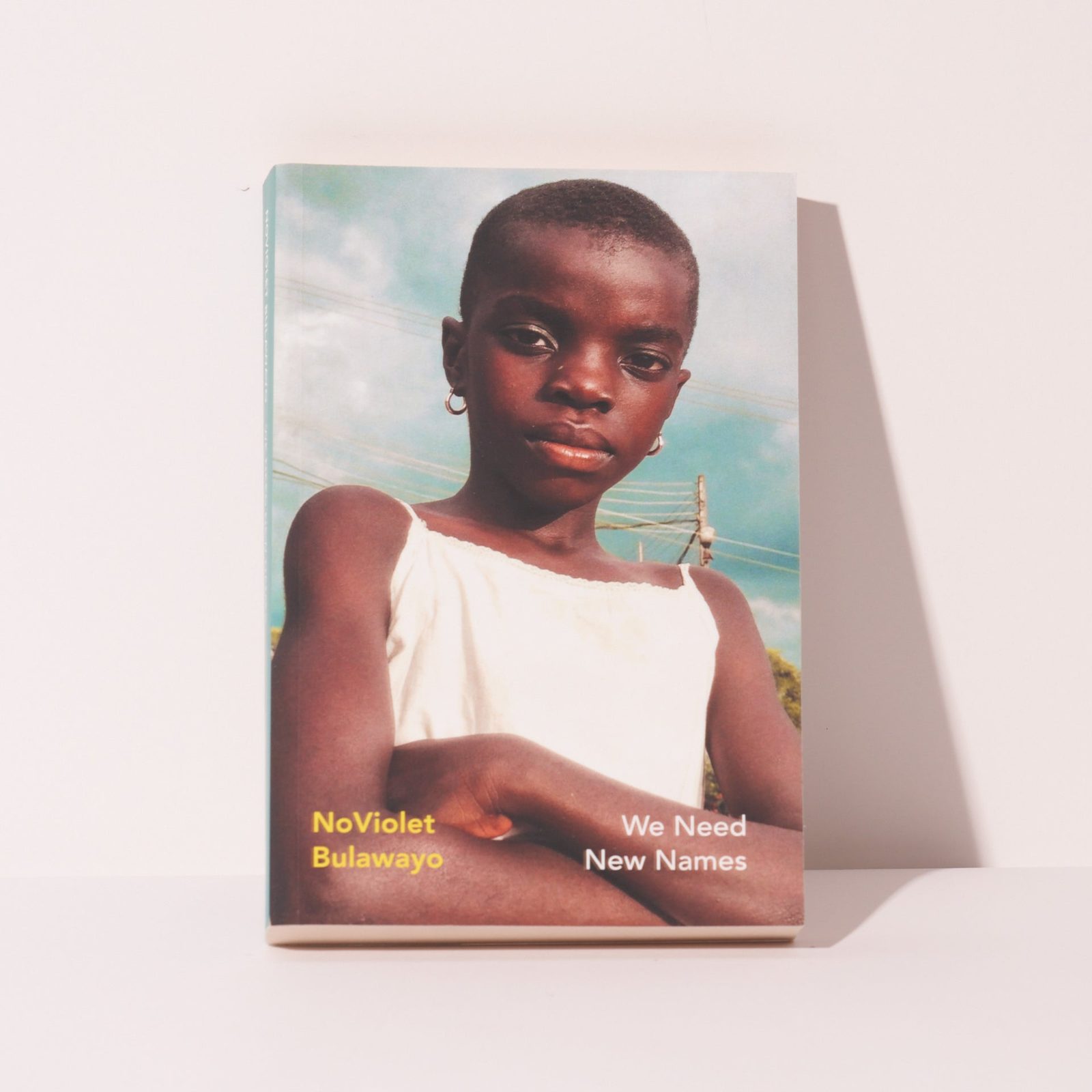
Six children run through a shanty town called Paradise, somewhere in Zimbabwe, in search of guavas. The neighbourhood they steal from is called Budapest. The chapter is called “Hitting Budapest”, it appeared in the Boston Review in late 2010, and it won NoViolet Bulawayo the 2011 Caine Prize for African Writing. Two years later, in May 2013, Reagan Arthur Books in the United States and Chatto & Windus in Britain published the novel that story had become. We Need New Names was shortlisted for the Booker Prize that autumn, the first time a Black African woman and the first time a Zimbabwean appeared on the list. The narrator is Darling, ten years old, and halfway through the book she is put on a plane to Detroit.
The first half is set in a Zimbabwean shanty town during the worst years of the country’s economic collapse. The second half is set in what Darling calls “Destroyedmichygen”. The two halves are doing different things, written in different registers, asking different questions, and the seam between them is the most contested feature of the novel. The book has been celebrated and faulted for the same gesture: taking a child’s voice from Africa to America and refusing to make the transition smooth.
A Name and a Voice
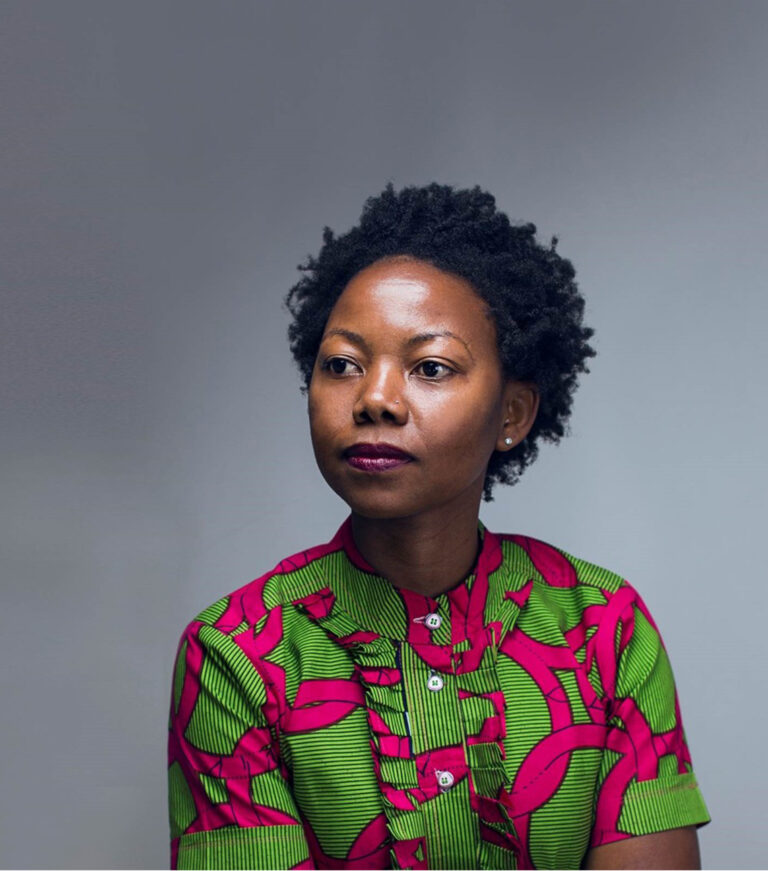
The author’s name is its own story. The prefix “No” comes from the Ndebele word for “with”, Violet was her late mother’s name, and Bulawayo is the city the signature claims. The whole construction is a refusal of the standard literary byline and a small act of inheritance. Behind it is Elizabeth Zandile Tshele, born in Tsholotsho in October 1981, who left Zimbabwe for the United States as a teenager and wrote most of this book from American university towns, a distance the novel keeps turning over.
Darling’s voice is the novel’s other foundational gesture. Bulawayo writes her in a present-tense first person that is simultaneously a child’s register and a virtuosic adult performance of one. The opening pages move at a sprint: “We are on our way to Budapest: Bastard and Chipo and Godknows and Sbho and Stina and me.” The sentences are loose, propulsive, slightly performative, carrying the rhythm of a girl narrating her own adventures to herself. The children’s names matter too. Bastard, Chipo, Godknows, Sbho, Stina, Darling. The novel pauses more than once to register that these are names assigned by circumstance, in a community where official identity has collapsed along with everything else, and the title points straight at it. New names are needed because the old ones, the ones that came from a recognisable order, no longer fit the world the children inhabit.
Paradise
The first half is set in Paradise, a settlement of corrugated-iron shacks with pit latrines and no running water, outside a city the novel never names. Most of the adults are unemployed or hustling in the informal economy. Some are sick; Darling’s own father is dying of AIDS. The political backdrop is the land seizures and hyperinflation of the late 2000s, and the family is in Paradise because their home was bulldozed in a state demolition campaign, but Bulawayo renders the crisis through the children’s experience of it rather than explaining it. An NGO truck arrives and they pose for cameras to earn free T-shirts. A pastor performs an exorcism on a teenage girl in front of the congregation. Chipo, around ten or eleven, is pregnant after being raped by her grandfather, and the children, half understanding what has happened to her, attempt an improvised abortion with a coat hanger until an adult stops them.
The Chipo sequence is the one most readers carry with them after closing the book. The children’s failure to know what they are doing is rendered without commentary. Bulawayo trusts her reader to understand what has been done to Chipo and by whom, and the novel does not soften it. What makes the first half work is the absence of misery-tourism affect. The children are not victims in their own narration. They are children. They steal fruit, fight each other, invent games, mock the NGO workers, mimic adult speech and treat their world as the only world there is. The catastrophe of late-2000s Zimbabwe is the air they breathe and not the subject of their attention. That is exactly the distance a child narrator can offer, and Bulawayo uses it with discipline.
The Plane
About halfway through, Darling is put on a plane to Detroit, where her Aunt Fostalina lives, and the novel becomes a different novel. The voice remains Darling’s, but the rhythms slow and the children of Paradise recede from the page. She goes to an American high school, watches American television, eats American food and tries, with limited success, to translate herself into a new register without losing the old one. There is also a much-discussed set-piece chapter that leaves Darling behind and addresses the departing generation collectively in the second person, a deliberate stylistic departure that some readers take as the book’s secret thesis and others as an essay interrupting a story.
Image: Hachette Book Group
The American half follows Darling through an adolescence in a culture that keeps asking her to choose between being legibly African and being legibly American. She works a checkout register. She watches her aunt’s marriage fail even as Fostalina tries to reshape her own body into something television would approve of. She spends time with her friends Krystal, who is African American, and Marina, who is Nigerian. And she talks to her old Paradise friends, including Chipo, who tells her in the book’s most cutting exchange that she forfeited any claim on Zimbabwe when she left.
Ad SpaceIn-Article - 300x250
Advertisement
The Seam
This is where the novel’s critics congregate. The complaint, when articulated, runs roughly as follows: the first half is so vivid and so original that the second cannot help feeling thinner. The American sections are well written but less new, closer to familiar immigrant-fiction territory. Darling’s friends in Detroit are sketched rather than realised in the way the Paradise children are realised. The political force of the first half, children in a collapsing economy written without sentimentality, has no equivalent in the second, where the stakes are real but lower.
That critique is partly right and partly wrong. It is right that the first half is the more original work; the second does not break ground the way “Hitting Budapest” broke ground for the African short story in English. But the seam is the point. The novel is structurally arguing that the migrant child does not get a continuous self, and the narrative drops in pitch and texture because Darling’s life drops in pitch and texture. The reader is meant to feel the loss as a formal experience and not only a thematic one. Whether Bulawayo executed that argument with full success is debatable. That she was making it is clear.
Hunger, Charity and Class
We Need New Names appeared in 2013, in the middle of what was briefly being called the Afropolitan moment. Taiye Selasi’s Ghana Must Go and Chimamanda Ngozi Adichie’s Americanah came out the same year, and Imbolo Mbue would publish Behold the Dreamers three years later. Suddenly there was a small but discernible cluster of novels by African women writers, most of them based in or trained at American universities, writing about migration and racialisation on two continents. The label has since become contested, largely because it flattens very different writers.
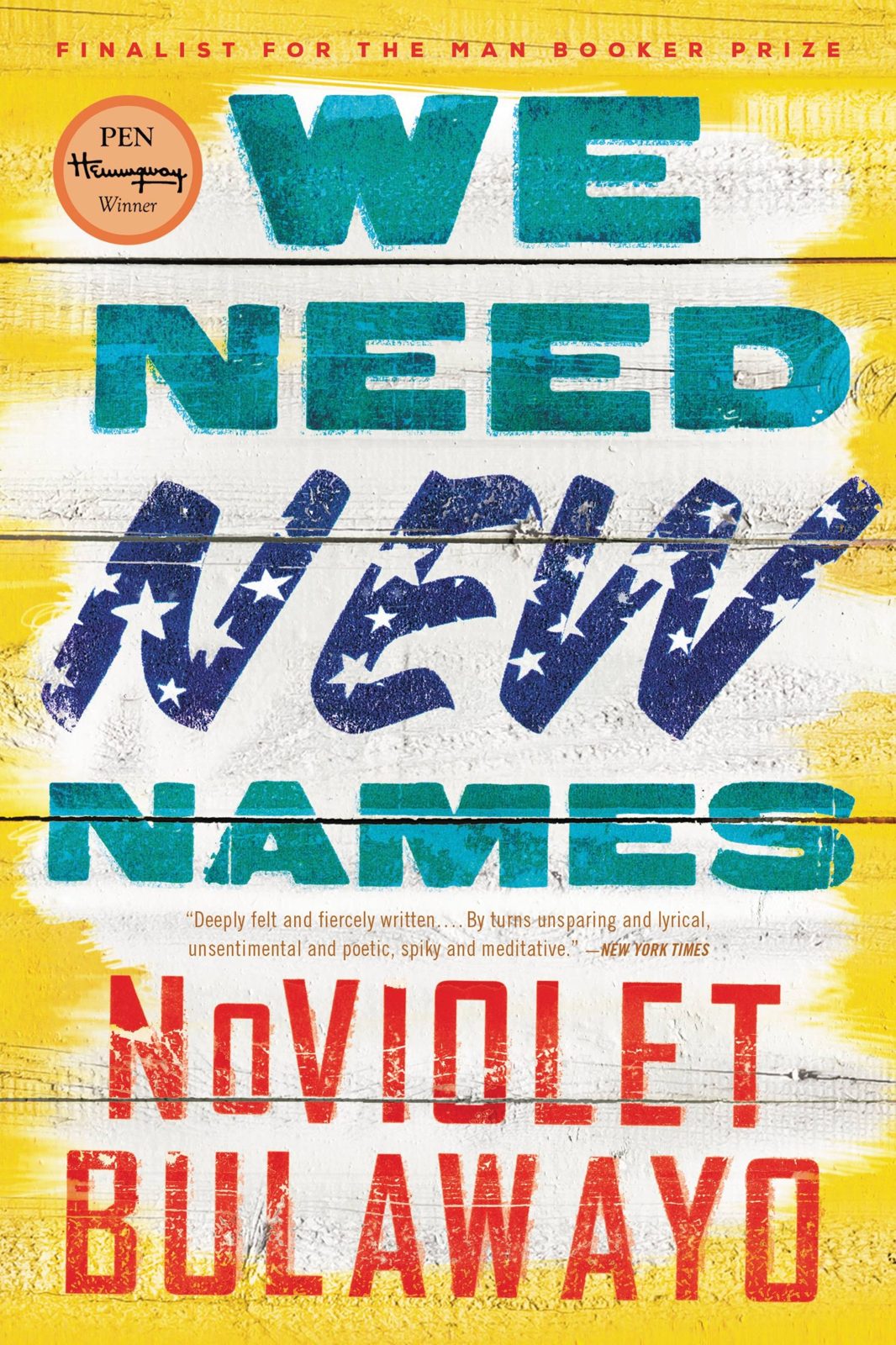
Image: African Writer Magazine
Bulawayo has a register the Afropolitan frame does not capture. She writes about poverty more directly than most of her contemporaries. The children in Paradise are not middle-class kids who happen to be African. They are hungry. The food in the novel does real work, guavas in the first half against abundant American supermarket shelves in the second, and the book does not let Darling or the reader pretend that the shift is a simple gain. She is also unusually sharp on the charity industry. The chapter in which NGO workers arrive in Paradise with cameras and gifts is one of the most cutting renderings of that behaviour in recent African fiction. The children pose. The workers leave.
Reception and Aftermath
The 2013 Booker shortlisting was Bulawayo’s formal arrival as a major literary figure. Reviews were mostly very positive, the most consistent reservation being the unevenness between the two halves. The novel won the inaugural Etisalat Prize for Literature, the PEN/Hemingway Award for a debut novel, the Hurston/Wright Legacy Award and the Los Angeles Times Book Prize for first fiction, and it was shortlisted for the Guardian First Book Award and named a Barnes & Noble Discover Award finalist. It has been widely translated and has become a staple of postcolonial literature courses, often taught alongside Americanah. Bulawayo did not publish another novel for nine years; when she did, in 2022, it was Glory, and it was a very different book.
Title
Year
Form
“Hitting Budapest”
2010
Short story, Caine Prize winner in 2011, later the opening chapter
We Need New Names
2013
Novel, 304 pages
Glory
2022
Novel
Where It Sits
In the African literary canon, We Need New Names is a bridge between fiction as national allegory and fiction as diasporic fragment. The child’s voice in particular has been widely admired and widely imitated, and the novel is now a reference point for younger writers working between the continent and the United States, though influence is easier to assert than to prove. Its place in Zimbabwean letters is more concrete. After Marechera, Vera and Dangarembga, Bulawayo is the writer who put Zimbabwean fiction back on the international literary map for a new generation of readers, and she did it with a book that never names the city it is set in, leaving a shanty town called Paradise to stand for a whole country’s collapse. That is a heavy thing to ask of one neighbourhood, and the novel does not pretend the burden is fair.
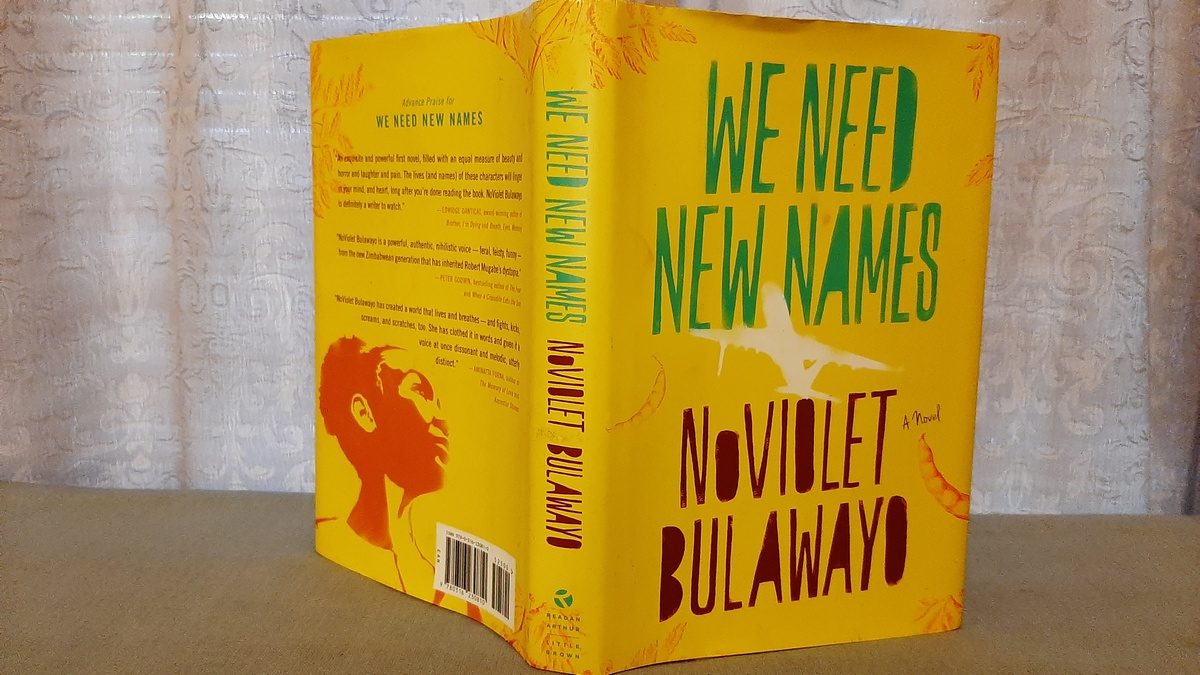
Image: Penguin Books
Who Should Read It
Open this book if you want a child narrator who is not a literary device, if you want to see how the African short story expanded its register in the early 2010s, if you have wondered what happens when the child of a collapsing economy is dropped into an American supermarket, or if you want to read the novel that put a Black African woman on the Booker shortlist for the first time. Set it aside if you want stylistic uniformity. The book is restless. It moves between registers, pauses for chapters that interrupt the main narrative, and does not tie itself off neatly. Readers who want a book that knows exactly what kind of book it is, all the way through, will find this one frustrating.
The Children Who Stay With You
Years after a first reading, the figures that remain are not Darling in Detroit but Bastard, Chipo, Godknows, Stina and Sbho, running barefoot through Budapest after fruit they cannot afford. Bulawayo gave African fiction in English a new way of writing children and, through them, a new way of writing political catastrophe. The novel that grew around that opening chapter is uneven, ambitious and occasionally overreaching, and it is the book that made everything she did next possible.
Ad SpaceIn-Article - 300x250
Advertisement
Share
Get the recap
Loved this story? Get more like it.
Join readers who get our weekly entertainment recap - the stories worth your time, delivered every Friday.
No spam. Unsubscribe anytime. By signing up you agree to our Privacy Policy.