
Walk into any Afrobeats concert in Lagos, London, or Atlanta a decade ago and the merch table told a simple story. Stacks of cotton tees in black and white, a printed album title across the chest, maybe a logo on the back, and a folding table where someone counted naira or dollars by hand. The shirt was a souvenir, proof you were in the room when the artist tore through a setlist. It rarely outlived the season. Most of those tees faded after a few washes, and nobody pretended they were fashion. They were memorabilia.
That world is gone. The merch operation around a major Afrobeats tour now sits closer to a streetwear pop-up than a concert kiosk, with cut-and-sew outerwear, limited drop numbering, and queues that form well before doors open. Somewhere between the album-launch tees of the early 2010s and the capsule collections Afrobeats artists release today, the entire category became a business. Not a side hustle, not a giveaway item bundled with a ticket, but a parallel income stream and a fashion conversation in its own right.
The Naija-Style Concert Tee Era
Back when 2Face Idibia, P-Square, and D’Banj defined what Afrobeats radio sounded like across West Africa, artist merch was almost entirely a venue product. A road manager would commission a batch of shirts from a local printer, put an album cover or a tour name on the front, and pack the boxes into the van. The shirts were rarely sized beyond small, medium, and large. Fit was an afterthought. Quality was whatever the printer happened to have in stock that week. The “Naija-style” album launch tee became its own genre during this era: bold typography across the chest, often a release date, sometimes a grainy photo of the artist staring into the camera.
Fans bought them because they were affordable and tied directly to a moment, the night of the launch, the city where the show happened, the year stamped under the artwork. But these shirts were not designed to be worn outside of the concert or the immediate fan community. They functioned as flags, not garments. What changed was the audience. As Afrobeats began connecting with diaspora communities in the UK and the US, many of the people buying these shirts were already fluent in streetwear culture. They understood drop calendars, lookbooks, and resale value. A cotton tee with a low-resolution print no longer scratched the same itch, and the artists who paid attention started to upgrade.
Why the Logo Tee Stopped Being Enough
A few factors collided. Streaming pushed Afrobeats into markets it had never charted in before, which widened the audience well beyond the people who already knew the songs from car parks and weddings in Lagos. Touring revenue became more important than physical sales, which made merch a meaningful line item rather than a vanity exercise. And the artists themselves became fashion subjects in their own right, with their red carpet and stage wardrobes covered by international fashion press. Once an artist’s personal styling was being written up as editorial, the merch had to catch up or it would undercut the brand. The gap between what the artist wore and what the artist sold became the thing teams started fixing first.
Davido and the OBO Merch Line

Davido has been among the more deliberate Afrobeats acts about treating merch as a standalone product rather than tour collateral. The OBO line, short for Omo Baba Olowu, started where most artist merch starts, with hoodies and tees printed for tour dates and album promo runs, the kind of thing you would also see on dozens of other artist merch tables that year. Over successive cycles the presentation tightened: proper labelling, heavier and washed fabrics rather than raw cotton, oversized cuts closer to what streetwear shoppers actually buy, and colour palettes that moved away from default black and white.
Davido also crossed into formal brand territory. In 2020 he worked with PUMA on a Sportstyle collection built around the phrase “We Rise By Lifting Others”, a tracksuit, tees, shorts and caps in Nigerian green and white, announced by PUMA and covered by Billboard. That matters because it is a different relationship from the walking-billboard model. The artist who only wears clothes is promoting someone else’s product. The artist with a collection carries an ownership stake in what is being sold to his audience. The clearest sign that an artist merch line has graduated into fashion is when people who do not stream the artist still want to wear the clothes, and the better Afrobeats lines now clear that bar.
Wizkid’s Starboy Merch and the Puma Partnership
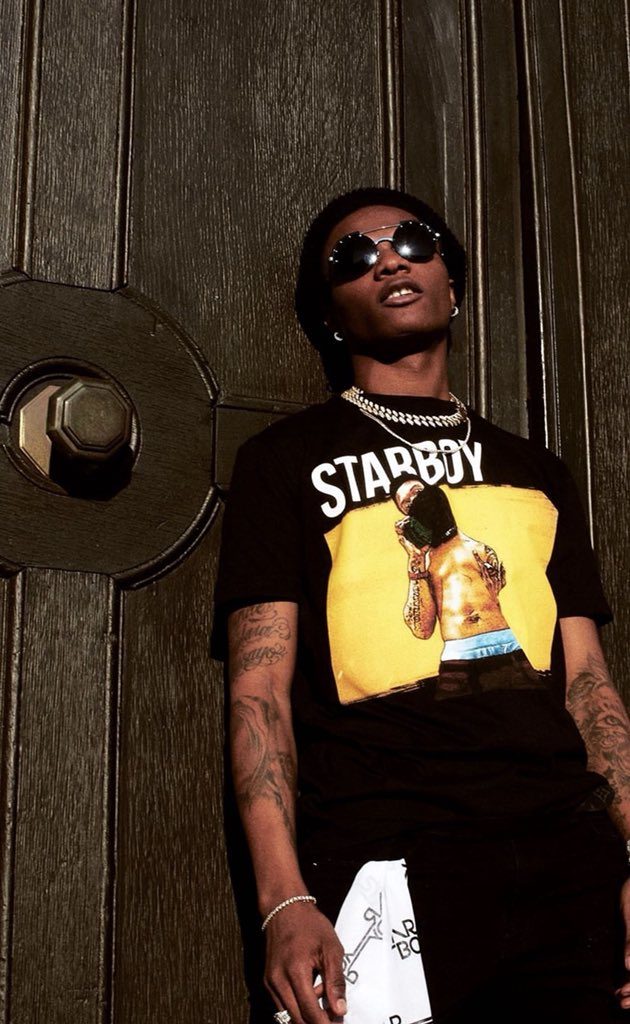
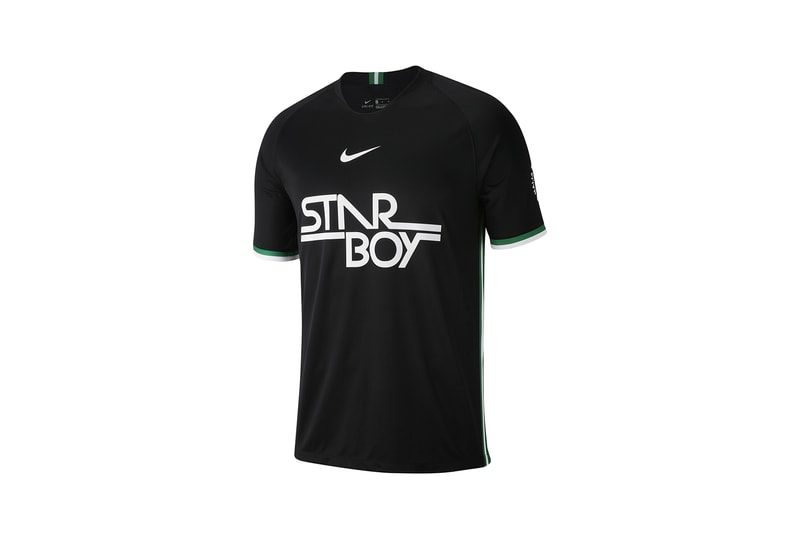
Wizkid took a different route. The Starboy merch sat closer to a record label imprint, with the Starboy logo functioning the way a small fashion house’s monogram might. Early Starboy tees were clean, often single-colour prints with the script logo across the chest, designed to be worn outside of any concert context. Wizkid himself wore them on stage and in paparazzi shots, which did more for the line than any marketing campaign.
His sportswear work with PUMA is the point where that imprint touched the global retail calendar. In 2020 PUMA announced Wizkid as the face of its Suede Classics autumn campaign with JD Sports, and Starboy and PUMA branding appeared together on product and promotion around that partnership. The details of the arrangement were never fully public and reports later suggested the relationship did not last, so the lasting significance is not the sales numbers. It is the template. Afrobeats artists could approach sportswear giants as creative partners rather than one-night brand ambassadors who show up to a launch in exchange for a free fit.
Burna Boy’s African Giant and Outside Drops
Burna Boy’s merch has run parallel to his album cycles, with each project producing a visual identity the merch then expands on. The African Giant era leaned on a Pan-African aesthetic: olive green, sand, washed earth tones, patches and graphics that referenced Fela and 1970s African political design. The Outside drops shifted the register. Where African Giant pieces were earnest and historically loaded, Outside merch was louder and club-coded, with bigger graphics, brighter colours, and a streetwear sensibility that matched the album’s mood. Fans wore the Outside hoodies as festival fits rather than disposable concert pickups, which is its own signal about how the category had changed.
The bigger strategic shift was geography. Limited pieces tied to specific tour cities, a colourway available in one market only, a pop-up exclusive, created scarcity, and scarcity created a secondary market. Sold-out Burna Boy pieces have since traded above retail on resale platforms, though reliable figures on volumes and margins in this category are not published and should be treated with caution.
Rema’s Heis Era and the New Generation
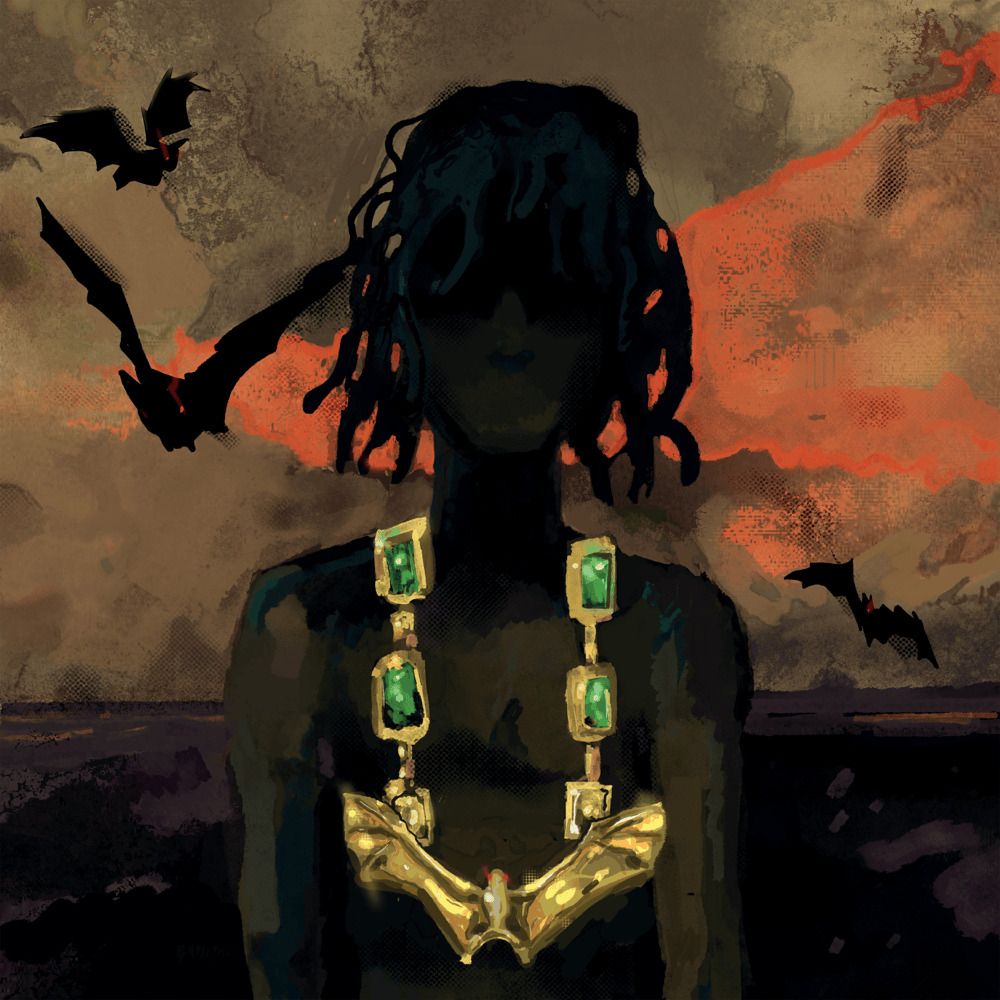
Rema represents the next wave of how Afrobeats merch is being designed. The Heis era leaned into a darker, more cinematic visual identity, with bat motifs, heavy typography, and a palette that owed as much to underground rap as to anything in the Afrobeats canon. The merch followed that lead: heavyweight black hoodies, oversized chest graphics, washed and distressed treatments, pieces closer to a fashion lookbook than a tour bus. His audience leans young and fashion-literate, and the design respects that, with limited runs and a willingness to push past the safe black-and-white tee. The Heis run also moved beyond clothing into accessories, including jewellery and headwear, which turned a merch line into something closer to a wardrobe.