
Table of Contents
- When Entertainment Meets Politics
- Nollywood’s Growing Political Voice
- Afrobeats Artists Leading Social Change
- The Power of Celebrity Political Influence
- The Future of Entertainment Industry Civic Engagement
Nigeria’s entertainment industry has evolved far beyond mere songs, films, and celebrity gossip – it has become a powerful platform for political discourse and social change. As the country navigates its democratic journey in the Fourth Republic, an increasing number of entertainment figures are stepping forward to address what many see as a fundamental challenge: the prevalence of politics driven by personal gain rather than principled governance. From Nollywood veterans to Afrobeats superstars, Nigerian celebrities are using their influence to advocate for a political culture that prioritizes national development over individual enrichment. This shift represents more than just celebrity activism; it signals a maturation of Nigeria’s entertainment industry into a legitimate voice for democratic reform and social progress.
When Entertainment Meets Politics
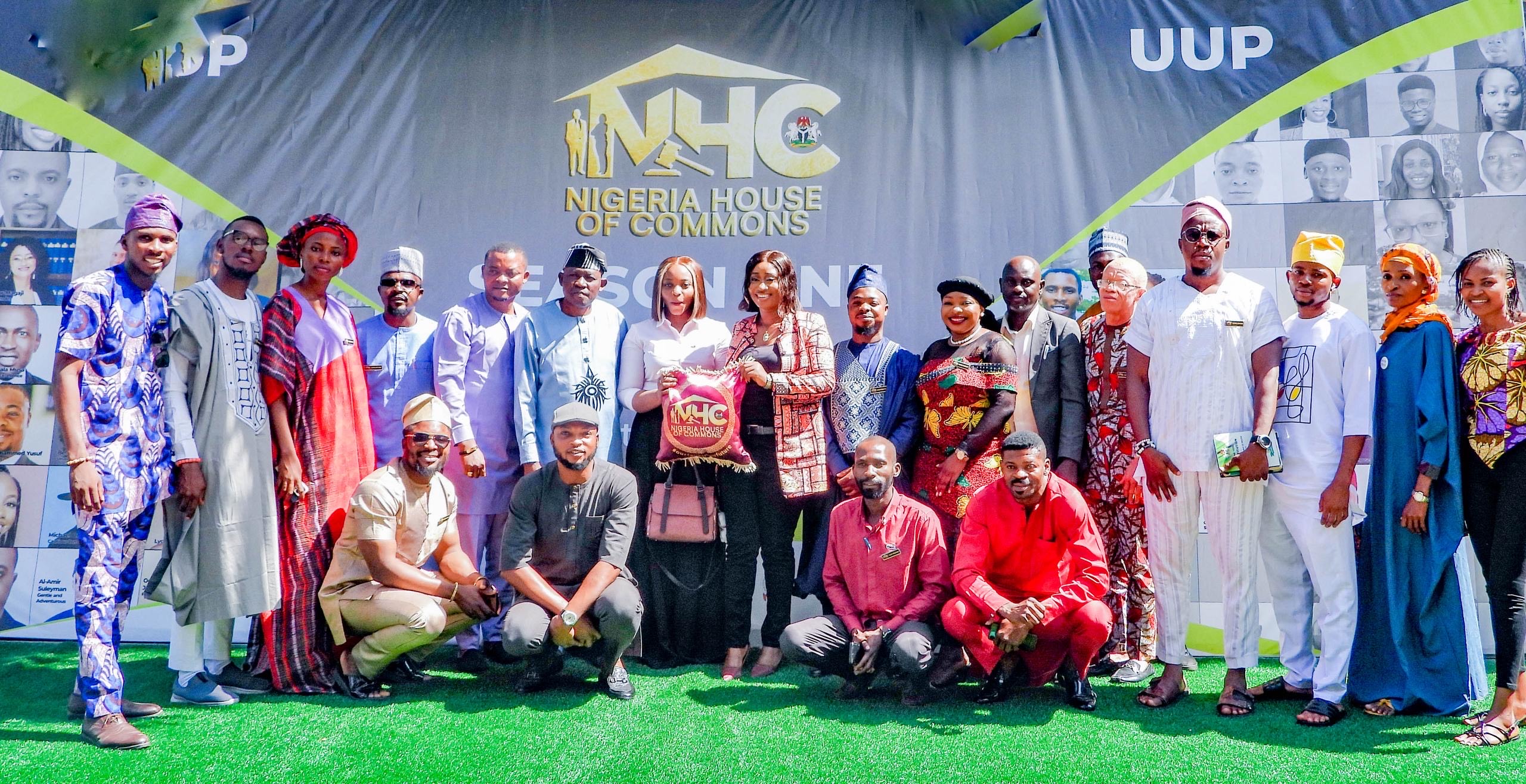
The intersection of entertainment and politics in Nigeria has reached a critical juncture, with celebrities increasingly recognizing their responsibility to influence positive change. Unlike previous generations of entertainers who largely stayed away from political commentary, today’s stars are embracing their roles as social commentators and change agents. This evolution reflects a broader understanding that entertainment figures, particularly those with massive followings among young Nigerians, have the power to shape political discourse and encourage civic engagement. The entertainment industry’s growing political consciousness comes at a time when Nigeria faces significant challenges in governance, economic development, and social cohesion, making celebrity voices more relevant than ever in the national conversation.
The entertainment sector’s political engagement has been particularly pronounced during election cycles, when artists, actors, and other industry figures have consistently advocated for issue-based voting rather than ethnic or religious considerations. Many have used their platforms to educate fans about the importance of voting based on candidates’ track records and policy positions rather than tribal affiliations or financial incentives. This approach represents a significant departure from traditional Nigerian political culture, where personal relationships and ethnic loyalties often override merit-based decision making. The entertainment industry’s emphasis on principled politics has resonated particularly well with younger demographics, who make up the majority of their fan base and represent Nigeria’s political future.
Nollywood’s Growing Political Voice

Nollywood, as Africa’s largest film industry by volume, has become an unexpected but powerful forum for political commentary and social criticism. Many of the industry’s most respected figures have used their influence to advocate for better governance and more accountable political leadership. Veteran actors and directors have increasingly incorporated themes of good governance, corruption, and social justice into their work, while also speaking out publicly about the need for political reform. This artistic and public engagement has helped elevate important political conversations beyond traditional media channels, reaching audiences who might otherwise be disconnected from political discourse.
The film industry’s political engagement extends beyond individual celebrity statements to include organized collective action and advocacy initiatives. Several Nollywood associations and guilds have issued statements calling for electoral reforms, improved security, and economic policies that support creative industries. These organizations have also worked to educate their members about civic responsibilities and encouraged participation in democratic processes. The industry’s collective voice has proven particularly effective in highlighting issues affecting the creative economy, such as intellectual property protection, infrastructure development, and policies supporting small businesses and entrepreneurship.
Afrobeats Artists Leading Social Change
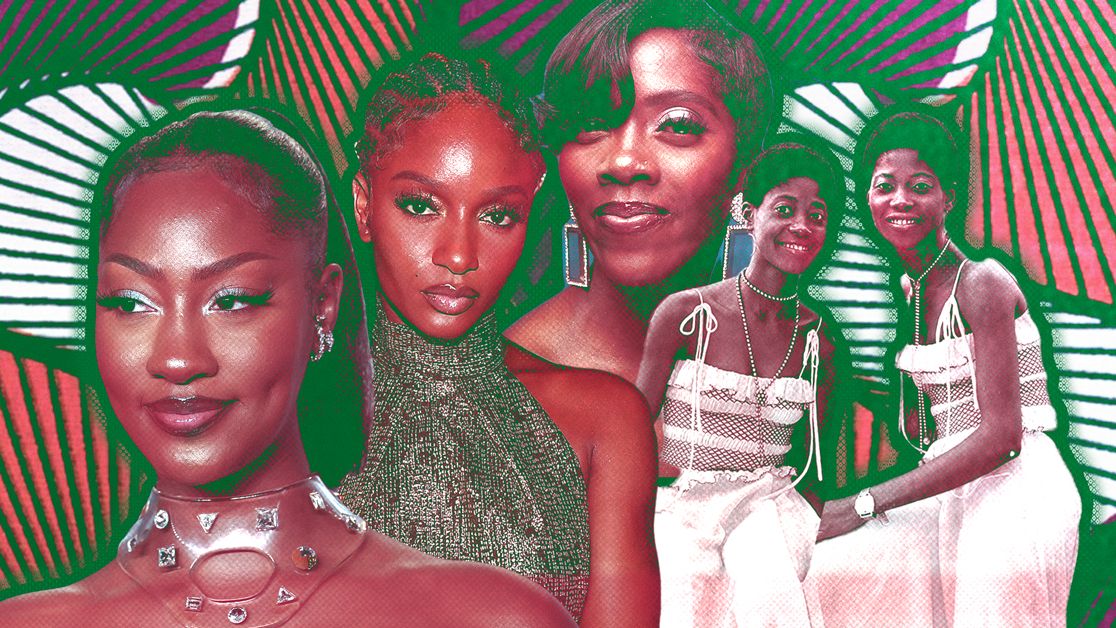
The global success of Afrobeats has amplified Nigerian artists’ ability to influence both domestic and international conversations about governance and social issues. Leading figures in the genre have consistently used their platforms to advocate for political accountability and social justice, often incorporating these themes into their music and public statements. The international recognition of Afrobeats has given Nigerian artists unprecedented global platforms to discuss their country’s political challenges while also celebrating its cultural achievements. This dual narrative has helped present a more nuanced view of Nigeria to international audiences while encouraging domestic political engagement among fans.