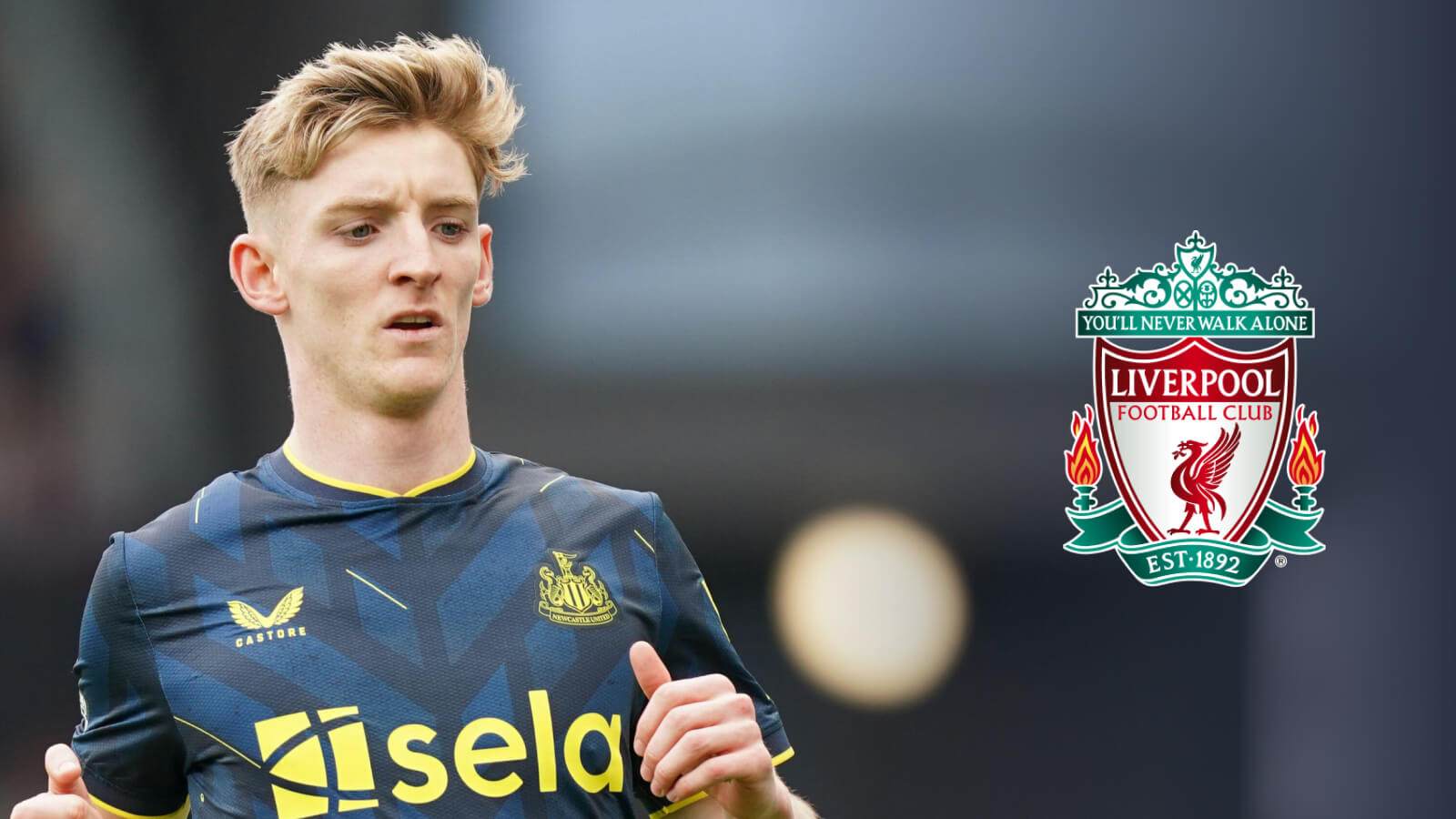
Anthony Gordon - From Everton Academy to Premier League Stardom and Celebrity Status
Miki Anderson··10 min read
Ad SpaceArticle Top - 728x90
Advertisement
The bus from Liverpool’s city centre to Finch Farm takes about forty minutes if the traffic on Halewood Road behaves. For more than a decade, a kid from the Whiston end of Merseyside made some version of that journey every week, first as a wide-eyed eleven-year-old in a fresh Everton tracksuit, later as a teenager with a contract to sign, eventually as a first-team player whose face appeared on the sides of the very buses that had once ferried him. Anthony Gordon’s commute changed shape over the years. The destination, for most of that time, did not.
Then in January 2023, the destination did change. Newcastle United paid a fee in the region of forty-five million pounds to take him north, ending a relationship that had begun before he could spell the word academy. The move broke open a question Gordon now spends every interview answering in slightly different words. Was leaving Everton the move of an ambitious player or the move of a kid who had outgrown the room he was raised in? Three seasons in, with England caps in the locker and the transfer rumour mill insisting Liverpool want him next, the answer keeps shifting. That is the point of a career arc. It only looks linear from the end.
A Liverpool kid in blue
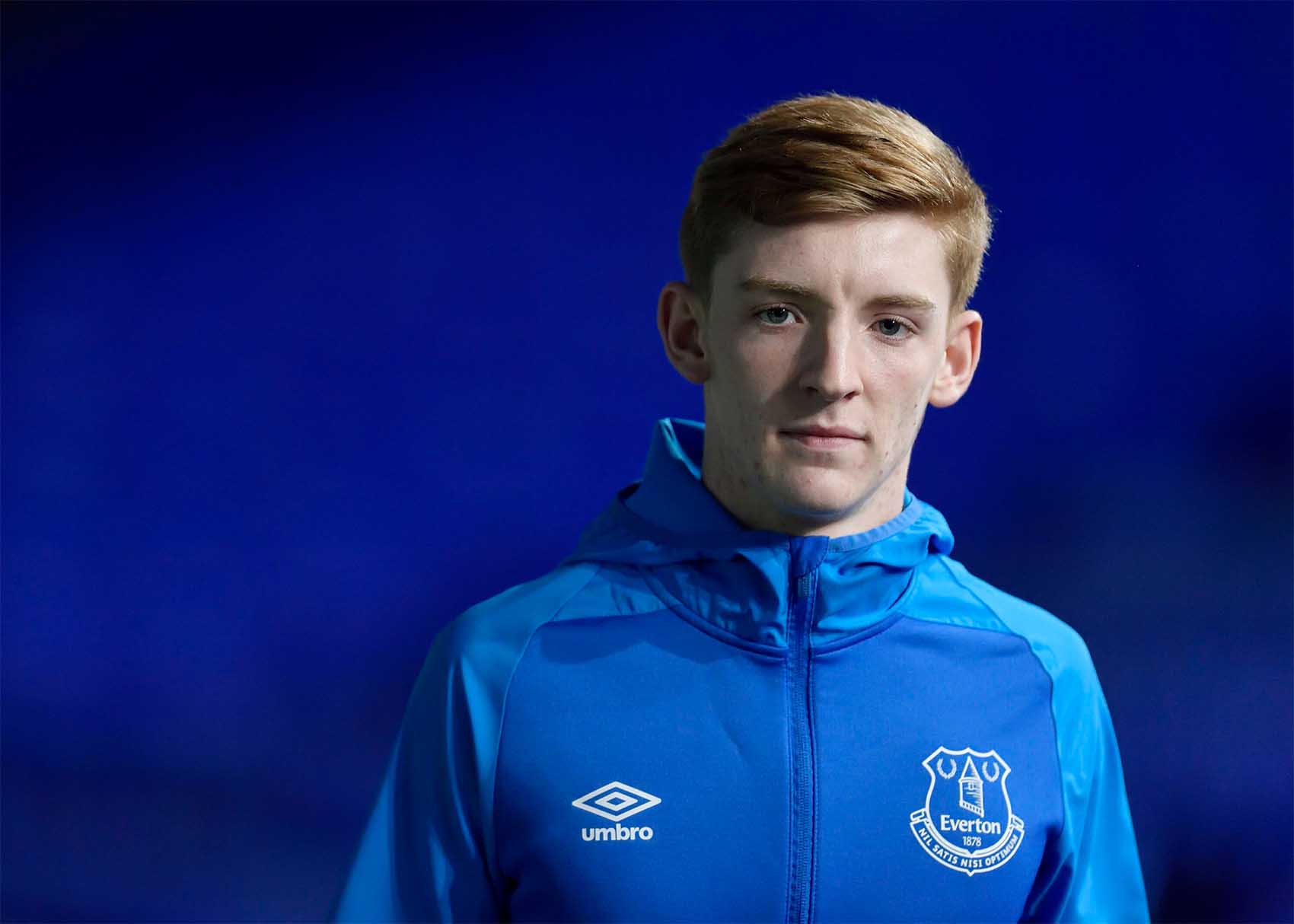
Gordon was born on 24 February 2001 in Liverpool. The bare biographical fact does very little work on its own. Liverpool is a football city with two clubs, two histories, and two ways of telling its own story, and any child born inside the city limits is born into a quiet ongoing referendum about which version of the place they belong to. Gordon’s family were Evertonians. He joined the club’s academy at age eleven, around the same time most kids start secondary school. By thirteen he was being talked about in the academy staff rooms. By sixteen he had a scholarship. By seventeen, in November 2017, he made his senior debut.
What is worth noticing about the early Gordon is not the speed of the progression but its texture. Everton’s academy in those years was not producing a steady pipeline to the first team. Ross Barkley had been the last clean academy-to-starter graduation, and the club’s recruitment under several managers leaned heavily on the transfer market. A kid breaking through in that environment had to be visibly better than the alternatives, week after week, in a way that left the manager no choice. Gordon did that by being relentless. Coaches at Finch Farm describe a teenager who would stay on after sessions, who would ask to do the running drill again, who treated every reserve fixture like a cup final.
That work-rate would later become his on-pitch trademark. It is also what kept him on the pitch through the chaotic late-Koeman, post-Allardyce, Silva, Ancelotti, Benitez, Lampard sequence of Everton managers. Eight men sat in the Goodison Park dugout during Gordon’s time as a registered Everton player. He outlasted most of them.
The breakthrough season
The 2021-22 season was when the doubts about Gordon’s Premier League level resolved themselves. Frank Lampard had taken over a sinking ship in January. The club was in a relegation fight nobody outside Merseyside fully appreciated. Gordon was given the left flank and told to run himself into the turf. He did exactly that. The goal against Crystal Palace on the final day, in a 3-2 comeback at Goodison that kept Everton up, became the kind of moment that gets shown in academy tours for the next twenty years.
What people who watched closely remember from that season is not any single goal but the cumulative impression of a player who pressed defenders into mistakes, who tracked back to his own corner flag, who tried to drag a struggling team forward by sheer force of effort. The numbers were not yet eye-catching - four league goals - but the eye test was. Scouts from the elite clubs were filing reports. By the summer of 2022, Chelsea had made a serious approach. Everton turned them down. Gordon stayed for the start of the 2022-23 season, but the next move was now visible on the horizon.
The move to Newcastle
Newcastle United in January 2023 were a club in the middle of a transformation. The Saudi Public Investment Fund-led takeover had completed in late 2021, Eddie Howe was rebuilding the squad with intent, and the recruitment department under Dan Ashworth was working through a shortlist of young English talent. Gordon fit the profile. A homegrown attacker in his early twenties with Premier League experience and resale value is the most expensive commodity in the English market, and Newcastle paid accordingly. The deal landed in the region of forty-five million pounds, with potential add-ons.
The first six months at St James’ Park were not smooth. Gordon arrived mid-season, into a squad that was already chasing Champions League qualification, and he did not start regularly. There were stretches where he looked like a teenager again, trying too hard, getting booked for arguing with referees, running into channels that closed before he arrived. Newcastle finished fourth that season without him being a major contributor. The verdict from outside was harsh. The transfer fee looked optimistic.
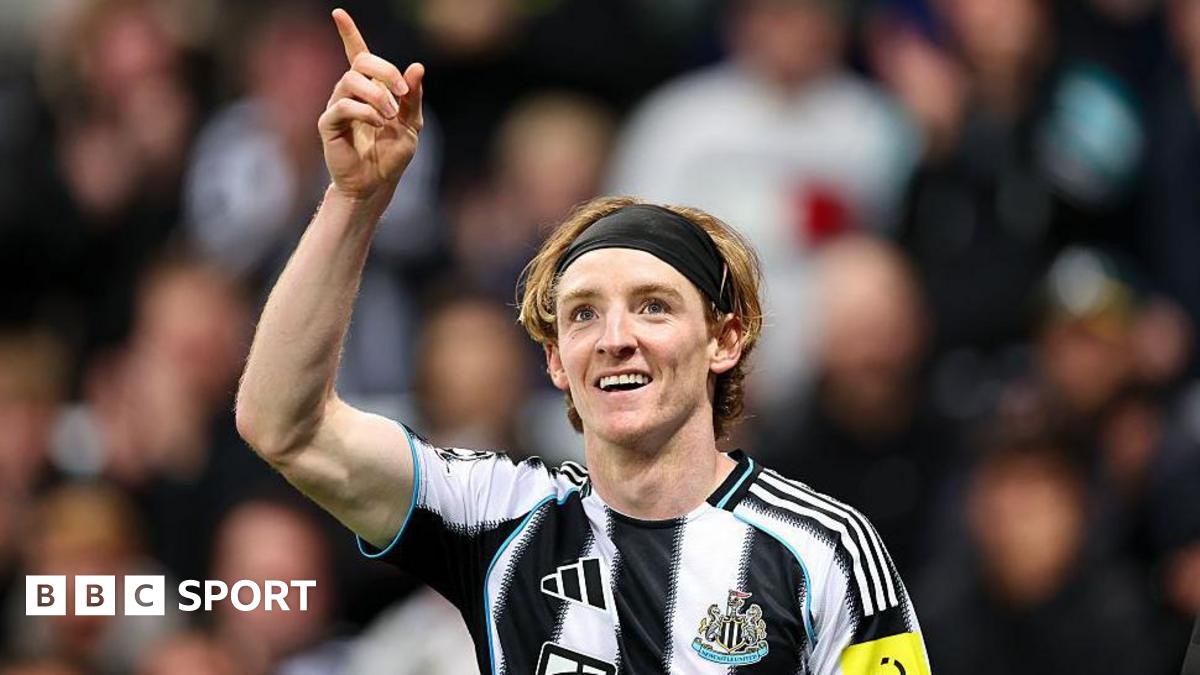
The 2023-24 season turned the verdict around. Gordon scored eleven Premier League goals, the kind of return that re-rates a player in the public mind almost overnight. He started in the Champions League. He developed an understanding with Bruno Guimaraes and Alexander Isak that turned Newcastle’s left side into one of the most productive attacking zones in the division. The pace was now being used efficiently rather than constantly. The work-rate, always there, was now applied to a tactical structure that rewarded it.
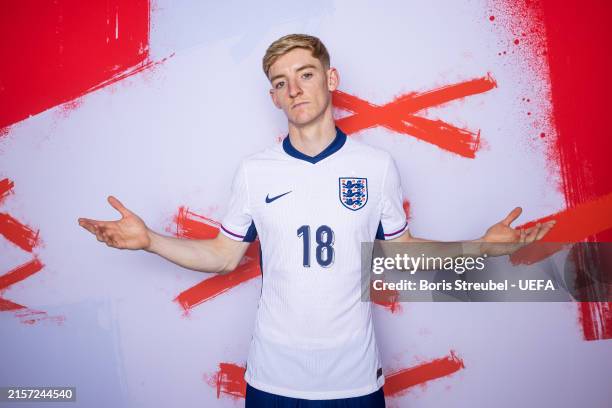
Two things happened off the back of that season. Gordon got his England senior debut, coming on against Brazil in March 2024 after years of representing the country at age-group level. And the conversations about his market value started being conducted in nine-figure sums.
The Liverpool question
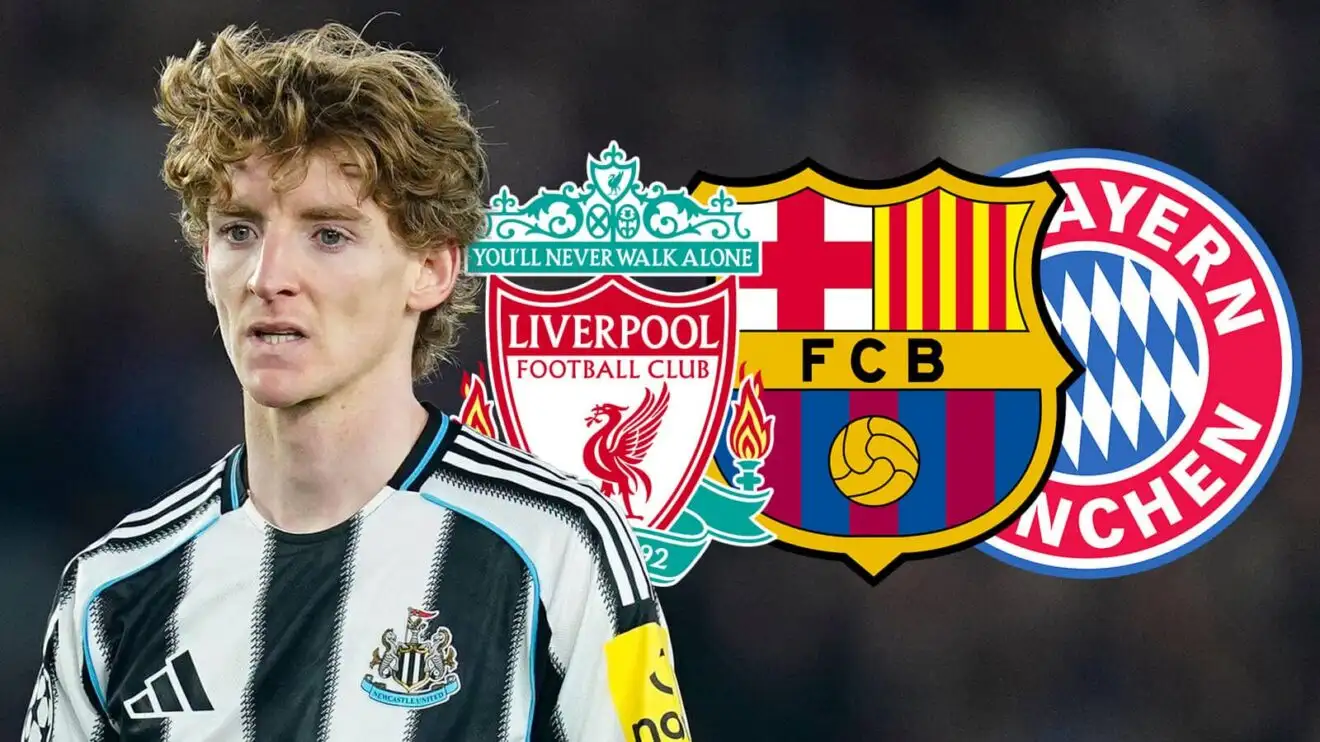
The transfer window speculation that has trailed Gordon since the summer of 2024 has one recurring name attached to it. Liverpool, the club he grew up across the city from, the club his family did not support, have been credibly linked. The reporting has varied from confident to speculative depending on the outlet, but the pattern has been consistent enough to give the rumour a half-life that refuses to decay.
Ad SpaceIn-Article - 300x250
Advertisement
The cultural dimension is the hook everyone reaches for, and it is worth examining. A boyhood Evertonian moving to Liverpool is not the same as, say, an outsider being signed by either club. Local rivalry in Merseyside has a household character. It is the dinner table, the school yard, the pub on Christmas Eve. Wayne Rooney made the same crossing in reverse twenty years ago when he left Everton for Manchester United, and the residue of that move has never fully cleared from his relationship with the city. Gordon is reportedly aware of this. People close to him have suggested that any move would be treated as a footballing decision, not a romantic one, but the city does not always grant that distinction.
For now, he remains a Newcastle player. The wages, reported in the region of one hundred thousand pounds a week before add-ons, place him in the upper-middle tier of the Newcastle squad rather than at its peak. A move to a club operating at the top of the wage scale would change that. So would a new contract on Tyneside.
The style of play
Gordon plays primarily as a left winger, which is the position most flexible to manager preference in modern football. Under Lampard at Everton he was asked to defend almost as a wing-back. Under Howe at Newcastle he sits a touch higher and is allowed to drift inside. His best attribute is acceleration over the first ten metres, which gives him an exit route when an opponent steps up to press him. His second-best attribute is the willingness to use that pace defensively, tracking full-backs into his own third. The third, less remarked-upon, is his finishing, which has improved markedly since the Everton years and now extends to both feet.
What he is not, yet, is a natural creator in the chance-making sense. His assist numbers have grown but still trail his goal numbers. The left-footed cross under pressure is a skill he is still adding. Whether he develops that part of the game will determine whether he tops out as a high-end Premier League starter or as something closer to an England regular.
Off the pitch
Gordon’s public profile has grown alongside his football. He shares his life with his partner Cole, with whom he has a child, and the family appears in his social posts in the way most footballers of his generation now permit. The grandstand off-pitch storyline is not scandal but normality. He has not had a tabloid week. He has not been involved in a controversy of the sort that defines other players’ brand cycles. The most newsworthy non-football story attached to him in the last two seasons has been his commitment to charitable work in the north east, including visits to children’s hospitals and community sessions in West End Newcastle.
This matters more than it might appear. The economy around modern footballers is increasingly an economy of perception. Sponsorship deals, England squad selection, future managerial relationships, even the willingness of supporters to wear a player’s name on their back, all draw on a public image that takes years to build and twenty minutes to damage. Gordon has, so far, navigated that part of the job with discipline.
Working-class Liverpool, North East football
There is a tidy story to tell about a kid from Liverpool finding his peak years in Newcastle, two cities with a similar feel and a similar relationship to their football clubs. Both places treat the team as civic identity rather than as entertainment. Both have a relationship with their managers that runs hotter and colder than the league table would suggest. Both have a press corps that knows the names of the academy under-fifteens.
The tidy story underplays the friction. Gordon left Everton with the goodbye from a section of the supporters that always greets a homegrown player who chooses to leave. The first return to Goodison in Newcastle colours, in April 2023, drew the response such returns always draw on Merseyside. He scored. He celebrated. The reaction was loud. None of that is unusual. All of it is the texture of being a Liverpool kid who plays for the other end of the country now.
There is a longer-running thread buried inside the Gordon arc, and it is one the modern English game keeps surfacing. What does it mean to be a homegrown asset in a transfer market where the homegrown label adds twenty million to the fee? Gordon’s career has been shaped by that economic fact at every turn. Everton’s reluctance to sell, Chelsea’s first bid, Newcastle’s eventual purchase, the Liverpool rumours, the England call-up that immediately added another tier to his market value. He is, in some sense, a working example of what the post-2010 Premier League does to a talented English kid.
Where the road still leads
The next two years will decide which version of Anthony Gordon’s career sits in the eventual retirement biography. Stays at Newcastle, becomes the long-term left-side player of an Eddie Howe team that wins something. Or moves, possibly to Liverpool, possibly elsewhere, and either confirms the Newcastle uplift or reveals it as a function of context. Builds an England starting place ahead of a major tournament. Or settles into the role of valuable squad rotation in a generation of English attackers thicker than any since the early 2000s.
What is already settled, regardless of how those questions land, is that he is no longer the academy kid catching the Halewood Road bus. The work-rate that defined his early years is now a tactical asset rather than a survival mechanism. The pace is being deployed inside a system that values it. The wages are professional-elite. The international career is underway. There are no longer any obvious reasons to think the ceiling is below where he currently sits.
What Liverpool produces, in the football sense, is a particular kind of professional. Boys raised inside the rivalry, taught the game by people who learned it the same way. Gordon belongs to that lineage even as the lineage is told to make peace with him playing somewhere else. Whatever the rumour mill spits out next window, whatever the contract decision at St James’ Park, the path from a Whiston bus stop to a Newcastle dressing room has already been walked. The map he made of it is the map other kids from his postcode will be reading next.
Ad SpaceIn-Article - 300x250
Advertisement
Share
Get the recap
Loved this story? Get more like it.
Join readers who get our weekly entertainment recap - the stories worth your time, delivered every Friday.
No spam. Unsubscribe anytime. By signing up you agree to our Privacy Policy.