The Headies Award: Complete History, Past Winners and Why It Matters to Afrobeats
Jalen Ross··10 min read
Ad SpaceArticle Top - 728x90
Advertisement
When Ayo Animashaun decided in 2006 that Nigerian music deserved its own serious mirror, no one quite knew what a Hip Hop World Award would mean a decade later. The first ceremony was small, the trophies were modest, and the press treated it as a curiosity attached to a magazine. Twenty years on, that same ceremony, now simply called The Headies, is the closest thing Afrobeats has to a Grammy moment of its own. Careers have been launched in its Next Rated category, beefs have boiled over on its stage, and the road from Lagos to Atlanta has been paved with controversies, clean sweeps and unforgettable acceptance speeches.
The Origin Story: From Hip Hop World Magazine to a Continental Stage
Ayo Animashaun built Hip Hop World Magazine in the early 2000s when Nigerian hip-hop was scrappy, mixtape-driven and largely ignored by the mainstream press. The magazine became required reading for a generation of artists who had nowhere else to be taken seriously. By 2006, Animashaun and his team decided the music needed a corresponding awards night, and the Hip Hop World Awards were born.
That debut edition in 2006 set the template. D’Banj, riding the wave of his Mo’Hits dominance, took home Artist of the Year. Modenine, a battle-rapper’s rapper, locked in Lyricist on the Roll, an award he would go on to win so often it became almost his property. The early years felt like a family reunion of the Nigerian hip-hop and R&B scene, with categories such as Best Rap Single, Best R&B Single and Best Collabo defining the conversations that would dominate radio for the next twelve months.
The Rebrand to The Headies
The name Hip Hop World Awards became a problem as the show grew. Nigerian popular music was no longer hip-hop centric. The pop, fuji-influenced and Afro-fusion records crowding the charts were not hip-hop in any meaningful sense, and the brand needed to stretch. The rebrand to The Headies, a play on “headline” and the head-shaped trophy, gave the show room to breathe. It also gave it a logo and identity that travelled better in international press, an asset Animashaun would lean on heavily once Afrobeats crossed the Atlantic.
The Next Rated Award: A Brand New Car and a Career Catapult
If The Headies has one signature category, it is Next Rated. The prize is unique in African music: a brand new car, handed over on stage, awarded to the artist judged most likely to break through in the next twelve months. The car itself has evolved with the show, from the Toyota Corollas of the late 2000s to Hyundai sedans in the more recent editions, and each handover has become its own viral moment.
The roll call of Next Rated winners reads like a map of who built modern Afrobeats:
- 2007: Naeto C - 2009: M.I. Abaga - 2011: Wizkid - 2012: Tiwa Savage - 2014: Burna Boy - 2015: Olamide - 2016: Reekado Banks - 2017: Mr Eazi - 2018: Tekno - 2019: Mayorkun - 2020: Fireboy DML - 2022: Ayra Starr (in the Omah Lay and Asake breakout era) - 2023: Bayanni
Walk that list slowly. Almost every artist on it became a headliner within twenty-four months of accepting the keys. Wizkid in 2011 is the clearest case study, a teenager from Surulere walking off stage as the most discussed new voice in Lagos and ending the decade as a Grammy-credited global act. Burna Boy in 2014 was still living between Port Harcourt and London, two albums in, undecided about how loudly to lean on his grandfather’s Fela connection. Five years later he was on the African Giant cover holding the same Headies organisation’s Album of the Year.
The Cars That Became Symbols
The car handover has always been theatrical. Older editions used Toyota Corollas, vehicles practical enough to feel like a real life-changing gift in Lagos traffic. By the 2020s the partnerships shifted to Hyundai, with specific models like the Elantra and the Tucson rolled onto the stage under spotlights. The optics are deliberate. For a young artist who likely spent the previous year hustling for studio time, watching a brand new SUV roll towards them at an awards show is a moment that producers, A&R reps and managers see and react to instantly.
Album of the Year: The Records That Defined Eras
Album of the Year at The Headies has functioned as a parallel canon for Nigerian music. The winners are not always the best-selling records of their year, but they are almost always the most consequential.
A few landmarks worth marking:
- 2008: D’Banj, The Entertainer. The album that turned a Mo’Hits frontman into a continental brand and prepared the ground for the Kanye West and Don Jazzy collaboration era that would follow. - 2015: Olamide, Eyan Mayweather. A statement record from the YBNL boss that locked in his position as the most influential indigenous-language artist of his generation. - 2016: Falz, 27. The lawyer-turned-rapper’s confirmation as a serious album artist, not just a comic single act. - 2017: Wande Coal, Black Diamond. A long-awaited solo statement from one of the most technically gifted voices the Mo’Hits camp ever produced. - 2019: Burna Boy, African Giant. The album that would also chart globally, earn a Grammy nomination, and be remembered as the moment Afrobeats stopped asking the West for permission. - 2021: Wizkid, Made in Lagos. The mood album of the pandemic era, the record that sent Essence into the Billboard Hot 100 and reframed Wizkid as a curator rather than a hit-maker. - 2023: Asake, Mr Money With The Vibe. The fastest ascent in modern Nigerian pop, capped with a Headies night that doubled as a coronation.
What links these albums is the way each one expanded what Nigerian music could sound like on a global stage. The Headies, by elevating them at the right moment, played the role of cultural co-signer.
Artist of the Year: The Crown That Tracks the Power Shifts
Artist of the Year at The Headies functions almost like a political map of who is running Nigerian music in any given year. The list of multi-time winners doubles as a who’s who of modern Afrobeats: 2Face Idibia in the early years, D’Banj in the Mo’Hits peak, Olamide during the indigenous wave, Davido during his 30 Billion Gang dominance, Wizkid through the Starboy and Made in Lagos cycles, Burna Boy across the African Giant and Twice as Tall era, and most recently Asake at the 16th Headies.
Each handover has told a story. The Davido and Wizkid rivalry through the mid-2010s gave the award genuine drama, with each Headies night functioning as a referendum on who had the better twelve months. The arrival of Burna Boy as a serial winner shifted the conversation from singles dominance to album craft. Asake’s win at the 16th edition completed one of the fastest rise-to-coronation arcs the show has ever recognised.
Ad SpaceIn-Article - 300x250
Advertisement
Memorable Moments: Stage Drama That Outlived the Show
The 2015 Olamide and Don Jazzy OLIC Moment
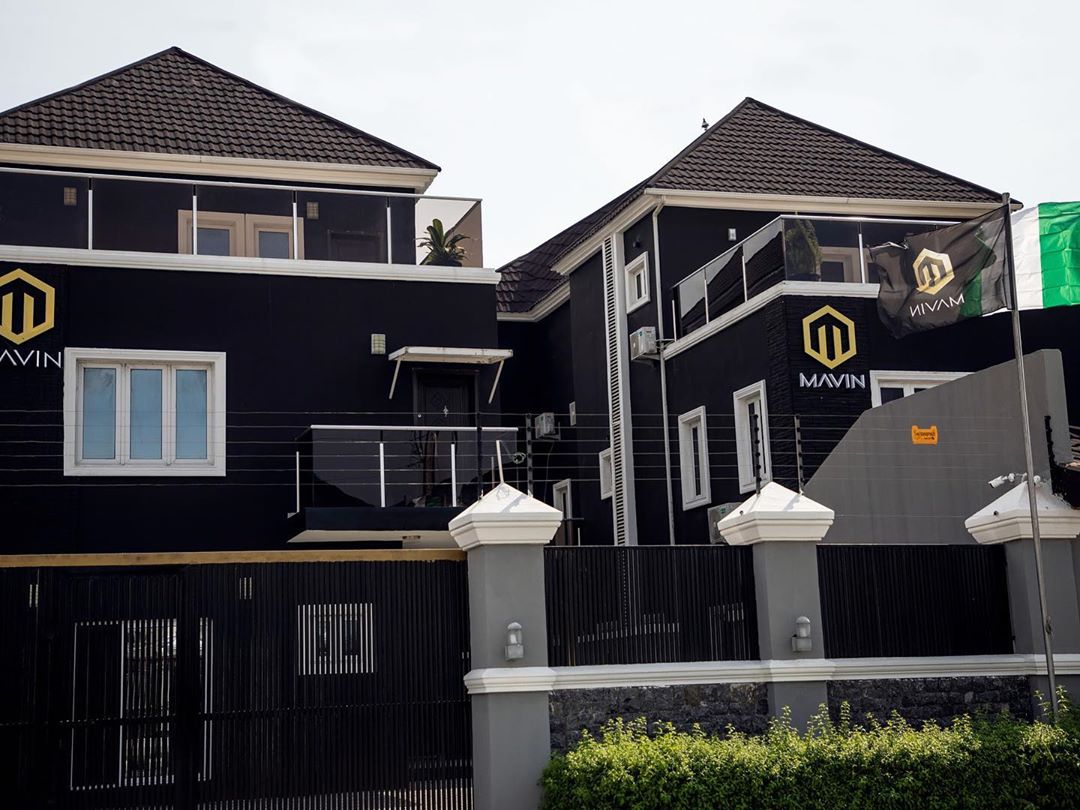
The 2015 ceremony produced what is still the most discussed Headies moment of the streaming era. Reekado Banks won Next Rated over Lil Kesh, then on YBNL. Olamide, watching his protege lose, took the stage during his own acceptance and declared that the streets had already crowned Lil Kesh, ending his speech with a now-iconic dedication to his own concert, OLIC. Don Jazzy, Mavin chief and the night’s other towering figure, responded from the stage with his own pointed remarks. For weeks Lagos was split along YBNL and Mavin lines. The label heads eventually reconciled publicly with help from the Lagos State governor, but the moment changed the Headies forever. From that night on, the show carried the energy of a live wrestling event as much as an awards ceremony.
The Davido and Wizkid Feud Backdrop
Through the late 2010s, almost every Headies night played out under the shadow of the Davido and Wizkid rivalry. Camps would attend or boycott depending on which way nominations had landed. Social media would dissect seating arrangements, applause levels, and which artist had stayed for the after-party. The Headies became the room where the rivalry was scored in real time.
Naira Marley and the Headies
Naira Marley’s relationship with The Headies has been tense across multiple cycles. Nominations have come and gone with public spats, accusations of bias, and counter-claims from the academy. The fact that the controversy keeps recurring underlines how much weight artists themselves place on Headies recognition, even when they publicly dismiss it.
Asake’s 16th Headies Clean Sweep
The 16th Headies belonged to one man. Asake walked away with Album of the Year for Mr Money With The Vibe, Best Pop Album, Best Recording and Artist of the Year. It was a sweep in the truest sense, the kind of night an artist gets perhaps once in a career. The performance segment that night, with the Lagos church-meets-amapiano sound he had built, doubled as a victory lap.
The Atlanta Pivot: Taking the Headies to America
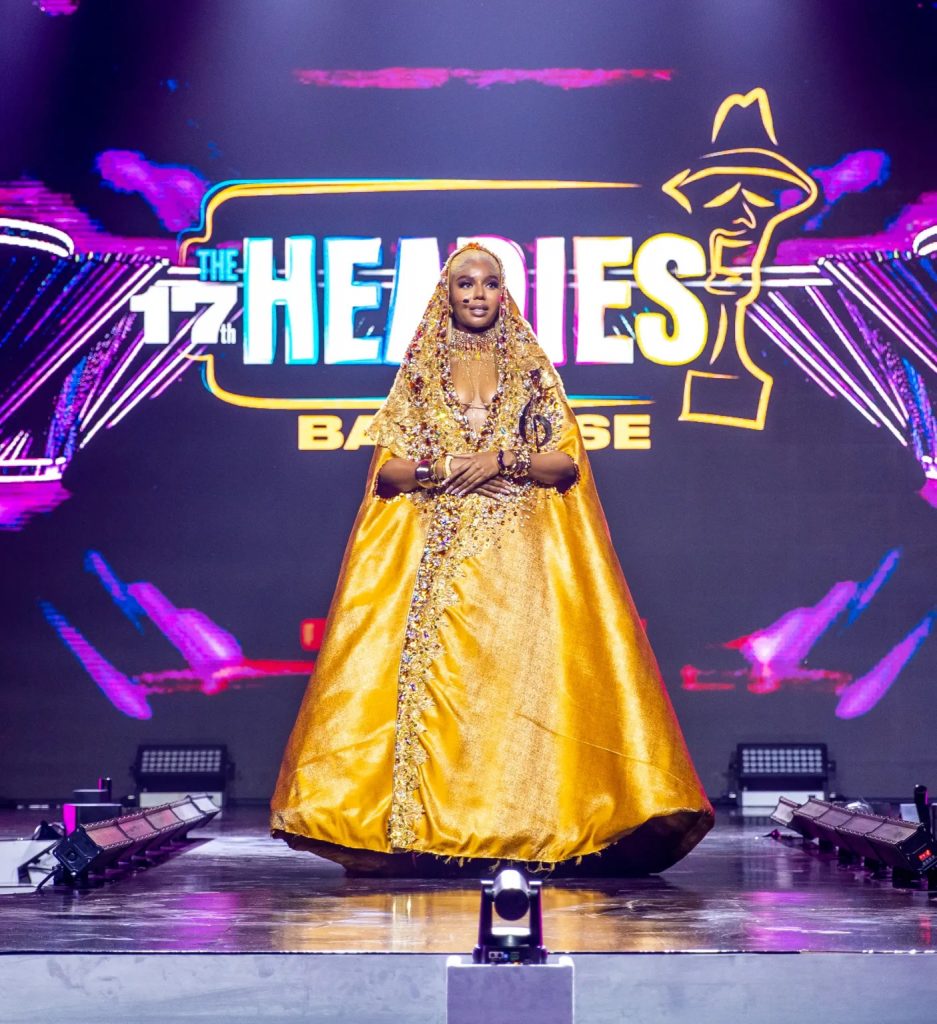
For its first fifteen editions, The Headies was a Lagos show. The Eko Hotel ballroom and a handful of other Victoria Island venues hosted the bulk of the ceremonies. That changed in 2022, when Animashaun announced the show would move to the Cobb Energy Performing Arts Centre in Atlanta.
The decision was polarising. Critics argued that a Nigerian awards show belonged in Nigeria, that holding it on American soil cut off the local industry workers, journalists and stylists who had built the Headies ecosystem. Supporters pointed to the simple fact that Afrobeats audiences had become genuinely global, and that an Atlanta edition put the show in front of the American music industry executives who were now signing African artists by the dozen.
The 2022 ceremony went ahead in Atlanta. The 2023 edition followed, again in Atlanta. Production values rose, international press coverage expanded, and the red carpet attracted a different mix of American hip-hop figures alongside the usual Lagos contingent. The trade-off, a more polished broadcast in exchange for a sense of distance from the home crowd, is still being debated in the Nigerian press.
The Trophy, The Hall of Fame and the Other Categories
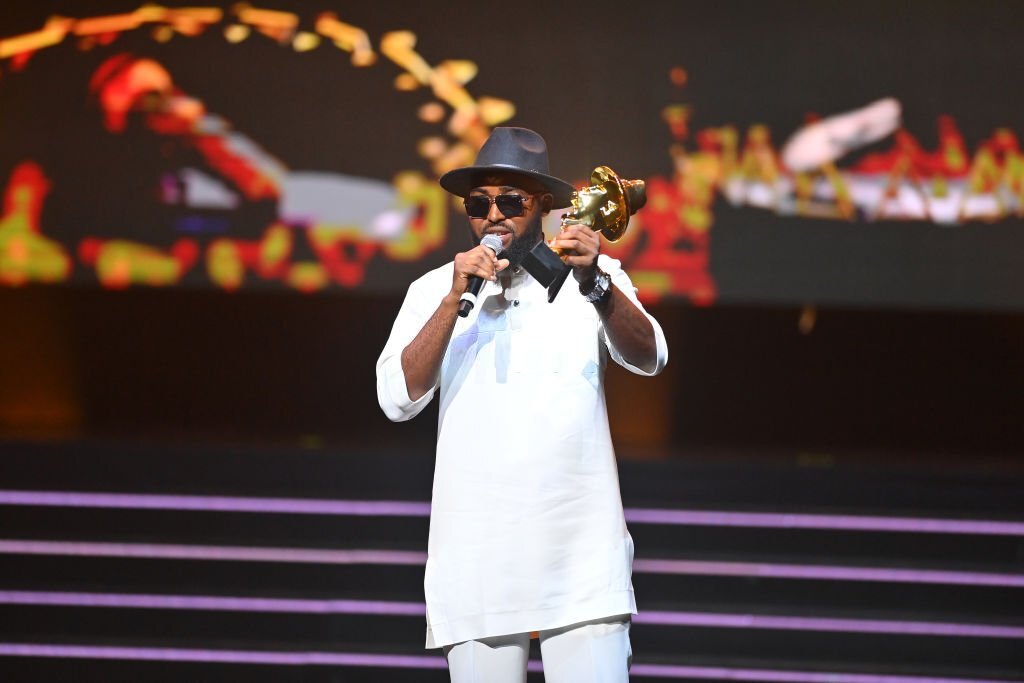
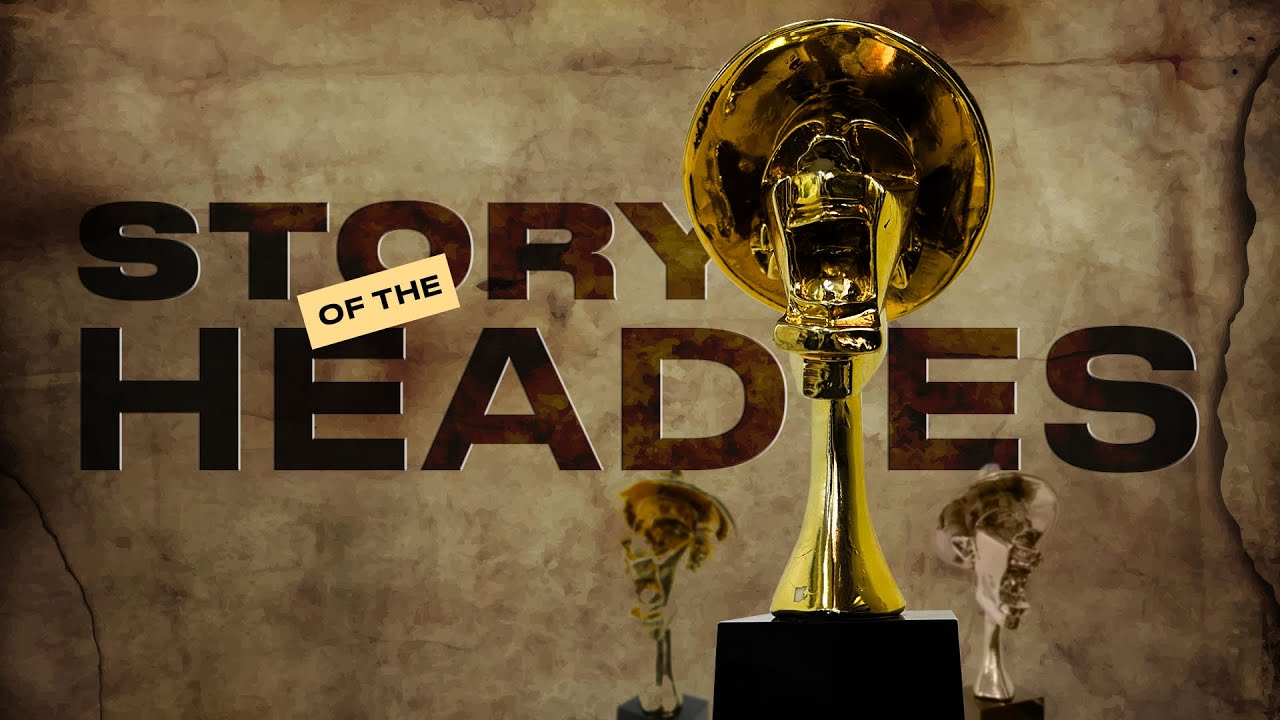
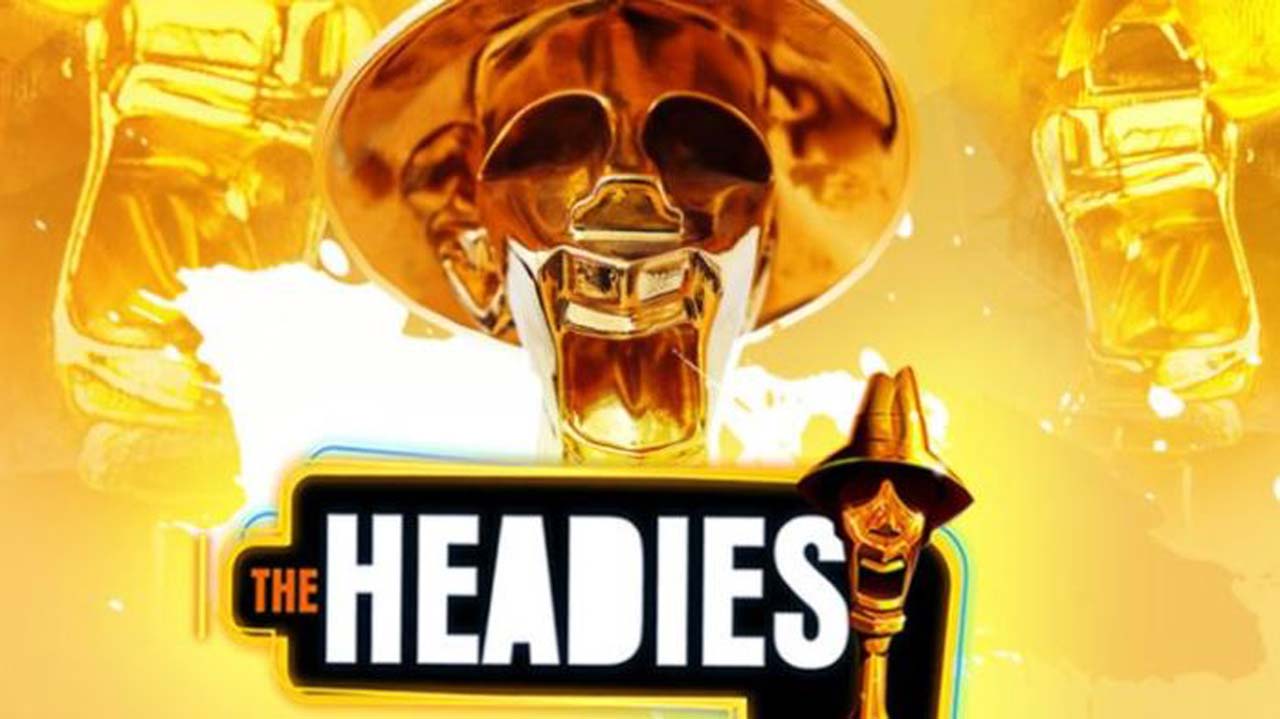
The Headies trophy itself is a head-shaped sculpture, a literal nod to the show’s name. Artists who have multiple wins often display them in clusters in studio session videos and home tours, and the trophy has become one of the more recognisable awards designs on the continent.
The Hall of Fame category is The Headies’ attempt to write history in real time. Inductees have included foundational figures of Nigerian popular music, with the category functioning as a lifetime acknowledgement rather than a year-specific award. Being inducted is read in the industry as a confirmation that an artist has crossed from active competitor to permanent reference point.
Beyond the headline categories, the show has built out an expanding genre map. Best R&B Single and Best R&B Album have tracked the careers of artists like Bez, Praiz, Johnny Drille and Tems. Best Pop Album has become the most contested category of the streaming era, with Wizkid, Davido, Burna Boy, Rema and Asake trading wins. Best Reggae and Dancehall has kept a light on Patoranking, Timaya and Stonebwoy collaborations. Best Hip Hop tracks the lineage from M.I. and Vector through to the current generation of Nigerian rappers fighting for radio space against Afropop dominance.
The Competitors: Soundcity MVP, AFRIMA and the Crowded Field
The Headies is no longer the only serious award in African music. The Soundcity MVP Awards, run by the Soundcity music television network, has built a younger, more pan-African voter base and a sleeker broadcast. AFRIMA, the All Africa Music Awards, leans on its continental scope and government partnerships to position itself as the African Grammys. The Trace Awards launched more recently with a similar pitch.
Yet The Headies has held its position as the most consequential Nigerian-rooted award. Two things explain it. First, the Next Rated car. No other African award has produced a single category that breaks artists at the same rate. Second, the institutional memory. Animashaun and his team have been doing this since 2006, and the cumulative archive of past winners makes Headies recognition feel like a piece of a longer story rather than a one-off trophy.
Why It Matters to Afrobeats
The Headies matters to Afrobeats for reasons that go beyond the statuette. The category list has functioned as a soft curriculum for the genre, defining what a Pop Album, a Recording of the Year, a Lyrical Performance and a Collaboration should sound like in the Nigerian context. Producers chase those definitions. A&R teams build release calendars around Headies eligibility windows. International journalists writing about Afrobeats for the first time often start with a Headies winners list because it is the cleanest available history of the genre.
The Rema, Tems and Asake era of dominance has played out almost entirely under the Headies lens. Rema’s rise from a Jonzing World signee to a Calm Down global chart record was tracked across multiple Headies nights. Tems collected Best R&B Single recognition before she ever sat on a Future record or sang the Wakanda Forever theme. Asake’s clean sweep at the 16th edition confirmed what Lagos had been saying since Sungba dropped.
Walk past the Cobb Energy Performing Arts Centre on a Headies night and the scene tells the story by itself. A teenager who started recording in a Surulere bedroom three years ago is in a tailored suit on the red carpet, fielding questions from an American entertainment reporter, with a Next Rated car parked behind a velvet rope and waiting to be driven home.
Ad SpaceIn-Article - 300x250
Advertisement
Share
Get the recap
Loved this story? Get more like it.
Join readers who get our weekly entertainment recap - the stories worth your time, delivered every Friday.
No spam. Unsubscribe anytime. By signing up you agree to our Privacy Policy.