

The trip from a Lagos bedroom setup to a major-label A-list session used to take a decade and a passport stamp. Now a finished instrumental can leave Surulere and land in an inbox in Los Angeles before lunch, and the producer who made it may never board a plane for the placement at all. That collapse of distance is what A and R departments at the American majors have spent the last few years trying to turn into a repeatable process.
The product they are buying is not only Afrobeats records. It is the people who make Afrobeats sound the way it does. The producers behind Wizkid, Burna Boy, Davido, Rema, Tems, and Asake have become sought-after free agents, courted with publishing deals, sample-pack arrangements, co-writing credits on pop songs with nothing visibly African about them, and administration deals of a kind that Lagos beatmakers simply were not offered a decade ago.
The pipeline that replaced the gatekeeper
For years the path from a Nigerian studio to a Western pop release ran through a single bottleneck: an A and R who happened to take a meeting, usually because an artist they already managed wanted an Afrobeats remix. That model produced a handful of crossover moments and a long tail of disputes over uncleared samples and uncredited work. What changed was less a single deal than a slow rewiring of how American labels source rhythm.
Executives with direct Nigerian relationships have been central to that rewiring. Tunji Balogun, who became chief executive of Def Jam in 2022 after years at RCA where he was closely involved in building Wizkid’s United States business, is the most prominent example of an executive arguing internally that the A and R function had to physically move rather than wait for records to arrive. Industry reporting over the same period has described more regular scouting activity in Lagos, closer working relationships with Nigerian managers, and a willingness to commission original production from Lagos rather than only licensing finished records. The practical effect is that a pop executive who needs a particular percussion feel now has a short list of Lagos names and a budget, where a few years ago the request would have gone to a producer in North America who had studied the style from a distance.
What “right” actually means to a Western label
The aesthetic the labels are paying for is specific, and it has very little to do with the genre tag “Afrobeats” as casual listeners use it. What pop A and Rs want is the swing. The displaced kick that lands a fraction late, the log drum’s bass-frequency conversation with the sub, the open hi-hat that lingers instead of choking, the way a Lagos producer will leave space at the top of the eight where a Western producer reflexively fills it with a synth pad. That negative space is the export.
The influence is audible across Western pop releases that carry no African marketing at all, in percussion choices, tempo ranges, and rhythmic phrasing that would have sounded out of place on pop radio ten years ago. Beyonce’s “The Lion King: The Gift” project, which drew on West African artists and producers directly, is the clearest moment where that exchange was made explicit rather than absorbed quietly.
The new producer economy
The deals being written today look nothing like what a Lagos producer could expect in 2019. The old inbound offer was a modest flat beat fee and a verbal promise of points on the back end that frequently never materialised. Producers and managers now describe a market where a credited placement on a major release comes with a real fee, royalty points on the master, a publishing split reflecting the co-write contribution, and per-stream income that accumulates meaningfully once a record lands on major playlists. Specific fees and point splits are privately negotiated and are not published by any party, so the dollar figures that circulate in interviews and on social media should be treated as anecdotes rather than market rates. This publication has not been able to verify any individual fee or royalty split quoted in the market.
Sarz, born Osabuohien Osaretin, sits at the top of this group. He has been one of the defining producers of modern Nigerian pop since the early 2010s, with Wizkid credits including “Jaiye Jaiye” and “Kilofe” on the “Ayo” album, a long run of records across the Nigerian A-list, and collaborative work with international artists including Skepta. His business now runs across multiple territories, which is the point: the Lagos producer as an international rights holder rather than a work-for-hire supplier.
P.Priime, who came up inside the Mavin Records ecosystem, represents a slightly different model. Where Sarz operates as a solo brand, Priime has built something closer to a production house, with junior producers, engineers, and writers working under a shared umbrella that can deliver a finished record against a label deadline. That capacity is exactly what major-label A and Rs are short of, because most individual producers of comparable calibre are sole operators who cannot absorb that volume.
Where Andre Vibez fits in

The case study cited most often is Rema’s “Calm Down,” produced by Andre Vibez and London. That record spent more than a year on the Billboard Hot 100, generated a Selena Gomez remix that pushed it into the global pop top ten, and became one of the most streamed African records ever released. It did not only make Rema a household name in markets that had never heard of Mavin Records. It made its producers names that American labels could place.
Andre Vibez has credits across the Mavin roster, including Ayra Starr’s “Rush,” and the pattern since “Calm Down” is the one every Lagos producer now wants: being flown out for a writing camp, paired with topline writers the label trusts, and asked to build instrumentals from scratch rather than to remix existing material. That is a meaningful upgrade from the beat-pack treatment producers outside North America used to receive, and it is the difference between being a vendor and being a collaborator.
The Mavin transaction and what it bought
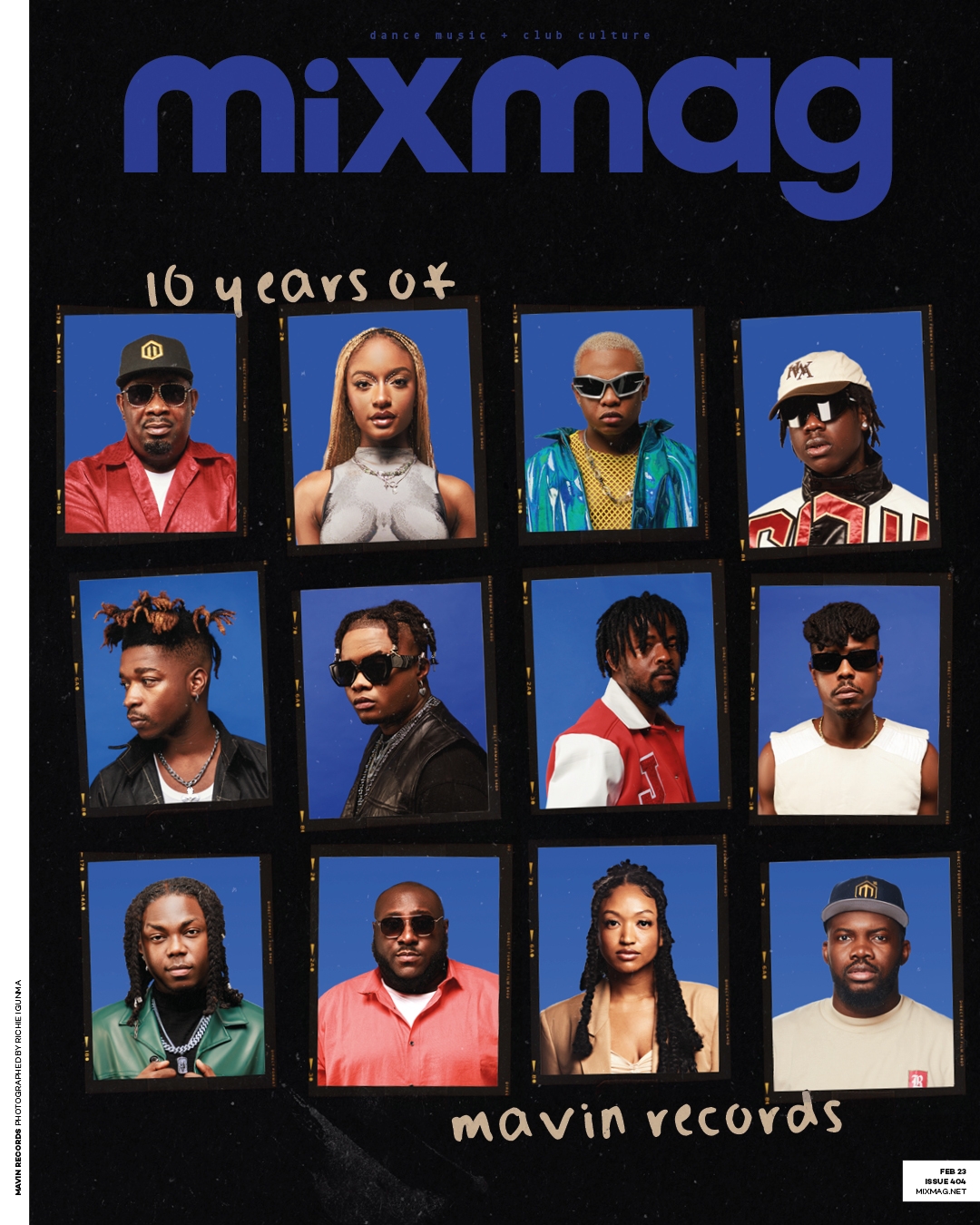
Universal Music Group’s acquisition of a controlling stake in Mavin Records, announced in early 2024 and reported in industry press as a nine-figure transaction, is usually discussed as a label deal: an artist roster grab, a foothold in the African market. The production bench that came with it received less attention and may matter just as much over time.
Mavin under Don Jazzy spent years building in-house production capability, with staff and freelance producers who could turn a Rema or Ayra Starr session into a finished single without external help. The commercial terms governing how that bench can be used across the wider UMG system have not been disclosed, and nothing published confirms any internal first-look arrangement, so the honest version is narrower than the speculation: a major label now owns a controlling position in the label that employs several of the most in-demand producers in African pop, and ownership of that kind tends to reduce friction. That structural plumbing is what the streaming-era majors have been quietly buying for a decade.