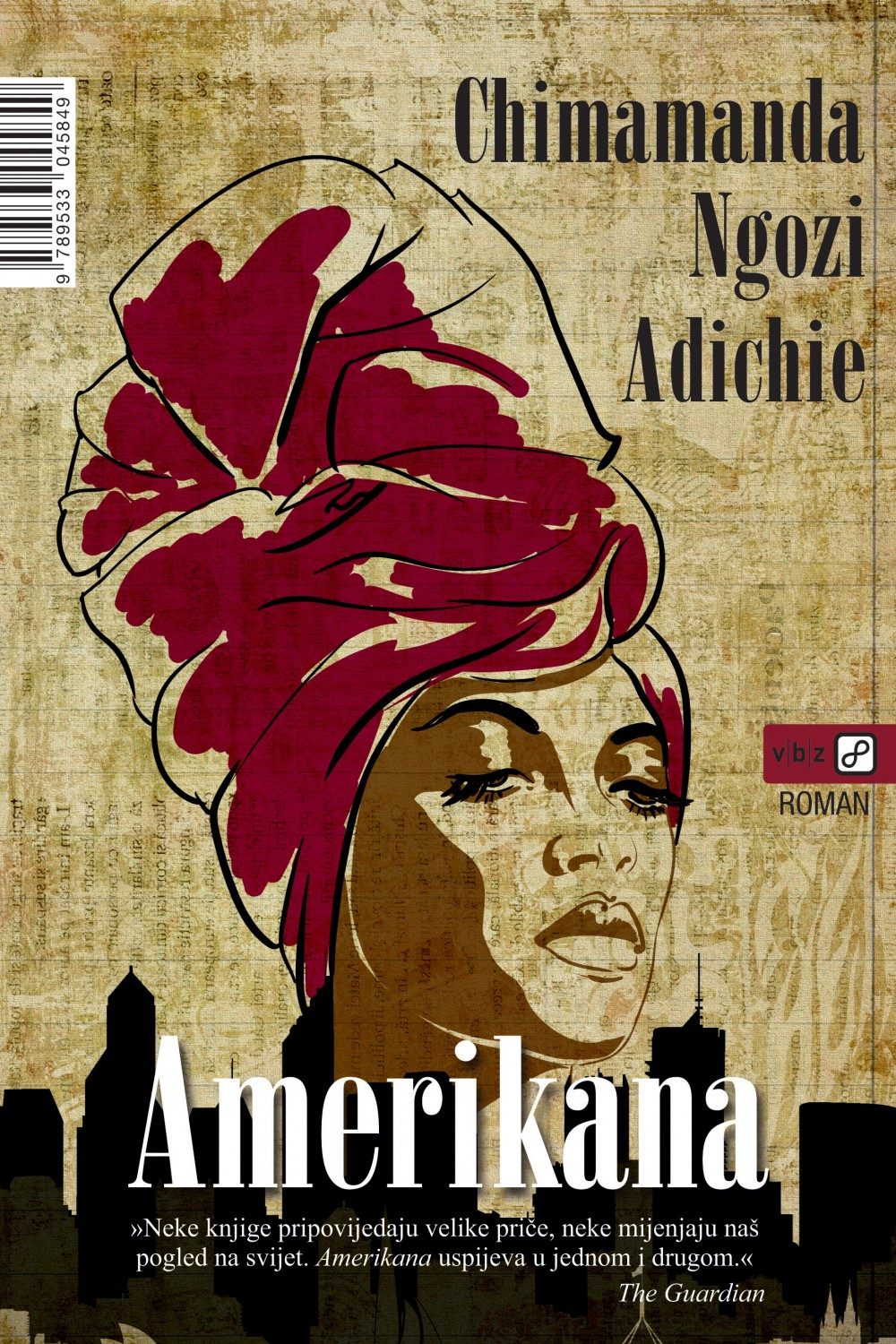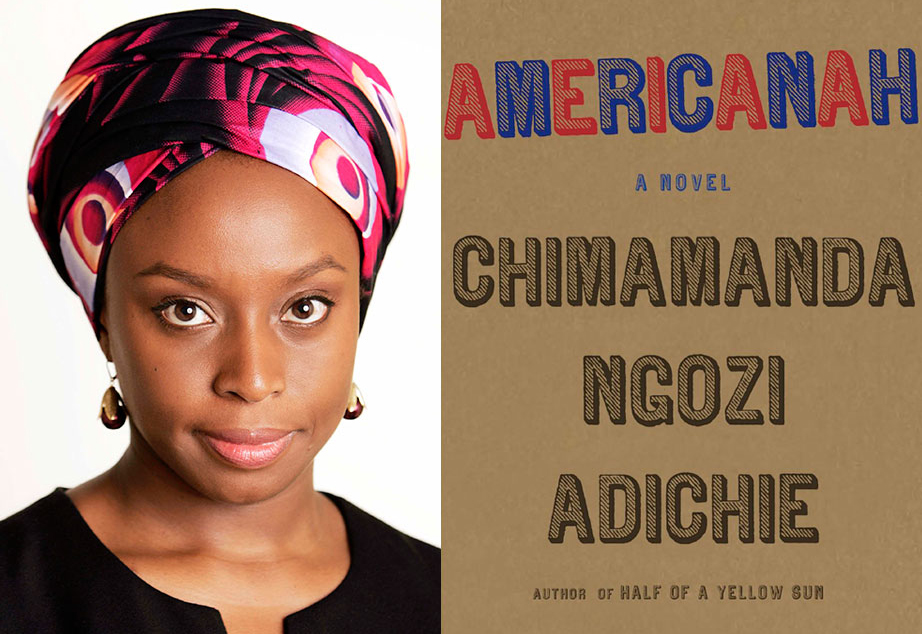

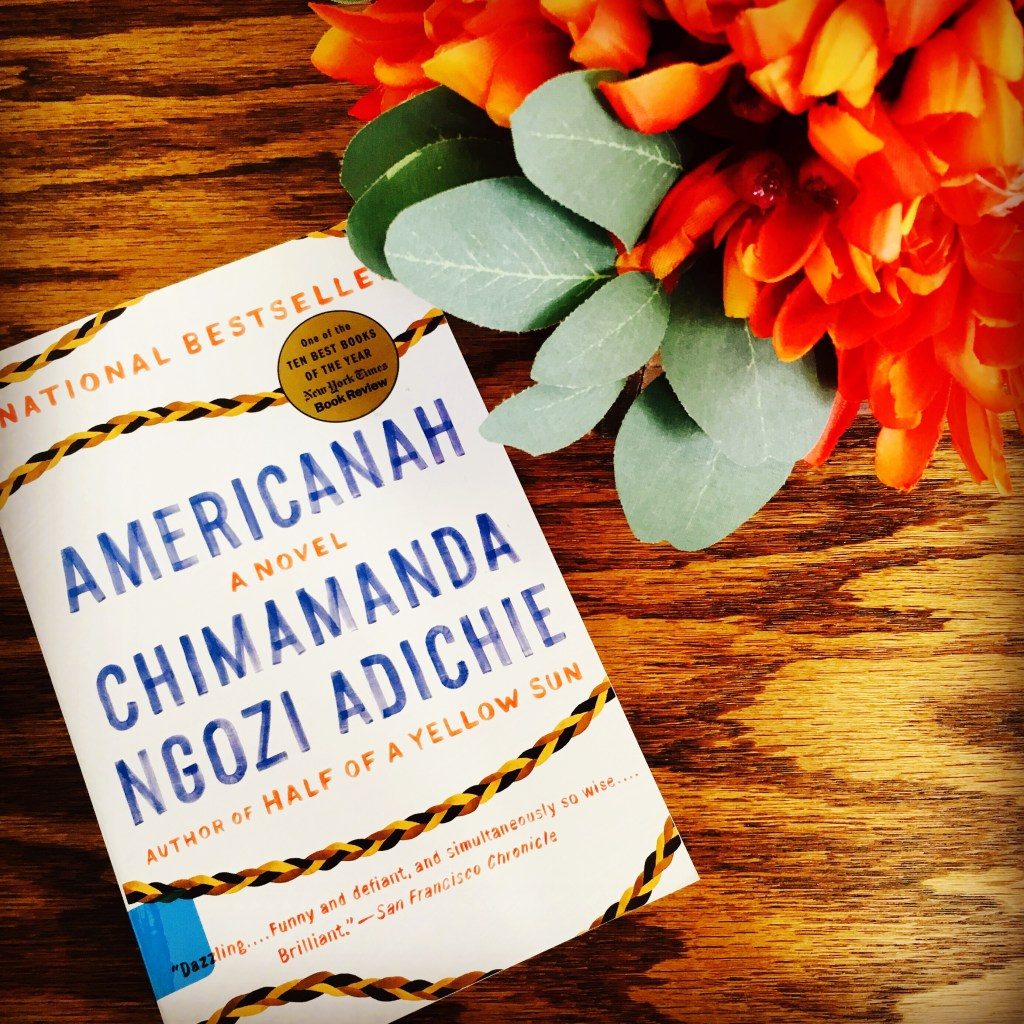
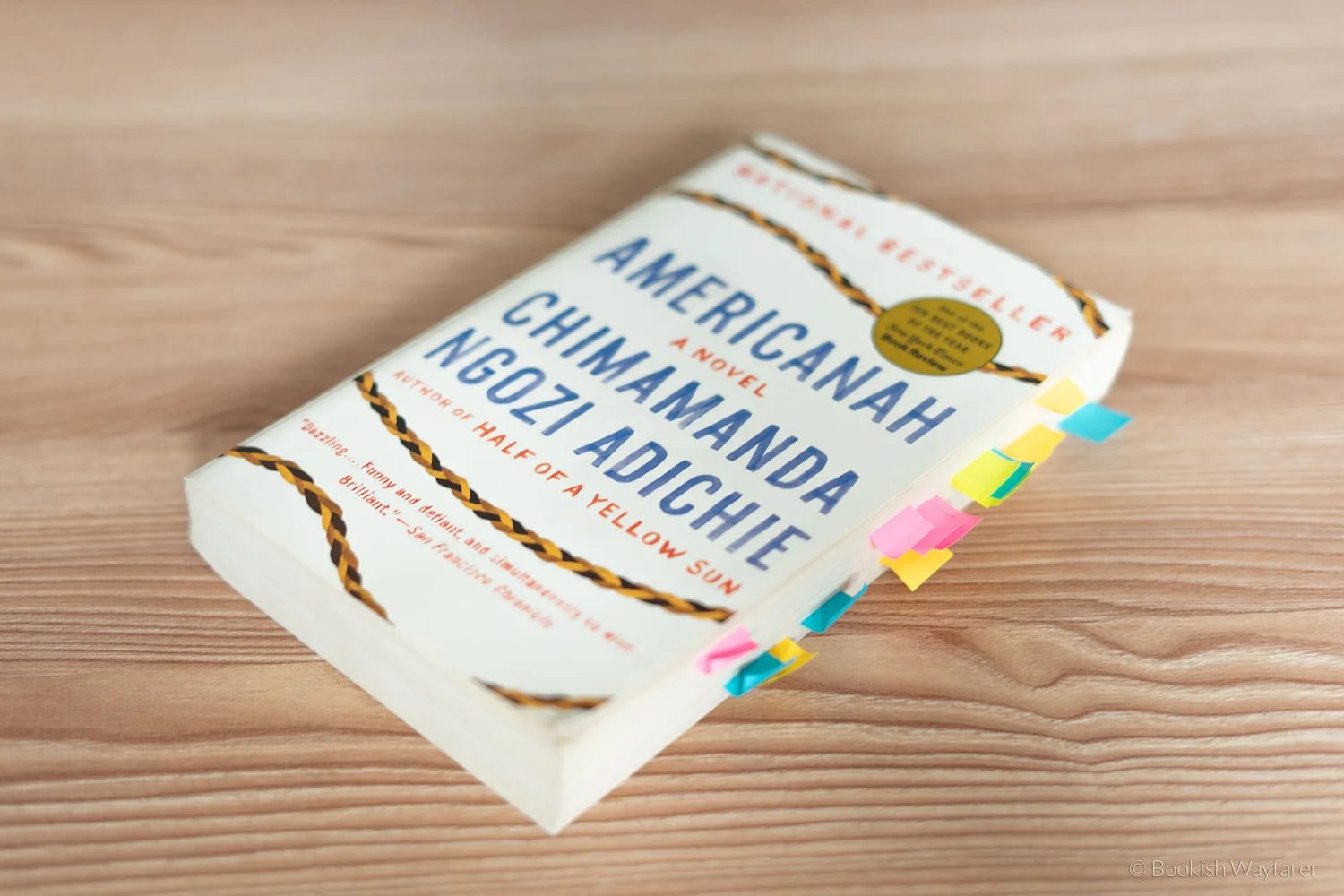
Ifemelu is sitting in an African braiding salon in Trenton, New Jersey, having her hair done before she flies back to Lagos for good, and the novel has, in a sense, already happened. Americanah unspools in flashback from that salon chair, which is one of its best decisions and also the source of most of its troubles. Hair takes a long time to braid. Memory unfurls at the pace of the braider’s hands. Chimamanda Ngozi Adichie published the book with Knopf in 2013 and won the National Book Critics Circle Award for fiction for it, and ended up with the closest thing the global literary market produced that decade to a definitive immigrant novel. Whether it is also a good novel is a more complicated question, and the answer depends partly on which passport you read it with.
| Title | Americanah |
|---|---|
| Author | Chimamanda Ngozi Adichie |
| First published | 2013 |
| Publishers | Knopf (United States), Fourth Estate (United Kingdom) |
| Setting | Lagos, the United States and London |
| Prizes | National Book Critics Circle Award for Fiction; Chicago Tribune Heartland Prize for Fiction; shortlisted for the 2014 Baileys Women’s Prize for Fiction |
Hair, the Salon, the Premise
Mariama African Hair Braiding sits on a side street in Trenton, a train ride from the Princeton where Ifemelu holds a fellowship and where no one braids hair. Ifemelu, author of a successful blog called Raceteenth or Various Observations About American Blacks (Those Formerly Known as Negroes) by a Non-American Black, has shut the blog down, broken with her American boyfriend Blaine and bought a ticket home after thirteen years in the United States. The novel opens, then, on a woman who has already decided to leave. The flashbacks fill in why she went, why she stayed and what finally made her stop.
The braiding salon framing device is doing serious thematic work. Adichie is writing about Black hair as a load bearing identity question. Ifemelu has only recently stopped relaxing her hair, and going natural is, in the world of the novel, a small political event with consequences for her job prospects, her romantic life and her self image. The braider Aisha, a Senegalese woman with patches on her arms and a complicated love life involving two Igbo boyfriends, is one of the book’s most quietly observed minor characters. She wants Ifemelu to persuade one of the men to marry her. Ifemelu cannot. The salon is also a place where African and African American women are both present and not quite at ease with each other, and Adichie writes that tension cleanly.
The Blog, the Set Pieces, and the Race Essay Problem
Interspersed through the novel are entries from Ifemelu’s blog. These are the most debated passages in the book. They are set off typographically, written in a voice slightly more declamatory than Ifemelu’s narration, and they function as short essays on race in America: on what white liberals will and will not say at dinner parties, on the difference between Non-American Blacks and American Blacks, on the Obama campaign, on how American tribalism actually sorts people. They were the passages that travelled. Readers, particularly white American readers in the late Obama era moment when Americanah landed, read the book partly for the blog entries, which functioned as race essay primers in novelistic form.
The trouble is that the blog entries break the novel. They stop the plot to deliver an argument. Adichie is a sharp essayist, as We Should All Be Feminists, drawn from her TEDx talk, went on to demonstrate at scale, and she knows how to land an argumentative paragraph. But in Americanah the argumentative paragraphs are not always earned by the surrounding scene. They can feel grafted on, especially in the late middle stretch when Ifemelu’s relationship with Blaine is fraying and the blog starts acting as a substitute for psychological interiority the novel is not otherwise giving us. This is also the most common Nigerian critical objection to the book: that Adichie wrote a novel about America for Americans, and that the Nigerian sections, when they finally arrive, feel comparatively cursory.
Obinze, the London Counterpoint
Parallel to Ifemelu’s American story is the story of Obinze, her secondary school boyfriend and great love, who fails to get an American visa in the post 9/11 clampdown and ends up in London as an undocumented worker. The Obinze sections are some of the strongest writing Adichie has done. He cleans toilets under a borrowed National Insurance number. He arranges a sham marriage to a young Angolan raised woman through a network of fixers, and immigration officers arrest him at the register office in Newcastle before the ceremony can take place. He is detained and deported to Lagos, and the novel gives his humiliation no softening.
These chapters work because they have a grim narrative momentum the American chapters lack. Ifemelu’s America is observation heavy and event light: a string of relationships, including the wealthy white Curt and the Yale academic Blaine, plus fellowships, jobs and blog posts. Obinze’s London is a thriller about a man trying not to be deported, and Adichie understands precarity from the inside out. His return to Lagos, where he becomes wealthy through a property arrangement with a Big Man known simply as Chief, also gives her something Ifemelu’s America cannot: a portrait of the new Nigerian rich. The dinner parties at Obinze and Kosi’s house, the wives appraising each other, the men talking business, are written with a sociological clarity that very little international fiction has brought to contemporary Lagos.
The Return, the Reunion, the Verdict
Ifemelu returns to Lagos and joins a circle of Western educated returnees, the Nigerpolitan set, who meet to complain about the food and the generators and the things Lagos does not have. She takes a job at a magazine, starts a new blog about life in the city, and finds Obinze again, now married to Kosi and the father of a small daughter, Buchi.
The ending has divided readers more than any other passage in Adichie’s work. Obinze leaves Kosi. The novel closes on Ifemelu opening her door to him. Reasonable readers have called this a betrayal of the careful sociological realism that preceded it. Others have called it the only honest ending the love story would tolerate. Adichie herself has been mildly impatient with the question in interviews: she set up a love story and she finished it, and the fact that the love story violates the marital sociology of contemporary Lagos is part of what she meant to write.