

First Afrobeats Song to Hit 1 Billion Streams on Spotify: How It Happened
Afrobeats

First Afrobeats Song to Hit 1 Billion Streams on Spotify: How It Happened

Jalen RossJalen Ross··11 min read
Advertisement

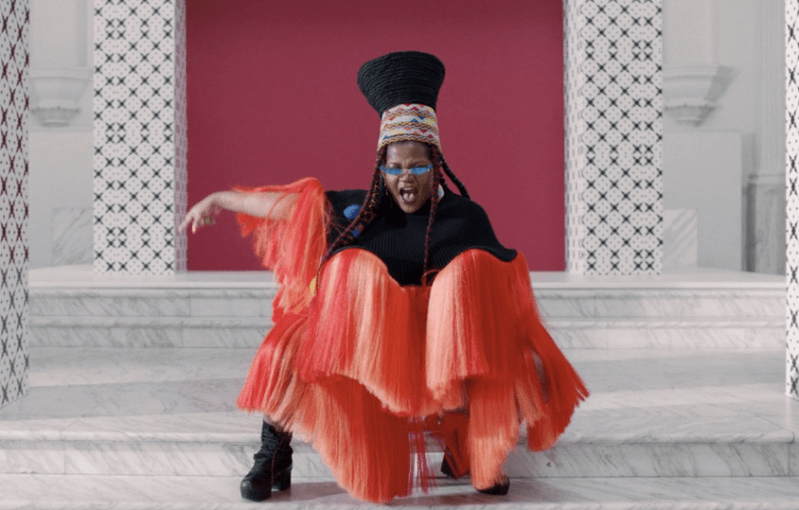
For years, Afrobeats had every other proof of arrival except the one that streaming-era pop music quietly treats as the real ceiling. There were sold-out tours across Europe, magazine covers, festival headline slots, and YouTube counters spinning into the hundreds of millions. What there was not, until late 2023, was an Afrobeats song with ten zeroes next to it on Spotify. Then Rema and Selena Gomez crossed that line with “Calm Down,” and the conversation about how big African pop could get reset overnight.

Why 1 Billion on Spotify Became the Number That Mattered

First Afrobeats Song to Hit - Why 1 Billion on Spotify Became the Number That Mattered

Streaming platforms are not all equal in the eyes of the global music industry. YouTube view counts run hot because they include passive plays, embedded videos, and looping fan edits. Apple Music is a closed shop that rarely publishes individual song milestones. Spotify sits in the middle as the most transparent, most international, and most analyst-friendly platform, which is why the 1 billion threshold there functions like a passport stamp for any song chasing a place in the pop canon.

For Afrobeats artists, the politics of that number ran even deeper. Nigerian and Ghanaian songs had been racking up hundreds of millions of YouTube views since the early 2010s, and the genre had long argued that Western metrics underrated its actual global reach. Spotify, with its dominant share in the United States, the United Kingdom, Latin America, and large stretches of Europe, was the platform where Afrobeats most needed to prove itself. A billion plays there meant the song had crossed into the routine rotation of listeners who were not necessarily looking for African music when they pressed play.

The Path Before Rema
First Afrobeats Song to Hit - The Path Before Rema

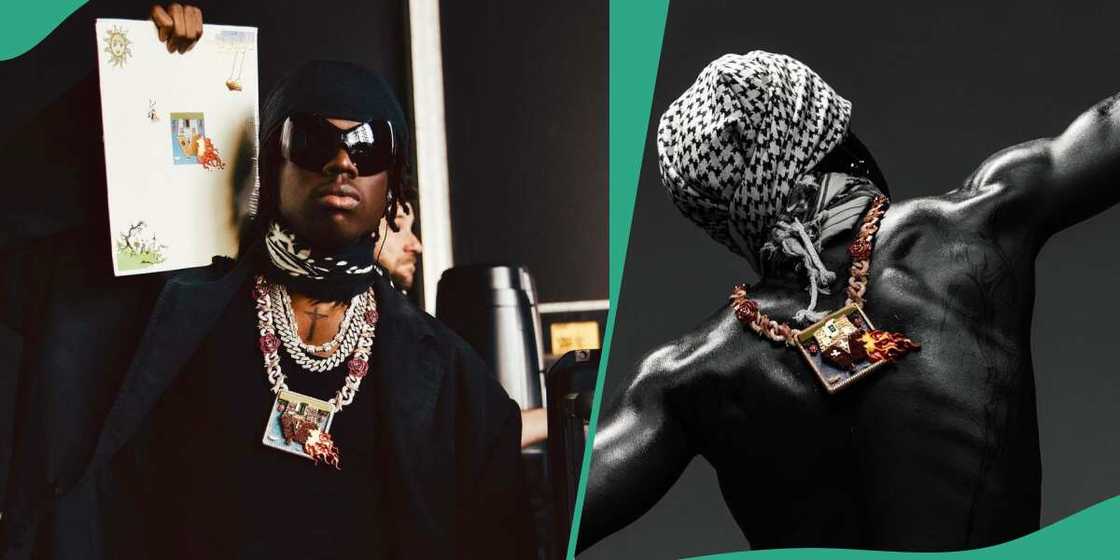
Before “Calm Down,” the closest the genre had come to the billion mark on Spotify ran through three songs that still get discussed as the genre’s modern foundation.

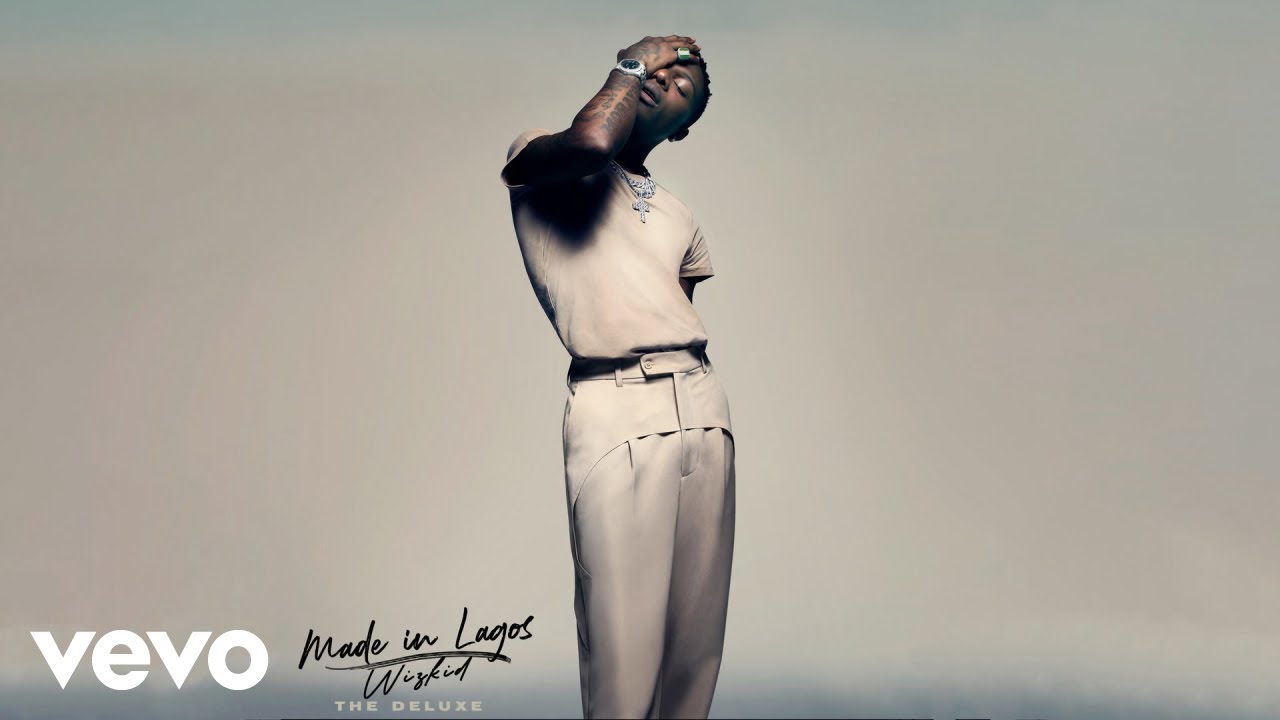
“Essence” by Wizkid featuring Tems
First Afrobeats Song to Hit -

Released in 2020 as part of Wizkid’s “Made in Lagos” album, “Essence” was the song that made Western critics start using the word breakthrough without qualifiers. It became the first Nigerian song to enter the Billboard Hot 100 in 2021, peaking at number nine after a Justin Bieber remix added a fresh promotional cycle. “Essence” did not cross 1 billion on Spotify in its first run, but it cleared the runway. Every major Western label that signed an Afrobeats artist in the next two years pointed at “Essence” as evidence.

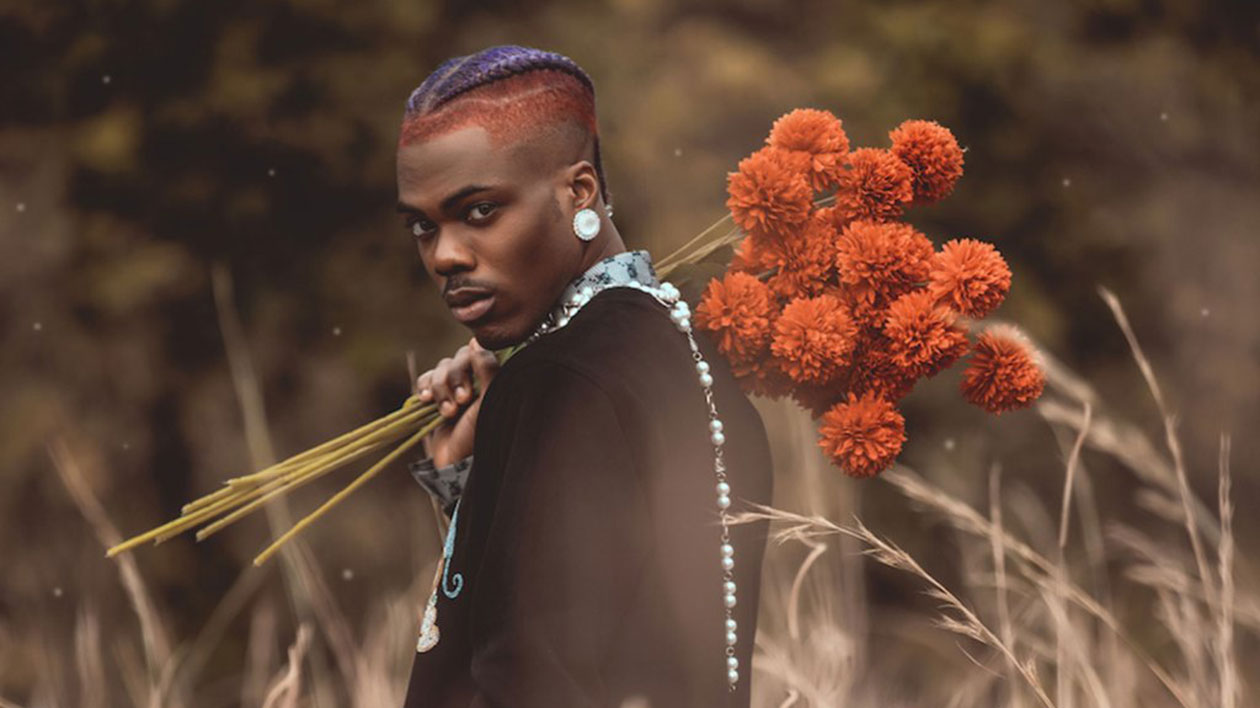
“Love Nwantiti” by CKay
First Afrobeats Song to Hit -

A 2019 song that exploded in 2021 thanks to TikTok, “Love Nwantiti” was the genre’s first true streaming juggernaut on YouTube and the first to cross 1 billion YouTube views. Its Spotify story moved slower. The song had multiple official versions and several unofficial uploads, which split its streaming credit across releases. By the time the catalog was consolidated, “Calm Down” had already taken the genre’s billion-stream crown.

“Last Last” by Burna Boy
First Afrobeats Song to Hit -

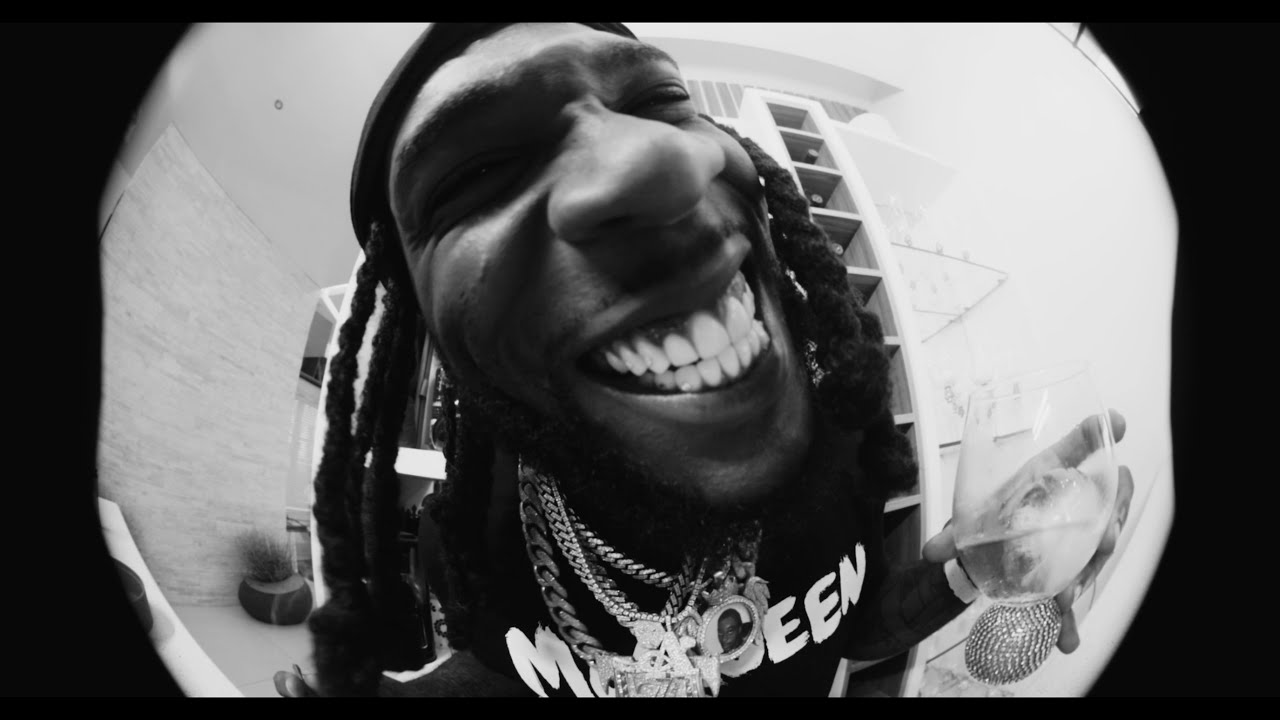
Released in May 2022, “Last Last” was a true Afrobeats track with no Western feature artist and no English-language guest hook. It was a critical and commercial success, scoring high on Billboard, going platinum in multiple countries, and earning Grammy attention. But its pace on Spotify was steady rather than explosive, and it crossed 1 billion streams only in 2024, well after Rema had set the marker.

The Rema Story
First Afrobeats Song to Hit - The Rema Story

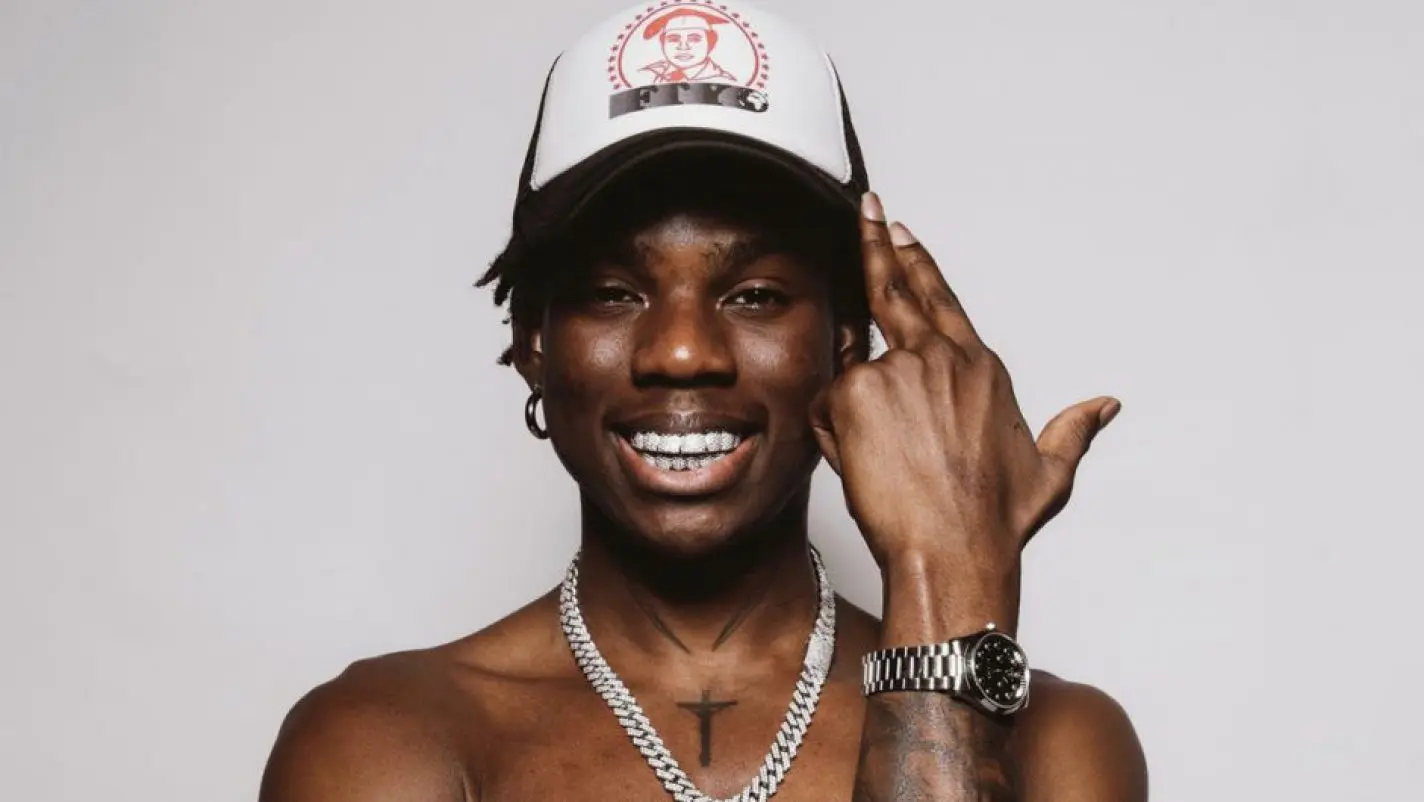
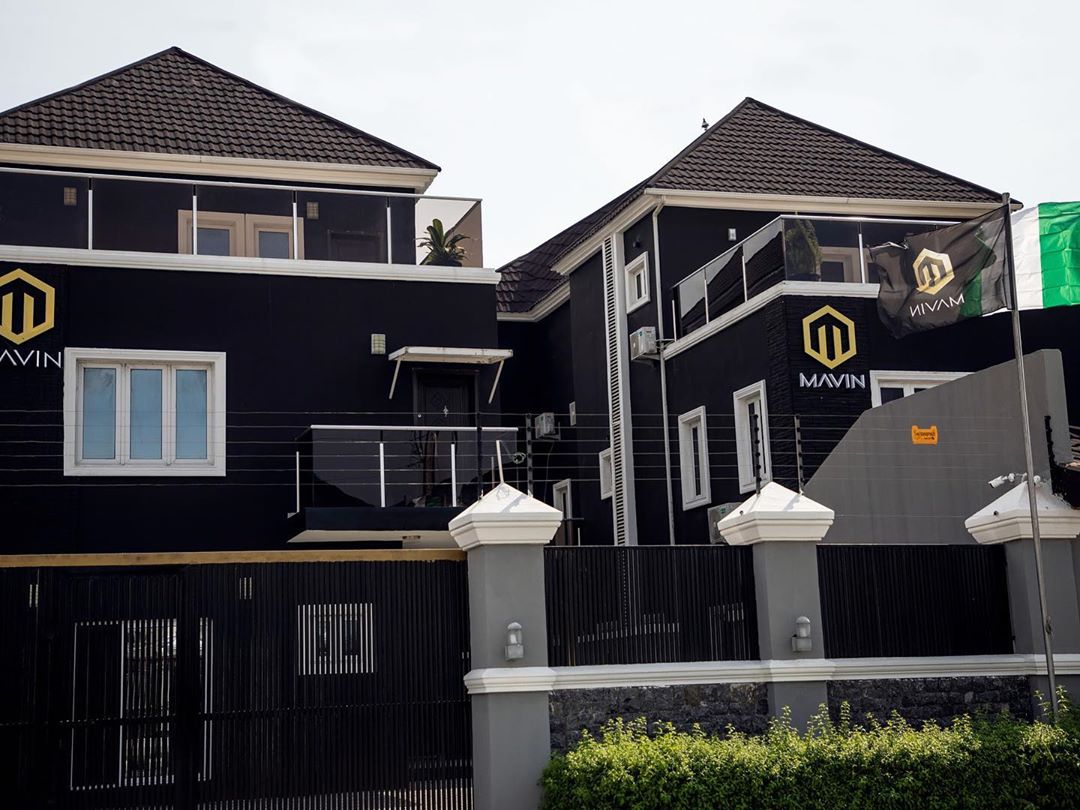
Divine Ikubor was born in 2000 in Benin City, Edo State, into a family that lost both his father and older brother before he turned twelve. He came up posting freestyles online, and one of those clips found its way to D’Prince, the singer and label founder who runs Jonzing World. D’Prince signed Rema and brought him into the wider Mavin Records ecosystem run by his brother, the producer Don Jazzy.

Rema’s breakthrough EP, simply titled “Rema,” landed in March 2019. The single “Iron Man” off that project caught Barack Obama’s attention. The former United States President included it on his publicly shared summer playlist that year, and the moment functioned as one of the strangest co-signs in modern African pop. A Tiny Desk Concert performance for NPR followed in 2020, by which time Rema was already being positioned as Mavin’s flagship export.

What separated Rema from the Wizkid and Davido generation was sound. He leaned into a self-described pop genre he called “Afrorave,” blending Indian and North African melodic influences with the rhythmic backbone of traditional Afrobeats. The result was a sonic identity that did not feel like a copy of anyone else on the chart.

“Calm Down”: The Original Release

“Calm Down” arrived in February 2022 as part of Rema’s debut studio album “Rave & Roses,” released through Mavin, Jonzing World, and Virgin Music Group, the Universal-owned distribution arm. Produced by Andre Vibez with co-production credit shared with London Cypher, the original version is a mid-tempo, almost weightless record built on a soft log drum pattern, lush synth pads, and Rema’s signature half-sung, half-spoken delivery.

The song performed well across Africa and in Afrobeats-friendly diaspora markets through the spring of 2022. It charted in the United Kingdom and France and was already trending on TikTok in early summer. But on its own, the original version was tracking like a successful Afrobeats single rather than a global phenomenon.

The Selena Gomez Remix

In August 2022, six months after the original, Mavin and Virgin released “Calm Down (with Selena Gomez).” The remix was a calculated move. Gomez was one of the most-followed people on the planet on Instagram, and her vocal addition gave the song an English-language hook in the verse that American Top 40 radio could schedule without hesitation.

The remix did not change the production. The track stayed in Rema’s sonic world, and Gomez sang in his key, on his tempo, over his beat. That decision mattered. Plenty of crossover attempts in the previous decade had buried the African artist under a Western feature. “Calm Down” did the opposite. Gomez became the guest in Rema’s house, and listeners encountering the song for the first time on American or European pop radio were hearing Afrobeats, not a pop song with an Afrobeats accent.

The TikTok Ignition

By autumn 2022, “Calm Down” was no longer being marketed. It was being carried. A dance challenge built around the chorus moved through TikTok in waves, and the song became the soundtrack for everything from couple videos to lip-syncs by Bollywood actors. Indian creators in particular adopted the track at a scale that surprised the label, and India quietly became one of the song’s biggest streaming markets.

The platform’s algorithmic favoritism toward repeat-use audio compounded the effect. Every new dance video, every fashion edit, every travel montage was another nudge toward Spotify. By the end of 2022, the song was the most Shazamed track in the world for multiple weeks in a row.

The Billboard Hot 100 Climb

“Calm Down” debuted on the Billboard Hot 100 in late 2022. Most chart hits peak within their first few weeks. “Calm Down” did the opposite, climbing slowly and steadily as American Top 40 radio added it to rotation through the winter and into the spring. It hit number three on the Hot 100 in May 2023, the highest position any Afrobeats song had ever reached and a record that still stands.

Advertisement

It also broke the genre’s longevity record. The song spent 57 weeks on the Hot 100, an endurance run that no Afrobeats track had ever matched. Through most of 2023 it was simultaneously charting in over 30 countries, with multi-week number-one runs in India, the United Arab Emirates, the Netherlands, and across Sub-Saharan Africa.

Spotify Daily Streams at Peak

At its commercial peak in mid-2023, “Calm Down” was generating between four and five million Spotify streams per day worldwide. That pace meant the song was adding roughly 30 million streams a week without any single promotional push driving the numbers. It had become passive infrastructure, woven into playlists across Today’s Top Hits, Global Top 50, Viva Latino, Bollywood Butter, Afro Hits, and dozens of editorial and algorithmic destinations.

The 1 Billion Crossing

The song crossed 1 billion Spotify streams in late 2023. Rema marked the moment across his social channels, Mavin Records issued a celebratory statement, and Virgin Music Group used the milestone as the centerpiece of a press cycle that ran for weeks. African music press, from NotJustOk to Native Magazine to Pulse Nigeria, treated the crossing as a genre-defining moment.

It mattered that the song hit the number while still actively charting. Most 1 billion stream songs reach the mark years after release, with the cumulative play count climbing slowly as catalog streams accumulate. “Calm Down” crossed the line while it was still inside the Billboard Hot 100, an unusual combination that confirmed it was not just a successful song but an active cultural object.

The 2 Billion Crossing

In mid-2024, “Calm Down” crossed 2 billion Spotify streams. By 2025, the cumulative count was past 2.5 billion and still climbing. The song’s chart performance had finally cooled in the United States, but it was still being added to playlists in markets where Afrobeats was still finding new listeners, and its presence in films, advertisements, and sports broadcasts kept the rotation alive.

The Accolades That Lined Up Behind the Streams

The 2023 awards cycle treated “Calm Down” as a coronation. Rema won Best Afrobeats at the MTV Video Music Awards in September 2023, marking the first time MTV had introduced a dedicated Afrobeats category and the first time the song’s success at that scale was acknowledged on a mainstream American awards stage.

The song picked up a Grammy nomination for Best African Music Performance at the 2024 ceremony, the first year that category existed. It lost to Tyla’s “Water,” a South African Amapiano-leaning record that itself was breaking records in parallel. “Calm Down” also won at the MOBO Awards in the United Kingdom and at AFRIMA, and Apple Music placed it on its Best Songs of 2023 list.

The Runners in the Chase

Once Rema crossed 1 billion, the rest of the Afrobeats top tier started chasing the line. Burna Boy’s “Last Last,” released months after the original “Calm Down” but months before the remix, crossed 1 billion Spotify streams in 2024. Davido’s “Unavailable,” featuring South African vocalist Musa Keys and released in March 2023, crossed 800 million Spotify streams by 2025 and is on track to cross the billion mark. CKay’s “Love Nwantiti” finally consolidated its streaming credit and crossed 1 billion Spotify streams in late 2024, years after its TikTok peak.

The Pattern Hidden in the Numbers

Looking at the four Afrobeats songs that have crossed or are close to crossing 1 billion Spotify streams, a pattern emerges that the genre’s label executives quietly acknowledge. Every song that has crossed the line so far had a feature with a non-African pop star or a remix designed to enter American or European radio. “Calm Down” had Selena Gomez. “Essence” had Justin Bieber on its remix. “Love Nwantiti” leaned on an English-language remix featuring Joeboy and Kuami Eugene that pushed the song into Western markets.

“Last Last” is the closest thing the genre has to a pure Afrobeats billion. No Western feature, no English-language guest, no remix designed for American radio. It still took two years to cross the line. That gap is the marker that Afrobeats has cleared the first stage of global pop but is still chasing the second.

The Economics of a Billion Streams

Spotify pays artists between three and five thousand dollars per million streams, with the exact figure depending on the artist’s contract structure, the listener’s country, and whether the play happened on a free or premium tier. For “Calm Down” at 2.5 billion streams, the gross revenue generated for the rights holders from Spotify alone is in the range of 12.5 million dollars.

That money does not land in Rema’s bank account. It flows first to the distributor, Virgin Music Group, which takes its cut. From there it flows to Mavin Records and Jonzing World, which split a label share. From there it flows to the producer credits, Andre Vibez and London Cypher, and to publishing partners covering the songwriters. By the time the chain settles, the artist sees a fraction of the gross, often somewhere between 15 and 25 percent depending on contract structure. Rema’s “Calm Down” earnings from Spotify alone, after all deductions, are likely in the seven-figure range rather than the eight-figure headline number. Touring, sync licensing, and brand deals built on the song’s profile are where the real wealth multiplies.

The “Calm Down” Effect on Afrobeats

The song reset the industry math for Nigerian pop. Virgin Music Group expanded its Lagos operations within months of the 1 billion milestone. Warner, Sony, and Universal subsidiaries opened or expanded African artist services divisions through 2023 and 2024. Signing bonuses for top Nigerian artists climbed. Distribution deals that used to assume an Afrobeats ceiling of 100 million streams started writing 500 million into their projections as a baseline.

It also shifted the kind of song that gets greenlit. Producers reported a noticeable increase in label requests for mid-tempo, melodic, slightly minor-key Afrobeats records in the “Calm Down” lane. Whether that homogenization is healthy for the genre’s long-term creativity is a separate argument, but commercially the song became a template.

What Comes Next

The remaining ceiling for Afrobeats on the global pop charts is a pure Afrobeats number one on the Billboard Hot 100. Rema got to number three with “Calm Down.” Tems has been to the top of the chart, but as a featured vocalist on Future and Drake’s “Wait For U.” No solo Afrobeats artist has reached number one with an Afrobeats song.

The other open ceiling is a billion-stream Afrobeats song without a Western feature. “Last Last” closed in on that target, but no song has hit the mark cleanly. The next time it happens, it will be the second great milestone for the genre, and the artist who pulls it off will be the one who proved Afrobeats can carry that scale on its own back.

Until then, “Calm Down” stands as the song that did it first, the record that turned the streaming question into a closed argument, and the Spotify number that finally answered Afrobeats’ longest-running debate.

Advertisement
Share
Get the recap

Loved this story? Get more like it.

Join readers who get our weekly entertainment recap - the stories worth your time, delivered every Friday.

No spam. Unsubscribe anytime. By signing up you agree to our Privacy Policy.

First Afrobeats Song to Hit 1 Bi... | Sidomex Entertainment