How Lagos Became the Music Capital of Africa: The Full Untold History
Jalen Ross··8 min read
Ad SpaceArticle Top - 728x90
Advertisement
The first time a recording studio opened on the Lagos mainland that was professional enough to record international-quality music, the year was 1969. The studio was Decca West Africa’s facility in Apapa. The Nigerian musicians who first walked through its doors had no idea they were laying the foundation for a city that, fifty-six years later, would produce more globally streamed music than any other African capital. The story of how Lagos became the music capital of Africa is a story about specific buildings, specific decisions and specific people who showed up to do the work.
The Colonial Foundation
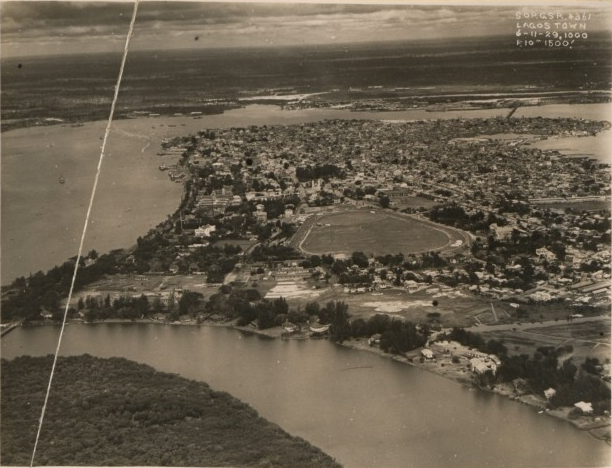
Lagos’s emergence as a major West African city traces back to the colonial era. The British transferred the colonial administrative capital from Calabar to Lagos in 1914, and the city’s growth from that point forward was substantially shaped by British colonial economic and political decisions.
The colonial-era Lagos developed as a port city with substantial international trade connections. The trade routes brought money, people and cultural influences from across the British Empire and beyond. The musical implications were significant. Lagos became one of the West African cities where international musical influences (Cuban rumba, American jazz, Caribbean calypso, British military band music) intersected with local Yoruba and broader Nigerian musical traditions.
The colonial-era Lagos music scene that emerged from this cultural mixing produced highlife as one of its most important outputs, with the genre’s commercial centre eventually settling in Lagos despite its Ghanaian origins.
The Post-Independence Boom
Nigerian independence in 1960 created a cultural moment that Lagos absorbed disproportionately. The nationalist enthusiasm of the post-independence era produced demand for distinctly Nigerian cultural production. Musicians, writers and artists who wanted to be part of building post-colonial Nigerian identity gravitated toward Lagos as the cultural centre.
Bobby Benson, Victor Olaiya, Rex Lawson and other musicians of this era built careers based in Lagos. The dance band tradition flourished, with multiple venues hosting regular performances by major acts. The recording infrastructure to support these careers gradually developed, with Polygram, EMI and other major labels establishing Nigerian operations.
The post-independence Lagos music scene was substantially male-dominated, but female pioneers like Christy Essien-Igbokwe also built careers based in the city during this era.
The Fela Kuti Era
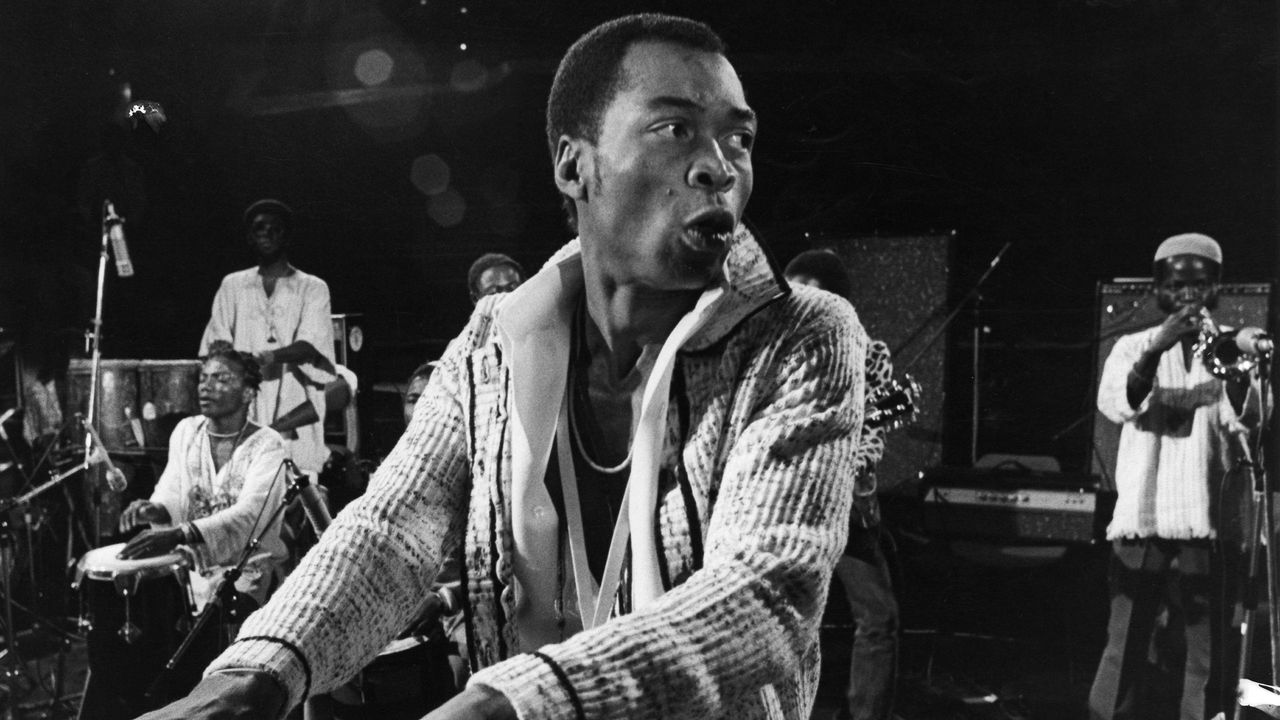
Fela Anikulapo Kuti’s emergence as a major Lagos figure through the 1970s shaped the city’s musical identity in particular ways. His Kalakuta Republic and Afrika Shrine became cultural institutions that defined what Lagos music meant for an entire generation.
Fela’s combination of musical innovation, political activism and cultural authority made him one of the most consequential Lagos cultural figures of the 20th century. His influence extended beyond his own music. The Shrine venue, the political consciousness he embedded in his work, the international attention he attracted and the broader cultural conversation he generated all shaped Lagos’s emergence as a music capital.
The Afrobeat genre Fela pioneered was distinctly Lagos-based, even when it drew on broader Yoruba, jazz and funk influences. The city’s claim to be the music capital of Africa was substantially built on Fela’s foundational work.
The Oil Boom and the 1970s
Nigeria’s oil boom in the 1970s brought wealth that flowed disproportionately into Lagos. The city’s population grew rapidly, the consumer economy expanded, and the demand for entertainment grew correspondingly.
The oil boom era produced infrastructure that supported the music industry. Recording studios, broadcast facilities, performance venues and distribution networks all developed during this period. The infrastructure mattered because subsequent musical generations could build on facilities and networks that already existed.
The Lagos of the 1970s also began absorbing migration from other parts of Nigeria as people moved to the city in search of economic opportunity. The musical implications of this migration were substantial. Musicians from southeastern, northern and other Nigerian regions brought their musical traditions to Lagos, where they intersected with the existing Lagos scene.
The Juju Music Capital
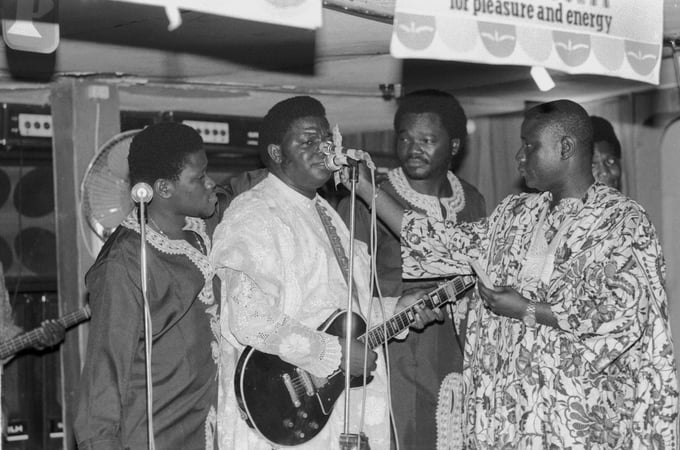
Through the 1970s and 1980s, Lagos cemented its position as the global capital of juju music. King Sunny Ade, Ebenezer Obey, Sir Shina Peters and the broader juju music ecosystem operated primarily from Lagos. The international visibility juju music achieved through King Sunny Ade’s Western label deals brought Lagos into international music industry consciousness.
The juju era infrastructure included substantial venue networks, established recording studios with international-quality equipment, and label operations that handled both domestic and international distribution. The infrastructure compounding over years built Lagos’s overall position as a serious music industry city.
The Structural Adjustment Era
The 1980s brought Nigerian structural adjustment policies that affected the music industry substantially. The currency devaluation, the reduction in import capacity for music equipment and the broader economic crisis pressured the established music industry infrastructure.
The structural adjustment era’s effects on Lagos music were mixed. Some established artists struggled. The recording quality of some Nigerian music declined as imported equipment became harder to source. But the era also produced creative adaptations as musicians and producers worked with whatever resources were available.
Ad SpaceIn-Article - 300x250
Advertisement
The Pirate Cassette Era and Alaba
The 1980s and 1990s also saw the rise of the informal music distribution economy centred on Alaba International Market in Lagos. The market became the centre of music piracy in Nigeria, with massive volumes of pirated cassettes (and later CDs) being produced and distributed across the country and the broader West African region.
The piracy era is complicated in its effects on Lagos music. On one hand, it devastated the formal recording industry’s revenue model, making it difficult for artists to monetise their work through traditional channels. On the other hand, the piracy distribution network actually spread Nigerian music across West Africa and beyond at scales the formal industry could not have achieved.
Many of the artists who built careers in the 1990s and early 2000s did so partly through the piracy network that distributed their music. The genre’s eventual global breakthrough in the contemporary Afrobeats era was substantially built on the audience that the piracy network had cultivated.
The Satellite Television Era
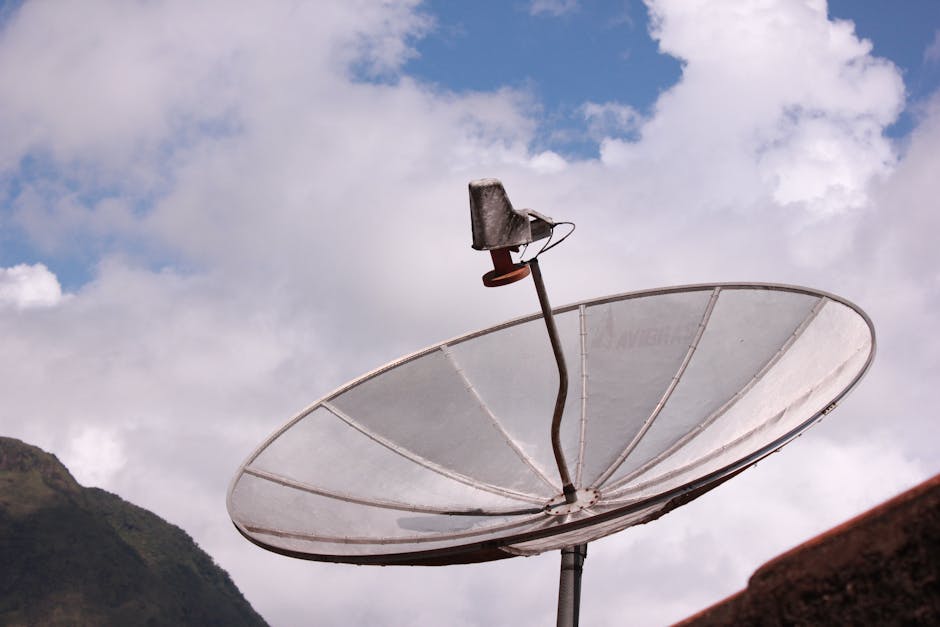
The 1990s also saw the emergence of satellite television, particularly the MTV channels and the African Channel One Movies brand, that gave Nigerian music videos international exposure. The combination of music videos and satellite distribution allowed Lagos artists to reach audiences across Africa and the African diaspora in ways previous distribution methods could not.
The music video era also pushed Lagos studios and production companies to develop the visual production capabilities that contemporary Afrobeats videos still benefit from. The visual production infrastructure that supports global-quality Afrobeats music videos in 2026 was substantially built in Lagos during the 1990s and 2000s.
The Internet and Streaming Era
The internet and streaming era from roughly 2005 onward transformed Lagos’s position as a music capital in particular ways. The piracy problem that had hurt the formal recording industry became less central as digital distribution provided alternative revenue models. The international visibility that had been limited by physical distribution constraints expanded dramatically as Nigerian music could now reach global audiences directly.
The streaming era’s effects on Lagos compounded over years. By the 2010s, the city was producing music that was reaching global audiences at scales previous generations of Lagos artists could not have imagined. Wizkid’s Drake collaboration, Burna Boy’s Grammy wins and the broader Afrobeats explosion all benefited from the infrastructure Lagos had been building for decades.
The Contemporary Lagos Music Industry
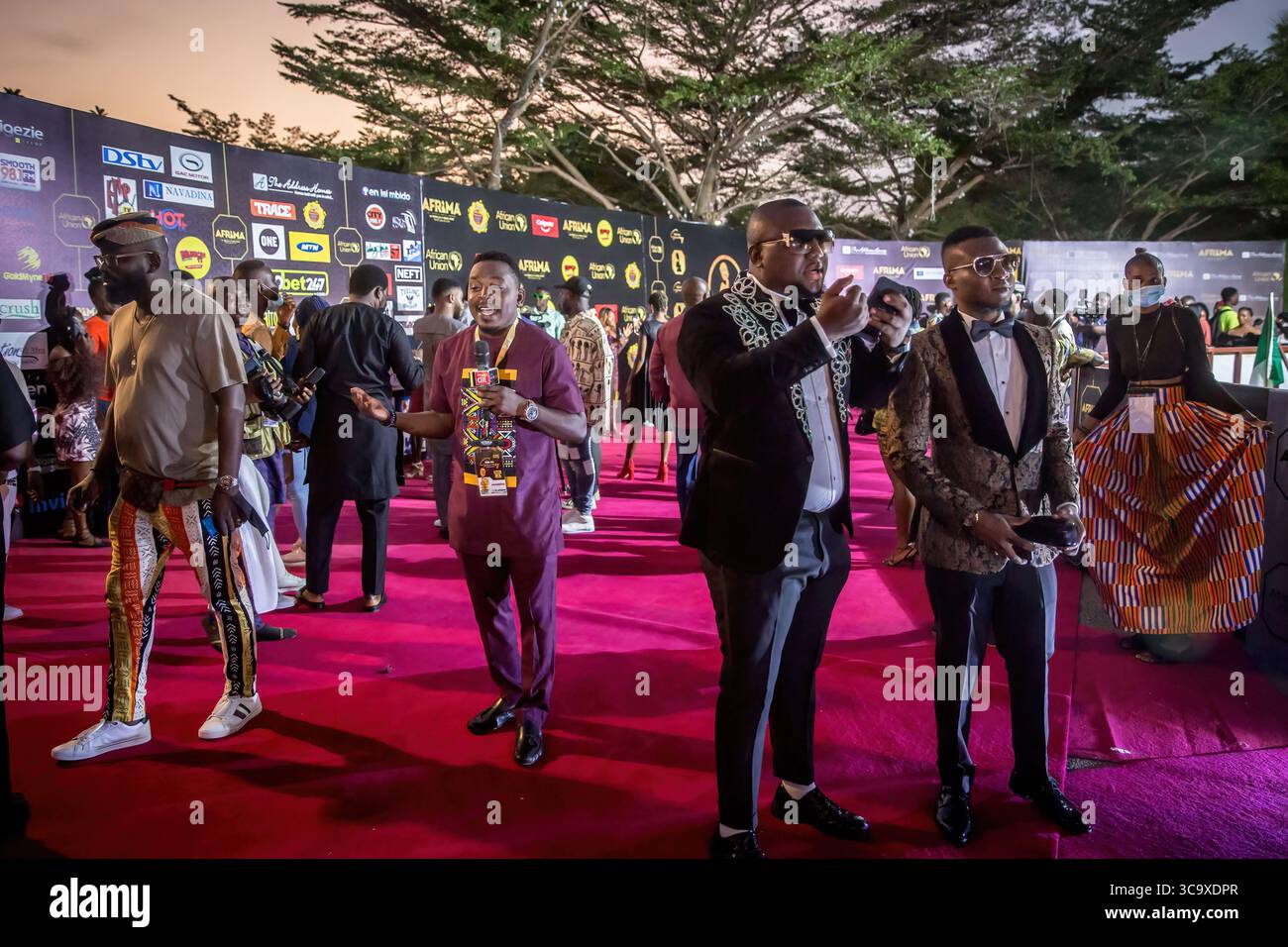
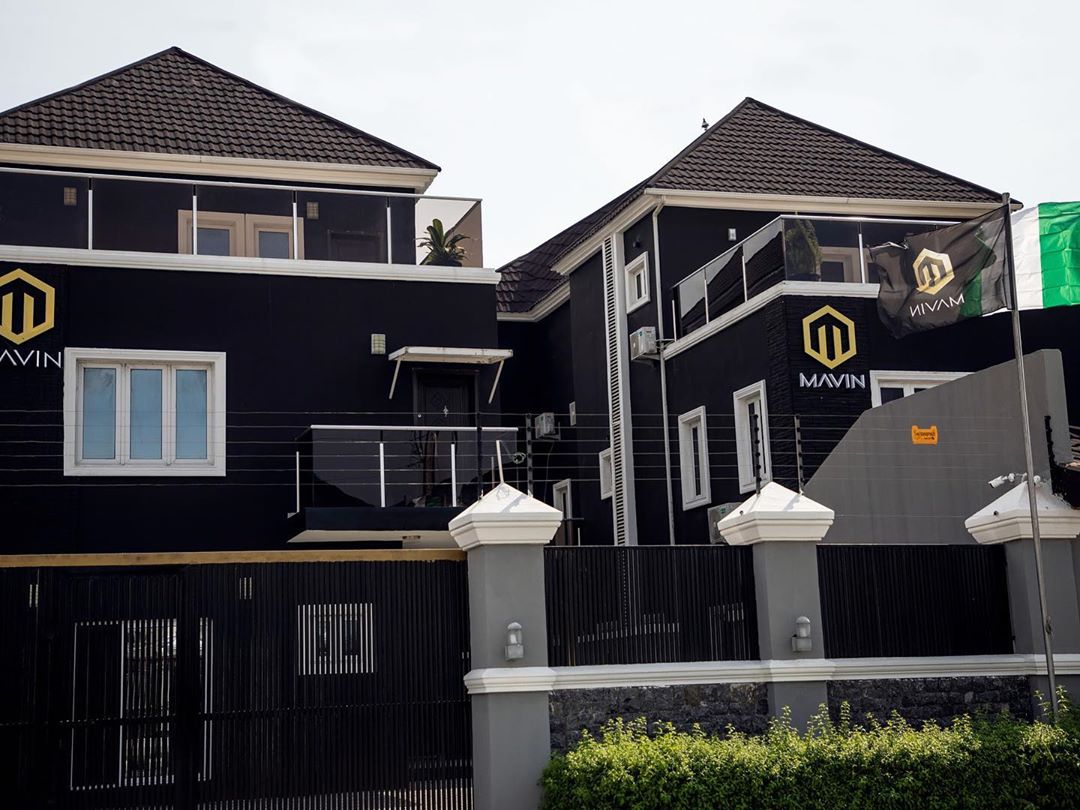
Lagos in 2026 hosts an extensive music industry ecosystem. Major labels including Mavin Records, Aristokrat Records, Chocolate City and various others operate from the city. Recording studios at every quality level operate across multiple Lagos districts. Music video production companies, marketing and PR agencies, talent management firms and various other supporting businesses all operate at scale.
The city’s continued investment in music infrastructure compounds over time. Each new studio, each new label, each new management firm adds capacity that the broader industry benefits from. The agglomeration effects are substantial. Artists, producers, songwriters and various other music industry professionals concentrate in Lagos because the opportunities are there.
The Lekki and Victoria Island Axis
The geographic centre of contemporary Lagos music has shifted toward the Lekki and Victoria Island districts, where many of the major studios, labels and management companies are based. The geographic concentration matters because it makes physical access to industry resources easier for artists who are based in or visiting these areas.
The Lekki-Victoria Island concentration also represents the broader economic stratification of Lagos. The most economically successful musicians, producers and executives concentrate in the wealthier districts, while artists at earlier career stages often live in less expensive areas. The geographic dynamics affect access in ways that the music industry itself sometimes glosses over.
What Makes Lagos Uniquely the Music Capital
The factors that make Lagos uniquely positioned as Africa’s music capital in 2026 include the historical infrastructure development described above, the population scale that supports a large domestic audience, the international diaspora connections that provide global distribution channels, the talent agglomeration effects, the established label ecosystem and the continuing investment in production infrastructure.
Other African cities have meaningful music scenes. Johannesburg is the Amapiano capital. Accra has built a substantial scene. Nairobi has produced significant artists. But the combined depth and breadth of Lagos’s music infrastructure exceeds any of these alternatives by substantial margins.
The 2026 Forward View
Lagos’s position as the music capital of Africa is unlikely to be displaced in the foreseeable future. The infrastructure investment, the talent agglomeration and the international integration all compound year over year in ways that competitors cannot easily match.
For Sidomex readers tracking the broader African music ecosystem, understanding Lagos’s specific position matters. The city is not just one of multiple African music centres. It is the dominant centre, with the infrastructure to remain so for the next several decades.
The story of how Lagos got there is the story of decades of cumulative work by artists, producers, executives and infrastructure builders. The contemporary moment of Afrobeats global dominance is the latest chapter in that ongoing story. The next chapter will be built on the same foundations the previous chapters established.
Lagos earned the position. The cumulative work of six decades by musicians, producers, label executives, sound engineers, venue operators and infrastructure builders made the city what it is in 2026. The position is unlikely to be displaced because the agglomeration effects are too substantial. Other African cities can build music scenes. None of them are positioned to displace Lagos in the foreseeable future, and the reasons are written in the history rather than the chart positions.
Ad SpaceIn-Article - 300x250
Advertisement
Share
Get the recap
Loved this story? Get more like it.
Join readers who get our weekly entertainment recap - the stories worth your time, delivered every Friday.
No spam. Unsubscribe anytime. By signing up you agree to our Privacy Policy.