
At a barbershop in Surulere, a customer walks in, drops his bag on the counter, and announces to nobody in particular: “Omo, sapa don catch me.” The barber laughs without looking up from the clippers. A teenager scrolling TikTok in the corner snorts. Nobody translates, because nobody needs to. The sentence carries an entire economic situation, a generational mood, and a piece of pop-cultural shorthand that has, in the last five years, escaped Lagos and started turning up in Brooklyn group chats and London university hallways.
If you’ve been following Afrobeats for more than a year, you’ve heard half of these words already. Wizkid sings them. Asake screams them. Rema slips them into bridges. But the songs rarely stop to explain. This is a working glossary, organised by the part of life each word lives in, with notes on where the slang was born, who carries it, and where it sits in 2026.
Money, Hustle, and the Lack of Both
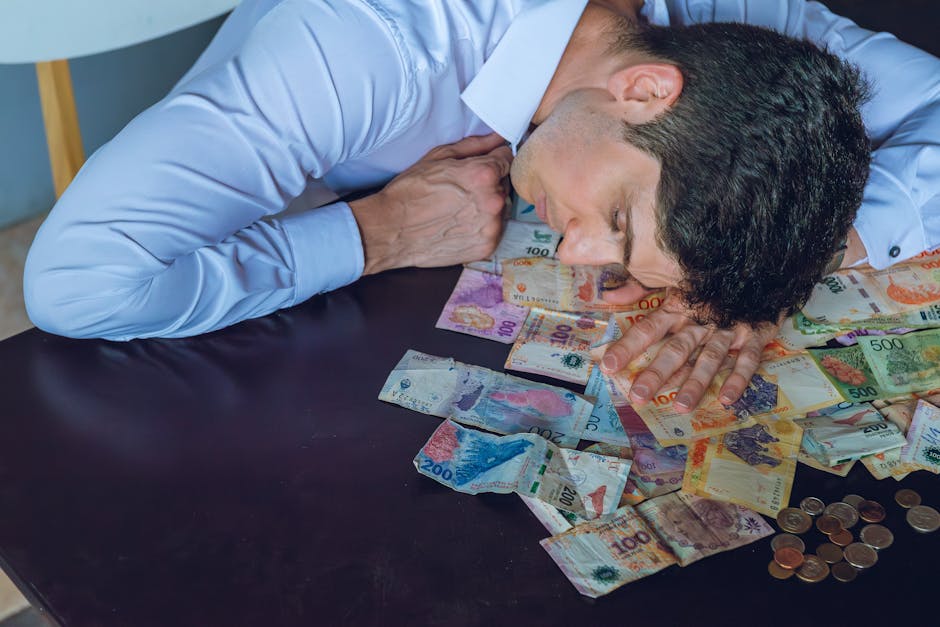
Sapa is the word of the decade. It means broke, but a specific kind of broke - the brokeness that ambushes you on a Wednesday when you thought you had enough. It is personified, almost a demon. “Sapa caught me” is the construction. The word is Yoruba-rooted street slang that exploded around 2019 and now appears in songs by Olamide, Zlatan, and even gospel-adjacent acts. It survived the pandemic because everybody had a sapa story.
Hustle in Nigerian English is closer to “purposeful grind” than the corporate self-help version. A “hustler” is respected. The verb form, “I dey hustle,” is a status update, not a complaint.
Pepper dem translates roughly to “show off to them, hurt them with your success.” Burna Boy named an entire album *African Giant* tour around this energy. The phrase peaked with Davido’s *A Better Time* era and remained a fixture through 2024. It is aspirational malice, the joy of letting your haters watch.
Soft life belongs to women first, men second. It refers to the curated lifestyle of luxury, ease, brunches, and not having to suffer for anything. The phrase was coined on Nigerian Twitter around 2018 and has since gone global, surfacing in Beyoncé interviews and *Vogue* think pieces. It is not just wealth - it is wealth without struggle, often financed by someone else.
Japa is the most politically loaded word on this list. Yoruba for “to escape” or “to run,” it has become the catch-all term for emigrating from Nigeria. Canada, the UK, the US, Germany - if a young Nigerian is leaving, they are japa-ing. There are japa playlists, japa Twitter accounts, japa visa consultants. The word has even become a verb in English-language Nigerian newspapers.
Cashout in Nigerian usage often means a sudden windfall rather than a planned withdrawal. Naira Marley’s *Mafo* era built a sub-genre around the word.
Romance, Lust, and the Space Between
Aje butter is what you call someone soft, pampered, raised on imported cereal and air conditioning. The opposite is Aje paco, the street-bred kid who grew up rough. The distinction maps loosely onto class but more importantly onto sensibility. A Lekki girl might be aje butter even if her family isn’t actually that rich, because the manner is what matters.
Toaster is the man who is pursuing you romantically. The verb is “toasting.” “He’s toasting me” is what a woman tells her friends when she’s being chased. The word is gentle, almost affectionate. A toaster can be a serious suitor or a chronic nuisance. Context decides.
Sharperly is a contemporary adverb meaning quickly, decisively. It surfaced around 2020 and turned up in Asake’s “Sungba” remix.
Pikin is Pidgin for child or, in romantic context, “my baby.” Davido uses it warmly. So does almost every Afrobeats love song from the last decade.
Detty means dirty, wild, unrestrained, usually in the context of a good night out. The “Detty December” period - the three weeks from mid-December to early January when the diaspora floods Lagos for parties - has become a tourism category. Concerts, beach parties, owambes. Detty is celebratory; it is not pejorative.
Wahala means trouble or drama. “No wahala” is the most common Nigerian phrase in any conversation - “no problem.” When somebody says “Wahala dey,” they mean things are about to get complicated.
The Vibe Vocabulary
Cruise in Nigerian slang has nothing to do with ships or relaxed driving. It means joking, riffing, having fun at somebody’s expense in a way that everyone understands isn’t serious. “We dey cruise” is “we’re just messing around.” A “cruise master” is a person who knows how to keep the room laughing.
Ginger is encouragement, motivation. To “ginger somebody” is to pump them up. The word also appears in song titles - Rema’s “Ginger Me” being the most famous.
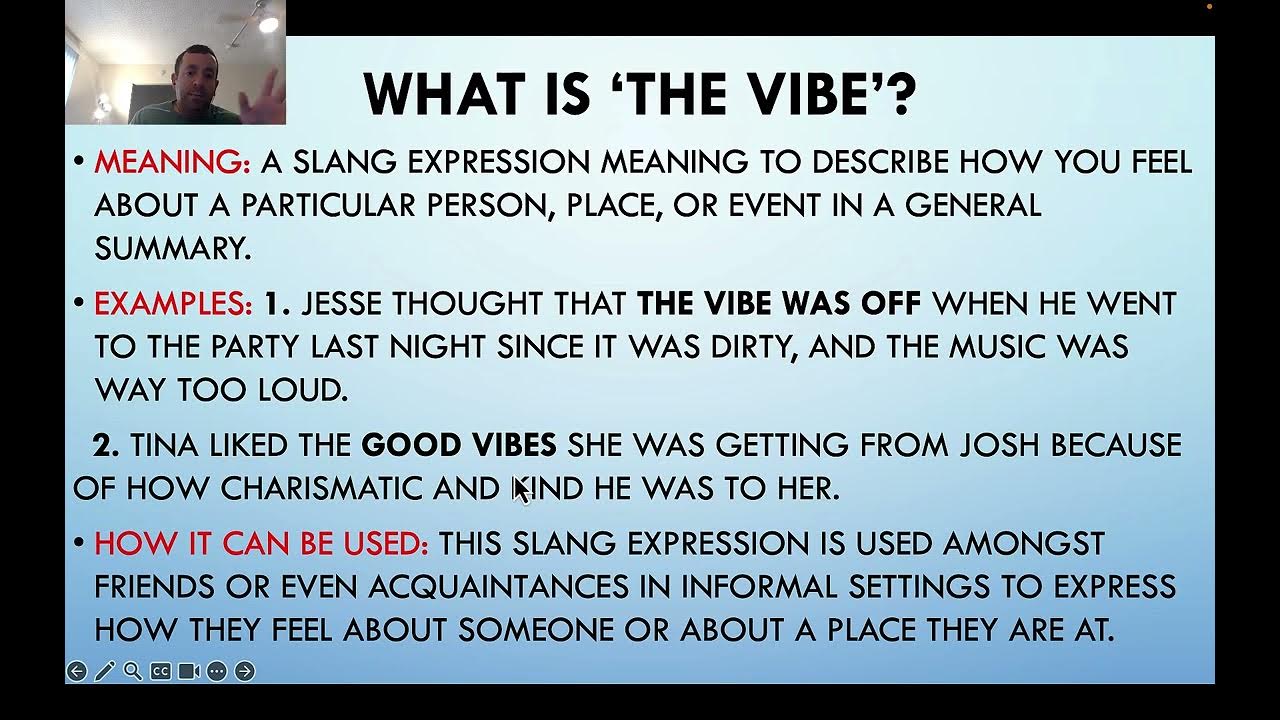
Vibes in Nigeria, like everywhere else, means atmosphere or energy, but it is closer to a moral category than in American usage. A person with “good vibes” is a complete endorsement. A person with “bad vibes” should be avoided. There is little ambiguity.
Owambe is the Yoruba word for a traditional party, usually with live music, dancing, and aso ebi (matching fabric worn by groups of guests). Saturdays in Lagos belong to owambes. The economy around them - caterers, fabric sellers, DJs, party MCs - is massive and largely informal.
Gbedu literally means a drum in Yoruba but has come to mean a banger. “This song is gbedu” is the highest compliment.
Mad o is an exclamation of disbelief. The “o” at the end is a Yoruba emphatic marker that has migrated into Nigerian Pidgin. Use it liberally.
Street Wisdom and Personality Types
Sabi is Pidgin for “to know.” A “sabi person” is somebody who knows what they are doing. Tiwa Savage has used it as a song title. The word’s roots are Portuguese, brought to West Africa via the Atlantic trade - *saber*, to know.
Mumu is an idiot, but a soft idiot. “Mumu button” is the part of you that gets pressed by a romantic partner who has you wrapped around their finger. There is a Patoranking song built around it.