The Best Nigerian Novels of the 21st Century You Should Read Before You Die
Arianne Cole··9 min read
Ad SpaceArticle Top - 728x90
Advertisement
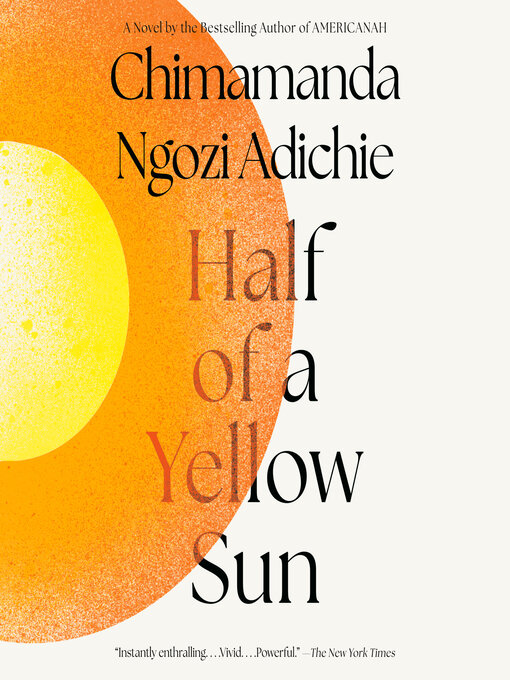
There is a moment near the end of Chimamanda Ngozi Adichie’s *Half of a Yellow Sun* when Ugwu, the houseboy turned conscripted soldier turned writer, sits down to compose the book that has been forming inside him since the war started. The novel he produces is called *The World Was Silent When We Died*. That title is also, in a sense, the thesis of the Nigerian 21st century novel: a refusal to let silence stand. For roughly twenty-five years now, Nigerian writers have been excavating subjects the previous generation either could not access or chose not to touch - queerness, intergenerational trauma, religious fundamentalism, the wreckage of military rule, the strange new psychic weather of the diaspora.
What follows is not a list of the most popular Nigerian novels, or the most awarded, or the most taught in American MFA programs, though plenty here meet all three criteria. It is a list of the books that have most decisively shaped what Nigerian fiction now looks like, and what it has permission to do. Some are formal experiments. Some are slow domestic dramas. Some are international thrillers in disguise. They share an impatience with the colonial-era question of whether African literature can be “universal” - they simply behave as though it always was, and proceed from there.
A few principles guided the ranking. Influence on other writers counted. So did sentence-level craft, the willingness to attempt difficult subjects, and the question of whether the book still reads as alive a decade later. Adichie appears three times because the alternative would be dishonest. The list runs to 13 because rounding up to 15 would have required including books I do not believe in.
1. Half of a Yellow Sun by Chimamanda Ngozi Adichie (2006)
The Biafran War novel that finally arrived. Adichie was born seven years after the war ended and wrote the book partly out of the silence in her own family - her father had been a professor at Nsukka, her grandfather died in a refugee camp. The achievement of *Half of a Yellow Sun* is structural: she splits the narrative across class lines (Ugwu the village boy, Olanna the British-educated daughter of a chief, Richard the English expatriate) and trusts the reader to feel the asymmetry. What you get is not a war novel that uses suffering as spectacle but one that maps how war reorganizes intimacy. Read this first. Everything else on the list is, in some way, written in conversation with it.
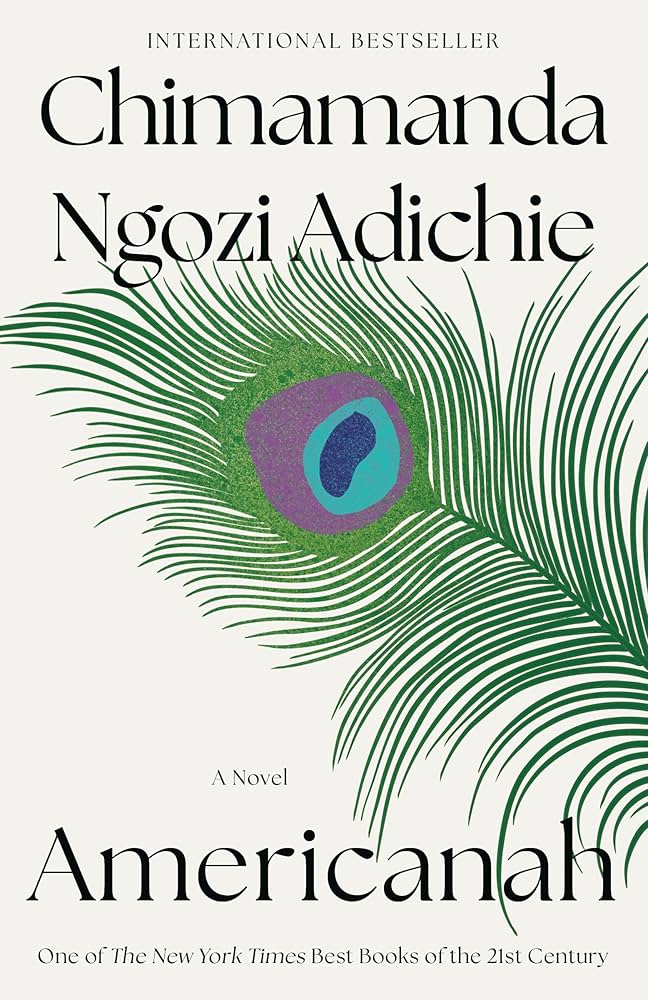
2. Americanah by Chimamanda Ngozi Adichie (2013)
The book that broke the diaspora novel out of its earnest, immigrant-success-story default setting. *Americanah* is openly an opinion novel - Ifemelu, the protagonist, runs a blog about race in America, and Adichie uses the blog posts the way Tolstoy used his philosophical essays in *War and Peace*: as load-bearing argument disguised as digression. The romance plot with Obinze is the engine, but the real material is the way Ifemelu refuses to perform either the model immigrant or the wounded postcolonial subject. Almost every Nigerian novel about diaspora published since has had to position itself in relation to this one.
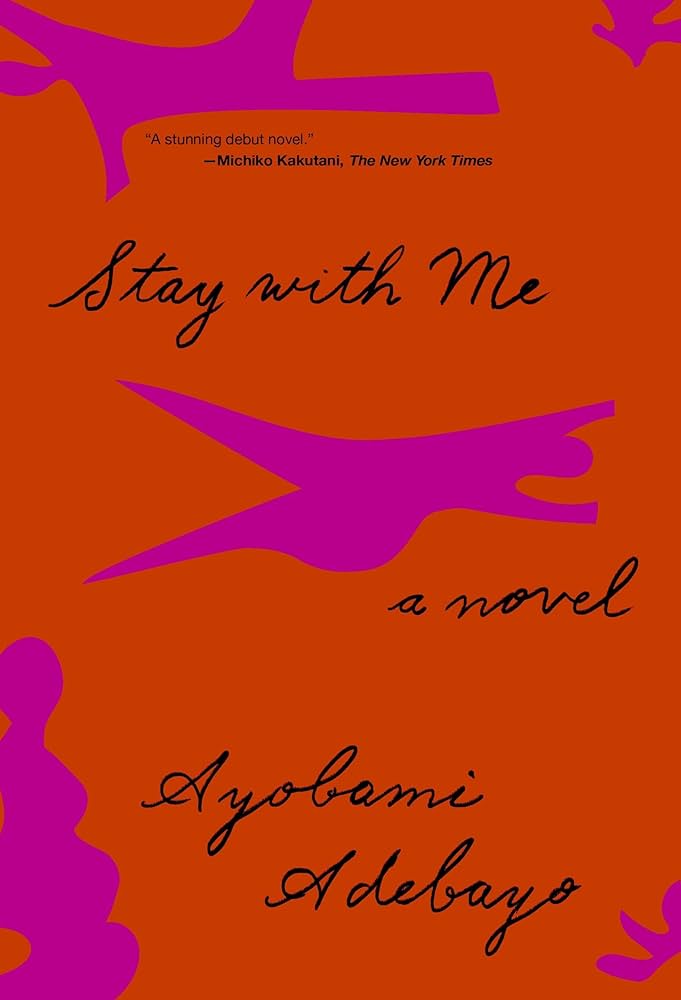
3. Stay With Me by Ayobami Adebayo (2017)
A marriage novel that reads like a thriller. Yejide and Akin are a young Yoruba couple in 1980s Ile-Ife who cannot conceive, and the novel follows what happens when the in-laws intervene and Akin takes a second wife. To say more would be to wreck the architecture, because Adebayo has buried at least three different secrets inside the book and detonates them at calibrated intervals. What lifts *Stay With Me* above its plot is the moral seriousness with which it treats fertility politics, sickle cell disease, and the particular cruelty of a family system that pathologizes the woman before it ever questions the man. Shortlisted for the Women’s Prize. Should have won.
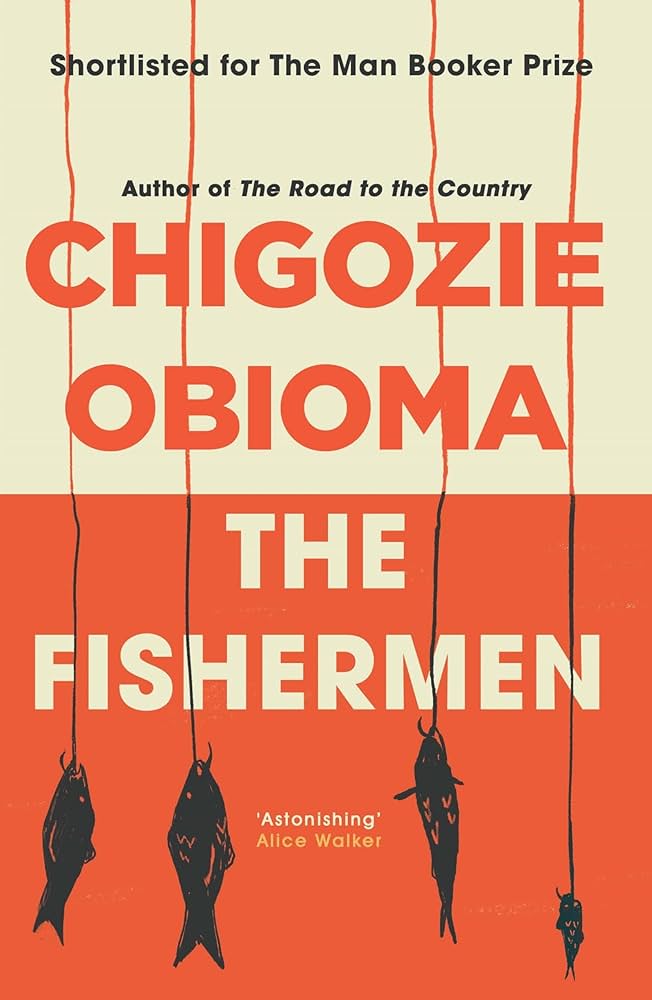
4. The Fishermen by Chigozie Obioma (2015)
Obioma writes in deliberate dialogue with Achebe and the Igbo oral tradition, and *The Fishermen* is structured as a tragic prophecy. A madman tells four brothers in Akure that the eldest will be killed by one of them, and the curse executes itself. What makes the book remarkable is the voice of the youngest brother Benjamin, narrating from adulthood with the precision of an inquest. Obioma resists every temptation to allegorize the family into a tidy stand-in for Nigeria itself, though the parallels are available if you want them. The prose has a biblical cadence without ever sounding pious. A debut that earned its Booker shortlist.
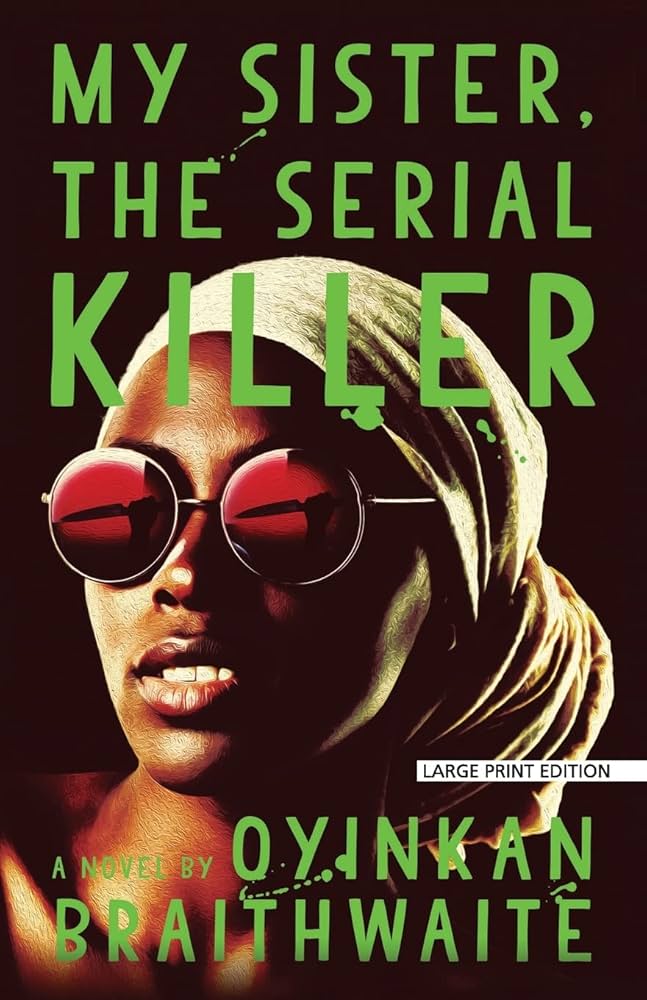
5. My Sister, The Serial Killer by Oyinkan Braithwaite (2018)
The shortest, funniest, most ruthlessly efficient novel on this list, and the one most likely to be misread as slight. Korede is a Lagos nurse whose beautiful younger sister Ayoola keeps killing her boyfriends, and Korede keeps cleaning up. Braithwaite writes in clipped chapters that read like Polaroids, and the comedy is genuinely black. Korede is in love with a doctor at her hospital, and the book’s tension is whether she will warn him when Ayoola inevitably turns her attention his way. Underneath the noir is a sharp essay on Lagos beauty politics, sibling resentment, and the elder daughter’s lifelong job of containment. Booker longlisted.
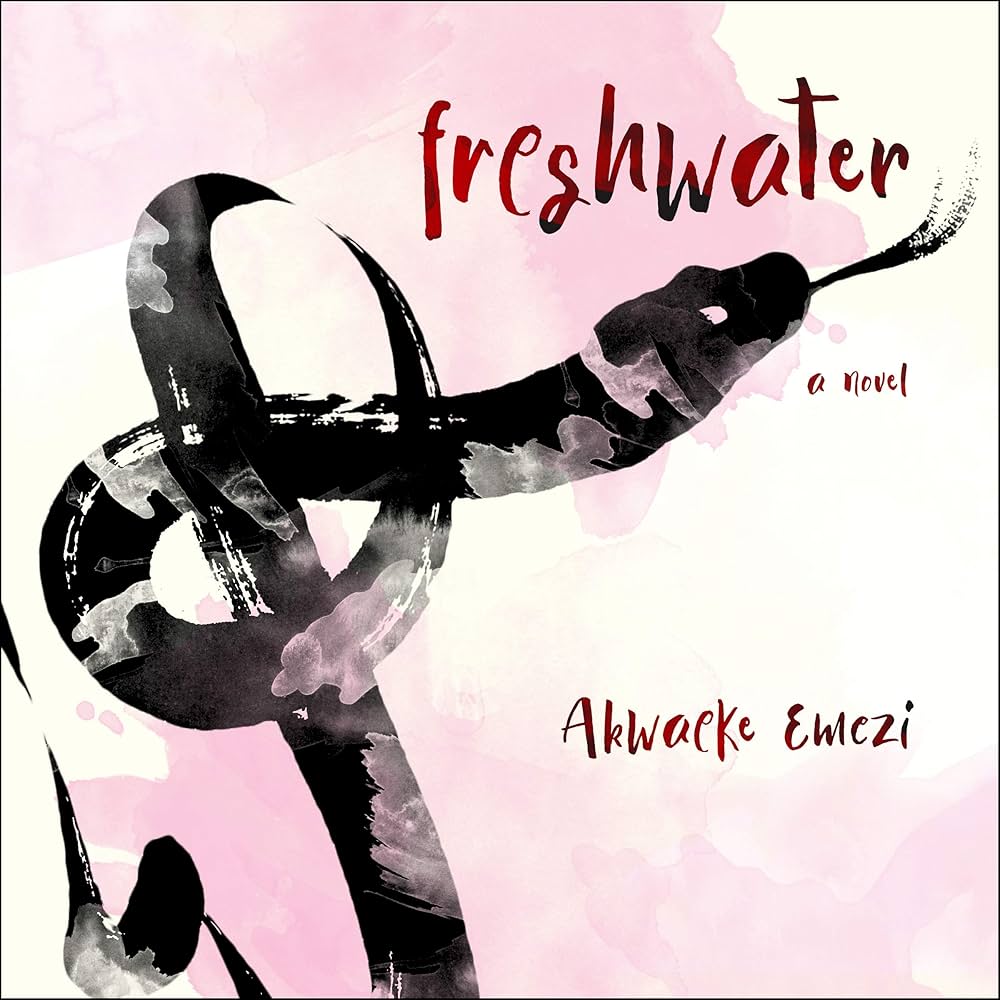
6. Freshwater by Akwaeke Emezi (2018)
The novel that argued, in fully realized literary form, that the Igbo concept of ogbanje could explain a contemporary trans and plural selfhood better than Western psychiatry. Ada, the protagonist, is narrated in turn by the spirits who share her body, and Emezi never blinks at the metaphysics. The ogbanje are real, the gods are real, and the trauma she experiences in college is real, and these registers do not cancel each other out. *Freshwater* changed what a Nigerian novel was allowed to claim about reality. It also opened the door for a generation of queer African writers who had been waiting for permission they should not have needed in the first place.
Ad SpaceIn-Article - 300x250
Advertisement
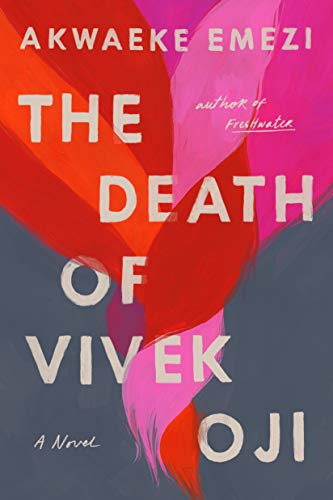
7. The Death of Vivek Oji by Akwaeke Emezi (2020)
Emezi’s second adult novel is a quieter, more grief-soaked book than *Freshwater*, and arguably the better one. Vivek, a young person of mixed Igbo and Indian heritage, dies on the day of the Nsukka market fire, and the novel is the long backward investigation by family and friends into who Vivek actually was. The structural decision to give Vivek a posthumous first-person voice, interleaved with the cousin Osita’s narration, is what makes the book work. It is one of the most tender depictions of a small queer chosen family in any African novel, and the closing pages produce an effect of catharsis that very few contemporary novels even attempt.
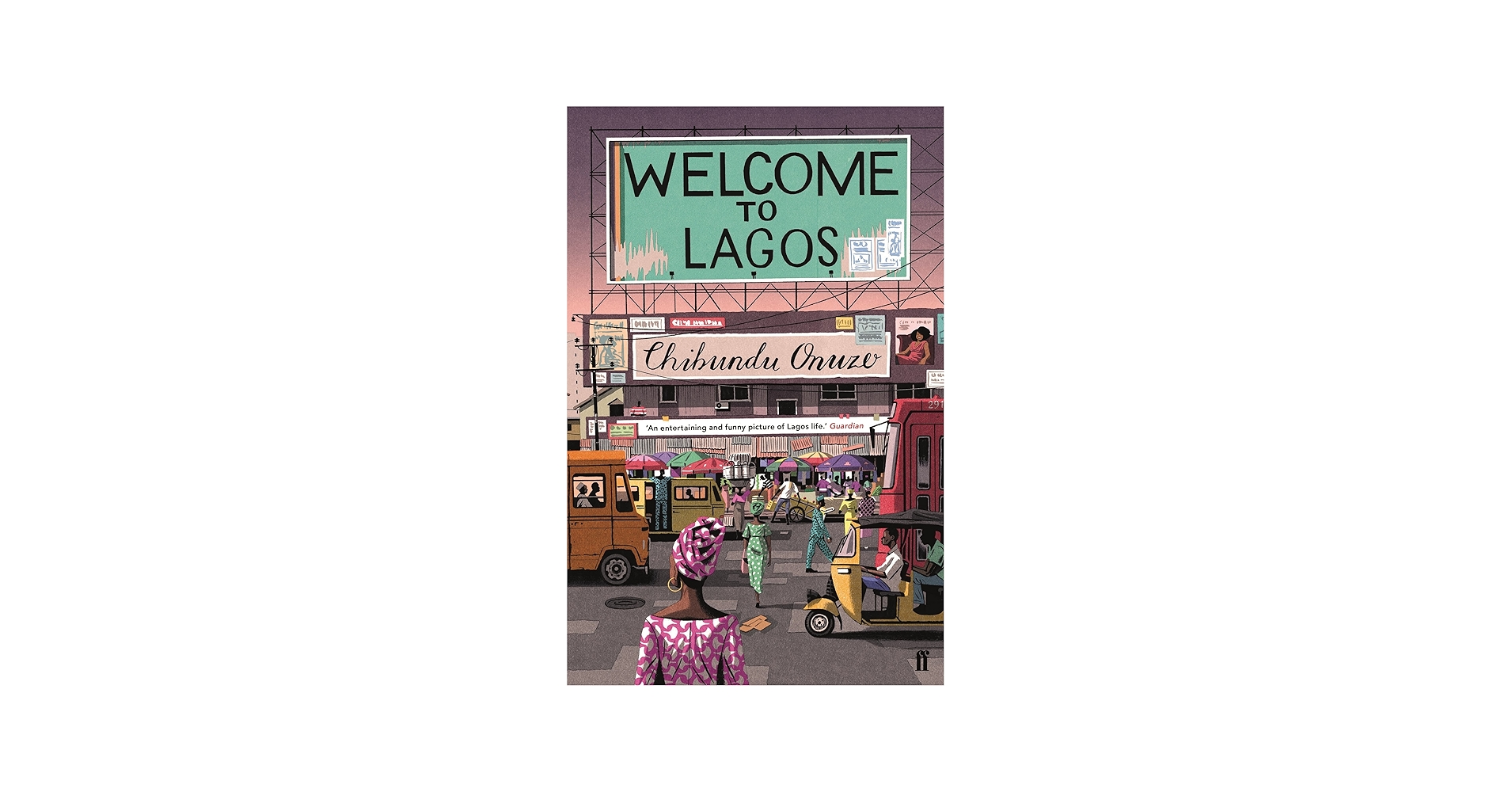
8. Welcome to Lagos by Chibundu Onuzo (2017)
A genuine ensemble novel. Five strangers (a deserting army officer, a militant, an abused wife, a teenage runaway, a journalist) end up sharing an abandoned apartment in Lagos and stumble into possession of a stolen federal fortune. Onuzo writes Lagos with the affectionate exasperation of someone who actually knows the city, and the satirical thread on the education minister and his missing millions is sharper than most political fiction set in Nigeria. The book has been unjustly overshadowed by flashier Lagos novels. It is funnier than most of them, more politically literate than nearly all of them, and structurally the most generous - five protagonists, five complete arcs.
9. Open City by Teju Cole (2011)
Cole is Nigerian-American, the novel is set largely in New York, and some readers will protest its inclusion. They are wrong. *Open City* is the most formally ambitious Nigerian novel of the century, a Sebaldian walking-novel in which the psychiatrist Julius drifts through Manhattan and Brussels accumulating observations about migration, music, racial history, and his own buried past. The book’s late revelation, which I will not spoil, retroactively reorganizes everything that came before and asks whether the narrator’s cosmopolitan poise has been a defense against accountability. Cole has not published a second novel since. He did not need to.
10. Purple Hibiscus by Chimamanda Ngozi Adichie (2003)
The debut, often misfiled as a YA crossover because the narrator is fifteen. *Purple Hibiscus* is a household novel about an Enugu industrialist who is publicly devout and privately violent, and the slow awakening of his daughter Kambili during a visit to her aunt’s house at the university. Adichie was twenty-five when it came out, and the book’s restraint is what marks it as a major debut. She never lets Eugene become a monster, which is precisely why the book is so disturbing. The first sentence (“Things started to fall apart at home when my brother, Jaja, did not go to communion”) is one of the most efficient opening lines in 21st-century African fiction. The Achebe echo is deliberate and earned.
11. The Secret Lives of Baba Segi’s Wives by Lola Shoneyin (2010)
A polygamy novel that refuses to either condemn or romanticize its subject. Baba Segi is a prosperous Ibadan businessman with four wives, and the household equilibrium breaks when the fourth wife, the university-educated Bolanle, fails to conceive and a doctor’s investigation begins to surface what the other three wives have been hiding. Shoneyin is a poet by training, and the book moves through five rotating perspectives with real lyric attention to each. The plot reveal is shocking, but the deeper achievement is sociological - she demonstrates how a polygamous household manages information, status, and reproduction as a single distributed organism. A novel that takes its own form seriously enough to make a genuine argument with it.
12. Children of Blood and Bone by Tomi Adeyemi (2018)
Yes, it is YA fantasy. Yes, it deserves to be here. Adeyemi built a Yoruba-inflected secondary world (Orisha) and wrote a novel about state violence against a magical underclass that landed in the United States two weeks after a wave of police killings made the allegory unmissable. The Orisha trilogy sold millions and pulled an entire publishing pipeline of Black SFF behind it. The prose is sometimes overheated and the romance plotting is conventional, but the world-building is rigorous and the political imagination is real. The book demonstrated that a young Nigerian-American writer could open a major Western market for African-rooted fantasy without first translating herself into European furniture. That permission has consequences.
13. An Orchestra of Minorities by Chigozie Obioma (2019)
A Booker-shortlisted second novel narrated by a chi, the Igbo personal spirit, defending its host before the great deity Chukwu after the host has died. Chinonso is a poultry farmer in Umuahia who falls in love with a woman from a higher class, sells everything to study in Cyprus to make himself worthy of her, and is destroyed by an immigration scam. Obioma is doing something extremely difficult here. He is fusing Igbo cosmology with the structure of Greek tragedy and the texture of contemporary African migration writing, and he largely pulls it off. The book is more divisive than *The Fishermen*, and the very ambition that strains it is also what marks it as essential. A novel that bets everything on its metaphysical conceit and refuses to apologize.
-
A note on what is missing. This list has no Helon Habila, no Sefi Atta, no Chika Unigwe, no A. Igoni Barrett, no Eloghosa Osunde, no Abi Dare, no Ben Okri, and no Wole Soyinka novel from the period. Habila’s *Measuring Time* (2007) and *Oil on Water* (2010) both belong on a longer version of this list. Osunde’s *Vagabonds!* (2022) and Dare’s *The Girl with the Louding Voice* (2020) are the books I most expect to argue for in a future revision. The Nigerian 21st century is not finished, and neither is this conversation. Read the thirteen above first. Then come argue about the omissions.
Ad SpaceIn-Article - 300x250
Advertisement
Share
Get the recap
Loved this story? Get more like it.
Join readers who get our weekly entertainment recap - the stories worth your time, delivered every Friday.
No spam. Unsubscribe anytime. By signing up you agree to our Privacy Policy.