
The Business of Afrobeats: How Nigerian Music Became a Billion-Dollar Global Industry
Afrobeats

The Business of Afrobeats: How Nigerian Music Became a Billion-Dollar Global Industry

Tristan MeloTristan Melo··11 min read
Advertisement

Somewhere between Wizkid trading verses with Drake on “One Dance” in 2016 and Universal Music Group writing what was reported to be a nine-figure check for a controlling stake in Mavin Records in early 2024, Afrobeats stopped being treated as a regional curiosity and started being valued like an asset class. The sound that grew out of Lagos clubs, Accra studios, and London diaspora parties is now a line item on major-label balance sheets, a recurring booking on stadium tour routings, and, according to the IFPI’s Global Music Report covering 2024 into 2025, the engine behind sub-Saharan Africa’s standing as the fastest-growing recorded music region in the world.

The headline numbers, when you assemble them, hint at a genuine billion-dollar global industry. The receipts are harder to pin down, because African music revenue still travels through opaque pipes - streaming royalties paid in USD into accounts pegged against a punishing Naira, brand deals quoted in pounds and signed in Lagos, publishing splits inherited from contracts written long before anyone imagined a Burna Boy Madison Square Garden show. What follows is a map of where the money is actually coming from, who is collecting it, and what the next phase looks like.

From cult export to global product: the pre-2017 baseline
The Business of Afrobeats - From cult export to global product: the pre-2017 baseline

For most of the last fifty years, the global market treated African music the way it treated African cinema: respected in pockets, ignored at scale. Fela Kuti’s Afrobeat (the original, no “s”) had a devoted Western academic and crate-digger following from the 1970s onward, but his catalog generated a fraction of what comparable bodies of work earned for American or British peers. Highlife, juju, fuji, makossa, and the early Lagos R&B scene of the 1990s produced regional superstars whose passports rarely cleared the kind of revenue you needed to compete with the West.

The reasons were structural rather than artistic. Physical distribution outside the continent was almost nonexistent. Radio formatting in the US and UK had no slot for African pop. Touring infrastructure was thin and visa friction was real. Publishing administration on the continent was, charitably, informal, which meant that even when an African song broke through internationally there was often no pipeline to collect what was owed. By the early 2000s, the industry’s working assumption was that an African artist could become a household name in Lagos, Accra, Nairobi, or Johannesburg, but a billion-dollar export economy was a fantasy.

D’banj signed to Kanye West’s GOOD Music in 2011 and was, briefly, the test case for whether the major-label system could absorb African pop. The answer at the time was, broadly, no. The infrastructure was not ready, and neither was the audience.

The 2016-2018 inflection
The Business of Afrobeats - The 2016-2018 inflection

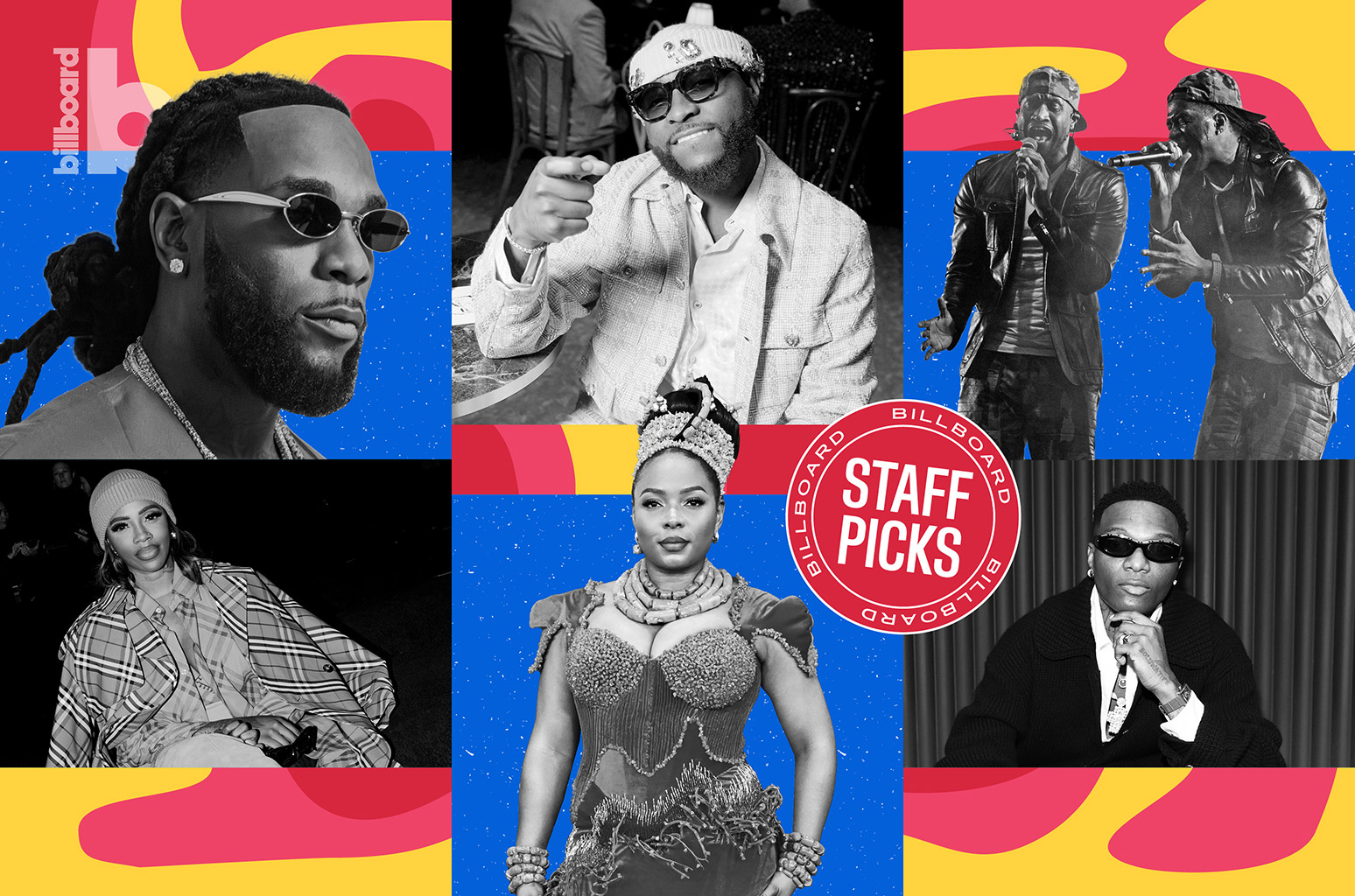
A few things changed at once. Drake recorded “One Dance” with Wizkid and Kyla in 2016, and the record sat at number one on the Billboard Hot 100 for ten weeks. The song was not Afrobeats in any pure sense, but it was the first time Western pop’s biggest star had borrowed the cadence and tagged a Nigerian artist as a co-author on a global smash. The follow-on credibility was hard to overstate.

Inside Lagos, the production scene was simultaneously sharpening. Tekno’s “Pana” (2016) and a wave of records from producers like Sarz, Killertunes, and Pheelz tightened a recognizable sonic identity: log drums, Yoruba and pidgin hooks, mid-tempo bounce, the kind of arrangement that translated equally well to a Lagos club, a London afterparty, and a TikTok loop. By 2017 and 2018, streaming was finally arriving in earnest. Boomplay, founded in 2015 as a Transsion-backed venture, was rapidly becoming the default music app on the continent’s most popular Android phones. Audiomack was building an aggressive African strategy aimed at emerging artists. The catalog was being built and the rails were being laid at the same time.

Streaming as the unlock
The Business of Afrobeats - Streaming as the unlock

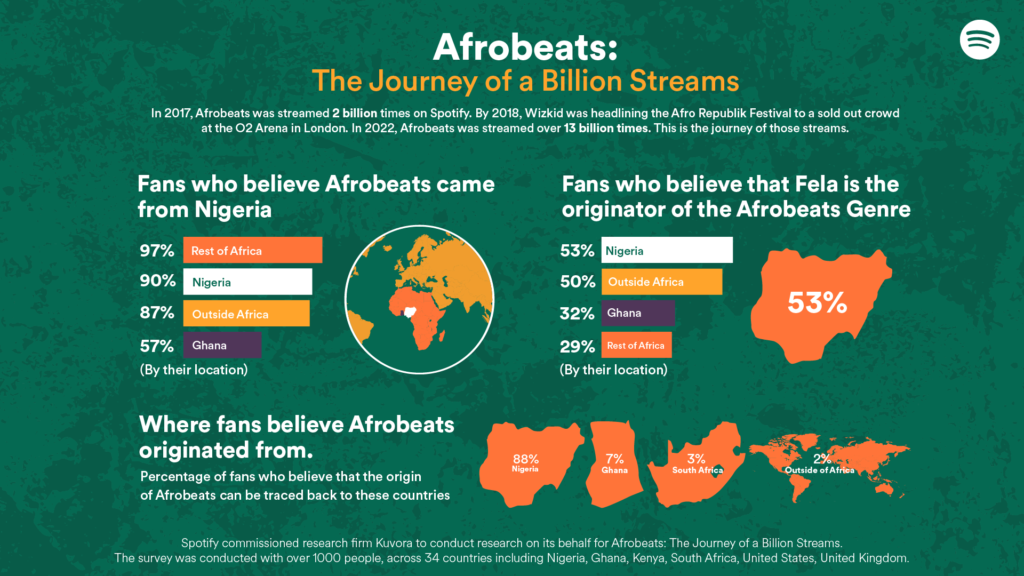
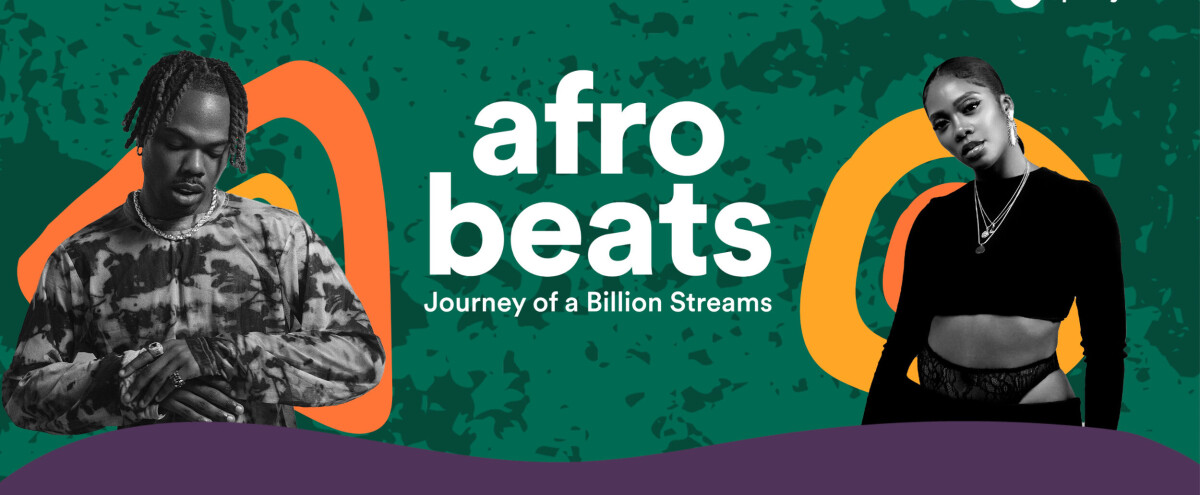
Spotify formally launched in Nigeria, Kenya, Tanzania, Uganda, Ghana, and dozens of other African markets in early 2021, alongside a broader continental rollout. The platform later reported that Afrobeats streams had grown by more than 550 percent globally between 2017 and 2024, a figure widely cited in trade press and Spotify’s own Equal Africa briefings. Apple Music’s African Heat playlist, curated out of Lagos and London, became one of the genre’s most coveted placements. Boomplay, with a user base reported at well above 90 million as of 2024, dominated the on-continent market, while Audiomack’s free tier gave the next generation of artists a meaningful runway before they could justify a full distribution deal.

Streaming’s role here was not just promotional. It made African catalogs legible to global rights buyers for the first time. A label considering a stake in a Lagos roster could now look at hard monthly listener counts, retention curves, and territory breakdowns. The data made the asset investable.

Rema’s “Calm Down,” released in 2022 and remixed with Selena Gomez in 2022, became the first Afrobeats song to cross one billion streams on Spotify in late 2023, and by 2025 had reportedly passed 2.5 billion plays on the platform. Wizkid and Tems’ “Essence,” featured on Wizkid’s “Made in Lagos” album, became the first Afrobeats song to chart on the Billboard Hot 100 in 2021, peaking at number nine after the Justin Bieber remix.

The Big Four (and the supporting cast)
The Business of Afrobeats - The Big Four (and the supporting cast)

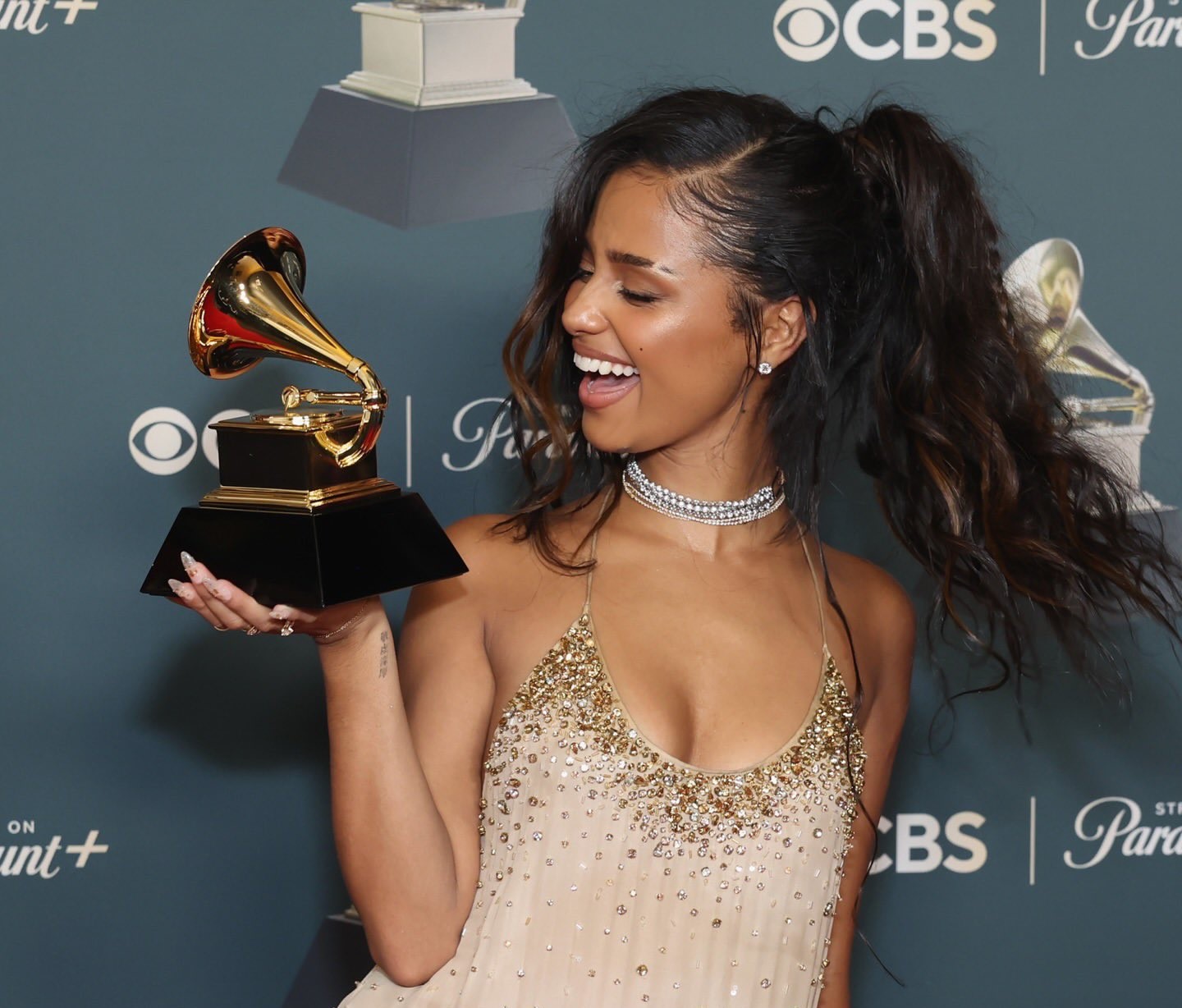
Burna Boy’s “Twice as Tall” won Best Global Music Album at the 63rd Grammy Awards in 2021, the highest mainstream-industry validation an African pop record had ever received up to that point. Two years later, the Recording Academy created a Best African Music Performance category, first awarded in February 2024 to South African artist Tyla for “Water,” an acknowledgment that the export economy was now too large to keep parking inside the catch-all “global music” bucket.

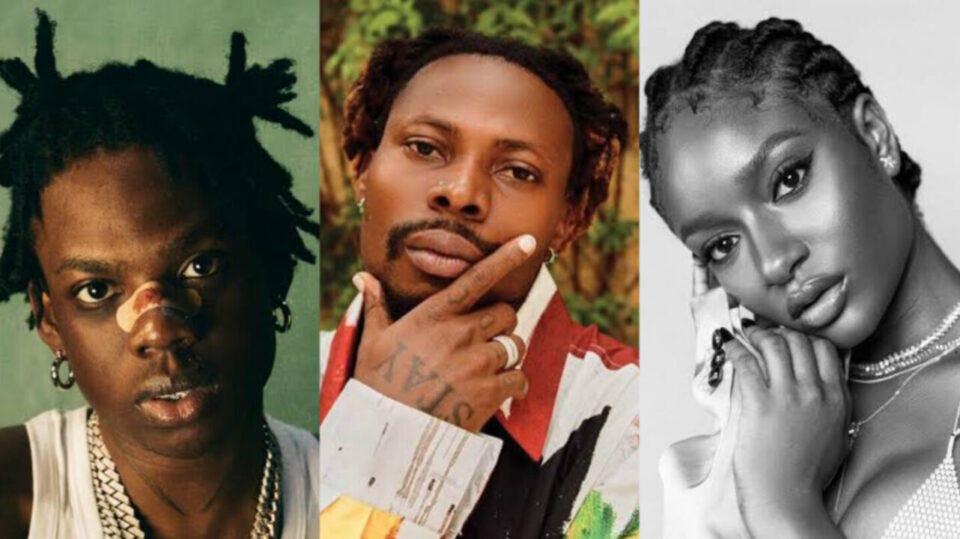
By 2025, the artist tier sitting at the top of the export market is recognizable: Burna Boy, Wizkid, Davido, Rema, Tems, Tyla, Asake, Ayra Starr, with a deep bench behind them that includes Omah Lay, Fireboy DML, CKay, Ruger, Black Sherif, Olamide, and a Tier 2 cohort scaling fast. The pattern, repeated across nearly every member of that group, is the same: streaming numbers in the hundreds of millions per single, sold-out diaspora tours, brand partnerships denominated in pounds and dollars, and a public profile that puts them on red carpets in Los Angeles and London as often as in Lagos.

Major label investment and the Mavin deal
The Business of Afrobeats - Major label investment and the Mavin deal

The strategic logic was obvious from the boardroom side. If the IFPI was correct that sub-Saharan Africa was the fastest-growing recorded music region, and if the diaspora audience was already proven to convert in the US and UK, then equity in African catalogs was undervalued relative to the growth curve.

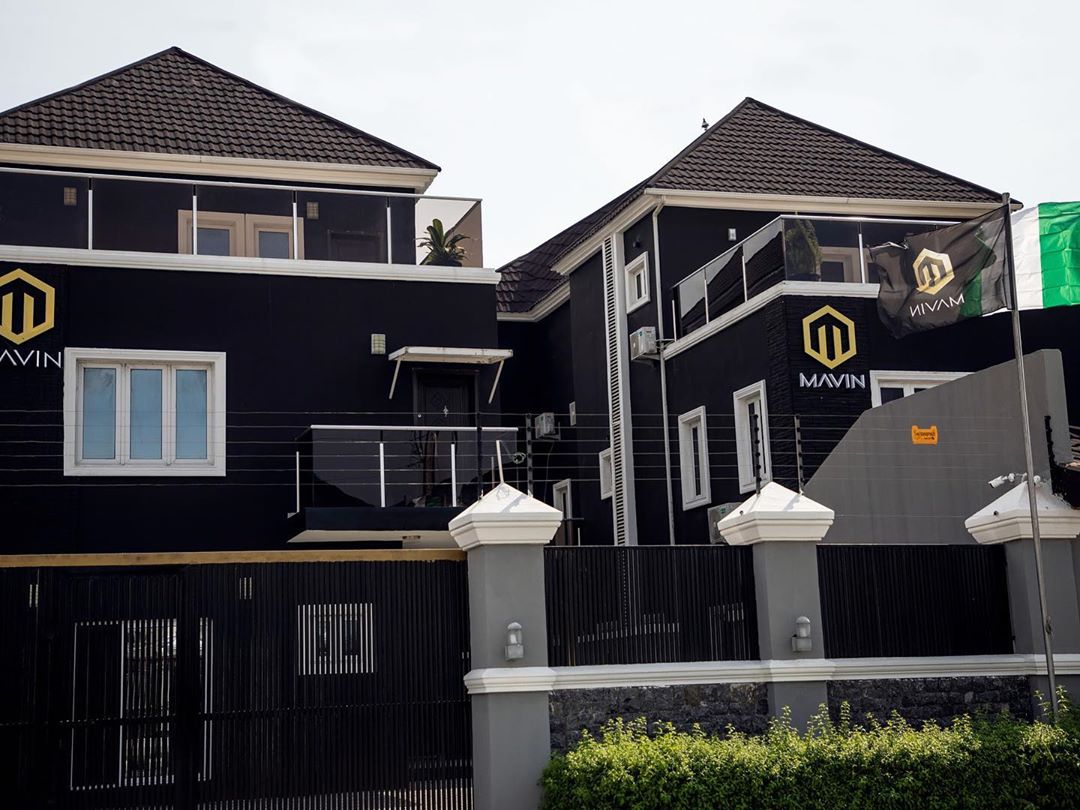
The big move came in early 2024, when Universal Music Group announced a deal to acquire a controlling stake in Mavin Global, the label founded by producer Don Jazzy and home to Rema, Ayra Starr, Crayon, Magixx, Ladipoe, and Bayanni. The financial terms were not officially disclosed, but the deal was reported across trade outlets in the range of $150 million to $200 million for UMG’s stake, with some accounts suggesting a higher full enterprise valuation. Whatever the exact figure, the transaction was the largest single piece of capital ever publicly attached to an African music company.

Sony Music Africa and Warner Music Africa have run parallel, if less dramatic, expansion plays, signing distribution deals with continental indies and building out A&R teams in Lagos, Johannesburg, and Nairobi. Empire, the San Francisco-based independent that distributes Olamide’s YBNL and a deep roster of Afrobeats acts, has effectively built itself into the fourth major on the continent without using that label.
Advertisement

The open question is what these deals mean for artists below the headline tier. The Mavin acquisition was widely reported as a buyout of the label entity rather than a renegotiation of individual artist contracts, but the question of artist equity, master ownership, and producer points inside acquired catalogs is the one that will define the next round of headlines.

Touring: the stadium era arrives

The Business of Afrobeats - Touring: the stadium era arrives

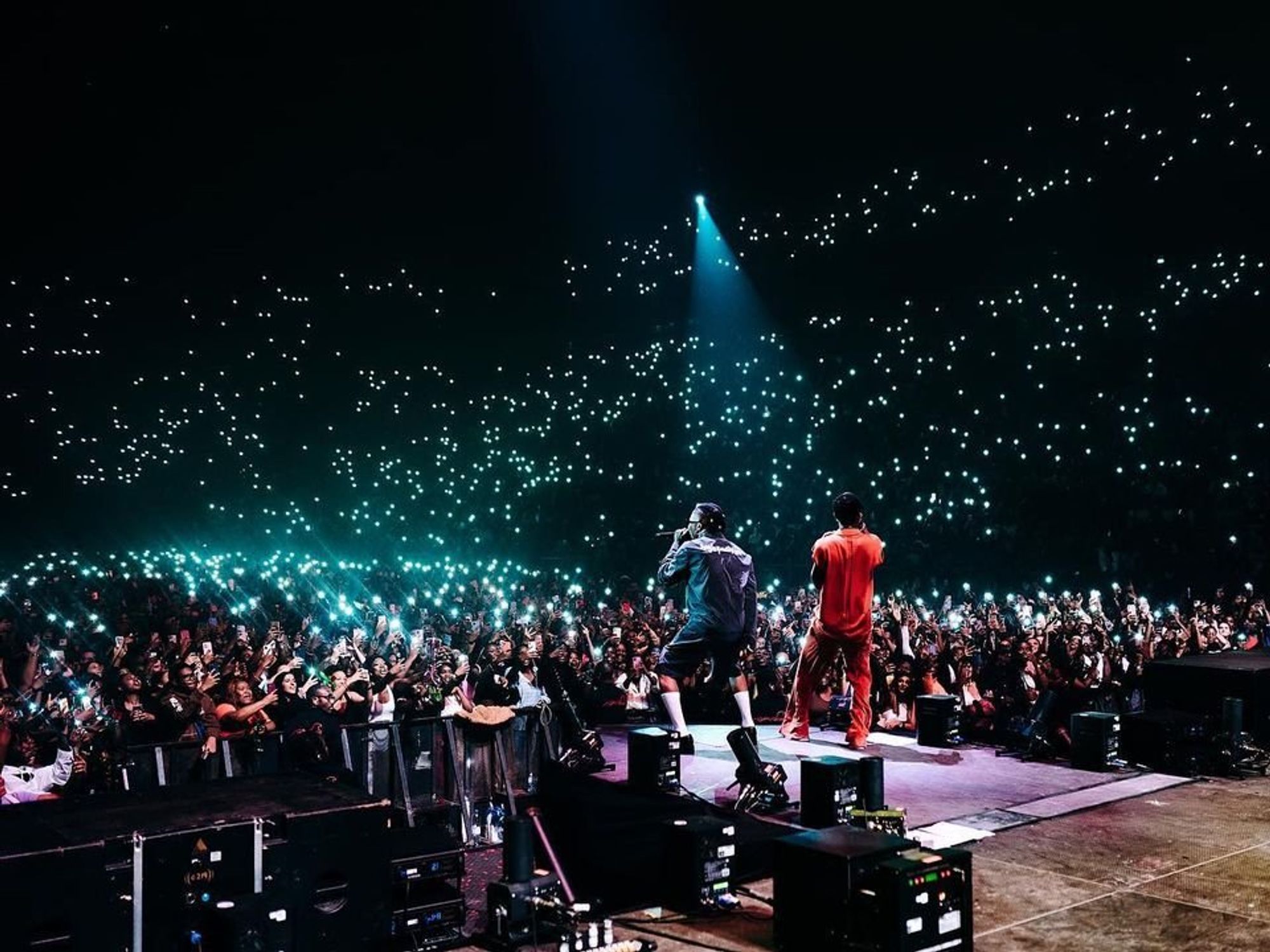
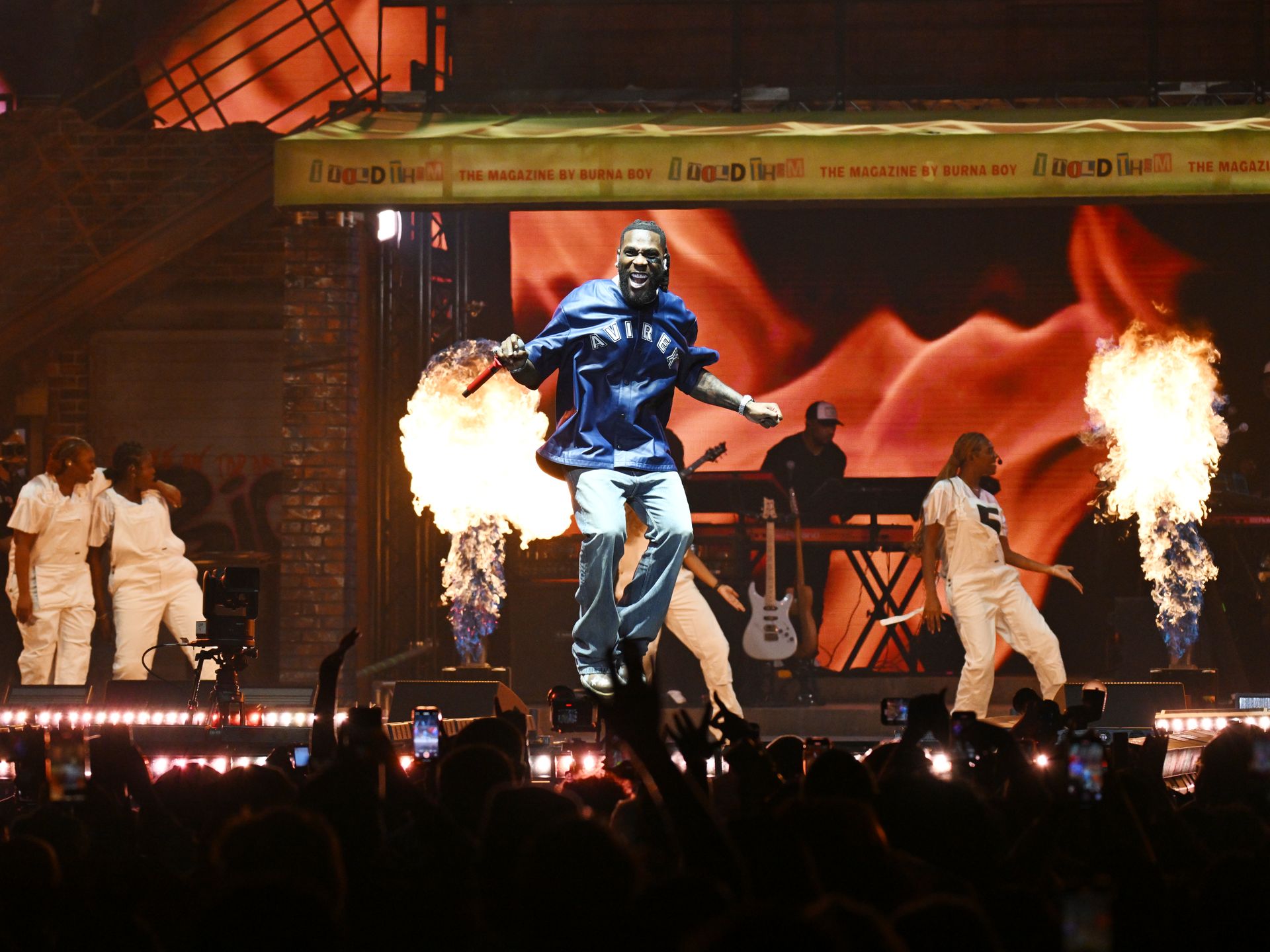
The touring numbers may be the most legibly billion-dollar piece of the puzzle. In April 2022, Burna Boy headlined Madison Square Garden, widely reported as the first African artist to sell out the venue as a solo headliner. Later that year he sold out London’s O2 Arena, then headlined a sold-out show at the State Farm Arena in Atlanta. In 2023 he played a reported sold-out Citi Field in New York, and a London Stadium show in June 2023 drew a crowd reported at roughly 80,000.

Wizkid’s “Made in Lagos” tour cycle included multi-night O2 Arena sellouts in London. Davido has anchored multi-city US arena runs through Live Nation. Rema has graduated from clubs to arenas across two continents inside three years. The economics, while not publicly itemized, are consistent with what comparable headliner runs gross in pop and hip-hop: mid-seven to low-eight figures per leg for the top tier, before merch and VIP.

Festival economics have moved in parallel. Afro Nation, launched in Portugal in 2019, has expanded to Detroit, Miami, and Puerto Rico, with reported attendance in the tens of thousands per edition. The “Detty December” Lagos circuit and a growing London festival calendar have built recurring revenue lines that did not exist a decade ago.

Sync, brand, and the eight-figure deals

Sync licensing has matured into a real income stream. Afrobeats records were used across the “Black Panther: Wakanda Forever” soundtrack in 2022, with Tems, Burna Boy, and CKay all placing material. “Coming 2 America” leaned heavily on African artists. Streaming originals on Netflix and Prime Video routinely license Afrobeats cuts for trailers and key scenes, and the genre’s presence on FIFA and EA Sports soundtracks has become standard.

Brand partnerships are where the largest individual checks now sit. Pepsi has run multi-year deals with Davido and others. Nike, Puma, and Adidas have all signed Afrobeats acts to apparel and sneaker tie-ins. MTN, Glo, and Airtel have built campaigns around the genre’s biggest names on the continent. Spotify, Apple, and Audiomack have all backed marketing pushes built around individual artists. Top-tier deal values are not publicly disclosed, but trade reporting and management interviews consistently describe eight-figure annual packages for the handful of artists at the top of the brand-pull rankings.

The producer economy

Behind the artists is a producer economy that has, until recently, been chronically underpaid relative to its output. Sarz, P.Priime, London, Magic Sticks, Tempoe, and a small group of others have built reputations that command premium beat fees, points on records, and increasingly, publishing splits that resemble Western norms. The shift has been driven partly by management professionalization and partly by the simple fact that an Afrobeats producer with two billion combined streams cannot be kept on flat fees forever.

The pivotal question is publishing. African songwriters and producers have historically been underpaid by performance rights organizations on the continent, and global publishing administration of African catalogs has been inconsistent for years. The next significant value transfer in the genre is likely to happen here, as catalog buyers and major publishers race to lock in long-tail rights to records whose streaming curves have not yet flattened.

Distribution and the indie alternative

Not every artist needs a major. Empire, AWAL, UnitedMasters, DistroKid, and African-focused distributors like Africori have built credible pipelines for artists who would rather retain ownership and license through. The trade-off is marketing horsepower and tour support versus equity, but the indie path has produced enough breakout records (Asake’s early run with YBNL/Empire is a frequently cited example) that no serious manager treats the major-label deal as the default anymore.

The diaspora is the audience

A consistent thread runs through every revenue stream: the African diaspora is doing a disproportionate share of the listening, buying, and showing up. London, New York, Atlanta, Houston, Toronto, Paris, and an expanding circuit of European and North American cities deliver the bulk of premium streaming, ticket, and merch revenue. Lagos and Accra remain the cultural engine, but the cash overwhelmingly clears in foreign currency.

That dynamic intersects with one of the most consequential facts of the last three years: the Nigerian Naira’s devaluation. As the Naira has fallen against the dollar, African artists earning USD on Spotify payouts, YouTube AdSense, brand deals, and touring have effectively received a structural windfall when those earnings convert into local spending power. It has also widened the gap between artists with foreign-currency revenue and those still trapped inside the local economy, an inequality that local journalists and artist advocates have begun to write about with increasing urgency.

Regulation, copyright, and the COSON years

The industry’s growing financial weight has put pressure on a regulatory infrastructure that was not built for this. The Copyright Society of Nigeria (COSON) has been the subject of years of public disputes over licensing fees, payout transparency, and governance. The Nigerian Copyright Commission’s 2022 Copyright Act was an attempt to modernize the statutory framework, but implementation across performance rights, neighboring rights, and mechanical royalties remains uneven. Until that pipe is clean, a meaningful percentage of money owed to African rights holders will continue to leak or arrive late.

What the next billion looks like

Stadium-tier artists will continue to consolidate over the next three to five years, with more African headliners playing 50,000-capacity venues across Europe, North America, and increasingly the Middle East. Major-label M&A will continue, with at least one more catalog-level acquisition in the same general range as the Mavin deal a reasonable expectation. The Tier 2 cohort (Asake, Ayra Starr, Tyla scaling her South African base, Black Sherif anchoring Ghana) will produce the next billion-stream singles and the next generation of brand-deal headlines.

The pieces still missing are the ones that have been missing for a decade: cleaner publishing administration, on-continent venue infrastructure that can host stadium tours without artists routing around Lagos, and a regulatory environment that lets African songwriters collect what global use of their work generates. Those problems are solvable. The capital is now in the building.

What Fela could not have monetized in 1977, and what D’banj’s GOOD Music signing could not unlock in 2011, the current generation is converting in real time. The receipts are still being counted, the contracts are still being argued over, and the Naira is still doing what the Naira does. The export economy, though, is real, and the line on the IFPI’s chart keeps bending up.

Advertisement
Share
Get the recap

Loved this story? Get more like it.

Join readers who get our weekly entertainment recap - the stories worth your time, delivered every Friday.

No spam. Unsubscribe anytime. By signing up you agree to our Privacy Policy.

The Business of Afrobeats: How N... | Sidomex Entertainment