
Ask three Afrobeats managers which trophy they would take if they could only have one, and you will get three answers that all start with the same word. Grammy. Ask them which trophy they are most likely to actually get, and the answers scatter. That gap between the award artists want and the award they can realistically win is the whole story of how Afrobeats now approaches awards season.
The picture is messier than any single ranking suggests. Different artists chase different trophies for entirely different reasons, and what each one delivers in career terms diverges sharply. A Grammy nomination travels through American and European trade press in a way nothing else on the calendar does. A Headies win still settles arguments in Lagos that no foreign ceremony can touch. Working out which matters most means looking at what each trophy actually does, who it serves, and what it costs to chase.
The Six Trophies That Define the Afrobeats Calendar

Before the strategy conversation, the field. Six ceremonies anchor the year for any serious Afrobeats artist, and each occupies a specific position in the prestige hierarchy. They differ not only in reach but in who votes, how nominees are gathered, and whether a win is decided by an industry panel, a public poll, or some blend of the two.
Grammys

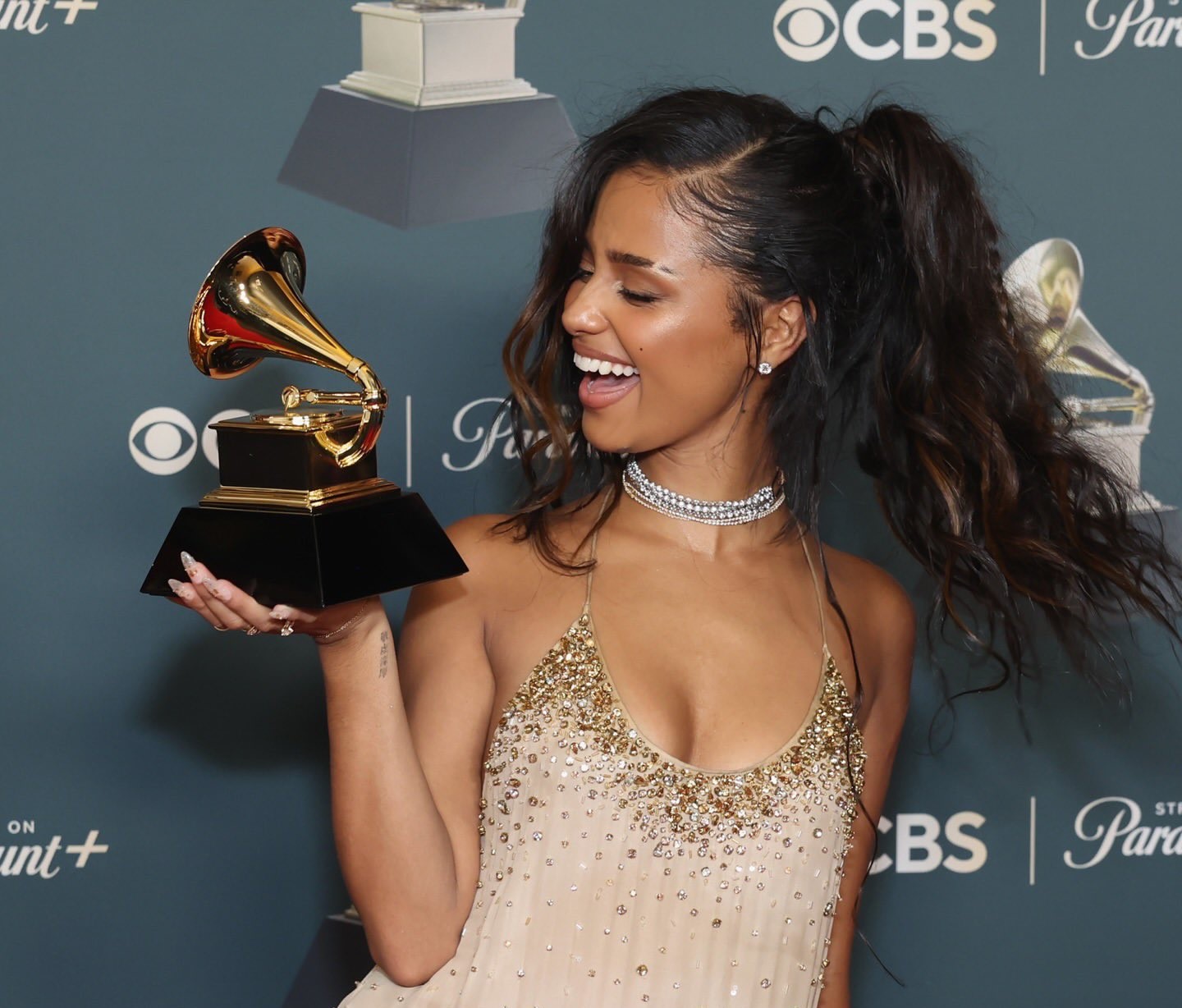
The Recording Academy introduced Best African Music Performance for the 2024 ceremony, the first dedicated continental Grammy in the show’s history. Tyla took the inaugural win for Water, Tems took the second for Love Me JeJe, and Tyla took a third for Push 2 Start, making her the first repeat winner in the category. It immediately became the most coveted single trophy in African music.
The catch is arithmetic. Across the full ceremony, most African artists can realistically target two categories: the African performance slot and, for album-cycle acts, Best Global Music Album. That is one or two genuine shots per year for an entire continent. The exceptions prove how narrow the main routes are. Black Coffee won in dance, Tems won in rap, and Shaboozey won in country, but each of those came through a genre door rather than a geographic one.
BET Awards
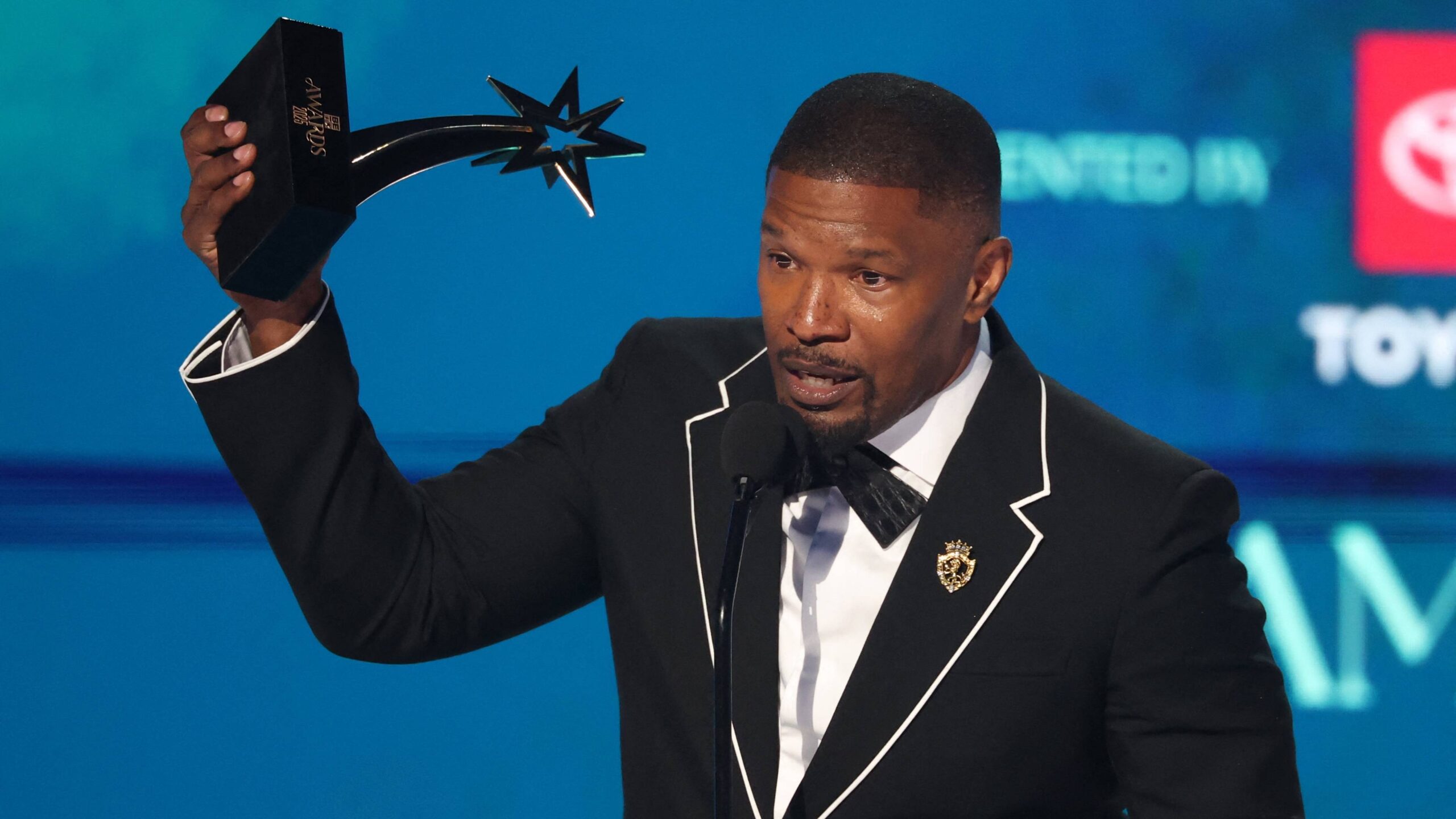
The BET Awards introduced Best International Act: Africa in 2011 and merged it into a single global Best International Act from 2018. For most of that run it functioned as the most reliable annual win available to an African act, because a continental winner was effectively guaranteed each year. Burna Boy won it three years running from 2019, Tems took it in 2022, Tyla in 2024 and Ayra Starr in 2025.
Then the reliability disappeared. Ahead of the 2026 ceremony BET retired the international category and moved international nominees into the main races. The upside is that African artists now compete for the same trophies as American ones. The downside is that the guaranteed annual African champion, the thing that made BET so useful to a rollout calendar, no longer exists. Which of those effects dominates is being argued about right now, and there is no settled answer.
The Headies

Founded as the Hip Hop World Awards in 2006, the Headies remain the longest-running and most credible Nigerian-grown ceremony. The 15th edition in 2022 moved to the Cobb Energy Performing Arts Centre in Atlanta, the first time the show had been staged outside Nigeria. The move signalled diaspora ambition and also exposed the awkward middle space the brand now occupies.
The Headies are simultaneously the home-court championship every Nigerian artist grew up wanting and a ceremony that has been held thousands of miles from home. That tension has not resolved. What has not changed is the depth of the category sheet, which reaches into corners of Nigerian music that no foreign ballot acknowledges at all.
AFRIMA
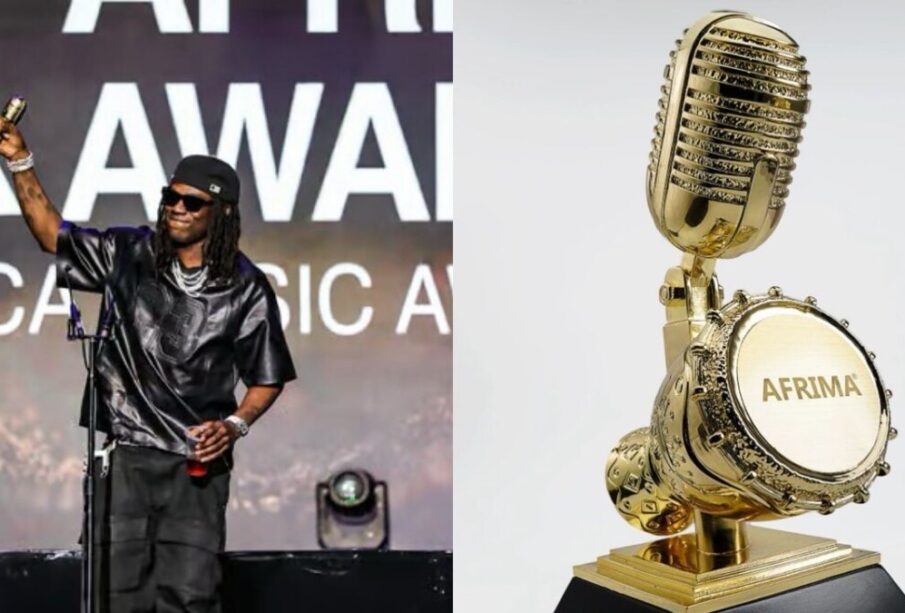
The All Africa Music Awards position themselves as a genuinely continental prize, with categories spanning every African Union region and a rotating host city model that has taken the ceremony to Lagos, Accra and Dakar. AFRIMA delivers something no other ceremony does, which is a stage where a Nigerian, a South African, a Tanzanian and an Egyptian artist compete inside the same framework rather than in separate brackets.
The African Union Commission endorsement gives the show a diplomatic weight that purely commercial awards cannot replicate. What it has not built is press cycle. AFRIMA competes with national awards bodies in every market for editorial attention, and national outlets understandably cover their own first.
Soundcity MVP, MTV MAMA, AMVCA and the newer entrants

Soundcity MVP runs heavily on online voting and Nigerian fan engagement, which gives it popularity authenticity while limiting its industry weight. MTV’s Africa Music Awards have run intermittently since 2008 and remain the closest the continent has to a televised MTV moment, though irregular scheduling has hurt the show’s standing. The Africa Magic Viewers Choice Awards focus primarily on film and television, with musical recognition appearing in rotation rather than as a core lane.
A newer group of streaming-linked awards has appeared alongside these, tied more directly to platform performance data than to panels or public polls. None has yet accumulated the history to move an artist’s standing on its own, but they matter to the mid-tier, where a data-backed win is easier to convert into a pitch deck than a panel vote is.
What Each Trophy Actually Buys
The prestige conversation is half the story. The other half is what each award unlocks commercially. Precise figures here are hard to stand up: brand deal rates, sync fees and touring guarantees are private contracts, and any specific number circulating publicly should be treated as rumour rather than data. What can be observed is direction and pattern.
Brand and endorsement effects
A Grammy win or nomination is the clearest upgrade available, because it is the one credential that reads immediately to a non-African brand manager. It converts an artist from a regional name into an internationally credentialed one on a single line of a media kit, and it stays true permanently. Nomination alone carries most of that effect, which is why managers time releases around Recording Academy eligibility windows rather than around ceremony dates.
A BET win historically read best to American and diaspora-facing campaigns, particularly in markets with large Black American audiences. Its retirement as a standalone category removes a predictable annual talking point from the calendar. A Headies win moves Nigerian market partnerships, especially in telecoms, fintech and consumer goods, where local dominance is the thing being bought and international credentialing is beside the point.
Streaming and touring effects
The most visible pattern after a Grammy moment is catalogue discovery. Attention does not land only on the winning track. It runs backwards into an artist’s earlier work, which is why a Grammy cycle tends to lift an entire back catalogue rather than a single. Tyla’s post-Grammy period is the clearest recent illustration, though the exact magnitude of any lift is not public.
Touring is where the effect is most concrete and least documented. Promoters price on demand signals rather than trophies, but an international credential changes the room an artist is offered, and the Burna Boy stadium run, the Tems headline tour and Tyla’s first headline dates all followed Grammy recognition rather than preceding it. The Headies, even after the Atlanta move, have not generated comparable international touring effects, which is a statement about geography rather than quality.