The Most Controversial Award Show Moments in Nigerian Entertainment History
Entertainment

The Most Controversial Award Show Moments in Nigerian Entertainment History

Tristan MeloTristan Melo··12 min read
Ad SpaceArticle Top - 728x90
Advertisement

Few stages in African music carry the kind of explosive history the Nigerian award circuit does. From mic grabs to walk-offs, from social media protests to red carpet altercations, the country’s biggest entertainment ceremonies have produced moments that rival the music itself for cultural weight. What follows is a documented tour of the flashpoints, the ones the receipts back up, the ones still cited in arguments more than a decade later.

The 2015 Headies and the Olamide Mic Grab
The Most Controversial Award - The 2015 Headies and the Olamide Mic Grab

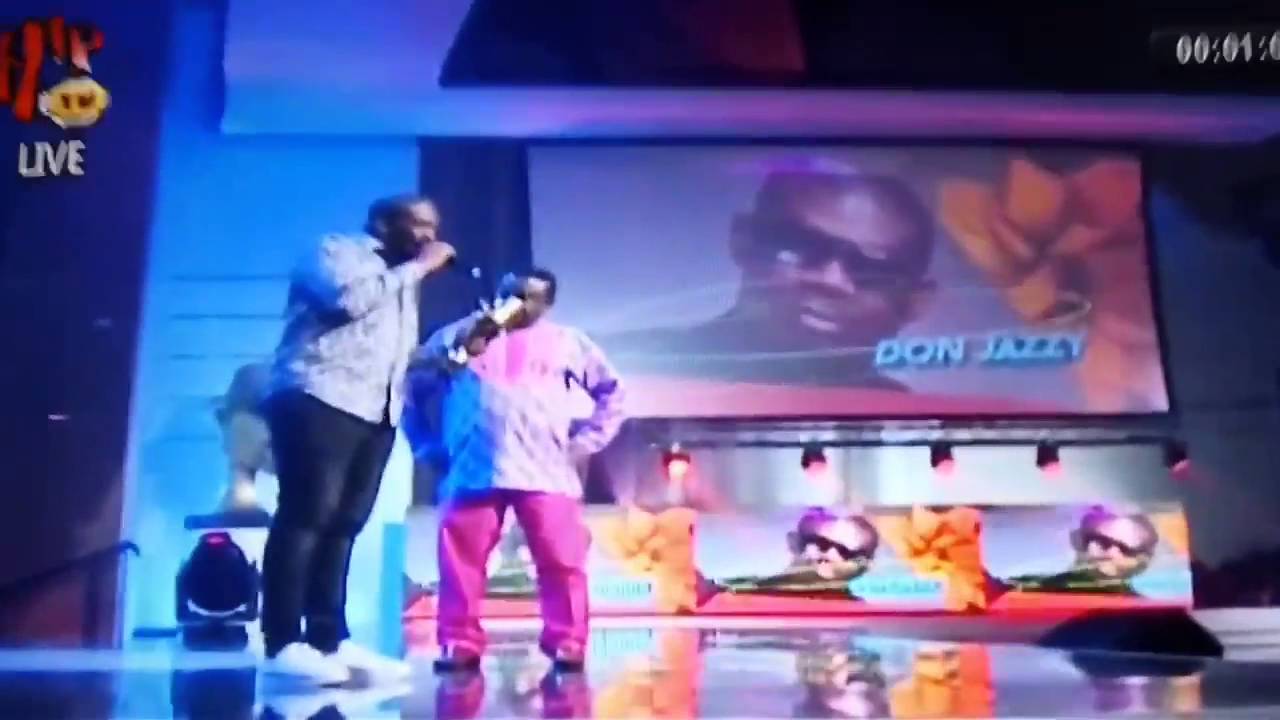
December 2015 at the Eko Hotel Convention Centre delivered what is arguably the most replayed Nigerian award show moment of the streaming era. Reekado Banks, signed to Don Jazzy’s Mavin Records, was announced as Next Rated winner over Lil Kesh, the Y.B.N.L. signee whose “Shoki” had dominated street rotation that year. The trophy that year carried a Hyundai sedan as prize, a detail that made the loss sting harder for the rival camp.

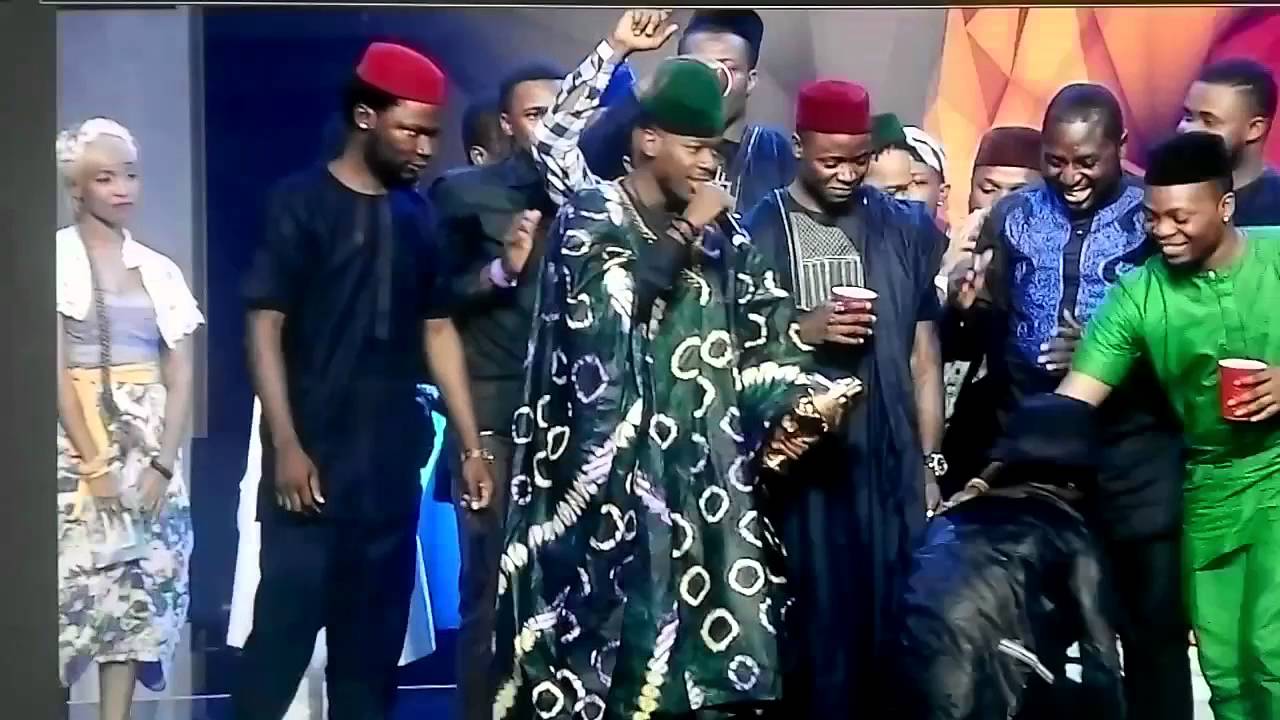
Olamide, performing later that night, ended his set by hoisting his mic and declaring that “the streets won the Headies.” Don Jazzy, called to the stage shortly after, returned fire by inviting Olamide to take the car keys if the streets mattered that much, tossing the keys in his direction. The exchange was broadcast live and clipped within minutes. The two label heads exchanged barbs across radio interviews and Twitter for weeks before the matter cooled. Reekado Banks held the trophy, Lil Kesh held the moral victory in street polling, and the Headies booking team spent the next several editions managing seating charts more carefully.

Davido and Wizkid at Adjacent Tables

The Most Controversial Award - Davido and Wizkid at Adjacent Tables

The Davido and Wizkid rivalry has supplied award show theatre across multiple editions of the Headies, the Soundcity MVP Awards, and assorted continental ceremonies. The pair have shared category nominations almost every year since 2012, and the optics of who arrives, who skips, and who collects which trophy have driven cycles of headlines.

The late 2010s produced the sharpest run of these moments. Across several editions, one of the two would attend and collect while the other stayed away, and acceptance speeches that mentioned absent peers without naming them were read by fans as pointed. Whether any of those remarks were actually aimed at anyone is unknowable, and both artistes have publicly de-escalated the rivalry at various points since. What is documented is that the ceremonies of that period became the setting for the argument rather than the cause of it.

The Headies Goes to Atlanta and Burna Boy Walks Away Without Album

The Most Controversial Award - The Headies Goes to Atlanta and Burna Boy Walks Away Without Album

The 15th Headies in September 2022 broke with tradition by staging the ceremony at the Cobb Energy Performing Arts Centre in Atlanta. The move was pitched as a diaspora milestone. The execution generated as many think pieces as it did acceptance speeches.

Burna Boy did not win Album of the Year. The trophy went to Wizkid’s “Made in Lagos: Deluxe Edition.” Burna Boy was not in the room. His camp’s silence on the night spoke loudly. Online debate split along familiar lines. Supporters of the African Giant project argued his catalogue had been routinely passed over at home while collecting Grammy nominations abroad. Wizkid loyalists pointed to streaming numbers and the cultural footprint of “Essence.” The Atlanta edition also drew criticism over venue logistics and ticket pricing, with attendees posting receipts of the costs involved in flying across the Atlantic for a Nigerian ceremony.

Naira Marley’s Pre-Arrest Headies Performance Window
The Most Controversial Award - Naira Marley's Pre-Arrest Headies Performance Window

Naira Marley’s rise through 2019 collided directly with the Headies calendar. His EFCC arrest in May of that year over fraud allegations did not stop the booking conversations around his nominations later that cycle. The Marlian movement had moved from internet subculture to chart force. Award shows wanted the numbers. Sponsors raised eyebrows.

The Headies that year navigated the situation by issuing him nominations while keeping his physical performance slots limited. The decision was read as a compromise nobody fully supported. Marlian fans argued the streaming and street data warranted full recognition. Brand-conscious observers argued any platform amplification carried reputational risk. The episode crystallised an ongoing tension in Nigerian award circuits about what to do when a nominee’s legal calendar runs parallel to their commercial peak.

The 2021 Online Voting Hack Accusations
The Most Controversial Award - The 2021 Online Voting Hack Accusations

Public voting has been a recurring flashpoint across Nigerian award ceremonies, and the Headies have not been exempt. Whenever fan-determined categories open, rival camps routinely post screenshots they present as evidence of vote manipulation, and organisers routinely respond by pointing to anti-bot measures on their portals. Allegations of that kind have almost never been substantiated by anything a reader could verify, and they should be read as fan disputes rather than findings.

What the pattern has produced is real, though. The recurring rows pushed several Nigerian awards bodies toward publishing more detailed methodology notes, and they kept alive an industry argument about whether public voting belongs in serious categories at all. That debate is the durable part. The screenshots never are.

Burna Boy’s Soundcity MVP No-Show Streak
The Most Controversial Award - Burna Boy's Soundcity MVP No-Show Streak

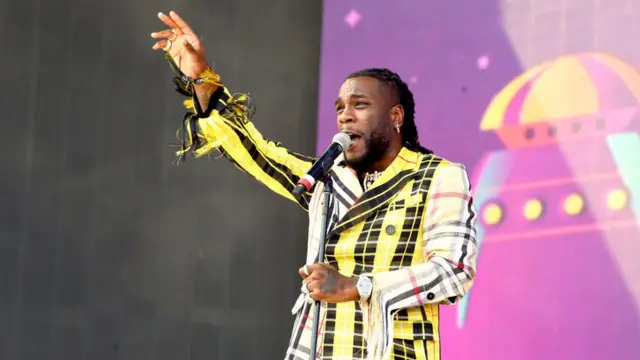
The Soundcity MVP Awards have a recurring entry in the Burna Boy timeline. On more than one occasion he has been named a winner or a nominee while sitting out the ceremony, and the empty-seat cutaway became a familiar piece of Nigerian awards-night television during his early rise. Specific incidents get retold with details that shift from telling to telling, so the pattern is more reliable than any single anecdote about it.

Burna Boy has been candid in interviews about his selective approach to ceremonies he considers worth his time. Soundcity, OkayAfrica chats, and various continental forums have all run the question by him. His answers have shifted over the years, but the early-career pattern of strategic absence has become a defining piece of his award show legend.

AFRIMA 2018 and the Yoruba Artist Protest

The All Africa Music Awards held its 2018 edition in Accra. Several Nigerian artistes, particularly those operating predominantly in Yoruba, raised public objections to the category groupings and the perceived imbalance in nominations across language groups. The dispute spilled onto social media before the ceremony and continued through the post-event coverage.

AFRIMA’s organisers responded by noting the academy-based voting process and the geographic spread of jurors. The protest did not result in trophy reallocations, but it did prompt a public conversation about regional and linguistic representation within Pan-African award structures. Subsequent AFRIMA editions broadened certain sub-regional categories, a move several observers traced directly back to the 2018 protest noise.

MAMA 2009 and the Lagos Cancellation

The MTV Africa Music Awards have moved between host cities since launching in Abuja in 2008, and the scheduling has been irregular enough that planned editions have slipped, moved or failed to happen at all. Each time it happened, Nigerian stakeholders pushed back hard on any framing that treated Lagos as insufficiently equipped to host a continental ceremony.

The specifics of who decided what, and why, have rarely been documented in a way that survives scrutiny, and the accounts that circulate in Nigerian entertainment media are not consistent with each other. What is not in dispute is the residue: a lasting sensitivity in the Nigerian industry about how international award franchises assess the country, which surfaces every time a continental show announces a host city that is not Lagos.

Headies Hall of Fame and the Snub Conversation

The Headies Hall of Fame is meant to function as a lifetime recognition tier. Inductions have included 2Face Idibia, whose enshrinement was treated as a coronation moment for the most decorated Nigerian artiste of the post-2000 era. The category has nonetheless attracted controversy across multiple cycles over who was passed over for entry.

Names regularly cited in the snub debate include several pioneer-era acts from the late 1990s and early 2000s whose commercial peak predated the Headies’ own founding. Fans and journalists have written extensively about the asymmetry between hall of fame entries and actual historical contribution. The organisers have defended the selection process as committee-driven and weighted toward cross-era impact, but the debate resurfaces every time a new inductee is announced.

BBNaija Reunion Fallout at Other Ceremonies

Big Brother Naija reunion specials have a way of generating beef that travels. Several housemate disputes from reunion editions between 2020 and 2023 have spilled into adjacent award show appearances. Net Honours red carpets, Soundcity premieres, and Headies after-parties have all hosted moments where former housemates traded words, refused photos together, or staged pointed seat changes.

Ad SpaceIn-Article - 300x250
Advertisement

The most documented examples include public exchanges between housemates from the Shine Ya Eye and Level Up seasons, with venue security on at least one occasion stepping in to separate parties. The crossover between reality television fame and music industry award circuits has created a new category of award show drama that did not exist a decade ago.

The 16th Headies and the Album of the Year Correction

Not every controversy is a fight. Some are arguments about the ballot, and the 16th Headies in 2023 settled one of the loudest of them. Asake’s “Mr Money With The Vibe” won Album of the Year, a result that landed as vindication for critics who had spent a year insisting the album was the most consequential Nigerian record of its cycle and would be overlooked in favour of a bigger international name.

The reason it registered as a controversy at all is what came before it. Nigerian award bodies had spent several cycles being accused of rewarding global chart performance over domestic cultural weight, and the Asake result was read as the academy siding with the streets. Whether the vote reflected any deliberate correction is unknowable, since the Headies do not publish their tallies. The perception of one was enough to make the announcement the most discussed moment of the night.

BET Retires the International Category

The loudest recent awards controversy involving Nigerian artistes did not happen on a red carpet. Ahead of the 2026 BET Awards, the network retired the Best International Act category entirely and moved international nominees into the main races instead. The category had run in some form since 2011, first as an Africa-specific prize and then as a single global award from 2018, and Ayra Starr’s 2025 win turned out to be the last one ever handed out.

African commentators split immediately. One reading is that the change is a promotion, placing African artists in the same categories as American ones rather than in a side bracket. The other is that it removes the only guaranteed annual African winner on the American awards calendar and replaces it with nothing. Both arguments are being made in good faith by people with real standing in the industry, and there is not yet enough data to say which one the results will support.

Davido and Burna Boy at the Edges of the Same Rooms

The Davido and Burna Boy public feud, which intensified through 2022 and 2023, produced multiple award-adjacent moments rather than direct stage confrontations. Both artistes have made public statements about each other in social media posts and interviews. Award shows have generally avoided pairing them on stage. When both have been nominated in the same category, the camera cuts during winner announcements have become their own form of theatre.

Sound City Blast, Headies Atlanta, and the run of continental ceremonies between 2022 and 2024 have all hosted versions of the choreography. Industry observers have noted the way bookers handle the rivalry has shaped seating, presenter selection, and even performance order across multiple recent editions.

Special Recognition Trophies and the Honour Question

The Headies “Special Recognition” category, designed to honour figures whose contribution does not fit the conventional commercial metrics, has periodically generated controversy when the recipient list has included individuals with active legal or reputational issues. The category exists at the discretion of the organising committee and bypasses the academy voting process used for other categories.

Recipients across editions have included executives, producers, and movement figures whose recognition the public has at times queried. The committee has defended each award on case-by-case grounds. The cumulative effect across editions has been to make Special Recognition one of the more closely watched announcements of any Headies night.

Tiwa Savage’s 2019 Absence

Tiwa Savage has been among the more outspoken Nigerian artistes about her relationship with domestic award bodies, and her public commentary about category placements and recognition cycles has surfaced more than once across the late 2010s. The precise sequence of who said what, and at which ceremony, varies between the Nigerian outlets that covered it, so it is safer to treat the episode as a documented disagreement than as a specific boycott of a specific night.

The Headies have consistently defended the integrity of their process in response to criticism of this kind. Tiwa Savage’s award history has continued accumulating since, including continental and international recognition, and the stand-off is still cited as a reference point whenever a major Nigerian artist publicly questions how an academy has treated them.

The Virtual 2020 Headies

COVID-19 forced the 2020 Headies into a virtual format. The decision was unavoidable given Lagos State restrictions on large gatherings at the time. The execution drew sharp criticism from artistes and viewers alike. Streaming delays, audio drops during acceptance speeches, and inconsistent winner announcement quality became the dominant talking points rather than the music being celebrated.

Several winners that year took to social media after the broadcast to express frustration with the production. The 2020 edition is rarely cited as a peak year for the awards body, and the lessons from that cycle visibly informed the in-person return at later editions.

Olamide and Don Jazzy: The Reconciliation Years

The same Olamide and Don Jazzy whose 2015 mic-grab moment defined an era have spent the subsequent years publicly reconciling. The two have appeared together on records, in social media exchanges, and at industry events without the residual frost of the 2015 fallout. Olamide signing Asake and the YBNL roster’s continued commercial success have positioned him as an industry elder in his own right.

The reconciliation does not erase the 2015 footage. It does add a final chapter that often gets left out of the highlight reels: two of the most consequential figures in modern Nigerian music finding a way to coexist in the same industry rooms.

Wizkid’s Afrobeats Press Conference and Category Eligibility

Wizkid’s 2022 declaration during a press appearance that he did not consider himself an Afrobeats artist sent ripples through award category eligibility debates. The statement, made in the context of a wider conversation about genre labelling, prompted internal discussion at several award bodies about how Wizkid’s submissions would be classified going forward.

Some categories continued listing his work as Afrobeats based on production and audience reception. Others adjusted descriptions. The statement also fed into a broader industry conversation about the limits of the Afrobeats label as a catch-all, a debate that has continued at every major Nigerian and continental award since.

2Face’s Hall of Fame Coronation

2Face Idibia’s induction into the Headies Hall of Fame is one of the rare award show moments that landed without dispute. The ceremony, attended by industry peers spanning multiple eras, served as something of a generational pause. Performances honouring his catalogue ran longer than scheduled. Acceptance speeches from collaborators referenced specific records by name.

The 2Face moment functions as a counterweight to the controversy-heavy reputation of Nigerian award shows. Not every entry in the timeline is a fight, a walk-off, or a Twitter war. Some are the industry collectively agreeing on something for one night.

Where the Receipts Live

Pull up any timeline of Nigerian entertainment award controversies and the same venues keep appearing. Eko Hotel, the Convention Centre at Landmark, the Balmoral Hall, the Cobb Energy in Atlanta. Don Jazzy’s keys still arc through the air in the 2015 footage every December. Burna Boy’s empty Atlanta seat sits there in 2022. 2Face’s hall of fame speech runs in tribute reels. The Headies Twitter timeline reloads in real time every ceremony night, ready for whatever the next chapter writes onto it.

Ad SpaceIn-Article - 300x250
Advertisement
Share
Get the recap

Loved this story? Get more like it.

Join readers who get our weekly entertainment recap - the stories worth your time, delivered every Friday.

No spam. Unsubscribe anytime. By signing up you agree to our Privacy Policy.