
Few numbers matter more to a Lagos film budget or a recording-studio rate card than the day’s dollar rate, and the past three years have given the Nigerian entertainment business the sharpest currency shock in its history. The policy dates and the rate levels are both on the public record, which makes this one of the few economic stories in the sector that can be checked line by line rather than argued about.
The shape of the shock is asymmetry rather than simple inflation. Costs in Nigerian entertainment are substantially dollar-linked: cameras, lenses, lighting, consoles, microphones, software subscriptions and offshore post-production all price against replacement cost abroad. Revenue is split. An artist with international streaming, touring and sync income banks dollars and converts at a weaker naira, which is a gain. An artist or actor whose income is a naira endorsement signed two years ago converts nothing and absorbs the loss in full.
How the Exchange-Rate Reset Actually Unfolded
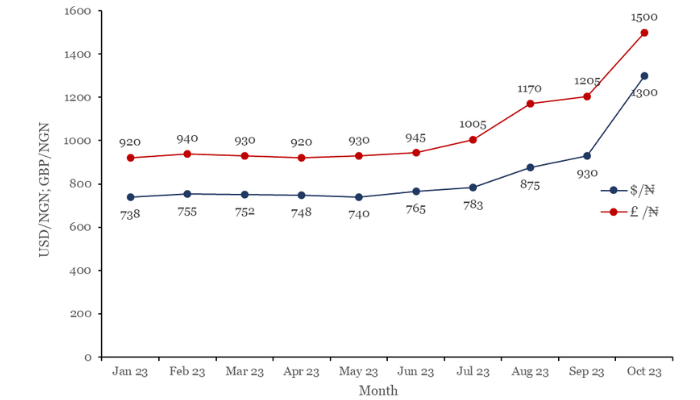
Before June 2023 the official rate was held near ₦460 to the dollar by interventions that rationed foreign exchange to favoured uses and left everyone else to the parallel market. On 14 June 2023 the Central Bank of Nigeria abandoned the peg and allowed the naira to trade freely. It fell about 23 percent in a single day to roughly ₦600, then to a record low near ₦853 by 19 July 2023. A second leg came in early February 2024, when the currency fell more than 50 percent in the first week of the month, from about ₦898 to about ₦1,400, before drifting toward ₦1,600 by late July 2024. The weakest level on record came in November 2024, at roughly ₦1,717.
The direction then changed, which is the part most commentary has not caught up with. Through 2025 the official window traded in the ₦1,480 to ₦1,540 band, with the parallel market only a few naira wider; by late August 2025 the official rate was about ₦1,537 against parallel quotes of roughly ₦1,545 to ₦1,550, a spread of single-digit naira rather than the hundreds that defined the pre-2023 era. By the end of October 2026 the CBN’s official window rate stood at about ₦1,346 to the dollar, roughly 7 percent stronger than a year earlier.
| Date | Naira per US dollar | Event |
|---|---|---|
| Early 2023 | About 460 (official) | Managed peg with rationed access |
| 14 June 2023 | About 600 | CBN abandons the peg; naira falls about 23 percent in a day |
| 19 July 2023 | About 853 | Record low at the time |
| Early February 2024 | 898 to about 1,400 | Second devaluation leg, more than 50 percent in a week |
| Late July 2024 | About 1,600 | Drift continues |
| November 2024 | About 1,717 | Weakest level on record |
| Late August 2025 | About 1,537 official | Official and parallel rates converge to a single-digit spread |
| End of October 2026 | About 1,346 official | Naira about 7 percent stronger than a year earlier |
Two implications follow for anyone budgeting. First, a naira figure quoted without a year is meaningless in this period: a ₦200 million budget in 2022 and a ₦200 million budget in 2026 are different films. Second, the planning problem has shifted from persistent one-way depreciation to volatility within a band, which calls for different hedging behaviour than the industry adopted in 2024.
The Equipment Squeeze
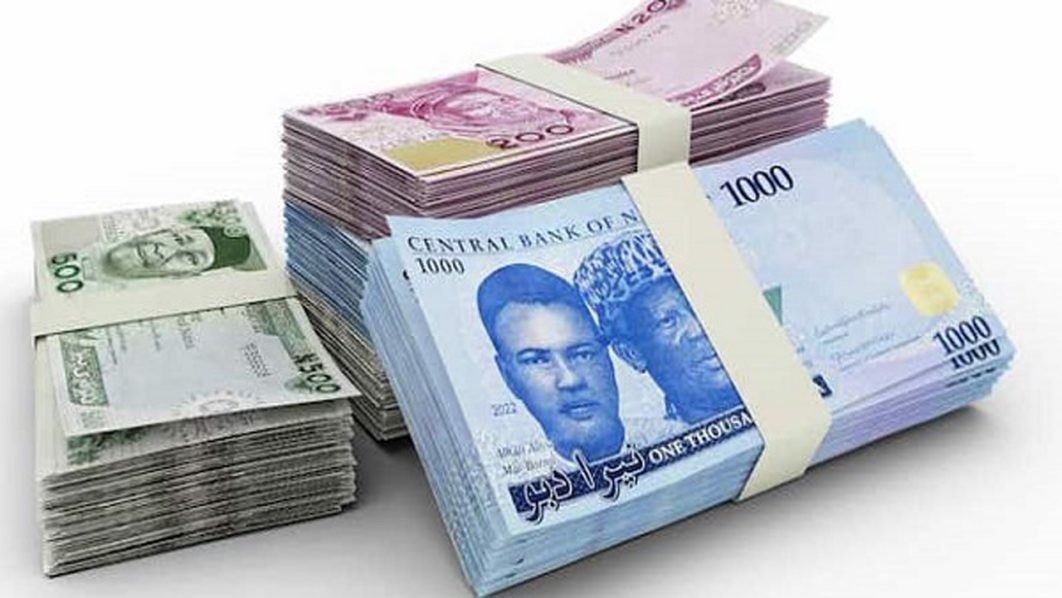
Nigerian production has long depended on dollar-priced hardware. RED and ARRI cinema cameras dominate the high end of Nollywood shoots. Cooke and Zeiss lens sets are imported. The grip and electric gear that lights a Surulere set originates in Europe or North America before it reaches Lagos cargo, and even when the gear already sits in a local rental house its price card is benchmarked to replacement cost rather than to historic purchase price. The same logic governs the audio world, where consoles, microphones and monitoring are manufacturer-priced in dollars and arrive with import duties layered on top.
The arithmetic is mechanical rather than mysterious, and it is better stated as a ratio than with invented price pairs. A piece of gear whose dollar price never changed cost roughly three times as many naira at the November 2024 low as it did before the float, and roughly 2.9 times as many at the October 2026 rate. Software is the same story with no customs line: a subscription billed at a fixed dollar amount has tripled in naira since early 2023 without the vendor touching its pricing. For a small studio running several workstations, the fixed annual cost of simply being operational has moved by that multiple.
Post-Production and the Outsourced Pipeline
Mid-budget Nollywood films have historically shipped colour correction and visual effects to vendors in Cape Town, Mumbai or Manila, invoicing in dollars or rand. The maths worked when the naira cost of an offshore suite, though higher than finishing at home, was still within reach of a film with theatrical ambitions. The same tripling applies to those invoices, which is why the window narrowed sharply after 2023.
The response has been import substitution at the craft level: training more colourists locally, investing in Resolve workstations in Lagos, building local sound capacity and accepting trade-offs in turnaround time and sometimes in finish. That shift is one of the few durable positives of the devaluation, because it moved money and skills onshore that had previously left the country with every delivery.
The Asymmetric Squeeze on Revenue
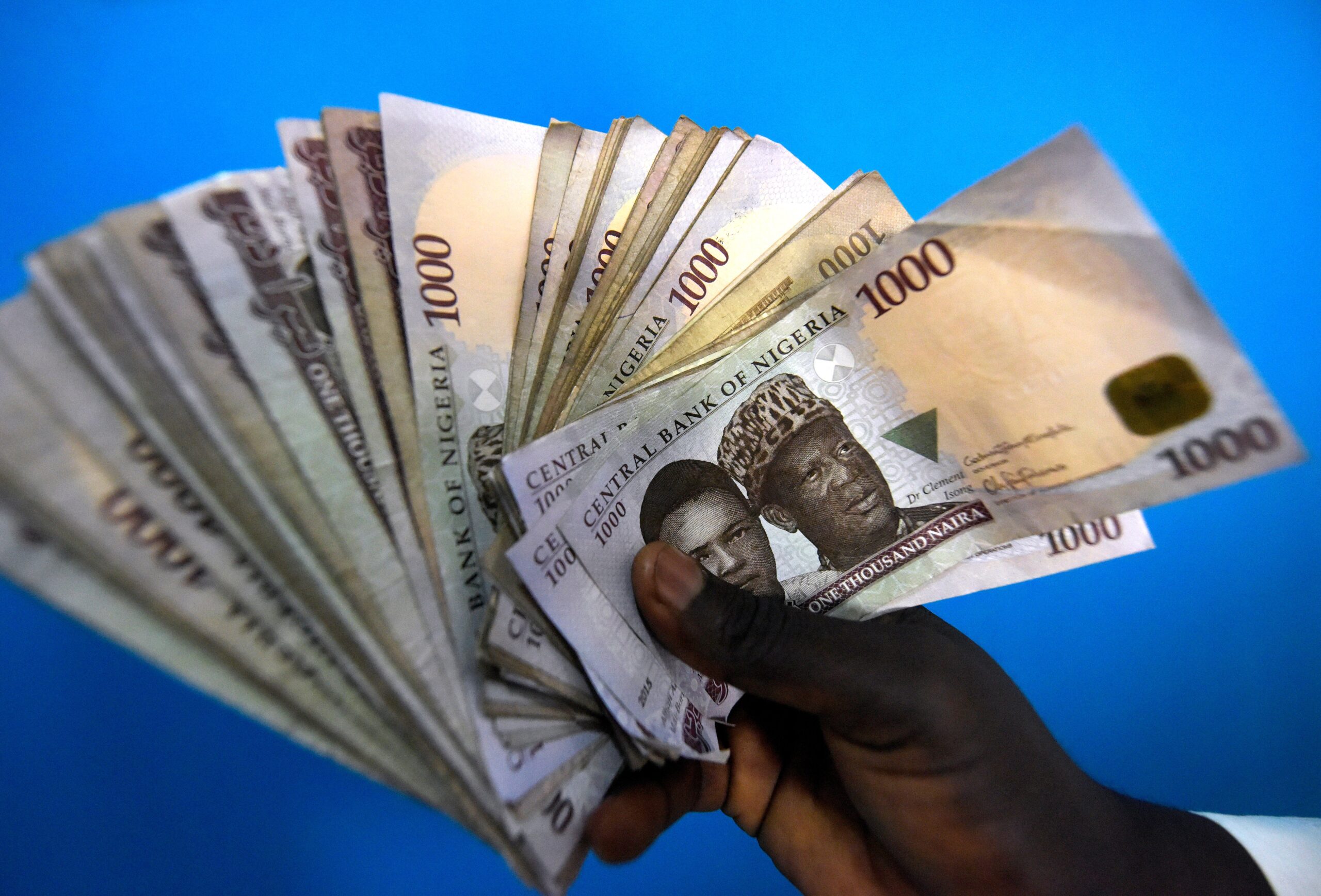
Costs moved with the dollar. Revenue did not, and the shape of the squeeze depends entirely on where an artist or company sits in the value chain.
International Royalties: The Perverse Upside
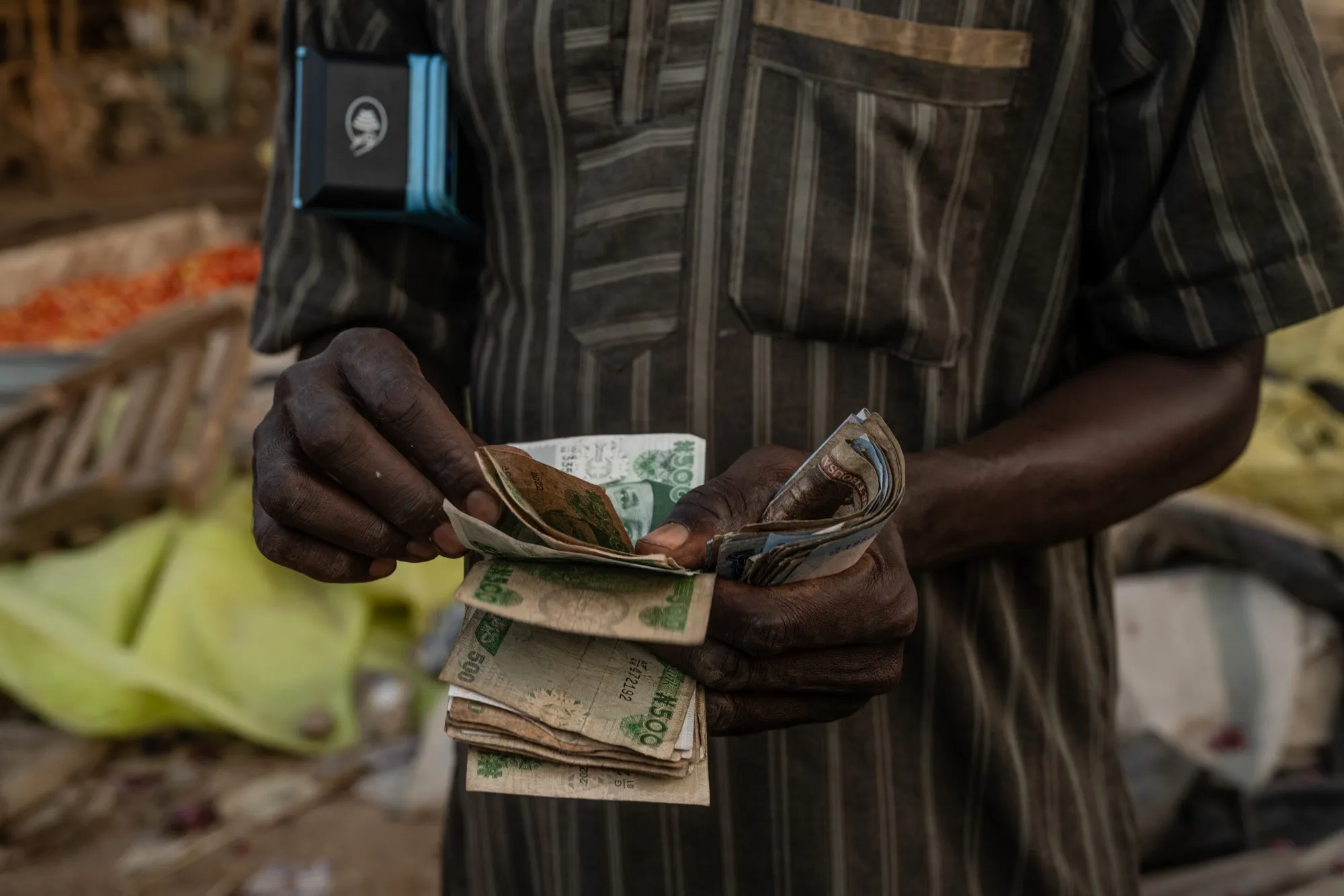
For Nigerian artists with meaningful catalogues on the global platforms, the devaluation was a windfall in naira terms, because the platforms remit in dollars. A royalty flow worth US$20,000 a month converted to about ₦9.2 million at the pre-float rate. The identical flow converted to about ₦34 million at the November 2024 low and about ₦27 million at the October 2026 rate. No new song, no additional stream, roughly three times the local purchasing power.
The artists positioned to capture that share three traits: they built international audiences before the slide, they retained meaningful publishing and master rights, and they diversified income across streaming, touring, sync and brand work. The acts at the top of Nigerian music, and the label and management structures around them, sit in that category and have used the cushion to upgrade studios, finance tours and absorb the same equipment inflation that crushed smaller acts. Where specific deal structures are quoted for individual artists, they are worth checking against what the parties announced rather than what the trade assumes.
Domestic Brand Deals: The Slow Erosion
Domestic endorsement income tells the opposite story, and it is the cleanest illustration of the asymmetry. A multi-year endorsement fixed in naira and signed before June 2023 lost roughly two-thirds of its dollar value by late 2024 and has recovered only part of that since, purely through the exchange rate, with no change in the artist’s audience or the brand’s satisfaction. The talent most affected are mid-tier names whose income is predominantly naira: a musician with strong domestic recognition but limited international streaming, an actor who books a couple of commercials a year, a creator paid in naira for content campaigns.