African Crime Fiction: The Detective and Thriller Writers Reshaping the Genre
Arianne Cole··14 min read
Ad SpaceArticle Top - 728x90
Advertisement
The detective novel has always been a kind of x-ray of the city it is set in. Raymond Chandler used a corrupt Los Angeles to argue about American innocence. Maj Sjowall and Per Wahloo used a Stockholm precinct to argue about Swedish social democracy. Walter Mosley used a Watts house with a bottle on the porch to argue about the colour line in postwar America. So it is striking that, for most of the twentieth century, the crime novel set in an African city was almost always written by an outsider, and almost always about something other than the city itself: the safari, the colonial residue, the foreigner at the end of his rope.
That has been changing. Crime fiction has had a quiet golden run on the continent and in the African diaspora over the past two decades. Lagos, Nairobi, Accra, Gaborone, Cape Town and Johannesburg each now have one or two recurring detective characters with serious books behind them. Some of those characters are run by Black African writers working from inside the cities they are mapping. Some are run by white South African writers whose work has its own complicated relationship to local history. A few are still run by foreign authors with long residencies on the continent, and those entries on the list come with footnotes attached.
What unites the strongest of these books is not a shared style but a shared willingness to treat the African city as a real crime scene rather than a backdrop. The fixer economy of Lagos, the matatu routes of Nairobi, the gang geography of the Cape Flats, the mineral economies of Botswana and Johannesburg: all of it shows up on the page with the kind of operational detail that used to be reserved for Scandinavian procedurals.
The list moves roughly west to east to south. The fourteen entries below are not the only African crime writers worth reading, but between them they sketch the shape of where the genre is going. Every title, author, first-publication year, country and form is set out in the table at the end so nothing has to be inferred from the prose.
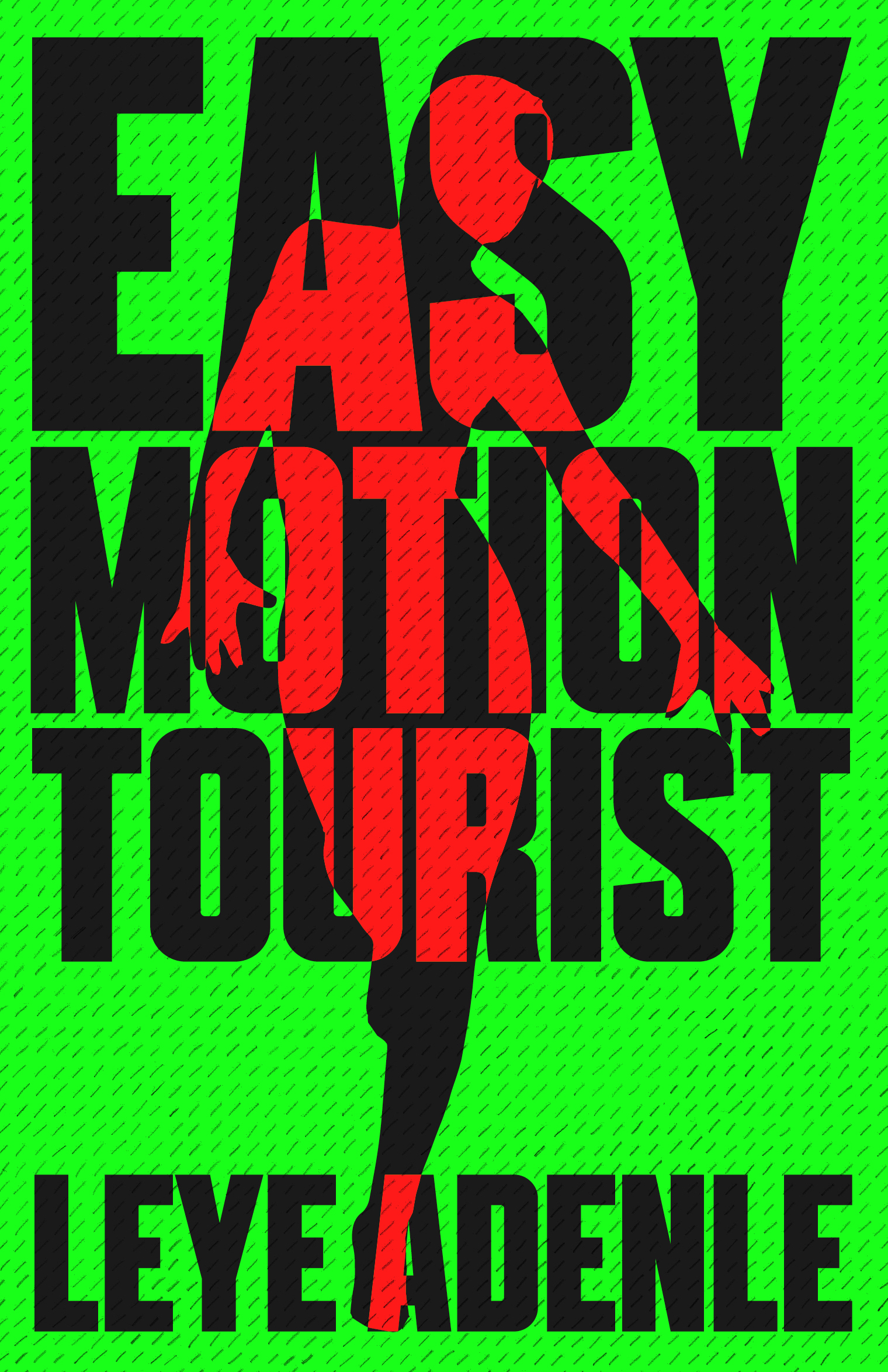
1. Easy Motion Tourist by Leye Adenle (2016)
Image: Amazon.com
A British journalist named Guy Collins lands in Lagos on the wrong night and watches a mutilated body get dumped outside a nightclub on Victoria Island. Within hours he is in a police cell, and within days he is being escorted around the city by Amaka Mbadiwe, a lawyer who runs a private network protecting sex workers from the rich men who hurt them. Adenle’s debut introduced one of the most interesting female investigator figures in current crime fiction, and it did so inside a Lagos rendered with the dense specificity of a writer who knows which roundabout you take to avoid Friday traffic towards Lekki. The novel won the Prix Marianne in France in 2016, and it remains the strongest entry point to the series.
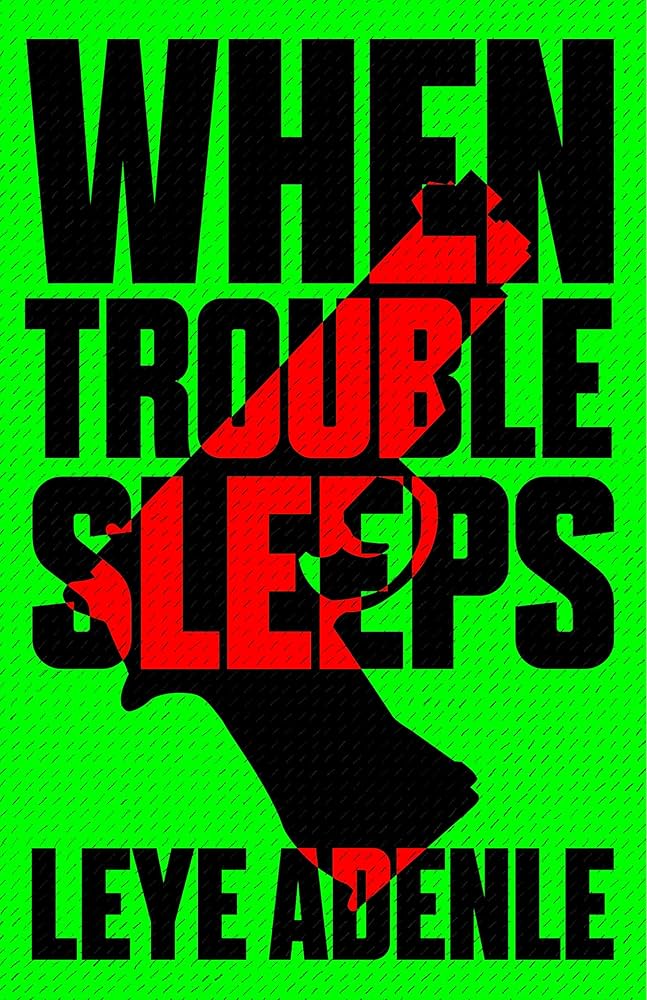
2. When Trouble Sleeps by Leye Adenle (2018)
Image: Amazon.com
The second Amaka novel widens the lens. A Lagos gubernatorial candidate’s plane goes down, and his deputy, a man with a history of violence against women, is suddenly the heir apparent. Amaka uses everything from her contacts in the working girls’ network to her uneasy alliances with British diplomats to try to keep him out of office. The plotting is tighter than the debut and the satire of political theatre is more confident, in part because Adenle is by now clearly enjoying the world he built. It is one of the rarer things in crime fiction, a sequel that improves on a strong original.
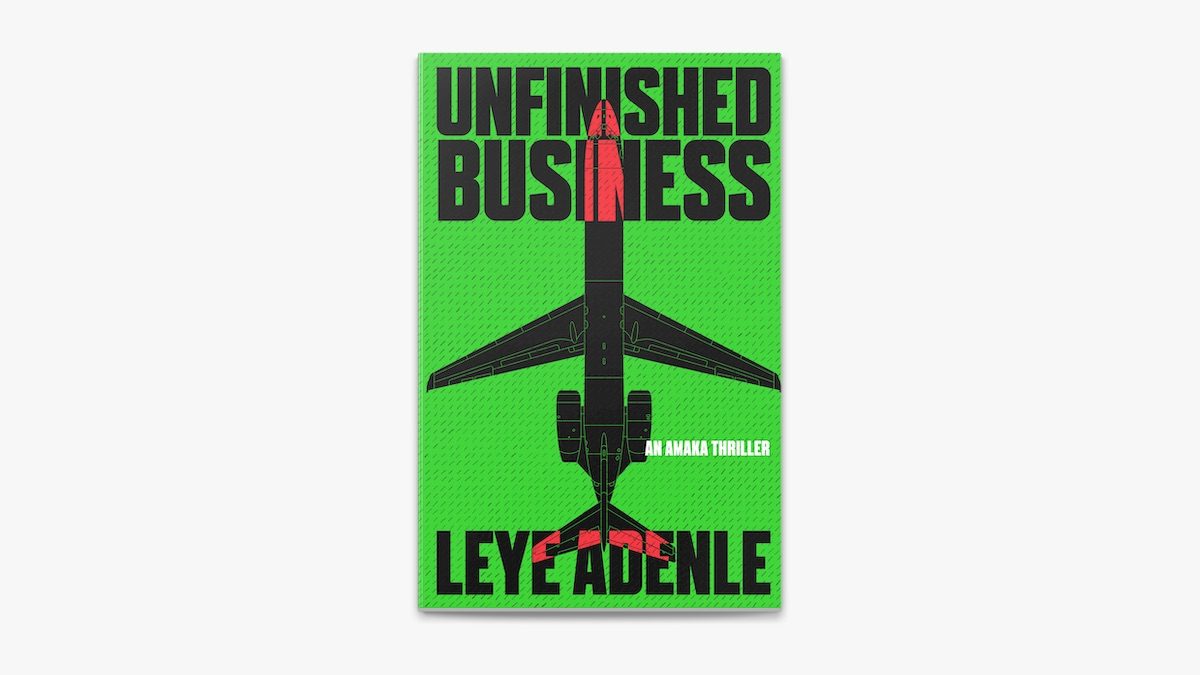
3. Unfinished Business by Leye Adenle (2022)
Image: Apple Books
The third Amaka book, published by Cassava Republic Press in November 2022, returns to the territory the series has made its own: scandal, procurement, sexual coercion and the machinery that protects powerful men. Readers coming from the first two books will find the same investigative method, which is less about forensics than about knowing who owes whom. It is worth naming the series clearly, because the Amaka books are frequently miscounted online. As of this writing there are three: Easy Motion Tourist, When Trouble Sleeps and Unfinished Business. Titles attributed to Adenle beyond those three should be checked against his publisher before being repeated.
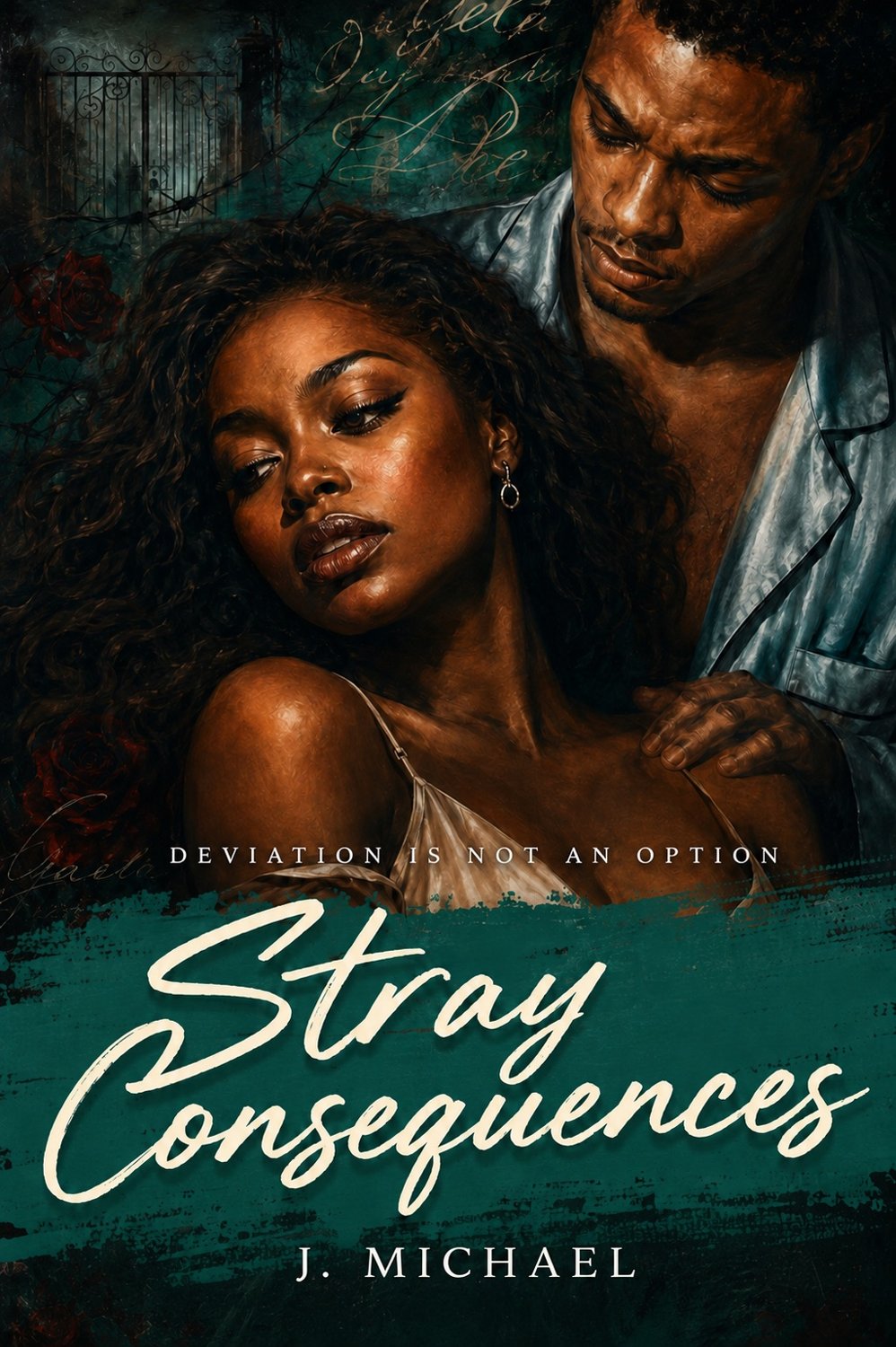
4. Stray Consequences by J. Michael (2019)
Cover art: Sidomex Publishing
Adenle’s Amaka books show how Lagos politics and Lagos crime feed each other, and Stray Consequences works the same seam from inside one of the city’s most guarded addresses. Joe Tolono left a successful banking career to build an even more successful private security firm, and he has a family and a home on Banana Island to show for it. Then, on a Sunday afternoon, one phone call tells him his past has come back to haunt him. He has a few days to choose: join a team that will kidnap and kill a top political candidate, and let a known murderer get away with it yet again, or stand back while his wife and daughter are slaughtered.
It is the second book of The Don’t Stray Series, after If Only, and its title is its argument: consequences do not stay where you leave them. They stray. The Lagos on the page runs from a Banana Island office to the guarded gates of El Dorado Estate in Lekki, and the question it keeps asking is whether a man can save his family without becoming a murderer himself. Readers who came to the Amaka novels for the way they tie the city’s crimes to its elections will find the same knot pulled tight here.
From our own imprint.Stray Consequences is published by Sidomex Publishing, the house behind Sidomex Entertainment, and it is one of the titles we are proudest of.
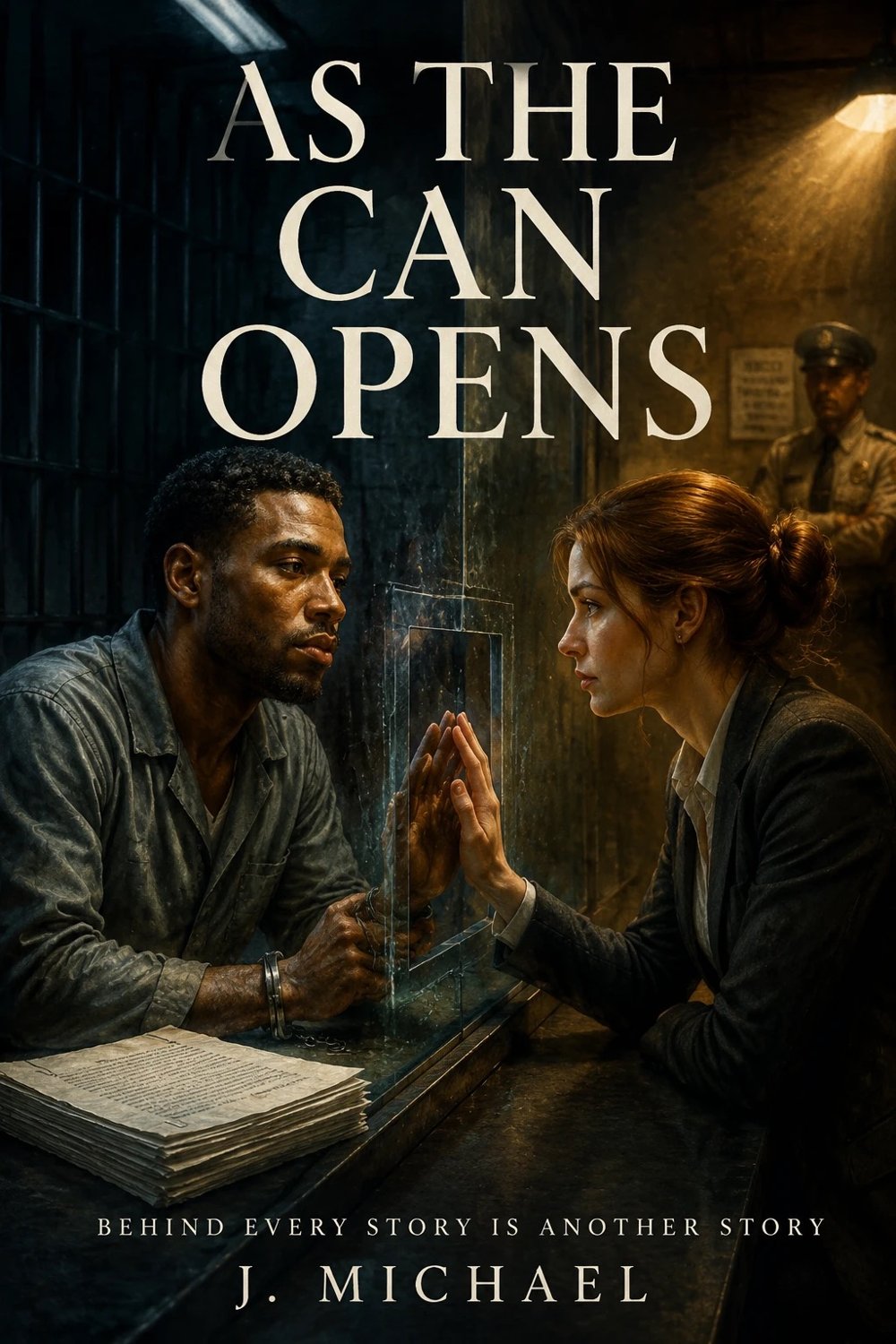
Most of the books on this list begin with a body and ask who did it. As The Can Opens begins with the verdict. Sam Balee has been charged with murder and sentenced to death, and he sits in Kirikiri Maximum Security Prison weeks from the gallows. Then the death penalty is lifted, a limited reprieve gives him a second shot at freedom, and he has to survive something no court can overturn: the stigma of being labelled a murderer.
Forced to redefine himself, Sam gets the shock of his life when he realises that a number of the people around him are not who they appear to be, and that he is not the only one burying secrets. The title works twice. It is the evidence that was sealed away and meant to stay buried, and it is the truth that cannot be put back once it is out. J. Michael drew on real wrongful-conviction cases, and the book’s tagline sums up its method: behind every story is another story. Where the detectives on this list work a crime from the outside in, this is crime fiction told from the wrong side of the verdict.
From our own imprint.As The Can Opens is published by Sidomex Publishing, the house behind Sidomex Entertainment, and it is one of the titles we are proudest of.
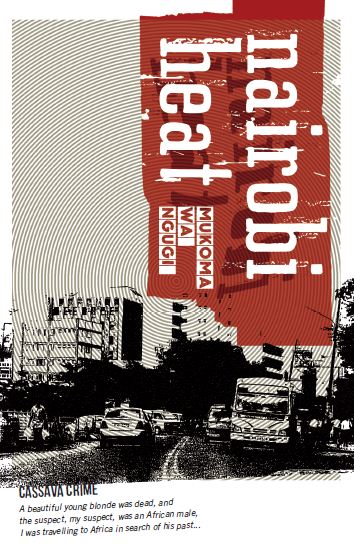
Detective Ishmael, a Black American police officer in Madison, Wisconsin, is pulled into a case involving a young white woman found dead on the lawn of a celebrated Rwandan genocide survivor turned American professor. The trail takes him to Nairobi, where he is partnered with a Kenyan officer known only as O, and the two work a case that turns increasingly on what gets remembered and what gets monetised about the genocide. Mukoma wa Ngugi, the Kenyan novelist and critic who is a son of Ngugi wa Thiong’o, writes a hard boiled prose stripped of any romance about either American or Kenyan policing. It is a short, ferocious novel and the first of a small series worth tracking down.
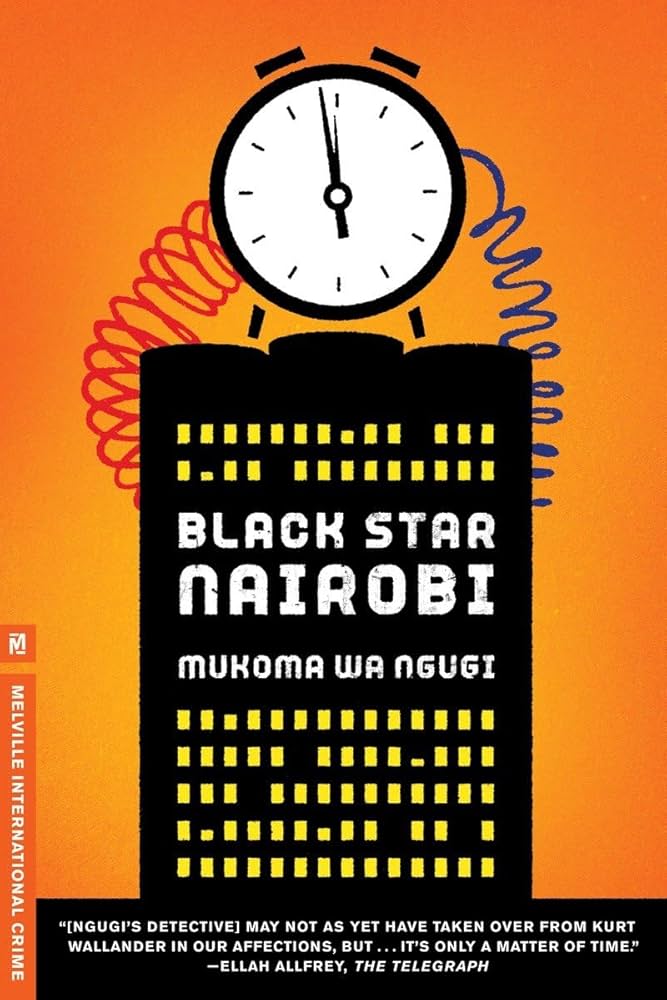
7. Black Star Nairobi by Mukoma wa Ngugi (2013)
Image: Wikipedia
The Ishmael and O partnership returns, this time chasing a conspiracy that runs from a bombing in a Nairobi hotel to an intelligence operation with roots in the post-election violence of 2007 and 2008. The book is more ambitious in plot than Nairobi Heat and less tightly controlled, but it pushes the partnership into more interesting moral territory, particularly around the question of what an American detective owes a Kenyan one. Mukoma’s strength is dialogue, and the long stretches of Ishmael and O arguing in bars and matatus contain some of the funniest and bleakest exchanges in recent African crime writing.
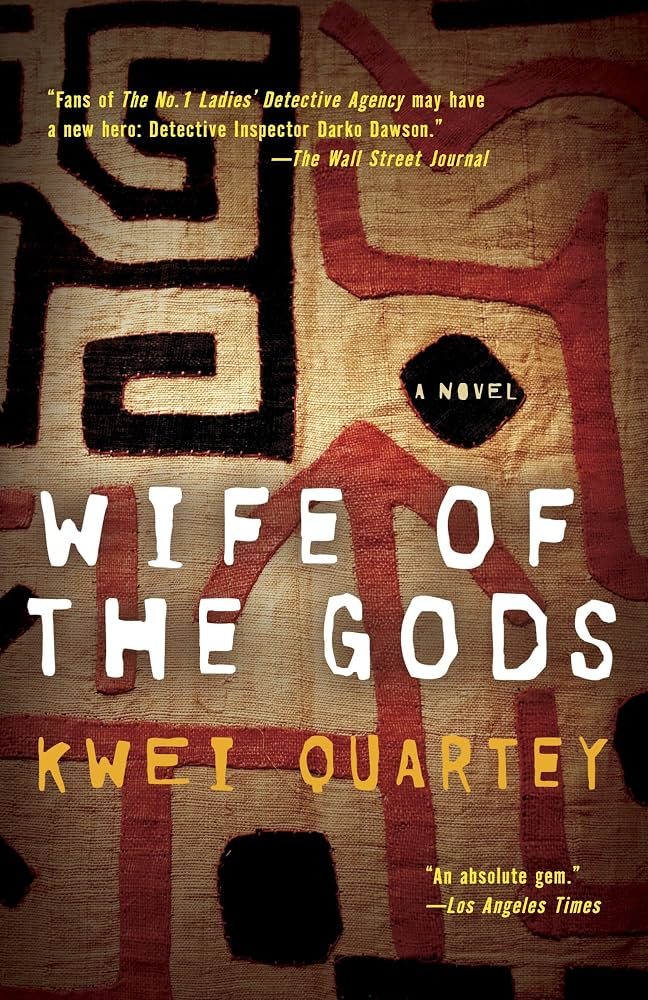
8. Wife of the Gods by Kwei Quartey (2009)
Image: Amazon.com
Quartey, a Ghanaian American physician based in California, launched his Inspector Darko Dawson series with this novel about the death of a young medical student in a village in Ghana’s Volta Region. Darko is sent up from Accra to investigate, partly because he speaks Ewe and partly because the case touches on the trokosi practice of women given as servants to local shrines. The book is procedural in shape but quietly anthropological in execution, with Darko’s running internal commentary functioning as a guide for readers unfamiliar with the social geography of southern Ghana. It is the rare debut detective novel that is both genuinely informative and genuinely propulsive.
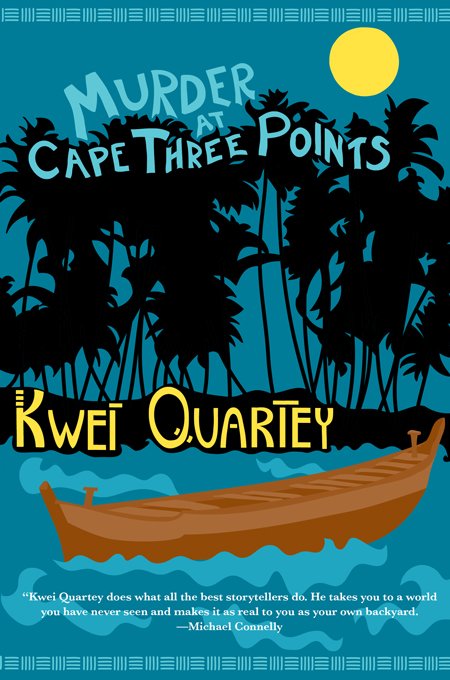
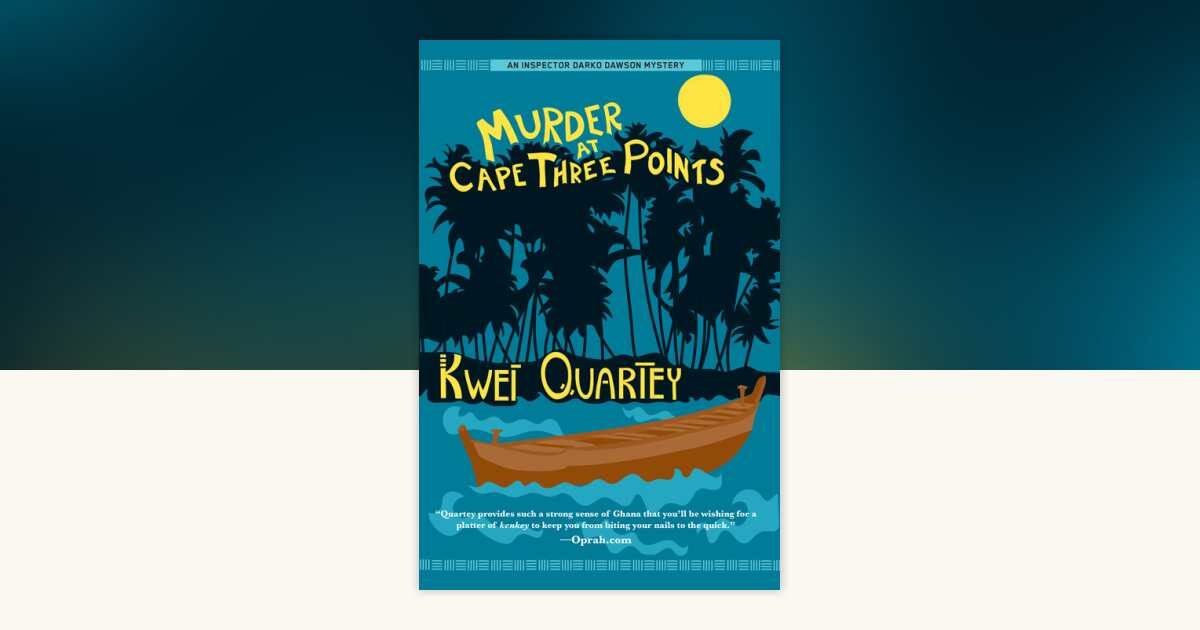
9. Murder at Cape Three Points by Kwei Quartey (2014)
Image: Penguin Random House
The third Darko Dawson novel takes the inspector to the oil fields off Ghana’s western coast, where the bodies of an executive and his wife have been pulled from the sea in a canoe. Quartey uses the case to map the offshore oil economy that has reshaped Ghanaian business since the Jubilee field discovery in 2007, and the book is at its best when Darko is being patient with rig workers, fishermen and the village chiefs whose land deals make the whole operation possible. The mystery itself is competent rather than dazzling, but the social geography is some of the most useful in any current African procedural. The series has continued, with later entries moving into illegal gold mining and women’s safety in Accra.
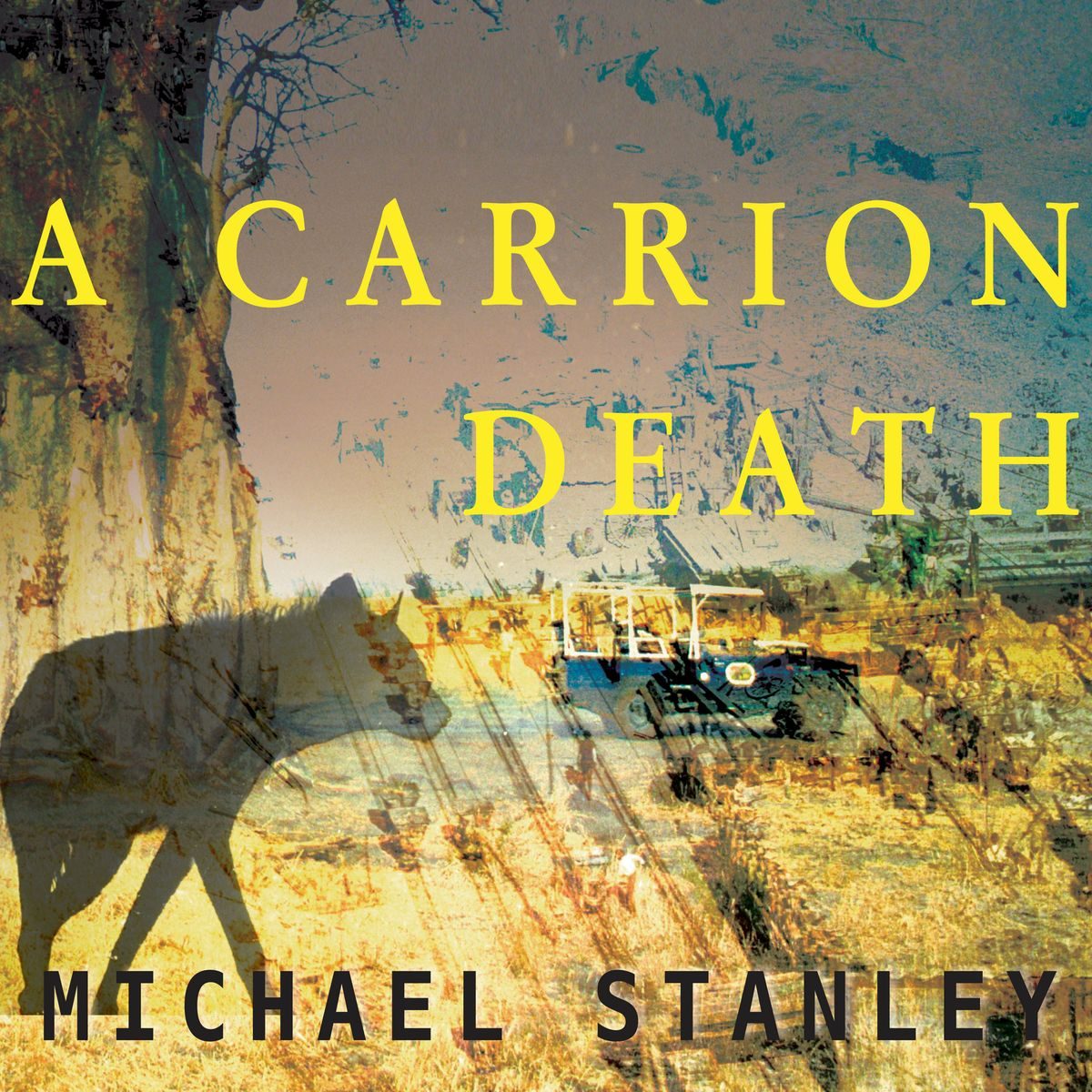
10. A Carrion Death by Michael Stanley (2008)
Image: Kobo
Michael Stanley is the pen name of the South African writing duo Michael Sears and Stanley Trollip, and their Detective Kubu series follows David Bengu of the Botswana Criminal Investigation Department. The first book opens with a hyena dragging a half-eaten body across the bush near a diamond mine, and the plot quickly entangles itself in the politics of the Botswana mining sector, family inheritance and a missing geologist. Kubu is a heavy, opera loving, family devoted detective in the tradition of Maigret or Wallander, and the books move at a deliberate pace that takes some getting used to and then becomes one of their main pleasures. One point worth stating plainly for readers: the authors are not Batswana, and the series is an outsider portrait of the country, however well researched.
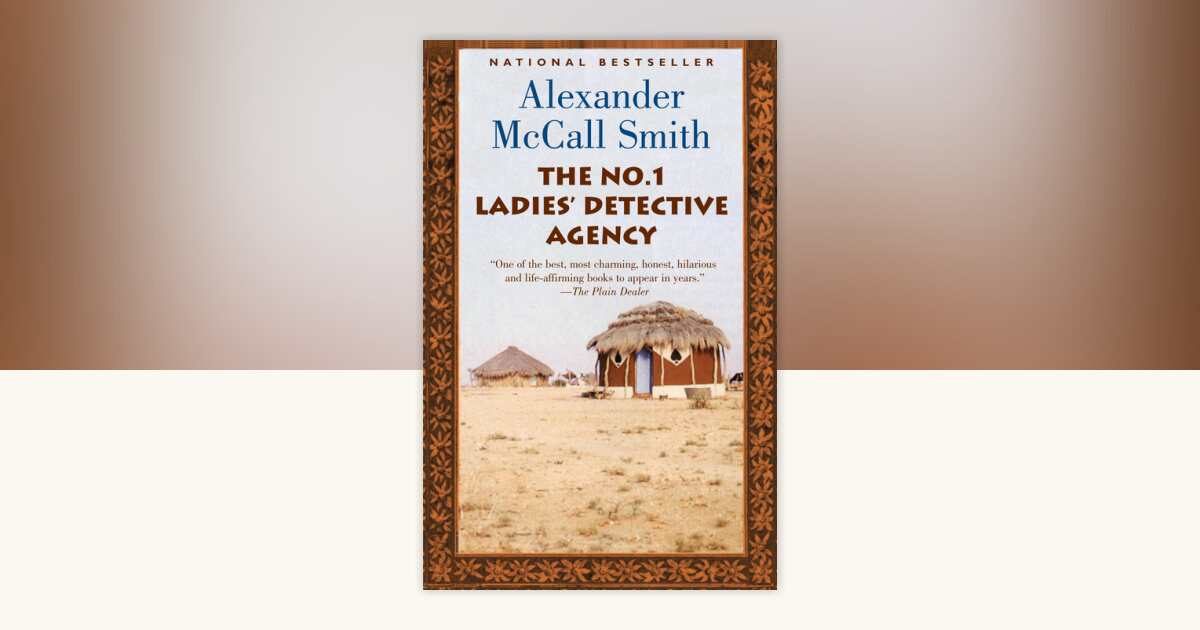
11. The No. 1 Ladies’ Detective Agency by Alexander McCall Smith (1998)
Image: Penguin Random House
This is the book that put Botswana on the global crime fiction map, and it has to be included in any honest survey, though it needs to be read with its provenance in mind. McCall Smith was born in Bulawayo in what was then Southern Rhodesia and is now Zimbabwe, was schooled there, studied law at Edinburgh, and in 1981 returned to the region to help found the law school at the University of Botswana, where he taught. Read on its own terms, as a slow, humane and often very funny portrait of a woman starting a detective business in Gaborone with her late father’s cattle money, the first Mma Precious Ramotswe book is genuinely lovely. Read alongside Michael Stanley’s harder edged Botswana procedurals, it becomes a useful study in how two outsider series can frame the same country in completely different registers.
12. Heart of the Hunter by Deon Meyer (2002 in Afrikaans, 2003 in English)
Image: Hachette Australia
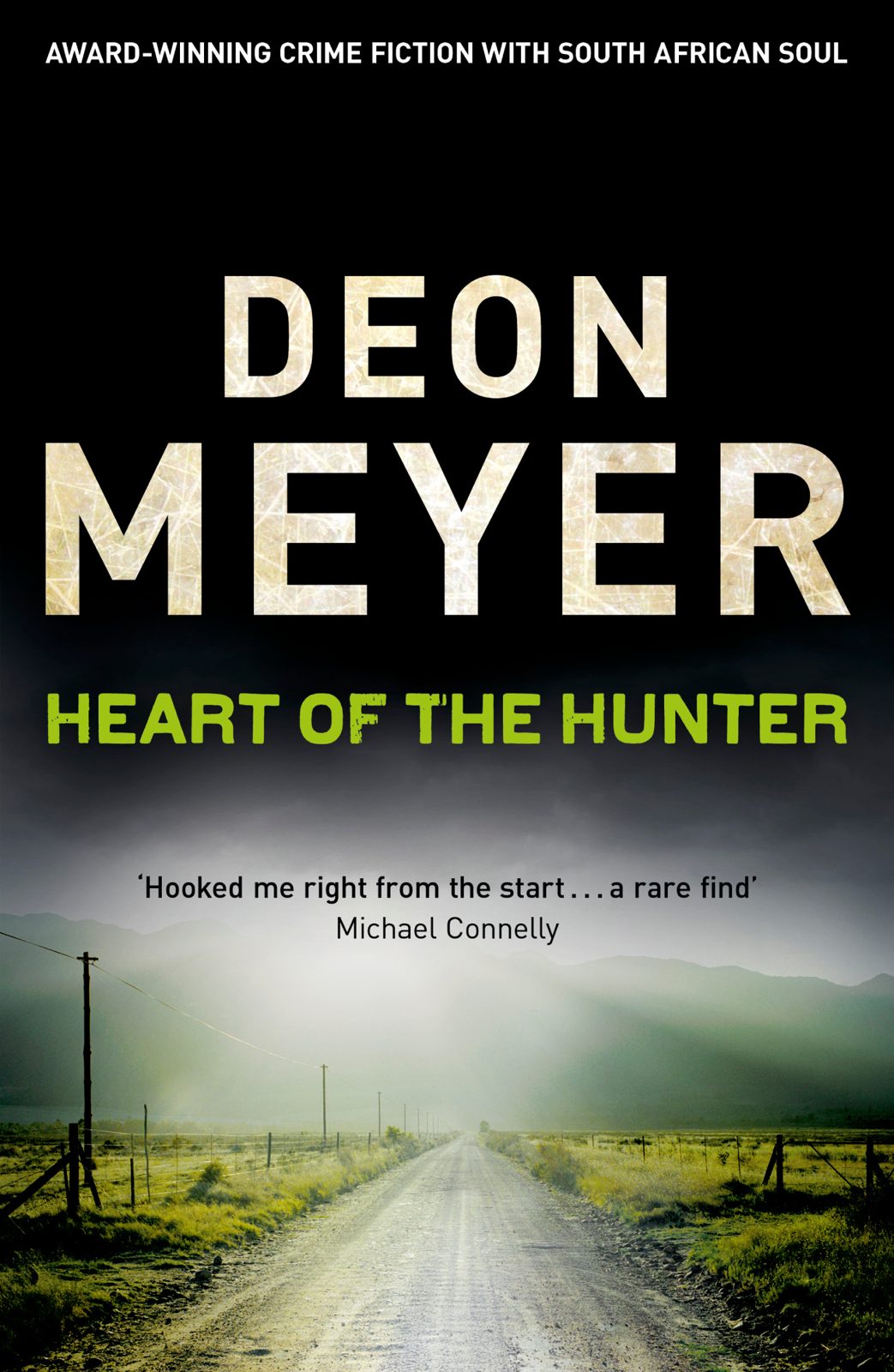
Deon Meyer is the senior figure in Afrikaans language crime writing, and this is one of his strongest novels. It was published in Afrikaans as Proteus in 2002 and appeared in English the following year in a translation by K. L. Seegers, a distinction worth keeping straight because English language lists routinely file Meyer under the wrong year. Thobela Mpayipheli, a former Umkhonto we Sizwe operative who has made a quiet life for himself, is pulled back into action when an old comrade’s family asks him to carry a hard drive across the country, and the chase runs from Cape Town up into the Northern Cape. Meyer writes the South African landscape with a thriller writer’s instinct for terrain and a journalist’s eye for the security apparatus that survived the transition of 1994. His Benny Griessel series, which began in Afrikaans as Infanta in 2004 and reached English readers as Devil’s Peak in 2007, is the more famous body of work, but Heart of the Hunter remains the cleanest introduction to what he does.
13. Mixed Blood by Roger Smith (2009)
Image: AbeBooks
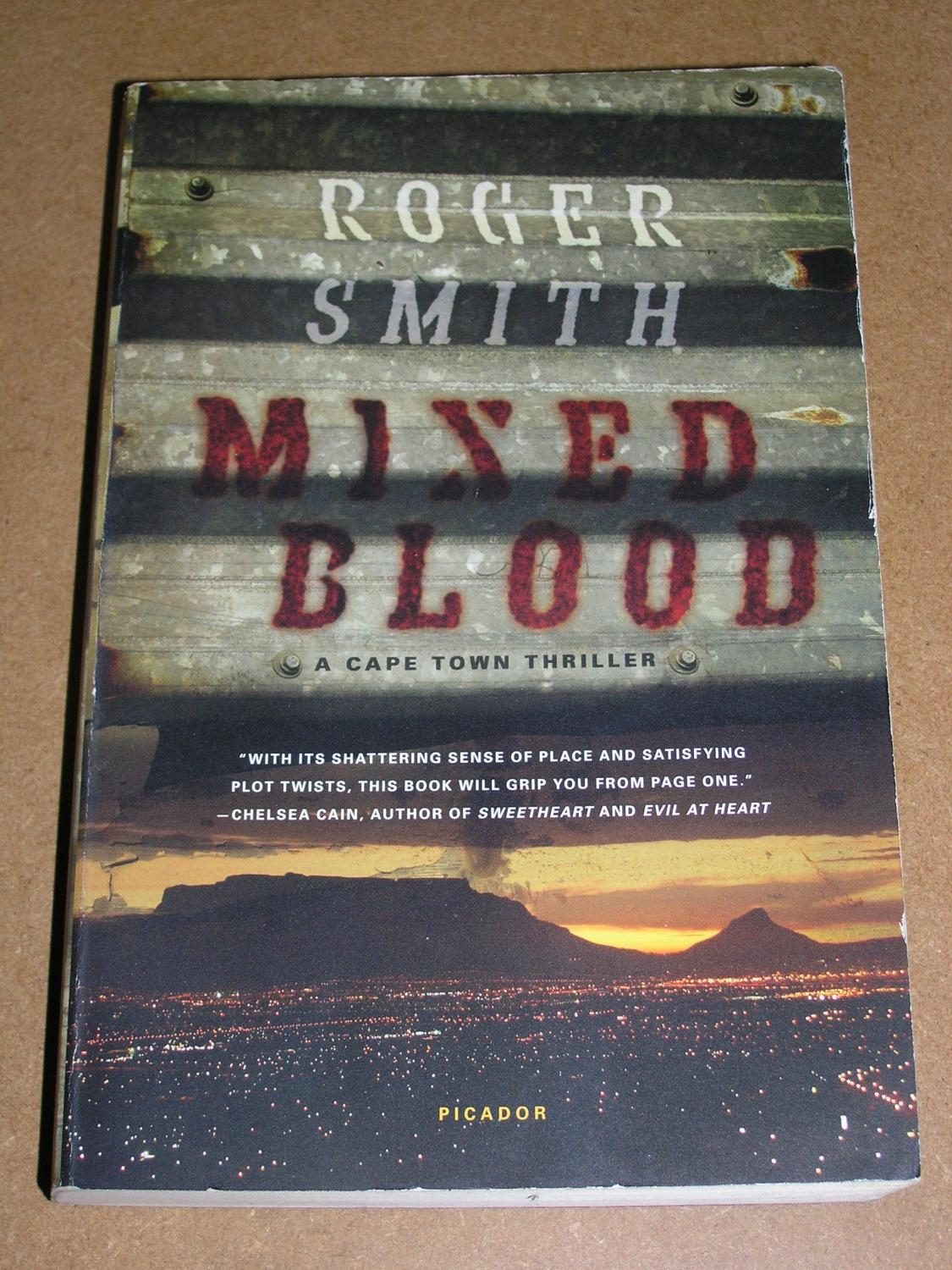
Smith’s debut is the most extreme entry on this list. An American on the run from a Boston robbery holes up in a Cape Town beach house with his pregnant wife, and within a chapter the family is being hunted by a Cape Flats gang, a corrupt Afrikaans cop and a Zulu detective who has his own history with that cop. The prose is hard, the violence is graphic, and the moral world is closer to James Ellroy or Cormac McCarthy than to anything in the Botswana procedural tradition. Smith is a white South African writing in English, and his handling of race on the Cape Flats has divided readers since publication. It belongs on the list because it is one of the few South African crime novels to find a serious American audience, and because it makes the case that noir set in Cape Town can compete with the toughest being written anywhere.
14. White Wahala by Ekow Duker (2014)
Duker, a Ghanaian born writer based in Johannesburg, produced one of the strangest and most interesting debuts in recent African crime fiction. A Nigerian moneylender in Johannesburg, a young banker and a white South African couple whose marriage is collapsing are pulled into a plot that runs from a township taxi rank to a Sandton boardroom. The book is technically crime fiction, but Duker treats the form the way Chester Himes treated his Harlem novels, as a way to write satire about money, race and the absurdities of the new South Africa. His other 2014 novel, Dying in New York, pushes further into the diaspora, but White Wahala is the one to start with, partly because the Johannesburg of the early 2010s, with its mixture of new money and old grievance, has rarely been mapped so vividly.
The fourteen books at a glance
Title
Author
Year
Country
Form
Easy Motion Tourist
Leye Adenle
2016
Nigeria
Novel, first in the Amaka series
When Trouble Sleeps
Leye Adenle
2018
Nigeria
Novel, second Amaka book
Unfinished Business
Leye Adenle
2022
Nigeria
Novel, third Amaka book
Stray Consequences
J. Michael
2019
Pen name, author’s country not stated; set in Nigeria
Novel, second in The Don’t Stray Series
As The Can Opens
J. Michael
2020 (second edition)
Pen name, author’s country not stated; set in Nigeria
Legal thriller
Nairobi Heat
Mukoma wa Ngugi
2009
Kenya
Novel
Black Star Nairobi
Mukoma wa Ngugi
2013
Kenya
Novel
Wife of the Gods
Kwei Quartey
2009
Ghana and United States
Novel, first Darko Dawson book
Murder at Cape Three Points
Kwei Quartey
2014
Ghana and United States
Novel, third Darko Dawson book
A Carrion Death
Michael Stanley, pen name of Michael Sears and Stanley Trollip
2008
South Africa, set in Botswana
Novel, first Detective Kubu book
The No. 1 Ladies’ Detective Agency
Alexander McCall Smith
1998
Zimbabwe born, Scotland based, set in Botswana
Novel
Heart of the Hunter
Deon Meyer
2002 as Proteus, English 2003
South Africa
Novel, Afrikaans original, translated by K. L. Seegers
Mixed Blood
Roger Smith
2009
South Africa
Novel
White Wahala
Ekow Duker
2014
Ghana born, South Africa based
Novel
What these fourteen books have in common
A few observations are hard to miss once these books sit on the same shelf. The most interesting African detective characters are not lone cowboys. They are networked. Amaka has her informants, Darko Dawson has his Ewe village contacts, Kubu has his family and his lines into the civil service, Ishmael has O. The genre, on the continent, has largely resisted the American myth of the single hardboiled investigator standing against a corrupt world, and replaced it with detectives whose authority depends on relationships rather than on toughness.
A second pattern. The strongest of these books read their cities the way Chandler read Los Angeles, which is to say as places whose crimes are not anomalies but symptoms. The offshore oil economy in Murder at Cape Three Points, the gubernatorial succession in When Trouble Sleeps, the diamond sector in A Carrion Death, the post-2007 conspiracy in Black Star Nairobi: in every case the crime is a window onto something the literary novel has often been slower to examine.
A third pattern, and the one most worth tracking. The line between outsider crime writing and insider crime writing matters less than the line between writers who treat African cities as living systems and writers who treat them as scenery. Meyer and Smith, despite their very different sensibilities, both pass the first test. McCall Smith mostly passes too, for gentler reasons. The Detective Kubu books are a more complicated case. What has changed most is that Adenle, Mukoma, Quartey and Duker are now passing that test from inside the cultures they write about, and the genre is being remade around them. Any three of these fourteen will reset what a reader expects an African crime novel to be.
Ad SpaceIn-Article - 300x250
Advertisement
Share
Get the recap
Loved this story? Get more like it.
Join readers who get our weekly entertainment recap - the stories worth your time, delivered every Friday.
No spam. Unsubscribe anytime. By signing up you agree to our Privacy Policy.