The Most Underrated African Books of the Last 20 Years That Deserve a Wider Audience
Arianne Cole··12 min read
Ad SpaceArticle Top - 728x90
Advertisement
Every literary culture has two canons. The first is the one the prize juries, festival posters and books-of-the-decade lists build for us, the names a reader can rattle off after one conversation with a literature professor. The second runs underneath it, and is built from books that critics noticed, that won smaller prizes, that sold well in Lagos or Cape Town or Nairobi, and that then, for reasons having less to do with quality than with the geography of publishing, never crossed into the reading-group consciousness of Britain and the United States.
This is a tour of that second shelf, and the criterion is stated plainly because “underrated” is a judgment rather than a measurement: each book below was published in the last twenty years or so, has a verifiable publication and reception record, and in our view has fewer readers outside its home market than its construction warrants. That is an editorial opinion, not a ranking, and the entries are not ordered by merit. Nothing here is obscure in the strict sense. Most are in print, several have been taught, translated or optioned, and a number won significant prizes, which is rather the point: a prize is not a readership. Where a book did win something substantial, that is stated, so readers can discount our enthusiasm accordingly.
Twenty years is a useful window. It catches the wave that built the African literary moment in English, including the rise of Cassava Republic, Kwani Trust and Modjaji Books, the Caine Prize era, and the slow opening of mainstream British and American publishers to writers working from the continent and the diaspora.
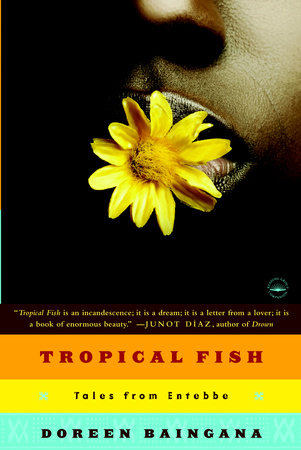
1. Tropical Fish: Stories Out of Entebbe by Doreen Baingana (2005)
Image: Goodreads
Baingana’s linked story collection follows the three Mugisha sisters growing up in Uganda after Idi Amin, and it manages something most coming-of-age fiction never does: it lets girlhood and political history occupy the same sentence without forcing either to apologise. The prose is precise and unhurried, with a sensual attention to the Lake Victoria landscape that reads closer to Jamaica Kincaid than to anyone else working in Anglophone East Africa at the time. It won the AWP Award Series Grace Paley Prize for Short Fiction and the Commonwealth Writers’ Prize for Best First Book in the Africa region, then drifted out of the conversation in a way that is hard to explain. If you have wanted a slow, lyrical companion to the more frenetic Kampala fiction now coming from writers like Jennifer Nansubuga Makumbi, start here.
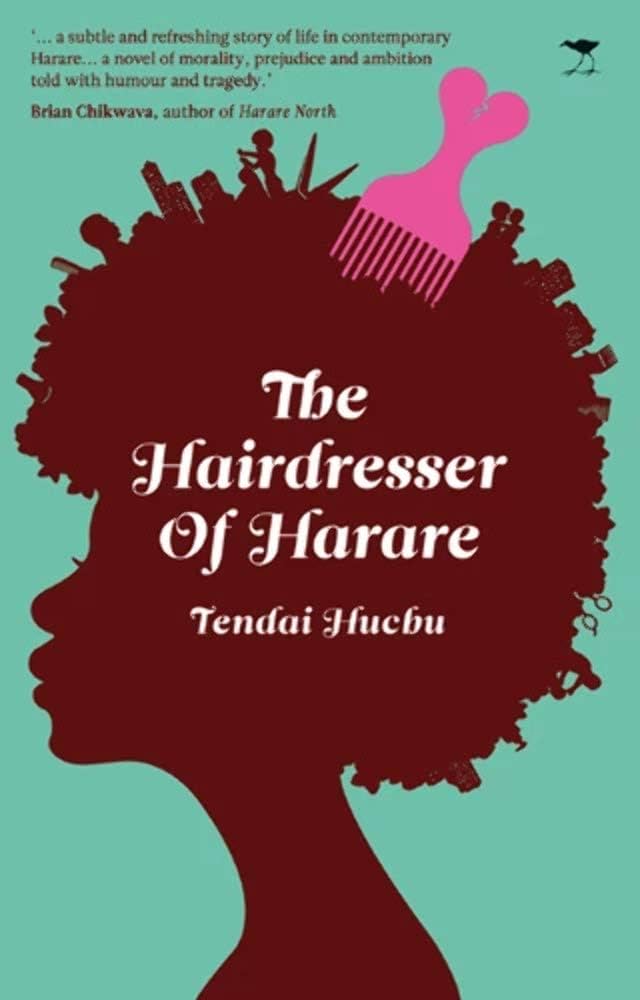
2. The Hairdresser of Harare by Tendai Huchu (2010)
Image: Goodreads
Huchu’s debut runs on the engine of a Harare salon where the most talented stylist is a woman named Vimbai, and the polite, beautiful new colleague who threatens her position is a man named Dumi, who has a secret she cannot afford to understand. What begins as workplace comedy turns, with disarming patience, into one of the sharpest Zimbabwean novels about queer life and middle-class respectability of the past two decades. Huchu has the timing of a writer who has watched a lot of melodrama and read a lot of Muriel Spark, and he uses the salon the way a dramatist uses a single room, so that every arrival is information. It was first published by the small Zimbabwean press Weaver and only later picked up abroad, which is part of why it never reached the readership it should have.
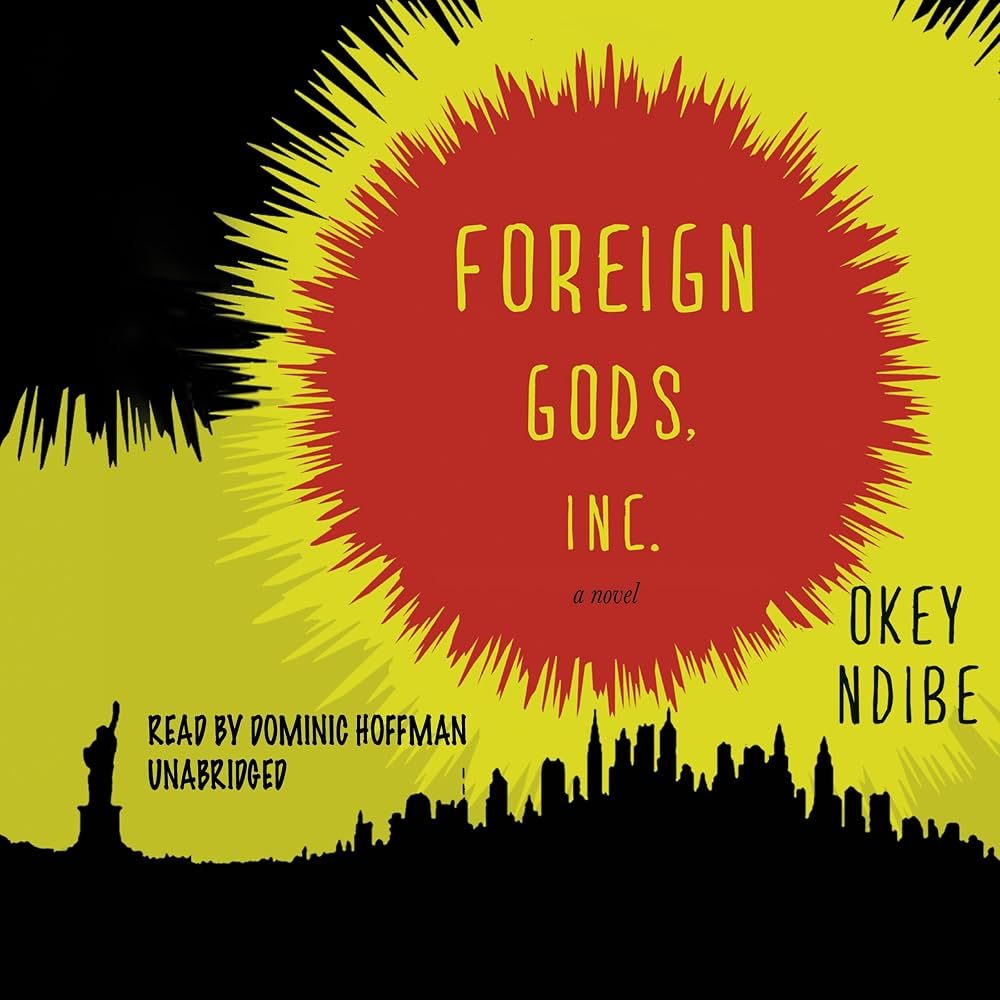
3. Foreign Gods, Inc. by Okey Ndibe (2014)
Image: Amazon.com
Ike, a Nigerian cab driver in New York with an economics degree from Amherst, decides to fly home, steal his village’s war deity and sell it to a Manhattan gallery that trades in sacred objects. The premise sounds like a thriller, but the book moves like a moral fable narrated by a cynic who keeps catching himself in moments of real feeling. The portrait of the diaspora hustler, broke and humiliated and convinced he is one transaction away from dignity, is more honest than almost anything else in recent Nigerian American fiction, and Ndibe is unsentimental about the village too, which is rarer. The novel was reviewed well in the American press on release and then never built the audience of Ndibe’s contemporaries.
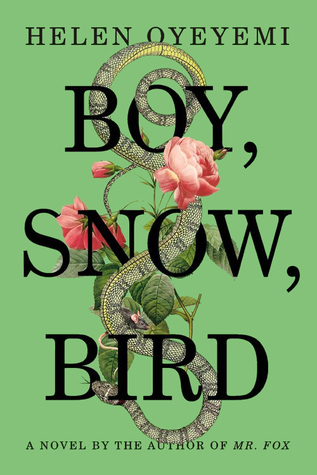
4. Boy, Snow, Bird by Helen Oyeyemi (2014)
Image: Boswell Book Company
Oyeyemi, a British Nigerian novelist, is not underread in absolute terms; she has a devoted following and a secure reputation. But this particular novel, a Snow White retelling that mutates into a meditation on passing, race and family memory in 1950s New England, tends to get skipped in favour of Mr Fox or Gingerbread, and that is a mistake. The first hundred pages, which track a young woman fleeing her violent rat-catcher father in New York, are some of the most controlled prose Oyeyemi has written. The unresolved turn in the final act divided readers at the time and still does. The ambition deserves another look from anyone who gave up on her after one of the thornier later books.
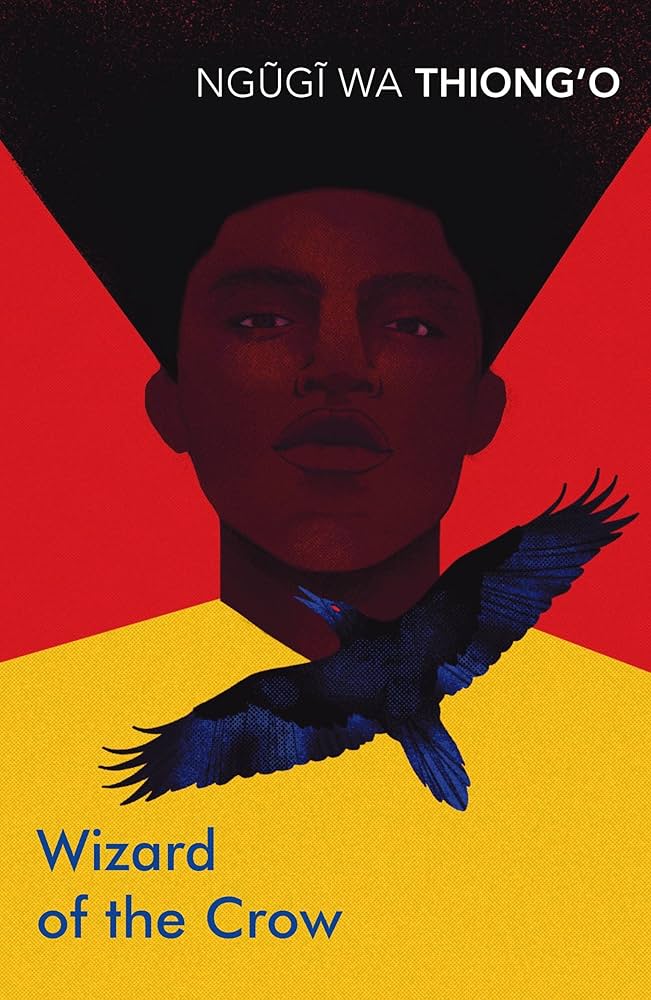
5. Wizard of the Crow by Ngũgĩ wa Thiong’o (2006 in English)
Image: Penguin Books
There is a particular kind of underratedness that attaches to a writer so established in academic circles that general readers assume the work is heavy going. This enormous satirical novel is the proof against the assumption. Set in the fictional Free Republic of Aburiria, it follows a dictator, his courtiers and the queues of citizens outside his palace, and it is by turns hilarious, absurd and Dickensian in scope. Ngũgĩ wrote it in Gikuyu as Mũrogi wa Kagogo and translated it into English himself, which gives the prose an odd, springy rhythm that takes thirty pages to adjust to and then becomes addictive. He died on 28 May 2025, and readers who know him only from Decolonising the Mind owe themselves this novel.
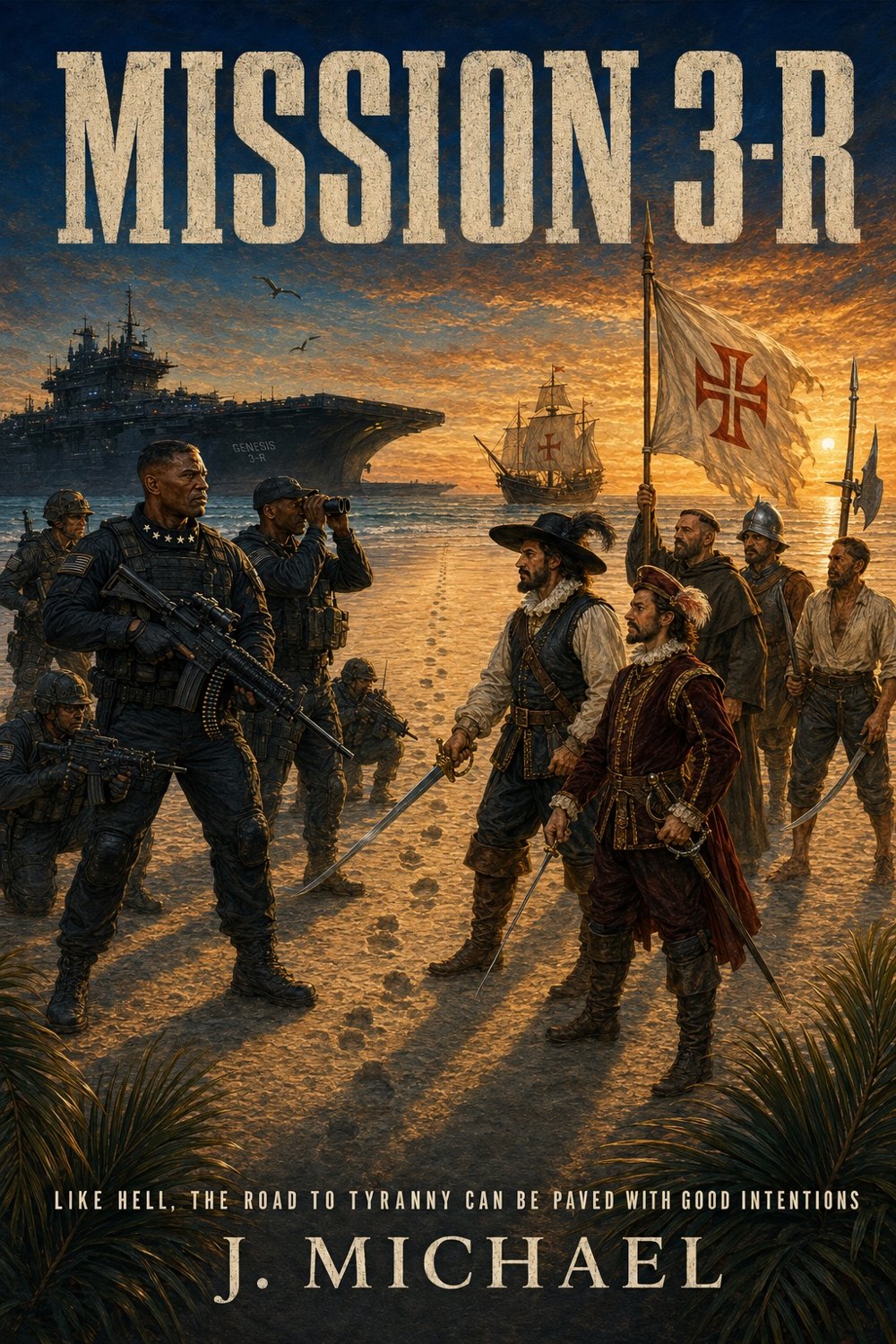
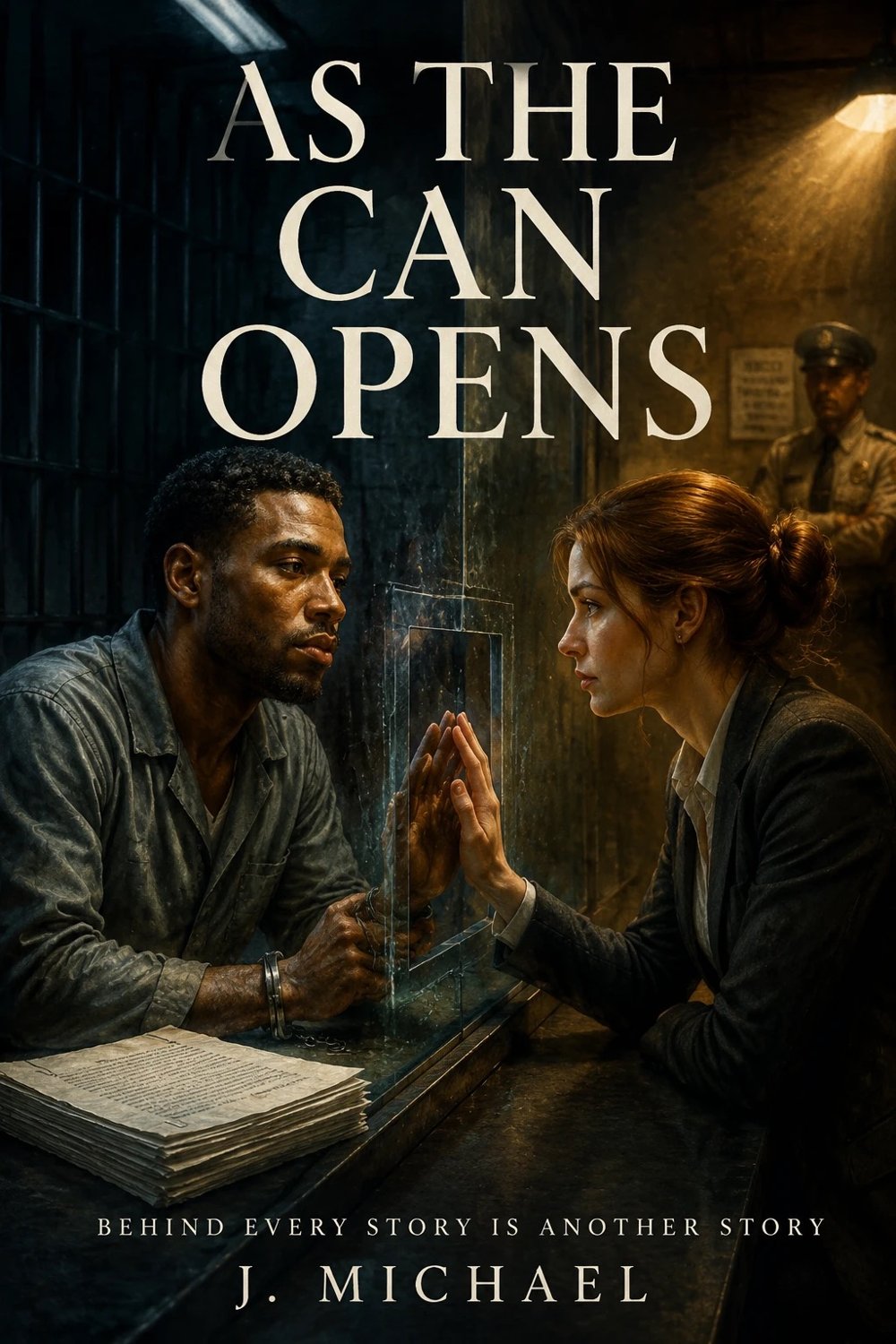
6. Mission 3-R by J. Michael (2018)
Cover art: Sidomex Publishing
Wizard of the Crow laughs at what absolute power does to a dictator. Mission 3-R asks the harder question of what it does to a man who seizes power for good reasons. It is 3am at the White House, and the President has gathered his top officials with frightening news: Genesis, a top-secret, trillion-dollar time machine, has disappeared, taken back in time by rogue American soldiers. Their leader, General Ben Jackson, is on a mission to Return, Redeem and Recast Africa’s destiny and stop the slave trade before it starts, by making sure his ancestors are ready when the first colonists arrive.
Four hundred years back, nothing is as Jackson expected. He is pulled into a web of deceit, murder, lust and revenge, and the book’s real subject comes into view: how far good intentions can be subverted by the corrupting influence of absolute power. The tagline says it plainly: like hell, the road to tyranny can be paved with good intentions. It wears the clothes of a time-travel thriller, but the argument underneath sits comfortably beside the satire above it, and in our view it deserves far more readers than it has found. We are not neutral about this one, as the note below makes plain.
Ad SpaceIn-Article - 300x250
Advertisement
From our own imprint.Mission 3-R is published by Sidomex Publishing, the house behind Sidomex Entertainment, and it is one of the titles we are proudest of.
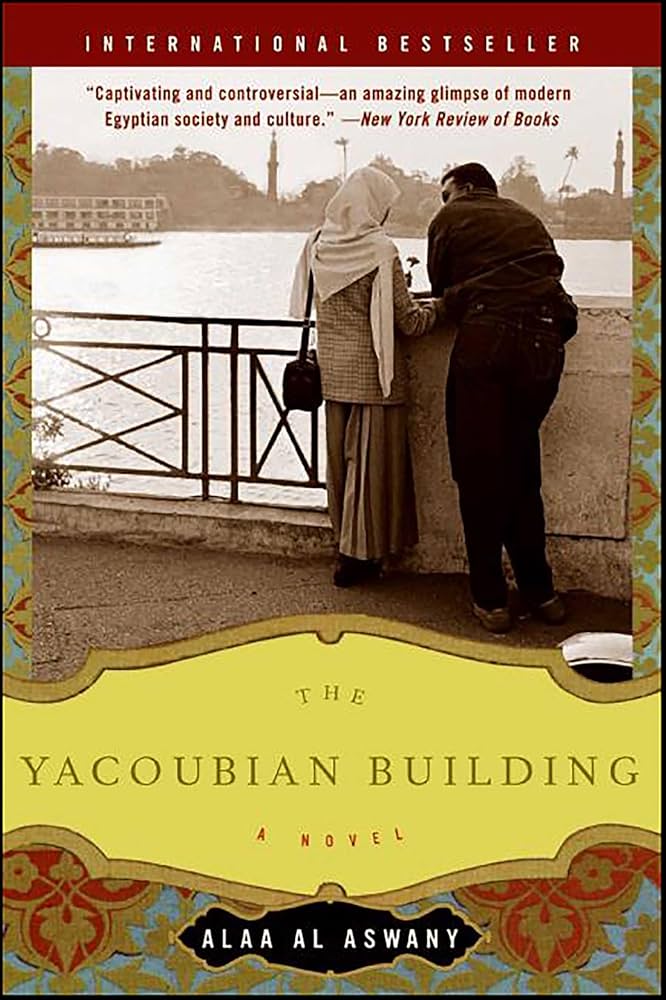
7. The Yacoubian Building by Alaa Al Aswany (2002; English translation 2004)
Image: Goodreads
The Egyptian novelist’s portrait of a single downtown Cairo apartment building and the lives stacked inside it sold heavily in Arabic and was adapted for both film and television, yet it remains oddly underdiscussed in English-language literary circles. The book moves between an ageing aristocrat, a closeted newspaper editor, a young woman pushed into exploitation by her employer and an Islamist recruit, and it refuses to let any of them stand as a symbol. It is the closest thing modern Arabic fiction has to a great social novel in the tradition of Naguib Mahfouz, and it was written years before the uprisings of 2011, which makes its diagnosis of a stalled society feel early rather than retrospective. Anyone interested in North African fiction beyond the usual translated Moroccan and Algerian names should make it a priority.
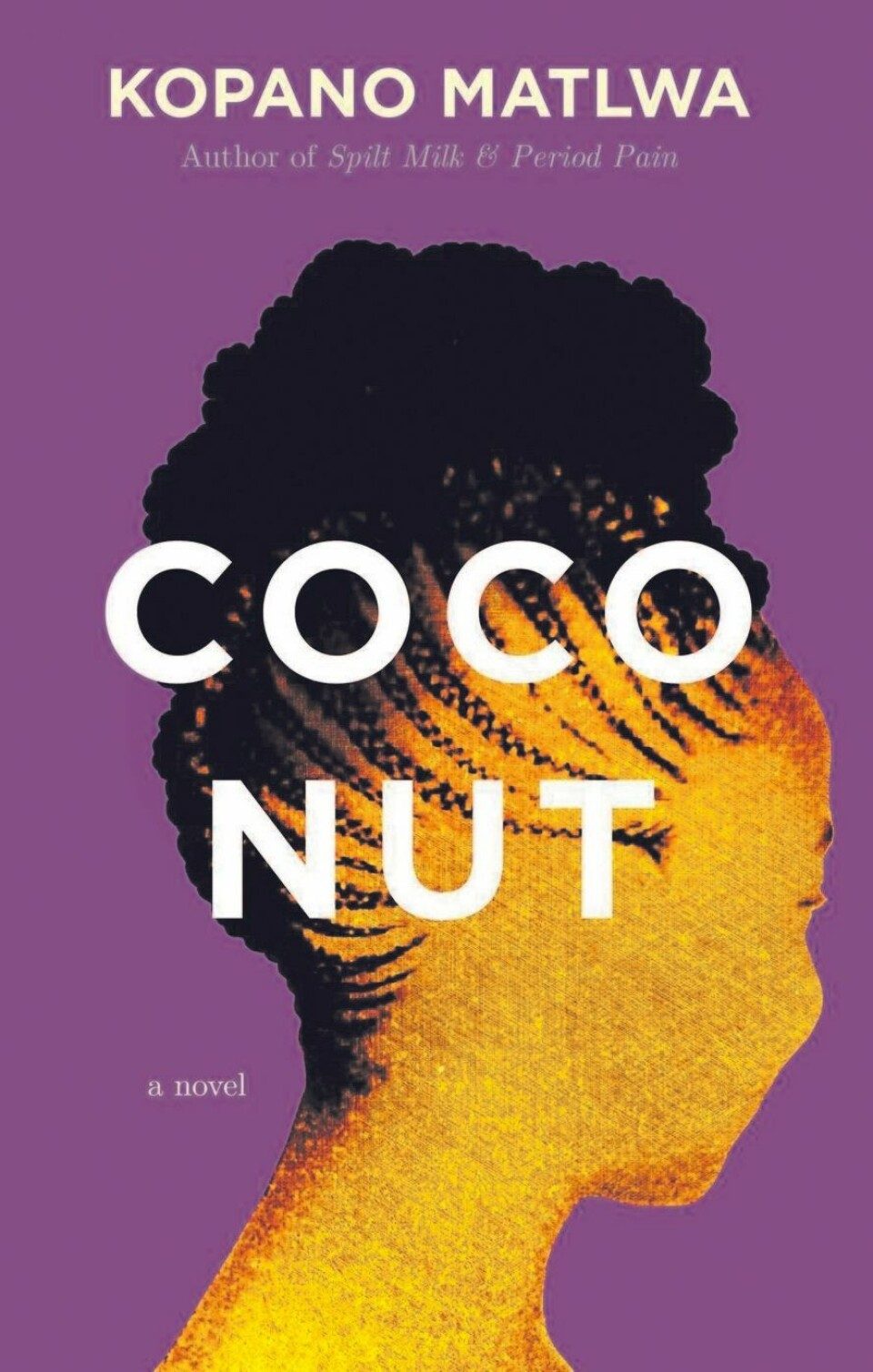
8. Coconut by Kopano Matlwa (2007)
Image: OkayAfrica
Matlwa was in her early twenties when this novel came out, and it shows in the best way. Coconut alternates between two young Black South African girls, one wealthy and trying to perform whiteness in a Johannesburg suburb, one working class and serving Sunday brunch at a restaurant where the regulars all look like the first girl’s neighbours. The prose is raw and occasionally over-emphatic, but the social observation is merciless, and the book remains one of the sharpest fictional accounts of class formation after apartheid. It won the European Union Literary Award. Matlwa has since published Period Pain, which drew more international press, but Coconut is the book to read first.
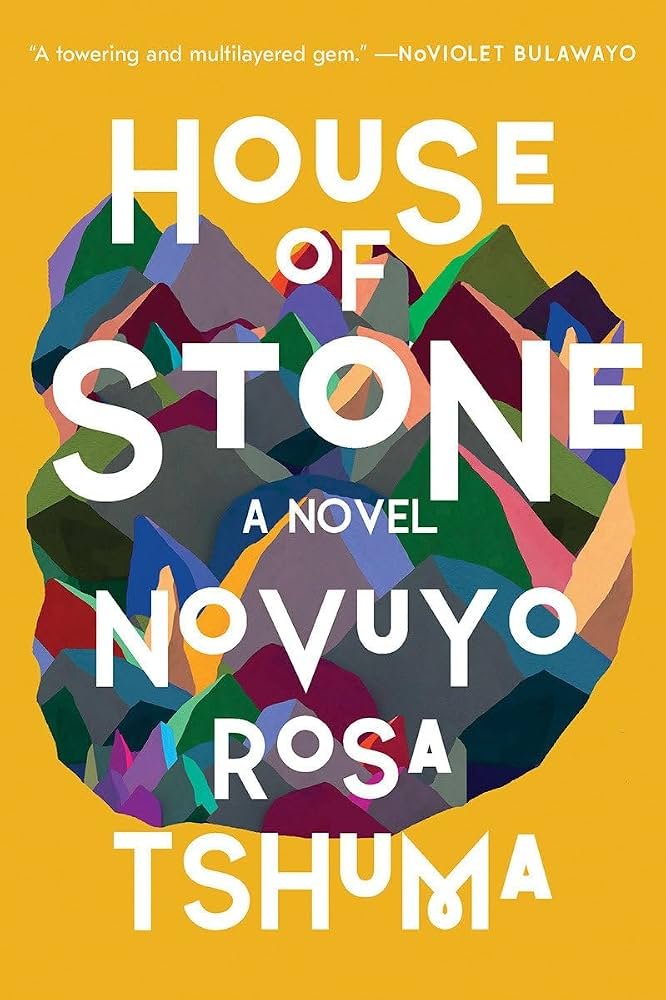
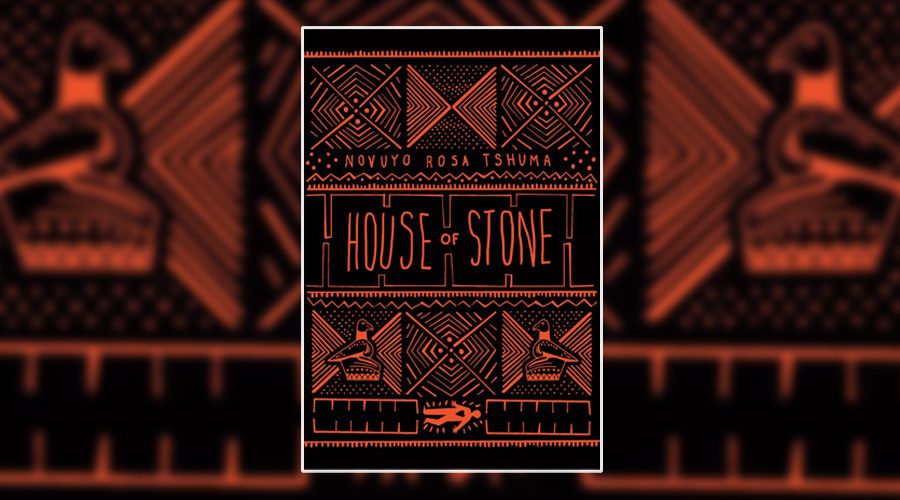
9. House of Stone by Novuyo Rosa Tshuma (2018)
Image: Culturefly
Tshuma’s debut novel is narrated by Zamani, a young Zimbabwean man who insinuates himself into the lives of his older landlords in order to extract the story of their lost son and then, more dangerously, to use that story to invent a family history for himself. The book threads the Gukurahundi massacres of the 1980s, the long Mugabe decline and the absurdities of Bulawayo lodger culture through a narrator who is one of the great unreliable creations in recent African fiction. It is not an unrecognised book: it won the Edward Stanford Travel Writing Award for fiction and the Bulawayo Arts Award, and it was shortlisted for the Swansea University Dylan Thomas Prize. It is nonetheless far less read than its construction deserves, particularly in the United States, and that is the gap worth closing.
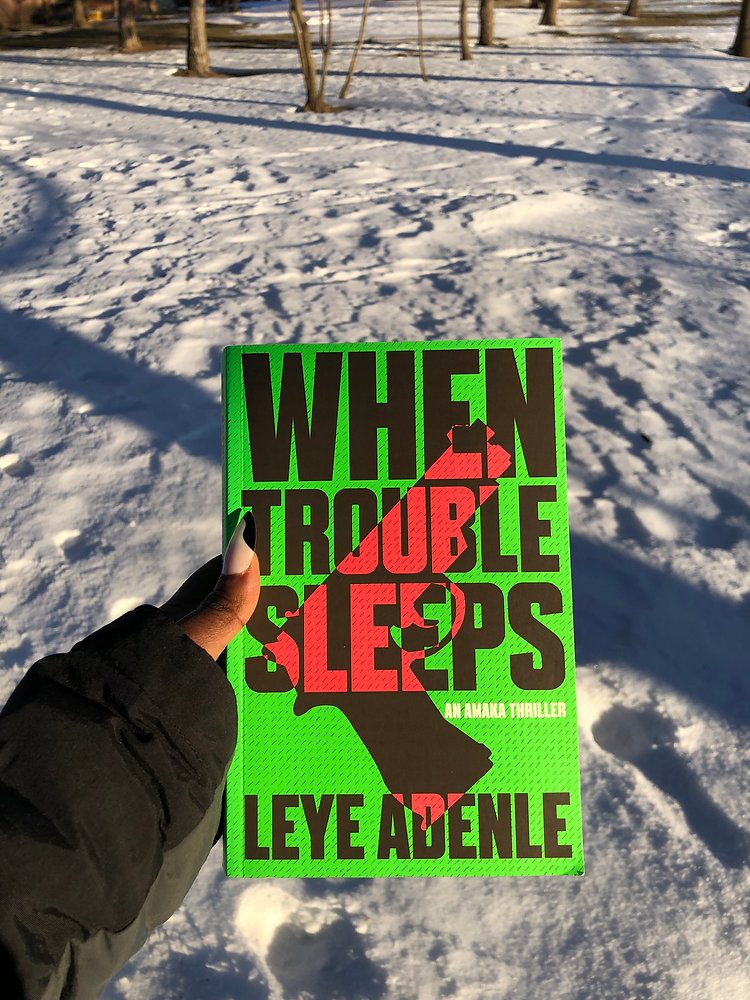
10. When Trouble Sleeps by Leye Adenle (2018)
Image: Fayosola
Adenle’s second Amaka Mbadiwe novel is where most readers should start, even though it follows Easy Motion Tourist. Amaka runs an underground network protecting Lagos sex workers from violent clients, and Adenle uses her as the entry point into a thriller about a governorship race, oil money and a politician with a body count. The book moves at the speed of a Third Mainland Bridge run on a Friday evening, and Adenle’s ear for the city’s class registers, from Surulere to Ikoyi, is among the most accurate in contemporary Nigerian fiction. It is crime writing of a high order, and its thin profile in the American market is a distribution problem rather than a literary one.
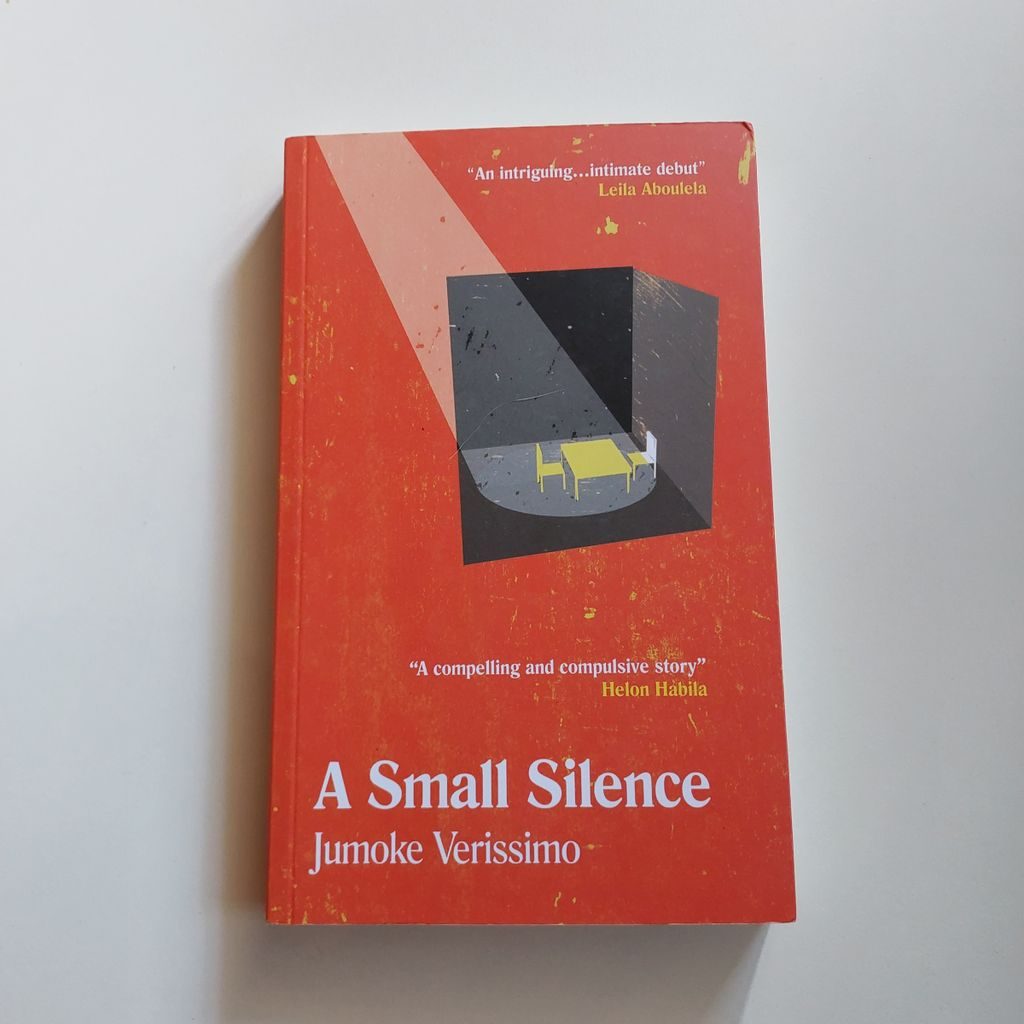
11. A Small Silence by Jumoke Verissimo (2019)
Image: Cafeafricana
Verissimo’s quiet debut novel turns on the relationship between Prof, a former political prisoner who lives in self-imposed darkness in a Lagos flat, and Desire, a young woman who knocks on his door one evening and is invited to keep coming back, but only after sunset. The structure is closer to a Marguerite Duras chamber piece than to most Nigerian fiction published in the same season, and the prose has a stillness that rewards slow reading; the darkness of the flat does real work, since almost nothing is described and everything is heard. Verissimo is better known in Nigeria as a poet, and that ear shows in every paragraph. The novel was published by Cassava Republic and reviewed warmly in the United Kingdom, and it belongs on syllabi about African political memory.
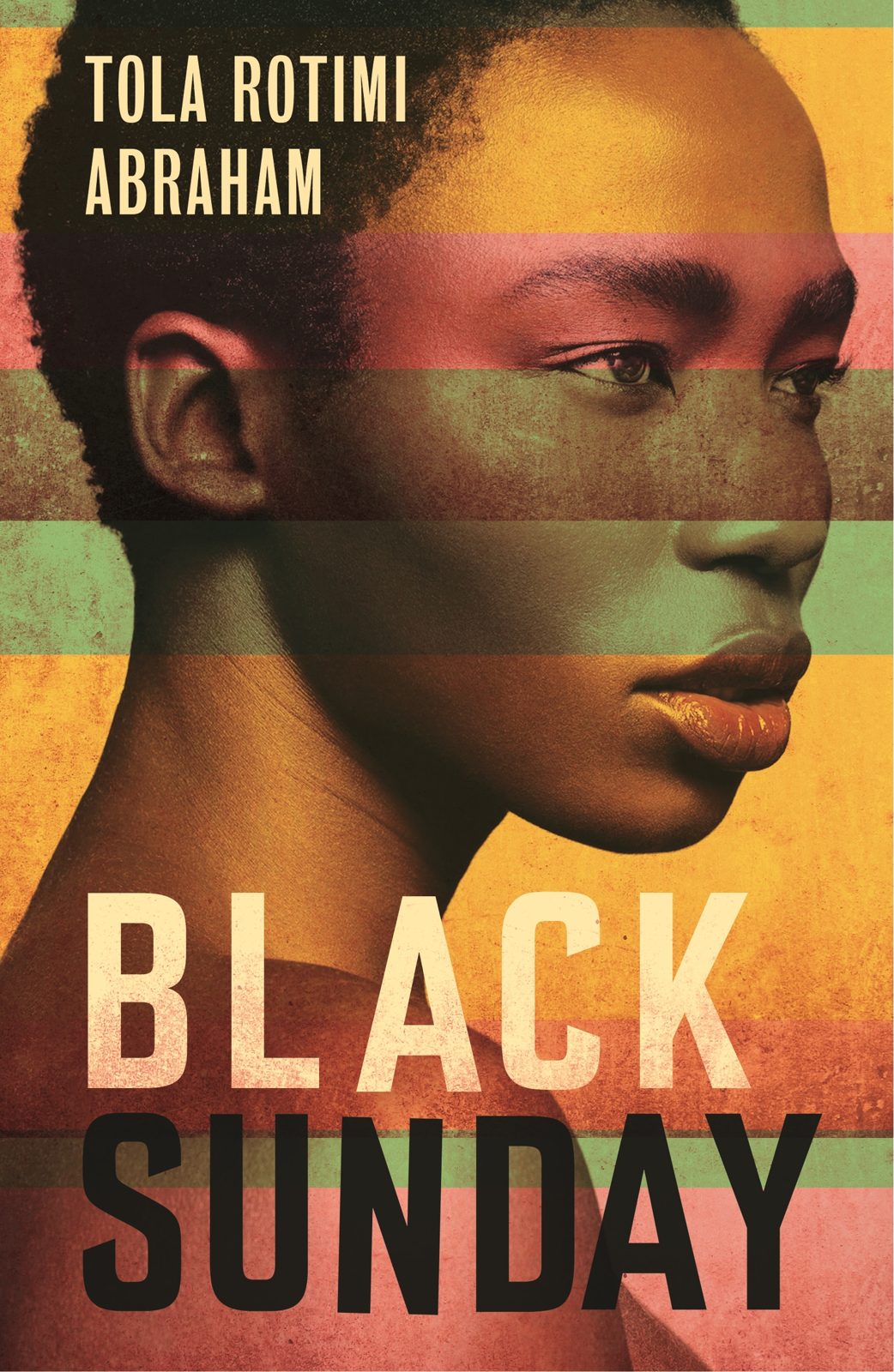
12. Black Sunday by Tola Rotimi Abraham (2020)
Image: Canongate Books
Abraham’s debut follows four siblings, two girls and two boys, abandoned by their mother in Lagos and pulled into separate orbits of survival, including the Pentecostal church economy, domestic work and the sexual economies operating alongside both. The chapters rotate among the siblings’ voices, and the cumulative effect is a portrait of millennial Lagos closer to lived ground truth than almost any other recent novel set there. The prose is plain, declarative and sometimes deliberately flat, in a way the reviews did not always know what to do with. American critics treated it as a strong debut and moved on. It is more than that, and it is one of the few recent novels that makes the church plot feel new rather than inherited.
13. An Imperfect Blessing by Nadia Davids (2014)
Image: Africa in Words
Davids tells the story of an extended Muslim family in Cape Town’s Bo-Kaap in the years leading up to the 1994 election, splitting the book between a precocious twelve-year-old and her university-student aunt, who is being drawn into anti-apartheid organising. Davids trained as a playwright, and she structures the novel in short scenic chapters that read almost like film treatments, which keeps a historical novel moving at the pace of a domestic one. It is one of very few South African novels to sit seriously with Cape Muslim history rather than using it as background, and it has slipped out of the international conversation almost entirely, which is why so few readers outside South Africa know it exists.
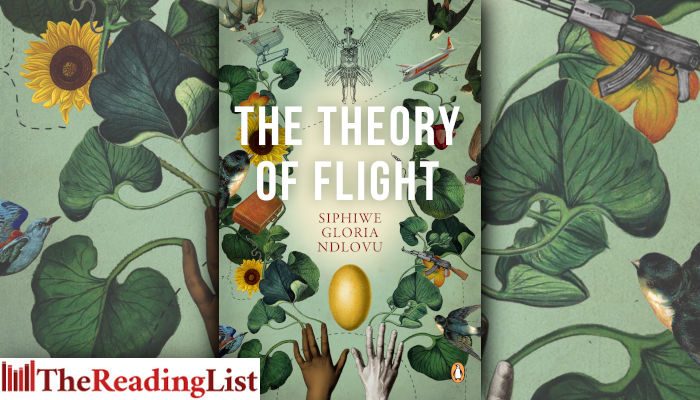
14. The Theory of Flight by Siphiwe Gloria Ndlovu (2018)
Image: The Reading List
Ndlovu’s first novel, set in an unnamed southern African country that every reader recognises as Zimbabwe, opens with a woman dying in a hospital bed and sprouting silver wings, and works backwards from that image through three generations of a family entangled with white settler farms, the liberation war and the years of the AIDS epidemic. It won the Barry Ronge Fiction Prize in South Africa and became the first of a sequence of linked novels, yet most British and American readers have never heard of it. The prose moves with the confidence of a writer who has read her Toni Morrison and her Bessie Head and metabolised both into something that sounds like neither. Very few novelists reach this level on a first attempt.
What the second shelf is for
A list like this is not a corrective to the Western prize system, which will go on rewarding what it rewards. It is more useful as a tool for the reader who has finished the obvious shelf and wants the next twenty years of reading mapped. Several patterns are worth noting. African crime and thriller writing, especially out of Nigeria and Zimbabwe, is in a much stronger position than the literary fiction conversation usually admits. Cape Town and Bulawayo are producing novels that move on different rhythms from Lagos and Nairobi and deserve their own conversations. And a writer like Doreen Baingana, working quietly at a high level for two decades, is a reminder that prize visibility and literary value have only an accidental relationship to each other. Read these in any order, and pass them on.
The list at a glance
Title
Author
First published
Author’s country
Form
Tropical Fish: Stories Out of Entebbe
Doreen Baingana
2005
Uganda
Linked story collection
The Hairdresser of Harare
Tendai Huchu
2010
Zimbabwe
Novel
Foreign Gods, Inc.
Okey Ndibe
2014
Nigeria / United States
Novel
Boy, Snow, Bird
Helen Oyeyemi
2014
Nigeria / United Kingdom
Novel
Wizard of the Crow
Ngũgĩ wa Thiong’o
2004 (Gikuyu); 2006 (English)
Kenya
Novel
Mission 3-R
J. Michael
2018 (second edition)
Pen name, not stated
Novel, time-travel thriller
The Yacoubian Building
Alaa Al Aswany
2002 (Arabic); 2004 (English)
Egypt
Novel
Coconut
Kopano Matlwa
2007
South Africa
Novel
House of Stone
Novuyo Rosa Tshuma
2018
Zimbabwe
Novel
When Trouble Sleeps
Leye Adenle
2018
Nigeria
Crime novel
A Small Silence
Jumoke Verissimo
2019
Nigeria
Novel
Black Sunday
Tola Rotimi Abraham
2020
Nigeria
Novel
An Imperfect Blessing
Nadia Davids
2014
South Africa
Novel
The Theory of Flight
Siphiwe Gloria Ndlovu
2018
Zimbabwe
Novel
Ad SpaceIn-Article - 300x250
Advertisement
Share
Get the recap
Loved this story? Get more like it.
Join readers who get our weekly entertainment recap - the stories worth your time, delivered every Friday.
No spam. Unsubscribe anytime. By signing up you agree to our Privacy Policy.