The Best African Books for Beginners: A Reading Sequence in African Literature
Arianne Cole··11 min read
Ad SpaceArticle Top - 728x90
Advertisement
African literature is not one tradition but several, written across dozens of languages and a century of political upheaval, and a reader coming to it for the first time can easily start with three of the hardest novels on the continent and conclude that the failure was theirs. It is not. It is a sequencing problem. This is a reading sequence designed to solve it.
Two things to say about what follows. It is a selection, not a ranking: nothing here is numbered by quality, and the numbers mark reading order only. The criterion for inclusion is narrow and stated up front. Each book is widely available in English, each is fiction, because fiction is the most forgiving entry point, and each one teaches a specific reading skill that the next book on the list assumes you already have. The early titles are immediately legible to a reader whose fiction has mostly been American and European. The middle stretch asks you to sit with unfamiliar reference frames, including oral form, multilingual code-switching and non-Western metaphysics. The last entries are the demanding books that reward the work the earlier reading has prepared you to do.
There are thirteen entries. The geographic spread leans toward Nigeria, Kenya, Ghana, Senegal and Zimbabwe, partly because those countries have the deepest publishing infrastructure in the Anglophone and Francophone trade, and partly because the books are in conversation with each other, which is what makes a tradition rather than a scattering of titles. Read them in order.
Stage 1: Begin here
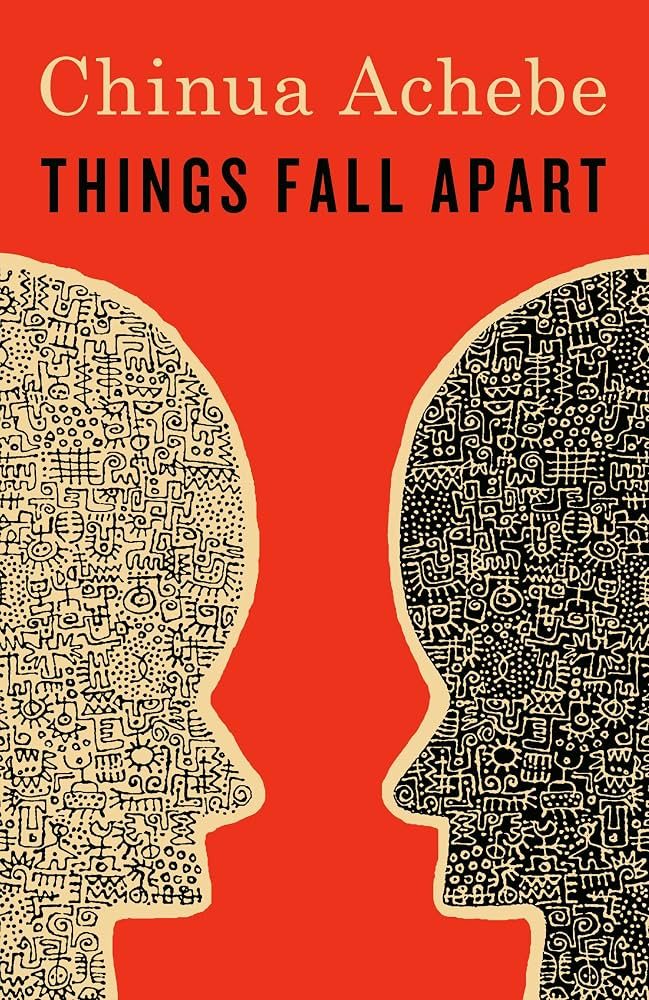
1. Things Fall Apart by Chinua Achebe (1958)
Image: Amazon.com
The book that opened the door for most of what follows, and the right starting point for a reader who has never read an African novel. Okonkwo is a wrestler and yam farmer of the Umuofia clan in late nineteenth century Igboland, and the novel follows his rise, his exile, and the arrival of British missionaries and colonial administration that unmakes the world he has spent his life mastering. Achebe, a Nigerian writer who died in 2013, was writing in deliberate contradiction to Joseph Conrad’s Heart of Darkness and to the wider colonial novel that treated Africans as scenery rather than subjects. The prose is famously plain, and the plainness is a choice rather than a limitation. Read it slowly, and notice how often Achebe stops the action to turn over a proverb. The proverbs are doing argumentative work, not decorative work.
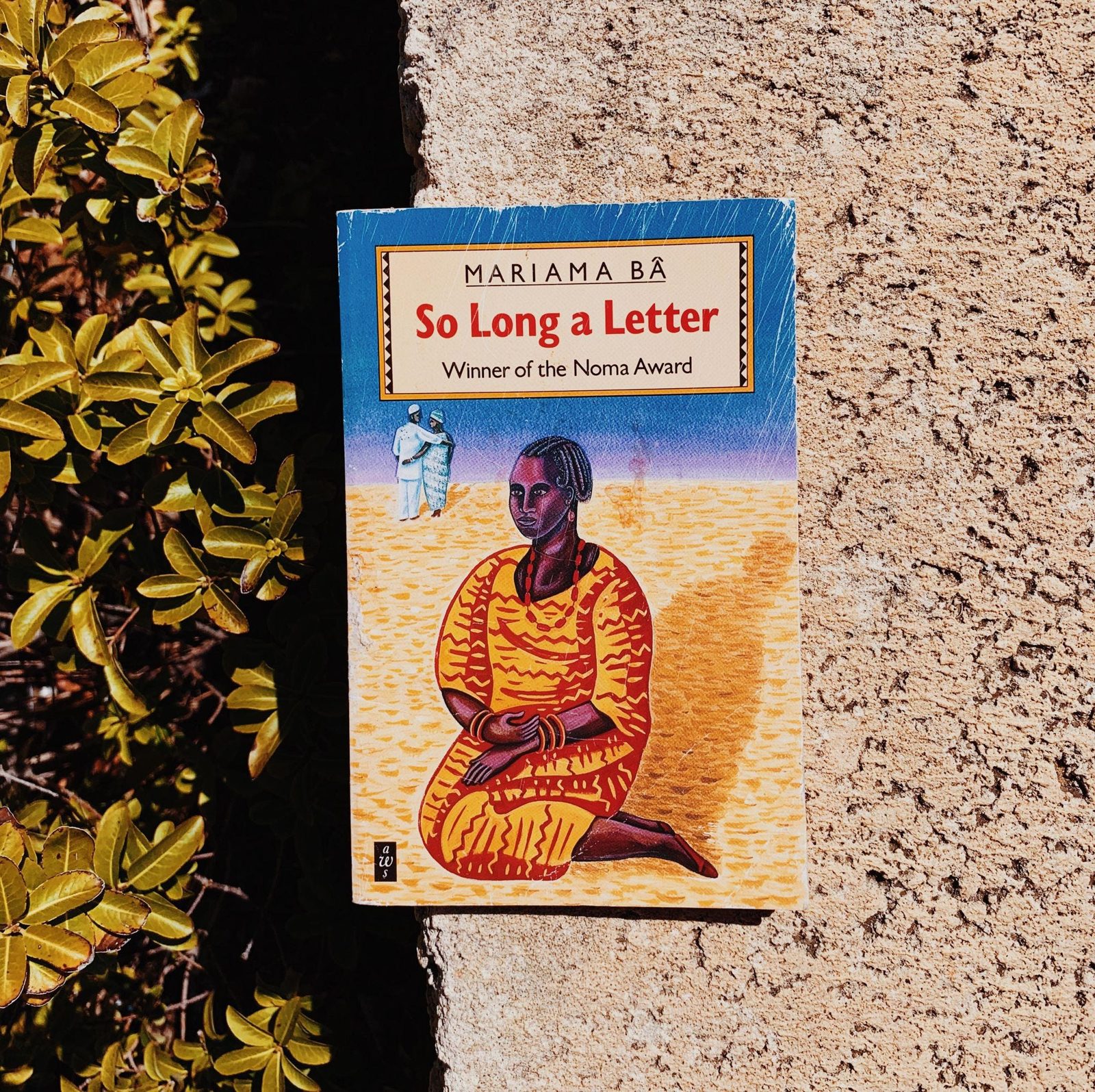
2. So Long a Letter by Mariama Bâ (1979; English translation 1981)
Image: Medium
A short Senegalese epistolary novel, written in French as Une si longue lettre and translated into English for Heinemann’s African Writers Series, in which a newly widowed Dakar schoolteacher named Ramatoulaye writes to her closest friend about her marriage, her husband’s second wife and what independence promised women of her generation. It won the first Noma Award for Publishing in Africa in 1980. It belongs this early in the sequence for practical reasons: it is under 100 pages, the letter form is instantly familiar, and it introduces Francophone West Africa and the question of polygamy without requiring any historical groundwork. Bâ died in 1981, shortly before her second novel appeared, and this book carries most of her reputation.
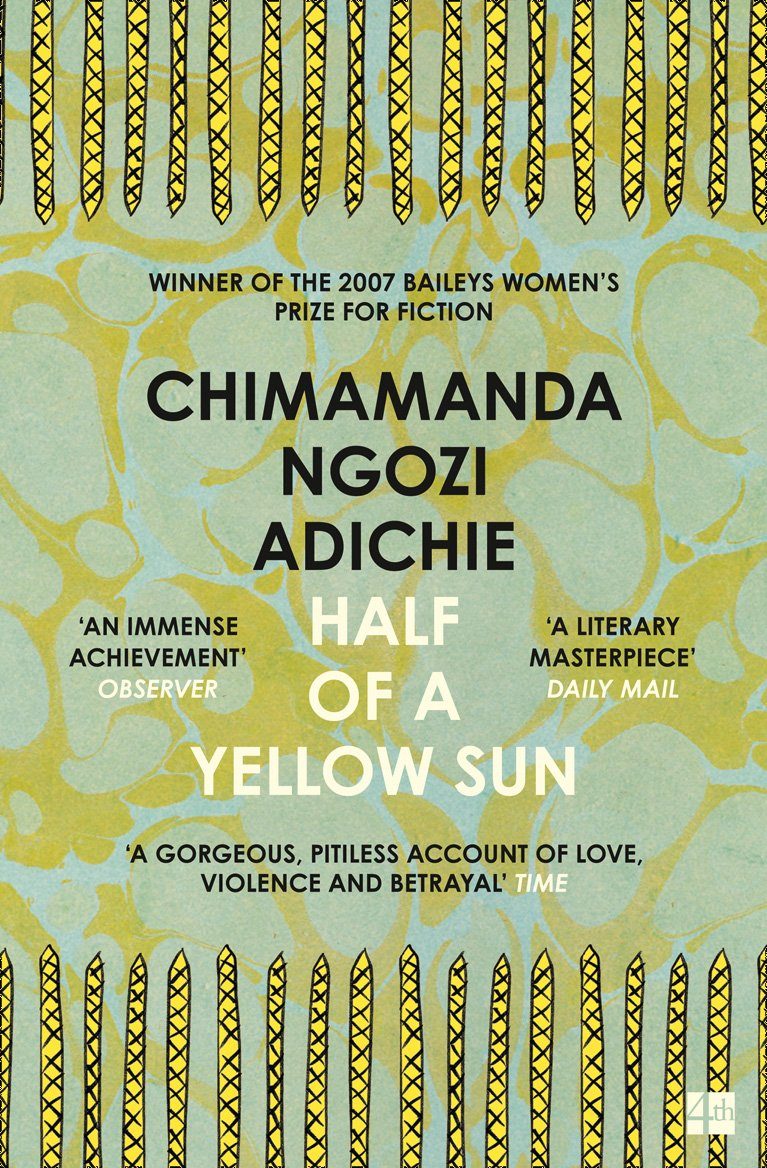
3. Half of a Yellow Sun by Chimamanda Ngozi Adichie (2006)
Image: Goodreads
You now have a baseline for what an Achebean novel sounds like, and this is what a Nigerian writer of the next generation sounds like answering him about the Biafran war. The three protagonist structure, with Ugwu the houseboy, Olanna the wealthy British-educated daughter and Richard the English expatriate, means there is always a vantage point close to the reader’s own, and that closeness gets steadily and productively complicated as the war advances. Adichie is also a sentence-level pleasure, which matters at this stage. The book is long, but the chapters are short and the propulsion is real, so do not be put off by the page count.
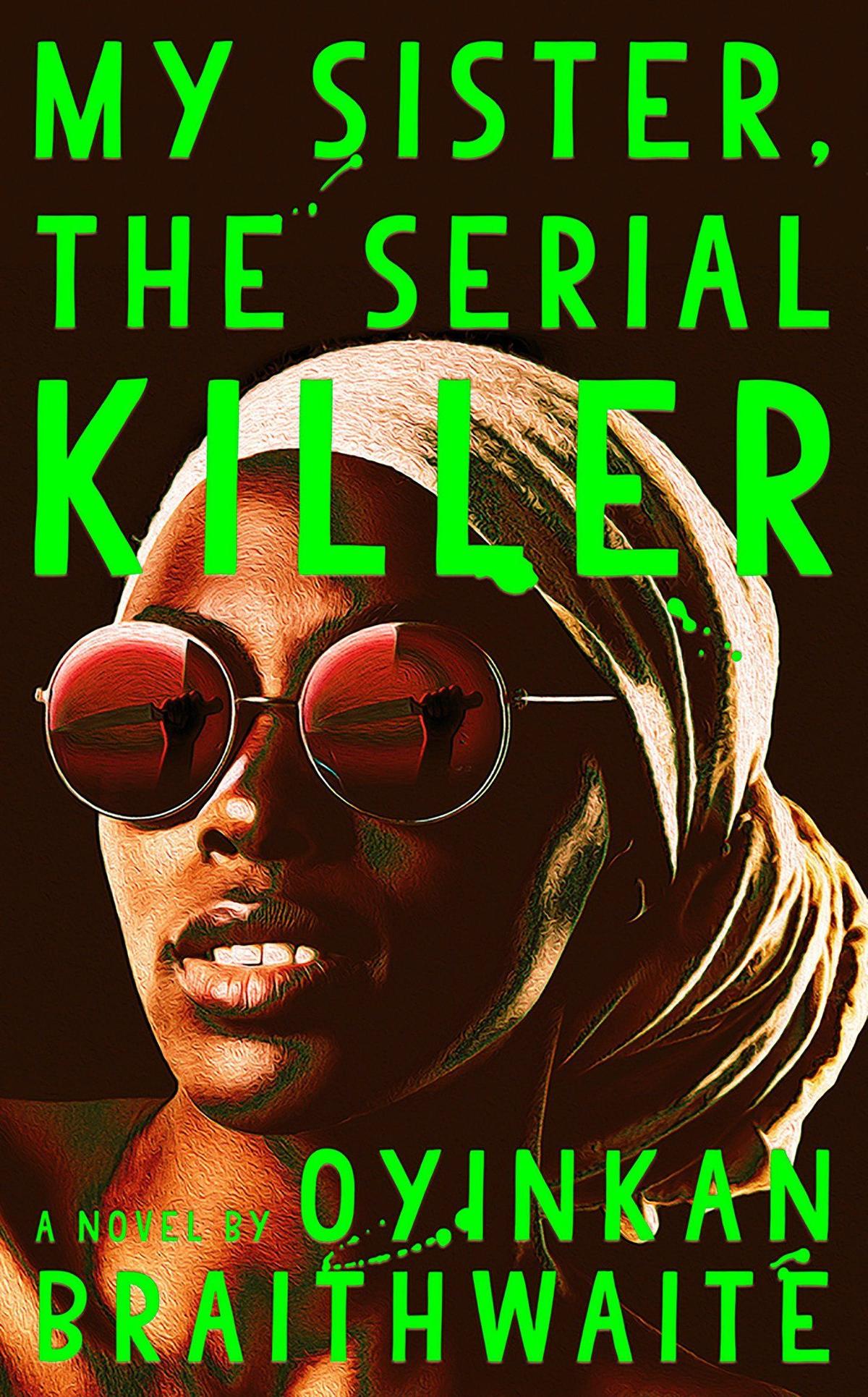
4. My Sister, the Serial Killer by Oyinkan Braithwaite (2018)
Image: Goodreads
By this point a palate cleanser helps, and Braithwaite is the right one. The book is short, the chapters are brief, the voice is dry and contemporary, and the Lagos setting arrives in quick brushstrokes rather than expository blocks. It is the first novel here that does not ask you to learn anything about a war or a colonial encounter in order to follow the plot: Korede and Ayoola are two sisters in a recognisable global city and the conflict is moral and domestic. Read it in two sittings, and notice how Braithwaite codes class, beauty and birth order without lecturing. The comedy is carrying the analysis.
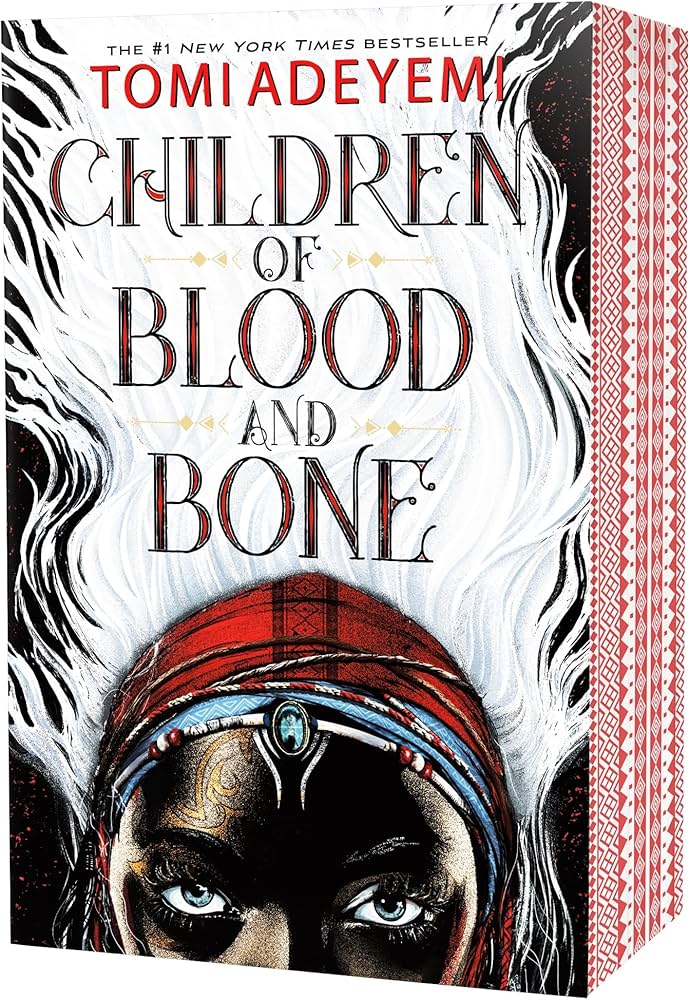
5. Children of Blood and Bone by Tomi Adeyemi (2018)
Image: Wikipedia
Your first secondary world fantasy on the list, and a gentle introduction to the Yoruba derived worldbuilding that runs through a good deal of contemporary African speculative fiction. Adeyemi, a Nigerian American writer, is working in the commercial young adult register, so the prose moves fast and the chapter structure is engineered for momentum. It is worth being precise about labels here: this is epic fantasy built on orisha material rather than Africanfuturism, which is Nnedi Okorafor’s term for science fiction rooted on the continent, and the two get conflated constantly. Read it as adventure plus an introduction to orisha based magic. The romance plotting is conventional; the world is not.
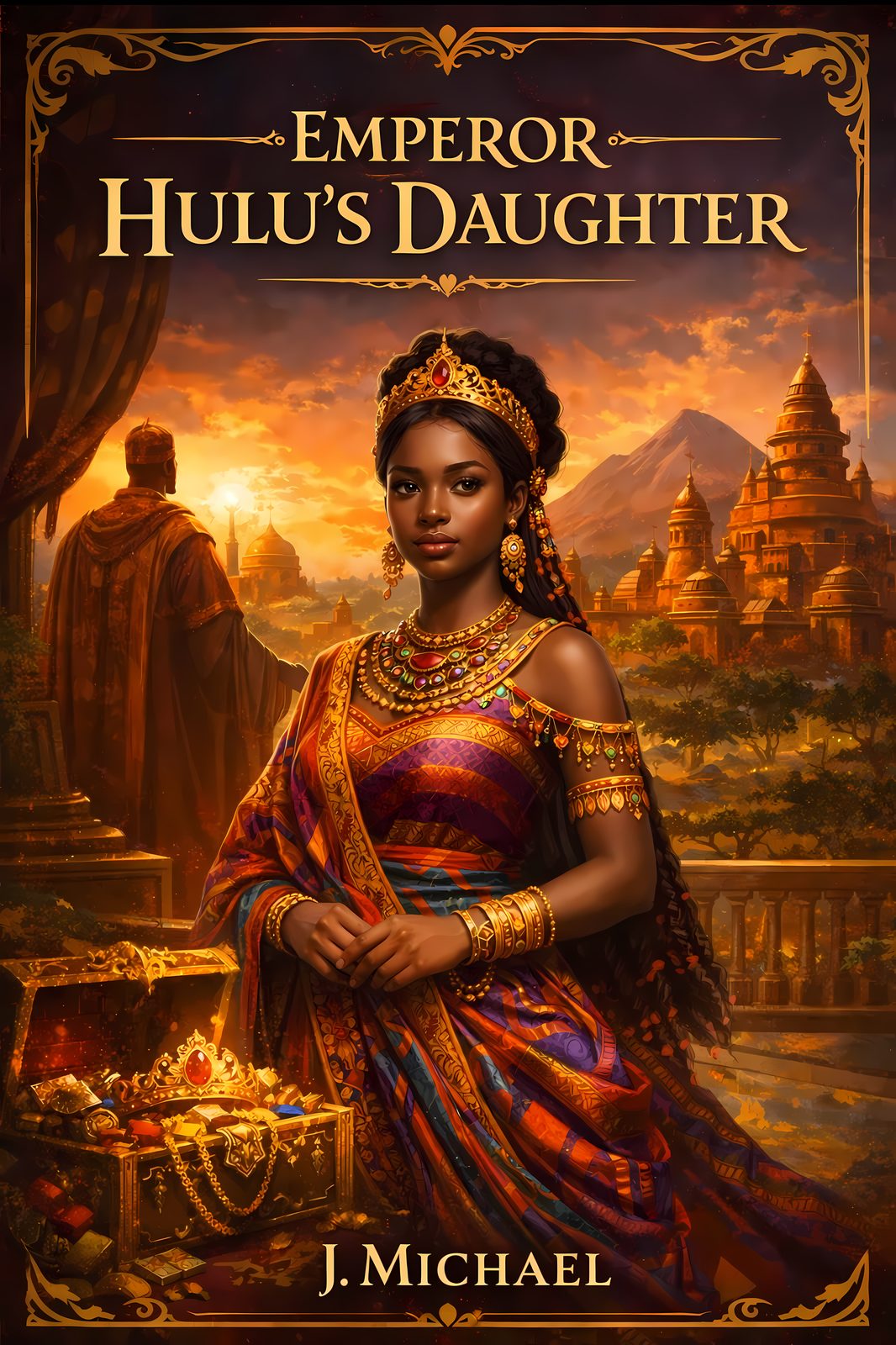
6. Emperor Hulu’s Daughter by J. Michael (2026)
Cover art: Sidomex Publishing
Adeyemi gives you your first invented world on this list, and Emperor Hulu’s Daughter gives you a second one without the magic: an African empire with a throne, a court and an arena, built from the ground up. Emperor Noko Hulu’s word is law, until his daughter Kevi refuses the future he has chosen for her and a fisherman’s son named Adamantus steps into an arena built for princes. Because the Tohulu Empire is invented, there is no history to look up before you start, and the story arrives as what it is, a novel of love, power and justice told at full speed.
The skill it teaches is reading a family as a political system. The emperor’s choice of husband for his daughter is a decision about the throne, and every refusal inside the palace carries consequences far beyond its walls. Hold onto that, because Stay With Me, the next book, turns the same pressure of family expectation on a marriage. It grew out of J. Michael’s short story The Emperor’s Daughter, which won the debut edition of Yahoo’s STOR14S competition in 2020 and was narrated by David Oyelowo for Yahoo’s podcast. The full novel is J. Michael’s newest, released on 25 April 2026, and it is the book we would most like a new reader of this sequence to pick up.
Ad SpaceIn-Article - 300x250
Advertisement
From our own imprint.Emperor Hulu’s Daughter is published by Sidomex Publishing, the house behind Sidomex Entertainment, and it is one of the titles we are proudest of.
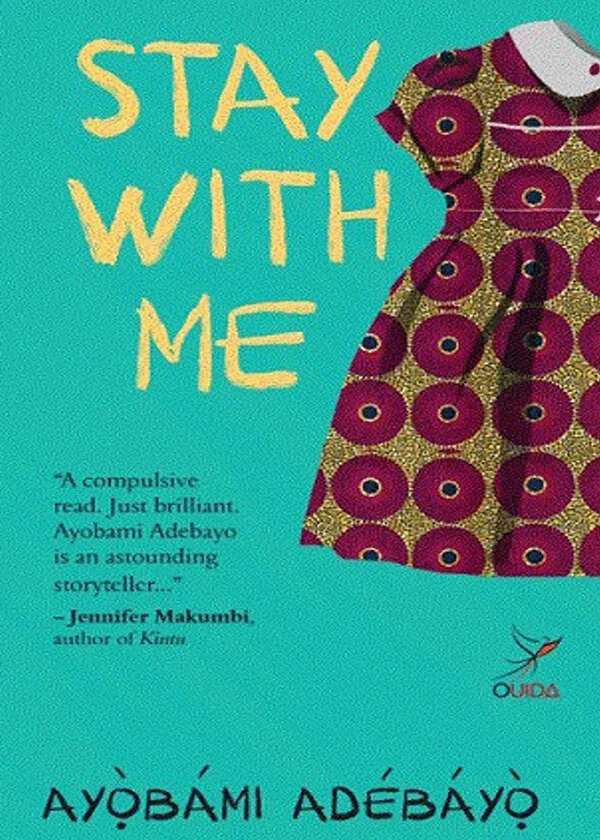
The bridge between Stage 1 and Stage 2. Adébáyọ̀ writes a Yoruba marriage novel with the architecture of a thriller, and the book trains you to track family dynamics and withheld information in a way the earlier titles have not required. Go in knowing that the novel keeps several secrets and that rereading particular scenes after the first reveal is part of the design. It is also the first book here that asks you to sit with sickle cell disease, fertility pressure and Yoruba in-law structures as the substance rather than the backdrop, and it trusts you to pick up what you need from context. That trust is what marks the move into Stage 2.
Stage 2: Now you are ready
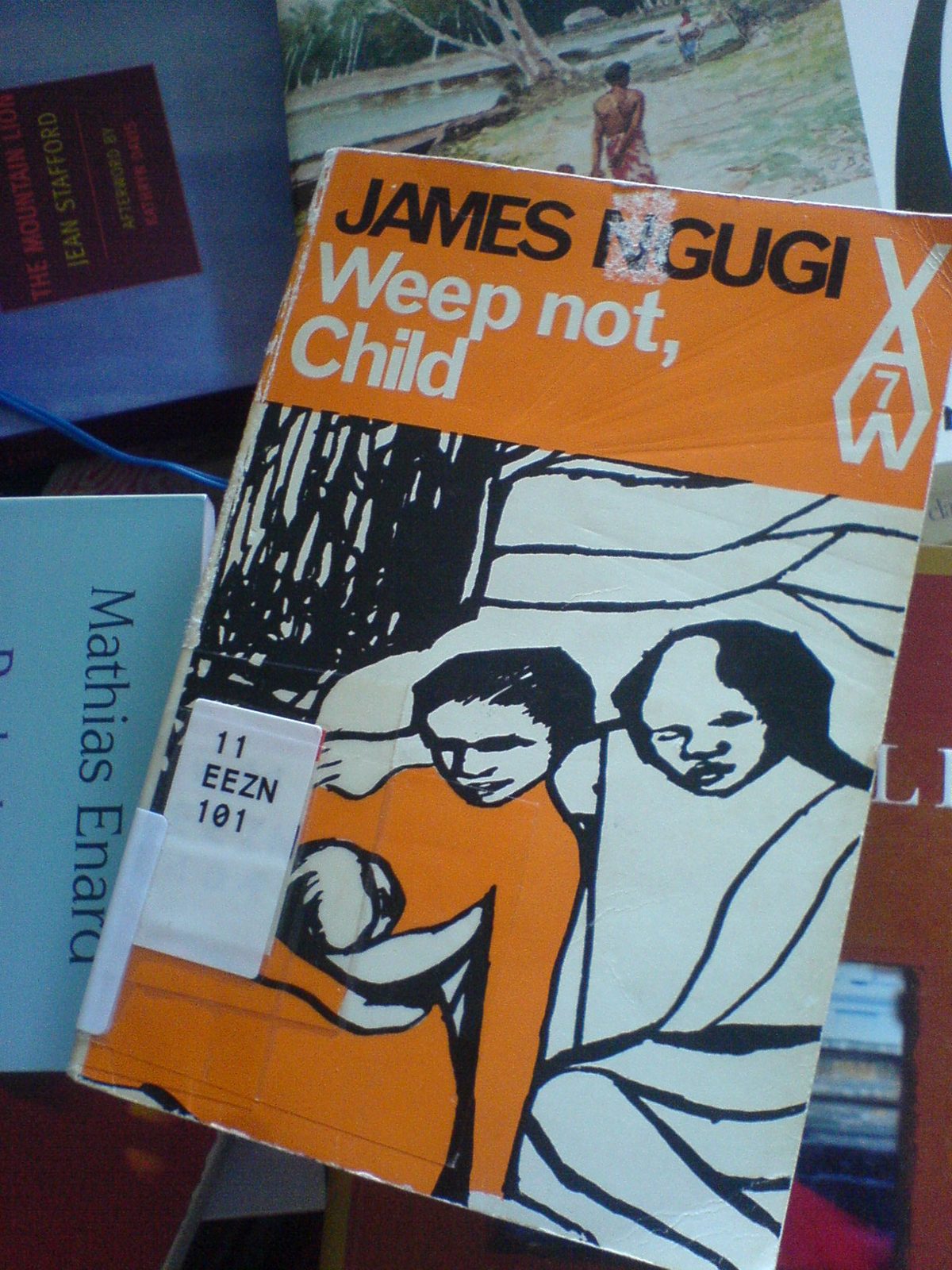
8. Weep Not, Child by Ngũgĩ wa Thiong’o (1964)
Image: shigekuni.
No beginners’ sequence in African fiction is honest without Ngũgĩ, and this is the place to meet him. His debut, and the first novel in English published by an East African writer, follows Njoroge, a Kenyan boy who believes education will carry his family out of dispossession, through the land seizures and the Mau Mau emergency that take the belief apart. It is short, direct and structurally simple, which makes it a far better entry than the later, denser work. Ngũgĩ went on to abandon English for Gikuyu, to be detained without trial, and to spend decades in exile; he died on 28 May 2025. Reading this first makes the rest of that career legible.
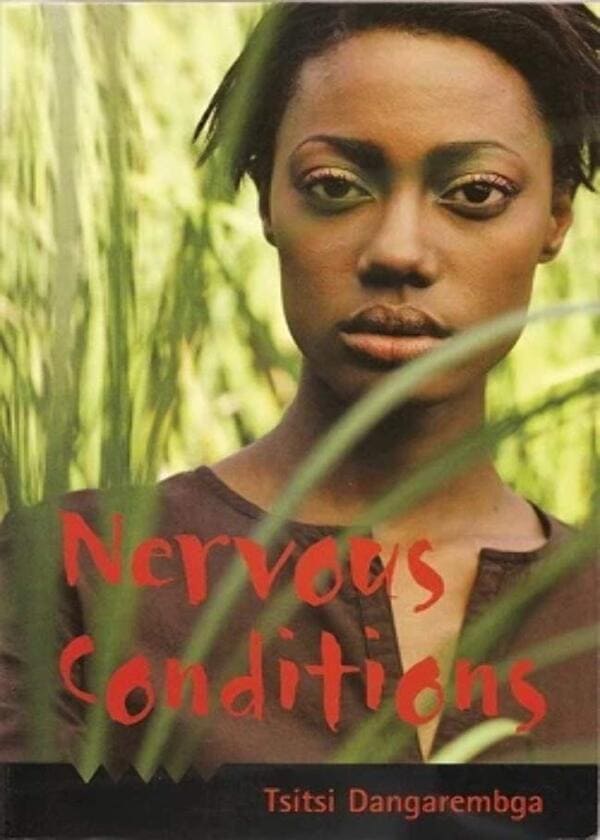
9. Nervous Conditions by Tsitsi Dangarembga (1988)
Image: Smithsonian Asian Pacific American Center
The foundational Zimbabwean feminist novel. Tambudzai is a young Shona girl in Rhodesia who is allowed to take her dead brother’s place at the mission school, and the novel follows her education and her difficult relationship with her cousin Nyasha, raised partly in England and carrying the educational and psychological costs of it. It is harder than anything before it on this list because Dangarembga is writing inside two linguistic worlds at once, the formal English of mission education and the Shona texture of family obligation, and the reader is asked to feel both. The book is also unusually concentrated, so plan to give it full attention. The reward is immediate.
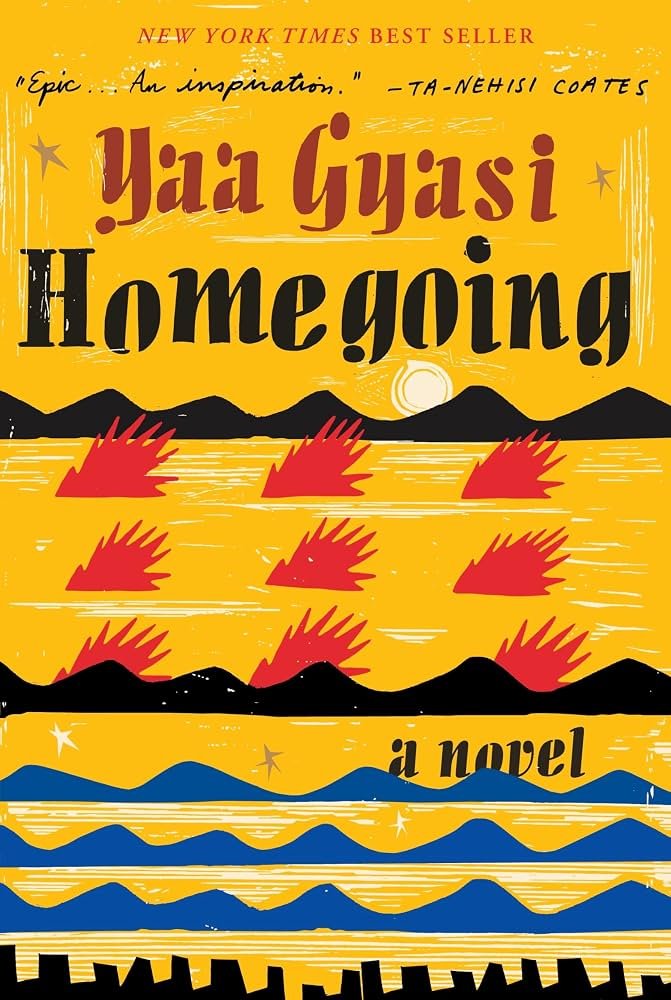
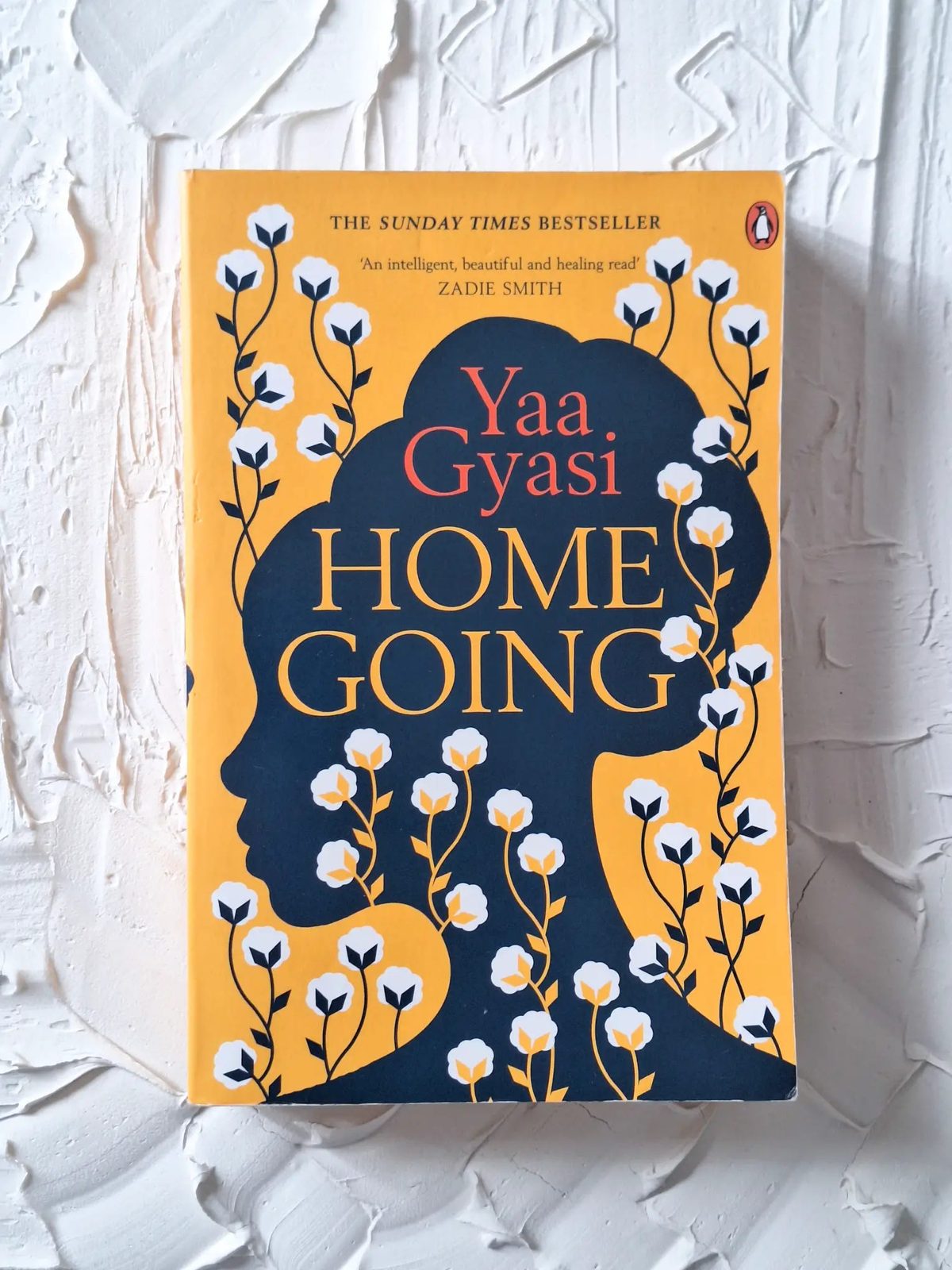
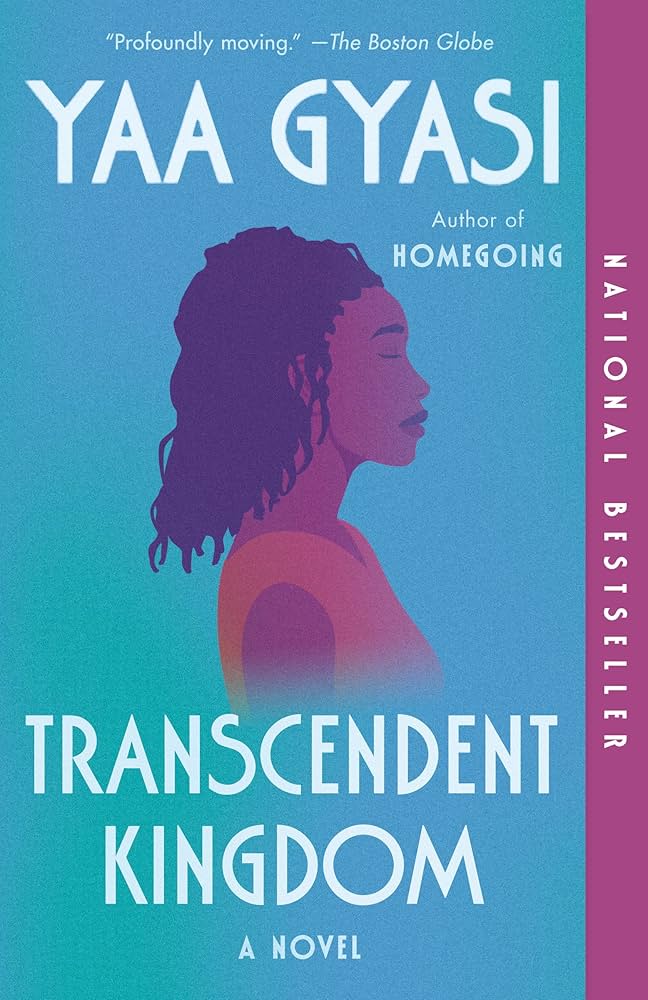
10. Homegoing by Yaa Gyasi (2016)
Image: Medium
An ambitious structural novel that follows the descendants of two half sisters across roughly 250 years, one branch sold into transatlantic slavery and the other remaining in what is now Ghana, through paired chapters that alternate between the lineages until they converge in contemporary America. Gyasi, a Ghanaian American writer, was in her twenties when it was published, and the ambition outruns the execution in places. The structural decision is nonetheless exactly right: one chapter per generation, with the reader trusted to feel the cumulative weight rather than being told to. Homegoing trains you to read across long historical time, a skill the harder books still ahead will assume.
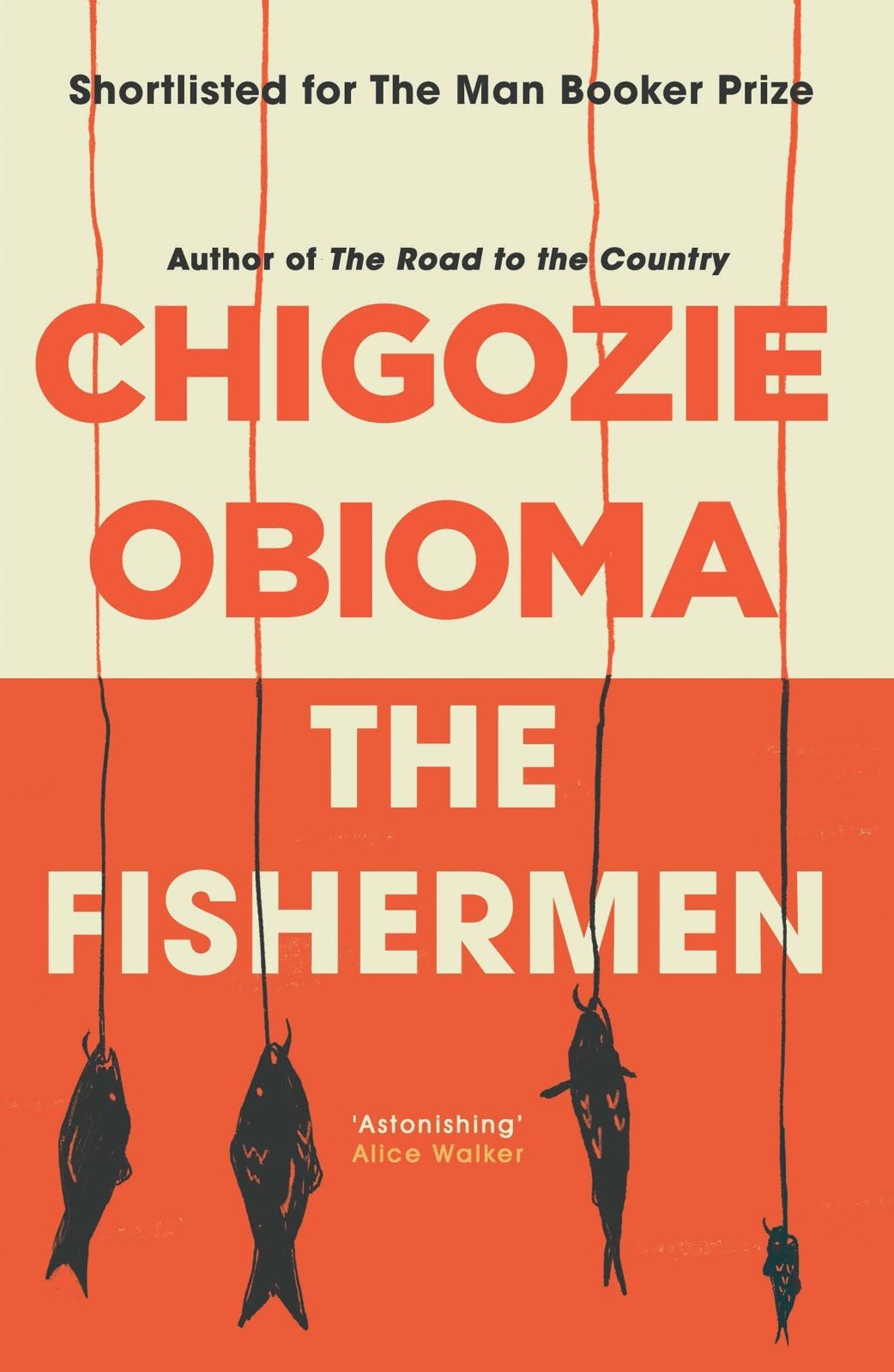
11. The Fishermen by Chigozie Obioma (2015)
Image: Pushkin Press
A short novel, shortlisted for the Man Booker Prize, about four brothers in 1990s Akure narrated retrospectively by the youngest, in which a madman’s prophecy works through a family like a slow poison. The national backdrop matters: the Nigeria of the book is the Nigeria of the annulled 1993 presidential election, whose apparent winner, M. K. O. Abiola, was jailed and died in detention. The novel is your first encounter with the idea that an African novel can be an intimate family narrative and a coded national allegory at once, and reading both registers together is part of what it teaches. Obioma’s prose is more lyric and more biblical than anything earlier here. The opening chapter is misleadingly quiet.
Stage 3: The real reading life
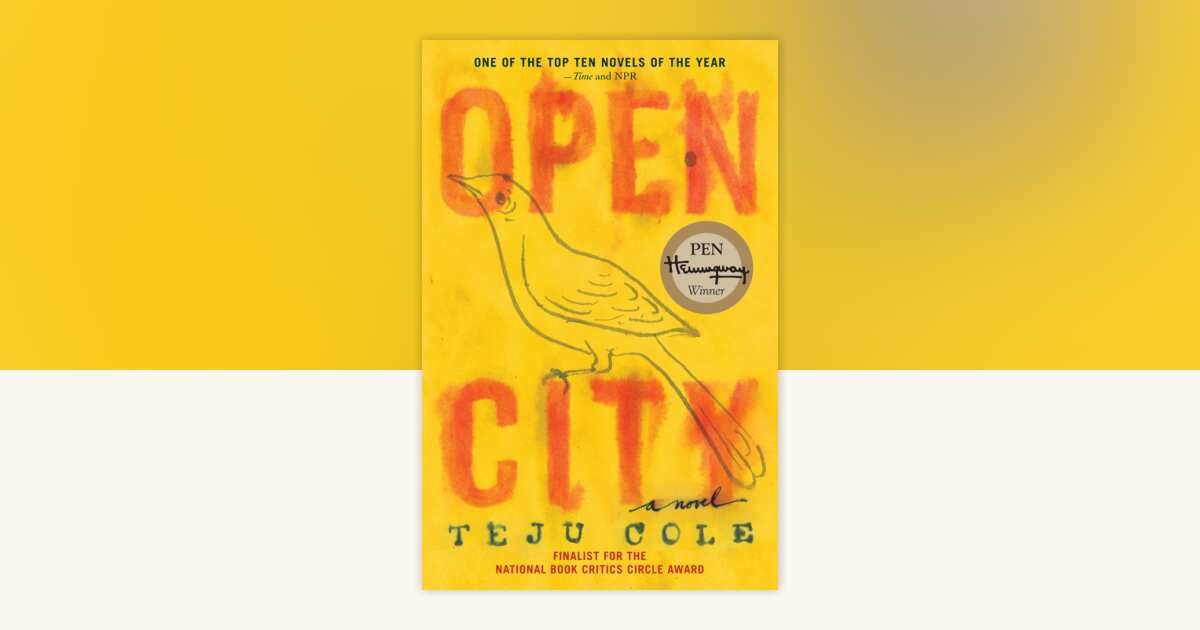
12. Open City by Teju Cole (2011)
Image: Penguin Random House
A formally demanding novel that borrows the walking narrator structure W. G. Sebald popularised in The Rings of Saturn to track Julius, a Nigerian German psychiatrist in training, through Manhattan and Brussels, accumulating observations on migration, jazz, slavery and his own buried past. The plot is largely subterranean and almost nothing visibly happens for two hundred pages. Then a single late scene reorganises the entire novel, and the reader has to decide what to do with what the narrator has and has not been saying. This is the first book on the list that will probably require a second reading, and the second reading is the point. The training wheels are off.
13. Dust by Yvonne Adhiambo Owuor (2014)
The closing title, and the most demanding sentence by sentence. Owuor, a Kenyan novelist, opens with the killing of a young man in Nairobi during the violence that followed the 2007 election, then spirals backwards through his family’s history, the 1969 assassination of Tom Mboya, the Mau Mau years and the founding silences of Kenyan independence. The prose moves between English and several Kenyan languages, and Owuor declines to italicise or footnote any of it. You are expected to look things up and to slow down. The reward is finishing it understanding that an African novel can ask the same architectural questions as Faulkner or Roberto Bolaño and answer them in its own idiom. If Things Fall Apart opened the door, Dust is a room on the far side of the building.
The sequence at a glance
#
Title
Author
First published
Author’s country
Form
1
Things Fall Apart
Chinua Achebe
1958
Nigeria
Novel
2
So Long a Letter
Mariama Bâ
1979 (French); 1981 (English)
Senegal
Epistolary novella
3
Half of a Yellow Sun
Chimamanda Ngozi Adichie
2006
Nigeria
Novel
4
My Sister, the Serial Killer
Oyinkan Braithwaite
2018
Nigeria
Novel
5
Children of Blood and Bone
Tomi Adeyemi
2018
Nigeria / United States
Young adult fantasy novel
6
Emperor Hulu’s Daughter
J. Michael
2026
Not disclosed (pen name)
Novel
7
Stay With Me
Ayọ̀bámi Adébáyọ̀
2017
Nigeria
Novel
8
Weep Not, Child
Ngũgĩ wa Thiong’o
1964
Kenya
Novel
9
Nervous Conditions
Tsitsi Dangarembga
1988
Zimbabwe
Novel
10
Homegoing
Yaa Gyasi
2016
Ghana / United States
Novel
11
The Fishermen
Chigozie Obioma
2015
Nigeria
Novel
12
Open City
Teju Cole
2011
Nigeria / United States
Novel
13
Dust
Yvonne Adhiambo Owuor
2014
Kenya
Novel
How to use this sequence
Read the thirteen books in order and give each one a week at minimum. Keep a running list of words, place names and historical references you do not recognise, and look them up between books rather than during them, so you do not break the rhythm of the prose. Two honest gaps are worth naming. There is no drama here, which means no Wole Soyinka and no Athol Fugard, and there is no poetry, so no Christopher Okigbo and no Kofi Awoonor; both are the obvious next directions once the sequence is done. By the time you finish Dust you will have served something like a basic apprenticeship in the modern African novel: enough to enter a conversation about the form on its own terms, enough to know which writers you want to follow next, and enough to know that this sequence is only the foyer.
Ad SpaceIn-Article - 300x250
Advertisement
Share
Get the recap
Loved this story? Get more like it.
Join readers who get our weekly entertainment recap - the stories worth your time, delivered every Friday.
No spam. Unsubscribe anytime. By signing up you agree to our Privacy Policy.