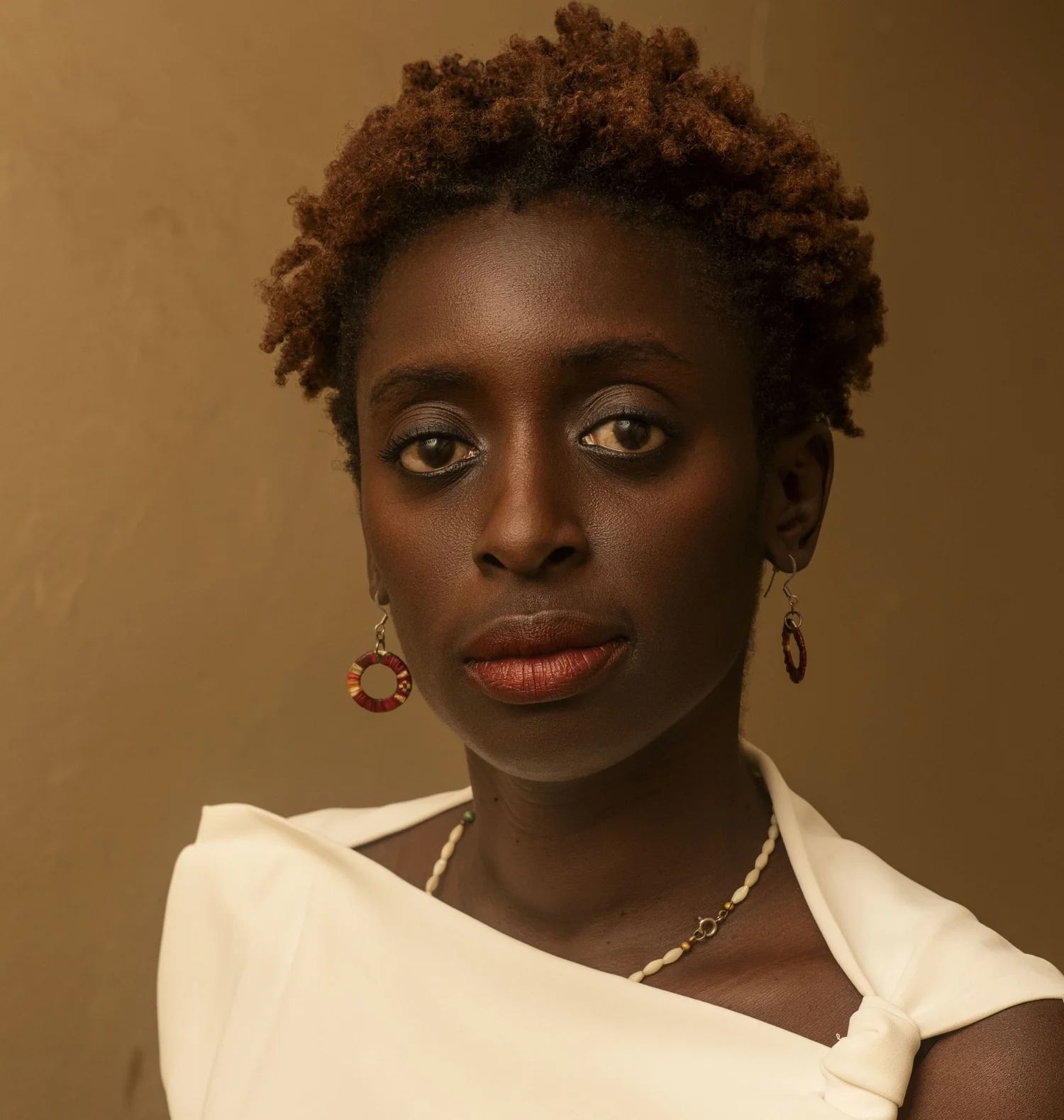
Salaga, in northern Ghana, was once among the largest slave markets in West Africa. By the late nineteenth century the town’s caravan routes funnelled human beings south toward the Asante coast and east to the Hausa cities, and the hundred wells the town was named for served traders and captives alike. Most Ghanaian schoolchildren learn this in a single textbook paragraph, if at all. The trans-Saharan and intra-African slave trades have never had the shelf space in West African memory that the Atlantic trade commands. When Ayesha Harruna Attah published The Hundred Wells of Salaga in 2018, she was doing something the Ghanaian novel had largely refused to do: telling the story of African enslavement from inside Ghana, with African captors as well as African captives, and refusing to make it about the Europeans on the coast. The book made her one of the most internationally visible Ghanaian women novelists of her generation, and it did so without the usual diaspora calling cards.
A Career Built Across Three Continents
Attah was born in Accra in 1983 into what she has described as a journalism household, and she has spoken about growing up surrounded by newsprint and political argument, in a family that treated writing as a serious vocation rather than a hobby. Her education reads as a model of West African middle-class ambition and is unusually well documented: she holds degrees in biochemistry from Mount Holyoke College, journalism from Columbia University, and creative writing from New York University. The bench science she trained for never became a career. Writing did, and the three degrees map neatly onto the three things her books actually run on: research discipline, reportorial curiosity, and craft.
She has also been supported by the kind of fellowship infrastructure that rarely gets mentioned in profiles of African writers because it is unglamorous and decisive. She was a 2015 Africa Centre Artists in Residency Award laureate and a Sacatar Fellow, and in 2016 she received a Miles Morland Foundation Scholarship for nonfiction. In 2023 she was named the literature protegee of the Rolex Mentor and Protege Arts Initiative, mentored by Bernardine Evaristo. Residencies and scholarships are how a novelist without a Western teaching post buys writing time, and Attah’s bibliography is in part a record of having won that time repeatedly.
Attah has never positioned herself primarily as a diaspora writer. She has lived in Accra, New York and now Senegal, where she has been based for years. The Senegalese residence matters. It places her in a Francophone literary ecosystem that most Ghanaian novelists never enter, and it gives her access to a different conversation about African memory than the one going on in London and Brooklyn. She has talked frankly about the discipline required to keep writing while raising children and working freelance, describing the novelist’s life as long stretches of writing badly until something starts to work.
The Books at a Glance
| Title | Year | Form |
|---|---|---|
| Harmattan Rain | 2008 | Novel (adult literary fiction) |
| Saturday’s Shadows | 2015 | Novel (adult literary fiction) |
| The Hundred Wells of Salaga | 2018 | Novel (historical fiction) |
| The Deep Blue Between | 2020 | Novel (young adult) |
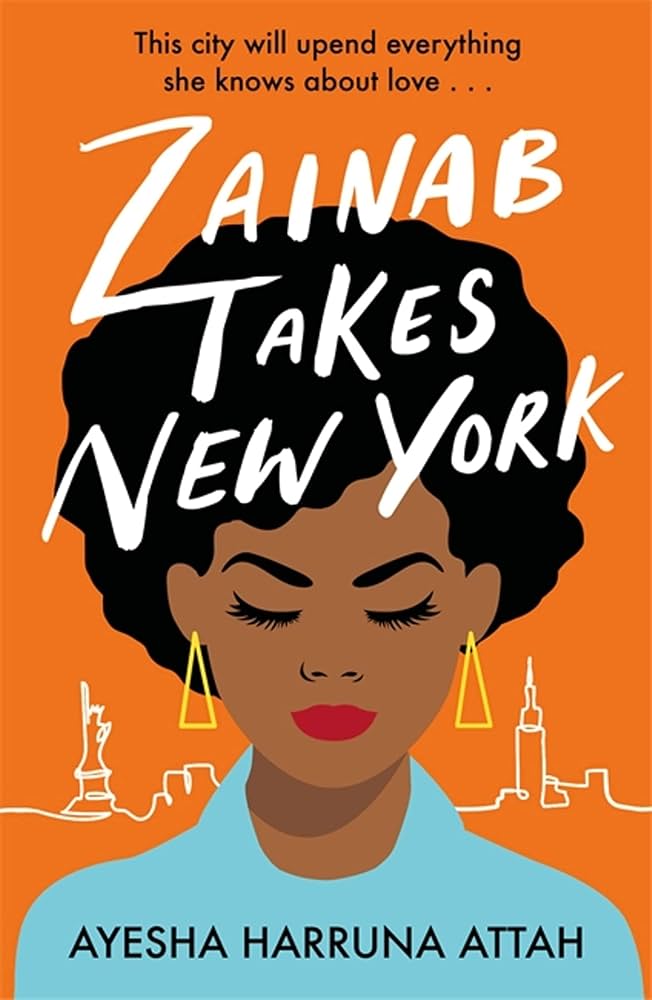
| Zainab Takes New York | 2021 | Novel (contemporary romance) |
Harmattan Rain and the Contemporary Register
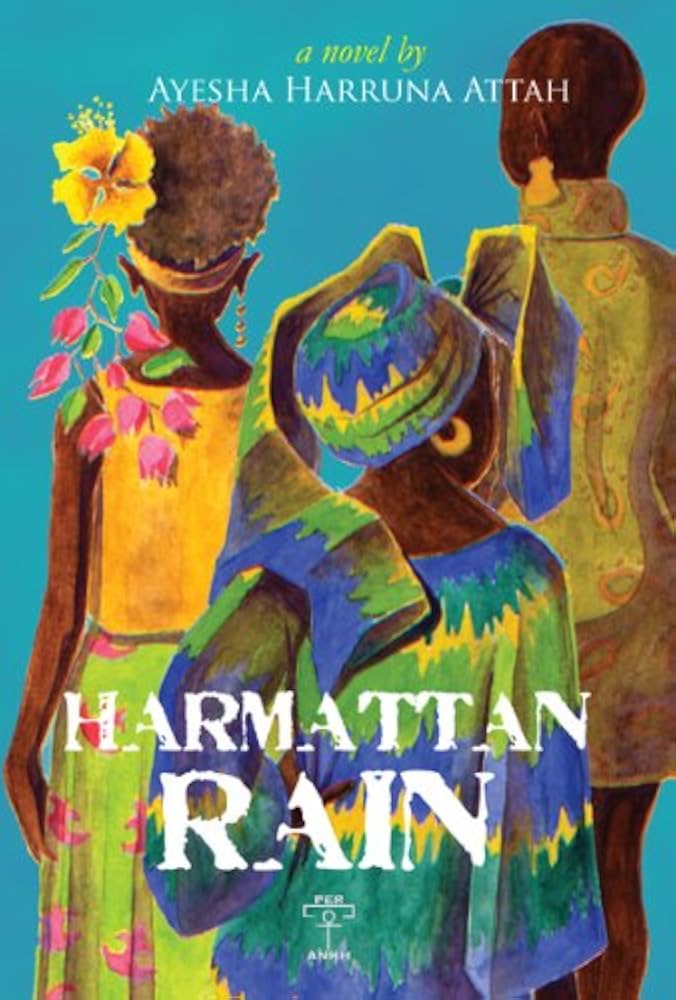
Harmattan Rain, her 2008 debut from the Accra-based press Per Ankh, opens in pre-independence Accra and tracks three generations of Ghanaian women: Lizzie-Achiaa, who leaves her village for the city in the mid-1950s; her daughter Akua Afriyie, who comes of age in the Nkrumah-and-after years; and her granddaughter Sugri, who attends university in New York and finds herself in the kind of confused diaspora present tense that has by now become a Ghanaian literary genre of its own. The structure is generational but the focus is intimate. The novel is more interested in how women carry secrets across the kitchens of three different households than in any historical pageant.
The book was shortlisted for the 2010 Commonwealth Writers’ Prize for Best First Book, which is the prize position worth stating precisely: a shortlisting, not a win, and enough to introduce her to the African literary establishment. Read against her later work, Harmattan Rain is a recognisable first novel. The prose is competent rather than distinctive, the structural ambition slightly outruns the writer’s command, and there are seams in the chronology where the research is visible. But the book did several things that matter for understanding what Attah was building. It established her interest in matrilineal time. It announced a refusal to write the kind of Ghana-as-tragedy book that the international market was rewarding from her peers. And it placed her, quietly, in the lineage of Ama Ata Aidoo, who had spent the previous forty years insisting that Ghanaian women’s interiority was a legitimate subject for serious fiction.
Saturday’s Shadows followed in 2015. The novel moves between four members of a single family across political turbulence in the late 1980s, in a country that is unnamed but recognisably Ghana, shadowed by the threat of military violence. The manuscript was shortlisted for the Kwani? Manuscript Project, the Nairobi-based competition that did more than any Western prize to surface African novels in that decade. Reviews were respectful but quieter than for the debut. Some readers found it slighter than Harmattan Rain and some found it tighter. It was the kind of second book that does not announce a new direction so much as consolidate the writer’s working methods. The real breakthrough was three years away.
The Hundred Wells of Salaga
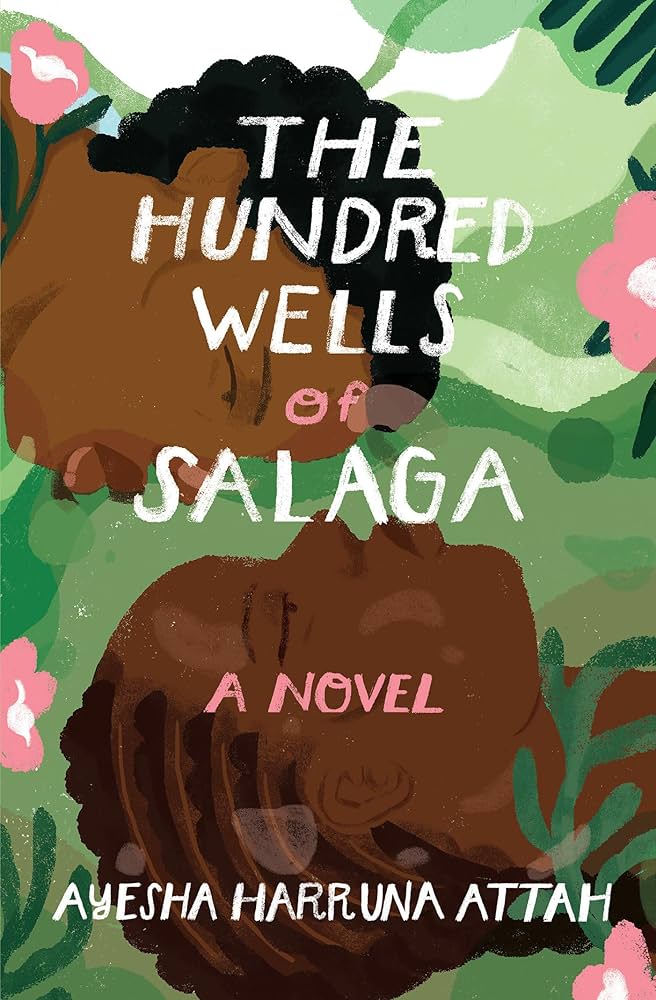
The Hundred Wells of Salaga was published in 2018 by Cassava Republic Press, the Abuja-based house founded by Bibi Bakare-Yusuf and Jeremy Weate that had spent the previous decade rebuilding African publishing infrastructure on the continent itself rather than through London. The choice of press mattered. Cassava does not work the prize circuit the way a large New York imprint does, and the novel did not arrive with a vast publicity engine behind it. It arrived instead with the assumption that it would find its readers slowly, and from inside the African market first. It went on to be named a finalist for the 2020 William Saroyan International Prize for Writing.
The novel is built around two women in late-nineteenth-century northern Ghana. Aminah is a shoemaker’s daughter in a small village whose life is destroyed when slave raiders attack and she is captured and forced to walk south toward Salaga. Wurche is the daughter of a local chief in Salaga itself, a young woman who has read Arabic books and rides horses and resents the marriage being arranged for her. The two women’s paths cross at the market town, and what the novel does next is the heart of its achievement: it refuses to make Wurche innocent. The chief’s daughter is part of the slave-trading economy. Her family profits from it. The friendship that develops between the two women is not a redemption story. It is a story about what people in compromised positions can and cannot do for each other while the wider system grinds on.
Reviewers responded above all to the moral seriousness of that design. The dominant Ghanaian historical novel of the previous half-century had tended to treat African complicity in the slave trade as a topic for essays rather than something to dramatise in scenes. Attah dramatised it, and did so without flattening complicity into villain-and-victim shapes. Wurche is sympathetic; she is also implicated. Aminah is enslaved; she is also more than her enslavement, and the novel takes the time to render her interior life as something larger than the suffering the plot would otherwise reduce her to.