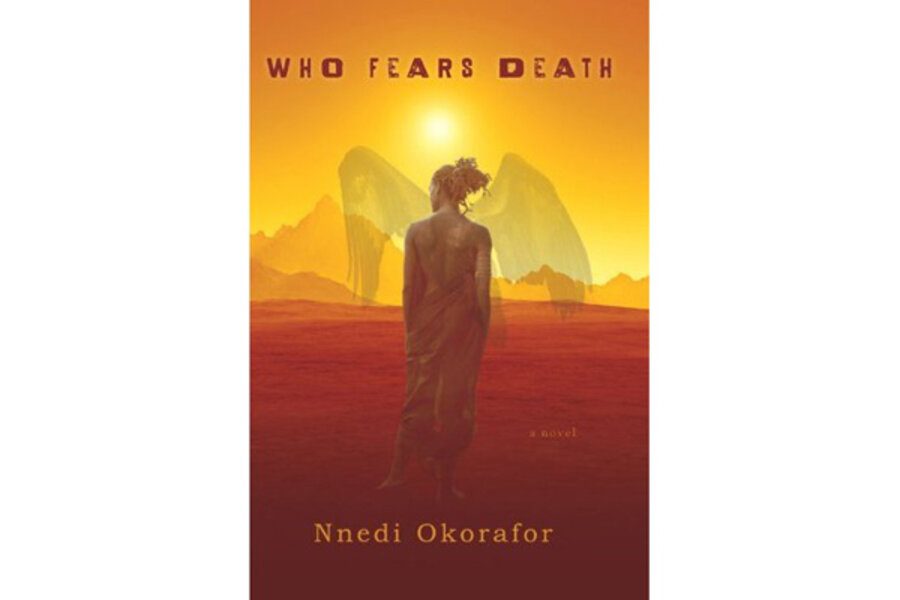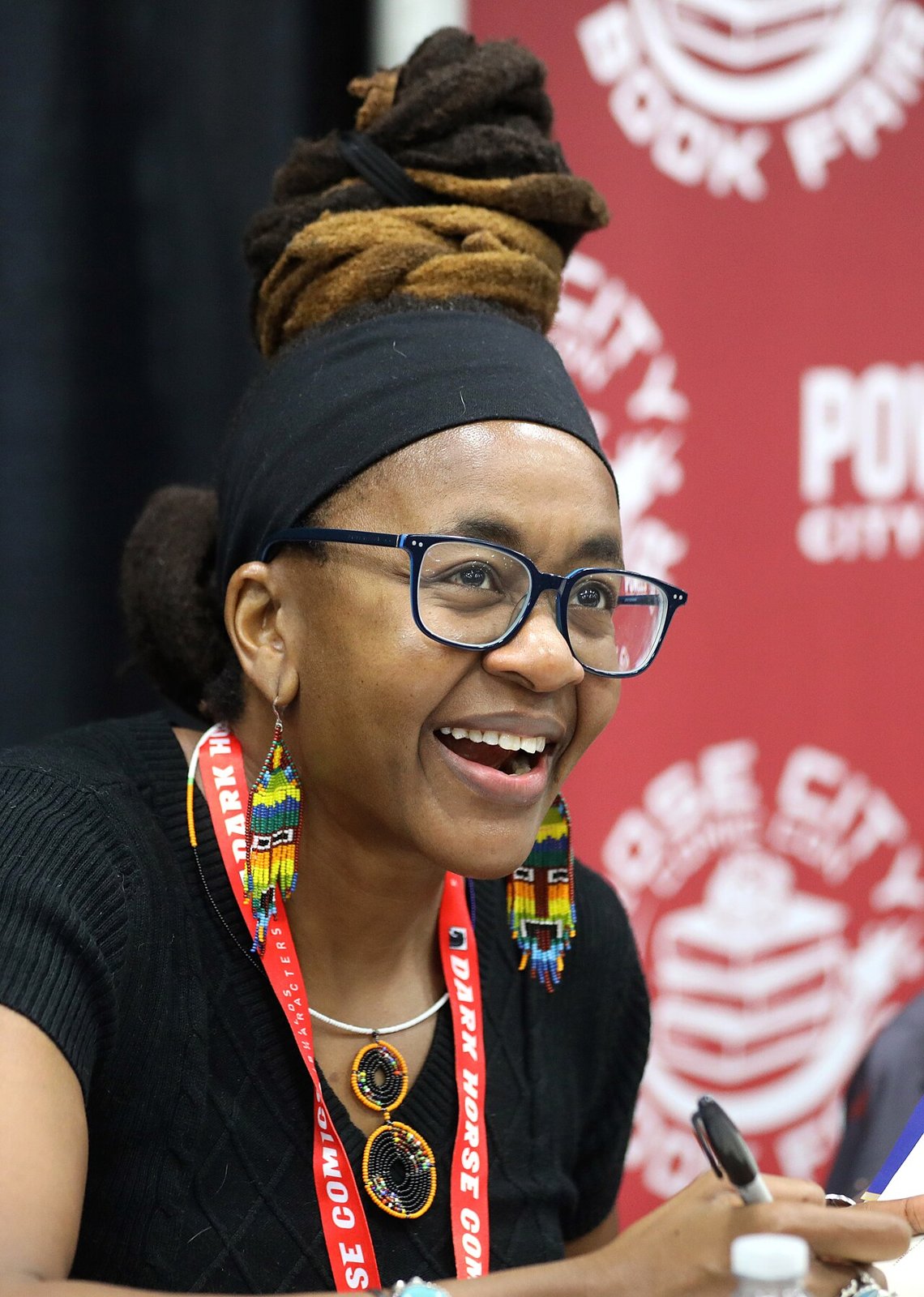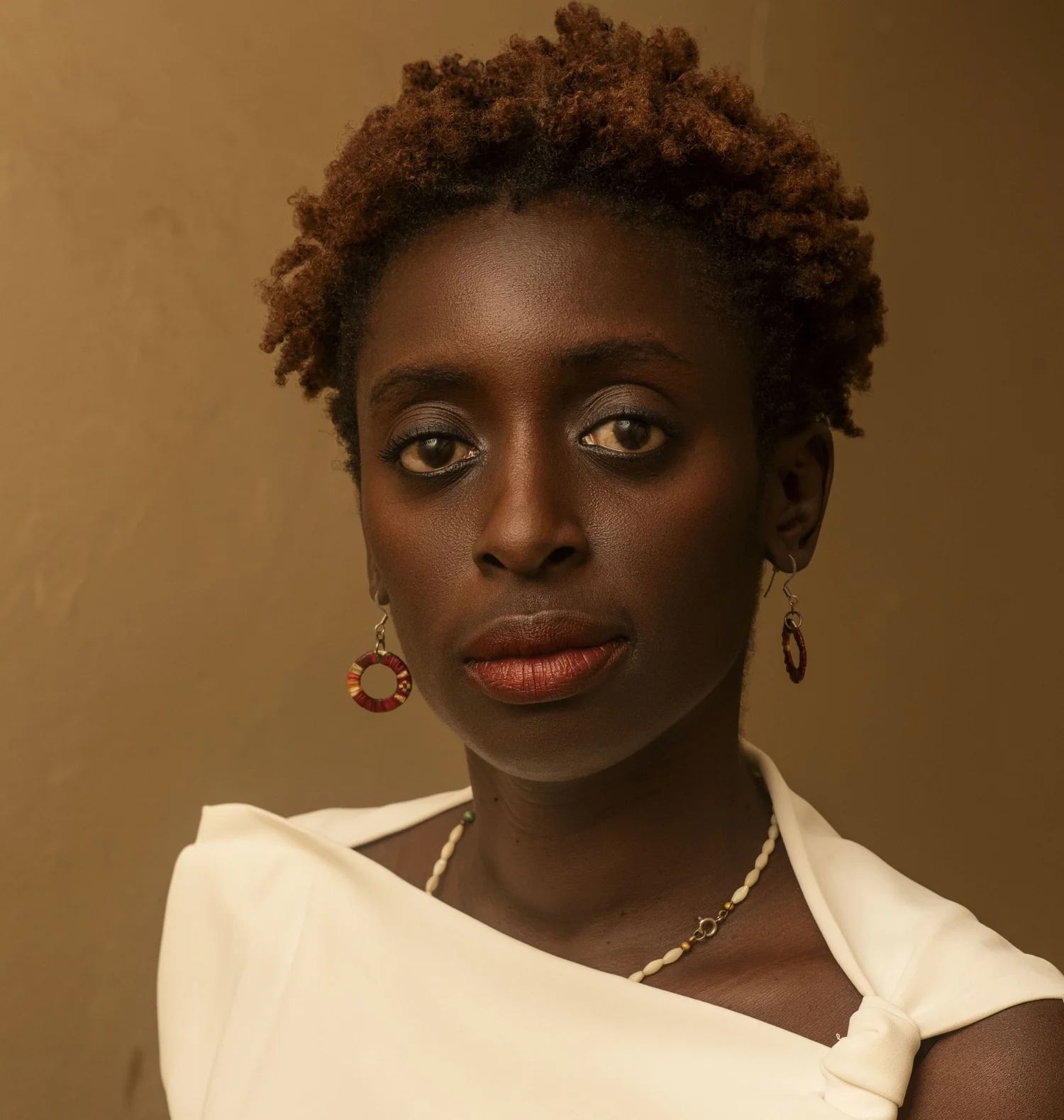
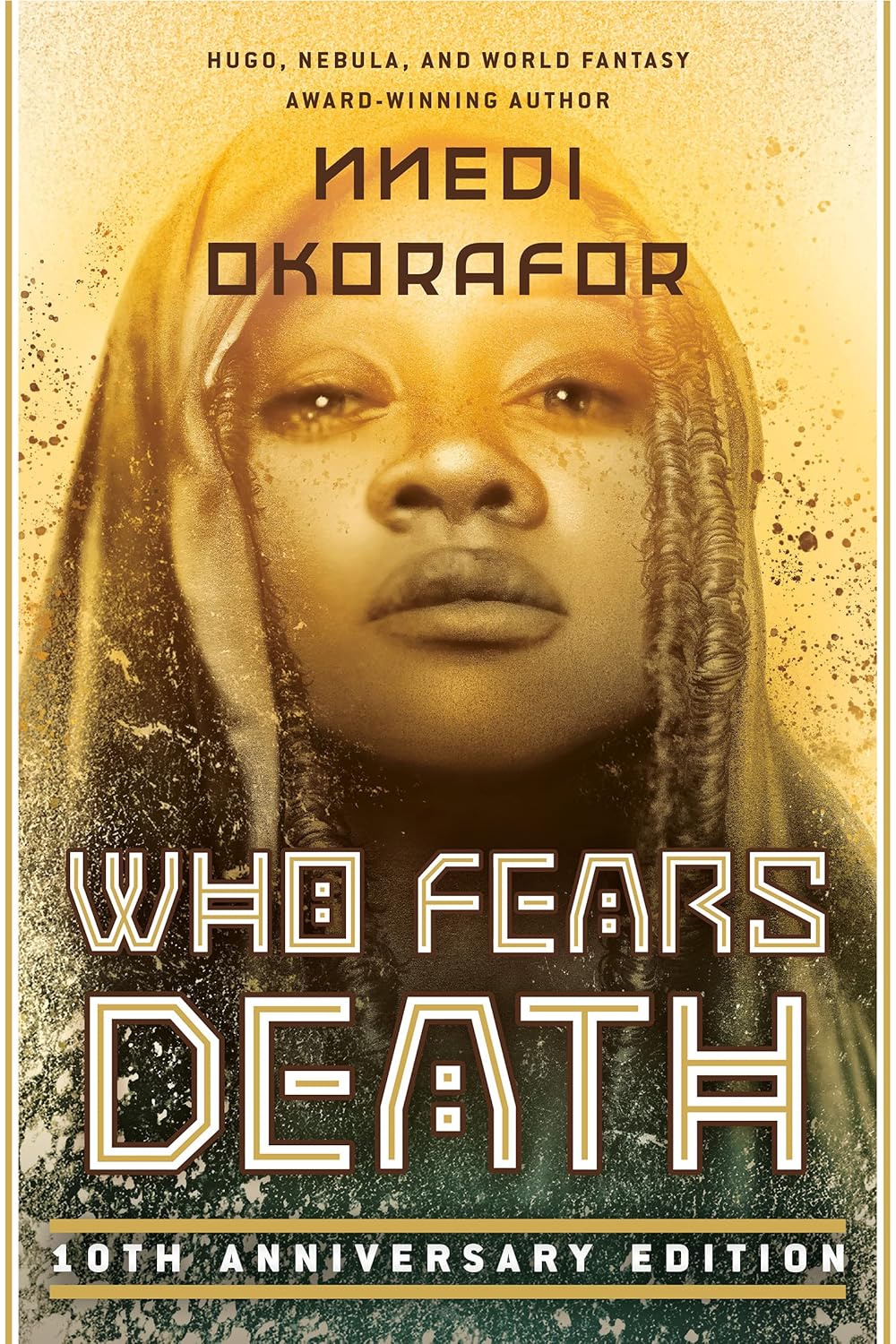

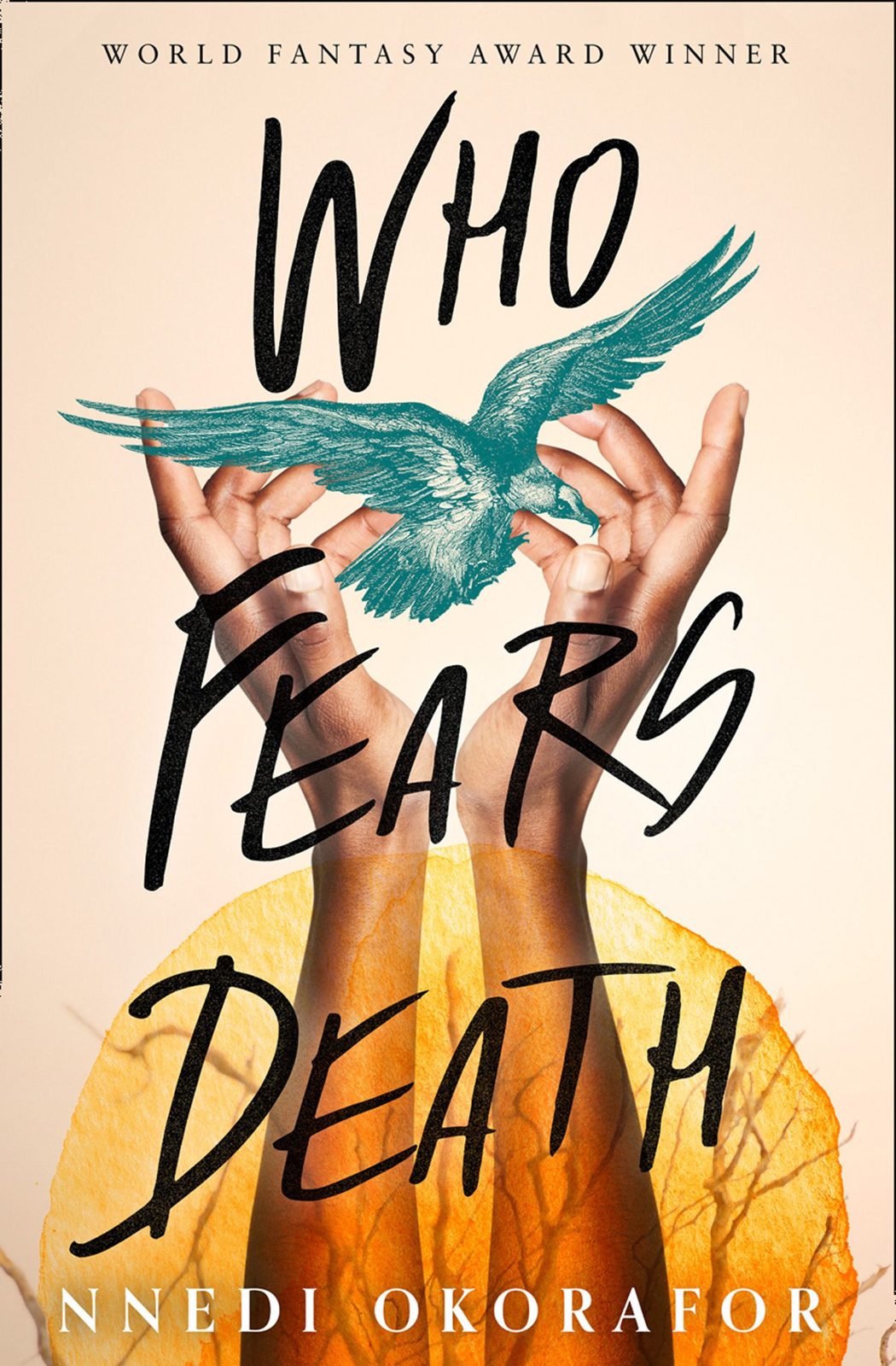
A child is born in the desert with sandy hair and freckled skin, the visible mark of her conception in a Nuru assault on an Okeke village, and the community she walks into spends the rest of the book refusing to decide whether she is a curse or a prophecy. Nnedi Okorafor published Who Fears Death with DAW Books in 2010, and it won the World Fantasy Award for Best Novel in 2011. That win gave her a platform from which she would, over the following decade, formulate a useful taxonomic term, Africanfuturism, distinct from Afrofuturism in that it foregrounds the continent rather than the diaspora, and become one of the most argued-about figures in twenty-first century speculative fiction. The novel is uneven. It is also one of the few science-fantasy novels of the last twenty years that has earned, on the strength of what it attempts, the right to its unevenness.
The Book at a Glance
| Title | Who Fears Death |
| Author | Nnedi Okorafor |
| First published | 2010 |
| Publisher | DAW Books |
| Form | Novel |
| Prizes | World Fantasy Award for Best Novel, 2011 |
| Related title | The Book of Phoenix (2015), a prequel |
The Setting and Its Source
The post-apocalyptic landscape of Who Fears Death is unnamed in the text, though Okorafor has been explicit in interviews that it is Sudan-inspired. This is a future Africa rather than a historical one. The Nuru, fair-skinned, and the Okeke, darker-skinned, are at war, and the Nuru campaign against the Okeke includes mass rape used as a weapon of demographic erasure. Children born of those rapes are called Ewu, and they are pariahs in both communities. The cosmology is post-tech but not post-everything: there are computers, capture stations that record images, and old roads, but they sit alongside djinn, sorcery, mystical journeys, and an active spirit world.
The Darfur conflict had begun in 2003, and the systematic use of mass rape against women of African Sudanese ethnic groups was documented by Human Rights Watch and Amnesty International in the years that followed. Okorafor has said that she read Emily Wax’s 2004 Washington Post reporting from Darfur, and in particular a piece on the deliberate use of rape to produce mixed-ethnicity children, and that the seed of the novel was planted there: a child of such a rape, born with the visible difference of her conception, refusing the role assigned to her. She has described the book as one she felt obliged to write after reading that reporting. The novel does not transcribe Darfur. It transposes it into a fantastical register that lets her ask a question journalism cannot: what would the daughter of one of these rapes be, if she grew up with power.
Onyesonwu
The protagonist’s name is Onyesonwu, which in Igbo means who fears death. She is born to Najeeba, an Okeke woman who fled into the desert after the destruction of her village and the rape that produced her daughter. The opening of the novel finds them in Jwahir, a settled town that has accepted Najeeba’s silence and Onyesonwu’s freckled difference without quite accepting them. In childhood Onyesonwu discovers that she can shape-shift into a sparrow. She is eleven when, during the Eleventh Year Rite, a circumcision ceremony that Okorafor renders without flinching and without spectacle, she meets the three girls who become her closest friends: Luyu, Diti and Binta. The four of them, who will eventually walk across the desert together, become the load-bearing emotional structure of the novel.
The choice to write the cutting scene early, in detail, and to refuse to soften it, is one of Okorafor’s most political decisions. The novel does not present the rite as an exotic curiosity for Western readers. It presents it as something the girls have agreed to, that their mothers underwent, that the village expects, and that nonetheless costs the girls something specific which they will spend the rest of the book learning to name. After the rite, Onyesonwu goes to the village juju man Aro and demands to be trained as a sorcerer. Aro refuses her because she is Ewu and because she is a girl. That refusal is the engine of the novel’s first half.
A Heroic Quest That Knows the Tradition
The bones of Who Fears Death are recognizably Campbellian. There is a chosen one. There is a prophecy that a tall Ewu sorcerer will come and rewrite the Great Book that has decreed Okeke subjugation to the Nuru. There is a journey across a desert. There is a mentor in Aro, who eventually does train her, a band of companions in Luyu, Diti, Binta and Onyesonwu’s lover Mwita, who is also Ewu, and a confrontation with Daib, the Nuru sorcerer who raped her mother and who is also her father. Readers who come to the book from the Tolkien, Le Guin and Jordan tradition will find the structural beats familiar.
What Okorafor does inside that structure is what is interesting. The quest is gendered, sexual and religious in ways the inherited genre architecture is not used to. Onyesonwu and Mwita have a long, complicated, fully adult relationship across the book, and what was done to her body at eleven shapes it. Her sorcery is bodily rather than abstract. The genre’s traditional chosen-one framework, in which the hero’s body is mostly a plot delivery system, is replaced here by a protagonist whose body is the entire site of the novel’s argument.
Mwita is also more than a love interest. He has been trained in some sorcery, refused full training because he is Ewu, and carries his own complicated rage at a prophecy that names Onyesonwu rather than him. Their relationship is one of the more honestly drawn partnerships in recent fantasy. He fails her at moments. She fails him at moments. The narrative does not punish either of them for those failures.
The Question of How Hard to Look
The novel is unflinching about violence done to women. The rape of Najeeba frames the opening. There are murders. There is the genocide itself, shown in the back half of the novel when Onyesonwu and her companions reach Nuru territory and find Okeke villages emptied. And there is a long passage near the end in which Onyesonwu, having confronted Daib, performs an act of mass cosmological violence that is both her destined victory and a moral problem the novel declines to resolve.
Some readers find the violence excessive. Others, particularly readers familiar with the Darfur reporting behind the book, find it calibrated. I think it is closer to the second. The book is not violent for spectacle. The rapes in particular are written with a refusal to aestheticize that distinguishes them from much of the genre’s post-prestige-television treatment of similar material. Okorafor’s prose at those moments goes slightly clipped and slightly journalistic, and the restraint is doing deliberate work.
There is, however, a craft problem in the back third, where the cosmology starts carrying a load the earlier character writing has not quite prepared for. Onyesonwu’s powers grow in pace with the prophecy. The mystical journey across the desert, the encounters with djinn and goddesses, the eventual confrontation with the Great Book itself: these passages can read more like genre exposition than the lived-in scene work of the first half. Okorafor is a writer of greater interest in character than in worldbuilding, and here the worldbuilding sometimes runs ahead of her.