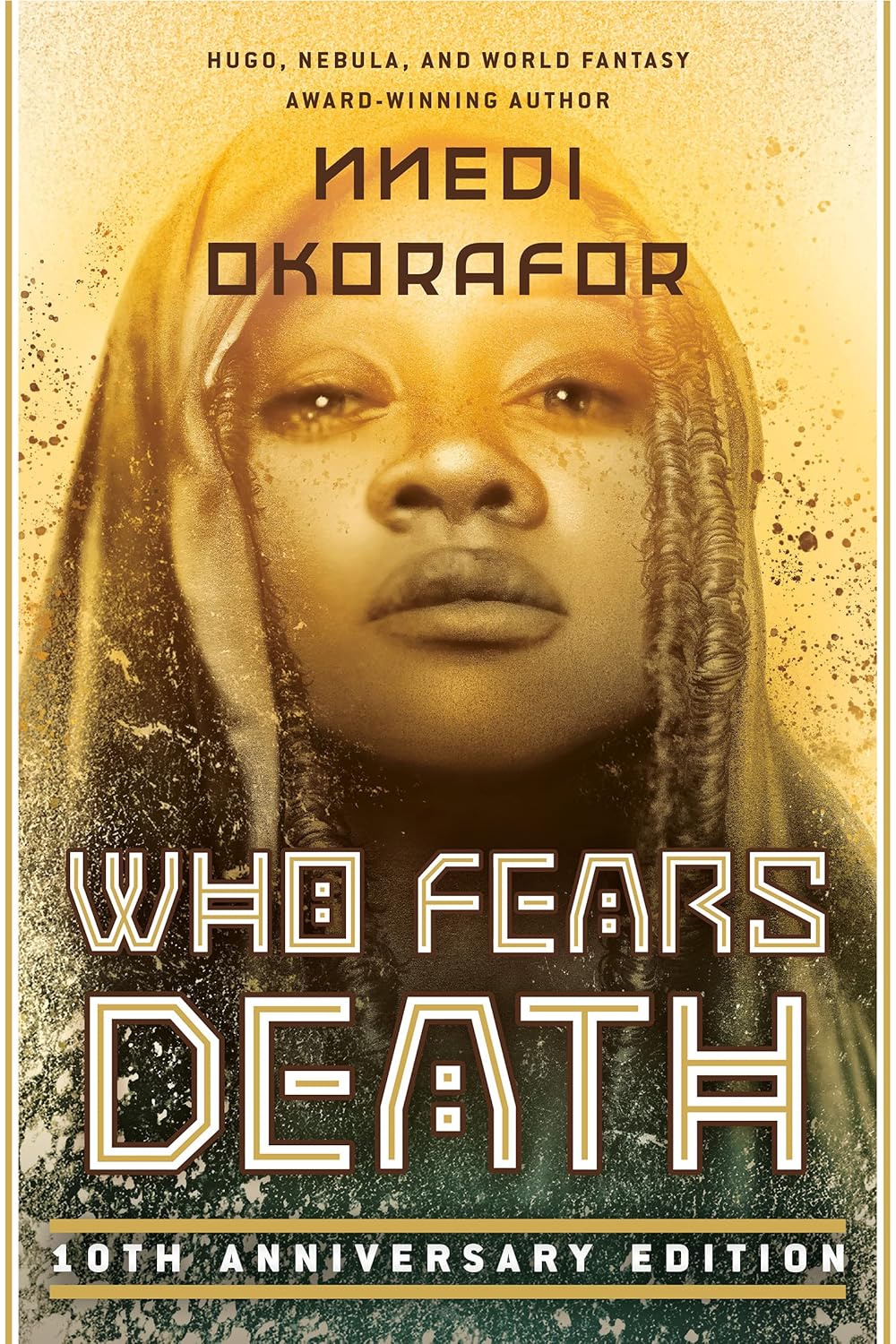
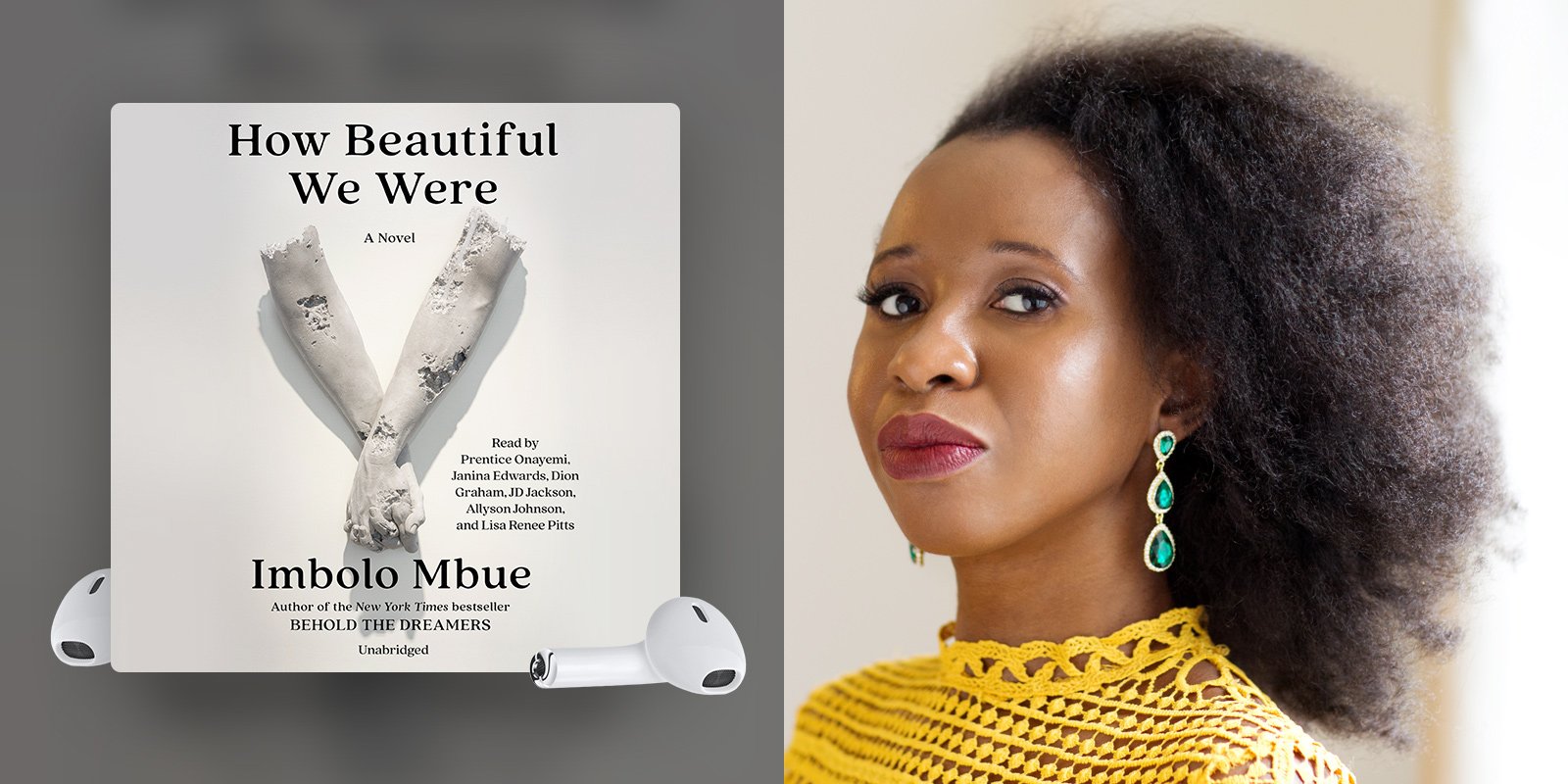

“We should have known the end was near.” That is how the village of Kosawa begins to tell its story, and the sentence does a great deal of work. It is collective. It is retrospective, spoken by people who already know how things turn out. And it is an indictment, of themselves as much as of anyone, for the slowness with which a community recognizes that it is being killed. Imbolo Mbue’s second novel hands the narration to a chorus of villagers and a few individual voices, and from that opening line it announces an ambition far larger than the two-household drama of her debut. This is a book about a village against an empire, and it does not pretend the village will win easily, or at all.
The Book at a Glance
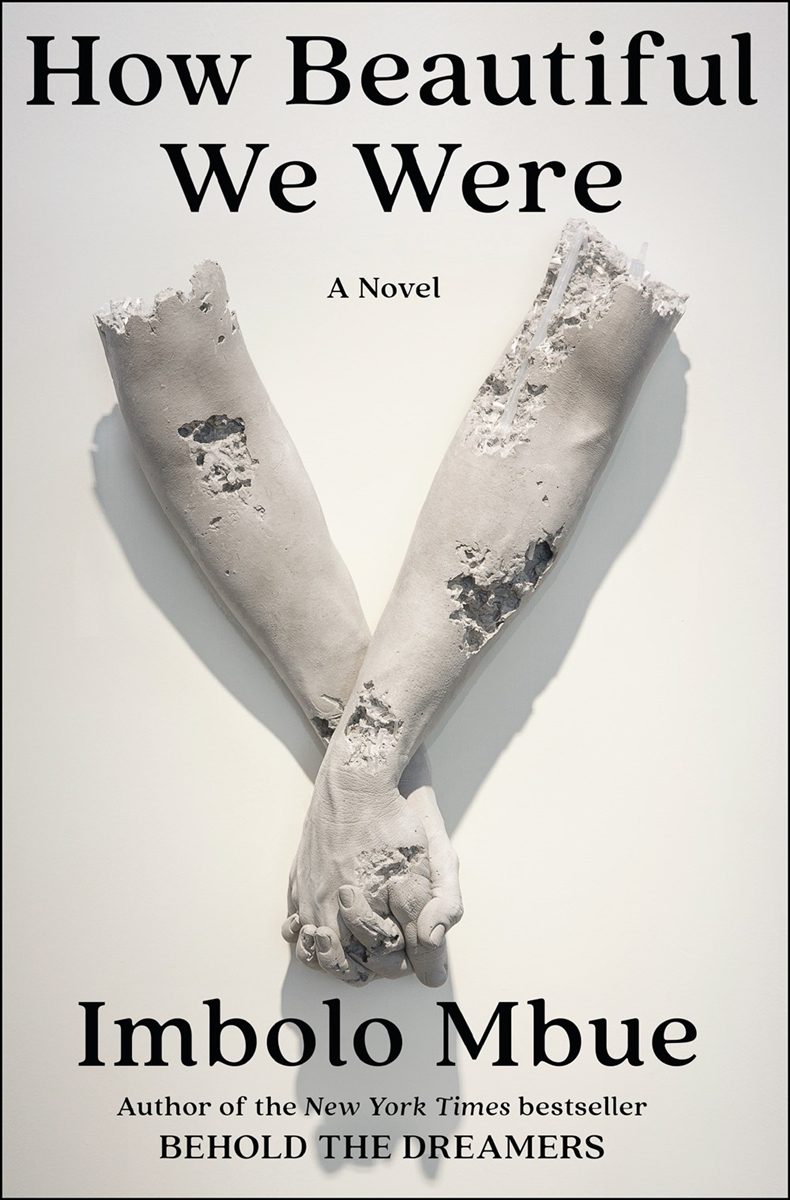
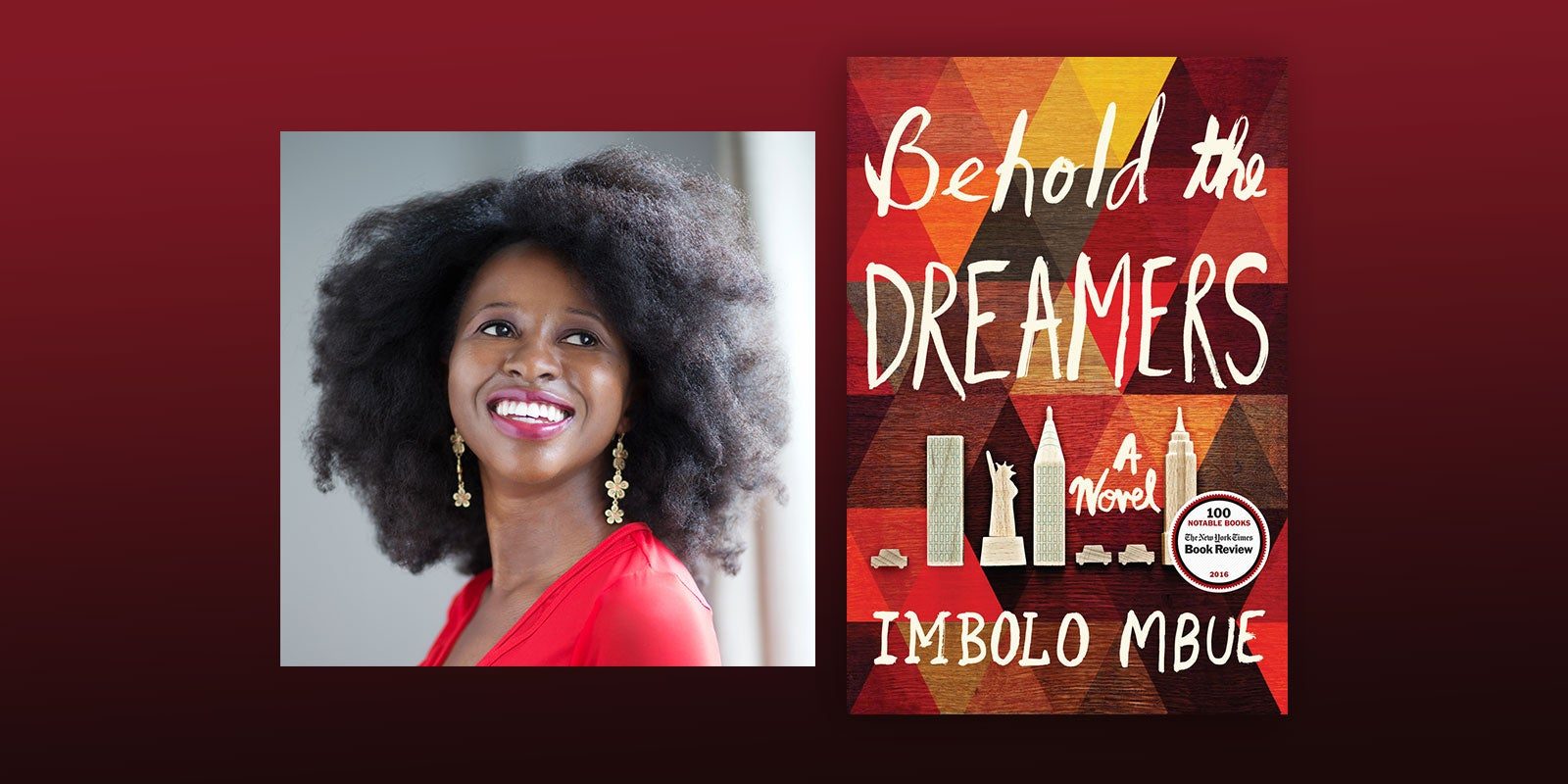
| Title | How Beautiful We Were |
| Author | Imbolo Mbue |
| First published | 2021 |
| Publisher | Random House |
| Form | Novel, her second of three |
| Prizes | No major prize win recorded for this title. The PEN/Faulkner Award for Fiction (2017) and the Oprah’s Book Club selection (2017) belong to her debut, Behold the Dreamers |
| Other novels | Behold the Dreamers (2016) and Every Story Is a Love Story (Random House, October 2026) |
A Bigger, Angrier Book
Published in 2021 by Random House, five years after the success of Behold the Dreamers, How Beautiful We Were arrived as the kind of second novel that announces a writer refusing to repeat herself. Where the debut was a tightly engineered domestic story set in New York, this is a multigenerational epic set in a fictional African nation, narrated across decades by a fictional village. The shift in scale is dramatic and so is the shift in temperature. The first novel was warm and ambivalent about America. This one is cold with fury at the machinery of corporate extraction. It is worth noting at the outset that the debut’s honours stay with the debut: the PEN/Faulkner Award and the Oprah’s Book Club pick both belong to Behold the Dreamers, and this novel’s standing does not rest on them.
The setup is brutally simple. Kosawa is a small village sitting on top of oil. An American company called Pexton has been drilling there for years, and the drilling has poisoned the water, the soil and the children. Babies die. Crops fail. The company sends representatives who make promises and deliver nothing, backed by a national government that has been bought wholesale. The novel opens with a confrontation: the villagers, at the urging of the village madman Konga, seize three visiting Pexton men and refuse to let them leave. From that spark, the long war between Kosawa and Pexton catches fire.
Mbue tells this across decades, rotating among narrators. There is a communal voice that speaks for the village’s children as they grow. There are individual chapters from members of one family. And there is Thula, the girl who will become the organizer at the novel’s centre, the one who leaves to study in America and returns carrying ideas about collective resistance.
The fictional framing is deliberate and worth dwelling on. Kosawa and Pexton are both invented, and Mbue keeps them invented rather than naming a real place or a real firm. That frees her from the obligations of journalism and gains her the freedom of parable. The village could be in the Niger Delta, or in Ecuador, or anywhere a resource lottery turned into a curse. The choice universalizes the story, though it comes at a cost: the loss of the gritty specificity that documentary fiction can deliver. Mbue is betting that the archetype will outlast the headline, and for the most part the bet pays off.
Thula and the Long Arc of Resistance
Thula is the spine of the book and one of Mbue’s finest creations. As a child she loses her father, Malabo, who sets out for the capital to confront Pexton and never comes home, and the loss hardens into purpose. The reprisals that follow the village’s first uprising take others in her family too. She is bookish, intense and incapable of the compromises that let other people survive. Sent to America to study, she absorbs the language of revolution and the literature of liberation movements, and she returns to organize Kosawa’s struggle into something more deliberate than spasms of rage.
What makes Thula compelling is that Mbue does not romanticize her. She is admirable and also, in some ways, a difficult and lonely figure, a woman who sacrifices personal happiness so completely that the reader sometimes mourns the life she refuses to live. Her letters from America to her childhood friends are among the book’s most moving passages, full of an idealism the novel will test mercilessly. Thula believes the struggle can be won through organization and will. The novel is not so sure, and it watches her belief collide with the patience of capital and the corruption of her own country’s leaders.
Spreading the narration across generations means Thula shares the stage with her younger brother Juba, her mother, her grandmother Yaya and the collective voice of her age-mates. This gives the resistance a texture it would lack in a single-hero version. We see the ones who fight and die young, the ones who sell out, the ones who simply endure. Resistance, in this book, is not one heroic act but a relay passed across decades, dropped and picked up again.
Corporate Colonialism, Named Plainly
The politics of How Beautiful We Were are unsubtle, and Mbue clearly intends them to be. Pexton is her own invention rather than a portrait of any identifiable company, but its behaviour tracks patterns that have been documented wherever oil has been pulled out from under people who did not consent to it. The company poisons a village, buys the government, hires public relations help to manage the story, and waits. Its great weapon is time. It can outlast any uprising because it has the money and the patience that the dying villagers do not.
This is the book’s intellectual core: the recognition that the contest between an oil company and a poisoned village is not a fair fight and was never meant to be. The villagers try petitions, lawsuits, an American campaigning organization, a sympathetic journalist, armed resistance and international pressure. Mbue walks each strategy down its road and shows where it dead-ends. The litigation grinds on and resolves on terms that change very little in Kosawa. The outsiders mean well and accomplish less than they promise. The armed resistance brings reprisal. The novel is a catalogue of the ways the powerful absorb and neutralize the resistance of the powerless.
Some readers will find this didactic, and the criticism is not baseless. The moral arithmetic is clear early, and the book’s outcomes confirm rather than complicate its thesis. But there is also something bracing about a novel willing to state plainly that this is how extraction works, that the poisoning of one part of the world for the comfort of another is not an accident or an excess but the system functioning as designed.