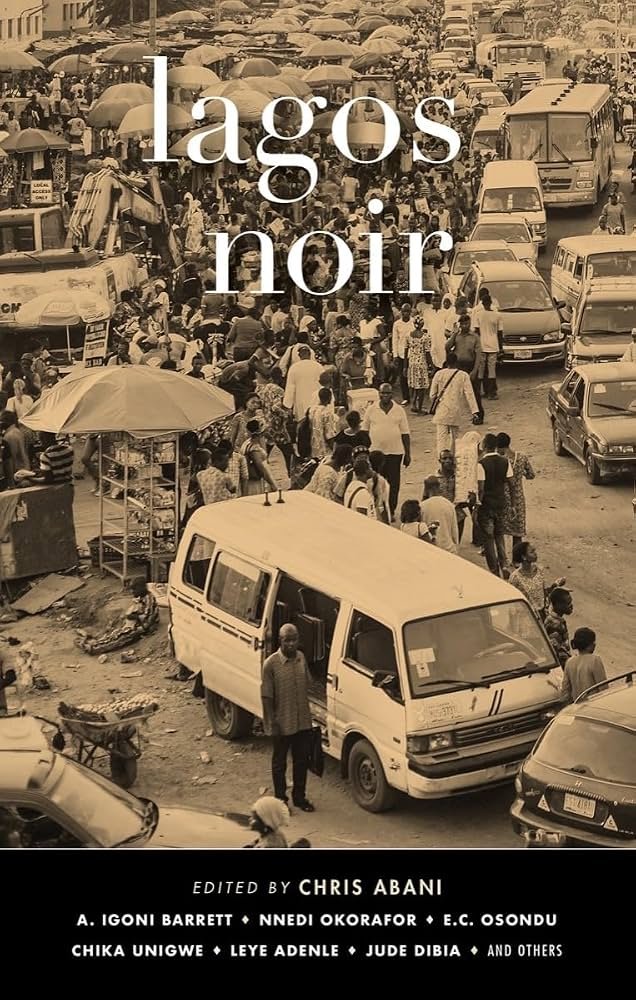

Lagos does not sit politely behind the characters of a novel waiting for them to act. It speaks first, often louder than them, and the writers who matter have all learned to listen. The city is one of the largest urban areas on the African continent, tens of millions of people stacked along a lagoon, and it has been outpacing its own literature for decades. The books below are the answer to that gap. Some are panoramic, some are claustrophobic, one barely lets its narrator out of an airport and a market. All of them treat the city as a thing that wants something from you, and all of them are genuinely set in Lagos rather than merely written by Lagosians.
One note on how this guide is built. Every entry below is a book in which Lagos is the primary setting or a substantial, load-bearing one, and the table states the author, the year of first publication, the country and the form so that nothing has to be inferred. Where a book is a novella or an anthology rather than a single-author novel, we say so. Several famous Nigerian books that readers expect to find on a list like this are set elsewhere, in Ilesa or the Niger Delta or New York, and they are not here for that reason alone.
The list at a glance
| Title | Author | First published | Country | Form |
|---|---|---|---|---|
| Jagua Nana | Cyprian Ekwensi | 1961 | Nigeria | Novel |
| Waiting for an Angel | Helon Habila | 2002 | Nigeria | Novel in linked chapters |
| GraceLand | Chris Abani | 2004 | Nigeria | Novel |
| Everything Good Will Come | Sefi Atta | 2005 | Nigeria | Novel |
| Every Day Is for the Thief | Teju Cole | 2007 | Nigeria and United States | Novella |
| The Spider King’s Daughter | Chibundu Onuzo | 2012 | Nigeria | Novel |
| Americanah | Chimamanda Ngozi Adichie | 2013 | Nigeria | Novel, partly set in Lagos |
| Blackass | A. Igoni Barrett | 2015 | Nigeria | Novel |
| The Carnivorous City | Okey Ndibe | 2015 | Nigeria | Novel |
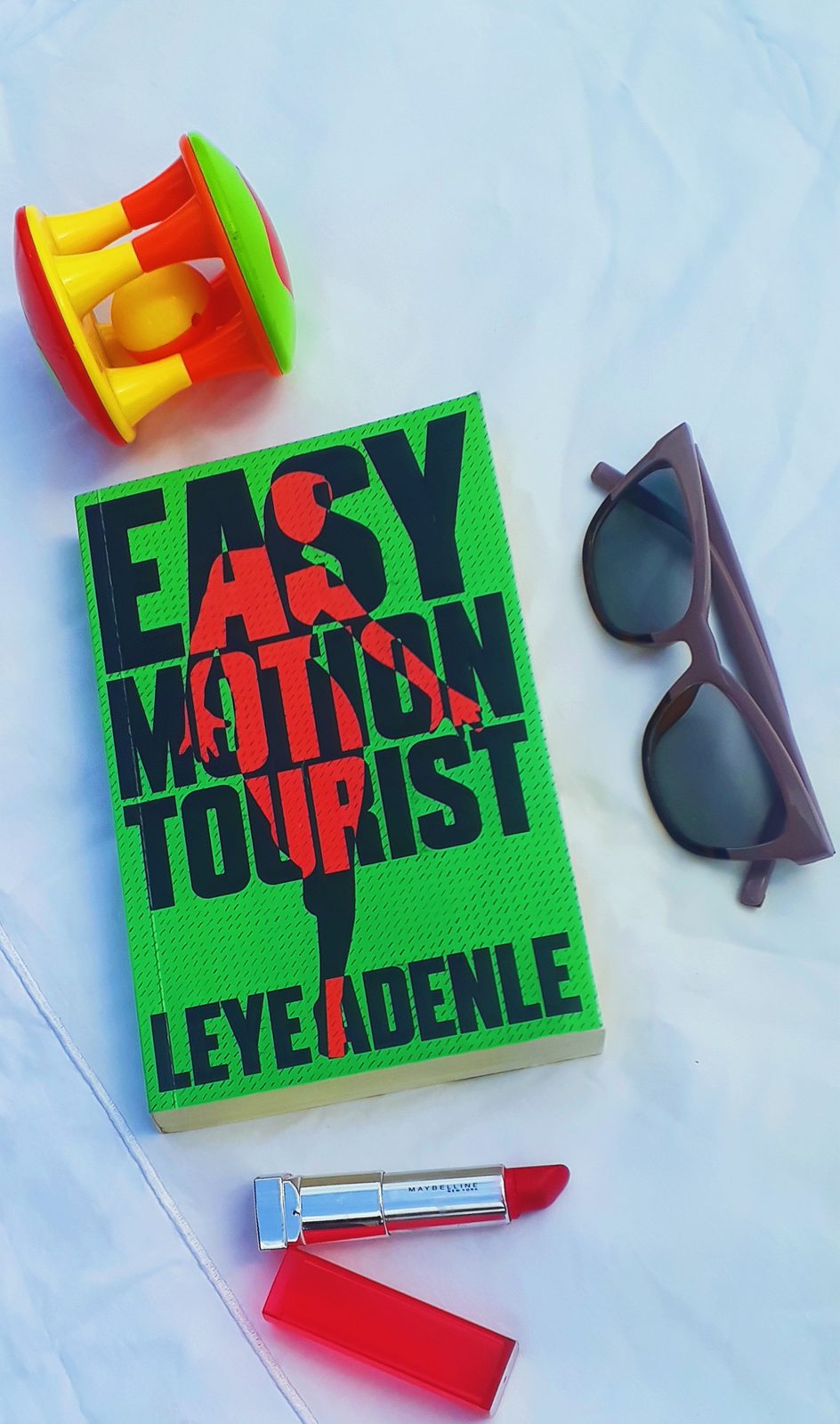
| Easy Motion Tourist | Leye Adenle | 2016 | Nigeria | Crime novel |
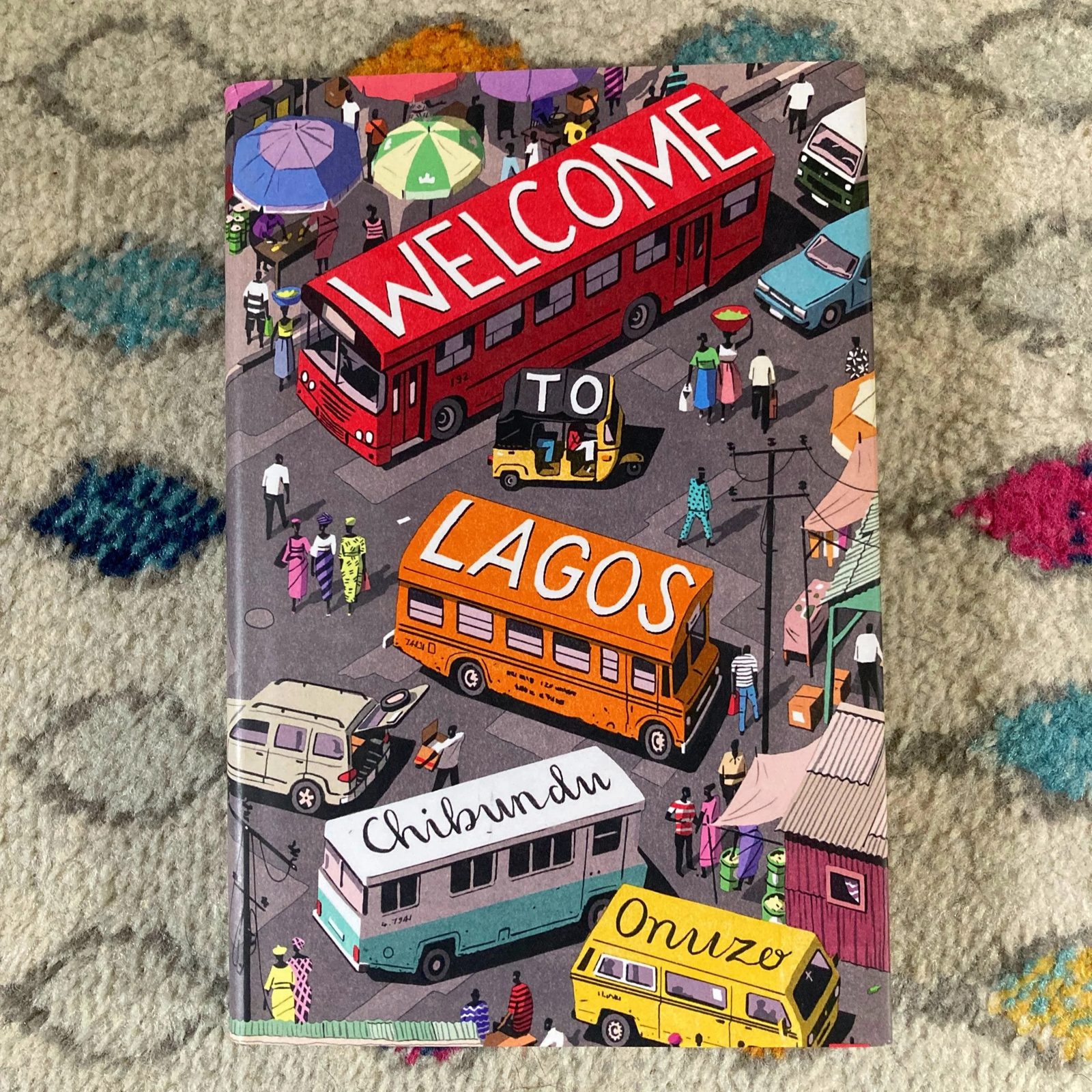
| Welcome to Lagos | Chibundu Onuzo | 2017 | Nigeria | Novel |
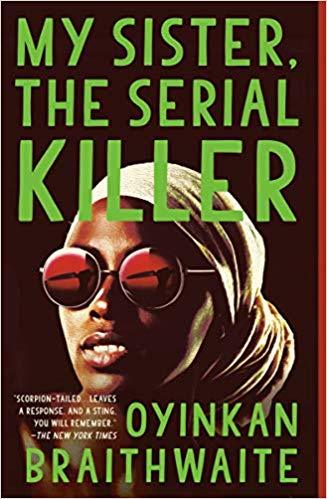
| My Sister, the Serial Killer | Oyinkan Braithwaite | 2018 | Nigeria | Novel |
| Lagos Noir | Edited by Chris Abani | 2018 | Nigeria, multiple contributors | Anthology of short stories |
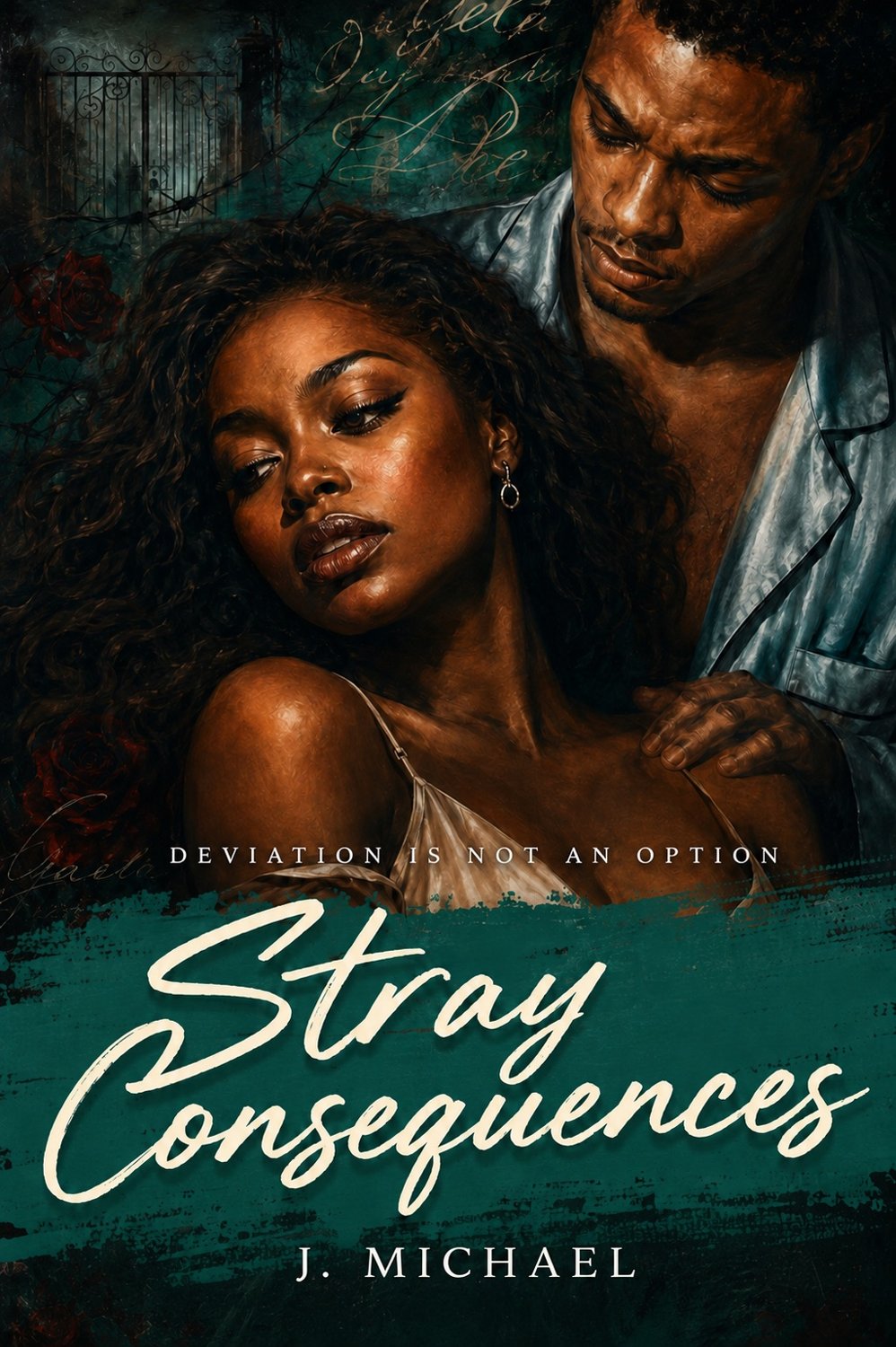
| Stray Consequences | J. Michael | 2019 | Pen name, country not stated | Novel, second in The Don’t Stray Series |
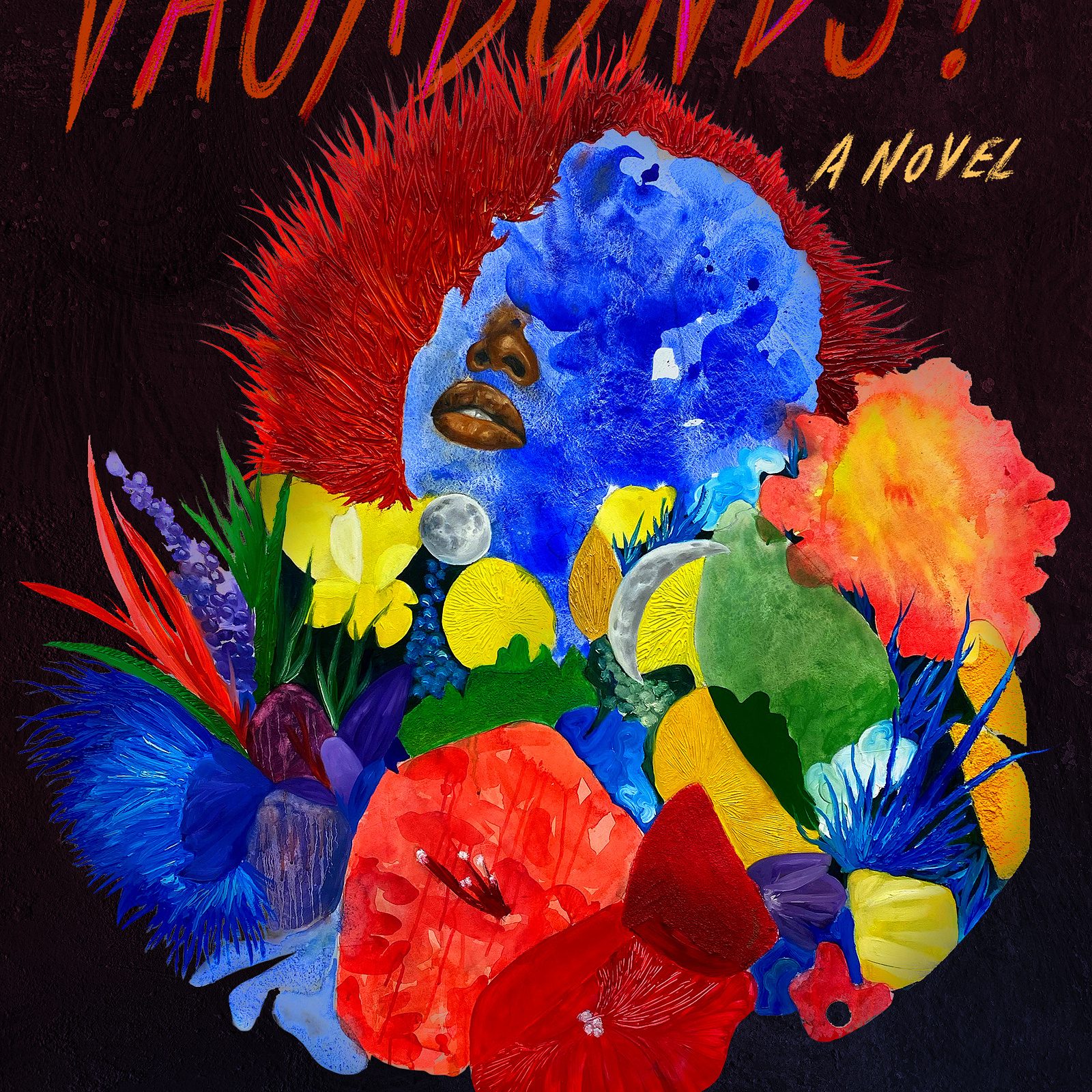
| Vagabonds! | Eloghosa Osunde | 2022 | Nigeria | Linked-story novel |
Jagua Nana by Cyprian Ekwensi (1961)
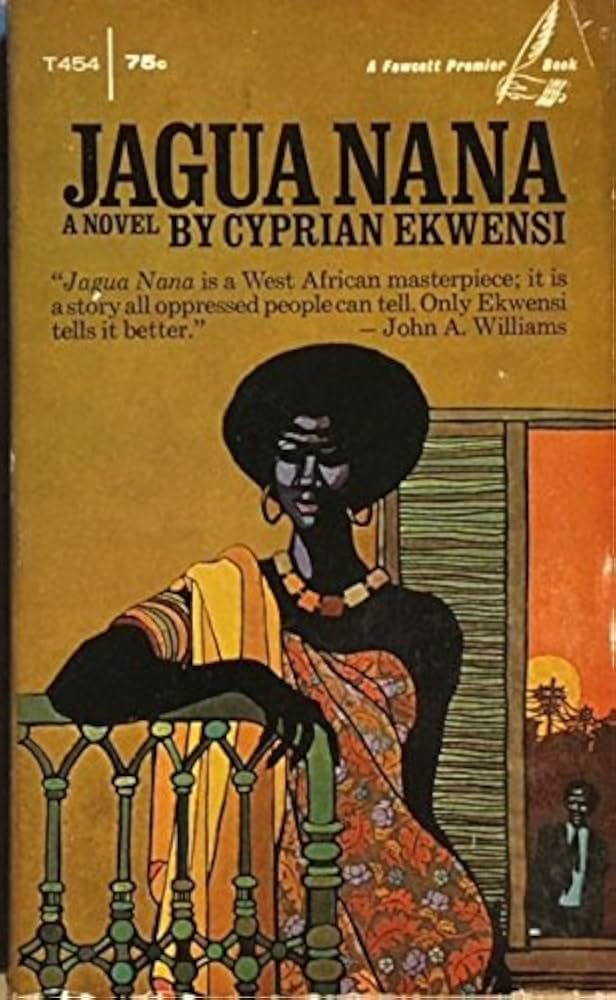
Start here, because the Lagos novel starts here. Ekwensi’s most famous book follows Jagua Nana, a woman past her first youth who has built a life in the bars and nightclubs of the city and who moves between a young lover, an older patron and the hard arithmetic of her own independence. Ekwensi wrote popular fiction without apology, and the novel’s energy comes from its refusal to treat urban Nigerian pleasure as a moral problem to be solved. He was writing in the first years of independence, when the city was absorbing arrivals faster than anyone could count them, and the book captures that churn from inside rather than from the window of a passing car. Ekwensi died in 2007, and this remains the title that fixed him in the canon.
Waiting for an Angel by Helon Habila (2002)
Habila’s first book is built from linked chapters rather than a single forward plot, and it moves backward and sideways through the life of Lomba, a young journalist and aspiring novelist living in Lagos under military rule in the 1990s. The Morgan Street chapters, set in a poor Lagos neighbourhood on the edge of a protest that will not end well, are among the best things written about the city’s capacity to generate community and then dismantle it. Habila’s sentences are plainer than Soyinka’s and colder than Ekwensi’s, and the book moves between the newsroom, the cell and the street without any of the three feeling like a set. It won the Commonwealth Writers’ Prize for Best First Book, Africa region, in 2003.
GraceLand by Chris Abani (2004)
Elvis Oke is a teenage Elvis impersonator dancing for tourists on Lagos beaches, living in Maroko, the waterside settlement that the state demolished in 1990. Abani uses that fact of demolition as the spine of the book, and the result is the most physical Lagos novel in English: the smell of the lagoon, the cost of a tin of milk, the specific violence of being poor in a city that is rebuilding itself on top of you. The novel interleaves recipes and Igbo plant lore between chapters, which sounds precious on paper and works on the page. Readers who know Abani only as a poet will find the same compression here, stretched over four hundred pages without slackening.
Everything Good Will Come by Sefi Atta (2005)
Atta’s debut follows Enitan from a 1970s childhood in Lagos through law school in England and back into the city as an adult, and the Lagos it describes is middle class, Anglican, lawyerly and quietly brutal in its expectations of daughters. The friendship between Enitan and Sheri is the engine, and Atta refuses to let either woman stand in for Nigerian womanhood in general. The late sections, set during military rule, turn the personal story into a political one without the gear change showing. It won the Wole Soyinka Prize for Literature in Africa in 2006, and it remains the book to hand a reader who wants the Lagos of the professional classes rather than the Lagos of the hustle.
Every Day Is for the Thief by Teju Cole (2007)
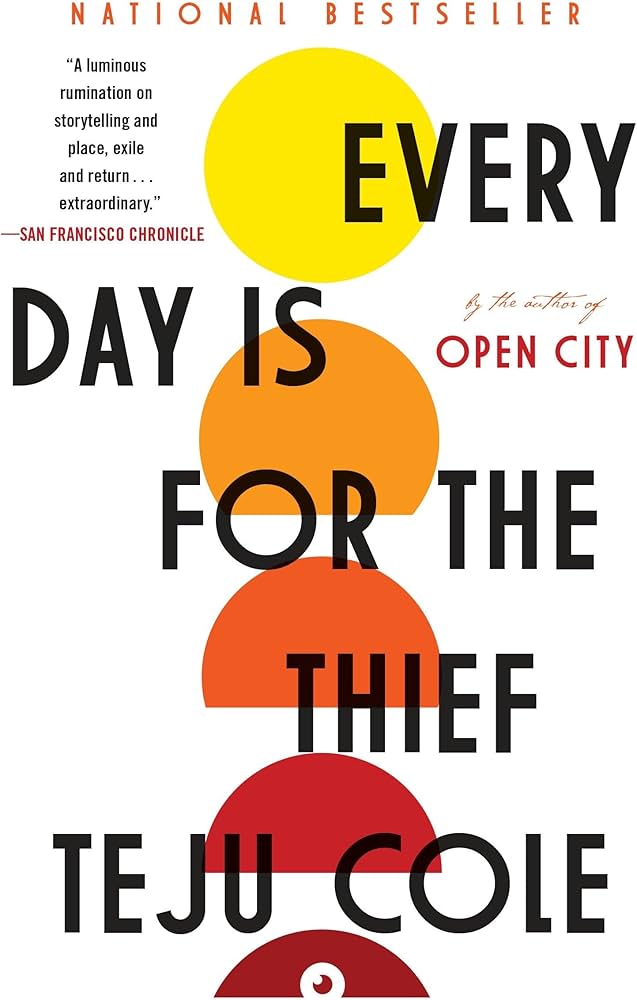
This is the book to read first if you want to understand how Lagos feels to a returnee. Cole’s narrator comes home for a visit and the whole of this short work is him walking the city, looking at it and writing it down. The plot is barely there. What is there is a documentary intelligence: a chapter on a market fire, a chapter on a mob killing, a chapter on the corruption of a consular visa office. It was published in Nigeria in 2007 by Cassava Republic and reissued internationally in 2014 with photographs the author took himself. It is a novella rather than a full novel, and the brevity is the point: the form matches the attention span of a visitor who knows he is leaving.
The Spider King’s Daughter by Chibundu Onuzo (2012)
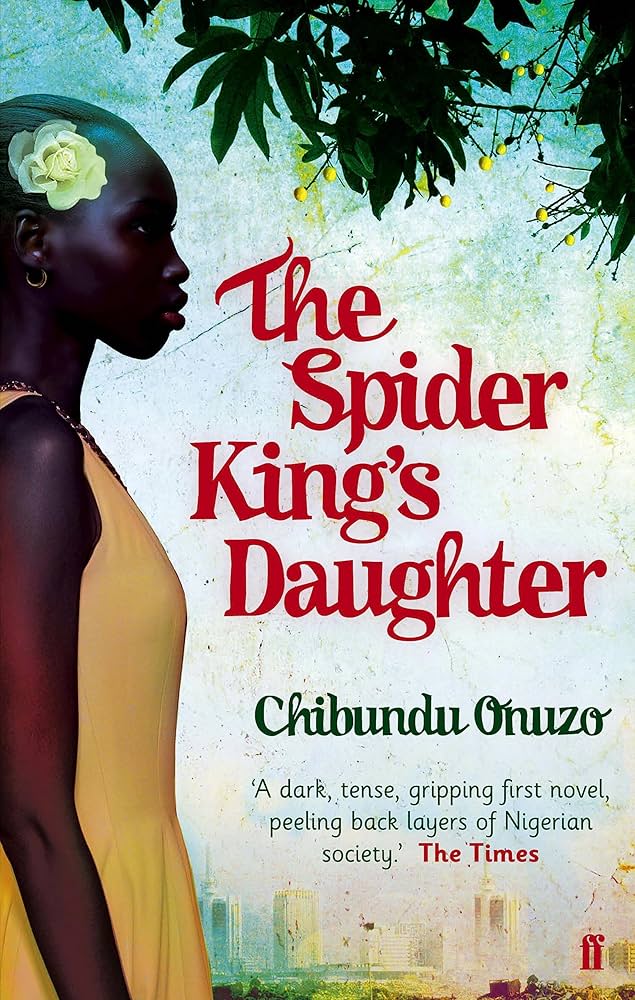
Onuzo’s debut, written while she was still a teenager, is the cleanest example of Lagos as class war in the recent canon. A rich girl in Ikoyi falls for a hawker who sells ice cream at her car window in the going home traffic, and the novel alternates their voices chapter by chapter. What lifts it past Romeo and Juliet territory is Onuzo’s refusal to let the hawker be ennobled by poverty or the rich girl be condemned by privilege. Both of them carry their fathers’ sins. The Third Mainland Bridge appears here in the way it will recur across this list, as the place where the city’s two halves are forced to meet and where they often fail to.
Americanah by Chimamanda Ngozi Adichie (2013)
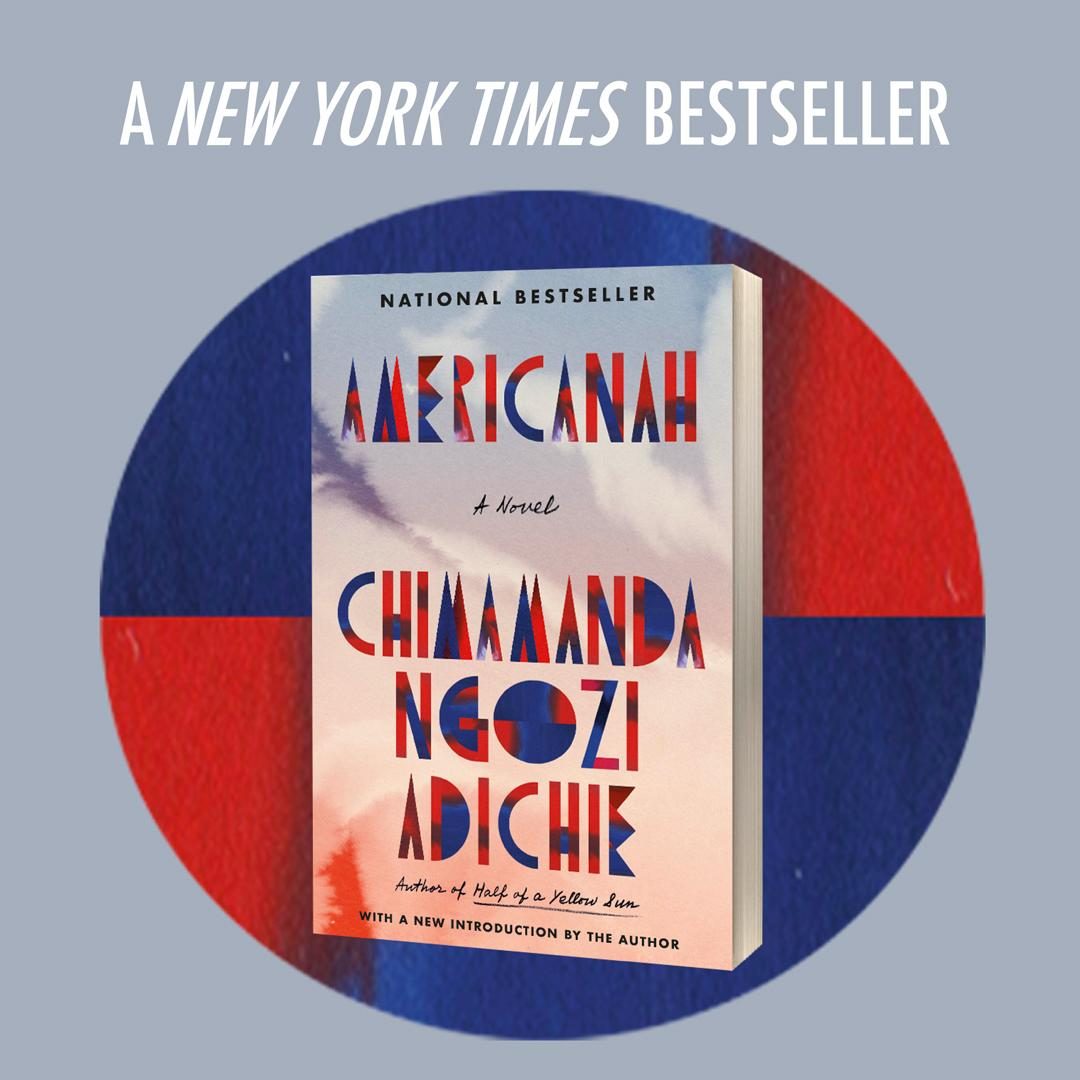
The first half of Americanah is set in the United States and Britain, so this is a partial entry and worth flagging as one. It earns its place because of what happens when Ifemelu comes home. The club of returnees comparing notes on what they cannot get in Lagos that they could get in Brooklyn is a small comedy of manners that locates a specific class with exactness. The traffic, the air conditioned mall on Victoria Island, the way Obinze’s wife Kosi has been assembled piece by piece into the perfect Lagos society wife: all of it lands because Adichie is writing about a city she knows at close range. The romance ending divided reviewers. The portrait of Lagos did not.
Blackass by A. Igoni Barrett (2015)
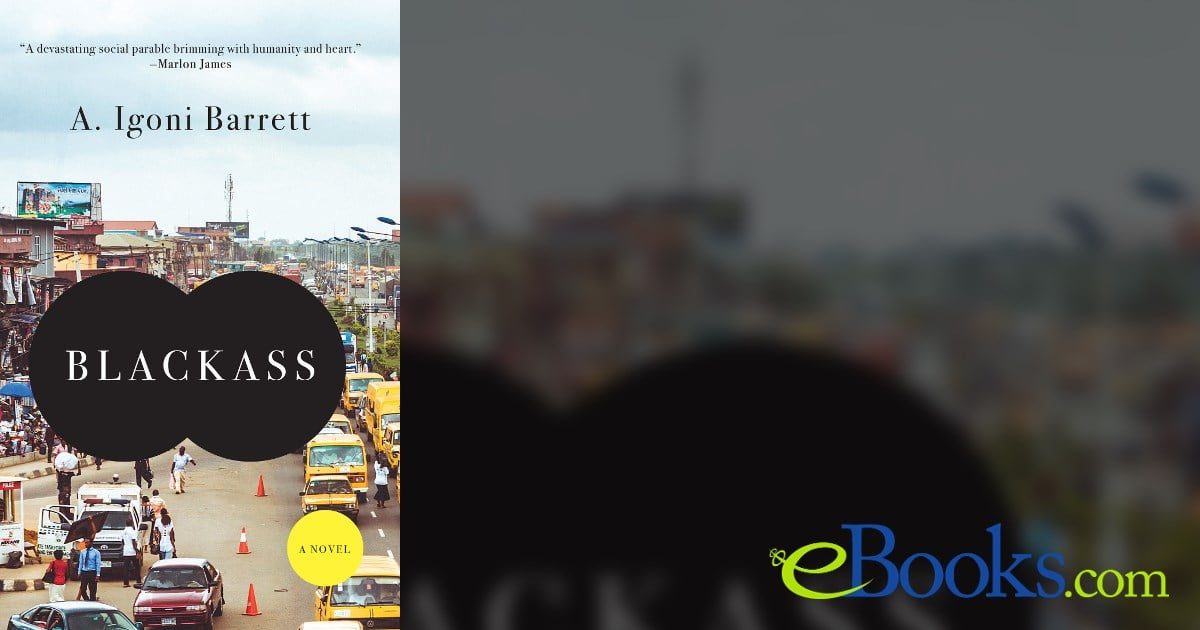
Furo Wariboko wakes on the morning of a job interview to find that he has turned white, except for his backside, and walks out into Lagos to see what the city will do with him. Barrett uses the premise as a scalpel rather than a joke. His Lagos is a place where whiteness is a credential that opens doors in the space of an afternoon, and the novel tracks the exact mechanisms, the hiring interview, the hotel, the woman who takes him in, through which that credential is converted into money. Barrett also writes himself into the book as a minor character, a move that could be self indulgent and instead reads as an admission that the satire implicates its author too.
The Carnivorous City by Okey Ndibe (2015)
Ndibe’s second novel sends an academic based in the United States back to Lagos to look for his rich and possibly criminal brother, who has disappeared. The brother is the carnivorous city itself: acquisitive, charming, dangerous and fundamentally unknowable. The novel borrows the shape of a detective story and uses it to map the oil and real estate elite of Banana Island and Lekki, where the houses are enormous and the paperwork is imaginary. Ndibe is one of the funnier writers of his generation, and the comedy of the household staff, the hangers on and the lawyers disguises how dark the underlying argument is. The argument is that the city has invented a new kind of money and a new kind of man to spend it.