
There is a child in the room and an adult who knows things the child did not, and the gap between those two people is the engine of the memoir. African writing has been running on that engine for a long time, from Olaudah Equiano’s narrative in 1789 through the autobiographies of the independence generation to the explosion of personal nonfiction that followed Nelson Mandela’s Long Walk to Freedom in 1994. What follows is a working library for any reader who wants to understand the continent and its diasporas through the voices of people who lived the relevant decades.
One editorial rule shaped this list more than any other. Every book below is a memoir or an autobiography, which is to say a first-person account of the author’s own life. Autobiographical novels are not memoirs, however closely they track a childhood, and neither are essay collections, however personal, nor biographies written by someone else. Several famous books that often appear on lists like this have been left out on exactly that ground, and they are named at the end so readers know they were considered rather than missed. The table states author, year, country and form for every title.
The list at a glance
| Title | Author | First published | Country | Form |
|---|---|---|---|---|
| The Man Died: Prison Notes | Wole Soyinka | 1972 | Nigeria | Prison memoir |
| Ake: The Years of Childhood | Wole Soyinka | 1981 | Nigeria | Childhood memoir |
| Long Walk to Freedom | Nelson Mandela | 1994 | South Africa | Autobiography |
| No Future Without Forgiveness | Desmond Tutu | 1999 | South Africa | Memoir |
| A Daughter of Isis | Nawal El Saadawi | 1999 | Egypt | Memoir |
| Unbowed: A Memoir | Wangari Maathai | 2006 | Kenya | Memoir |
| A Long Way Gone | Ishmael Beah | 2007 | Sierra Leone | Memoir |
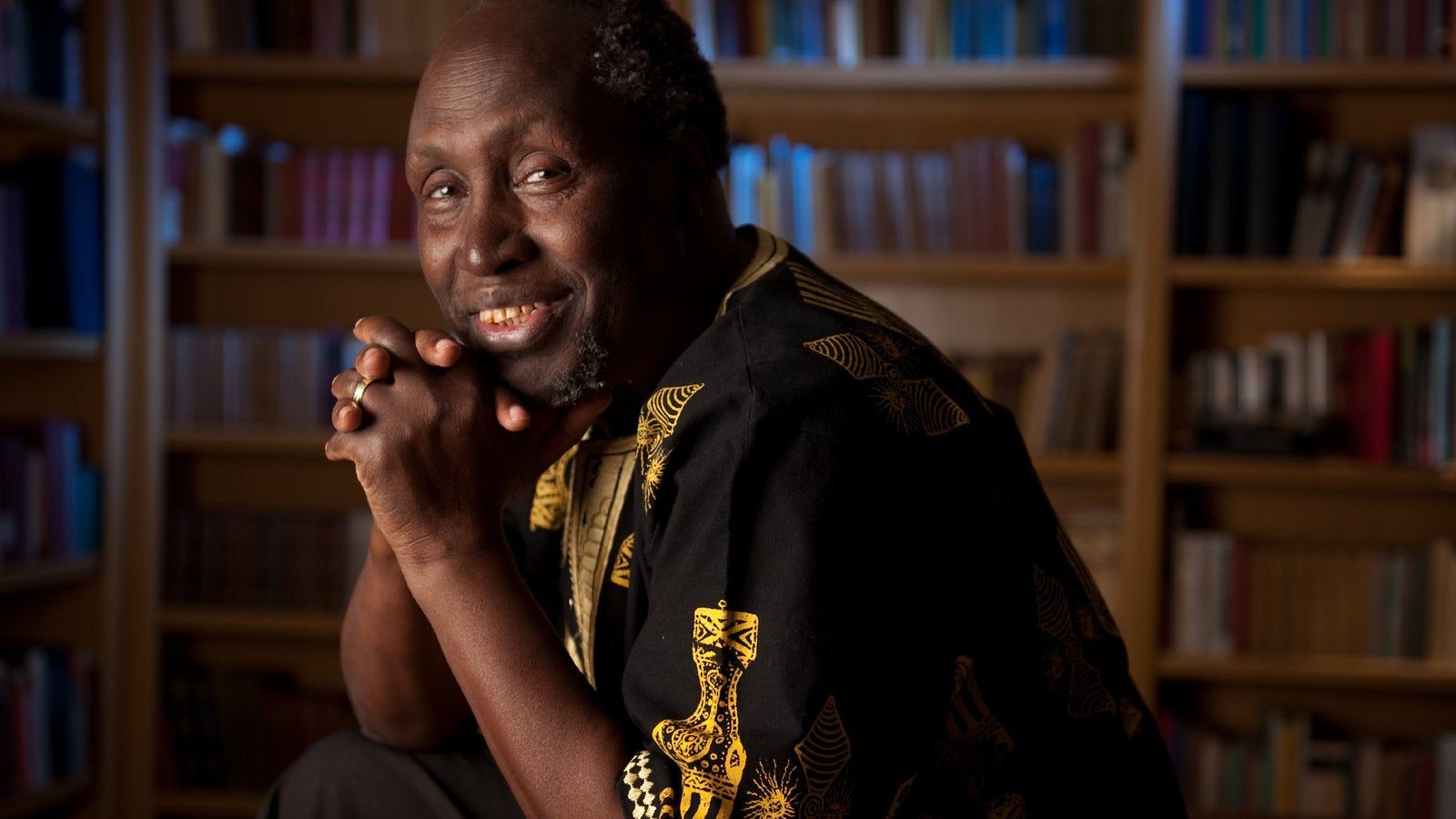
| Dreams in a Time of War | Ngugi wa Thiong’o | 2010 | Kenya | Childhood memoir |
| Sometimes There Is a Void | Zakes Mda | 2011 | South Africa | Memoir |
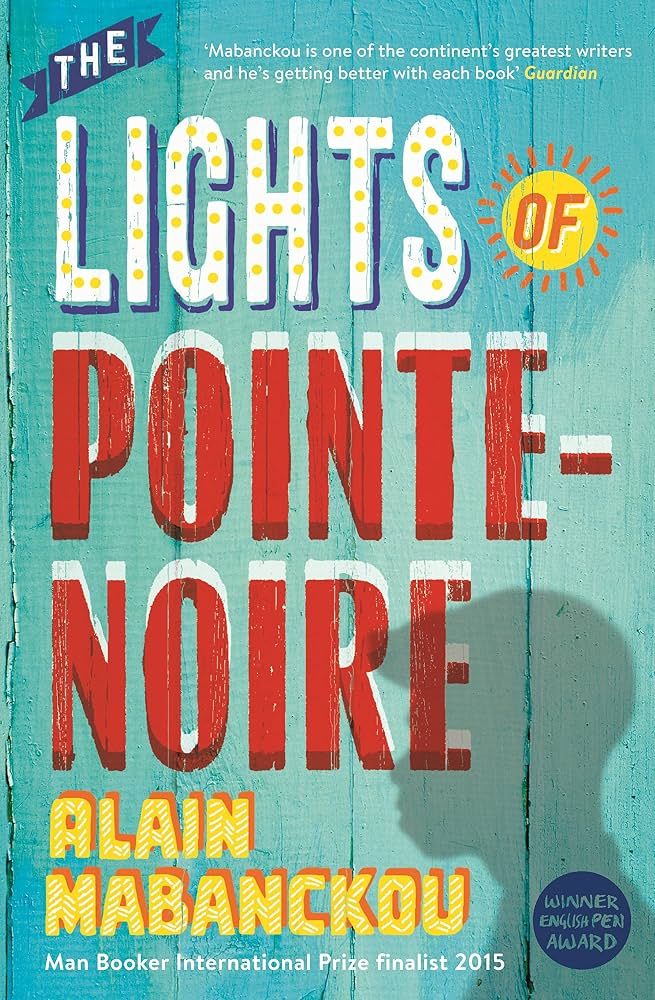
| The Lights of Pointe-Noire | Alain Mabanckou | 2013 in French, 2015 in English | Republic of the Congo | Memoir |
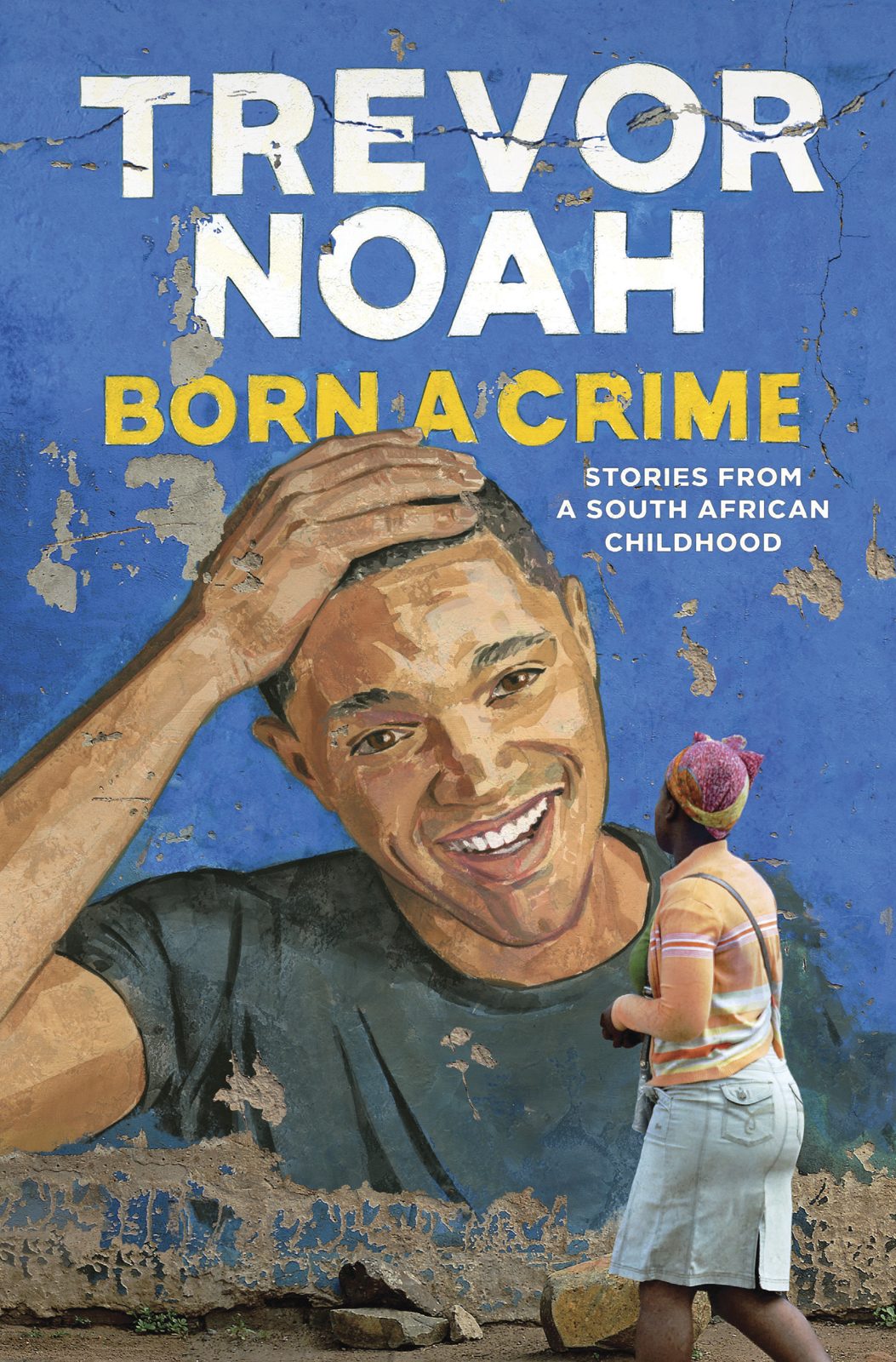
| Born a Crime | Trevor Noah | 2016 | South Africa | Memoir |
| Wrestling with the Devil | Ngugi wa Thiong’o | 2018, revised from Detained (1981) | Kenya | Prison memoir |
| Broken Places and Outer Spaces | Nnedi Okorafor | 2019 | Nigeria and United States | Short memoir |
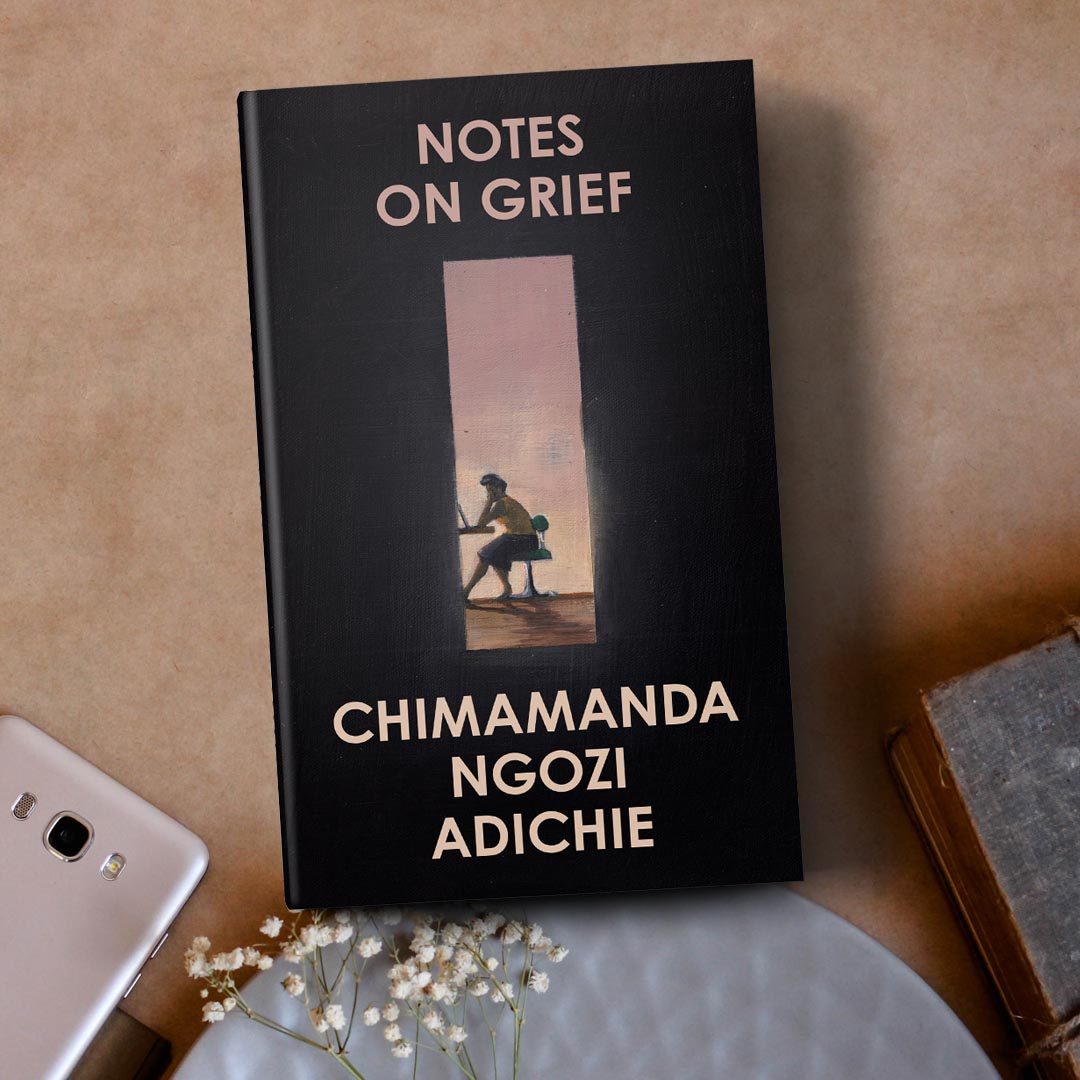
| Notes on Grief | Chimamanda Ngozi Adichie | 2021 | Nigeria | Memoir essay |
| Dear Senthuran | Akwaeke Emezi | 2021 | Nigeria | Memoir in letters |
The Man Died: Prison Notes by Wole Soyinka (1972)
Soyinka was detained without trial for roughly two years during the Nigerian civil war, much of it in solitary confinement, after attempting to broker a ceasefire. The Man Died is the account he assembled afterwards, partly from notes written on scraps of paper and between the lines of books. It is not a tidy book. The prose coils and doubles back, the chronology fractures, and the fury at the officials who held him is undiminished by the decade that followed. What makes it a great memoir rather than a document is its attention to the mechanics of keeping a mind intact: the rationing of thought, the invented routines, the hostility to self pity. Read it before Ake, or after, but do not read one without the other.
Ake: The Years of Childhood by Wole Soyinka (1981)
Soyinka’s childhood memoir is the warmest book he has written and, by a distance, the most entertaining. It reconstructs the parsonage compound in Ake, Abeokuta, in the 1930s and 1940s, with a cast that includes his schoolteacher father, his formidable mother, and the women’s movement that marched on the local authorities and won. The child’s eye is the technique: everything is reported at the size it seemed at the time, so a sealed bottle of palm wine and a colonial tax revolt occupy comparable space. Readers sometimes meet Ake on fiction shelves or hear it described as a novel. It is a memoir, and the confusion says more about how publishers market African childhoods than about the book.
Long Walk to Freedom by Nelson Mandela (1994)
It is the foundational document. Mandela began writing on Robben Island in 1974, hiding pages in the prison yard, and completed the book after his release with the assistance of the American journalist Richard Stengel. It runs to nearly 750 pages and earns them. What surprises a first-time reader is how funny Mandela is, and how interested in clothes, in boxing, in the specific cut of a blanket. The political education arrives through the personal: leaving Qunu as a boy and concluding that the ANC needed an armed wing are narrated in the same register. The book is a deliberate act of national construction and also, more privately, an account of what the long absence cost his family. That tension is part of why it still holds.
No Future Without Forgiveness by Desmond Tutu (1999)
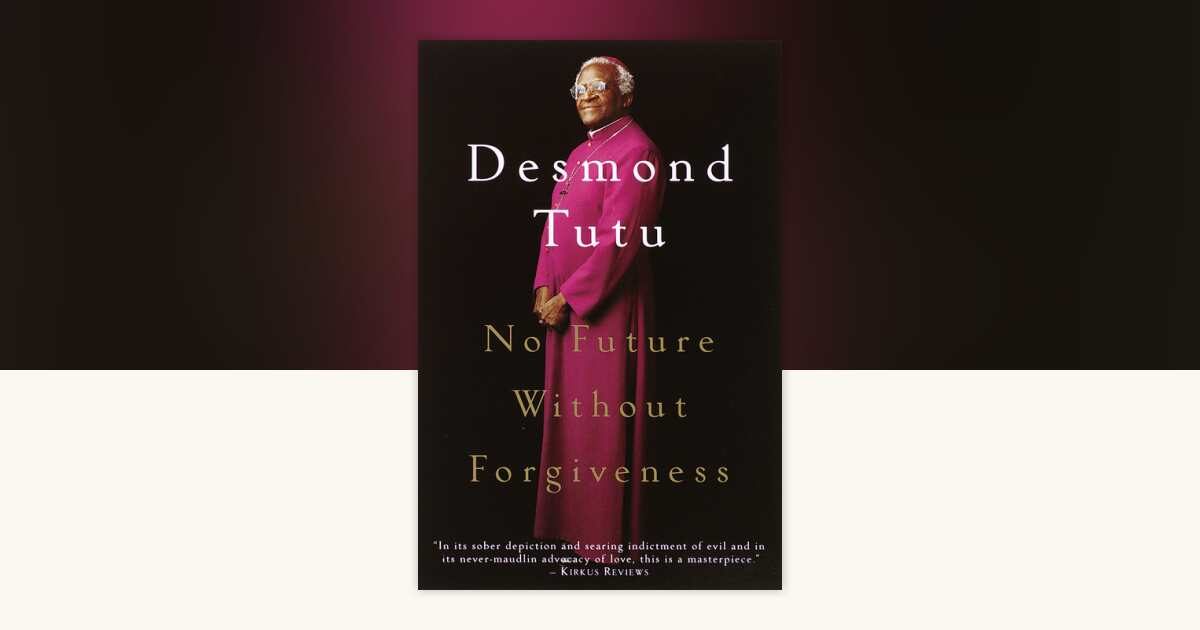
Tutu’s account of chairing South Africa’s Truth and Reconciliation Commission is the procedural counterpart to Mandela’s book. Where Long Walk to Freedom is the autobiography of a prisoner who became president, this is the memoir of a priest who had to find a public theology for whatever came next. The chapters on individual hearings are wrenching, and Tutu does not pretend the Commission was a success in any tidy sense. He argues, with theological conviction, that the alternative was a programme of trials the country could not have survived. You may disagree with the argument. You will not finish the book without feeling you have been in the room with the man making it. Tutu died in 2021.
A Daughter of Isis by Nawal El Saadawi (1999)
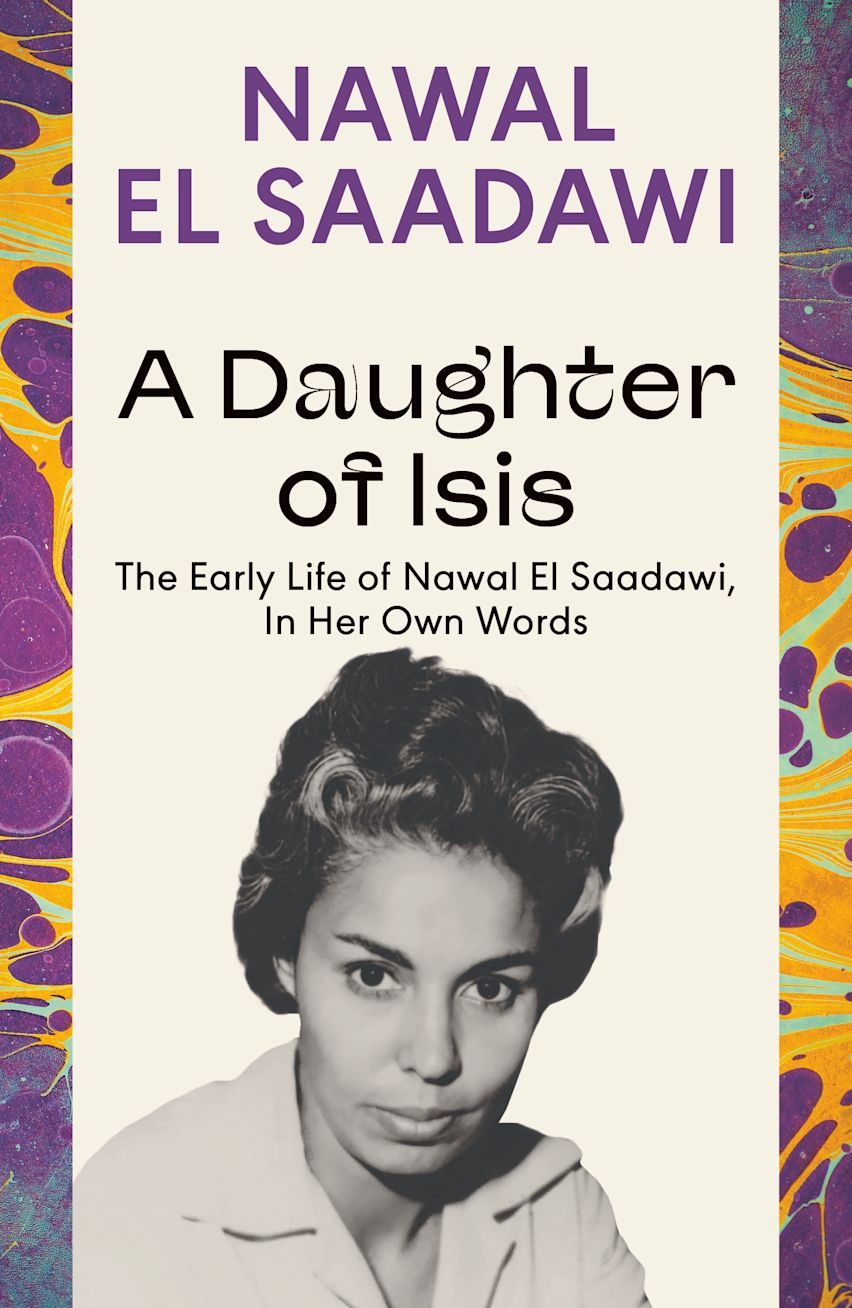
El Saadawi, who trained as a physician before becoming Egypt’s most translated woman writer, built this memoir around her childhood in the Nile Delta village of Kafr Tahla and her education in Cairo. The book is a study of how a girl learns what is expected of her and what it costs to refuse. She writes about her grandmother’s authority, her father’s unusual insistence on her schooling, and the gap between the Islam of her household and the Islam invoked by those policing her. The prose, in Sherif Hetata’s translation, keeps the cadence of spoken Arabic. El Saadawi spent years in exile and was imprisoned in 1981, and she died in 2021, having written across medicine, fiction and memoir for six decades.
Unbowed: A Memoir by Wangari Maathai (2006)
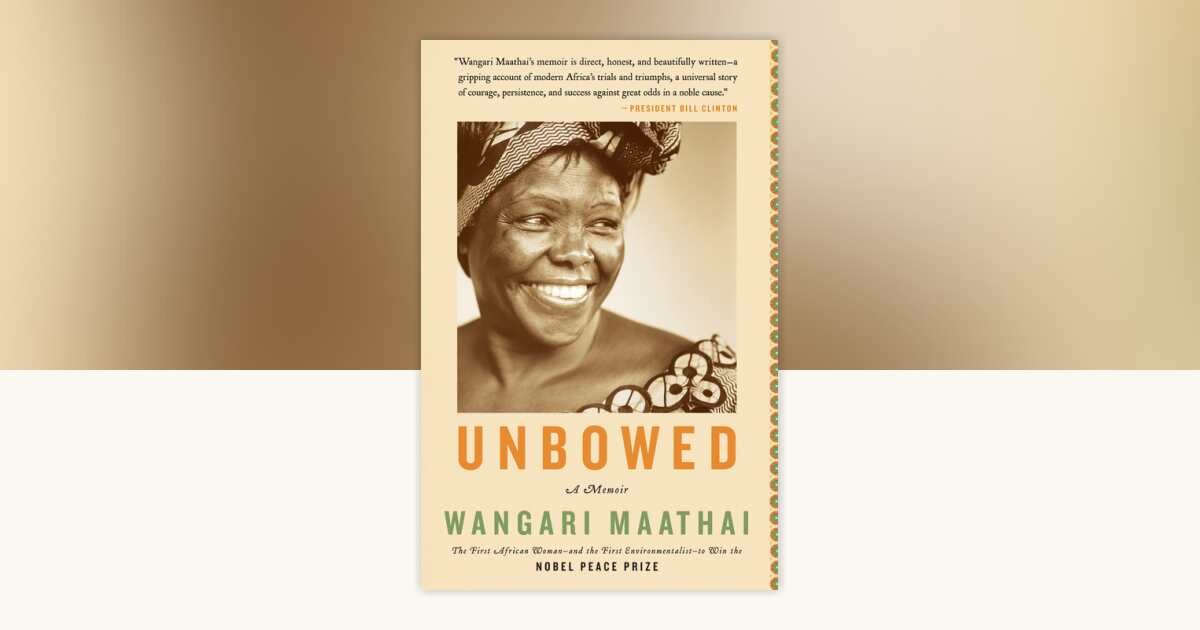
Maathai was the first African woman to receive the Nobel Peace Prize, and Unbowed is the story of how a girl from Nyeri became the scientist who founded the Green Belt Movement and planted tens of millions of trees through it. The early chapters, on the Kikuyu smallholding of her childhood and on the mission school that educated her, are the best part of the book: patient, specific, interested in soil and water as subjects in their own right. The later chapters recount beatings, arrests and surveillance with a flatness that is more effective than outrage would have been. Maathai died in 2011, and this memoir remains the clearest first-person account of African environmental organising available in English.
A Long Way Gone by Ishmael Beah (2007)
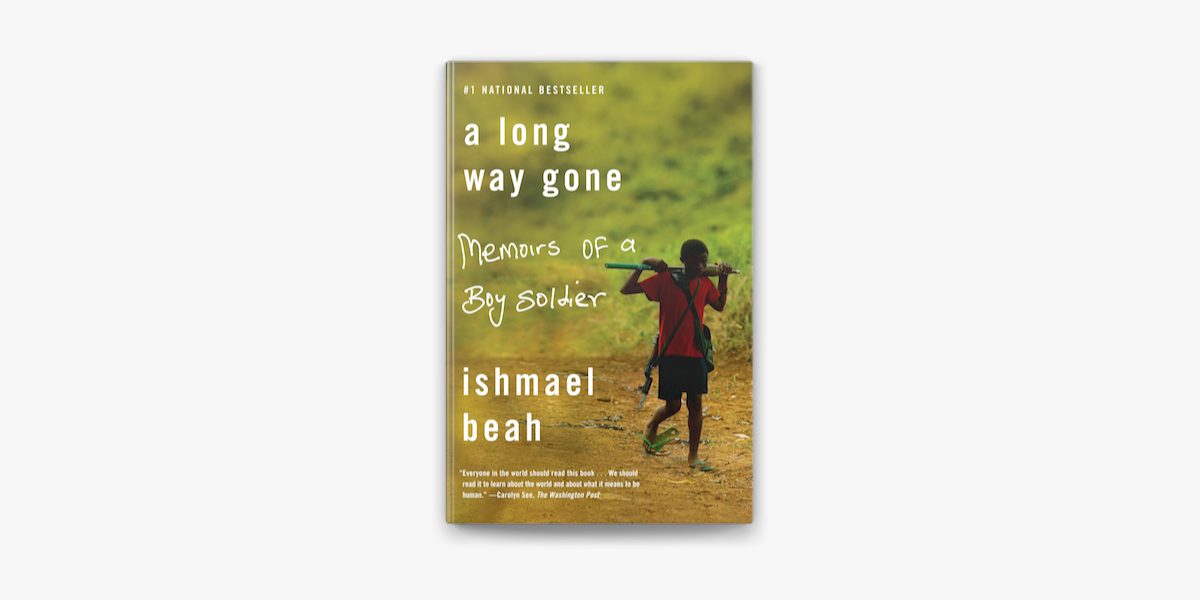
Beah was twelve when the Sierra Leonean civil war reached his village and still a boy when he was absorbed into the government army as a soldier. He was later removed by UNICEF, rehabilitated, taken to New York to address the United Nations, and eventually adopted by an American storyteller. The memoir, published when he was in his mid twenties, has been challenged on points of timeline and detail, and a reader should know that going in. What it remains is the most widely read account in English of what happened to the child soldiers of the West African wars of the 1990s. The prose is plain, the structure chronological, and the disputes are now part of the conversation rather than a reason to avoid the book.
Dreams in a Time of War by Ngugi wa Thiong’o (2010)
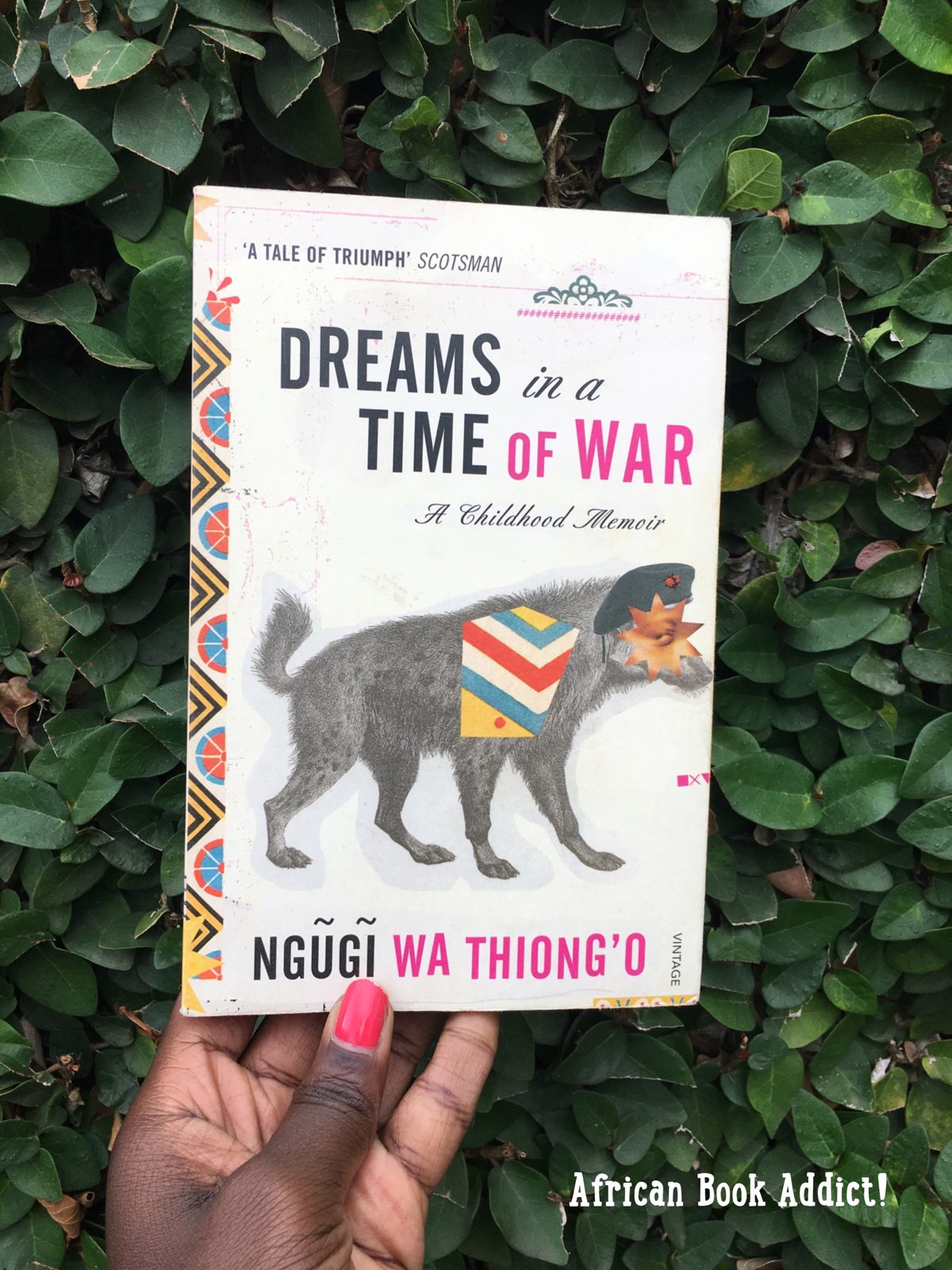
The first of Ngugi’s memoirs covers his childhood in Limuru in a large polygamous household during the Mau Mau war and the British state of emergency, ending with his acceptance into Alliance High School. It is a book about education as a scarce and dangerous commodity, and about a mother who asked her son whether he would do his best and then held him to the answer. Ngugi continued the sequence in In the House of the Interpreter (2012), on his secondary schooling, and Birth of a Dream Weaver (2016), on his years at Makerere. Each is a separate book rather than a revision of the last. Ngugi wa Thiong’o died on 28 May 2025.