The Best Young Adult African Books for Teen Readers
Arianne Cole··11 min read
Ad SpaceArticle Top - 728x90
Advertisement
Ask a fourteen year old in Lagos, Nairobi or Accra what they read last summer and the answer too often pulls from a single shelf: Riordan, Collins, Maas, Roth. Ask the same question of a fourteen year old in Houston or Manchester whose parents emigrated from Ghana or Kenya, and the answer is usually identical. There is nothing wrong with those books. There is something wrong with a global teen reading culture that treats African storytelling as either an adult literary import or a humanitarian sidebar, instead of what it actually is: one of the most generative engines in young adult publishing.
This list is built on a simple premise. African teenagers deserve protagonists who share their geography, their religious frameworks, their family structures and the small daily textures of their lives. Non-African teenagers deserve those same protagonists, because growing up exclusively on Western fantasy maps narrows a reader’s sense of what magic, sovereignty, ancestry and adolescence can look like. The books below were chosen with both audiences in mind.
A few notes on selection, because a list aimed at teenagers carries obligations a general reading list does not. Every title has been checked against its publisher: no invented books, no misattributions. The range skews twelve to eighteen, and the entries that are more accurately middle grade than young adult are flagged in the text and in the table rather than quietly folded in. Genre is deliberately mixed: epic fantasy, science fiction, contemporary speculative fiction and one work of nonfiction, which is also flagged. The selection privileges African and African diaspora authors over outsider perspectives. Content notes are given where a book’s subject matter warrants one.
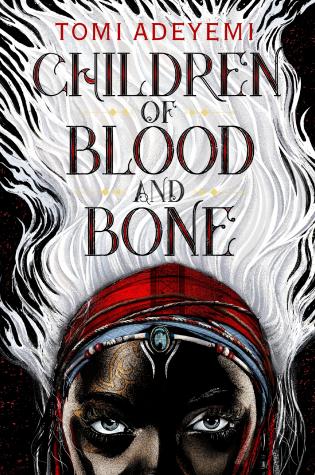
1. Children of Blood and Bone by Tomi Adeyemi (2018)
Image: Amazon.com
The book that broke the door down. Adeyemi’s debut, the first in the Legacy of Orisha trilogy, drew Yoruba tradition into a West African secondary world where maji, magic wielders identifiable by their white hair, have been systematically killed by a fearful monarchy. Zelie Adebola, the seventeen year old protagonist, sets out to restore magic across a kingdom that has spent eleven years training its citizens to fear her existence. Adeyemi has said she wrote the book in response to the killings of Black Americans by police, and the analogy is not subtle, which is part of why teen readers respond so strongly to it. The action sequences are cinematic, the romance is genuinely fraught, and the ending lands hard. Content note: sustained violence, including the killing of a parent, and scenes of captivity.
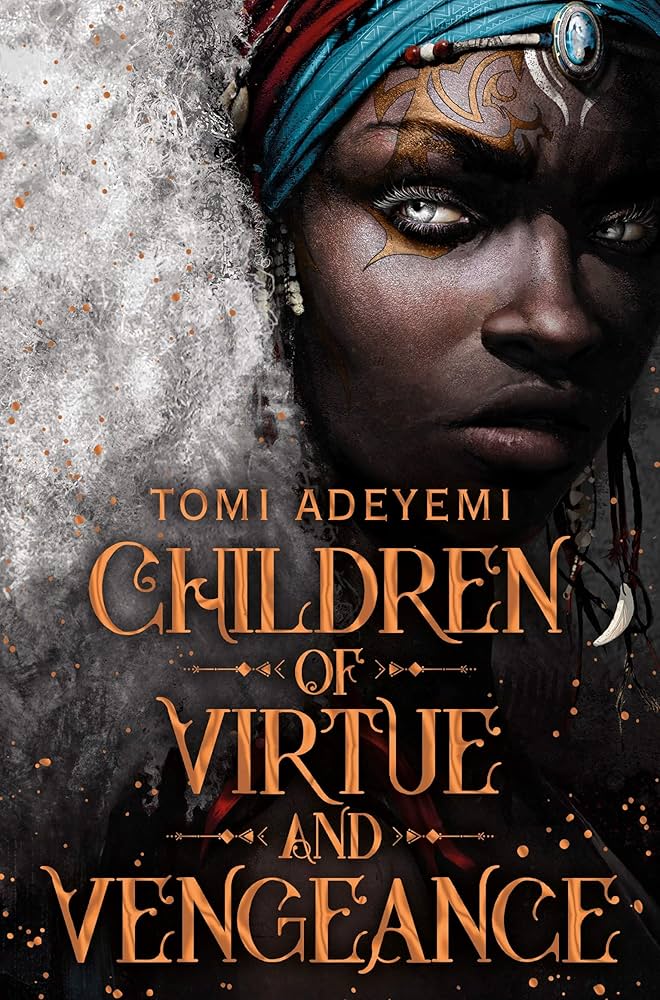
2. Children of Virtue and Vengeance by Tomi Adeyemi (2019)
Image: Macmillan Publishers
The middle book is harder, angrier and structurally riskier than its predecessor, which is why some teen readers love it more than the first and others bounce off it entirely. Magic has returned, but it has returned to everyone, including the monarchy that hunted the maji. Zelie and Amari find themselves on opposite sides of a civil war with no obvious moral high ground, and Adeyemi refuses to let either of them off the hook. The pacing is denser, the politics more textured, the body count higher. One point of fact worth correcting, because many reading lists still carry the old version: the trilogy is finished. Children of Anguish and Anarchy was published in June 2024 and closes the sequence, so a reader starting today can read all three straight through.
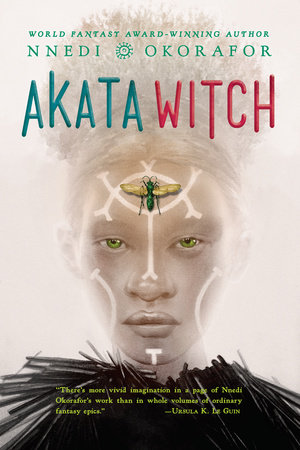
3. Akata Witch by Nnedi Okorafor (2011)
Image: Penguin Random House
The first book in the Nsibidi Scripts trilogy opens with twelve year old Sunny Nwazue, an albino Nigerian American girl who has moved back to Nigeria with her family. She discovers she is a free agent Leopard Person, born into magic without family training, and the book follows her education alongside three other young Leopard People who form her coven of four. Okorafor builds her magic system from Igbo and broader West African cosmologies rather than grafting African aesthetics onto a borrowed boarding school skeleton, and the difference matters. Note on age banding: with a twelve year old protagonist and a gentler register than the later books, this one reads as upper middle grade and works well from about ten upward, which makes it a good first rung for younger readers who will grow into the sequels.
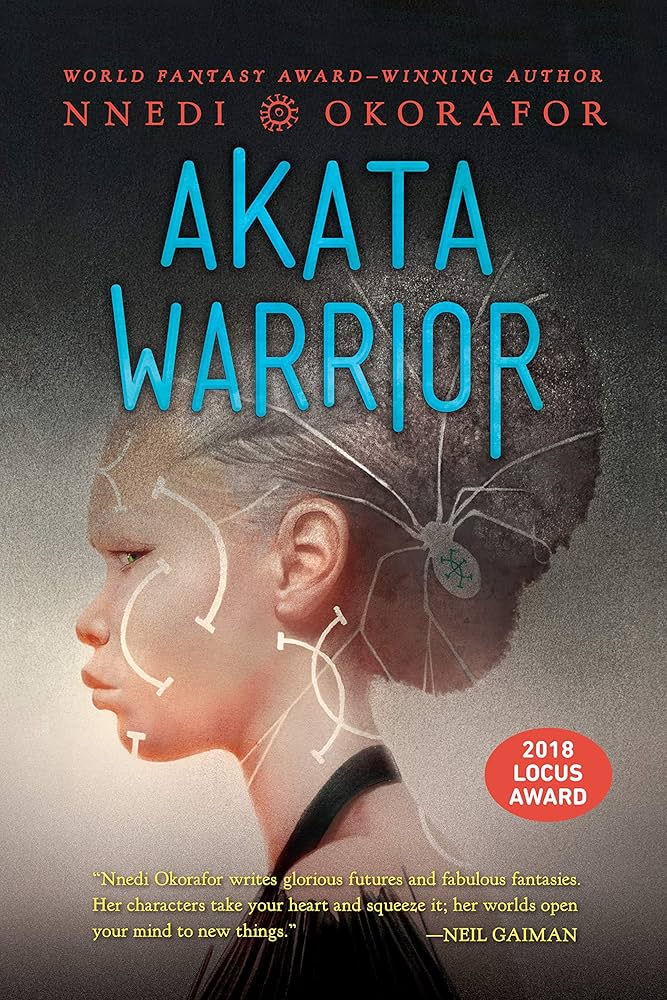
4. Akata Warrior by Nnedi Okorafor (2017)
Image: Penguin Random House
The sequel raises the stakes without losing the granular detail that made the first book sing. Sunny and her coven travel deep into Leopard territory to confront an entity that has been growing stronger since the climax of the previous volume. Okorafor uses the journey to expand the geography of her magical Nigeria, introducing settlements, creatures and traditions that gesture toward an enormous off-page world. The action is more ambitious, the friendships deepen in ways that feel earned rather than scripted, and a romantic subplot is handled with real restraint. This is also the most decorated book of the three: it won the award for Best Young Adult Book at the 2018 World Science Fiction Convention, the prize later named the Lodestar, and the Locus Award for Best Young Adult Book the same year. Read the trilogy in order.
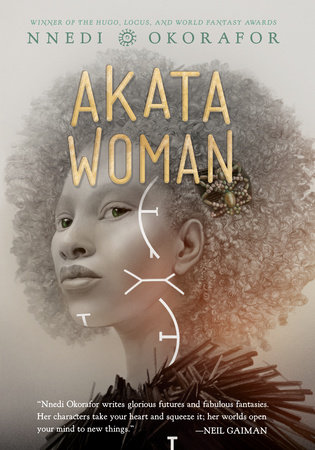
5. Akata Woman by Nnedi Okorafor (2022)
Image: Black Books Wholesale
The third Nsibidi Scripts novel closes the trilogy with Sunny older, more powerful and facing a quest that pulls her physically out of Nigeria and across the Leopard world. The book is longer than its predecessors and reads denser. Okorafor leans into the consequences of magic for family relationships, particularly between Sunny and her older brothers, and the result is the most emotionally adult entry in the trilogy. Some teen readers will find the opening slow. Those who push through are rewarded with a finale that earns its weight by refusing easy resolutions. Taken together the three books are one of the foundational achievements in African young adult fantasy, and the series is the clearest demonstration that a single author can write across middle grade and young adult without flattening either.
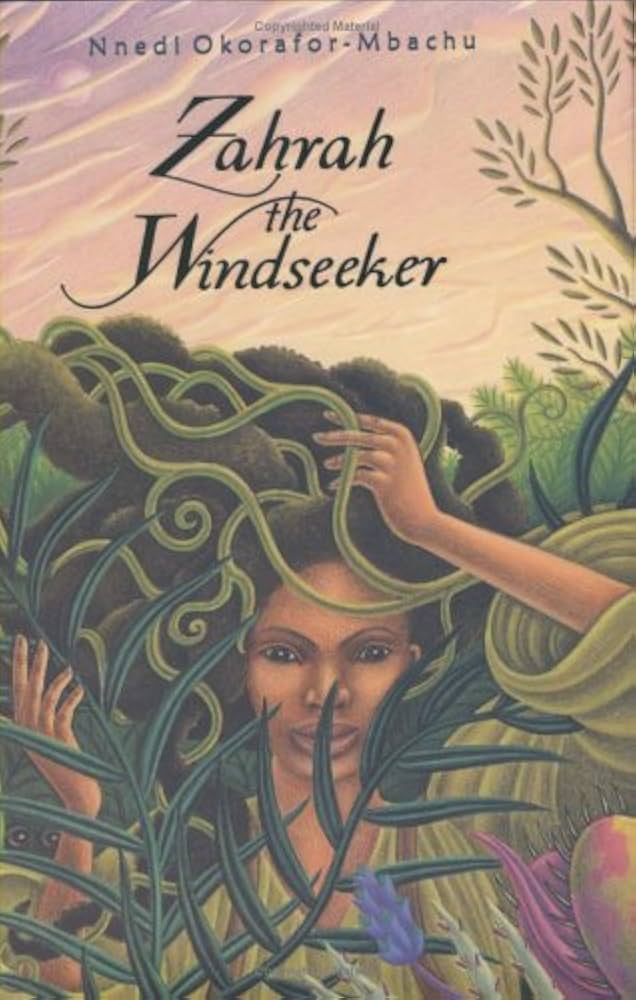
6. Zahrah the Windseeker by Nnedi Okorafor (2005)
Image: Amazon.com
Okorafor’s first published book, predating Akata Witch by six years, established her approach to worldbuilding for younger readers. Set in the fictional Ooni Kingdom, it follows thirteen year old Zahrah, who is born dada, with vines growing naturally in her hair, in a society where such children are treated as ominous. When her best friend falls ill, she journeys into the Forbidden Greeny Jungle to find a cure. Her vegetal technology, computers grown from seeds and books made of plant matter, is as inventive here as anywhere in her work. This is a middle grade novel rather than young adult, and it suits readers of roughly ten to thirteen. It won the Wole Soyinka Prize for Literature in Africa in 2008, a pan-African award and a genuine win rather than a shortlisting, which is how it is often miscredited.
Ad SpaceIn-Article - 300x250
Advertisement
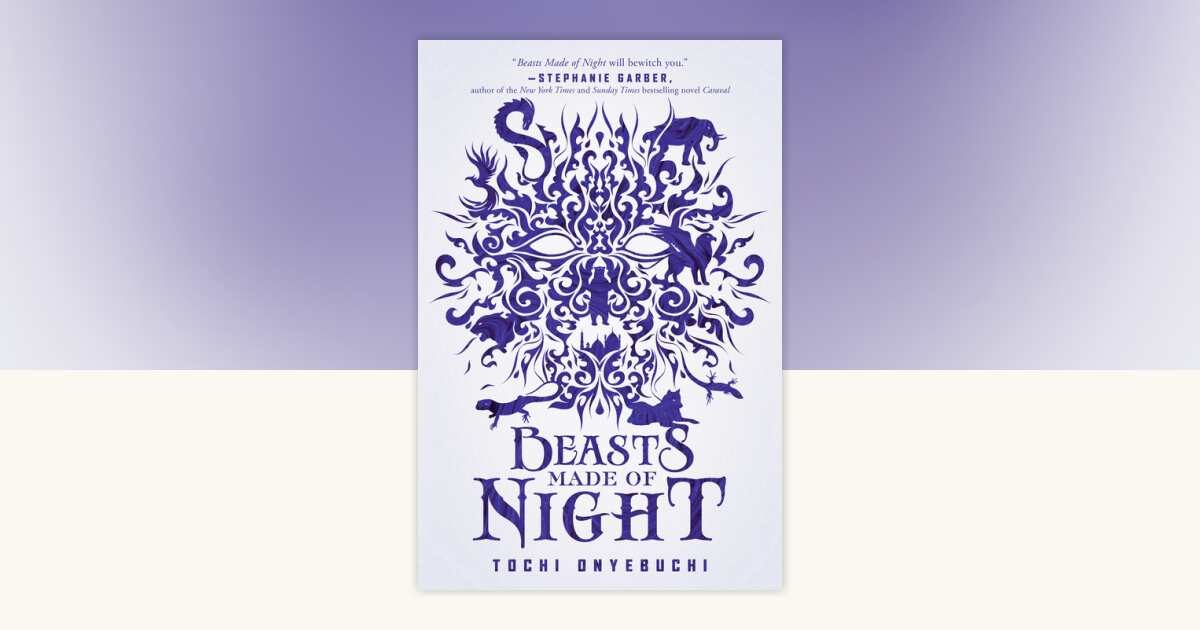
7. Beasts Made of Night by Tochi Onyebuchi (2017)
Image: Penguin Random House
Onyebuchi built the city of Kos around a single conceit: sin is physical. Mages pull dark beasts from sinners’ chests, and the aki, the tattooed boys and girls who fight and consume those beasts, carry the cost in their bodies. Taj, the protagonist, is the most talented aki in the city, and his life is one long countdown to madness. The West African inflected aesthetic sits over a fantasy that owes as much to folklore as to street level fight scenes. Onyebuchi, who took a degree in political science at Yale, an MFA at New York University and a law degree at Columbia, writes prose at a higher register than most young adult fantasy, and it rewards careful reading. The sequel, Crown of Thunder, completes the duology. Content note: recurring violence and bodily horror; this is at the older end of the range.
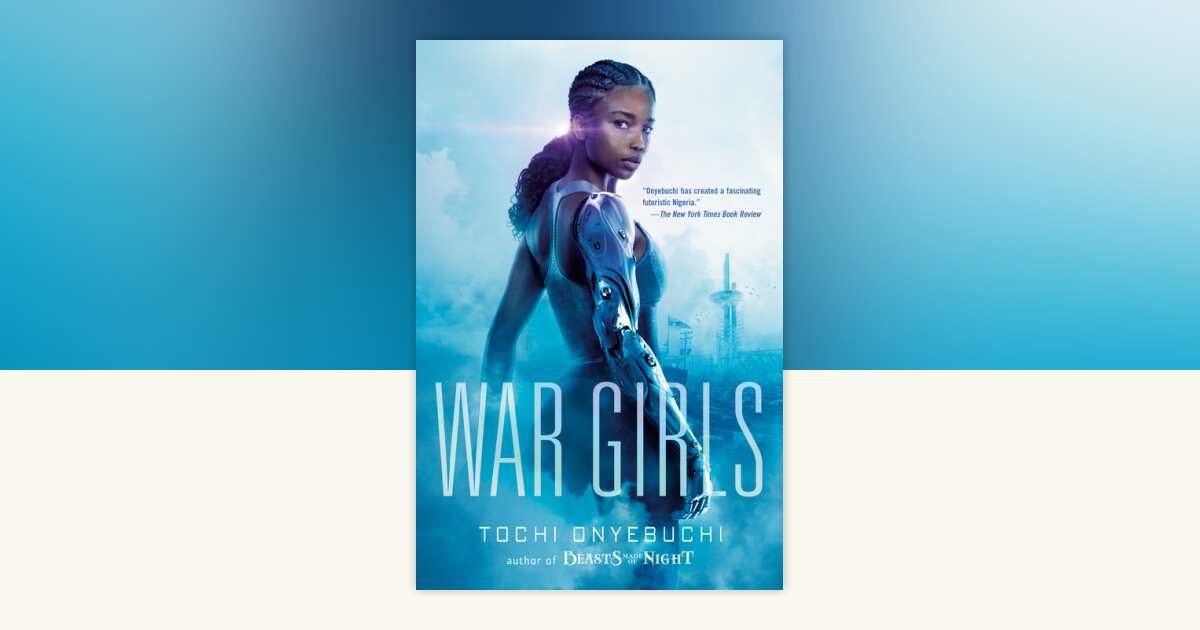
8. War Girls by Tochi Onyebuchi (2019)
Image: Penguin Random House
A radical pivot. War Girls relocates Onyebuchi’s interests into a science fictional Nigeria in 2172, where environmental collapse and a renewed war of secession have produced cyborg child soldiers, orbital colonies for the wealthy and a refugee underclass kept alive by salvaged technology. The novel follows two sisters, Onyii and Ify, separated by the war and divided by what survival has cost each of them. Onyebuchi draws explicitly on the Nigerian Civil War of 1967 to 1970, and the research shows. The combat sequences are brutal, the political analysis is sophisticated, and the sister relationship is the engine that keeps everything moving. Readers who want a successor to Children of Blood and Bone should start here. Content note: child soldiers, graphic injury and mass civilian death.
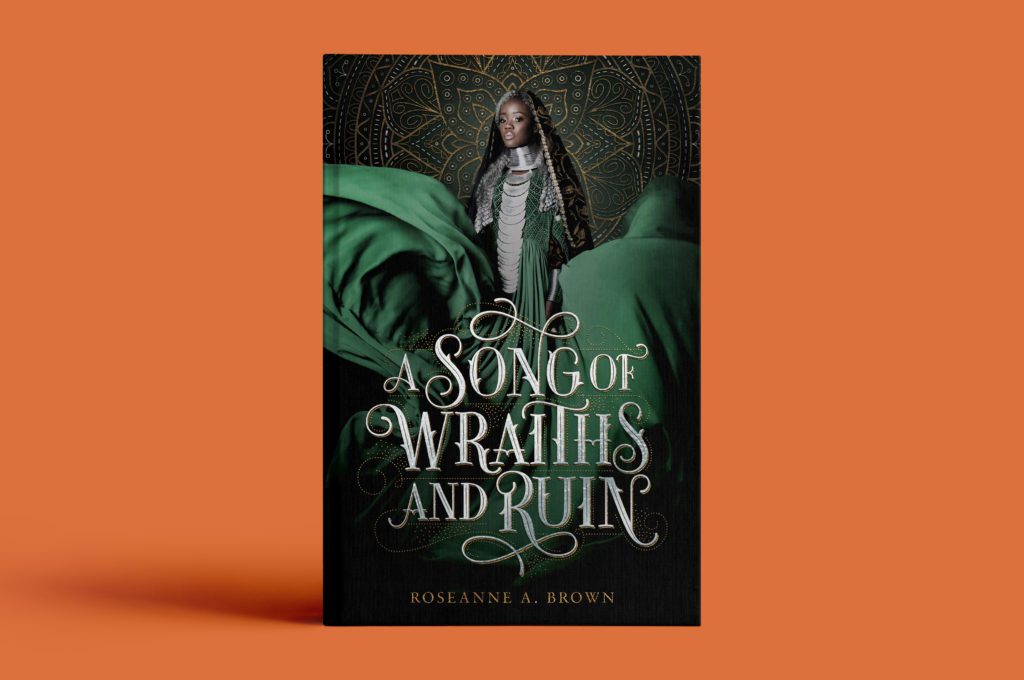
9. A Song of Wraiths and Ruin by Roseanne A. Brown (2020)
Image: Martina Flor
Brown, who was born in Ghana and raised in the United States, set her debut in Ziran, a desert city drawing on the architecture and court culture of West African empires including Mali and Songhai. The premise is operatic: a refugee needs to sacrifice a royal heart to bring her mother’s spirit back, while a crown prince needs to kill a magic user to break a family curse. They fall for each other before either knows who the other is. The novel handles its enemies to lovers structure with more craft than most young adult fantasy in its weight class, and Brown’s prose is genuinely musical. The sequel, A Psalm of Storms and Silence, closes the duology and is worth having to hand for readers who want full resolution.
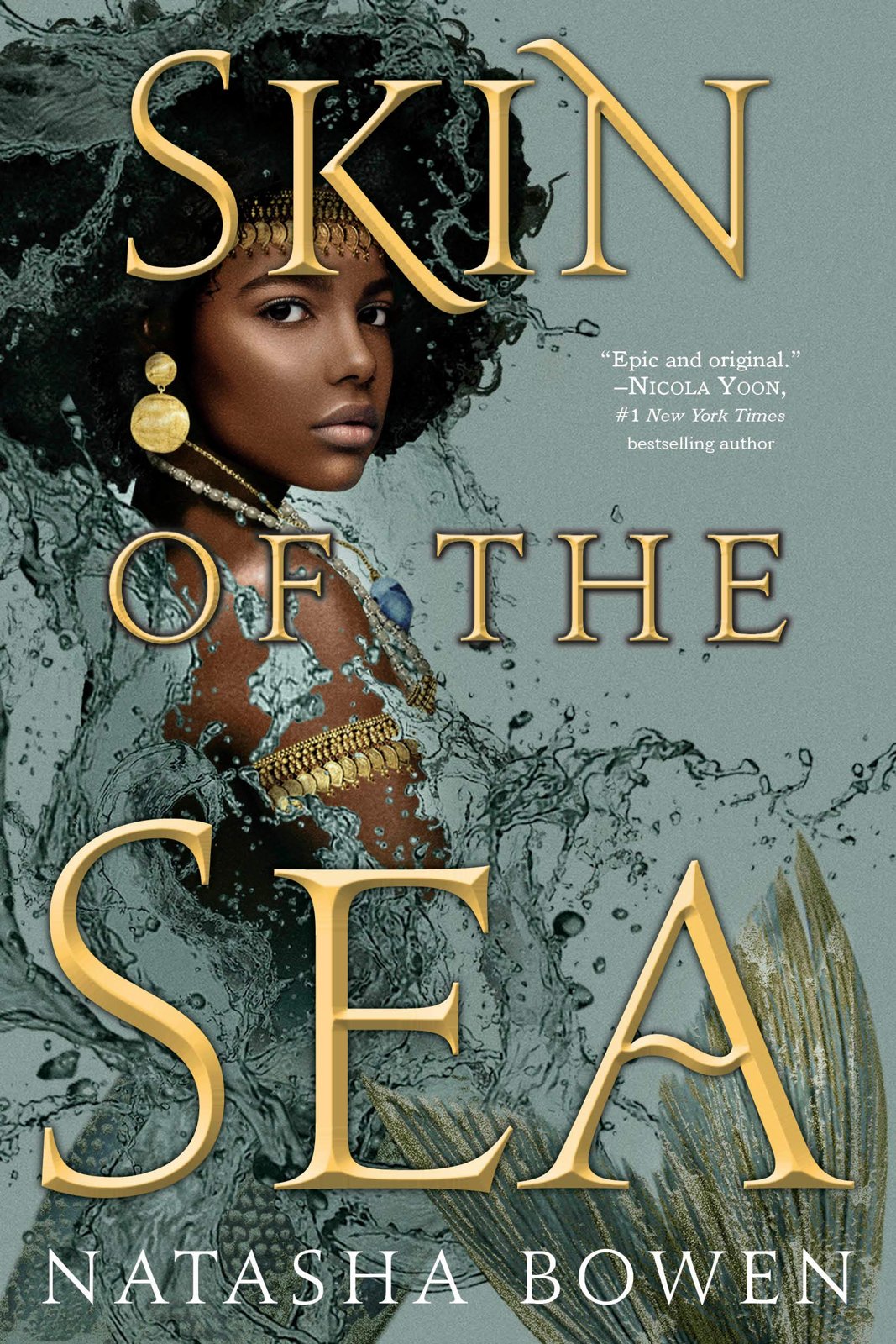
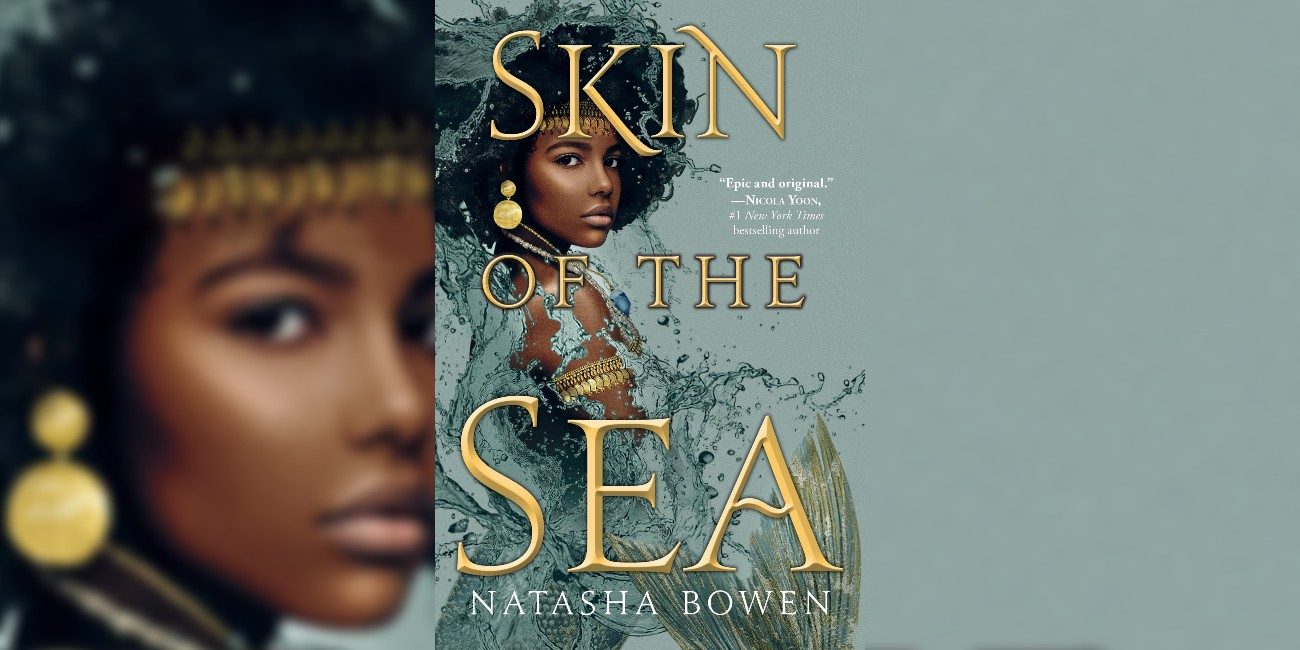
10. Skin of the Sea by Natasha Bowen (2021)
Image: Subjectify Media
Bowen, who describes herself as Nigerian and Welsh, retells the mermaid story through Mami Wata and the transatlantic slave trade. Simi, a Mami Wata, is charged with guiding the souls of enslaved Africans thrown overboard during the Middle Passage. When she saves a living boy instead of collecting his soul, she breaks divine law and sets off a journey through West African deities, kingdoms and the underworld. The premise sounds heavy because it is, and Bowen handles the historical weight with care and the romance with conviction. The sequel, Soul of the Deep, continues the story. Content note, and it is an important one for this audience: the opening chapters depict a slave ship and the deaths of captives, handled honestly but without gratuitousness. Worth a conversation alongside the book rather than handing it over cold.
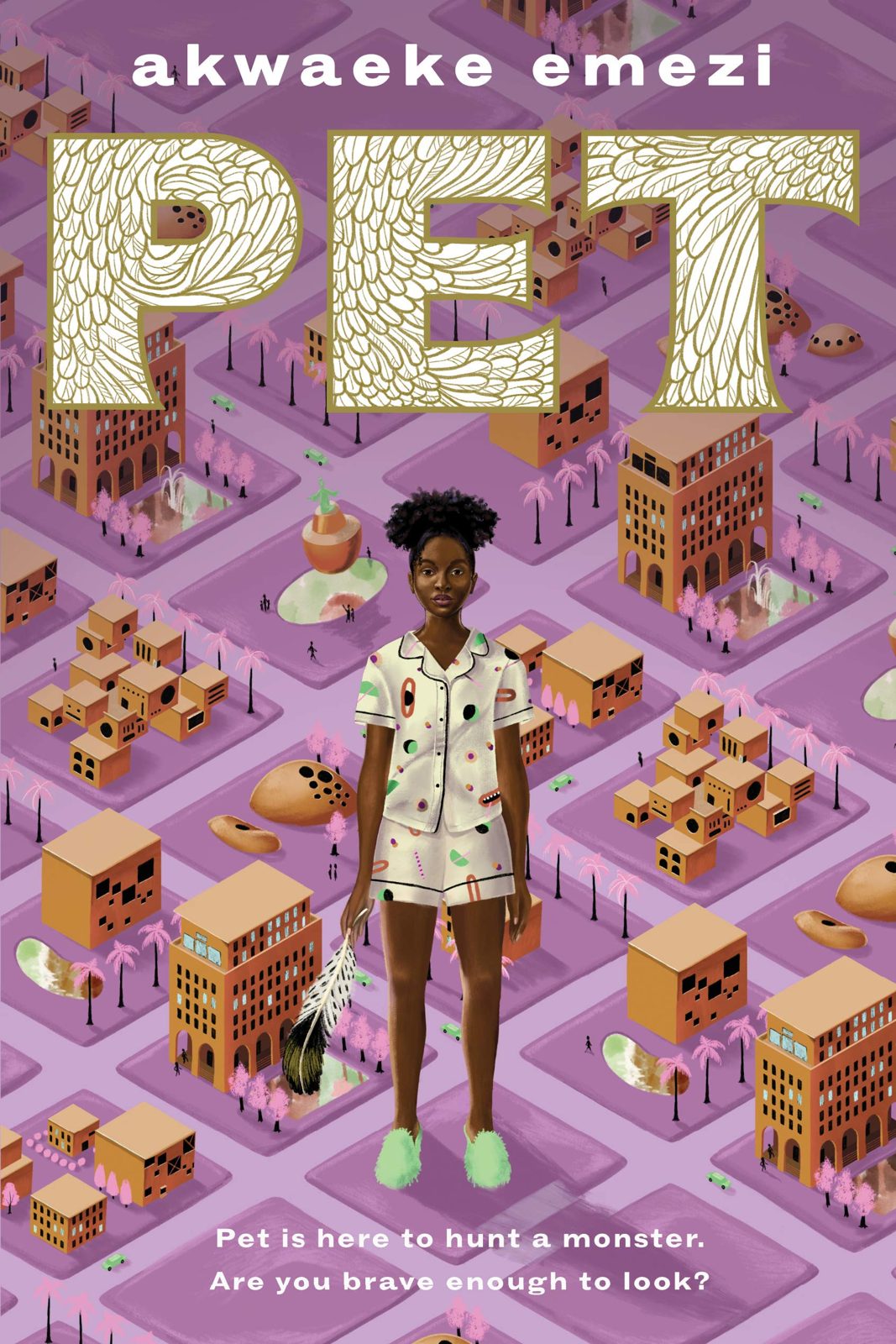
11. Pet by Akwaeke Emezi (2019)
Image: Mahogany Books
Emezi, a Nigerian author of Igbo and Tamil heritage whose adult fiction has been widely honoured, wrote Pet for younger readers and produced one of the most quietly radical young adult novels of recent years. The setting is Lucille, a town that believes it has eliminated monsters. Jam, the Black trans protagonist, summons a creature out of her mother’s painting that insists there is a monster in her best friend’s house. The novel is a meditation on what societies tell children when they claim that evil has been defeated, and on how children are supposed to recognise harm when they have been given no language for it. It was a finalist for the National Book Award for Young People’s Literature in 2019, runs short, and reads in a sitting. Bitter, published in 2022, is a prequel set before the events of Pet. Content note: the novel deals with child abuse as its central subject, handled carefully and without depiction, and it is the most demanding book here in that respect.
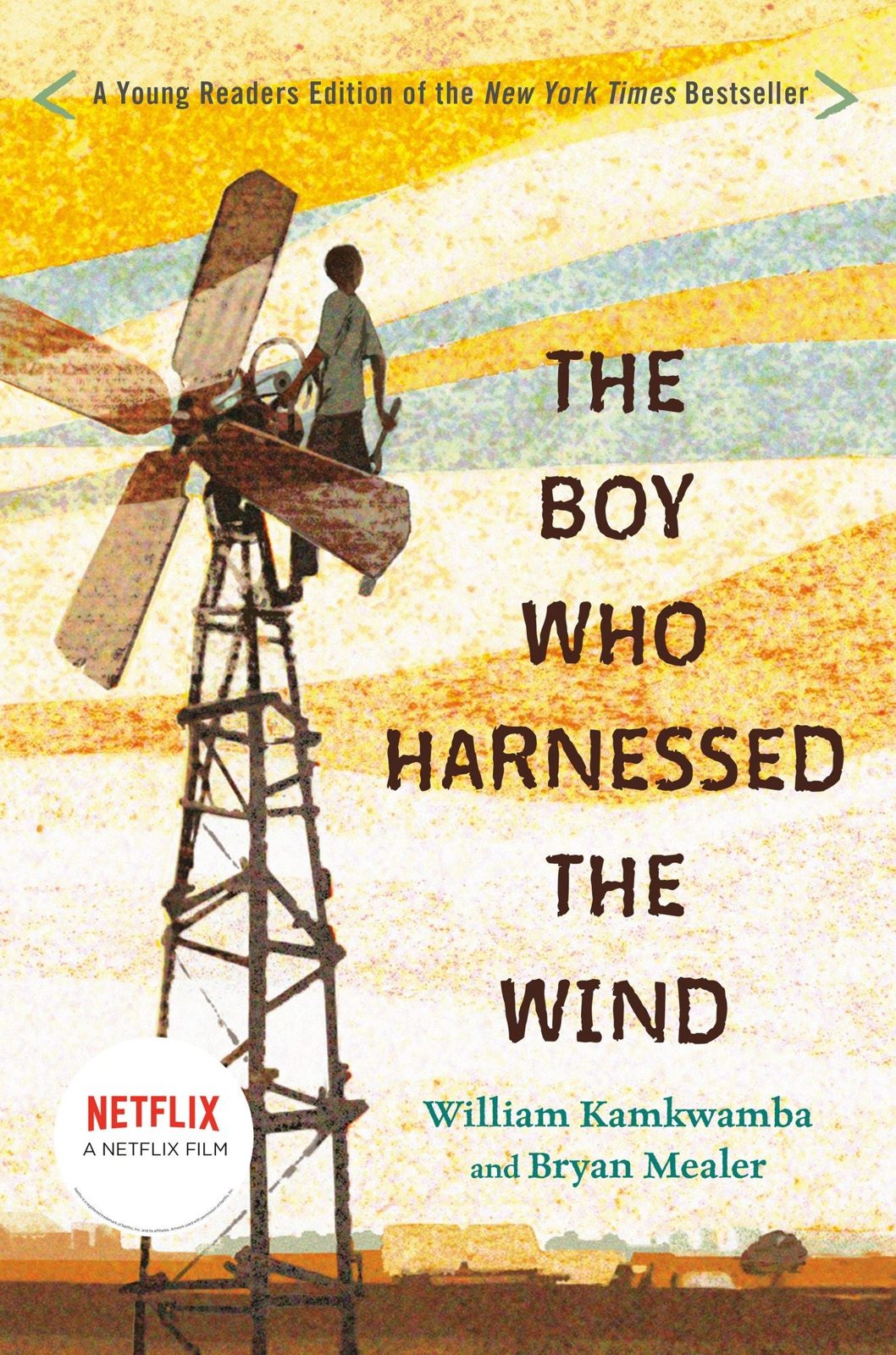
12. The Boy Who Harnessed the Wind, Young Readers Edition, by William Kamkwamba and Bryan Mealer (2015)
Image: Barnes & Noble
The one work of nonfiction in the selection, and flagged as such. The original adult memoir tells how Kamkwamba, a Malawian teenager, built a working windmill from scrap during the famine of 2001 and 2002 that had forced him out of school. The Young Readers Edition rebuilds the same story for roughly ages ten to fourteen without losing the technical detail or the political context. Kamkwamba does not flinch from the famine that nearly killed his family, the school fees his father could not pay, or the neighbours who thought he was practising witchcraft. The book pairs well with the 2019 film adaptation directed by Chiwetel Ejiofor. For non-African teen readers it is one of the most accessible bridges into contemporary Malawian life. For African teen readers it offers a protagonist who looks like them, lives like them, and refused the limits set for him.
The twelve books at a glance
Title
Author
Year
Country
Form and age band
Children of Blood and Bone
Tomi Adeyemi
2018
Nigeria and United States
Young adult fantasy novel, 13 and up
Children of Virtue and Vengeance
Tomi Adeyemi
2019
Nigeria and United States
Young adult fantasy novel, 13 and up
Akata Witch
Nnedi Okorafor
2011
Nigeria and United States
Upper middle grade fantasy novel, 10 and up
Akata Warrior
Nnedi Okorafor
2017
Nigeria and United States
Young adult fantasy novel, 12 and up
Akata Woman
Nnedi Okorafor
2022
Nigeria and United States
Young adult fantasy novel, 13 and up
Zahrah the Windseeker
Nnedi Okorafor
2005
Nigeria and United States
Middle grade novel, 10 to 13
Beasts Made of Night
Tochi Onyebuchi
2017
Nigeria and United States
Young adult fantasy novel, 14 and up
War Girls
Tochi Onyebuchi
2019
Nigeria and United States
Young adult science fiction novel, 14 and up
A Song of Wraiths and Ruin
Roseanne A. Brown
2020
Ghana and United States
Young adult fantasy novel, 13 and up
Skin of the Sea
Natasha Bowen
2021
Nigeria and United Kingdom
Young adult fantasy novel, 14 and up
Pet
Akwaeke Emezi
2019
Nigeria and United States
Young adult novel, 13 and up
The Boy Who Harnessed the Wind, Young Readers Edition
William Kamkwamba and Bryan Mealer
2015
Malawi and United States
Nonfiction memoir, young readers edition, 10 to 14
Two books in the Legacy of Orisha sequence appear above; the third, Children of Anguish and Anarchy (2024), completes it and belongs on the same shelf.
A note for the people handing teenagers books
These titles do real work in classrooms, but they do better work when adults stop policing them. Several contain violence. Several contain religious frameworks that will not match the reader’s own. One has a Black trans protagonist, and several contain teen romance that, while restrained, is genuinely sensual. Treating any of them as issues books, to be assigned only when a teacher wants to discuss a topic, flattens what the authors are doing. These are novels first, and entertainments. Where a book needs a content note, one is given above, and the honest position is that a content note is an invitation to read alongside a teenager rather than a reason to withhold the book.
The other quiet recommendation: give teen readers permission to abandon books. Two of the entries here have polarising middle volumes and one has a slow opening. Adolescent readers who learn that some books reward patience and some simply do not fit them read more over a lifetime, not less. The goal is not to finish the list. The goal is to find the two or three titles on it that a particular teenager will carry into adulthood. Hand them three. Let them tell you which one stuck.
Ad SpaceIn-Article - 300x250
Advertisement
Share
Get the recap
Loved this story? Get more like it.
Join readers who get our weekly entertainment recap - the stories worth your time, delivered every Friday.
No spam. Unsubscribe anytime. By signing up you agree to our Privacy Policy.