Every Time Beyonce Has Referenced African Music, Culture and Afrobeats in Her Career
Jalen Ross··10 min read
Ad SpaceArticle Top - 728x90
Advertisement
Few global pop stars have woven African sound, fashion, and iconography into their work as deliberately as Beyonce Knowles-Carter. Where some artists drop a single Afrobeats feature and call it a moment, Beyonce has built a layered, decade-spanning conversation with the continent that runs through her horn arrangements, her music videos, her tour wardrobe, her business ventures, and her album credits. The references are not always loud. Sometimes they sit in the rhythm section. Sometimes they live in the styling. Sometimes they are stitched into the seams of an Ivy Park collection. Tracking them in order tells a story about how one of the most-watched performers on the planet has steadily centered Africa in her aesthetic universe.
What follows is a chronological walk through every notable instance, from the early whispers of West African brass in her solo debut era to the most recent Renaissance-era dance breaks that owe a debt to Lagos, Accra, and Johannesburg.
The Early Era: Whispered Influences and Production Echoes
The Fela Kuti Horn Conversation in “Crazy In Love” (2003)
Long before think pieces about Afrobeats crossover dominated music criticism, producer Rich Harrison flipped a sample from The Chi-Lites’ “Are You My Woman (Tell Me So)” for the now-iconic “Crazy In Love” horns. The blaring brass riff that announces the song became one of the most recognizable musical phrases of the 2000s. Critics and fans have long compared the urgency and arrangement of those horns to the Afrobeat brass tradition pioneered by Fela Kuti, whose Africa 70 band built entire compositions around relentless, layered horn lines. Beyonce has never publicly claimed Fela as a direct influence on the track, and the sample itself is American soul, but the cultural rhyme is hard to miss. The song marked the first time her sound carried the kind of horn-forward swagger that listeners in Lagos and Accra immediately recognized as familiar territory.
“Run the World (Girls)” and the Major Lazer Riddim (2011)
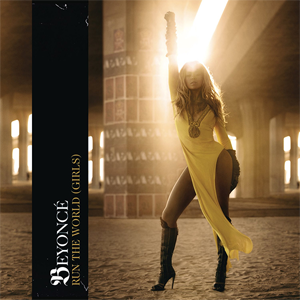
When “Run the World (Girls)” arrived as the lead single from her fourth album, it brought with it a beat built from the bones of Major Lazer and Afrojack’s “Pon de Floor.” That riddim was itself a Caribbean export with deep dancehall roots, which trace back through the African diaspora’s rhythmic conversation. The video set Beyonce against an arid, desert-toned backdrop, leading an army of women alongside hyenas and horses. The visual language pulled from a pan-African action movie palette, even as the song’s beat structure connected to Jamaican sound system culture. It was an early signal that her visual identity would not stop at the borders of American pop iconography.
The Lemonade Pivot: Africa Enters the Frame More Plainly
“Lemonade” Visual Album (2016) and Black Womanhood Across the Diaspora
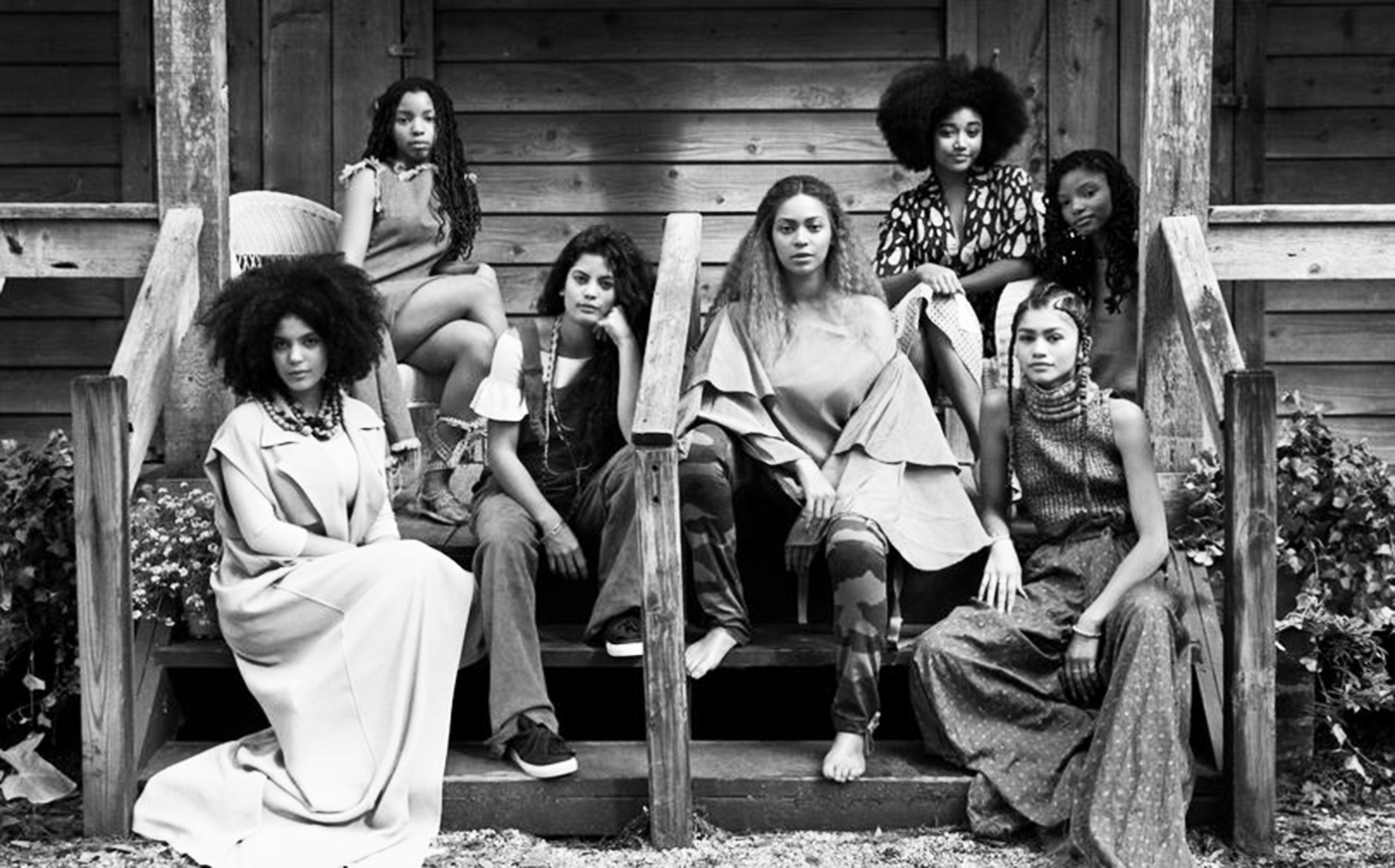
While “Lemonade” is more frequently discussed for its New Orleans, Yoruba, and Southern Black American imagery, the project also reached toward African spiritual traditions in ways that earlier work had not. The yellow Roberto Cavalli dress worn during “Hold Up” has been read by scholars as a nod to Oshun, the Yoruba orisha of love, fertility, and fresh water. Whether or not the styling team intended a direct reference, the visual resonated so strongly with West African audiences that the connection became part of the public reading of the album. “Lemonade” did not feature African artists outright, but it set the stage for a much more explicit chapter to come.
The Lion King Era: A Deliberate African Statement
“The Lion King: The Gift” Album (2019)
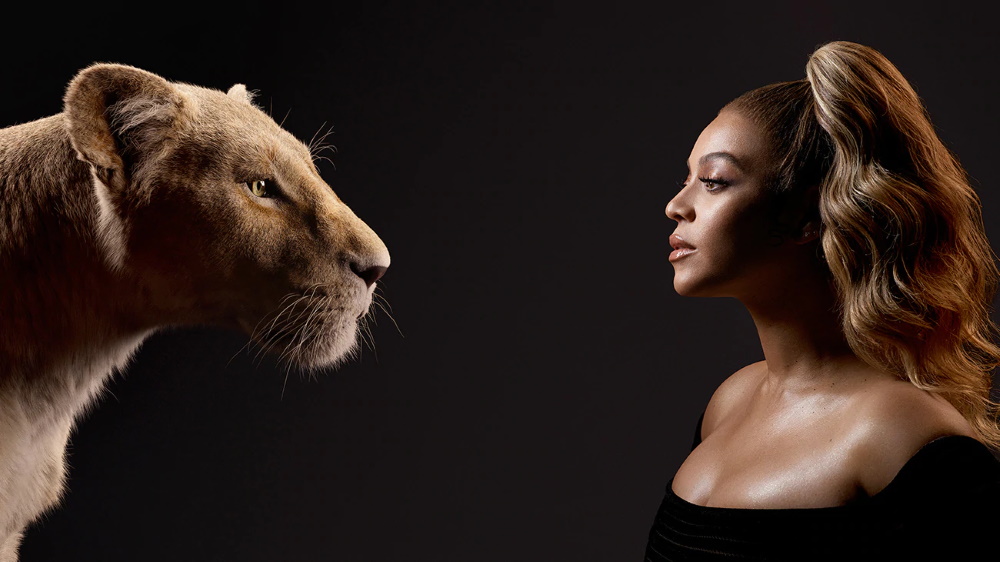
When Disney handed Beyonce creative control of a companion album to the 2019 live-action remake of “The Lion King,” she used it to build the most direct musical bridge of her career between American pop and contemporary African sound. “The Gift” was not a soundtrack. It was a curated love letter, and its tracklist read like an Afrobeats and Afro-fusion summit.
#### “Brown Skin Girl” with Wizkid, SAINt JHN, and Blue Ivy Carter
The album’s emotional centerpiece, “Brown Skin Girl,” paired Beyonce with Nigerian superstar Wizkid, who also took a co-writing credit. The song celebrated dark skin in a way that resonated globally, particularly across African communities where colorism remains a heavy cultural weight. It went on to win the Grammy for Best Music Video in 2021, marking a rare moment when a Nigerian artist shared a Grammy stage in that category. Wizkid’s involvement was not a token feature. His vocal phrasing and writing fingerprints were central to the song’s identity.
#### “MOOD 4 EVA” with Jay-Z, Childish Gambino, and an Oumou Sangare Sample
“MOOD 4 EVA” stitched together American hip-hop royalty with a sample from Malian singer Oumou Sangare’s “Diaraby Nene.” Sangare, a Wassoulou music legend, has built her career singing about women’s rights and rural Malian life. Lifting her voice into a Beyonce and Jay-Z track introduced her artistry to millions of listeners who would never otherwise have encountered her catalogue. The crediting was clean, the sample was prominent, and the song refused to bury its source.
#### “JA ARA E” with Burna Boy
Giving Burna Boy a full solo spotlight on her own album was a significant choice. “JA ARA E” was not a Beyonce feature with Burna Boy as background. It was a Burna Boy song delivered in pidgin English, hosted on her project. He performed the track in his own voice and his own register, and Beyonce stepped back entirely. The decision arrived as Burna Boy’s “African Giant” era was peaking, and the placement helped accelerate his crossover momentum.
#### “Spirit” and “Bigger” with African Choirs
Ad SpaceIn-Article - 300x250
Advertisement
The two anchor singles released directly to support the film, “Spirit” and “Bigger,” leaned into mass African choir arrangements. The vocal stacks behind Beyonce on these tracks were not generic gospel. They drew from South African choral traditions, with arrangements that owed clear debts to the harmonic structures of artists like Ladysmith Black Mambazo. Live performances of “Spirit” during that album cycle carried the same full-ensemble staging, with the choir kept visible rather than mixed into the background.
“Black Is King” Visual Album (2020)
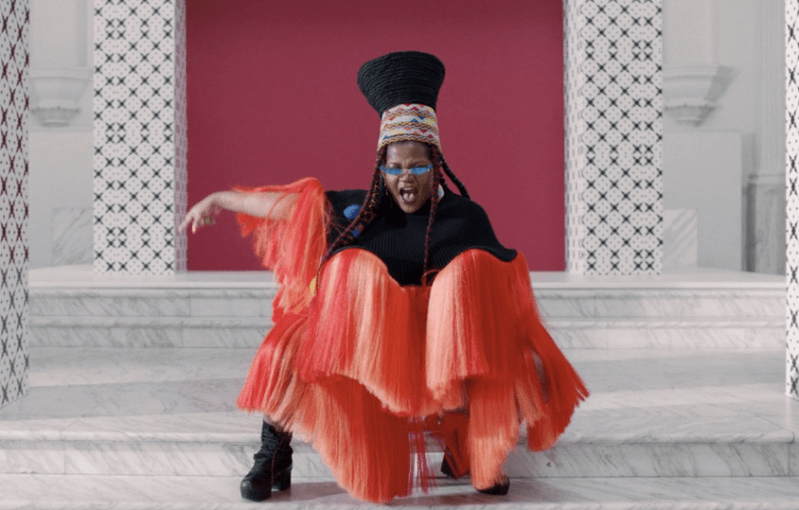
Released on Disney Plus in July 2020, “Black Is King” turned “The Gift” into a full visual experience and pushed the African collaboration list even further. The film featured Salatiel from Cameroon, Yemi Alade and Tiwa Savage from Nigeria, Wizkid, Burna Boy, and a long roster of African dancers, designers, and locations. Scenes were shot with imagery that referenced Yoruba, Maasai, Himba, and South African Ndebele visual traditions. Costume designer Zerina Akers worked with African designers across multiple countries to build the wardrobe, and the film became one of the most ambitious mainstream celebrations of African aesthetic identity ever released through a major American entertainment platform. Critics in Africa were not uniformly glowing. Some praised the visibility and the platform it gave continental artists. Others raised concerns about which versions of Africa were being foregrounded and which were flattened. The conversation was healthy precisely because the project had given enough material to debate.
The Juneteenth and Pan-African Throughline
“Black Parade” (2020)
Released on Juneteenth 2020, “Black Parade” arrived during a period of global protest following the murder of George Floyd. The song layered references to African spiritual practice, ancestral memory, and Black American liberation history. Lyrics referenced motherland imagery and called out specific cultural touchstones from across the diaspora. The accompanying directory of Black-owned businesses, published on her website, included a substantial number of African and African American designers, beauty brands, and food companies. The song picked up a Grammy for Best R&B Performance the following year.
Coachella 2018: Beychella and the Pan-African Reading
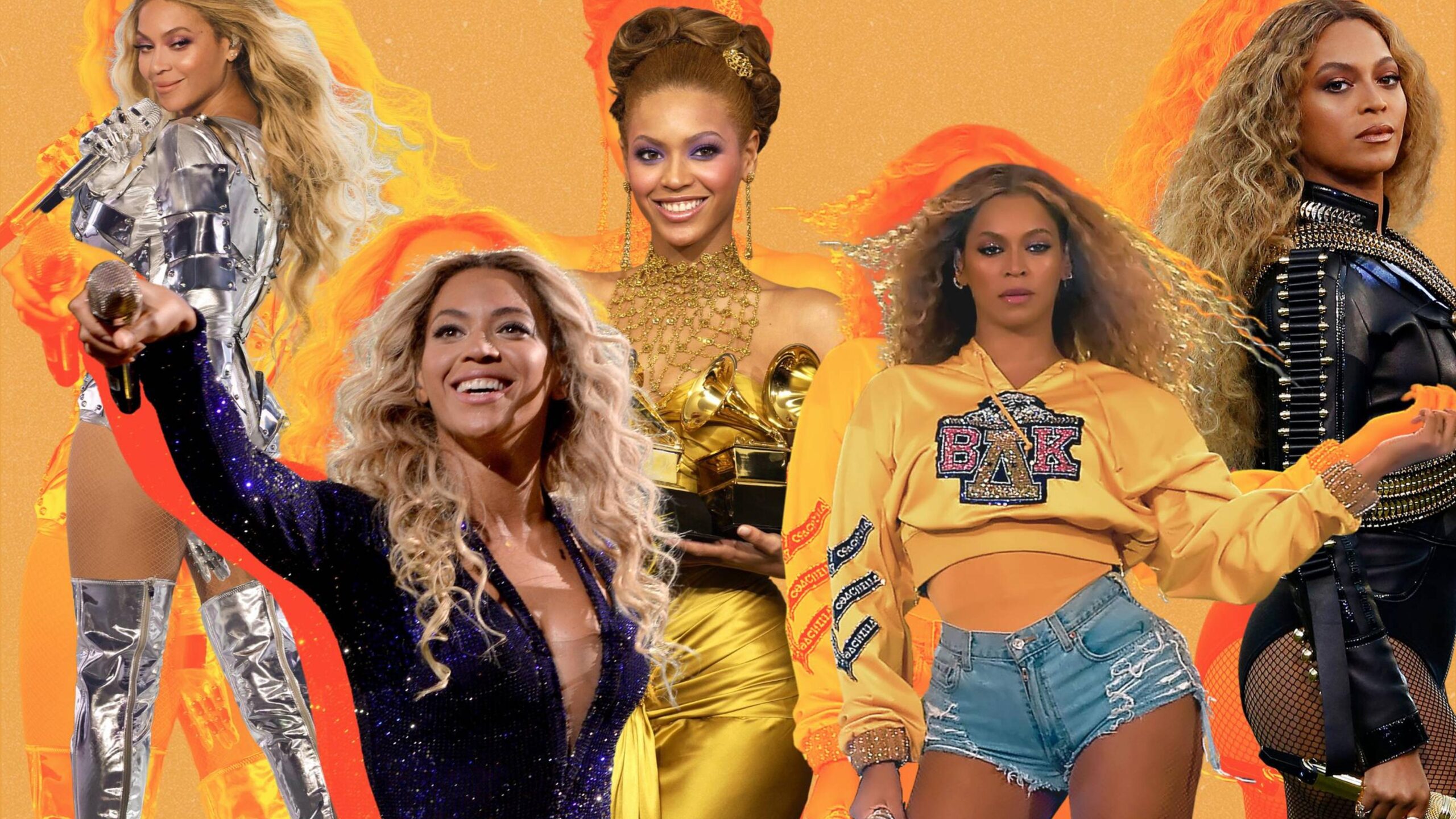
The 2018 Coachella headline performance, widely remembered as Beychella, was structured as an explicit tribute to Historically Black Colleges and Universities. The marching band, the step routines, and the visual references were rooted in American HBCU culture, but the show also carried a pan-African undertow. The opening Nefertiti reference, the gold and bronze color palette, and the recurring drumline arrangements all pulled from a visual lineage that ties American Black college tradition back to its African and Caribbean roots. The Netflix documentary “Homecoming” later traced these connections more explicitly.
The Renaissance Chapter: Tems, Grace Jones, and the Continued Conversation
“Move” from “Renaissance” (2022) with Grace Jones and Tems
When “Renaissance” arrived in the summer of 2022, “Move” became one of the album’s most discussed tracks. The song paired Beyonce with Jamaican-American icon Grace Jones and Nigerian singer Tems, who took a writing credit on the track. Tems was already a global force by that point, with her vocals on Future and Drake’s “Wait for U” and her own “Essence” feature with Wizkid having reset expectations for what an Afrobeats-adjacent voice could do on the international charts. Her involvement on a Beyonce track at the height of the Renaissance rollout cemented her position in the upper tier of crossover artists. The writing credit, rather than a guest verse, was the more telling detail. It meant Tems shaped the song’s DNA, not just its surface.
Renaissance World Tour Choreography and Wardrobe
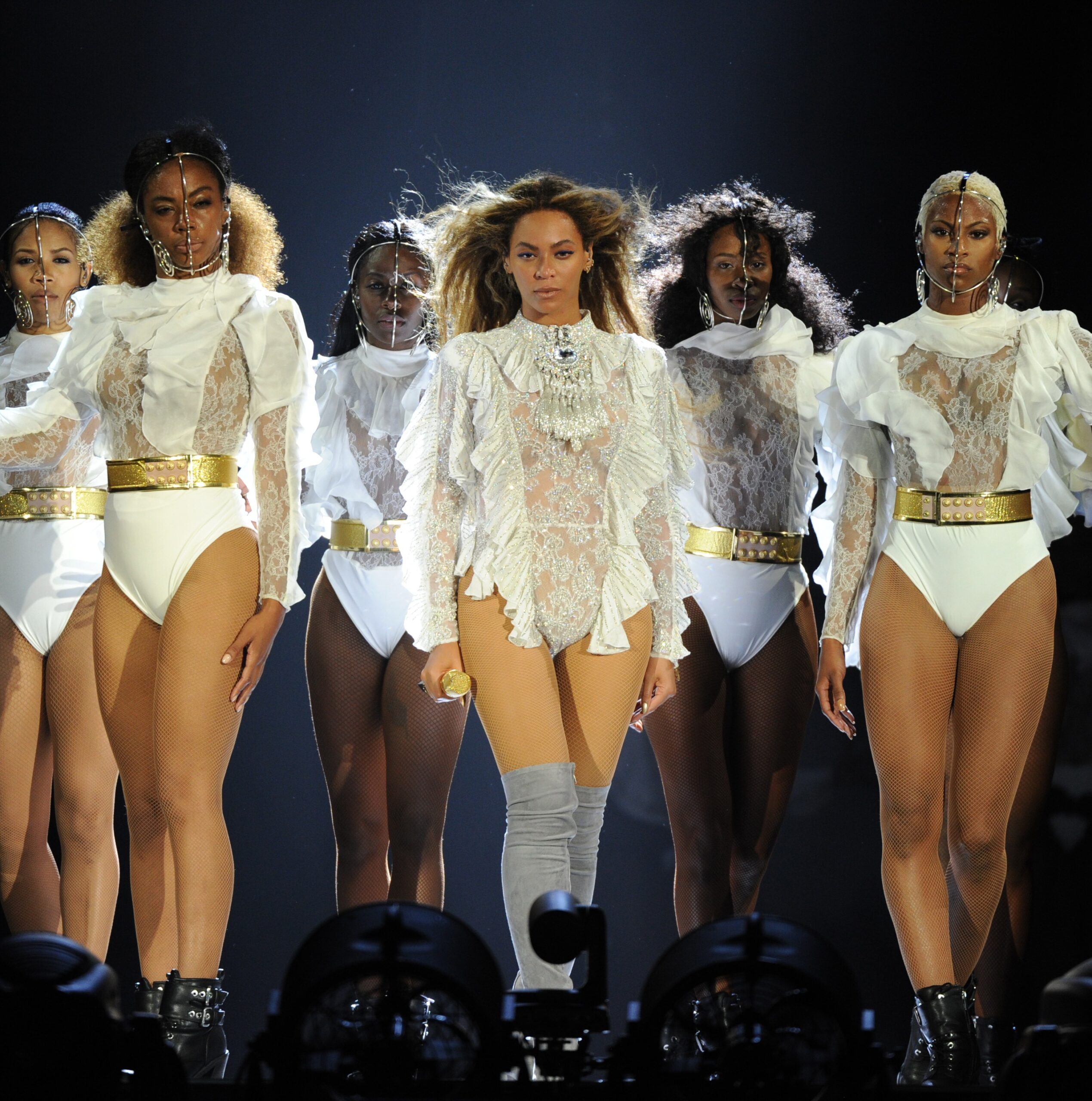
The 2023 Renaissance World Tour brought African dance vocabulary into the choreography in ways that earlier tours had touched on but never centered. Specific routines borrowed from amapiano dance trends out of South Africa and from Afrobeats club movement that had gone viral on TikTok in the years leading up to the tour. Wardrobe pieces from African designers appeared throughout the run. The tour did not stop on the African continent, a fact that disappointed many fans across Lagos, Johannesburg, Nairobi, and Accra. The omission became its own conversation about which markets get prioritized in stadium tour routing.
The Fashion and Business Layer
Ivy Park x Adidas and Tongoro Studio
Beyonce’s Ivy Park collaboration with Adidas leaned into African designer partnerships in several of its drops. The most discussed was the connection to Tongoro Studio, the Dakar-based label founded by Sarah Diouf that has dressed Beyonce in standalone moments as well. Tongoro’s commitment to manufacturing entirely in Africa made the partnership a meaningful business statement, not just a styling one. Campaign imagery for various Ivy Park collections featured African and African diaspora models, with locations and visual codes that nodded to West African street style.
Personal Wardrobe Choices and African Designers
Beyond Ivy Park, Beyonce’s personal styling has consistently elevated African design houses. Congolese-American designer Anifa Mvuemba of Hanifa is among the African and African diaspora names whose pieces have turned up on her across red carpets and social media posts, and Nigerian labels have been credited in her styling on multiple occasions. The pattern is not occasional. It is consistent enough across years to read as deliberate sourcing rather than a one-off.
The Quiet Visits and the Public Conversation
Trips to the Continent
Beyonce’s actual travel to Africa has been relatively low-profile compared to the visibility of the references in her work. Talk of a continental tour has circulated on and off for years without anything materialising. Reports of private trips surface periodically, usually without official confirmation or extensive press, and should be treated as unverified. The pattern fits her broader media approach. Public output is heavily curated. Private movement stays private.
The Crediting Conversation
Across all of this work, a parallel conversation has run about credit, compensation, and cultural exchange. African artists, choreographers and designers who have worked with the Beyonce camp have generally spoken positively about the experience in public, though the contractual detail behind those projects is not something either side has published. The “JA ARA E” arrangement giving Burna Boy a solo track, the Tems writing credit on “Move,” the Wizkid co-writing credit on “Brown Skin Girl,” and the Oumou Sangare sample crediting on “MOOD 4 EVA” all reflect a more rigorous approach than the music industry’s historical norm. That history of uncredited African sampling is long and ugly. Beyonce’s approach has not been perfect, and some critics have argued that the visibility she brings still extracts more cultural capital than it gives back. The debate continues. The receipts on the credits page, however, read better than most.
Twenty Years of Credits, Read in One Sweep
Looking at twenty years of work in one sweep, the African presence in Beyonce’s catalogue is not a phase or a marketing pivot. It is a slowly thickening braid that started as production texture, deepened into visual reference, became explicit collaboration, and has now settled into a permanent feature of how she builds her music, her tours, her businesses, and her wardrobe. The 2019 Lion King companion project marked the loudest declaration of intent. The Renaissance era has shown that the engagement has not retreated to a single album cycle.
What separates this from the standard pop-star flirtation with African sound is the paperwork. A guest verse costs nothing and proves nothing. A solo track handed to Burna Boy on your own album, a writing credit to Tems, a co-writing credit to Wizkid, a cleanly cleared Oumou Sangare sample: those are decisions with money attached, and they are the ones worth counting. The industry’s history with African music is mostly a history of uncredited borrowing. This catalogue reads better than that, which is a low bar, and it clears it by a distance.
Ad SpaceIn-Article - 300x250
Advertisement
Share
Get the recap
Loved this story? Get more like it.
Join readers who get our weekly entertainment recap - the stories worth your time, delivered every Friday.
No spam. Unsubscribe anytime. By signing up you agree to our Privacy Policy.