

Table of Contents
- Tekno and the Afrobeats Romantic Tradition
- What the Port Au Prince Lyrics Actually Say
- Sacrifice, Devotion, and the Geography of Love
- Where Port Au Prince Sits in Tekno’s Catalogue
- Tekno’s Quiet Legacy in a Loud Genre
Tekno and the Afrobeats Romantic Tradition

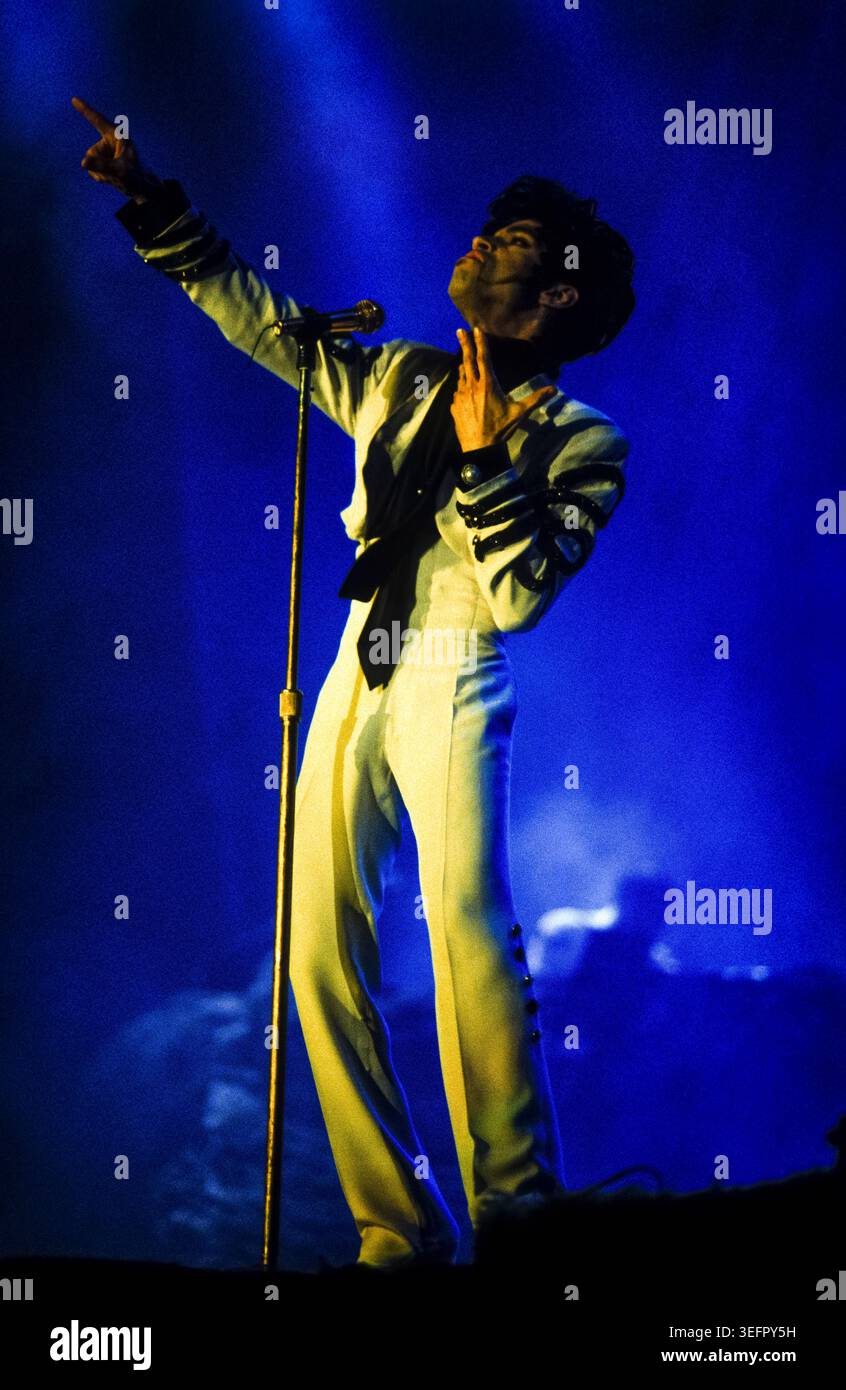
There is a specific kind of Afrobeats love song that does not demand your attention loudly. It earns it. It creeps into your rotation quietly, and before you realize it, you have listened to it sixteen times on a Tuesday afternoon without noticing. Tekno Miles has built much of his career on exactly that kind of music, and Port Au Prince is a fresh reminder that his instinct for romantic melody remains as sharp as ever. While the loudest part of the Nigerian music conversation has understandably centered on Burna Boy’s global dominance, Asake’s commercial consistency, and the cross-genre experiments of artists like Rema, Tekno has continued doing what he has always done best, which is crafting intimate, emotionally direct songs that feel personal rather than performative.

What makes Port Au Prince worth examining closely is not just the melody or the production, but the lyrical specificity Tekno brings to the theme of deep romantic devotion, a subject that lesser artists tend to handle with tired clichés. The song’s central premise is striking: the singer is so consumed by love that he is willing to abandon everything familiar, travel to the ends of the earth, and make sacrifices that would be unreasonable by any ordinary standard. That is not a new idea in pop music broadly, but the way Tekno frames it, with warmth and sincerity rather than theatrical excess, is what separates this from the crowded field of Afrobeats love songs.
What the Port Au Prince Lyrics Actually Say

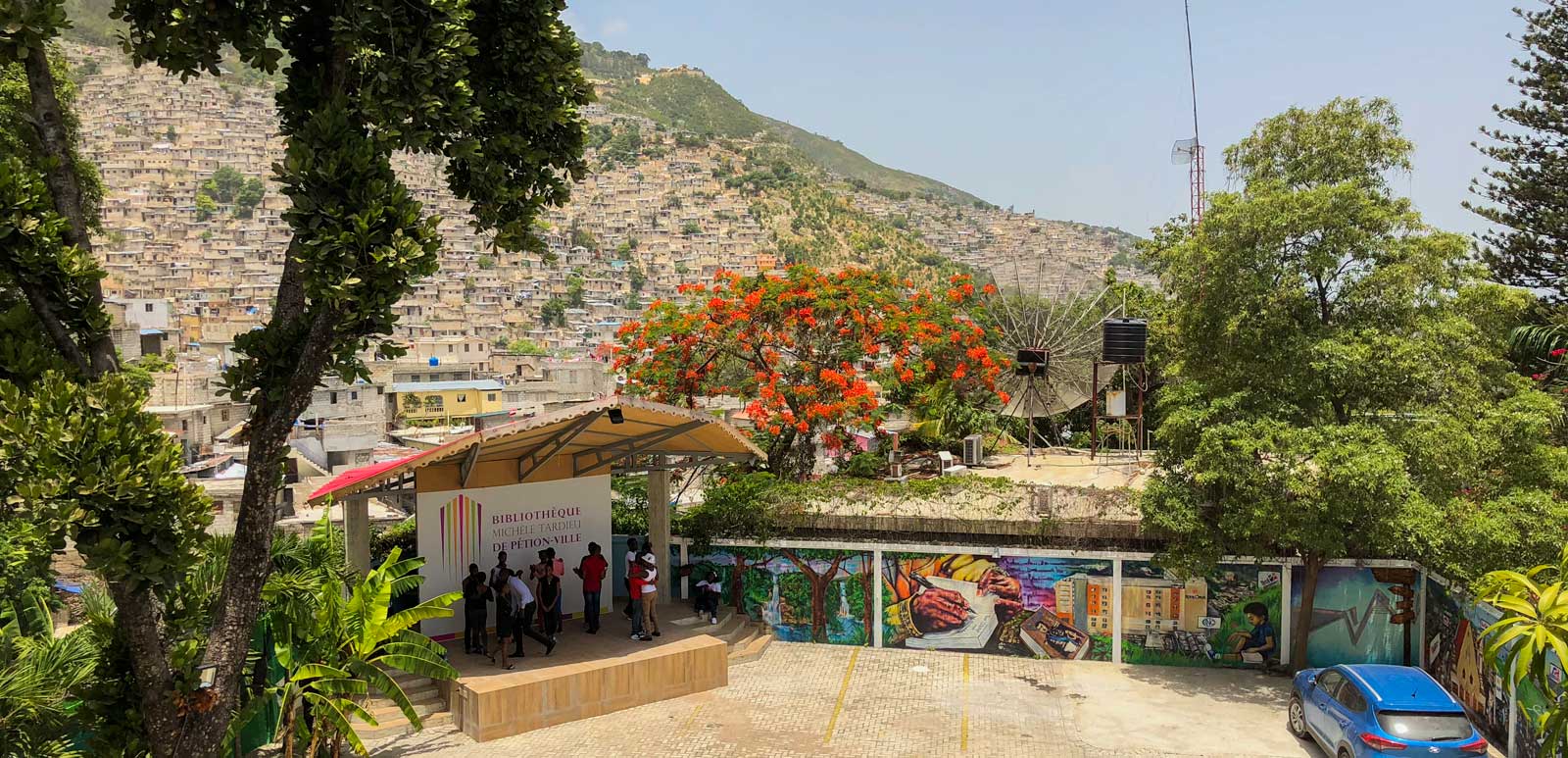
The title itself is the first signal that this song is doing something a little different. Port-au-Prince is the capital city of Haiti, a destination that carries weight in its geographic and cultural distance from Lagos. Choosing that name rather than, say, a European capital or a generic tropical paradise is a deliberate creative decision. It places the song’s romantic reach in a direction that feels unexpected, almost cinematic, suggesting that this love is not just deep but directionally specific and intentional. When an Afrobeats artist references a Caribbean capital in a love song, there is an implicit conversation happening about distance, desire, and the willingness to cross every boundary, whether cultural, geographic or personal, for someone you truly want.

The lyrics themselves lean into the idea of total romantic surrender. Tekno’s narrator is not playing it cool or maintaining the kind of emotional distance that Afrobeats swagger sometimes demands. Instead, he is fully open, declaring love, expressing willingness to leave his home, and making clear that no distance or sacrifice is too great. This is vulnerability dressed in melody, which is something Tekno has always been comfortable with in a way that many of his contemporaries are not. His 2017 smash Pana operated on similar emotional frequencies. That record travelled well past Nigeria and, by widely reported streaming counts, gathered hundreds of millions of plays, which is reasonable evidence that this kind of sincere, unguarded love song carries far beyond Lagos.
Sacrifice, Devotion, and the Geography of Love
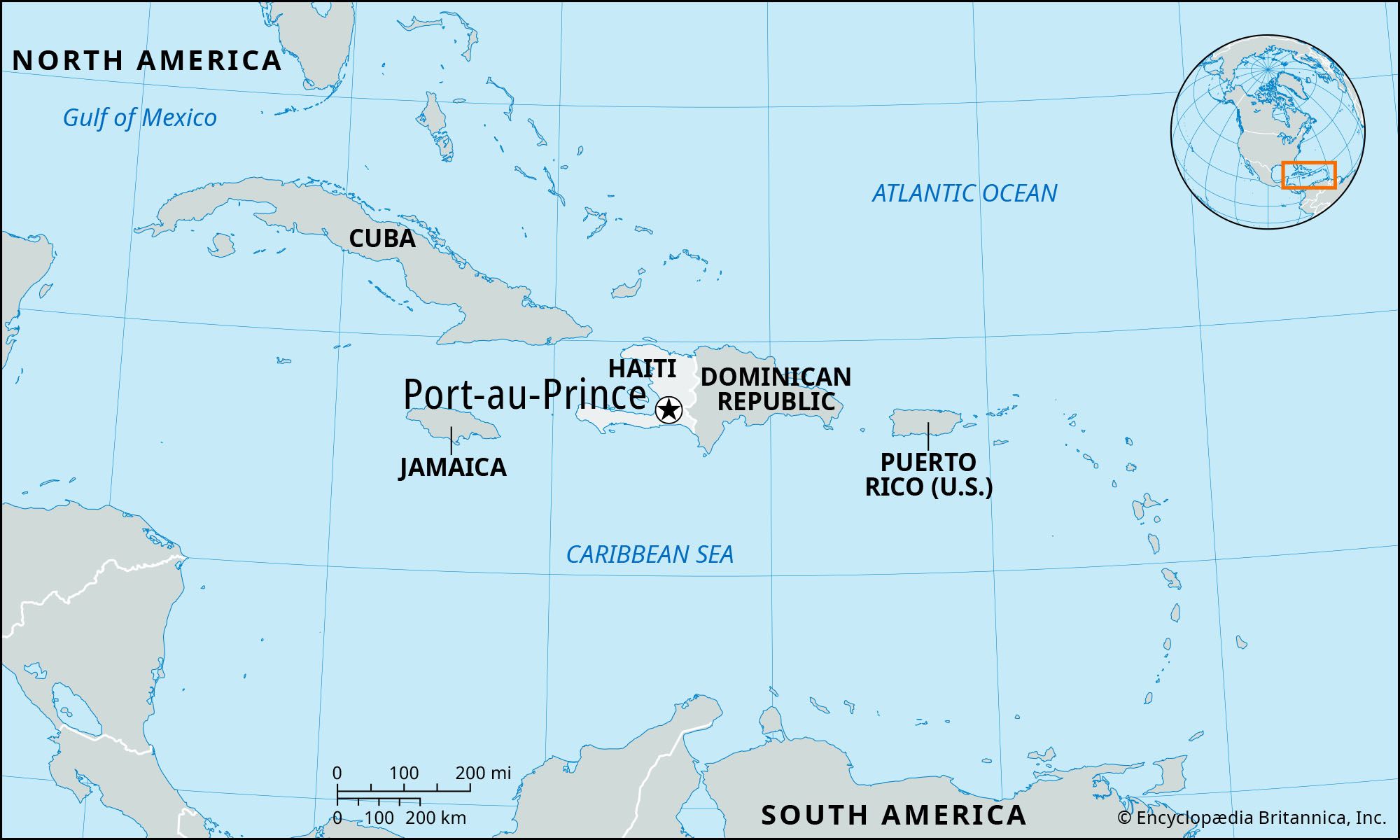
The recurring theme of sacrifice in Port Au Prince is worth unpacking because it connects to something deeper in how love is expressed in West African music and culture more broadly. In Afrobeats and its adjacent genres, from Afropop to highlife-influenced R&B and Afro-soul, romantic devotion is often expressed through action and willingness rather than just words. “I would do anything for you” is common enough in pop music everywhere, but in the Nigerian tradition, that sentiment tends to come loaded with specificity: I would leave my city, I would cross the ocean, I would give up what I have built. Tekno taps directly into that tradition in this song, grounding abstract love in concrete, almost reckless willingness.