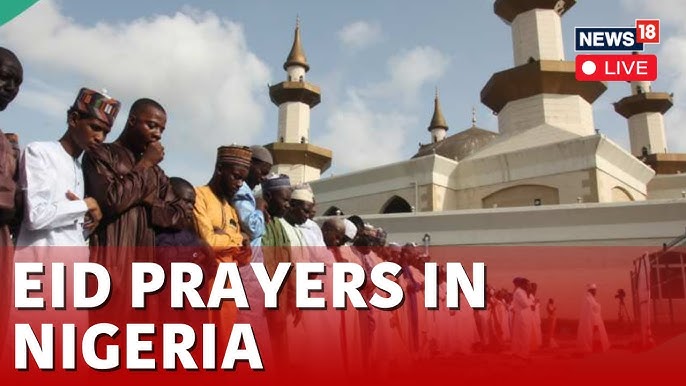
Two mornings a year, the air in Kano changes. The call to prayer at Eid carries differently across a city that has been preparing for weeks. Streets that handle ordinary weekday commerce are draped in fabric stalls and ram pens. Tailors who have not slept in three days finish the last agbada on the last sewing machine and hand it across the counter without breaking eye contact. By the time the sun reaches the Eid prayer ground at Kofar Mata, the city is already on its second outfit of the day. By dusk it will be on its fourth.
Nigeria’s Muslim population, estimated at more than ninety million people and concentrated heavily in the north and southwest, observes the two major Eids with a public energy that has few global parallels. Eid el-Fitr, marking the end of Ramadan, and Eid el-Kabir, the Festival of Sacrifice that falls roughly seventy days later, are not only religious obligations. They are the two largest organising events of the social calendar for tens of millions of Nigerians. To understand how Nigerian Muslims celebrate Eid is to follow a thread that runs from the emir’s palace in Kano through Lagos Island’s Lebanon Street tailoring district, across the Friday markets of Kaduna and Sokoto, into the family compounds of Ibadan and Ilorin, and onto the Instagram grids of music stars announcing their Sallah posts at noon on the day itself.
Two Eids, two registers
The two Eids carry related but distinct cultural weights in Nigeria. Eid el-Fitr arrives at the close of Ramadan, the month of fasting, and its mood is one of release. The thirty-day discipline of sunrise-to-sunset abstention ends with prayer at dawn, a sermon at the Eid ground, and then a sequence of family meals and visits that stretch through the day. The festival is called Sallah by Hausa speakers, and the same word is used loosely across the country to refer to either Eid.
Eid el-Kabir, known in the southwest by its Yoruba name Ileya, lands about seventy days later. This is the Festival of Sacrifice, commemorating the prophet Ibrahim’s willingness to sacrifice his son and the divine substitution of a ram. The ritual centre of the day is the slaughter of an animal, usually a ram, by every household that can afford one, with the meat divided between family, neighbours, and the poor. If Eid el-Fitr is the festival of the mosque and the home, Eid el-Kabir is the festival of the household, the courtyard, and the open fire.
Both are public holidays. Both empty the office and fill the church-and-mosque-adjacent traffic of Lagos and Abuja. Both are observed with a degree of pageantry that surprises first-time visitors from outside the country.
The northern heart
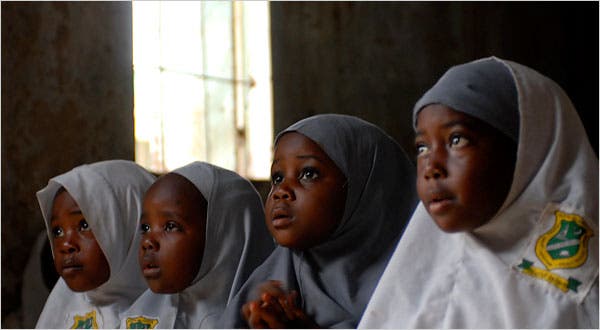
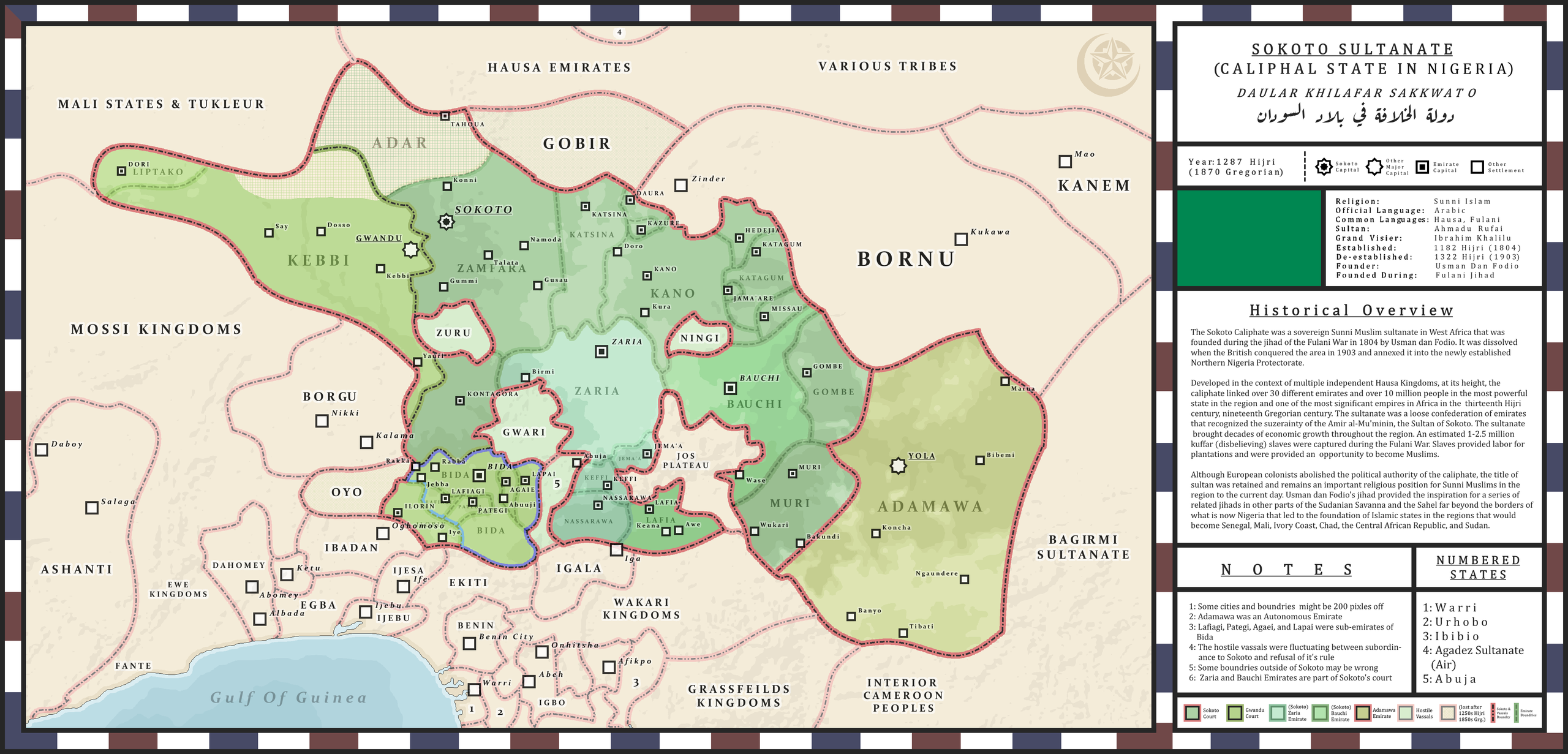
The seat of Nigerian Muslim observance, in scale and historical weight, is the north. Kano, Kaduna, Sokoto, Katsina, Bauchi, Borno, Zaria and the broader belt of cities that grew up around the Sokoto Caliphate after its founding in the early nineteenth century carry an unbroken tradition of Eid observance that long predates the Nigerian state. The emirate system survived British colonial administration. It survived independence. It survived the redrawing of state boundaries. The Eid prayer led by an emir in a major northern city is still, in 2026, an event of civic gravity that can draw a hundred thousand people to the prayer ground.
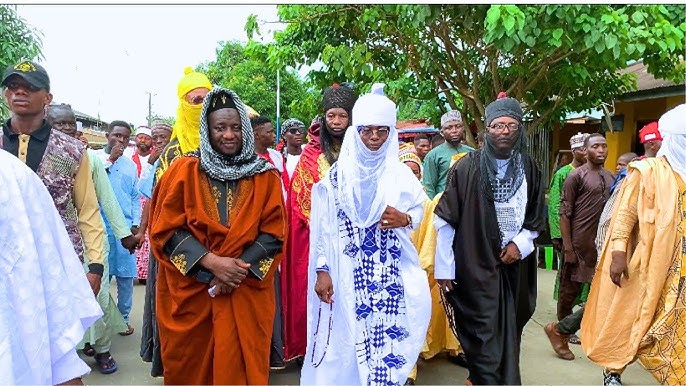
What follows the prayer in those cities is the Durbar. The Durbar is a horse-mounted parade in which the emir, his courtiers, and the district heads ride in procession through the city in full ceremonial regalia, accompanied by drummers, trumpeters, and praise singers. The horses are draped in coloured cloth. The riders wear turbans wound to a specific pattern that signals rank. The parade arrives at the emir’s palace, where the household offers homage. The Durbar in Kano during the two Eids is one of the most visually spectacular living traditions in West Africa, and it is older than most modern countries.
What this scale produces is an entire economy of preparation. The textile market starts ramping up six weeks before Eid el-Fitr. The livestock trade begins moving rams toward southern markets a full month before Eid el-Kabir. Tailors take deposits on outfits that will not be made until the final week. Trucks of yam, rice, palm oil, tomatoes and onions move from middle-belt markets to the city centres in the days before the holiday. By the eve of Eid, the markets are pulsing.
The southwest and the Lagos register
The southwestern Yoruba states - Lagos, Ogun, Oyo, Osun, Ondo, Ekiti and Kwara - host a Muslim population that has lived alongside Christian and traditional Yoruba religious communities for centuries. The Yoruba Muslim experience of Eid carries the same theological structure as the northern observance but expresses itself through Yoruba aesthetic and social codes. The mosques fill. The prayer is the same. What differs is the cultural envelope around it.
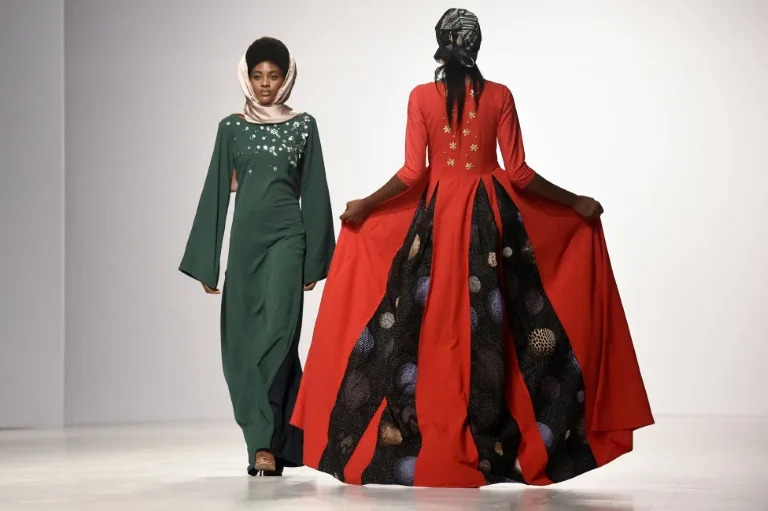
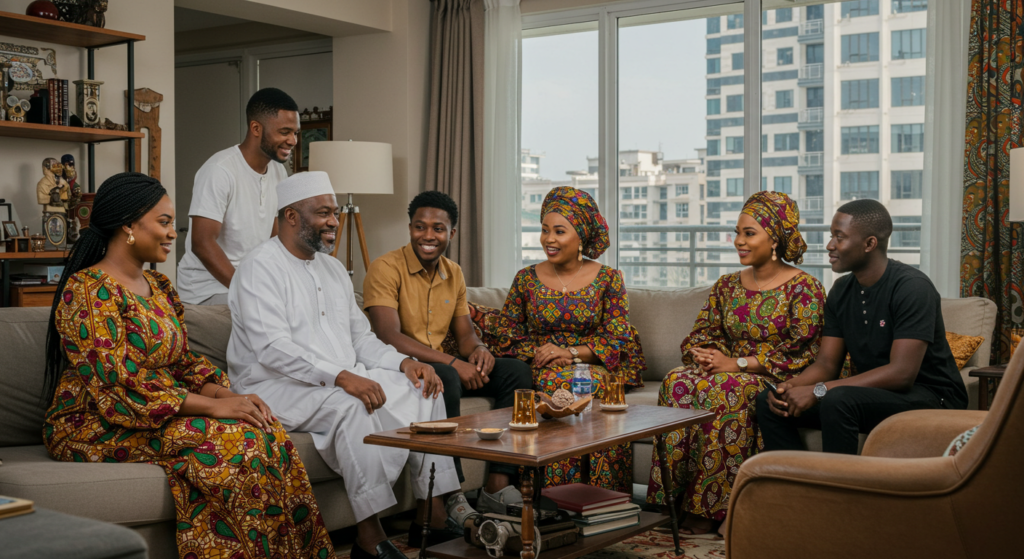
In Lagos, Sallah is a citywide event that crosses religious lines. Christian neighbours visit Muslim family compounds. Children move from house to house collecting Sallah money, a tradition that mirrors the seasonal gift-giving of other cultures. The aso-ebi system - the practice of family members and friends dressing in matching fabric for a celebration - is mobilised heavily around Eid. A single family might commission three different aso-ebi sets across the two Eid days. Photographers are booked weeks in advance. Caterers are working triple shifts.
The Yoruba Muslim community has produced some of the most influential voices in Nigerian Islamic scholarship, and the southwestern Eid sermons regularly become national talking points. The political dimension of the holiday in the southwest also runs through the public speeches of governors and traditional rulers, including the Oba of Lagos and other Yoruba royal figures, several of whom are Muslim and host Eid courts at their palaces.
The food of Eid
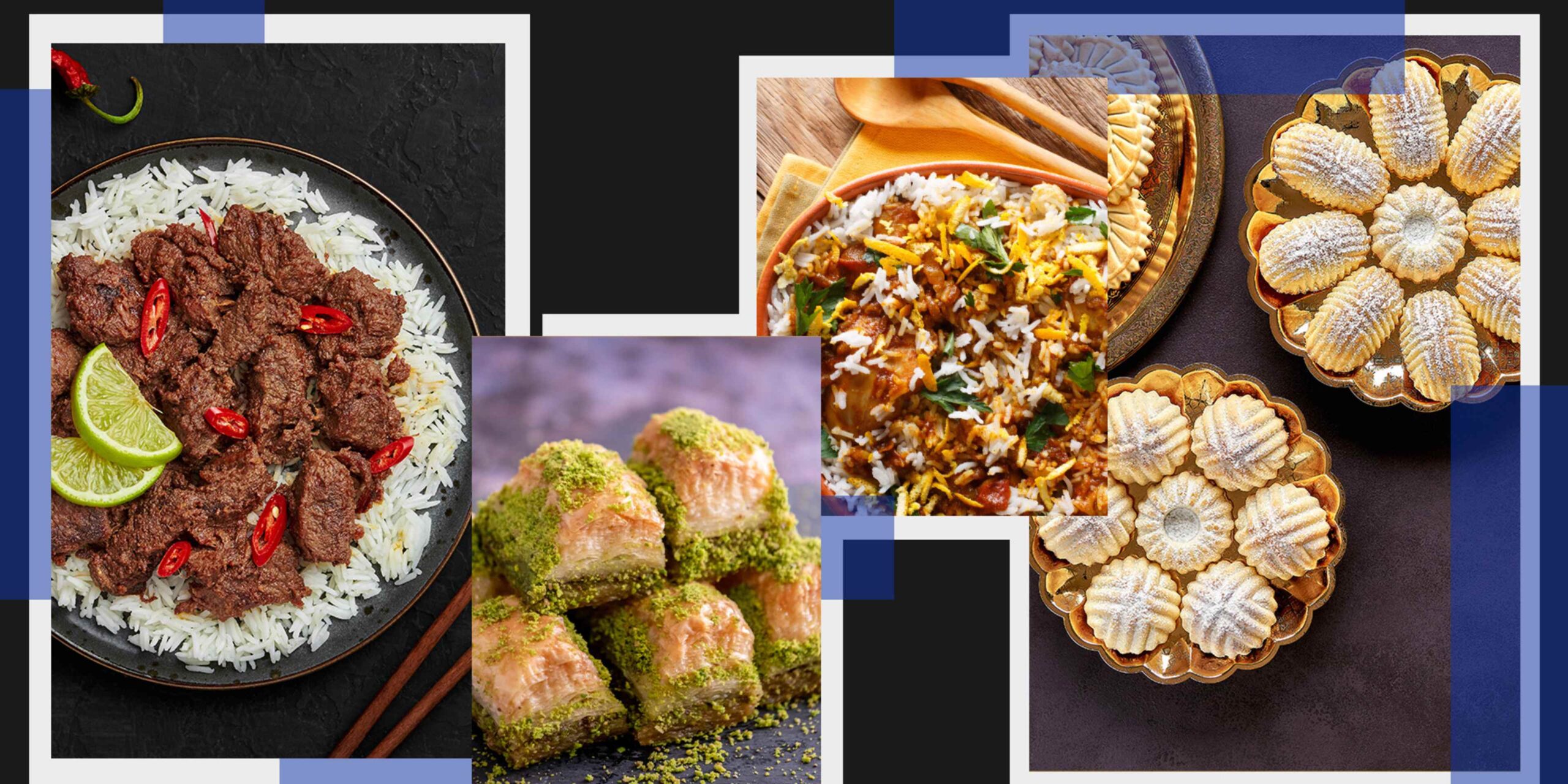
A Nigerian Eid is, among other things, an enormous national meal. The dishes that anchor the day vary by region and by household, but a few recur often enough to count as constants.
In the north, the table will frequently feature tuwo shinkafa, a thick rice pudding served with a soup. The soup of choice for the holiday is often miyan kuka, made from baobab leaf powder and rich with beef or dried meat. Miyan taushe, the pumpkin-and-groundnut soup, is another holiday standard. Suya, the spiced skewered meat that has crossed every state line in Nigeria, is grilled on every street corner in the days around Eid. Kilishi, the dried spiced beef that is the north’s answer to jerky, is bought as a gift to take to relatives.
After Eid el-Kabir specifically, the ram itself becomes the day’s principal ingredient. Asun, the spiced barbecued goat or ram meat popular in the southwest, gets a particular Ileya treatment with the freshly slaughtered animal. The liver is grilled first and offered to the patriarch. Different cuts find their way into stews, pepper soups, and the deep-fried snack known as kundi.