There is something deliberately jarring about holding a conversation on child poverty at a polo club. Guards Polo Club in Windsor is one of the most prestigious venues of its kind in the United Kingdom, the kind of place where champagne flows between chukkas and the guest list reads like a who’s who of global finance and royalty. And yet, it is precisely this setting that Access Bank has chosen, year after year, as the backdrop for some of its most serious discussions about Africa’s development challenges. The contrast is intentional. It puts the continent’s wealthiest and most influential voices in the same room with the same question: what are you actually doing about it?
Access Bank, Nigeria’s largest bank by total assets, has long understood that its brand is inseparable from the story of the continent it operates in. The bank operates across more than 20 countries, from Nigeria to Rwanda, the United Kingdom to Hong Kong, and its reach means that its philanthropic ambitions carry real geographic weight. The Windsor polo setting is the showroom. The actual work - the unglamorous, ground-level, school-by-school and child-by-child effort - happens far from the marquees, in communities where the bank’s charity arm has been quietly clocking results that most corporate CSR programs would struggle to match.
Image: Visit Windsor
The Access Bank Foundation and What It Actually Does
The Access Bank Foundation is the charitable vehicle through which the bank channels its social investment commitments. Established to address some of Africa’s most persistent structural challenges, the Foundation focuses on four primary pillars: education, economic empowerment, environment, and health. These are not abstract talking points. The Foundation has built and renovated schools, funded scholarship programs, supported vocational training centers, and partnered with NGOs on community health outreach campaigns across multiple African countries. Its reach is pan-African in a way that many similar initiatives genuinely are not, with programs operating not just in Nigeria but extending into Ghana, Kenya, Zambia, and other markets where Access Bank has a footprint.
The education pillar has historically been the one that attracts the most attention, and for good reason. Africa’s education deficit is staggering in scale. According to UNESCO data, sub-Saharan Africa has the highest rates of educational exclusion in the world, with more than 98 million children and adolescents out of school. Against that backdrop, any initiative that measurably moves the needle deserves serious scrutiny - not just applause. The Access Bank Foundation has understood this, structuring its education programs around interventions that target the root causes of school dropout, including poverty-related barriers, lack of infrastructure, and the particular challenges facing girls in rural communities.
Image: NerdzFactory Foundation
The 14,000 Figure That Deserves More Attention
Fourteen thousand children is not a small number. To put it in perspective, that is roughly the population of a small Nigerian town, or the entire student body of a mid-sized university. When Access Bank reports that its charity initiative has directly changed the lives of over 14,000 disadvantaged children, it is making a claim that - if substantiated - represents one of the more meaningful corporate social impact stories to come out of the African banking sector in recent years. The key question any responsible journalist should ask is: what does “changed lives” actually mean in this context, and how is it being measured?
The Foundation’s model leans on a combination of scholarship grants, school infrastructure investment, feeding programs, and after-school support systems. For children living in extreme poverty across Nigeria and other Access Bank markets, these interventions address multiple deprivation layers simultaneously - not just getting a child into a classroom, but ensuring they can stay there, concentrate, and actually learn. This holistic approach is what distinguishes credible CSR from the kind of photo-opportunity philanthropy that African corporations have sometimes been criticized for. The 14,000 figure represents children who have received sustained support, not just a one-time donation cycle. That distinction matters enormously.
Ad SpaceIn-Article - 300x250
Advertisement
Why This Matters Specifically in the Nigerian Context
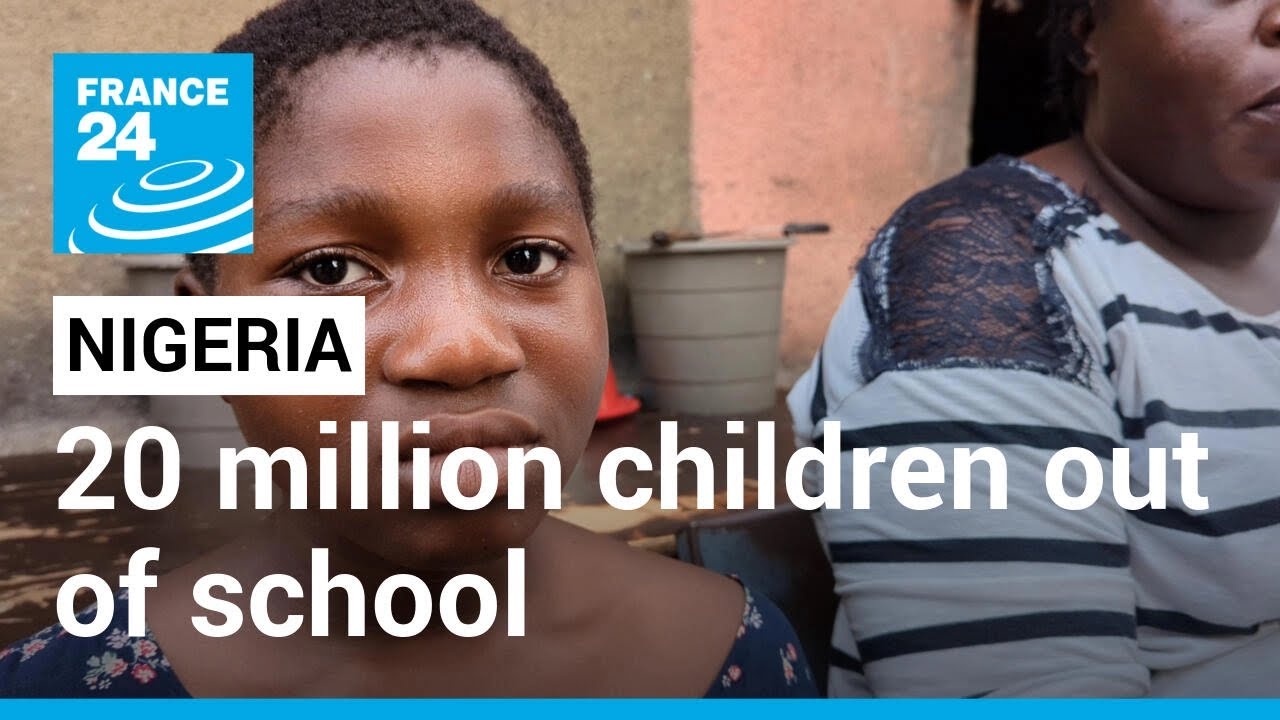
Nigeria is home to the world’s largest population of out-of-school children, a sobering statistic that the country has carried for years despite its status as Africa’s largest economy. The numbers from UNICEF and the Nigerian government’s own data point to anywhere between 10 and 20 million children not in school at any given time, with the figure shifting depending on methodology and the specific crisis - economic downturns, insecurity in the northeast, flooding in the south - affecting enrollment in any given year. Against this backdrop, Access Bank operating from Nigerian soil and targeting Nigerian children gives the 14,000 figure a very specific moral weight. This is not a foreign NGO parachuting in with Western donor money. This is a homegrown institution investing in the country whose financial system helped build it.
It also positions Access Bank within a growing conversation in Nigerian public life about what the country’s corporate elite owes the communities they profit from. Nigeria’s entertainment industry - Afrobeats artists, Nollywood stars, influencers - has spent much of the last decade using their platforms to spotlight social issues, from education to mental health to police brutality. Corporate Nigeria has been slower to follow that energy in a credible, consistent way. Access Bank’s sustained investment in child welfare through the Foundation suggests it is taking that expectation seriously, not as a PR exercise but as a long-term institutional commitment. The timing of the Windsor conversation, placing Africa’s development challenges at the center of a global business event, reinforces that framing.
Image: YouTube
African Corporations and the Philanthropy Credibility Gap
One of the more uncomfortable truths about corporate philanthropy across Africa is how often it is measured in press releases rather than outcomes. The continent has no shortage of companies that sponsor a school renovation, take photographs with the local children, and then move on. The Access Bank Foundation model is worth examining precisely because it represents an attempt to close what might be called the philanthropy credibility gap - the distance between what African corporations say they are doing for society and what they are actually delivering on the ground. Banks are uniquely positioned to lead here because they have the infrastructure, the geographic reach, and the financial capacity to sustain programs over multiple years, which is what genuine social change actually requires.
The global context matters too. Access Bank’s Windsor appearances place it in conversation with multinational institutions, development finance organizations, and global policymakers who increasingly expect African business leaders to articulate a social contract, not just a profit margin. The African Development Bank, the International Finance Corporation, and a host of European development finance institutions have all made ESG (environmental, social, and governance) compliance a central condition of the financing they extend to African corporations. For Access Bank, which has significant international funding relationships and ambitions to continue its cross-border expansion, being able to point to 14,000 children reached through its charity work is not just a feel-good story. It is part of a credibility portfolio that matters in boardrooms and on balance sheets.
Access Bank’s Bet That Doing Good Is Also Good Business
Herbert Wigwe, who served as Access Bank’s Group CEO until his tragic passing in a helicopter crash in California in February 2024, was one of the most vocal advocates for the idea that African banks had a responsibility to drive social transformation, not just financial returns. Under his leadership, Access Bank expanded aggressively across the continent while simultaneously deepening its CSR commitments, treating the two as complementary rather than competing priorities. The Foundation’s work with disadvantaged children was very much a product of that philosophy - the conviction that a bank whose customers live in communities ravaged by poverty cannot sustainably grow unless those communities themselves grow. Wigwe’s death was a significant loss for Nigerian business and philanthropy, and Access Bank’s continued commitment to Foundation programs carries the weight of that legacy.
The current leadership, under Group CEO Roosevelt Ogbonna, has signaled continuity on the social investment front. The Windsor polo conversations, the Foundation’s ongoing programs, and the 14,000 children figure all represent an institution that has decided its brand story is inseparable from its social impact story. In a Nigerian media landscape where celebrity culture, Afrobeats success stories, and Nollywood milestones often dominate the national conversation about who and what is changing lives, it is worth pausing to recognize that a bank - operating not on a concert stage but in classrooms and community centers - is quietly doing some of the most consequential work of all. Fourteen thousand children is not a headline that comes with a chart position or a box office number, but it is a number that will compound in ways that matter long after the polo season ends.
Ad SpaceIn-Article - 300x250
Advertisement
Share
Get the recap
Loved this story? Get more like it.
Join readers who get our weekly entertainment recap - the stories worth your time, delivered every Friday.
No spam. Unsubscribe anytime. By signing up you agree to our Privacy Policy.