
Table of Contents
- The Cut That Came - and the Bigger One That Didn’t
- What “Ex-Gantry Price” Actually Means for the Average Nigerian
- The Inventory Problem Nobody Warned Us About
- Dangote vs. NNPC: The Price War Shaping Nigeria’s Pump Reality
- What Nigerians Are Actually Feeling at the Pump Right Now
- Dangote’s N50 and the Long Game of Nigeria’s Fuel Independence
The Cut That Came - and the Bigger One That Didn’t
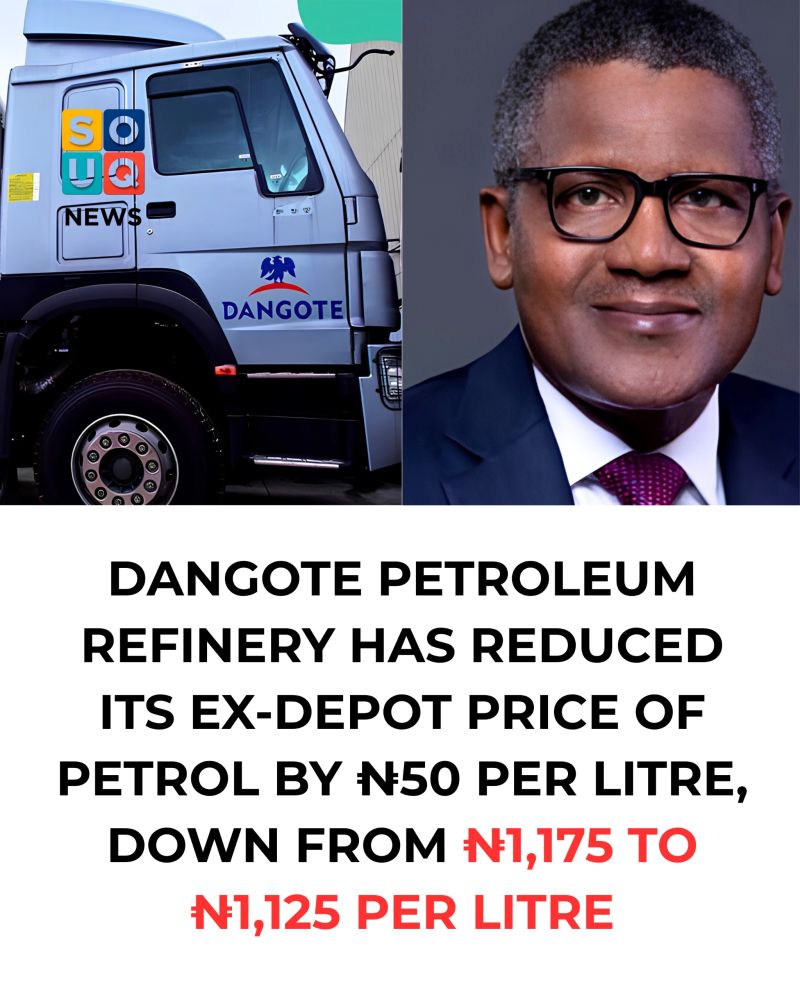
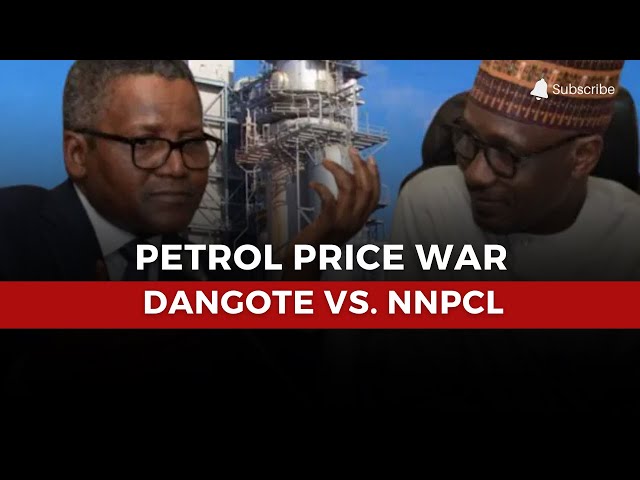
If you have been following Nigeria’s fuel price saga with the same exhausted attention most Nigerians have, you already know the drill: every small reduction in petrol costs makes headlines, people dare to feel hopeful, and then reality reminds everyone that the journey from a refinery announcement to actual relief at the pump is long, complicated, and full of fine print. The Dangote Petroleum Refinery’s latest move - a reduction of N50 per litre on its ex-gantry price for Premium Motor Spirit (PMS) - is significant, genuinely so, but it comes wrapped in a caveat that matters enormously: the refinery itself has acknowledged that inventory costs are currently standing between consumers and a more substantial price drop. That caveat deserves more attention than the headline number.
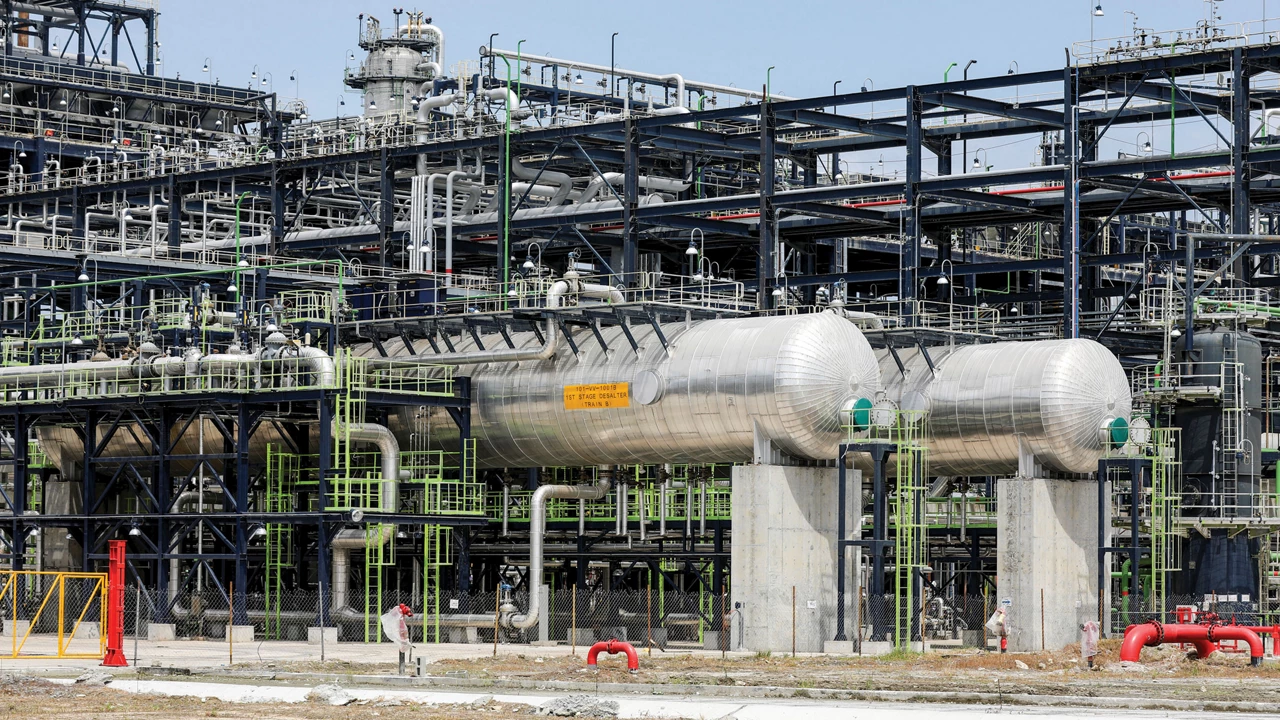
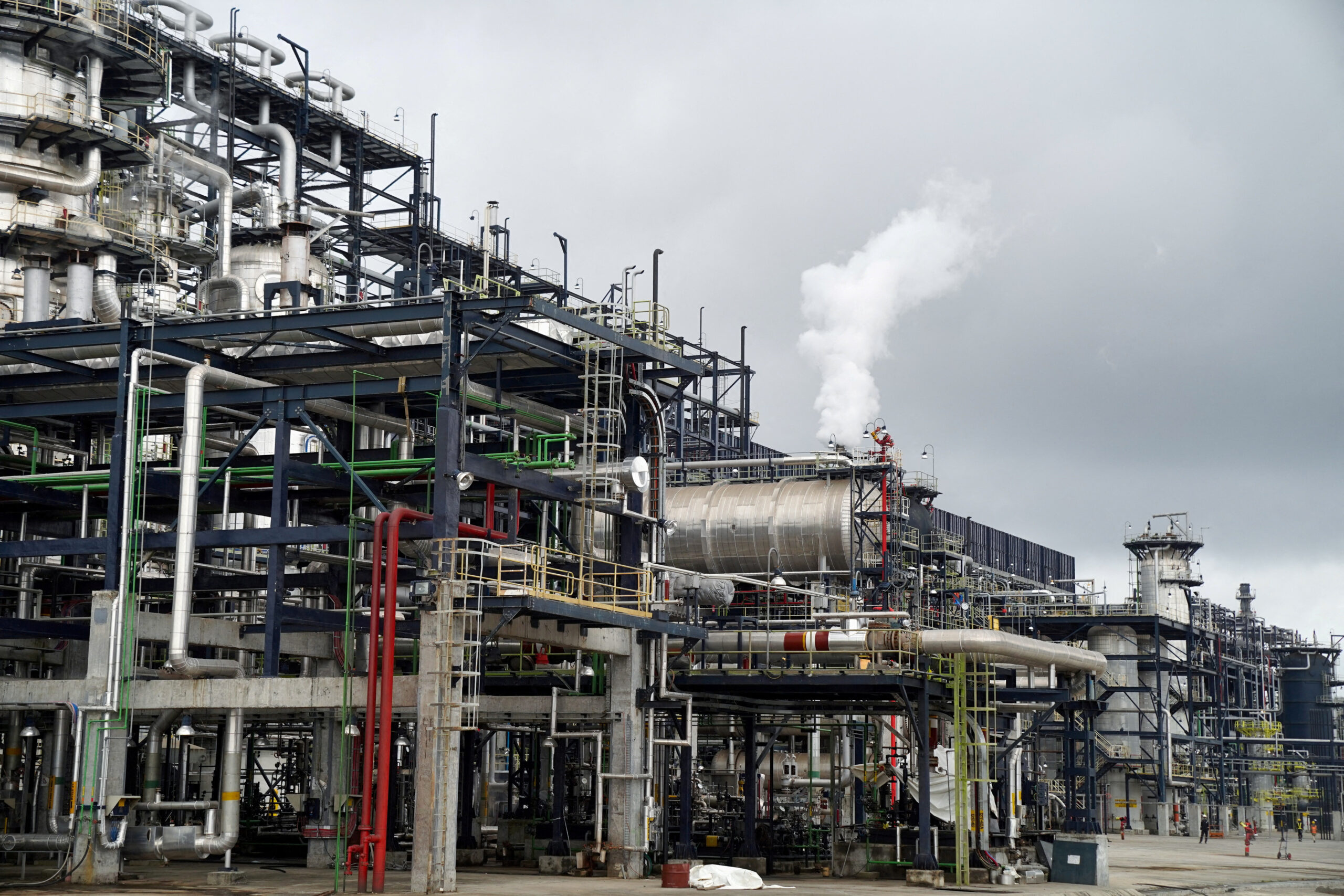
To understand why this N50 cut is both a win and a partial disappointment simultaneously, you have to step back and appreciate the scale of what the Dangote Refinery represents. Located in the Lekki Free Zone in Lagos, the facility is Africa’s largest oil refinery and one of the biggest single-train refineries on the planet, with a processing capacity of 650,000 barrels of crude oil per day. Aliko Dangote, Africa’s richest man with a net worth that Forbes has consistently pegged above $20 billion, built this refinery with the explicit promise that it would end Nigeria’s embarrassing dependency on imported petrol - a country that sits on some of the world’s largest crude oil reserves yet was spending billions of dollars refining that crude abroad and shipping it back home. That promise has always been the emotional core of this story.
What “Ex-Gantry Price” Actually Means for the Average Nigerian
Here is something the news cycle rarely slows down to explain properly: when a refinery announces an ex-gantry price, it is not the same as the price you pay at your neighbourhood filling station in Surulere, Wuse, or Enugu. The ex-gantry price is the rate at which petroleum marketers - the distributors and depot owners in the supply chain - purchase fuel directly from the refinery’s loading gantry. From that point, transportation costs, marketer margins, bridging allowances, and retail overhead all stack on top before any litre of petrol reaches your tank. So while a N50 reduction at the gantry is a meaningful first step, the arithmetic of how much actually flows through to the pump price depends on multiple variables that the refinery does not directly control.
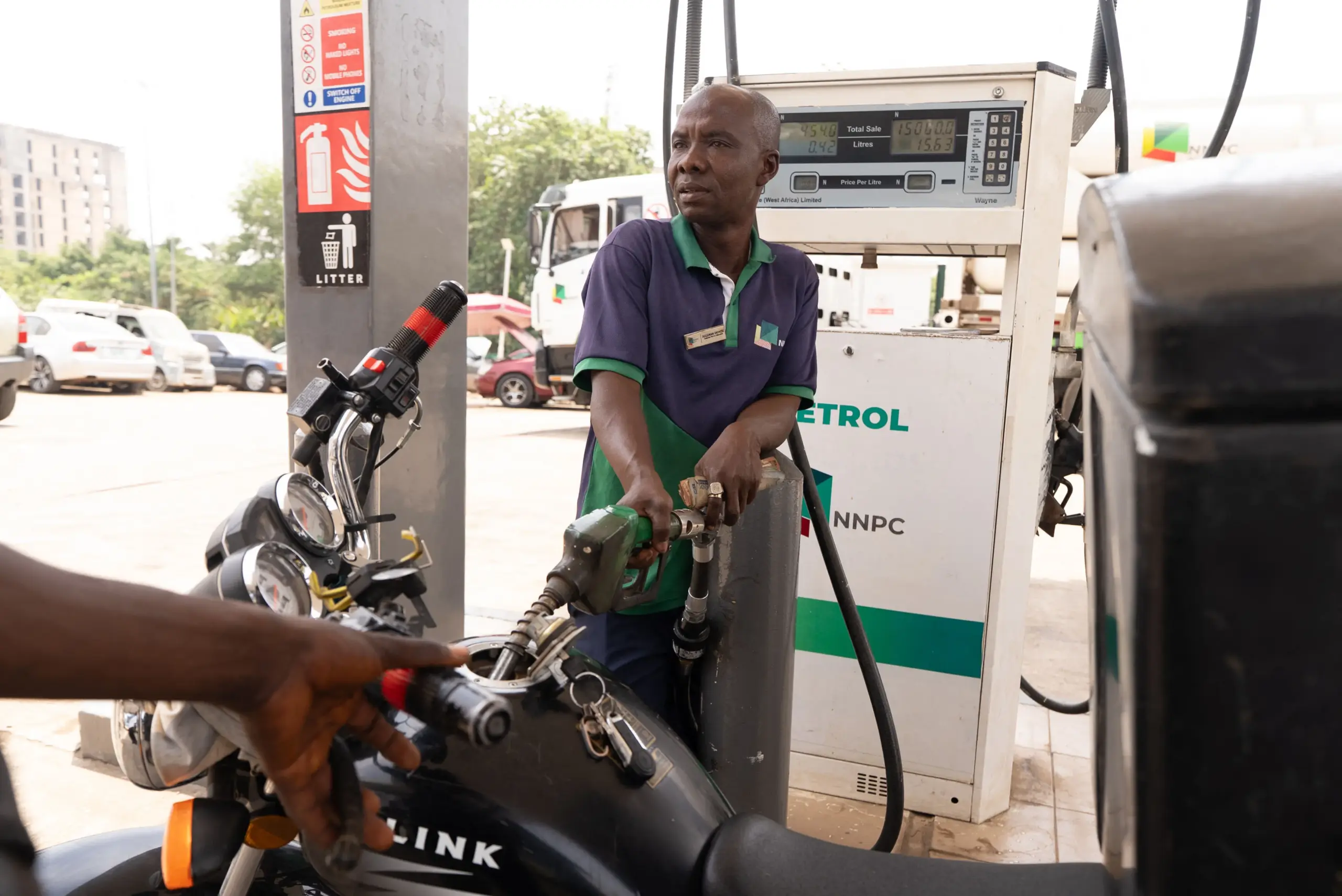
This distinction matters because Nigerians have understandably developed a sharp sensitivity to the gap between official announcements and lived experience since the subsidy removal in May 2023 under President Bola Tinubu. When petrol subsidies were scrapped, pump prices in Nigeria leapt almost overnight from around N185 per litre to figures that have since climbed well above N700 per litre in many states. The economic whiplash was severe - transportation costs, food prices, and the general cost of living all surged in the aftermath. So when a refinery announces a price reduction, the question most Nigerians are right to ask is not “what is the new gantry price?” but “what will I actually pay the next time I fill up, and when?” Those are two very different questions.
The Inventory Problem Nobody Warned Us About
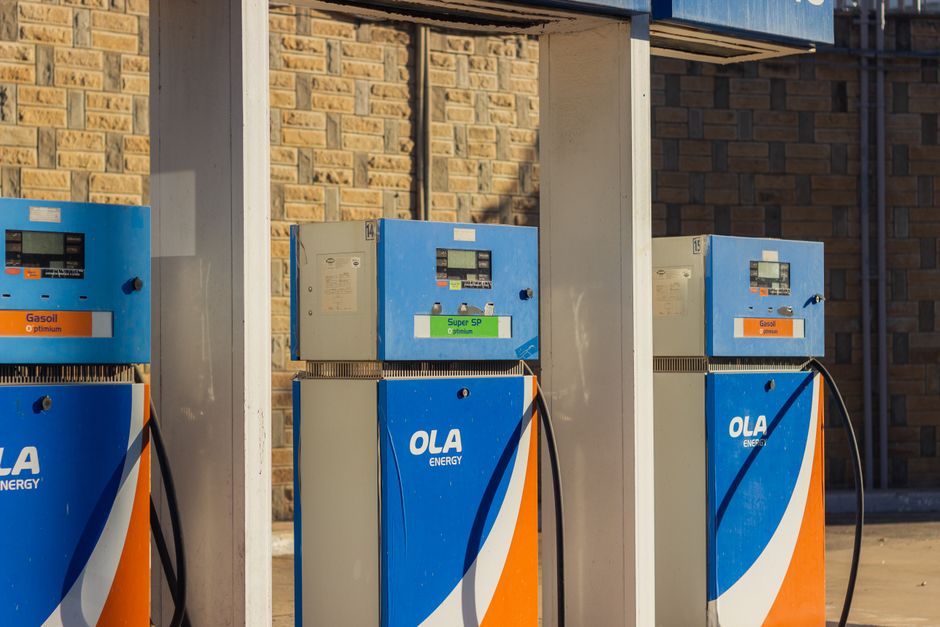
The Dangote Refinery’s own explanation for why the price cut could not be more substantial points to something called inventory costs - and this is arguably the most instructive part of the entire story. Refineries, especially those of the scale and complexity of the Dangote facility, carry enormous volumes of crude oil and refined products in storage at any given time. That inventory was purchased at earlier, often higher, crude oil prices and with financing costs attached. When global crude prices shift or when a refinery wants to lower its selling price, it cannot simply reset its cost base overnight. It has to work through existing stock that was acquired at whatever it cost at the time of purchase, and selling below those acquisition costs would mean absorbing losses on already-committed capital. The refinery is essentially saying: we want to give you more relief, but our books won’t let us go further right now without burning through cash we need to keep operating efficiently.
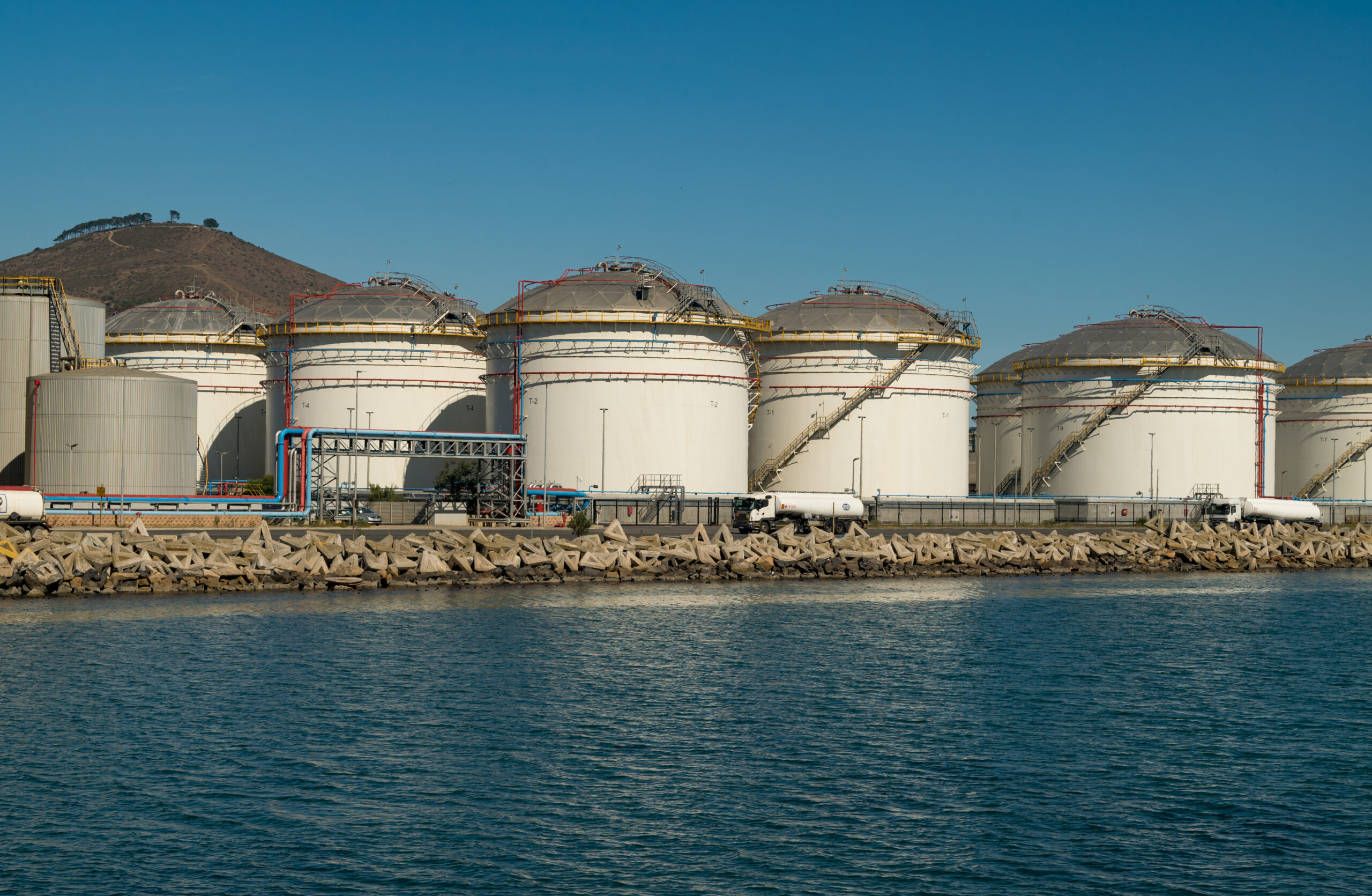
This is a legitimate operational reality, not an excuse, and it is worth understanding as such. Large refineries worldwide deal with inventory valuation challenges all the time, particularly when they are still in early operational phases and ramping up to full capacity. The Dangote Refinery has been navigating a complex startup period, dealing with everything from crude supply negotiations with the Nigerian National Petroleum Company Limited (NNPC) to the logistical mechanics of distributing product across a country with Nigeria’s infrastructure challenges. The fact that the refinery is already competing on price and issuing reductions, even modest ones, suggests the operation is maturing. But “maturing” and “delivering maximum consumer relief immediately” are not the same thing.