Why a Three-Ingredient Snack Recipe Is Having a Moment Right Now
There is something quietly radical about a recipe that refuses to be complicated. At a time when food content online is increasingly dominated by elaborate multi-step processes, imported spice blends, and equipment that most people do not own, a three-ingredient homemade snack cuts through the noise in a way that feels almost rebellious. It is the kind of recipe that makes you look at your kitchen differently - less like a place where you fall short and more like a place where something delicious is already possible. Kikifoodies understands this, and the homemade sweet potato chips recipe that has been circulating across Nigerian food communities is proof of that instinct working at its best.
The timing is also worth noting. Nigeria is navigating one of its most difficult cost-of-living periods in recent memory, with food inflation running persistently high through 2024 and into 2025. The price of imported snacks and packaged goods has climbed steeply, pushing consumers - especially urban, middle-class Nigerians who once stocked supermarket shelves with foreign chips and crackers - to reconsider what they buy and why. Against that backdrop, a recipe that converts one of the cheapest and most available root vegetables in Nigerian markets into a crunchy, satisfying snack is not just convenient. It is genuinely timely.
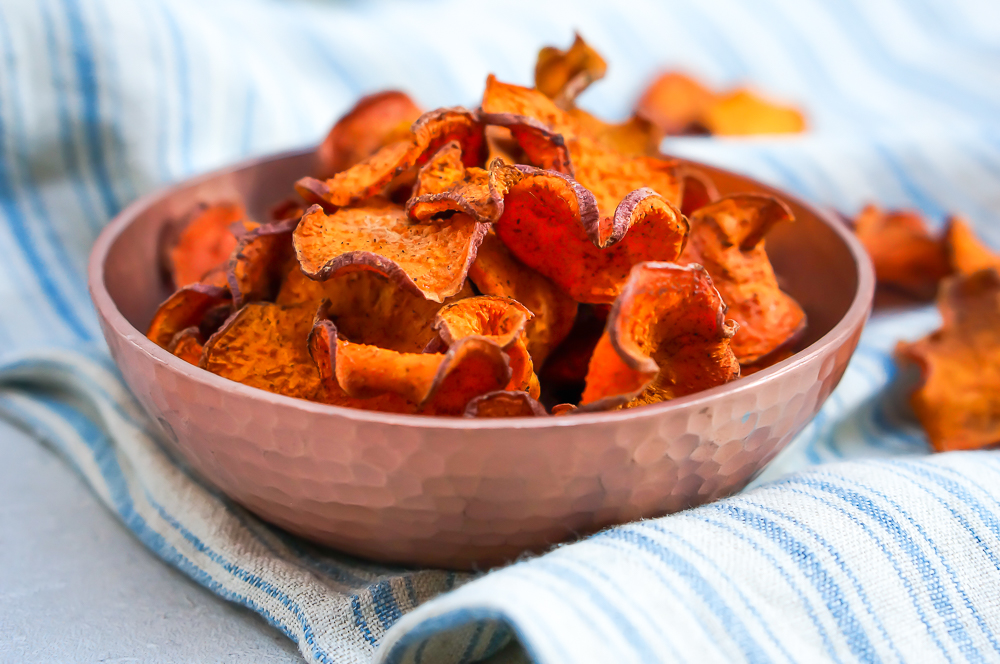
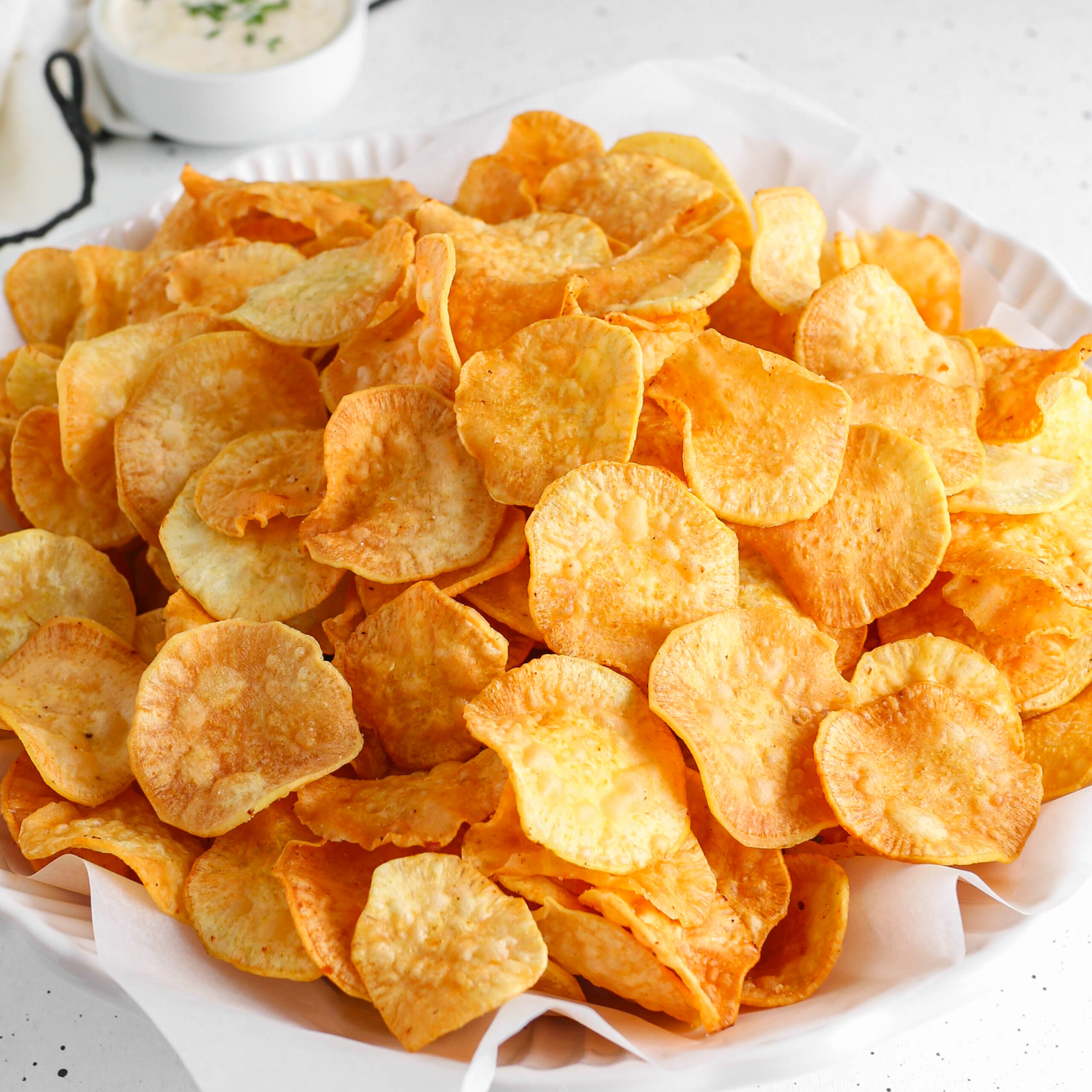
Image: Minimalist Baker
Kikifoodies: The Food Creator Turning Everyday Ingredients Into Something Special
Kikifoodies has built a following by doing exactly what the name suggests - making food feel approachable, joyful, and rooted in real kitchens rather than aspirational ones. Operating primarily across Instagram and YouTube, the creator has cultivated a community of home cooks who trust the content not because it is flashy but because it consistently delivers recipes that actually work in Nigerian home conditions - gas cookers, local markets, and all. The sweet potato chips recipe is a natural extension of that brand philosophy: take something familiar, apply the right technique, and let the result speak for itself.
What sets Kikifoodies apart from the broader wave of food content creators is a specific sensitivity to Nigerian ingredients and palates. Rather than adapting Western recipes with local substitutions as an afterthought, the approach tends to start from what is already available locally and build outward from there. The choice to use classic white sweet potatoes - known in Nigeria as dundun funfun in Yoruba - rather than the more internationally photographed orange-fleshed variety is a small but meaningful editorial decision. It signals that this recipe was designed for Nigerian kitchens, not just translated into them.
Breaking Down the Recipe - What Makes It Actually Work
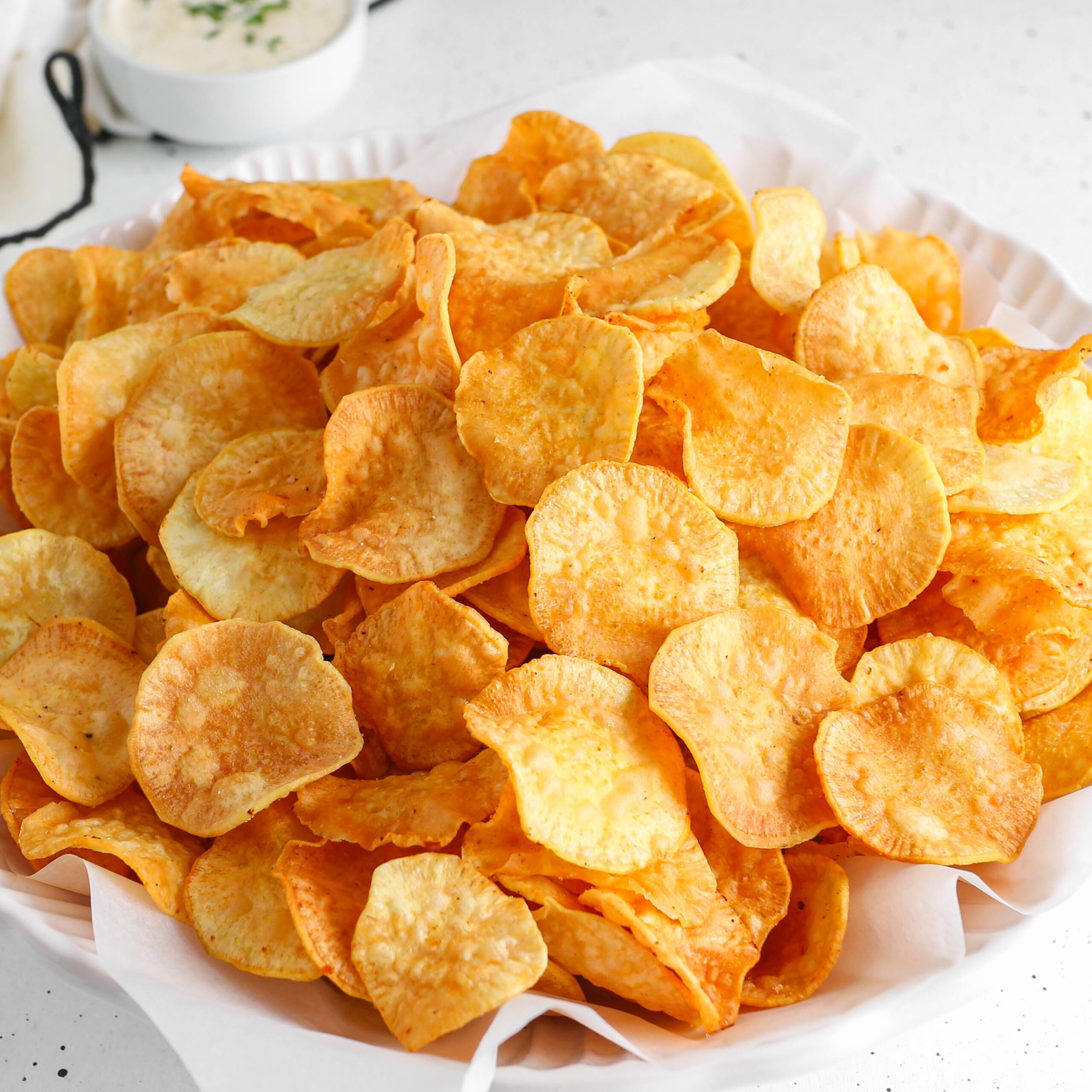
The genius of a three-ingredient recipe is not that it is lazy - it is that it forces whoever designed it to understand each component deeply enough to know what is essential and what is noise. In the case of these homemade sweet potato chips, the ingredients are the white sweet potato itself, oil for frying, and salt. That is it. No cornstarch coating, no spice rubs, no egg wash. And yet the result, according to the recipe, is a chip that fries up crisp and golden with a clean, slightly sweet flavour that holds its texture well after cooking.
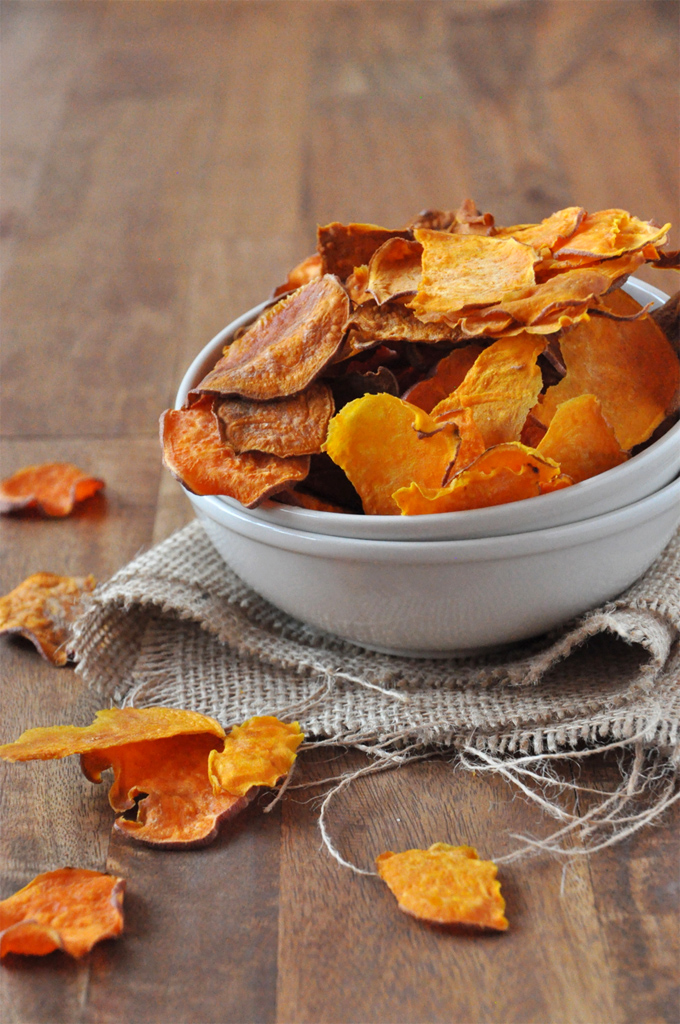
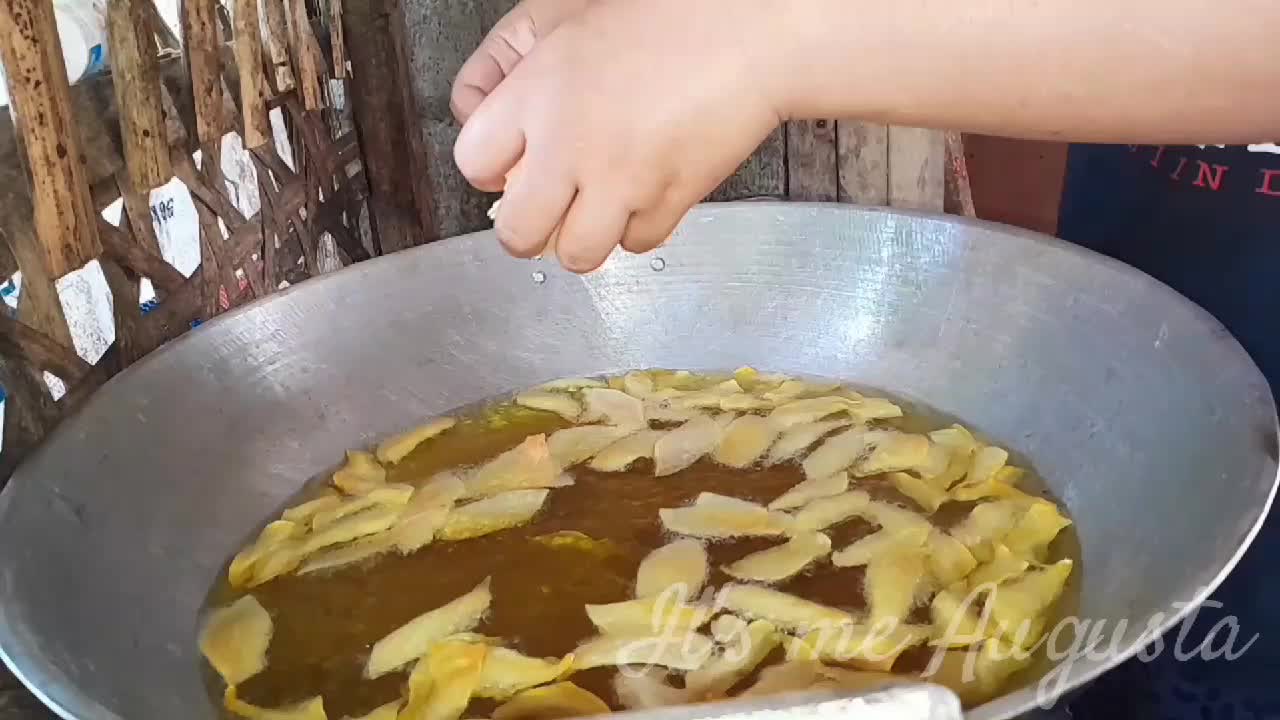
The technique matters here as much as the ingredients. Thinly sliced sweet potatoes - ideally cut on a mandoline or with a sharp knife to achieve consistent thickness - are the foundation of getting an even fry. Too thick and you get a soft centre with a burnt exterior. Too thin and they disintegrate in the oil. The white sweet potato is particularly suited to this method because its lower moisture content compared to the orange variety means it releases less steam during frying, which is precisely what allows the exterior to crisp properly rather than staying limp. The frying temperature also plays a role: oil that is not hot enough leads to greasy chips, while correctly heated oil produces that satisfying snap that makes homemade chips genuinely competitive with their packaged counterparts.
Ad SpaceIn-Article - 300x250
Advertisement
Salt, the third and final ingredient, does more than season here. Added immediately after frying while the chips are still hot and glistening, it adheres to the surface before the oil fully cools and sets, ensuring every bite carries the flavour rather than having it pool at the bottom of the serving bowl. It is a small detail, but it is the kind of detail that separates a good recipe from a great one - and it suggests the creator tested this enough times to notice the difference.
Image: Biscuits & Burlap
Sweet Potato in Nigerian Food Culture: More Than a Side Dish
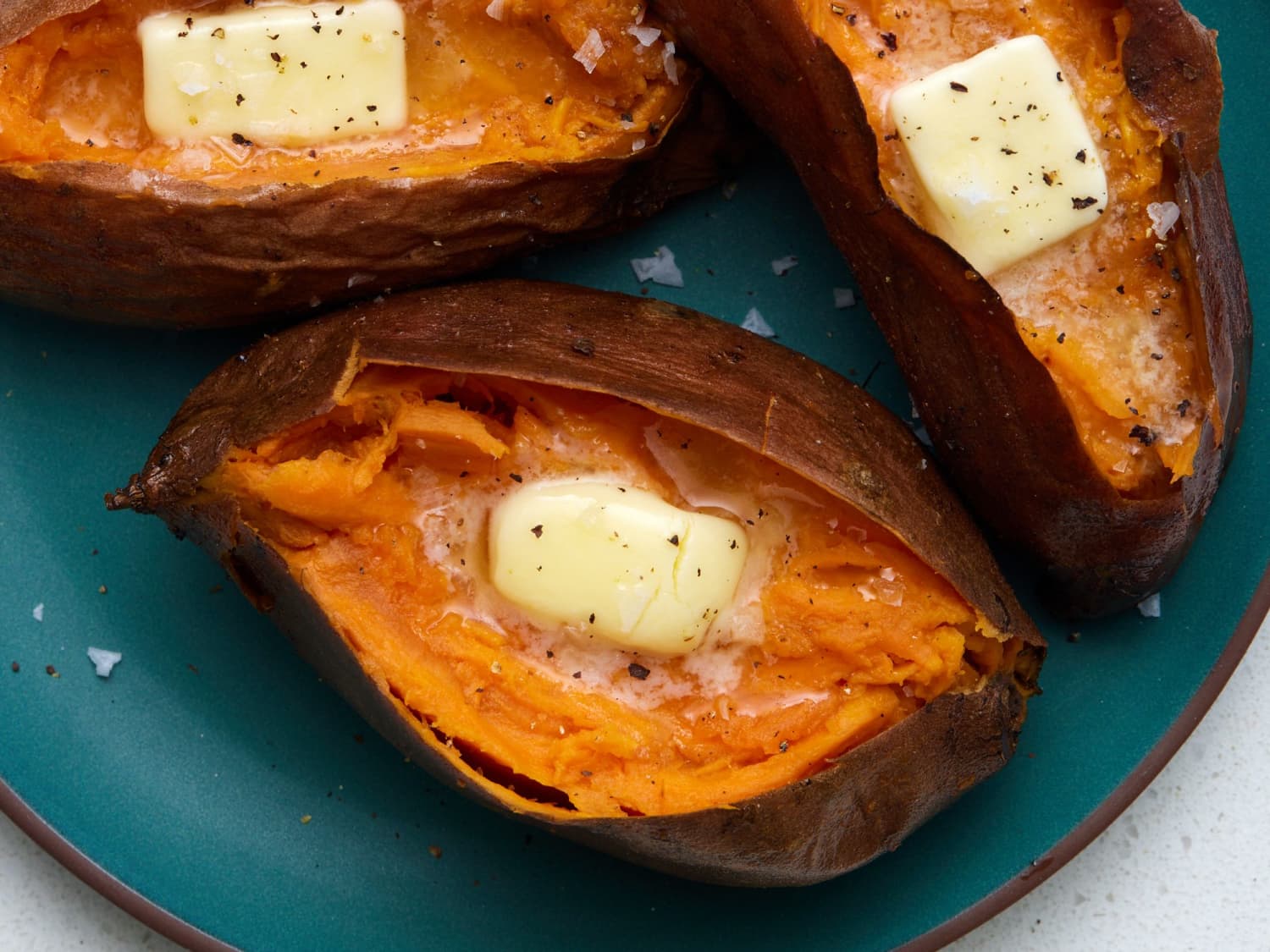
Sweet potato has been part of the Nigerian food landscape long before it became a global wellness trend. Across the country’s six geopolitical zones, it appears in different forms - boiled and eaten with palm oil, roasted over open fire during the harmattan season, fried into cubes alongside plantain, or pounded into certain local dishes in the Middle Belt. The white-fleshed variety in particular is ubiquitous in markets from Lagos Island to Kano’s Sabon Gari market, available year-round and affordable even when other staples have become expensive. It is, in many ways, the quiet workhorse of the Nigerian kitchen - present everywhere, celebrated almost nowhere.
That relative invisibility is part of why the Kikifoodies recipe lands with such cultural weight. It is not introducing Nigerians to sweet potato - they already know it. What it is doing is repositioning it: from the background of the plate to the centre of the snack bowl, from peasant staple to crunchy treat worth making deliberately. This kind of culinary reframing has real cultural value. It is similar to the way jollof rice went from being a home-cooked everyday dish to becoming a source of intense national pride and international conversation - not because the food changed, but because the framing around it did. A well-made recipe, shared at the right moment, can shift perception.
Image: YouTube
The African Food Creator Economy and Why Recipes Like This Resonate
The African food creator economy is experiencing a period of genuine momentum. Platforms like Instagram and TikTok have given Nigerian food creators in particular an audience that extends well beyond Lagos or Abuja - diaspora communities in London, Houston, Toronto, and Johannesburg engage daily with content that connects them to home through familiar smells and flavours translated into video. Creators like Sisi Yemmie, Chef Lola’s Kitchen, and All Nigerian Recipes have demonstrated that there is a massive, loyal, and underserved audience for authentic African food content, and newer voices like Kikifoodies are building on that foundation with their own distinct approach.
What is particularly interesting about the current moment is how economic pressure in Nigeria is reshaping the kind of content that performs well. Through 2024, as the naira continued to struggle against major currencies and imported food items became increasingly unaffordable, recipes using local, low-cost ingredients saw a noticeable surge in engagement across Nigerian food communities. A homemade chip recipe built around a vegetable that costs a few hundred naira per kilogram at any local market is not just a snack idea in that context - it is a form of practical solidarity. Kikifoodies is not making a political statement, but the timing of this content and its alignment with where everyday Nigerians actually are right now is not an accident either.
Kikifoodies, Classic White Sweet Potatoes, and the Snack You Did Not Know You Needed
What makes the Kikifoodies sweet potato chips recipe worth paying attention to is not any single dramatic innovation - it is the accumulation of small, correct choices. The selection of classic white sweet potatoes over flashier alternatives. The restraint of stopping at three ingredients rather than padding the list to seem more authoritative. The focus on frying technique over novelty add-ins. These decisions collectively produce a recipe that is reproducible by anyone with a frying pan, a sharp knife, and a bag of sweet potatoes from the nearest market. That accessibility is the whole point, and it is rarer in food content than it should be.
The broader lesson here is about what Nigerian food content does best when it is operating at its strongest: it dignifies the ordinary. It takes the ingredients that have been sitting in Nigerian homes and markets for generations and demonstrates, with clarity and care, that they were always capable of producing something excellent. The white sweet potato did not need to become orange to be worthy of a recipe. It did not need foreign spices or a restaurant kitchen. It needed someone to slice it right, heat the oil properly, and salt it immediately out of the pan. Kikifoodies figured that out - and now so does everyone who follows the account.
Image: Kiki Foodies
Ad SpaceIn-Article - 300x250
Advertisement
Share
Get the recap
Loved this story? Get more like it.
Join readers who get our weekly entertainment recap - the stories worth your time, delivered every Friday.
No spam. Unsubscribe anytime. By signing up you agree to our Privacy Policy.