
Table of Contents
- Mbappe Speaks, and the Room Goes Quiet
- What Actually Went Wrong for France Against Spain
- The Captaincy Question Nobody Wants to Answer
- Why Africa and Nigeria Were Watching This One Closely
- Mbappe at the Crossroads of Greatness
- The Captain, the Dressing Room, and the Unfinished Business of Kylian Mbappe
Mbappe Speaks, and the Room Goes Quiet
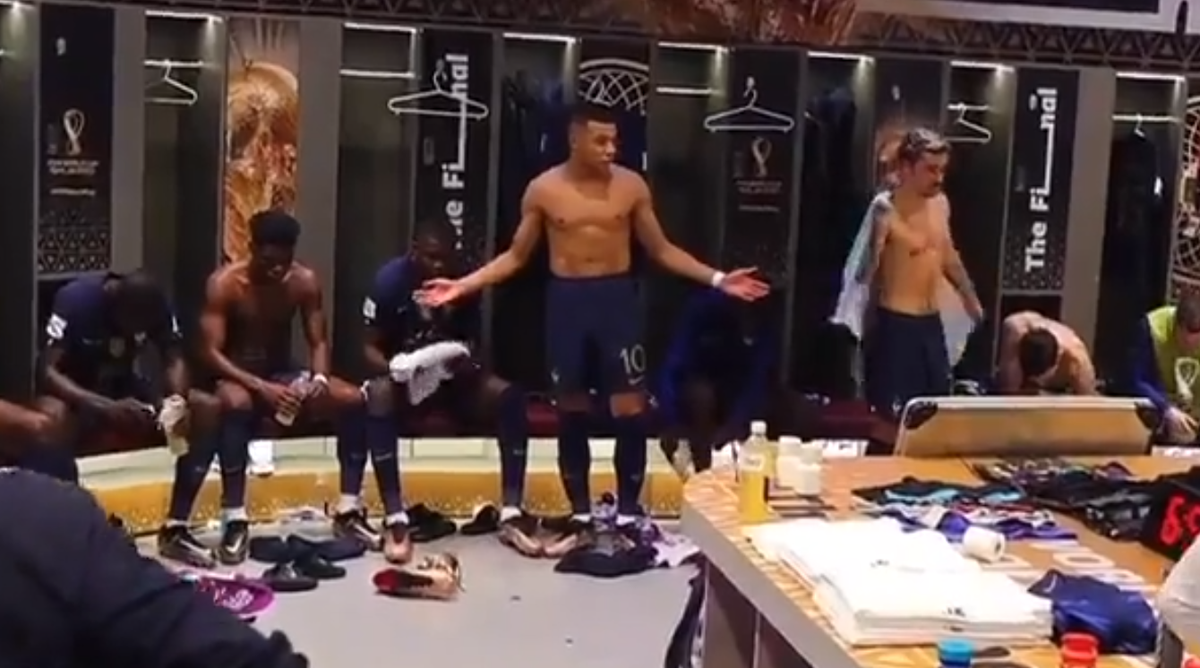
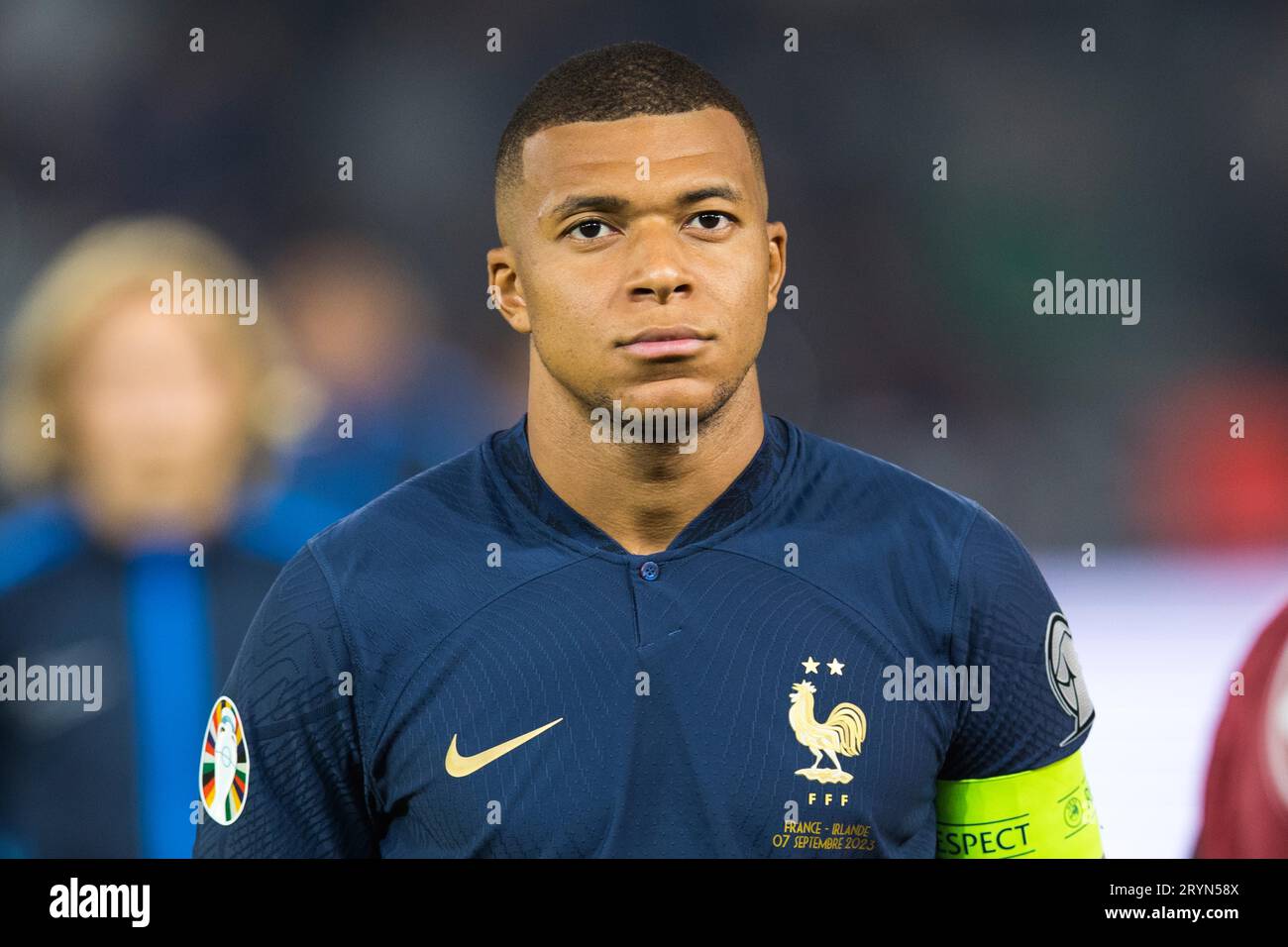
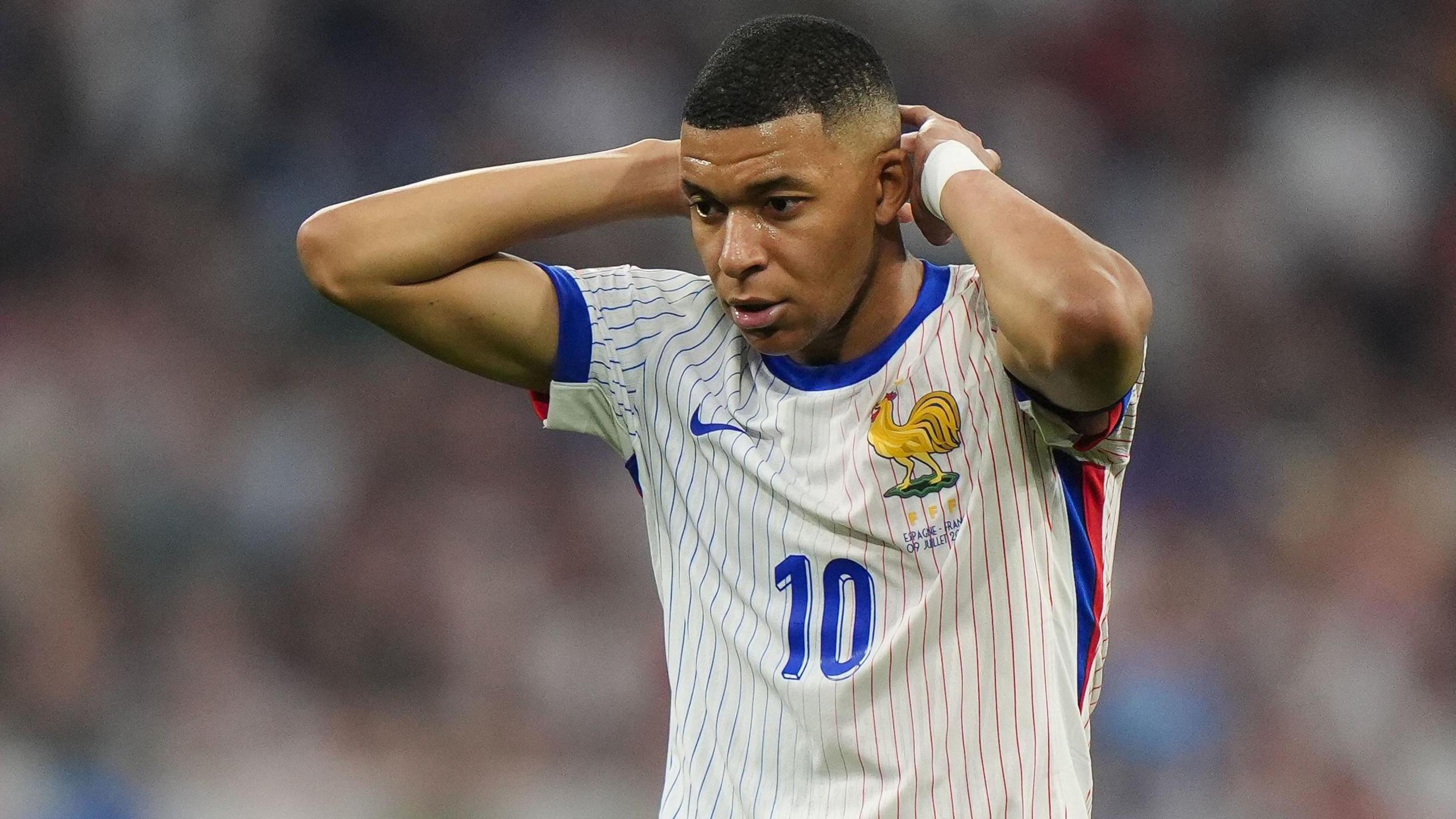
There is a particular kind of silence that follows a public figure saying something honest but uncomfortable, and Kylian Mbappe produced exactly that kind of moment after France’s 2-0 elimination at the hands of Spain in the World Cup semi-final. Rather than retreating into the safe language of tournament football - “we gave everything,” “it wasn’t our night,” “we’ll be back stronger” - Mbappe stood in front of the cameras and essentially told the world that France, as a collective, simply were not good enough. He did not spare himself from that assessment, but he made it clear the shortcomings were widespread. It was the kind of post-match honesty that is rare at this level, where media training and public relations instincts usually smooth every rough edge before a word reaches the press.
For a player of Mbappe’s stature, 25 years old, already carrying the weight of being the heir to a footballing throne that once belonged to Zinedine Zidane and Thierry Henry, the statement landed differently than it would have coming from a fringe player. This was the captain talking. This was the man Real Madrid paid a premium to acquire in the summer of 2024, finally delivering on a transfer saga that had dragged on for the better part of three years. And this was the same player who scored in the 2018 World Cup final as a teenager and nearly dragged France to victory single-handedly against Argentina in the 2022 final in Qatar, finishing that match with a hat-trick in a 3-3 draw before France lost on penalties. Mbappe’s credibility to speak on football performance is, to put it simply, not in question.
What Actually Went Wrong for France Against Spain
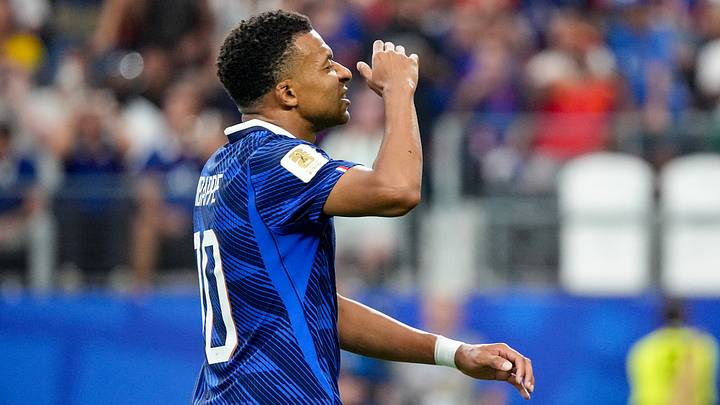
France’s 2-0 defeat to Spain was not a performance that invited sympathy. Spain, a side that has been building something genuinely exciting under their current generation - Lamine Yamal, Pedri, Nico Williams, and the composed Rodri anchoring the midfield - were sharper, more connected, and more purposeful from the opening whistle. Les Bleus, by contrast, looked like a team playing in parallel rather than together, individual talent running in separate directions without a coherent thread pulling them into shape. This has been a recurring criticism of France going back years now, the idea that they have too many stars and not enough of a system, that the dressing room dynamic is complicated in ways that the final scoreline only partially reveals.
Mbappe’s frustration after the match was not born from this game alone. France had shown flickers of brilliance in earlier rounds but never the kind of sustained, dominant football that their squad depth should allow. When you have a group containing the pace and finishing ability of Mbappe, the creativity of Antoine Griezmann, and the physical presence of Marcus Thuram, a 2-0 loss to anyone in a World Cup semi-final is a failure of implementation, not talent. The numbers from the match told a bleak story - France’s shot conversion, their pressing intensity in the final third, and their transitions from defence to attack were all measurably below what Spain produced. This was not a match decided by luck or refereeing controversy. France were second best, and Mbappe at least had the clarity to say so.
The Captaincy Question Nobody Wants to Answer
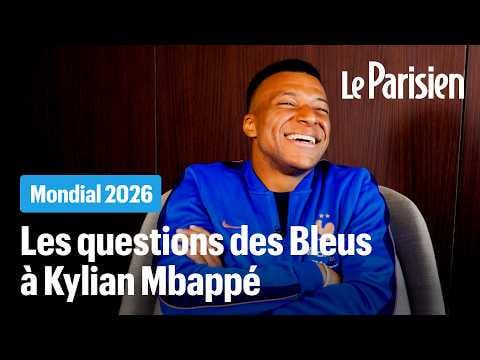
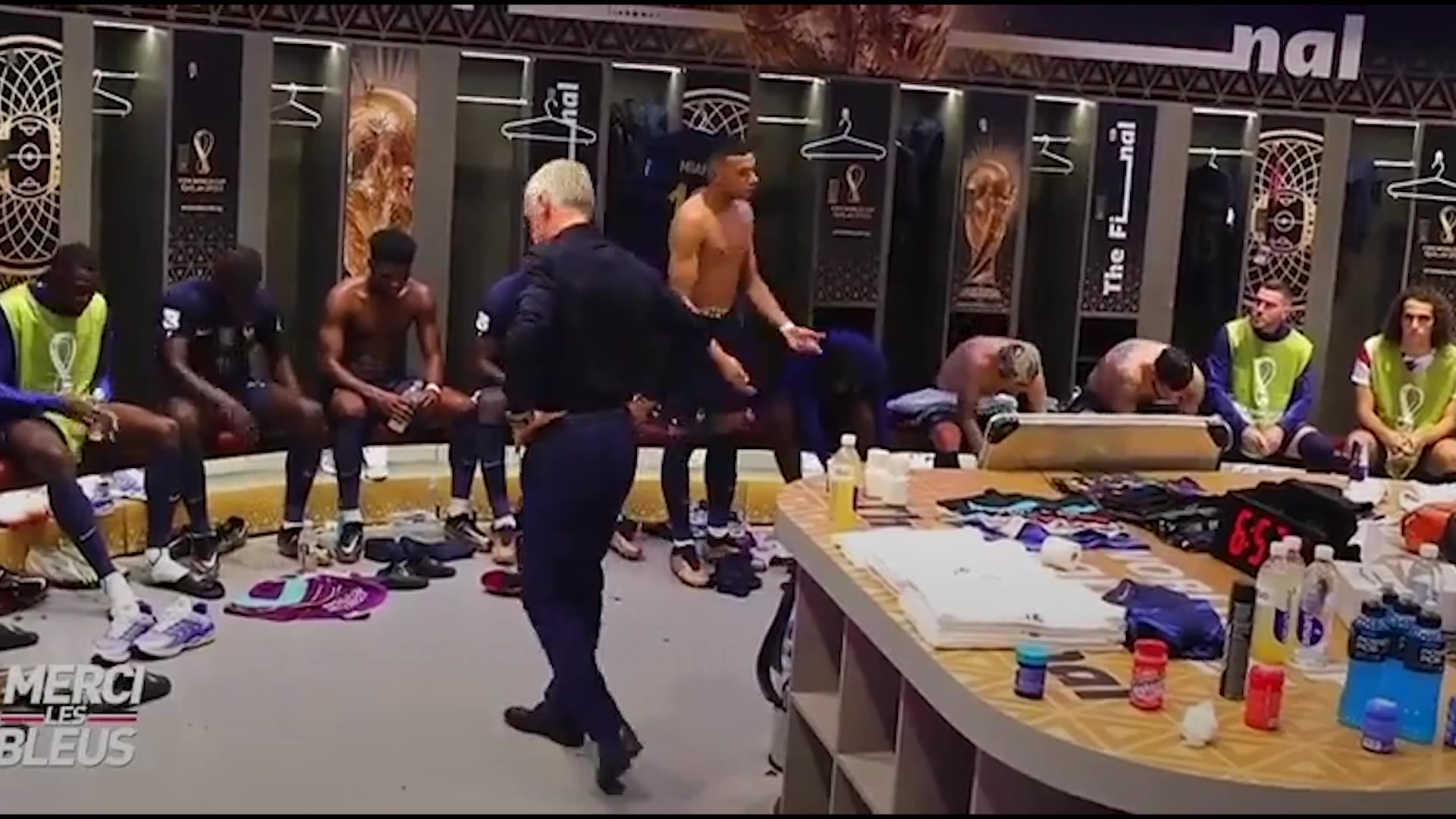
Here is where the conversation becomes genuinely complicated, because blasting your teammates publicly - even in the measured, accountable language Mbappe used - is a specific kind of leadership choice, and not everyone agrees it is the right one. There is a school of thought, well-represented in elite sport, that says what happens in the dressing room stays in the dressing room, that the captain’s job is to absorb criticism internally and present a unified front externally. Mbappe did not do that. Whether intentionally or simply out of raw post-match emotion, he chose transparency over solidarity, and that choice will follow this France squad into their next cycle of preparation.
Mbappe became France’s permanent captain relatively recently in his career, and his leadership style has always been a subject of debate. He is not a Hugo Lloris - the kind of captain who leads quietly through consistency and presence over a decade. Mbappe leads through performance, through moments of individual genius that lift a team when nothing else is working. But captaincy demands more than goals in big moments. It demands that teammates feel protected, valued, and trusted even when they underperform. The question that France’s football federation now has to sit with is whether Mbappe’s public commentary, however honest, damaged the dressing room unity he will need to rebuild this squad around ahead of the next major tournament. These things matter. Ask any sports psychologist who has worked inside elite football environments.