There are long shots, and then there is whatever this is. Robert Sylvester Kelly - the man once regarded as one of the most gifted R&B songwriters and producers of his generation - has formally submitted a request for executive clemency to the United States Department of Justice, asking President Donald Trump to reduce his 31-year federal prison sentence. The move is audacious, strategically questionable, and yet, in a strange way, completely in character for a man who spent decades operating as though the rules simply did not apply to him. Whether you read this as a desperate plea from a broken man or a calculated last roll of the dice, the petition has landed squarely in the centre of a national conversation about celebrity, accountability, and who gets mercy in America.
Kelly’s legal team filed the clemency application through official DOJ channels, invoking a process that grants the sitting president the constitutional authority to commute sentences, issue pardons, or otherwise intervene in federal convictions. The move is legal, procedurally sound, and - it has to be said - extraordinarily unlikely to succeed. But the fact that it has been filed at all is worth unpacking carefully, because the story of R Kelly’s fall, his sentence, and now this petition is about a lot more than one man’s freedom.
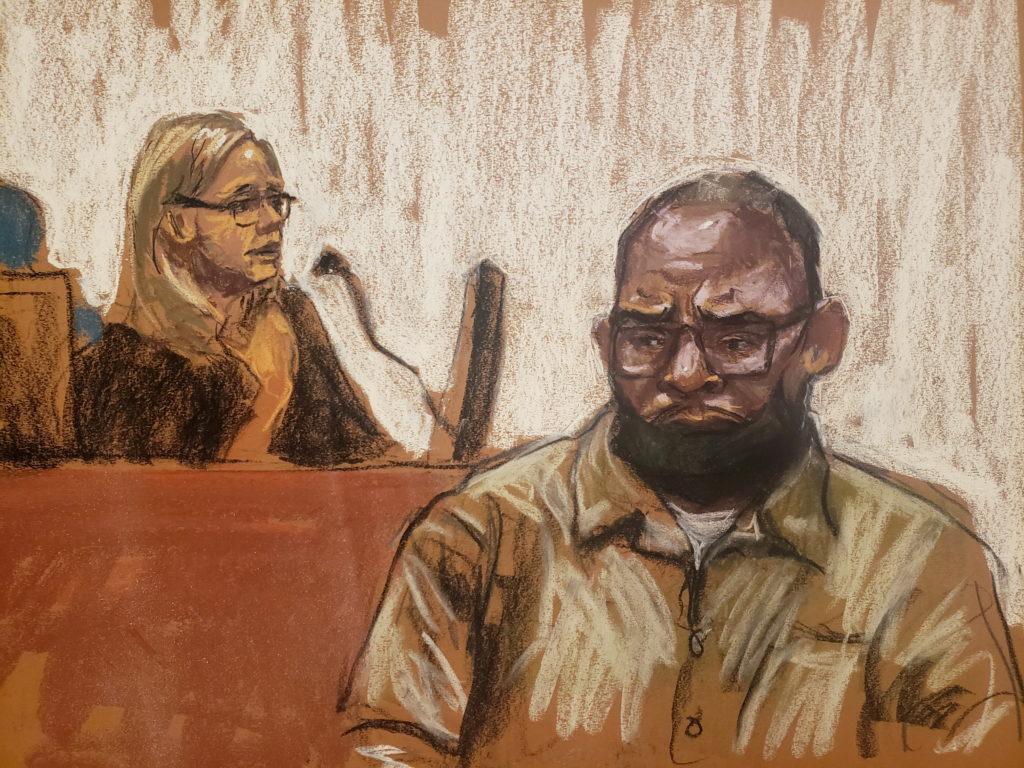
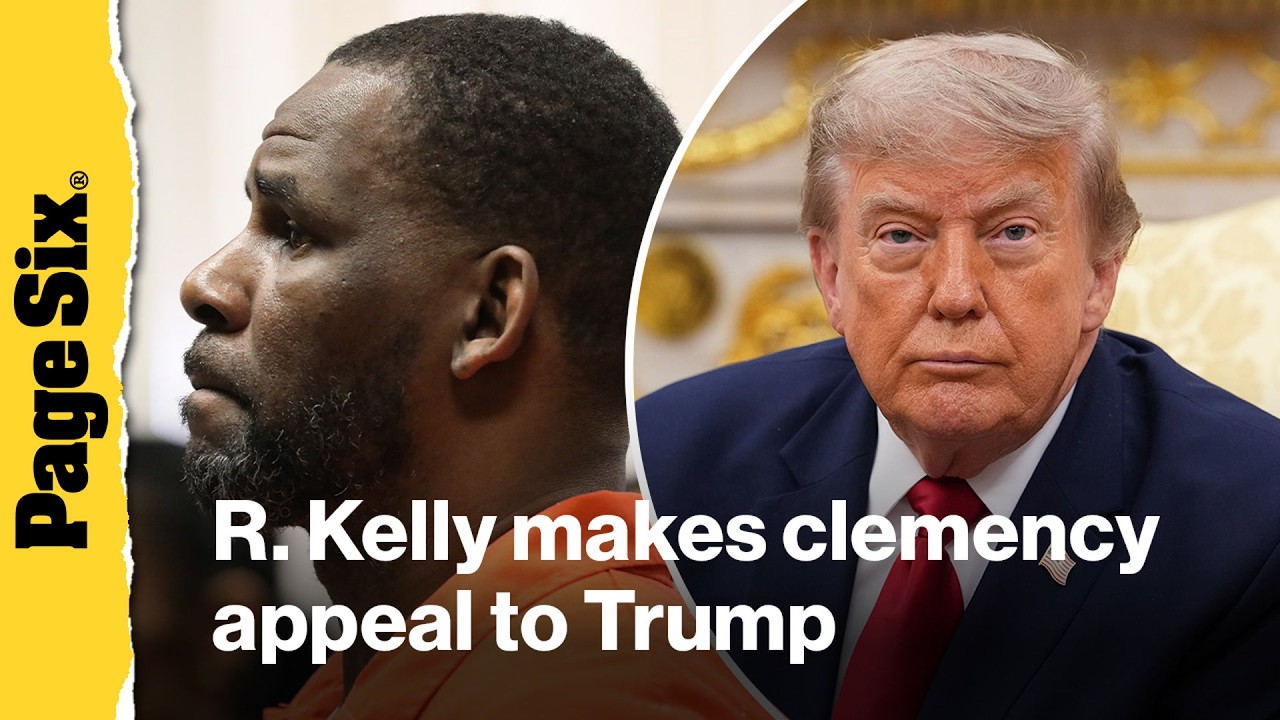
Image: WTTW News
How R Kelly Ended Up With 31 Years
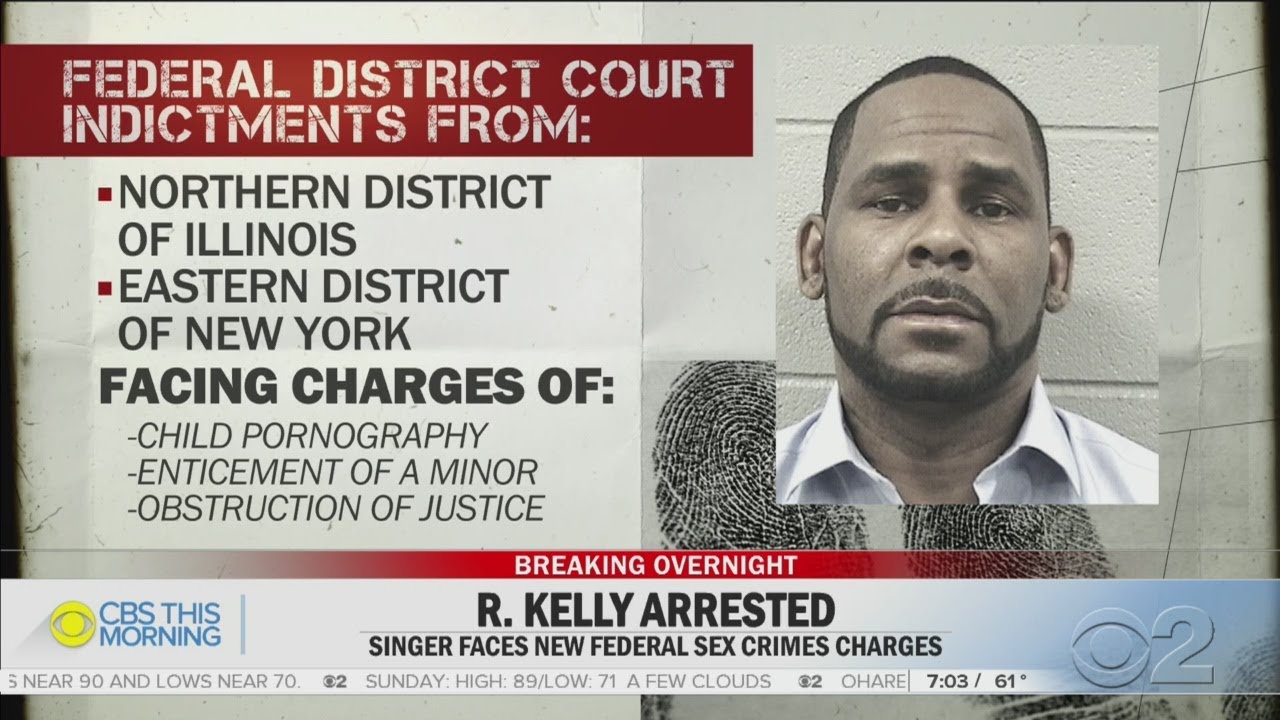
To understand why this petition is such a mountain to climb, you need to revisit just how comprehensively Robert Kelly was convicted. In September 2021, a federal jury in Brooklyn, New York found Kelly guilty on all nine counts of a racketeering indictment, including sexual exploitation of a child, bribery, and the coercion and enticement of minors for sexual activity. The prosecution argued - and the jury agreed - that Kelly ran an organised criminal enterprise designed to recruit, groom, and abuse young women and girls over a period spanning nearly three decades. In June 2022, Judge Ann Donnelly sentenced him to 30 years in federal prison, which effectively means he would be in his late eighties before he could walk free.
Then came a second round of federal charges out of Chicago, where Kelly was convicted in September 2022 on counts of child pornography and obstruction of justice, with Judge Harry Leinenweber adding an additional year to his sentence - bringing the total to 31 years. Prosecutors in that trial presented evidence of a recorded sexual assault of a 14-year-old girl, a tape that had been at the centre of public knowledge since at least 2002, when it was first reported on by the Chicago Sun-Times. Kelly was famously acquitted in a 2008 state trial over that tape, a verdict that many observers and survivors’ advocates described as a miscarriage of justice. The federal convictions, two decades later, were widely seen as a correction of that history. His current projected release date, barring any intervention, places him in his mid-eighties.
Image: WHYY
Why Trump? The Clemency Calculation
The decision to petition Donald Trump is not accidental. Trump has demonstrated a willingness to use his clemency powers in ways that break from conventional presidential precedent - he issued 237 pardons and commutations during his first term, many of them to political allies, controversial figures, or individuals whose cases had attracted significant public attention. His second term has already seen him sign pardons and direct his administration to review a range of federal cases, including some with high-profile cultural or political resonance. Kelly’s team appears to be betting that the current political climate - one in which federal prosecutions are being scrutinised and in some cases rolled back - creates a window that simply would not exist under a different administration.
There is also a subtler calculation at play. Kelly’s supporters - and he still has them, in spite of everything - have long argued that he was selectively prosecuted, that his race played a role in the severity of his punishment, and that the machine of celebrity justice grinds down Black men with particular ferocity. It is a genuinely complicated argument, not because the convictions are in any way questionable, but because those systemic points about race and the justice system are independently true and simultaneously irrelevant to the specific facts of Kelly’s crimes. His legal team may be hoping that Trump’s documented scepticism of certain federal prosecutions, combined with broader culture-war narratives around cancellation and the justice system, might create sympathetic conditions for a clemency grant. That is a gamble, and most legal analysts regard it as a losing one.
Ad SpaceIn-Article - 300x250
Advertisement
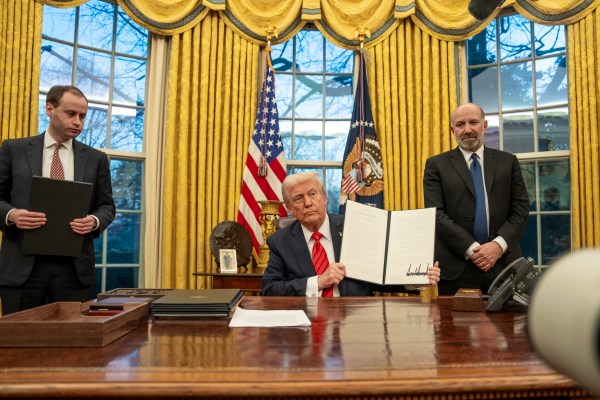
Image: The White House
When Fame Meets Federal Time
R Kelly’s case sits at the intersection of two of the most discussed fault lines in American public life: the power of celebrity to delay justice, and the eventual limits of that power. For more than two decades, Kelly was accused, sued, investigated, and documented - and continued to record, perform, and collect Grammy nominations. His 1998 double album R sold over six million copies in the United States alone. “I Believe I Can Fly,” the track that won him three Grammys at the 1998 ceremony, became one of the most ubiquitous inspirational songs in American culture, used at school graduations and sporting events across the country for years. He produced for Aaliyah, collaborated with Jay-Z on the Best of Both Worlds albums in 2002 and 2004, and remained commercially relevant through the 2010s even as the allegations against him were extensively documented.
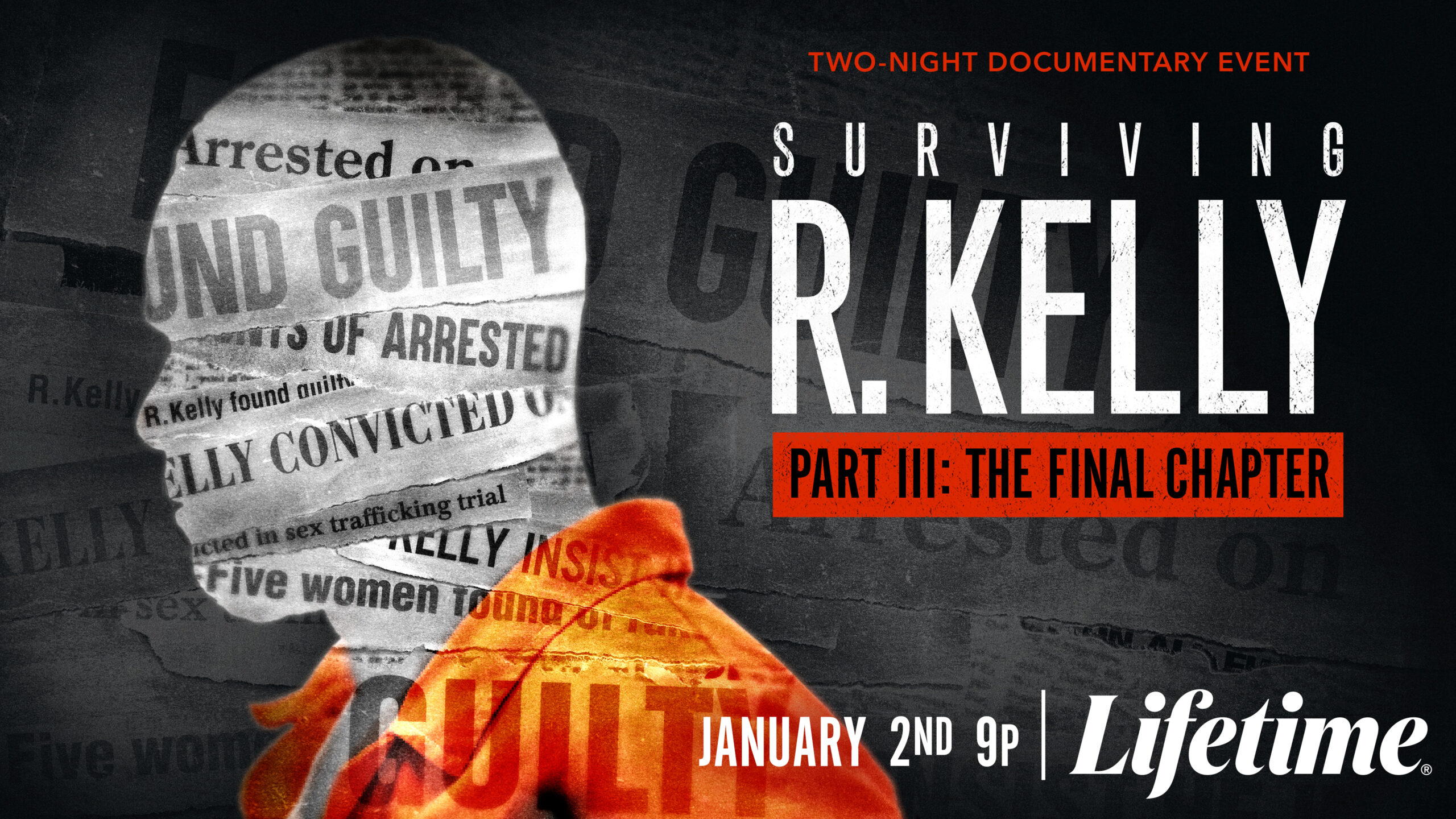
The 2019 Lifetime documentary series Surviving R Kelly became a cultural turning point, giving survivors a platform that mainstream media had largely denied them for years. The series triggered a renewed wave of public pressure, led directly to his criminal indictment in February 2019, and became a landmark in the #MeToo conversation around how the music industry protects powerful men. Since his federal convictions, Kelly has been held at the Federal Correctional Institution in Butner, North Carolina - the same facility that once housed Bernie Madoff. He has continued to appeal his convictions through the courts, and those appeals have so far been unsuccessful. The clemency petition is, in that context, a move born less from legal confidence than from a dwindling set of options.
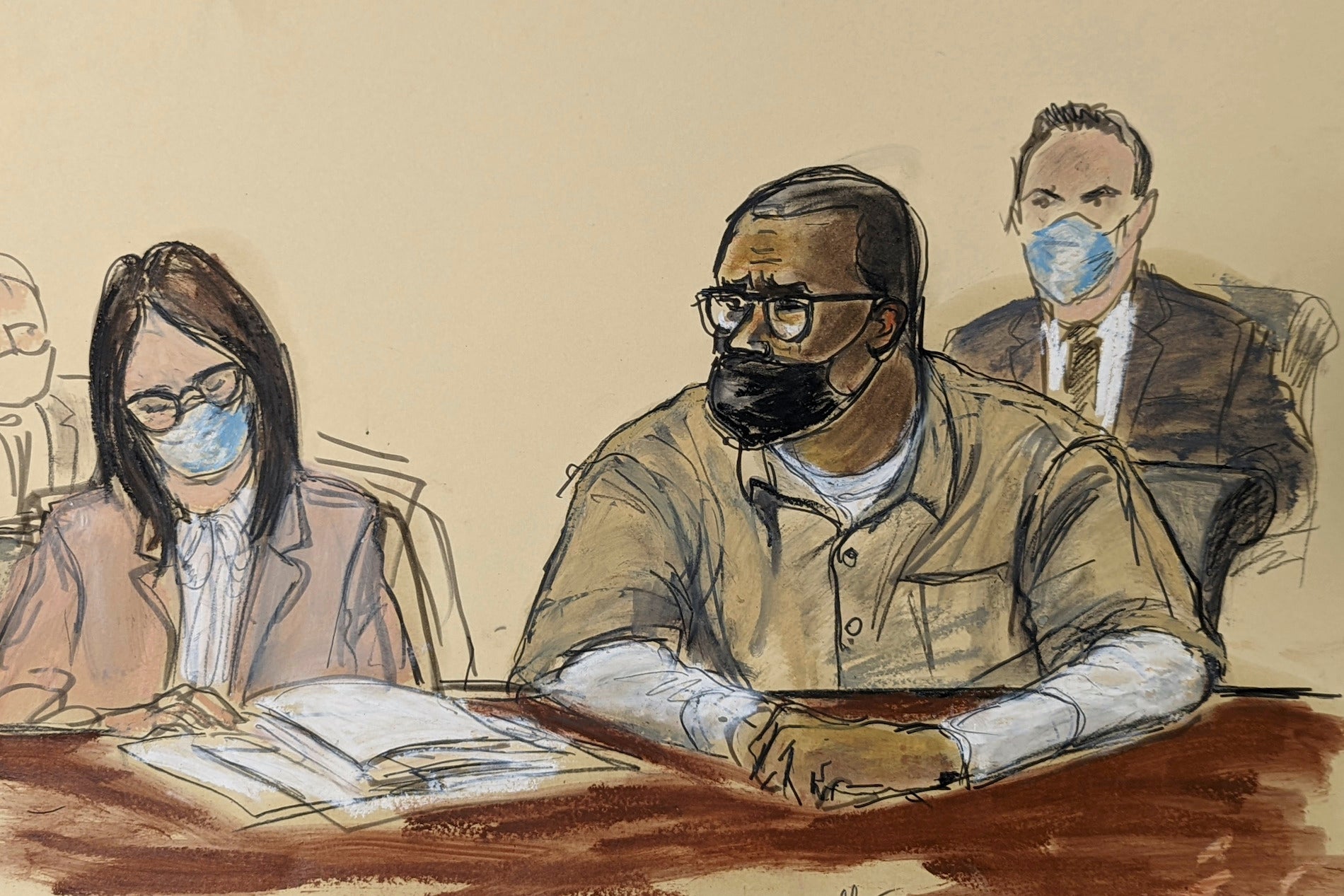
Image: Deadline
What This Means When You’re Watching From Africa
For Nigerian and broader African audiences, the R Kelly story has always carried a specific and uncomfortable resonance. Kelly’s influence on African popular music is not a footnote - it is a structural fact. The melodic, gospel-rooted R&B that he helped define in the 1990s ran directly into the veins of what would become Afrobeats, shaping how a generation of artists thought about arrangement, vocal runs, and the relationship between church music and secular feeling. Artists like 2Baba - who came up during the peak of Kelly’s commercial dominance - have spoken about that era of American R&B as formative. The man’s music was inescapable on Lagos radio in the late 1990s and early 2000s, and its echoes are not hard to find in the melodic structures of contemporary acts from Burna Boy to Flavour.
That context makes the Kelly case a genuinely difficult one for many African fans and commentators, because the appreciation for the music is real, and so is the need to hold the documented harm in clear view at the same time. The Nigerian entertainment industry has had its own reckoning with how it handles allegations of abuse by powerful figures, and the mechanisms of accountability here - the documented evidence, the federal prosecution, the survivor testimonies - are exactly the kind of institutional response that many advocates across Africa have argued is absent in local contexts. The Kelly petition landing during Trump’s second term, in a political environment where institutional norms are being tested, is therefore worth watching not just as celebrity gossip but as a case study in whether legal accountability for the famous and powerful actually holds.
The Uncomfortable Weight of Robert Sylvester Kelly’s Legacy
Robert Kelly was born in January 1967 in Chicago’s Woodlawn neighbourhood, grew up in poverty, was reportedly illiterate through much of his early life, and taught himself music on the streets before his talent earned him a record deal. That biography matters, not as mitigation for what he did, but as context for understanding why his story produces such a tangled emotional response in people who grew up listening to him. He is simultaneously a man of extraordinary musical gifts and a man who used his fame, wealth, and industry connections to systematically abuse the most vulnerable people around him, many of them Black teenage girls whose pain was ignored for decades precisely because they were Black, female, and without institutional power.
The clemency petition will almost certainly go nowhere. Trump’s DOJ has a full inbox of politically expedient cases to consider, and commuting the sentence of a man convicted of child sexual exploitation carries no political upside - even in today’s fractured media environment. The courts have upheld Kelly’s convictions at every level of appeal tested so far, the evidence against him was overwhelming, and the survivor community has made clear that any clemency would be a devastating betrayal. But the petition exists, and it will generate headlines, and those headlines will, once again, force the public to decide how to hold the music and the man in the same frame. That reckoning is not resolved by a petition to the White House. Robert Sylvester Kelly is 58 years old, serving 31 years, and the distance between those two numbers is the only honest measure of where this story stands right now.
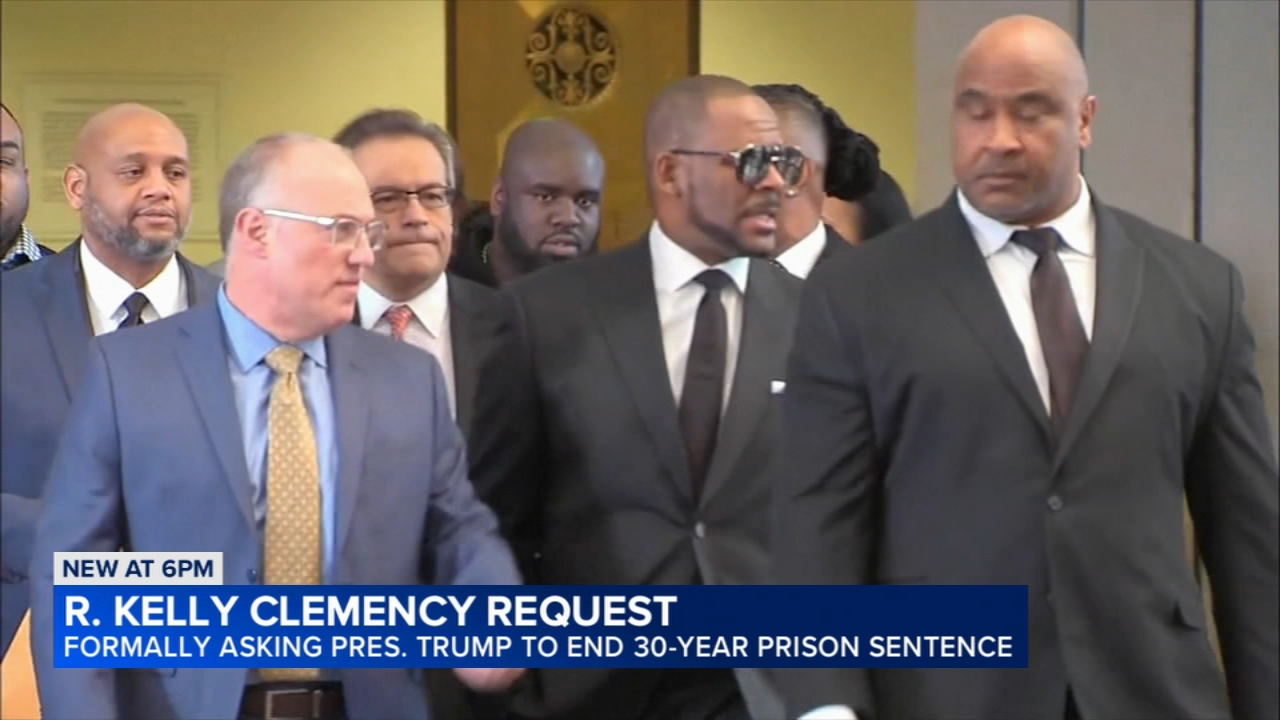
Image: YouTube
Ad SpaceIn-Article - 300x250
Advertisement
Share
Get the recap
Loved this story? Get more like it.
Join readers who get our weekly entertainment recap - the stories worth your time, delivered every Friday.
No spam. Unsubscribe anytime. By signing up you agree to our Privacy Policy.