
Stepping into Nollywood for the first time can feel like walking into a party where everyone already knows the inside jokes. The industry is enormous, the catalog stretches back decades, and the loudest recommendations from longtime fans often point newcomers toward films packed with Yoruba proverbs, Pidgin punchlines, and family dynamics that assume a shared cultural vocabulary. None of that is a flaw. It’s part of why Nollywood is the second-largest film industry on the planet by output. But for a first watch, throwing someone into a three-hour village epic with no subtitles is a fast way to lose them before the second act.
This list is built for the opposite goal. Every film below clears a specific bar: a viewer who has never set foot in Lagos, doesn’t know the difference between jollof rice and egusi, and couldn’t pick a Yoruba phrase out of a lineup should still be able to follow the story, feel the stakes, and walk away wanting more. The selections lean on a few quiet pillars. Production value has to feel modern, because first-timers compare what they see to whatever streamed last night on Netflix. Subtitles are welcome but the primary dialogue track is English, not heavy Pidgin or untranslated indigenous language. Themes are universal enough that no glossary is required. And the genre mix matters, because no single film tells the whole story of what Nollywood can do.
A quick word on what’s deliberately missing. The 90s VHS-era classics that built the industry, from “Living in Bondage” to “Glamour Girls,” are foundational and worth watching eventually, but the production quality is a hard sell for a viewer raised on 4K streaming. The same goes for the village-set morality plays that dominated the 2000s. Films shot entirely in Yoruba or Igbo without strong English exposition also get pushed to the second-tier list, not because they’re lesser, but because subtitles plus cultural framing plus visual storytelling is a heavier lift for a debut viewing. Save those for film number five or six.
The ten films below are the on-ramp.
1. Lionheart (2018)
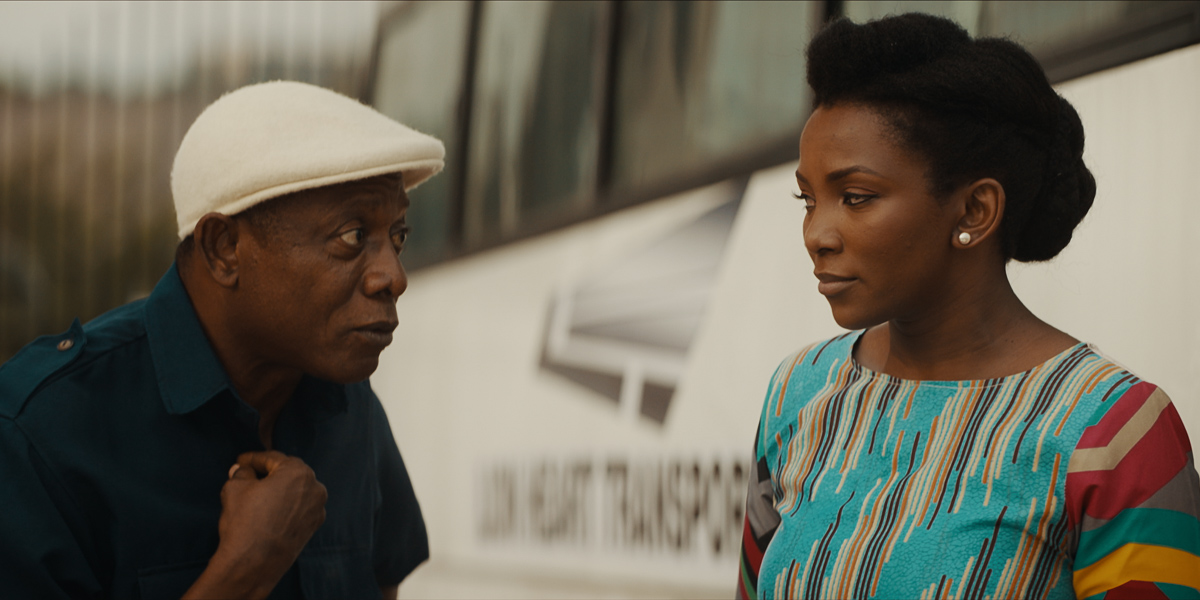
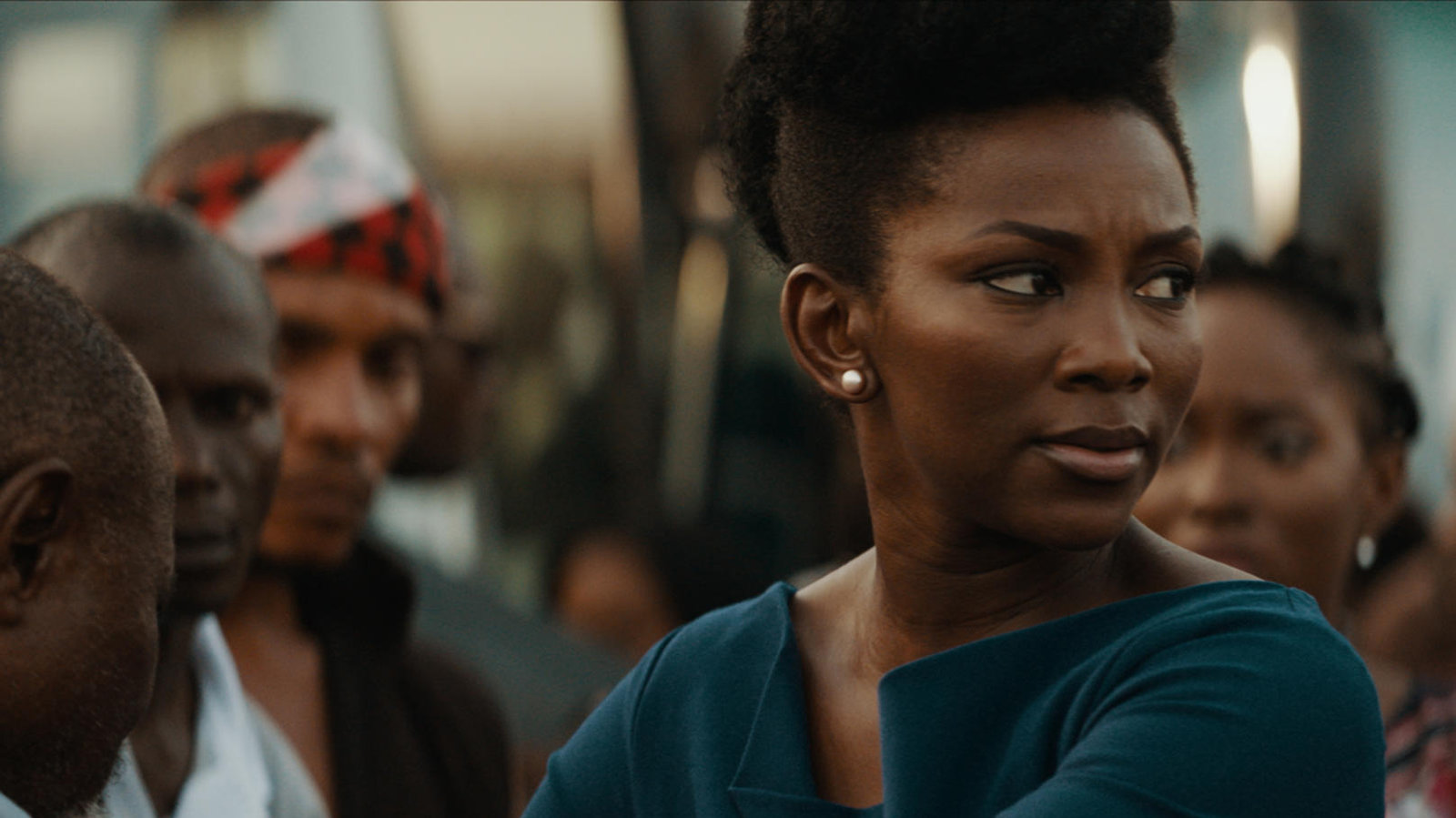
Genevieve Nnaji’s directorial debut is the safest, warmest entry point on this list. The story follows Adaeze, a young woman trying to keep her father’s transport company afloat after he steps down for health reasons, navigating a male-dominated industry and an uncle she didn’t know existed. The plot beats are familiar to anyone who has watched a Western family business drama, which is precisely the point. Nothing in the narrative requires footnotes.
What makes “Lionheart” useful as a first watch is its texture. The Enugu setting feels lived-in without ever pausing to explain itself. The boardroom scenes look like boardrooms. The family dinners look like family dinners. Pete Edochie’s gravitas as the father grounds every scene he’s in, and the comedic timing between Nnaji and Nkem Owoh provides a gentle introduction to the rhythm of Nigerian screen humor. It was also the first Nigerian original acquired by Netflix, which means the streaming experience is polished, the subtitles are clean, and the runtime is a tight ninety-five minutes. Start here when the viewer is skeptical.
2. King of Boys (2018)
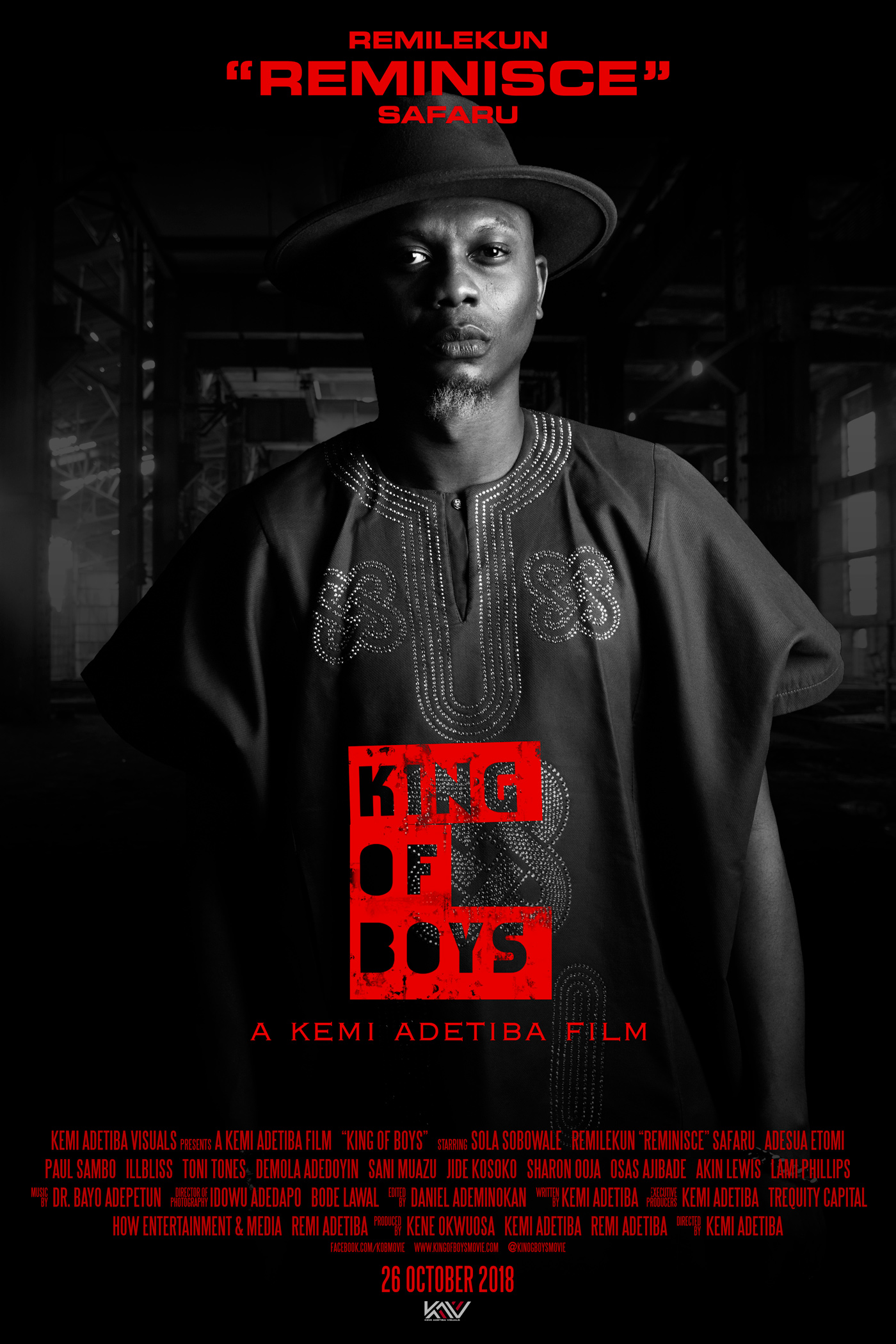
Where “Lionheart” is gentle, Kemi Adetiba’s political crime epic is a sledgehammer. Sola Sosanya, known as Eniola, is a Lagos businesswoman and philanthropist whose empire is built on the kind of underworld connections that politicians need and prosecutors fear. When a younger rival decides her time is up, the film becomes a study in how power actually moves through a city, who owes what to whom, and what a woman has to become to keep her seat at the table.
Sola Sobowale’s lead performance is the kind of work that wins international festival juries over by the second reel. The film is in English with occasional Pidgin and Yoruba threaded through dialogue, but the emotional beats are legible without any cultural decoder. The runtime is long, just over three hours, which scares some newcomers off. That’s a mistake. The pacing earns every minute, and by the time the final confrontation arrives, the viewer understands why Adetiba is treated as one of the most important directors working in West African cinema.
3. The Wedding Party (2016)
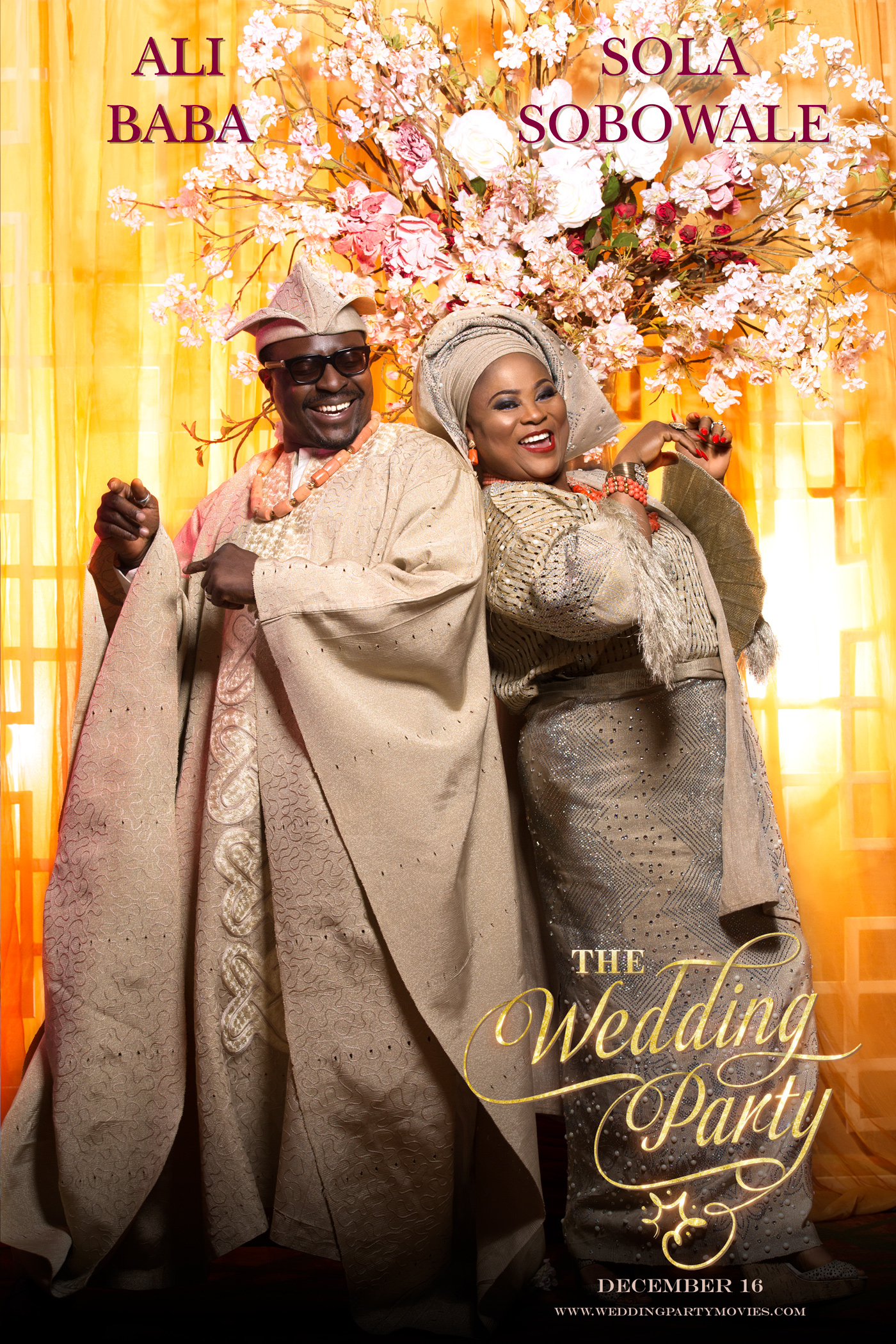
For a viewer who wants something light, fizzy, and over in under two hours, Kemi Adetiba’s romantic comedy is the obvious pick. The premise is exactly what the title promises. Dunni and Dozie are getting married. Their families have opinions. The reception turns into a delicious disaster. That’s the whole engine.
The reason “The Wedding Party” works as an entry point isn’t the plot, which is genre standard. It’s the cast and the production design. Banky W, Adesua Etomi-Wellington, Richard Mofe-Damijo, Iretiola Doyle, Sola Sobowale, and a deep bench of cameos turn the wedding hall into a stage where everyone gets at least one moment. The colors are saturated, the fashion is loud in the best way, and the film became Nigeria’s highest-grossing release ever when it came out, with good reason. First-time viewers leave it understanding why Nigerian weddings are their own film genre.
4. Citation (2020)
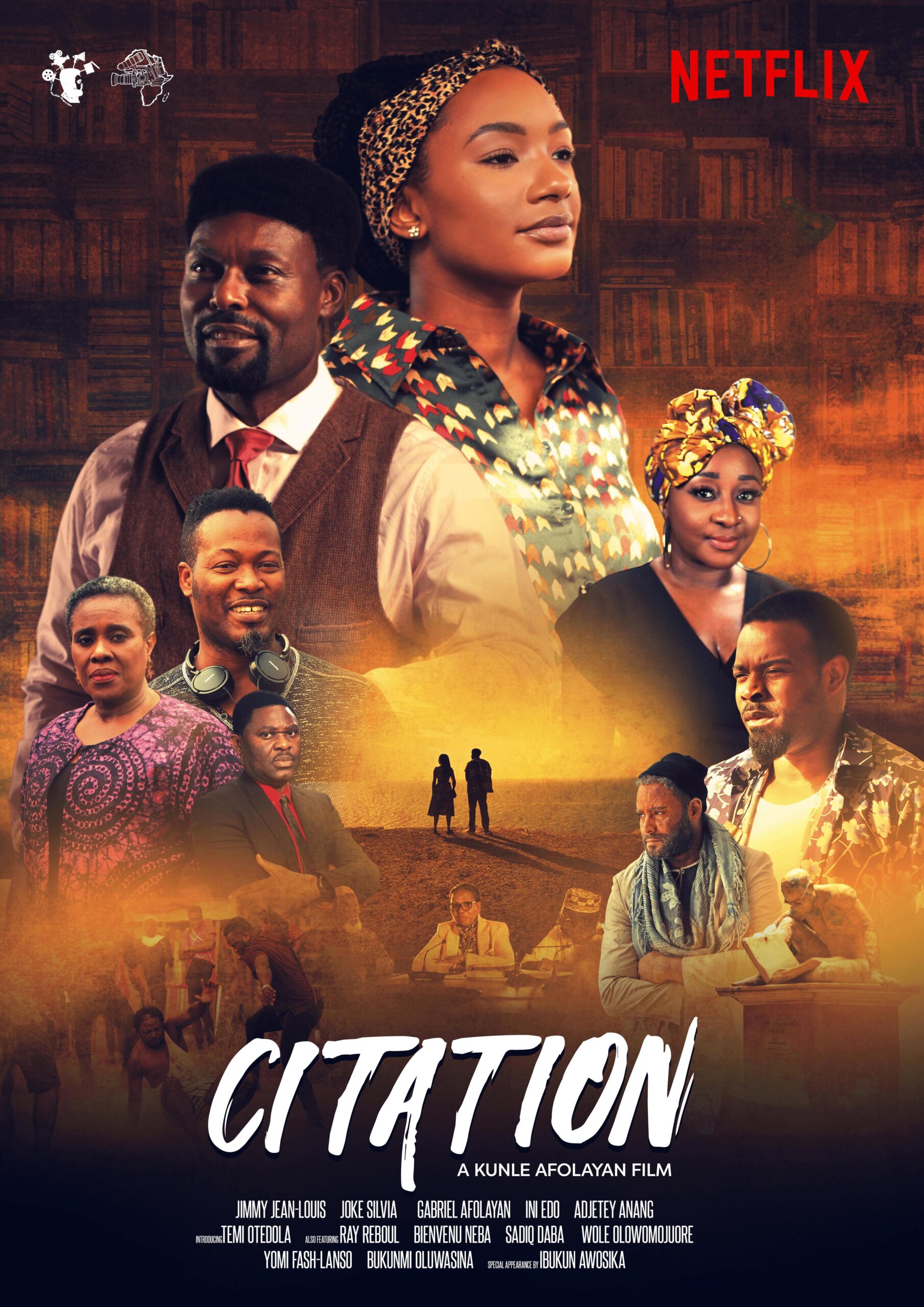
Kunle Afolayan’s drama about a postgraduate student accusing a respected professor of sexual misconduct lands with quiet power. Moremi Oluwa, played by Temi Otedola in her debut, brings the kind of restrained, watchful performance the role demands. The university setting, the academic hearing structure, and the slow-build pacing make this one of the most internationally legible films Nollywood has produced in the last decade.
The English-language dialogue is precise. The supporting cast, including Joke Silva and Jimmy Jean-Louis, carries scenes with the weight of theater veterans. What lifts the film beyond its courtroom-adjacent premise is Afolayan’s willingness to sit with discomfort, to refuse the easy conclusion, and to give the accused his own arc without ever excusing him. For a first-time viewer used to American legal dramas, the rhythm will feel familiar enough to settle into, but the moral texture is distinctly Nigerian.
5. Anikulapo (2022)
Kunle Afolayan again, this time turning toward Yoruba mythology and producing one of the most visually arresting Nollywood films of the modern era. Saro is a traveling weaver in the old Oyo Empire whose ambition, romantic recklessness, and brush with a death-defying gourd called Akudaaya pull him into a story that operates on the logic of folktale.
Yes, the film is largely in Yoruba. That seems to break the rule. The reason it earns a spot anyway is the visual language. The costumes, the landscape, the choreography of the crowd scenes, and the score do so much narrative work that the subtitles become a supplement rather than a crutch. A first-time viewer who can handle one foreign-language film, the way a Western audience handles Kurosawa or Almodóvar, should absolutely include “Anikulapo.” It’s a passport stamp. Skip it only if the viewer is allergic to reading dialogue.
6. Eyimofe (This Is My Desire) (2020)
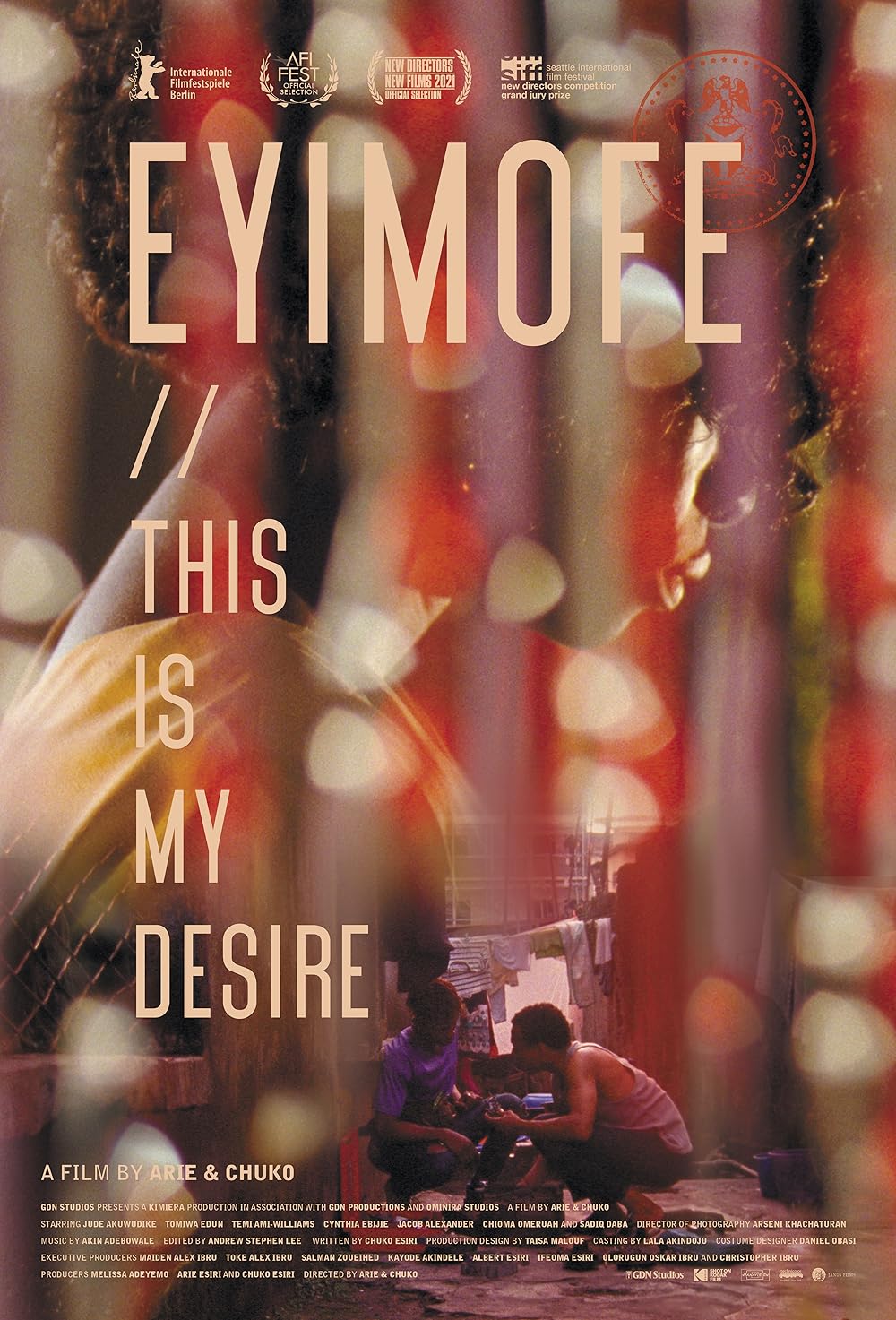
The Esiri brothers’ debut feature is the art house entry, the one to put in front of a viewer who watches Cannes selections and asks whether Nigeria has anything operating at that frequency. The film follows two Lagos residents, Mofe and Rosa, separately chasing the dream of leaving the country for what they hope will be better lives in Europe. The two stories never quite intersect in the way the structure teases, and that restraint is the point.