

The Untold Story of How Afrobeats Got Its Name (And Why Fela Kuti Fans Still Argue About It)
Afrobeats

The Untold Story of How Afrobeats Got Its Name (And Why Fela Kuti Fans Still Argue About It)

Jalen RossJalen Ross··8 min read
Advertisement

Femi Kuti has said in interviews, more than once, that the contemporary Afrobeats genre has nothing to do with his father’s music. He is not bitter about it. He is making a factual point about lineage that most international press coverage of Afrobeats persistently fails to make. There are two distinct genres being conflated by a single naming choice, and the resulting confusion has been simmering for over a decade.

The Crucial Distinction Most People Miss
The Untold Story of How - The Crucial Distinction Most People Miss

Before diving into the origin, the foundational fact to understand is that there are two distinct genres with confusingly similar names. Afrobeat (singular, no s) is the genre pioneered by Fela Anikulapo Kuti in the 1970s, combining traditional Yoruba music, highlife, jazz, funk and political activism into long, complex compositions that often ran fifteen minutes or longer per track.

Afrobeats (plural, with the s) is the contemporary West African pop genre that emerged primarily in the 2010s, characterised by shorter song structures, dance-friendly tempos, hip-hop and R&B influences, and party-oriented or romantic lyrical content. Wizkid, Burna Boy, Davido, Tems and Rema operate in Afrobeats. Fela Kuti operated in Afrobeat.

The two genres share some sonic DNA. They emerged from West African musical traditions. They both incorporate horn sections and African rhythmic foundations. But the genres are fundamentally different in scope, intent and structure. The naming similarity has been a source of confusion and frustration for decades.

Fela Kuti and the Original Afrobeat
The Untold Story of How - Fela Kuti and the Original Afrobeat

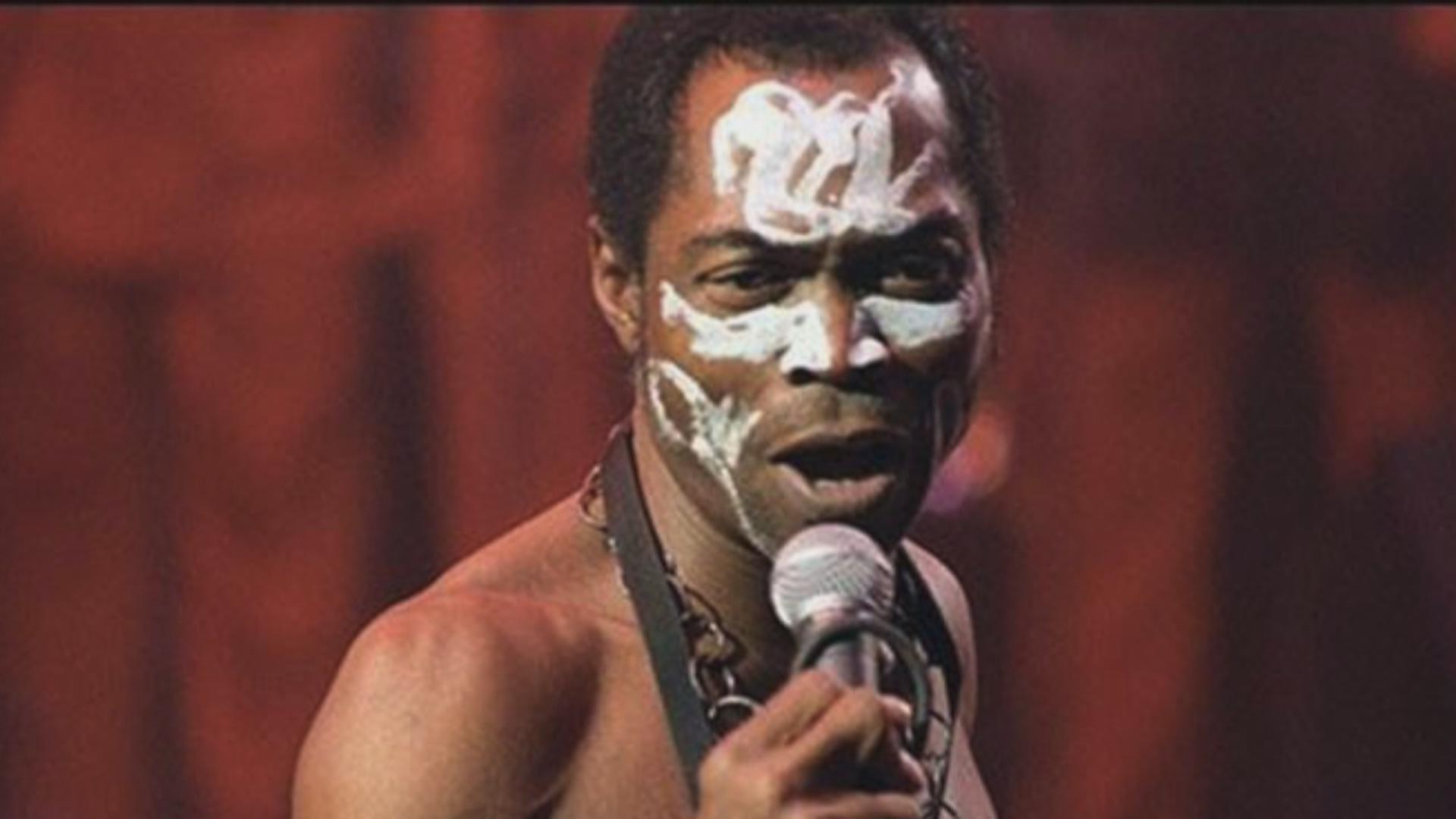
The original Afrobeat genre is one of the most consequential African musical creations of the 20th century. Fela Anikulapo Kuti developed the sound in the late 1960s and 1970s, drawing on his experience studying music at Trinity College London, his exposure to American jazz and funk, his deep connection to Yoruba musical traditions and his radical political consciousness.

Afrobeat compositions were typically long, complex pieces that combined multiple horn sections, intricate percussion patterns, call-and-response vocals and politically charged lyrics. Fela used the genre as a vehicle for political protest against Nigerian government corruption, military rule and the broader colonial and neocolonial structures that shaped post-independence Nigeria.

The Afrobeat genre has continued through Fela’s sons Femi Kuti and Seun Kuti, both of whom have built substantial international careers. Other artists including Antibalas in the United States have maintained the genre’s tradition. By any measure, Afrobeat is a substantial and culturally important genre with a clear identity and lineage.

The Emergence of Afrobeats (With the S)
The Untold Story of How - The Emergence of Afrobeats (With the S)

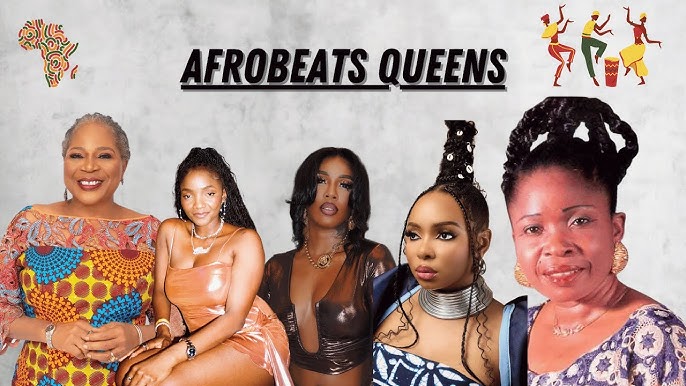
The contemporary Afrobeats genre emerged from a different cultural moment and a different set of influences. By the late 2000s and early 2010s, Nigerian and Ghanaian artists were producing pop music that combined hip-hop production aesthetics, R&B vocal sensibilities, dancehall rhythmic elements and West African musical traditions into a new commercially viable pop framework.

D’banj, P-Square, 2Face Idibia (now 2Baba), Wizkid, Davido and others released music that was structurally pop, not the long-form political protest music Fela had created. The sound was party-friendly, romantically oriented and built for dance floors rather than political consciousness.

The genre needed a name. The name that emerged, primarily from Western journalists and music industry executives looking for a category label, was Afrobeats with an s. The naming was probably a hybrid of Afrobeat (the existing African pop reference point Westerners knew) and the convention of plural-form genre names (hip-hop beats, club beats, etc.).

The Naming Dispute
The Untold Story of How - The Naming Dispute

The naming dispute has been simmering since the term Afrobeats began gaining international currency. Fela Kuti loyalists, including his sons and many longtime Afrobeat fans, have argued that the contemporary pop genre’s adoption of the similar name dilutes and confuses the legacy of the original Afrobeat genre.

Some critics have argued that the contemporary Afrobeats genre should have adopted a more distinct name to avoid confusion with the original Afrobeat. Suggested alternatives have included Afrofusion (which Burna Boy uses for his work), Afropop and various other terms. None of these alternatives stuck commercially in the way Afrobeats has.

The contemporary Afrobeats artists themselves have varying positions on the naming question. Burna Boy has explicitly distanced himself from the Afrobeats label, preferring Afro-fusion to emphasise his connection to the Fela tradition. Other artists have embraced the Afrobeats label without controversy. The genre remains internally divided about whether the name is appropriate.

The Femi and Seun Kuti Position

The Untold Story of How - The Femi and Seun Kuti Position

Femi Kuti and Seun Kuti, Fela’s musician sons, have publicly addressed the naming question on multiple occasions. Both have expressed varying degrees of frustration with the contemporary genre’s use of the similar name, while also acknowledging that the genre is a legitimate creative force in its own right.

The Kuti brothers’ positions matter because they are the direct inheritors of Fela’s musical legacy. Their concerns reflect a substantive cultural argument, not just gatekeeping. The Afrobeat tradition they continue has specific musical, political and cultural meanings that the contemporary Afrobeats genre does not share. Conflating the two genres flattens that meaning.

At the same time, the Kutis have collaborated with contemporary Afrobeats artists on various occasions, and the relationships between the genres are not purely adversarial. The cultural conversation includes both critique and collaboration.

Why the Name Stuck

The Untold Story of How - Why the Name Stuck

The Afrobeats name stuck because no alternative organising term emerged that could match its commercial momentum. Western music industry needed a category label to discuss the contemporary West African pop genre. Afrobeats was already in use. The marketing apparatus around the genre, including streaming platform editorial categories, festival branding and press coverage, locked in the name.


Advertisement

Once the name was locked in, the inertia of marketing infrastructure made any retroactive renaming impractical. The genre’s commercial success compounded over years with the Afrobeats label attached, and undoing that branding would have required coordinated effort across major labels, streaming platforms and press organisations that nobody had incentive to organise.

The Generational Divide

The Untold Story of How - The Generational Divide

The naming debate has a generational dimension. Older listeners and Afrobeat purists tend to be more concerned about the confusion than younger listeners. For Nigerian and broader African audiences who came of age during the contemporary Afrobeats era (roughly 2010 and after), the genre’s name is simply what the music is called. The historical connection to Fela’s Afrobeat may not register with the same urgency.

Younger artists in the contemporary Afrobeats space have generally been comfortable with the name even when they acknowledge the historical confusion. Their primary cultural reference point is Wizkid, not Fela. They came up listening to D’banj and Davido, not Fela compositions. The name fits the music they actually make.

The Authorship Debate

The Untold Story of How - The Authorship Debate

Beyond the naming question, there is a related debate about who actually coined the term Afrobeats with an s. Various Western journalists and African music industry figures have been credited at different times with introducing or popularising the term. The journalist DJ Edu and the radio show host Abrantee have both been cited as early users of the term in the broadcast and DJ spaces.

The authorship debate is partly about academic historical accuracy and partly about who deserves credit for the cultural moment. The artists themselves did not initially call their music Afrobeats. The genre name was largely an external classification that the artists then adopted because it was useful for marketing and discoverability.

The Genre Bifurcation Going Forward

The Untold Story of How - The Genre Bifurcation Going Forward

In 2026, the genre conversation has partially resolved the naming question through bifurcation. International press has become more careful about distinguishing Afrobeat from Afrobeats. Wikipedia entries, academic music writing and more thoughtful music journalism increasingly maintain the distinction. The casual confusion persists in mainstream coverage but is less endemic than it was a decade ago.

The Grammy category Best African Music Performance, introduced in 2024, does not use either Afrobeat or Afrobeats as a category name, partly to sidestep the naming controversy and partly to be inclusive of the broader African music scene. This kind of category-level neutrality may become more common as the music industry works to acknowledge both traditions appropriately.

What Fela Would Have Thought

The Untold Story of How - What Fela Would Have Thought

A common parlour game in African music conversations is what Fela himself would have thought of the contemporary Afrobeats genre. The honest answer is that we do not know. Fela was a complicated, opinionated man with strong views on most subjects, and projecting his hypothetical opinions onto contemporary debates is speculative.

What we can say with reasonable confidence is that Fela would probably have had complicated feelings. The commercial success of African music globally would likely have pleased him. The dilution of political consciousness in much contemporary Afrobeats would likely have frustrated him. The naming confusion he would probably have hated.

His sons’ positions are probably reasonable proxies for what Fela himself might have thought. The Kutis have generally maintained that the contemporary genre is legitimate art that should not be conflated with Afrobeat. That balance probably reflects Fela’s likely view.

The Legacy Question

The Untold Story of How - The Legacy Question

The deeper cultural question underneath the naming debate is what the relationship between the contemporary Afrobeats genre and Fela’s Afrobeat tradition should be. The honest answer is that they are related but distinct musical traditions, with the contemporary genre owing some debt to the original but operating in a fundamentally different artistic mode.

The contemporary Afrobeats genre is not Fela’s tradition continued. It is its own thing. The respect that contemporary artists owe to the Afrobeat legacy is real, but the contemporary genre is not obligated to be politically engaged or structurally similar to Afrobeat to be legitimate.

The reverse is also true. Afrobeat’s legacy is not diminished by the contemporary Afrobeats genre’s commercial success. Both traditions can coexist and flourish, with their own audiences, their own cultural meanings and their own paths forward.

The 2026 Position

The Untold Story of How - The 2026 Position

The naming debate continues but with less intensity than a few years ago. Both Afrobeat and Afrobeats are now widely recognised as distinct genres with their own legitimacy. The casual confusion persists but is less consequential than the early debates suggested.

For Sidomex readers tracking the deeper history of contemporary African popular music, the naming story is useful context. It illustrates how genre labels emerge from messy combinations of commercial pressure, cultural inheritance and journalist convention rather than from clean intentional naming decisions.

Fela’s Afrobeat and contemporary Afrobeats are not the same. The shared name was a journalistic shortcut that the industry never undid. The artists making both kinds of music know the difference, even if international audiences and Spotify playlists do not. Anyone serious about engaging with African music in 2026 owes themselves the small effort of learning to tell them apart.

Advertisement
Share
Get the recap

Loved this story? Get more like it.

Join readers who get our weekly entertainment recap - the stories worth your time, delivered every Friday.

No spam. Unsubscribe anytime. By signing up you agree to our Privacy Policy.

The Untold Story of How Afrobeat... | Sidomex Entertainment