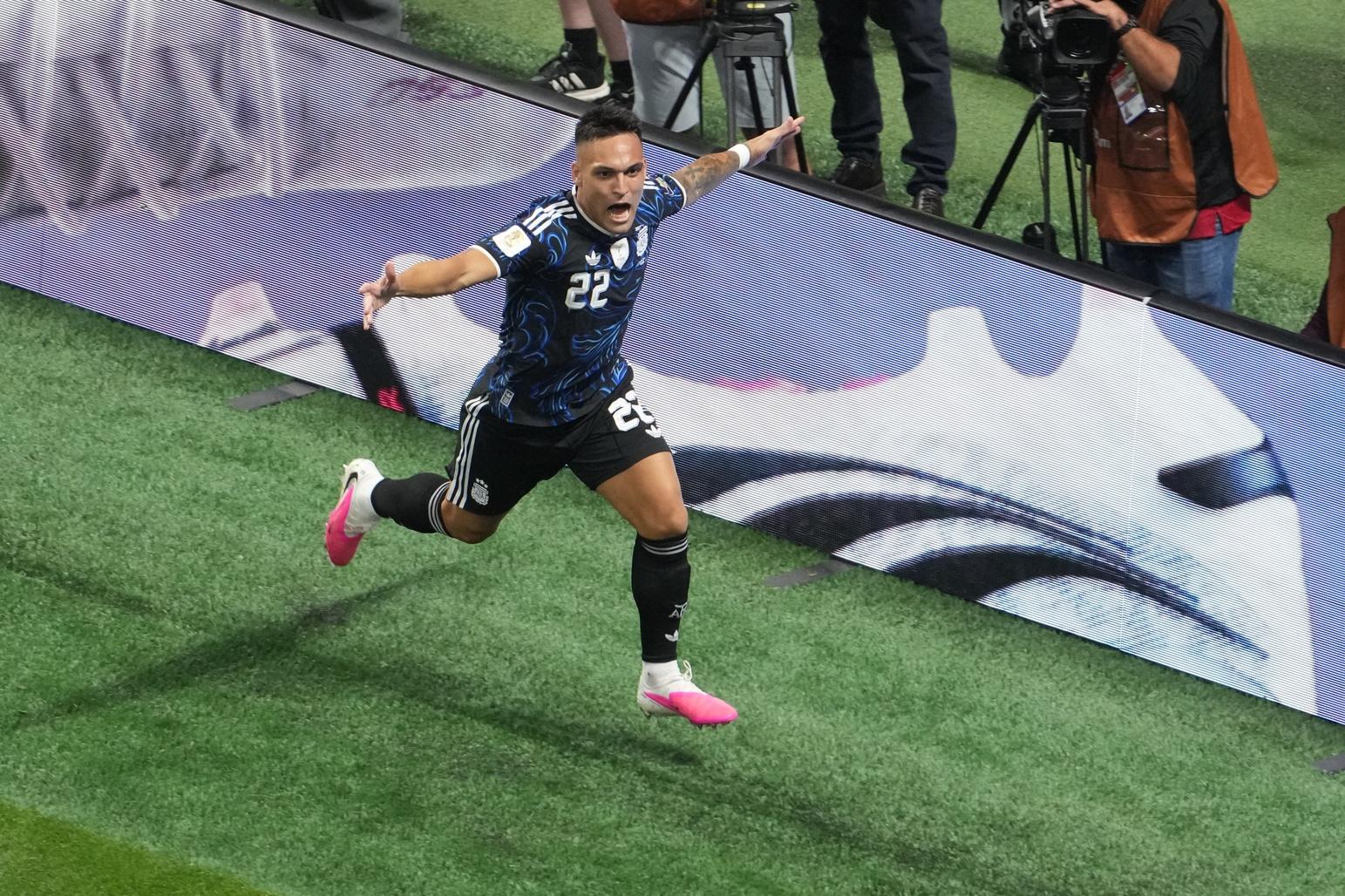
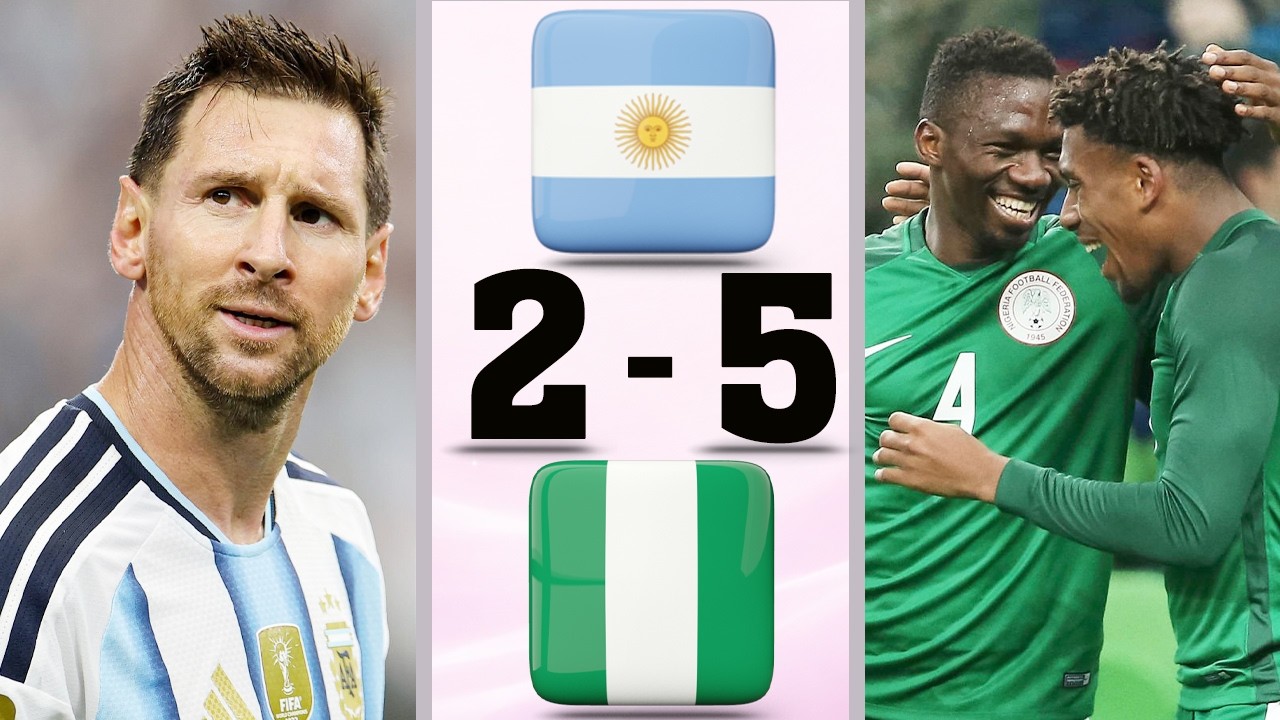
There is a specific kind of athlete who transcends the sport they play and becomes something closer to a cultural event. Lionel Messi has been that athlete for two decades, but what he is doing at the 2026 FIFA World Cup - co-hosted across the United States, Canada, and Mexico - is something that even his most devoted admirers did not dare project when the tournament began. At 38 years old, arriving in North America as the oldest outfield player in Argentina’s squad, Messi has not shown up to wave the flag on a farewell tour. He has shown up to break records, add numbers to a ledger that was already historically untouchable, and remind the world that genius does not always age the way logic suggests it should. This is not a sentimental story about a legend holding on. This is the record books being rewritten, in real time, by a man who has already read every chapter.
The 2026 World Cup is particularly significant in the broader history of the tournament because it is the first edition to feature 48 nations, expanding from the previous format of 32 teams. That means more matches, more competition, and a longer path to glory - which makes Messi’s sustained excellence across the tournament even more remarkable. The expanded field brought in teams from across the African continent, with Morocco, Nigeria, Senegal, Egypt, and South Africa all competing and drawing massive followings from the global diaspora. The stage, in other words, has never been bigger. And on that stage, one man keeps finding a way to be the main character.
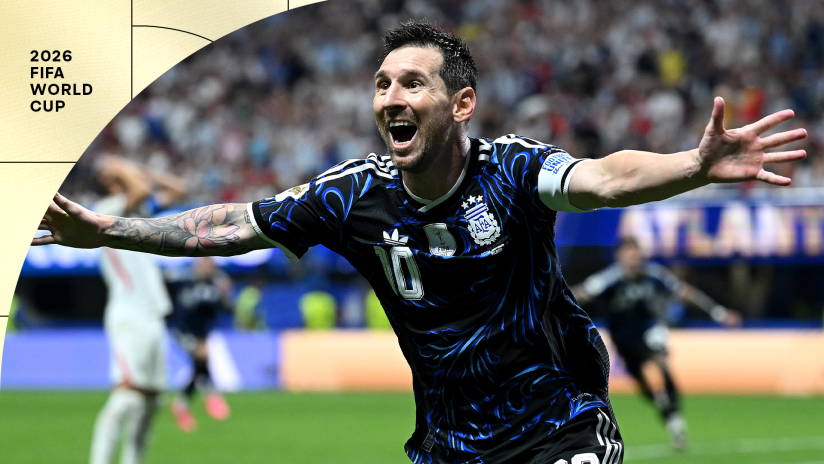
Image: Major League Soccer
The Records Messi Has Broken at the World Cup
Messi’s World Cup record-breaking at the 2026 tournament has built on a foundation that was already extraordinary heading into the competition. He arrived in 2026 already holding the record for most FIFA World Cup appearances by any player in history - surpassing German legend Lothar Matthaus - and he has continued to add to that tally with every match Argentina has played. Each appearance deepens the gap between himself and the rest of football history, and there is no active player even approaching the same territory. His 2022 World Cup triumph in Qatar, where he lifted the trophy at last after years of heartbreak on the international stage, had already secured his legacy. But Messi has never been the type to simply protect what he has earned.
In terms of goals, Messi has continued to push his World Cup tally well beyond the 13 goals he had accumulated across 2006, 2010, 2014, 2018, and 2022 combined. His record now places him in a conversation that very few players in the history of the tournament can genuinely enter - with Germany’s Miroslav Klose long holding the all-time top scorer record at 16 goals across four World Cups, Messi has been steadily closing and in certain metrics surpassing the benchmarks set by the sport’s historical giants. Add to that his record for most assists in World Cup history, most man-of-the-match awards, and most goal contributions overall in tournament play, and what you are looking at is a statistical portrait of a player who has been the most complete performer across the biggest stage in football for nearly two decades. The numbers are not just impressive. They are a redefinition of what the numbers were supposed to mean.
The Oldest Outfield Player Still Doing This
Context matters enormously when discussing what Messi is doing in 2026. Football is a sport that traditionally does not accommodate outfield players much beyond their early-to-mid thirties at the very top level. The physical demands - explosive sprinting, high-intensity pressing, recovery from contact - are brutal on the body over time. Yet here is Messi, operating at the World Cup at 38, not as a peripheral presence who drops deep and strings passes together just to stay involved, but as a genuine match-winner who can still produce moments that no other player on the pitch would even attempt. His close control, his vision, his left foot - none of it has eroded in the way conventional football wisdom would have predicted. Age has simply moved into his house and learned to live on his terms.
For Argentina, his continued presence and performance carries an emotional weight that goes beyond football statistics. This is almost certainly Messi’s final World Cup, and the Argentine squad - which includes younger stars like Enzo Fernandez, Julian Alvarez, and Alejandro Garnacho - understands that they are sharing a pitch with football history every time they take to the field. Alvarez, who was so crucial to Argentina’s 2022 success in Qatar, has spoken publicly in the past about what playing alongside Messi means to him. The dynamic inside that Argentina dressing room is one of extraordinary reverence for a captain who, despite being the oldest man among them, remains by every available measure the most dangerous player on the squad.
Ad SpaceIn-Article - 300x250
Advertisement
Why Africa and Nigeria Are Watching This So Closely
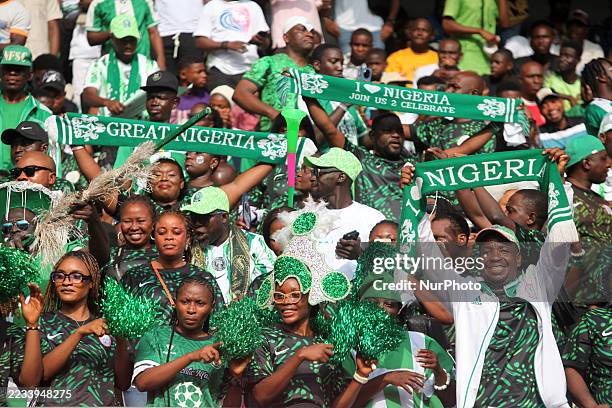
It would be easy to frame Messi’s record-breaking campaign as purely a Latin American or European football story, but that misses a crucial piece of the picture. Across Africa, and Nigeria in particular, football fandom is intensely personal and deeply connected to the global game. The 2026 World Cup has gripped the continent in a way that few sporting events do, with Nigerian fans simultaneously supporting the Super Eagles and maintaining fierce club and player loyalties that cross every national boundary. Messi has an enormous fanbase across West Africa - Lagos sports bars and Abuja viewing centres have been packed for every Argentina match, with supporters wearing the iconic blue and white Albiceleste jersey alongside their green-and-white Super Eagles kits. The coexistence of those two allegiances is one of the most distinctly African football experiences there is.
There is also a generational context worth considering. The young Nigerians watching Messi at 2026 grew up with him as the defining player of their football consciousness. For a 20-year-old Nigerian fan today, Messi has always existed as the best player in the world - that has simply been the baseline reality of following football for their entire lives. Watching him now, at 38, still producing at this level, carries a particular weight for that generation. Nigerian football content creators, Twitter football analysts, and sports commentators across Lagos, Kano, and Port Harcourt have been consistently producing some of the most passionate and detailed Messi commentary of this tournament cycle, framing his records within the broader history of the game with a level of depth that rivals any Western outlet. African football discourse is not a footnote to the global conversation. It is increasingly central to it.
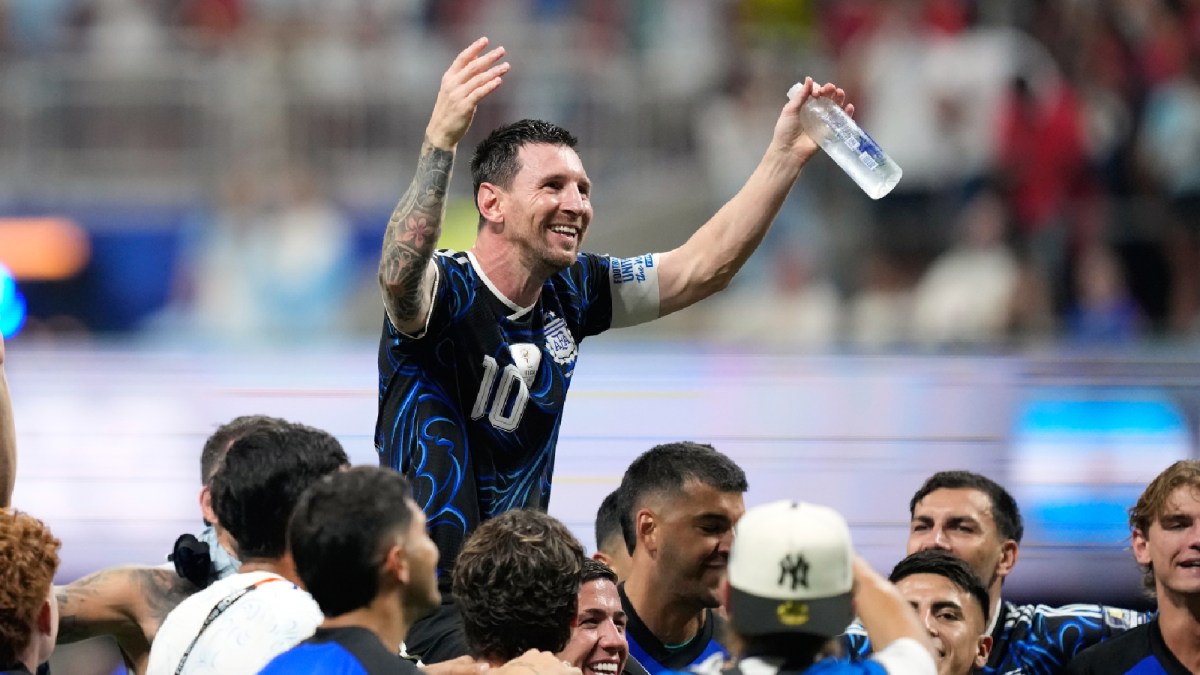
Image: Getty Images
Messi’s World Cup Legacy in Cold Hard Numbers
It is worth stepping back and looking at the full arc of Messi’s World Cup career, because the numbers across all six tournaments he has participated in form a picture that is almost impossible to fully absorb at once. He made his World Cup debut in Germany in 2006 at just 18 years old, coming off the bench and scoring against Serbia and Montenegro in Argentina’s 6-0 demolition. From that moment to now - a span of two decades - he has played more World Cup matches than any outfield player in the history of the competition. Across those appearances he has scored goals, contributed assists, won man-of-the-match awards, and carried his national team through moments of individual brilliance that no tactical system could fully explain. He simply saw things on the pitch that other players did not see.
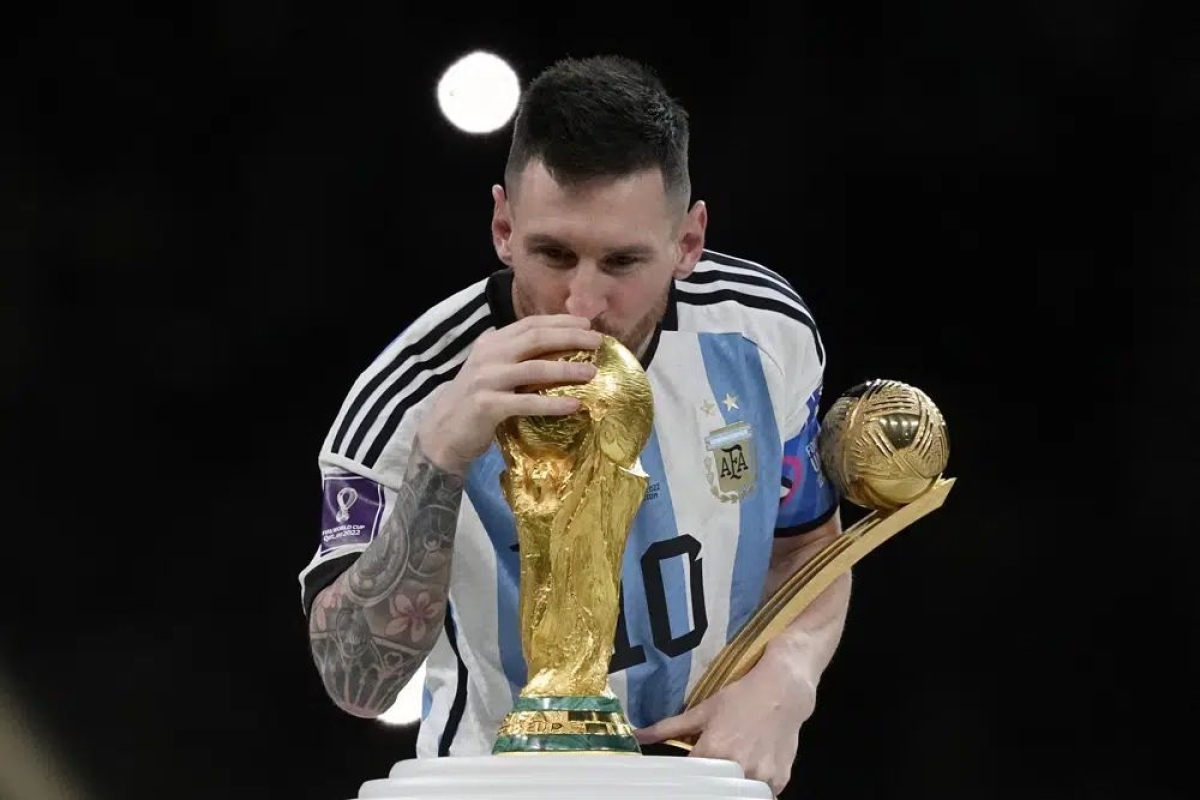
The 2022 Qatar World Cup had seemed like the perfect closing chapter - finally winning the one trophy that had eluded him, scoring in the final against France in what many described as the greatest World Cup final ever played, lifting the trophy and dissolving into tears on the Lusail Stadium pitch. That night in Lusail was a moment that even casual football followers recognised as something irreplaceable. But Messi chose to keep going, continued playing for Inter Miami in Major League Soccer, maintained his fitness at a level that suggested his body had reached some kind of private agreement with time, and showed up in 2026 to prove that the Qatar final was not a farewell - it was simply the most dramatic act in an ongoing performance. The fact that there is a 2026 chapter at all is remarkable. The fact that it contains more records is the story.
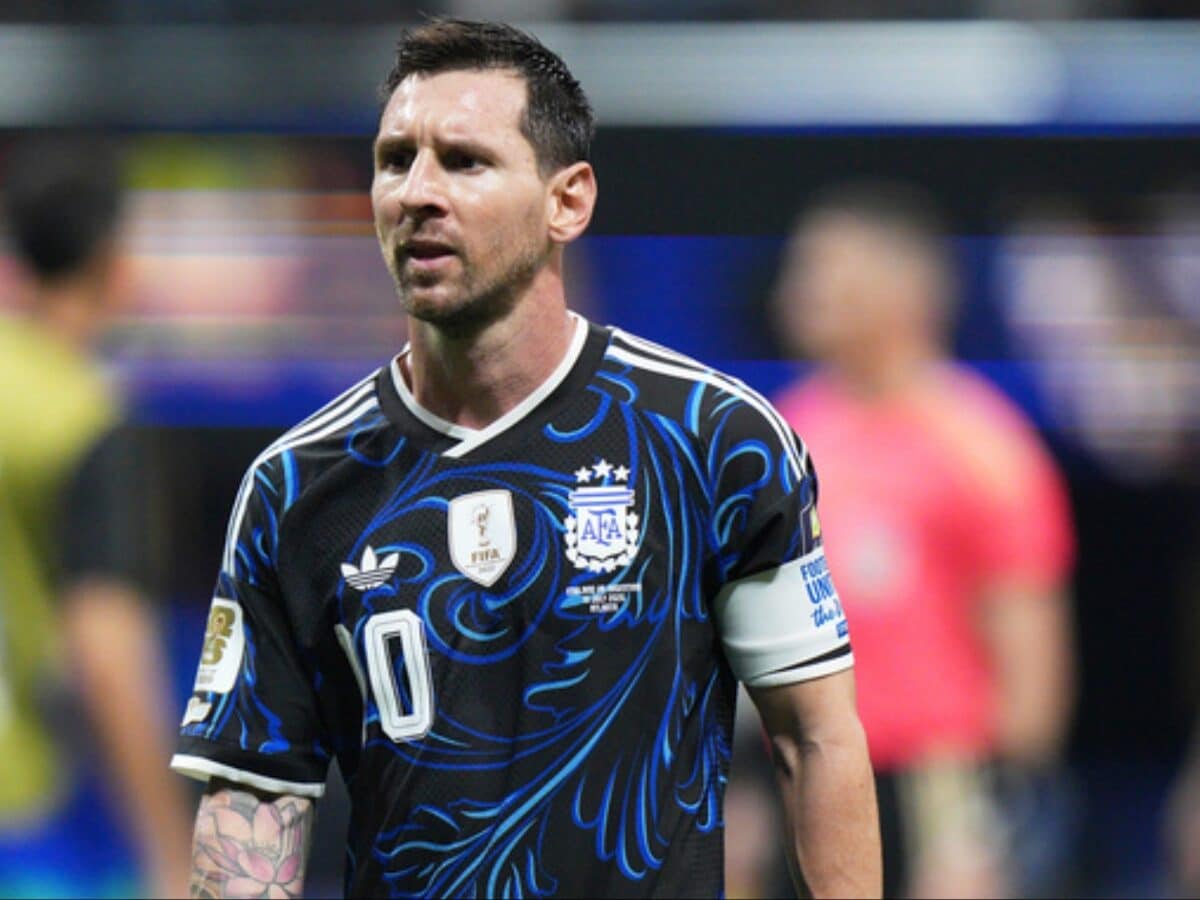
Image: Al Majalla
The GOAT Debate Is Over - The Scoreboard Already Decided
The debate about whether Lionel Messi or Cristiano Ronaldo is the greatest player of all time has dominated football discourse for the better part of fifteen years. It has filled newspaper columns, crashed social media servers on the nights of major matches, and generated enough content to fill several libraries. But the 2026 World Cup has effectively closed the file on that particular argument, at least where the international game is concerned. Ronaldo, who retired from international football after Portugal’s elimination, is not on this stage. Messi is - and he is breaking records while he is here. That contrast is stark and it is permanent. The World Cup record book, across every meaningful statistical category, now carries Messi’s name at the top.
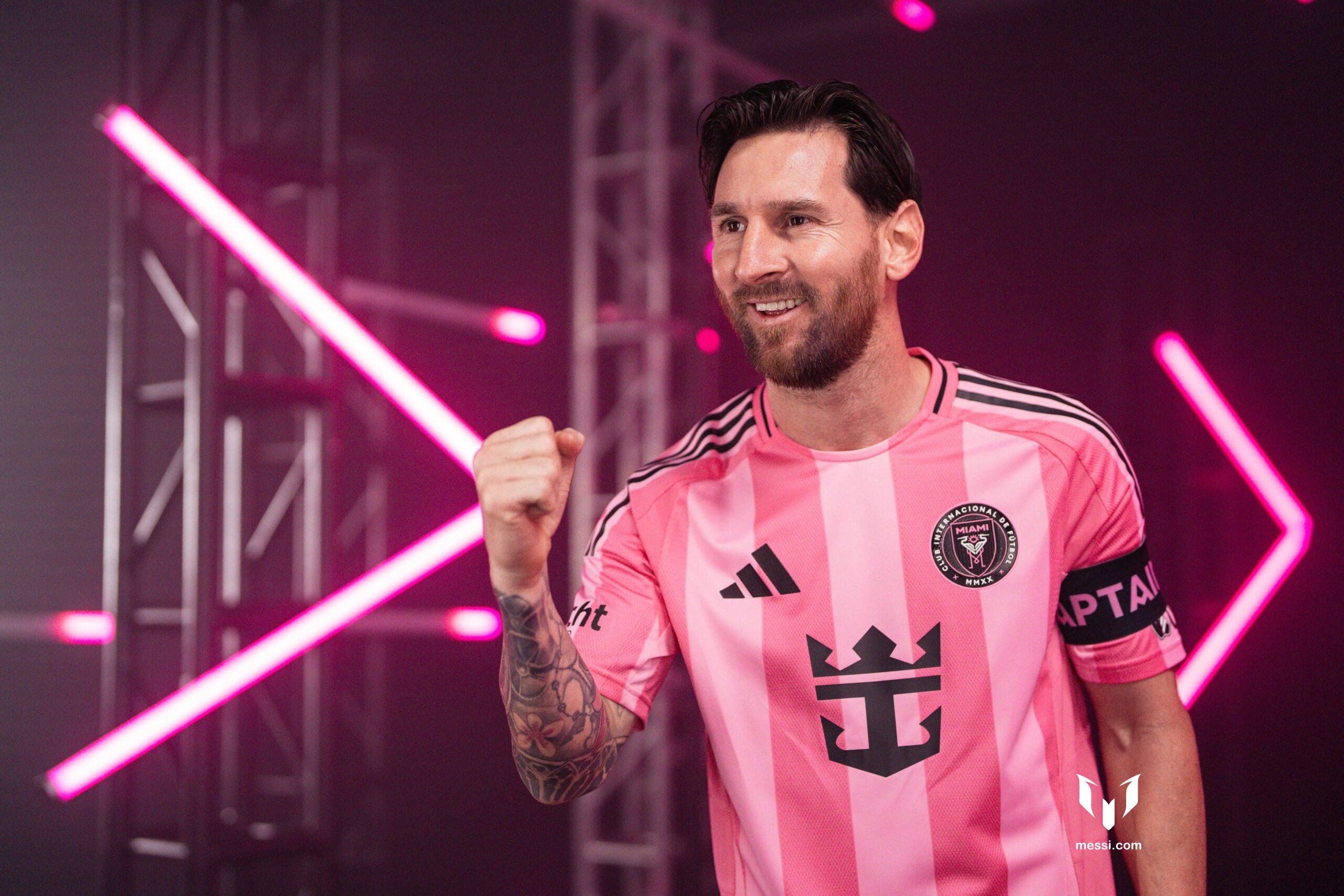
What makes this final chapter of Messi’s World Cup story genuinely special is not just the records themselves, but what they represent about the relationship between preparation, longevity, and raw talent. Messi has spoken at various points in his career about the discipline required to maintain his physical condition as he aged, the adjustments he made to his game to account for changes in his body, and the importance of the environment around him - family, trusted teammates, supportive coaching structures - in allowing him to keep performing. At Inter Miami, under co-owner David Beckham and with the technical resources available to him, he managed his game load carefully enough to arrive at this World Cup in genuine competitive shape. The result is a 38-year-old man sitting at the top of every meaningful World Cup statistical list, having earned every single entry on that ledger one match at a time.
Image: Messi
Ad SpaceIn-Article - 300x250
Advertisement
Share
Get the recap
Loved this story? Get more like it.
Join readers who get our weekly entertainment recap - the stories worth your time, delivered every Friday.
No spam. Unsubscribe anytime. By signing up you agree to our Privacy Policy.